A small business owner in Los Angeles once faced a staggering loss when a shipment of precision equipment was delayed and damaged during transit. The incident underscored the importance of proper inland marine coverage-a specialized protection that goes well beyond traditional property insurance. This guide breaks down the essentials of inland marine insurance in California, offering insights into trends, technological advances, and evolving market demands. Readers can explore further details from
Milly Books as they learn why this coverage is key to mitigating risks in an increasingly complex environment.
Understanding Inland Marine Insurance
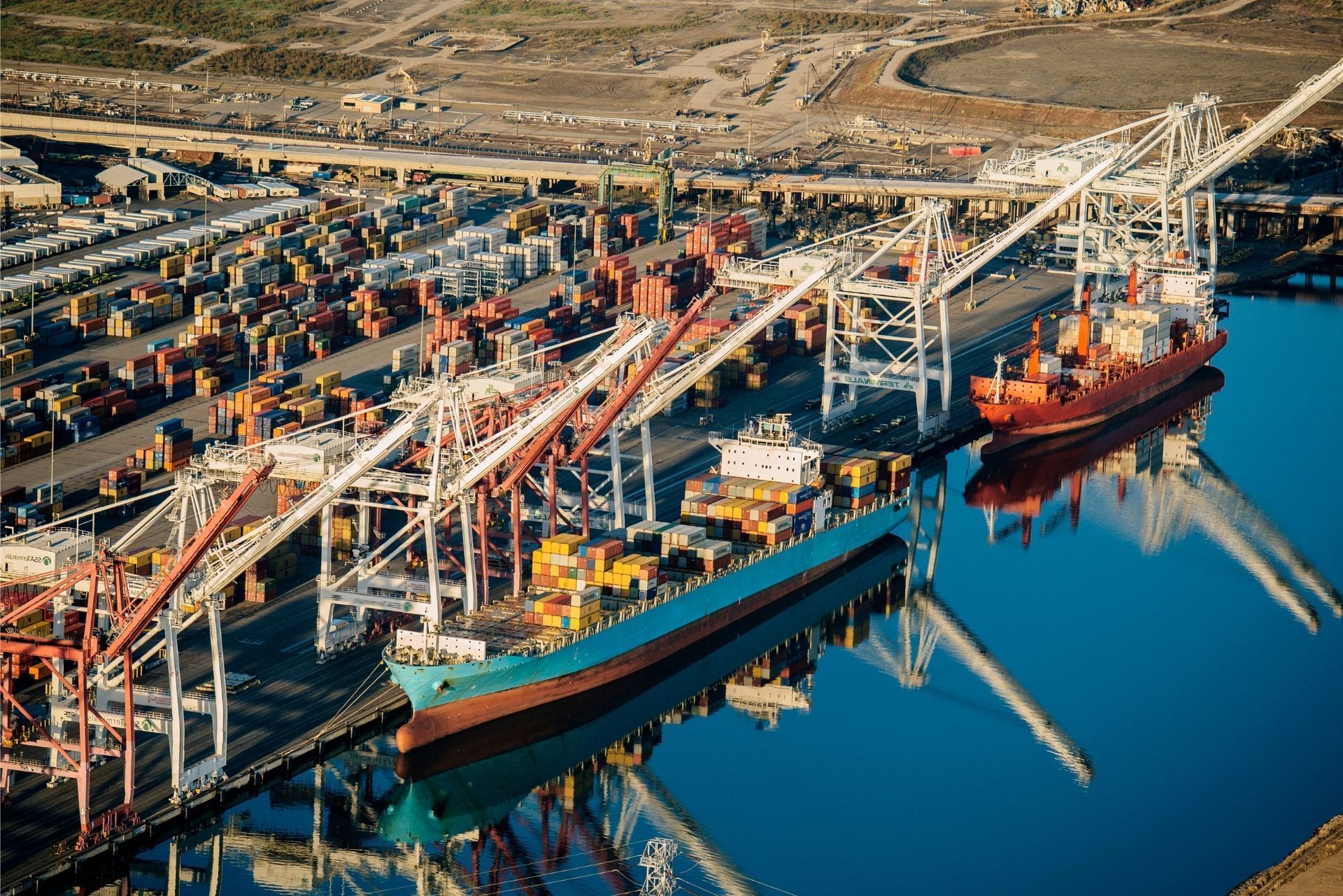
Inland marine insurance covers a wide range of property exposures that move or are transported over land. Unlike standard commercial policies that focus on stationary buildings, inland marine coverage is designed for items that may be in transit or stored off-site. This includes high-value equipment, specialized tools, and even complex cargo shipments that are essential to industries such as manufacturing, transportation, and logistics.
The breadth of coverage ensures that even items not tied to a single location are insured against hazards like theft, damage during handling, or even environmental contingencies. For those who rely on mobility and versatility, inland marine insurance fills a critical gap, addressing needs that traditional policies often overlook.

By: Peter Plew
Commercial Insurance Agent at Caruso Insurance Services
Key Coverage Components and Benefits
One of the outstanding features of inland marine insurance is its ability to cover unique and off-site risks. The coverage may include scans for potential hazards, specialized equipment protection, and transit interruptions. This type of insurance is particularly beneficial to businesses that operate in multiple regions, ensuring that even goods in transit receive appropriate coverage.
Business owners find peace of mind knowing that the insurance policy accounts for risks that travel with them. This is especially important when shipments traverse areas prone to cargo theft or when economic pressures cause fluctuations in transportation routes. Recent data indicates that North American cargo theft increased by 27% in 2024
according to Insurance Business, making such coverage ever more essential.
Market Trends and Emerging Statistics
Recent industry trends highlight a robust growth pattern in inland marine insurance premiums in California. Between 2015 and 2022, premiums surged from $2.61 billion to $4.21 billion-a more than 61% increase Milly Books reports. This notable jump illustrates not just a rise in demand, but a growing recognition that traditional commercial insurance may not suffice for modern operational risks.
This expansion reflects both new risks and a market that is increasingly willing to invest in specialized, dynamic coverage. With inland marine insurance now accounting for 10.42% of the California property and casualty market share according to the California Department of Insurance, businesses can consider these statistics a reliable indicator of a thriving insurance sub-sector.
The growth in premiums and market share also aligns with the evolving nature of risk management. As businesses invest in more advanced equipment and technology, the financial stakes have grown, demanding more comprehensive and adaptive coverage solutions.
The Role of Specialty Products in Marine Risk Strategies
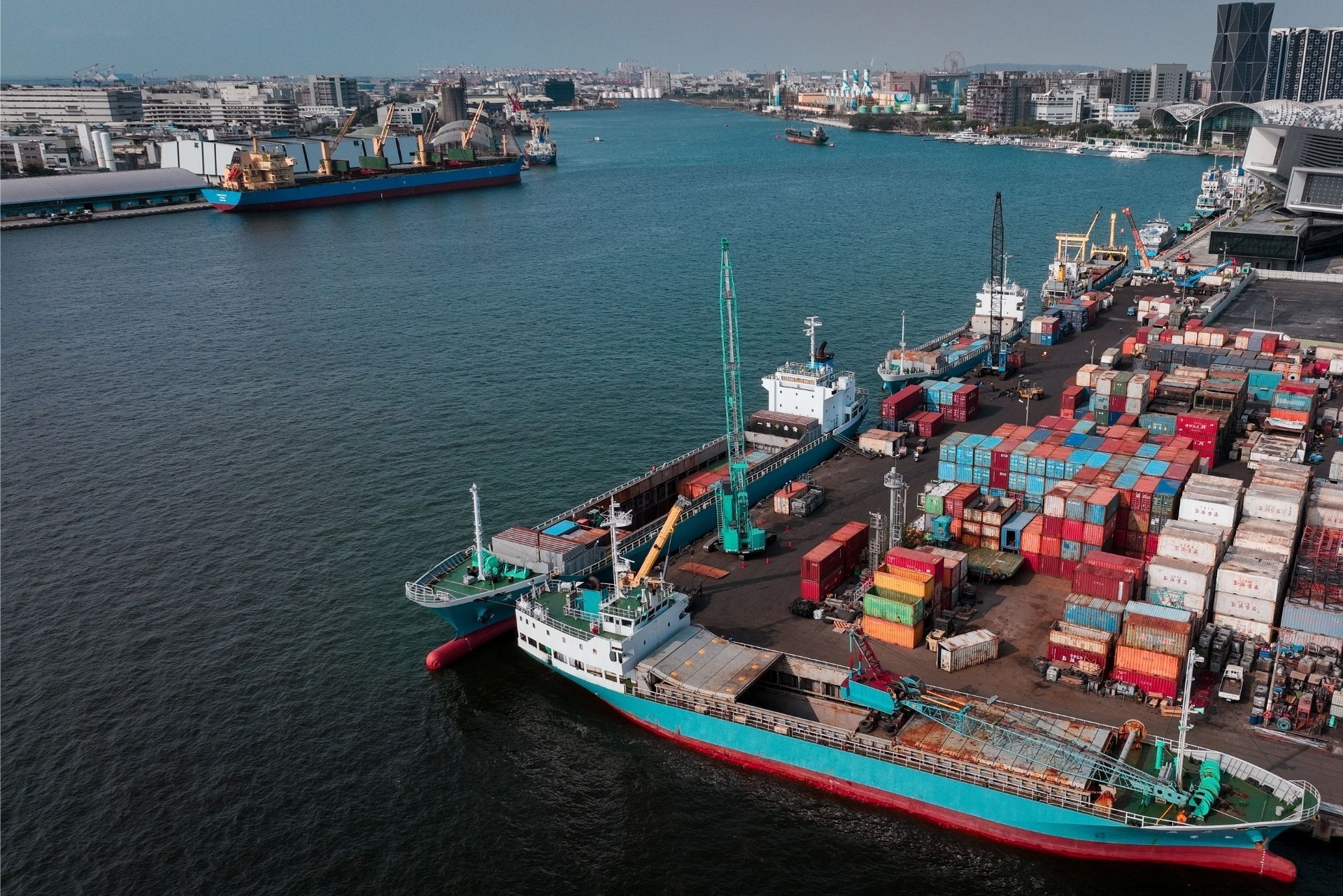
Expert insights reveal a significant shift in how specialty products are perceived in marine risk strategies. What was once regarded as a niche option has now emerged as a core component of modern insurance portfolios. As noted by industry experts, specialty products are becoming indispensable for effective risk management Insurance Business explains.
The integration of these specialized protections not only addresses unique exposures but also accommodates the evolving needs of businesses with diverse assets and operations. From high-value equipment to sensitive cargo, specialty products play a key role in ensuring that coverage is as dynamic as the risks faced on the move.
Technological Innovations Transforming Coverage
The insurance industry is embracing cutting-edge technology to refine risk assessment methods and develop dynamic pricing models. The integration of IoT devices and telematics offers valuable real-time data on vessel and cargo behavior. This provides insurers with the tools necessary to track exposures meticulously and fine-tune policy details.
Real-time tracking and data analytics not only help in setting competitive premiums, MarketIntelo discusses but also enhance risk management practices overall. Such technological integrations empower insurers to move away from traditional one-size-fits-all approaches, ensuring that policies are both responsive and tailored to rapidly shifting market conditions.
This growing reliance on technology is reshaping the contours of inland marine insurance in California, marking a transition from historical data reliance to proactive risk management powered by real-time insights.
The Impact of Dynamic Economic Conditions
The complexity of today's economic environment means businesses face new risk scenarios that were once overlooked. Increased cargo theft in North America, for instance, has become a significant contributor to elevated insurance claims. The 27% rise in cargo theft in 2024 Insurance Business notes is one example where economic pressures and emerging trade routes play a disruptive role.
Economic fluctuations affect everything from transportation costs to shipping schedules. In light of these challenges, insurers are calling for enhanced safeguards. In 2025, the California Department of Insurance requested an additional $1 billion from insurers to reinforce the FAIR Plan-a state-backed pool designed to bolster financial resilience amidst emerging risks MarshBerry reports.
This move underscores the broader trend: risk management today is inseparable from active and vigilant economic monitoring. Companies must evaluate not only internal vulnerabilities but also external market conditions as they design their insurance strategies.
One of the challenges with inland marine insurance in California is managing not only the risks inherent in business operations, but also the evolving regulatory landscape. Strict monitoring by state agencies ensures that insurers maintain a standard of accountability, especially as market demands increase. With inland marine policies now representing a significant slice of the California market, regulatory bodies remain keenly interested in ensuring fair practices and sufficient coverage for consumers.
Regulators continue to push for transparency and innovation in policy design while keeping pace with industry trends. Businesses must consult with knowledgeable insurance professionals to navigate these regulatory nuances, thereby ensuring that their coverage remains compliant and robust.
The intersection of technology and regulation means that companies now have multiple resources at their fingertips. Access to detailed, real-time analytics helps both insurers and policyholders to identify potential risks before they become costly issues.
Comparing Inland Marine Insurance with Traditional Policies
The distinctions between inland marine insurance and traditional commercial policies lie in their scope and adaptability. While conventional property insurance primarily covers fixed locations, inland marine policies extend protection to movable property and equipment. Addressing risks involved in the transportation and temporary storage of goods is often outside the bounds of standard policies.
A simple comparison highlights the key areas of difference:
| Feature | Traditional Property Insurance | Inland Marine Insurance |
|---|---|---|
| Coverage Area | Fixed premises | Movable property and transit risks |
| Risk Scope | Damage due to local environmental exposures | Transit damage, theft, and specialized equipment loss |
| Policy Adjustments | Standardized pricing models | Dynamic pricing aided by real-time data and telematics |
| Specialty Products | Less emphasis on specialized coverages | Critical for high-value and sensitive cargo |
This table serves as a quick-reference guide, helping business owners to evaluate their needs when choosing between traditional insurance policies and inland marine vehicles.
Inland marine insurance has carved out its niche by addressing vulnerabilities that conventional property policies simply cannot reach.
Strategies for Optimizing Inland Marine Insurance Coverage
For businesses operating in California, effectively managing inland marine risks means adopting a proactive approach. An optimized policy not only covers the basics but also adapts to emerging threats. Some key strategies include:
- Regular risk assessments and updated coverage limits based on the latest market conditions.
- Integration of modern technologies such as telematics and IoT sensors to improve real-time monitoring.
- Leveraging expert advice to adjust and fine-tune policy details as new data emerges.
Real-time tracking and analytics have become essential in evaluating the performance and risks associated with cargo and specialized equipment. As noted by industry sources, insurers are increasingly turning to these technologies to enhance their risk assessment capabilities Insurance Business provides insights.
Implementing these strategies can reduce the likelihood of uncovered losses while ensuring that policy adjustments keep pace with actual exposure. Businesses need to work closely with their insurers, ensuring that the coverage evolves alongside operational shifts.
Future Outlook: Adaptation Amid Rising Demands
Looking ahead, the outlook for inland marine insurance in California is one of continued adaptation and innovation. The rapid expansion in premiums, paired with advanced technology integration, suggests that insurers are gearing up for even more dynamic market changes.
Shifts in global supply chains, coupled with the need for highly specialized products, mean that inland marine insurance will remain a pivotal component of risk management. Expert voices in the industry have emphasized that specialty products are transitioning from niche roles to essential components of broader marine risk strategies Insurance Business.
As the industry evolves, insurance policies will likely incorporate more advanced predictive analytics and a continuous feedback loop between real-time data and underwriting criteria. This adaptive approach helps ensure that both underwriters and policyholders stay ahead of emerging threats.
Challenges Facing the Inland Marine Insurance Market
Despite robust growth and technological advancements, inland marine insurance is not without its challenges. One pressing issue is the rapid pace of economic and technological change which can outstrip the pace of policy revisions. When market dynamics shift quickly, insurers might find themselves struggling to adjust premiums or coverage limits in a timely manner.
Another challenge arises from ensuring that coverage remains comprehensive yet flexible enough to cater to different industries and varying asset types. Regulatory pressures and the increasing risk of cargo theft combined with evolving transportation networks add additional layers of complexity. With cargo theft increasing by 27% in recent years Insurance Business details, it is clear that both insurers and policyholders must continuously adapt their strategies to address these challenges.
Emerging technologies and better data analytics will likely help bridge these gaps. However, the need for ongoing dialogue between insurers, regulators, and policyholders is paramount in ensuring that coverage models remain fair and effective.
Besides offering more precise risk assessments, technological integration is revolutionizing pricing approaches. The use of IoT devices and telematics enables continuous monitoring of assets. This, in turn, enhances insurers' ability to adjust policies in real time, ensuring that dynamic pricing models align with actual risk exposure.
This data-driven approach is transforming how coverage is priced and structured. It moves coverage strategies away from static models and towards policies that reflect the fluctuating realities of today’s transportation and logistical challenges. Businesses benefit from insurance products that adapt to real-time data, thereby reducing the incidences of underinsurance or overinsurance.
Technology does not only serve the insurers. Policyholders who integrate digital tools into their risk management protocols can view insights into asset performance, condition, and location. The increased transparency provided by this technology serves both to reduce loss events and to facilitate prompt claims resolution. The shift towards modern tracking methods underscores an industry-wide pivot towards real-time responsiveness.
Practical Tips for Businesses Considering Inland Marine Insurance
For business owners looking to secure robust inland marine insurance, preparation becomes a key focus. Specific tips include:
- Review existing coverage policies and identify any gaps where transportation risks might not be covered.
- Consult with industry experts to understand the unique exposures that could affect operations, particularly in the current economic climate.
- Invest in real-time monitoring technologies to better understand movement and condition of assets.
Aligning the insurance policy with current operational realities is critical. Businesses that actively monitor their exposure and adjust policies in response can better manage unexpected disruptions. This tailored approach ensures that both the insured and insurer share a mutual understanding of risk exposure and response capabilities.
Additionally, companies should remain vigilant about regulatory changes that might affect policy conditions-for instance, new state-backed initiatives such as the additional $1 billion sought by the California Department of Insurance for the FAIR Plan
MarshBerry outlines. Staying informed of relevant changes ensures that policies remain compliant while continuing to deliver the necessary protection.
Frequently Asked Questions About Inland Marine Insurance
This section addresses common questions that business owners might have about inland marine insurance in California.
What exactly does inland marine insurance cover?
It covers movable property, specialized equipment, and goods in transit. The policy is designed for risks that traditional property insurance cannot address.
Why is inland marine insurance important for businesses in California?
California businesses often deal with high-value cargo and specialized equipment, making them susceptible to losses during transit. Comprehensive inland marine coverage protects against such risks.
How has technology influenced interior marine insurance policies?
Advanced tracking and data analytics have enabled real-time risk assessments and dynamic pricing models, elevating policy responsiveness.
Is inland marine insurance more expensive than standard property policies?
While premiums for inland marine insurance have increased considerably-in California, for example, premiums have grown by over 61% from 2015 to 2022-this reflects the expanding risks and market complexities involved, rather than simple overpricing.
How do economic factors influence inland marine insurance?
Economic pressures can spur increases in cargo theft and other risks, thereby influencing both the coverage terms and the cost of premiums.
Can inland marine insurance be tailored to fit my business needs?
Yes, insurers offer a range of specialized products and flexible policy features that can be adapted to suit diverse operational needs.
Final Thoughts
Inland marine insurance in California is evolving rapidly, propelled by economic shifts, technological advancements, and an increasing awareness of specialized risks. From rising premiums to the integration of digital tools, the market is distinctly geared toward providing robust, adaptive coverage solutions. Businesses that invest time and resources into understanding these changes are likely to see significant benefits in terms of risk management and financial stability.
As the landscape grows more complex, proactive measures, real-time data adoption, and thorough policy reviews will serve as the foundation for safeguarding valuable assets. Whether shipping specialized equipment or managing high-value cargo, inland marine insurance remains an indispensable safeguard in the modern business environment.
For additional insights and updates on market trends, reviewing industry sources like
Milly Books and expert analyses from
Insurance Business is recommended.
ABOUT THE AUTHOR:
PETER PLEW
Hi my name is Peter Plew and I am a commercial insurance professional. I listen to and strategize with business owners about their visions of the future and assist in getting there as quickly as possible. I help identify unique exposure and risk’s that business owners have and the reasons why they need to be insured against them. My goal is to make sure my clients are always taken care of on a daily basis with any service needs, questions, or concerns they may have. I love to golf and spend time with my family in my spare time.
Contact Us

Service that stays with you.
Our team helps simplify insurance decisions for families and businesses. We focus on clear explanations, fast responses, and dependable service. You can count on us for help with coverage questions, updates, and long-term support.
Coverage that keeps you secure
Reliable Protection for Everyday Life
Home insurance helps protect your house, personal belongings, and liability risks. We explain coverage options clearly so you know what your policy includes.
Auto insurance provides protection for accidents, liability, and vehicle damage. We help you compare options so you can choose coverage that fits your driving needs.
Motorcycle insurance provides coverage for riders and their bikes. We help you select options that match how and where you ride.
RV insurance supports protection for motorhomes and recreational vehicles. Coverage applies during travel and while parked.
Coverage Built for Contractors and Trades
Support that keeps your work moving.

General Liability Insurance
General liability insurance helps protect contractors from injury and property damage claims. It supports jobsite requirements and contracts.

Workers Compensation
Workers compensation insurance helps protect employees injured while working. It also supports compliance with state requirements.

Commercial Auto Insurance
Commercial auto insurance provides coverage for work vehicles used on jobsites. It helps protect drivers and company vehicles.

Contractor Insurance
Contractor insurance supports trades and service professionals across Southern California. It helps protect tools, equipment, and daily operations.

Cyber Liability Insurance
Cyber liability insurance helps protect business data and customer information. It supports recovery from digital incidents.

Commercial Property Insurance
Commercial property insurance helps protect offices, shops, and equipment. It supports recovery after covered damage.
Coverage Built for Specialized Work
Support for high-risk and service-driven industries.



Simple Steps Supported by Steady Guidance
A Clear Path to Coverage
Trusted by Clients Across Southern California
Clear service backed by real experiences.
Answers to Common Questions.
Clear explanations to guide your decisions.
How do I know which insurance policy is right for me?
We compare coverage options from multiple carriers to help you see differences in protection and price. You can review clear details and ask questions so you understand what each policy covers. Our team guides you step by step so you feel sure about your decision.
What factors affect my auto insurance premium?
Auto insurance premiums are influenced by your driving history, age, location, vehicle type, and coverage choices. A clean driving record and good safety features can help lower costs. We review these factors with you and help find coverage that fits your budget and needs.
Does homeowners insurance cover all types of damage?
Standard homeowners insurance protects your structure, personal belongings, liability, and additional living expenses in many cases. However, it usually does not include flood or earthquake damage without separate policies. We help you decide if extra coverage is right for your home and location.
Can I update my policy or get certificates online?
Yes. You can submit requests for policy changes and certificates through our online service form at any time. Our team processes those requests quickly and confirms updates once complete so you have the documents you need.
Do I need separate insurance for business risks like EPLI or E&O?
Yes. General liability and workers compensation cover many business risks but do not protect against all exposures. For example, Employment Practices Liability Insurance (EPLI) covers claims like wrongful termination or discrimination, and Errors & Omissions (E&O) covers claims based on mistakes in professional services. We help you identify which extra policies your business may need.
What happens if I need to file a claim?
If you need to file a claim, we guide you through the process and help you contact the insurance carrier. We explain what information you should provide, answer your questions, and stay available while the carrier reviews your claim. This support helps you move forward with confidence.
Contact Us