A broken storefront window on a busy retail street or an unexpected delivery mishap can massively disrupt operations. For many retailers, the right insurance coverage is not just about protection-it is a lifeline for preserving livelihoods and maintaining customer trust. California’s unique market environment calls for a tailored approach to commercial insurance, which includes specific coverages and business practices to mitigate risks in a state prone to both natural and economic challenges. For example, California’s diverse insurance spending practices have had a far-reaching economic impact across the region.
Retail businesses often operate on thin margins with unpredictable costs. This guide outlines the essential insurance coverages, highlights industry developments, and explains how California’s unique environment has shaped retail business insurance. Exploring trends from wildfire preparedness to evolving regulatory requirements, this article offers a comprehensive look at the coverage landscape for retailers in California.
Understanding the Insurance Needs of California Retailers
Retailers face an array of risks-from property damage to liability claims-and need policies designed to manage these exposures effectively. A tailored insurance program generally includes property, liability, business interruption, cyber risk, and even specialized coverages that suit a retailer’s profile.
Many California retailers work within vibrant, competitive communities where both large chains and local businesses rely on robust coverage to thrive. In an environment where even minor disruptions can lead to costly losses, insurance serves as a safety net that allows businesses to recover quickly from unexpected events.
Local market insights and regulatory developments are crucial to understanding what coverages are needed. With recent data from the California Department of Insurance illustrating how insurance spending has supported diverse businesses statewide, retailers can see this as a model of community growth and economic resilience.

By: Jennifer Roberts
Commercial Insurance Agent at Caruso Insurance Services
Core Components of Retail Business Insurance
A complete retail business insurance policy in California often comprises several key components to safeguard every facet of your operation. The most essential elements, including general liability, property coverage, and business interruption insurance, form the backbone of a solid protection plan.
General liability insurance helps cover incidents like bodily injuries or property damage claims that occur on your premises. Property insurance protects hardware, inventory, and even equipment from damage caused by events such as fire or theft. Meanwhile, business interruption insurance ensures that retailers can manage the financial fallout during periods when operations are halted due to covered perils.
In a state with unique natural hazards like wildfires and floods, where
severe losses reached $12.5 billion in 2023, having strong supplemental coverages is critical. Retailers in high-risk areas should consider endorsements or separate policies that address specific regional threats.
While many core policies offer basic protection, specialized coverage options add extra layers of security tailored for the retail environment. For high-traffic retailers or those with significant inventory investments, additional endorsements help address specific risks.
Cyber liability insurance is becoming increasingly important as digital transactions and data breaches pose not only financial losses but also reputational harm. Policies including this coverage protect sensitive customer information and help mitigate costs related to data recovery and legal expenses.
Equipment breakdown and spoilage coverage, often overlooked by smaller outfits, is vital for retailers who rely heavily on refrigeration or specialized machinery. These endorsements minimize financial disruptions caused by critical equipment failure or losses due to spoilage.

Risk Management Strategies for Retailers in California
Calibrating insurance coverage for retail operations involves a proactive approach beyond purchasing a policy. Effective risk management starts with understanding the vulnerabilities inherent in running a retail store.
Technological advancements coupled with best practices in security, employee training, and disaster recovery planning can significantly reduce risks. Retailers should invest in alarm systems, implement preventive maintenance, and conduct regular safety audits to identify potential hazards before they escalate.
The benefits of this approach extend far beyond lowering premiums. They contribute to a safer workplace, reduce liability risks, and foster a culture of preparedness that can help reduce the impact of losses if they occur. In California, this type of proactive protection is especially critical given the state’s exposure to natural risks, such as wildfires and floods.
California-Specific Trends and Economic Impact
California’s retail environment is dynamic, influenced by a blend of local regulatory requirements, economic factors, and environmental hazards. The state has experienced notable economic benefits from investments in diverse local businesses. For instance, insurance companies spent approximately $3.1 billion in 2021 with diverse enterprises, supporting over 29,000 jobs and generating significant tax revenues. This data reflects a trend where insurance spending contributes to community growth and economic resilience.
Local policymakers and industry experts have noted that directing funds towards diverse businesses yields a higher economic impact in local communities. According to a leading industry official, every dollar invested in a diverse supplier can generate more than twice its economic impact, building more jobs and strengthening families. California retailers can benefit from a broader ecosystem where comprehensive insurance coverage fuels economic vitality.
This unique economic landscape means that retailers often benefit indirectly from policies that support community businesses. As investments multiply locally, market stability improves, making it easier for business owners to handle potential disruptions.
Adapting to Natural Risks: Wildfires and Floods
Wildfire risks have become a significant consideration for retailers in California. As fire seasons grow longer and more intense, understanding and mitigating wildfire threats is crucial. Retailers in high-risk zones must evaluate their property insurance policies and consider specific wildfire endorsements to ensure adequate coverage when disasters strike.
With wildfires affecting both commercial and residential areas, insurers have stepped up their efforts to address coverage gaps. In July 2025, the California Department of Insurance completed its review of a forward-looking wildfire catastrophe model, allowing insurers to close coverage gaps statewide. This model helps ensure that retailers and other commercial entities are properly covered when wildfires occur.
Additionally, floods and severe weather events add layers of risk that retail stores must consider. As environmental conditions shift, retailers need to be vigilant about maintaining robust policies that account for these increasingly common challenges.
Building a Custom Insurance Program for Retailers
Every retail establishment comes with its own set of challenges, exposures, and operational nuances. A one-size-fits-all approach rarely works for retail insurance in California. Crafting a custom policy that reflects one’s unique operational risks is the best way to ensure complete protection. Business owners should take time to assess their inventory, location risks, and customer interaction points before engaging an insurance broker.
Consulting with insurance professionals who understand local dynamics can make a significant difference. For example, specialized brokers familiar with the retail environment in California can leverage industry insights and emerging trends to design a program that includes flexible coverages and tailored endorsements.
This customized approach not only safeguards the business but also creates synergy with broader economic trends. As insurance spending in California has been shown to fuel local job creation and boost tax revenues, a well-crafted policy can be seen as an investment in both the business and its community.
Comparing Coverage Options: A Visual Guide
Understanding different insurance policies is easier when you can see the benefits side by side. The following table compares several core and specialized coverage options available to retail businesses in California. Note that while basic policies cover general liabilities, additional endorsements may be necessary for certain risks.
| Coverage Type | Core Protection | Specialized Add-ons | Relevance to California Retailers |
|---|---|---|---|
| General Liability | Covers bodily injury and property damage | N/A | Essential for all retailers |
| Property Insurance | Covers physical building, inventory, equipment | Natural disaster endorsements (wildfire, flood) | Crucial in natural disaster-prone areas |
| Business Interruption | Covers earnings lost during a disruption | Extended coverage for supply chain interruptions | Helps maintain cash flow during disasters |
| Cyber Liability | Protection against data breaches | Enhanced policies with data recovery services | Important for retailers with digital payment systems |
| Equipment Breakdown | Coverage for equipment failure | Endorsements for specialized machinery | Valuable for retailers with refrigeration or heavy equipment |
This table highlights how different policies stack up and why specialized endorsements can enhance a core insurance package. Retailers can customize these options based on individual risk assessments and the unique challenges of their operational environment.
Economic Insights and the Broader Impact on Retailers
Economic statistics indicate that targeted investments in diverse business practices significantly boost local economies. In 2021, insurers spent billions with California businesses, a testament to the state’s commitment to an inclusive growth model. This investment generated over more than $917 million in state tax revenues and fostered a robust job market by supporting over 29,000 jobs.
For retail business owners, this environment translates into both competitive challenges and opportunities. The economic ripple effects of these investments mean that a thriving local economy supports customer bases and enhances overall market stability. With a well-designed insurance package in hand, retailers can better ride out the inevitable economic fluctuations and focus on long-term growth.
Industry reports suggest that the Property, Casualty & Direct Insurance sector is poised to grow to $76 billion by 2025, with over 1,700 establishments operating in California. This dynamic trend highlights how fundamental insurance is in bolstering consumer confidence and economic stability, which ultimately benefits retail operations across the state.
Risk Management Amid Challenging Underwriting Environments
The insurance environment for homeowners and businesses has experienced significant stress over the past decade. A study revealed that between 2012 and 2021, the average direct underwriting profit for homeowners’ insurance companies in California was considerably lower than the national average. This underscores that risk assessments in California are more challenging and that additional risk management measures are vital for retail businesses.
When facing increasingly severe loss events such as wildfires, retailers must account for the fact that standard policies sometimes fall short in addressing unique, state-specific risks. Consulting with brokers who understand California’s volatile market can help tailor insurance programs that provide real value and strategic protection.
In areas affected by recent natural disasters, such as the Bay Area, insurance providers have begun adjusting their offerings. For instance, the California FAIR Plan recently raised its commercial coverage limit to $20 million per property, reflecting the pressing need to address an ongoing insurance crisis for local businesses. Risk management in this context is a continuous process that informs both policy coverage and premium adjustments.
Practical Steps for Retailers to Strengthen Their Insurance Coverage
For retail business owners looking to refine their insurance coverage, a few practical approaches can yield significant benefits. Start with a comprehensive risk assessment to identify vulnerabilities in operations. Evaluating potential hazards-from equipment breakdowns to natural disasters-informs the selection of crucial policy add-ons.
Once vulnerabilities are understood, partnering with an experienced insurance broker can be invaluable. Brokers familiar with California’s market intricacies can help match coverage to risk exposure, ensuring that policies are neither underwritten nor overly comprehensive, which might inflate costs unnecessarily.
Documenting safety protocols and investing in preventive measures can also result in lower premiums while providing a safer operational environment. Regular reviews of policy terms are recommended as business conditions and regional risk profiles evolve, ensuring that the insurance remains relevant and beneficial.
Regulatory Changes and Their Impact on Coverage
California is known for its robust regulatory environment which influences insurance practices significantly. Regulatory changes often stem from both economic and environmental trends. As seen from the regulatory review completed in July 2025, state authorities are actively monitoring exposures like wildfire risks and working to ensure that insurers can effectively manage loss events.
For retail businesses, staying on top of regulatory developments is essential. Changes to public policy and environmental risk assessments can affect both policy terms and premium rates. Working closely with insurers and brokers who understand these trends can help retailers adapt quickly when regulatory shifts occur.
Retailers should consider subscribing to industry updates and attending local information sessions. Doing so keeps business owners informed about new requirements and emerging risks, ensuring that policy adjustments are timely. Realizing that regulations are in constant flux means that flexibility in insurance programs becomes a competitive advantage. This proactive approach is similarly echoed in the investment strategies highlighted by industry experts, who stress that every thoughtful insurance decision can generate a multiplied economic impact.
Integrating Technology and Modern Tools in Policy Management
Managing insurance policies in a modern retail operation involves the integration of technology. Digital platforms now offer retailers an efficient way to track policy updates, file claims, and even simulate potential loss events. These tools help businesses stay ahead of emerging risks and ensure continual protection.
The integration of advanced modeling systems-like the wildfire catastrophe model recently reviewed by the California Department of Insurance-enables insurers to perform more comprehensive risk assessments. This technology not only helps in underwriting but also provides insight into potential vulnerabilities associated with climate change and environmental hazards.
For retail businesses, investing in technology is more than a trend. It is a critical component of modern risk management that can lead to more precise coverage adjustments and faster claim resolutions. This focus on digital innovation underlines the importance of adaptable business practices in a rapidly changing world.
Preparing for the Future: Trends in California Insurance
Looking ahead, the insurance market in California continues to evolve in response to both emerging risks and technological advances. The growth projection of the Property, Casualty & Direct Insurance industry to $76 billion by 2025 exemplifies the state’s dynamic market landscape. As risk events rise, strategies that blend traditional coverages with modern endorsements become increasingly important.
Retailers should also be mindful of evolving customer expectations. As digital platforms become central to retail transactions, both cyber and liability coverages must be continuously modernized. The evolving risk landscape, highlighted by recent assessments and regulatory reviews, calls for a reassessment of traditional policies and a move toward more comprehensive, integrated coverage solutions.
Retail business owners who proactively update their insurance strategies can better align with long-term industry trends, thereby safeguarding their operations against both foreseeable and unexpected challenges. Building a future-proof insurance program not only involves reacting to immediate risks but also anticipating future vulnerabilities that may arise.
Lessons from the Field: Real-World Examples and Expert Insights
Insightful industry perspectives and real-world case studies offer valuable lessons for retailers adjusting to the California insurance landscape. Experts have consistently emphasized that a well-crafted insurance policy does more than cover losses-it builds resilience. An industry insider noted that “inclusion is smart business” and highlighted that investments in diverse suppliers have an economic impact that more than doubles in local communities. Such data underscores the broader economic benefits of robust insurance policies, which go beyond the mere transfer of risk.
There are several examples where a well-structured insurance policy played a pivotal role in business recovery. Retailers with comprehensive liability coverage were able to respond quickly to customer incidents, while those with tailored property policies managed to resume operations after natural disasters. These real-world instances emphasize that a proactive insurance plan is a critical part of efficient business management.
This perspective is echoed by several industry leaders who argue that a proactive insurance program is essential for thriving amid uncertainties. By not taking coverage for granted, retailers can secure a stable financial base and strategically reinvest in their businesses-even in challenging economic times.
Taking the Step: How to Secure the Right Insurance Coverage for Your Retail Business
Retail businesses must navigate several decisions when establishing the right insurance program. Start by conducting a detailed risk assessment and drawing up a list of potential hazards that your business might face. Evaluate existing coverages, and work with qualified insurance brokers to identify areas that require additional protections.
It is critical to review policy limits, understand deductible structures, and check if policies include regional risks such as wildfire or flood damage. Allocating resources wisely today can make all the difference when unforeseen events occur. Trusted industry experts affirm that integrating tailored coverage elements can set up a retail business not only to survive but thrive in California’s dynamic market.
As regulations and climate risks evolve, the commitment to continuous improvement in risk management becomes a key business strategy. Consider leveraging technology-such as digital claims management tools-to help monitor and update coverage requirements regularly. These proactive measures build long-term resilience, ensuring that a retail business remains profitable even when challenges arise. Prospective policy adjustments should be reviewed periodically in consultation with insurance experts familiar with local market conditions.
Frequently Asked Questions
This FAQ section addresses common concerns and questions that retail business owners in California may have when considering or updating their insurance coverage.
What does a standard retail business insurance policy cover?
A typical retail business insurance policy generally includes general liability, property coverage, business interruption, and sometimes cyber liability. Additional endorsements may extend coverage to specific risks, such as equipment breakdown or natural disasters.
How do natural disasters like wildfires affect retail insurance policies?
Natural disasters are a significant concern in California, and many insurance policies now offer endorsements or additional coverages specifically for wildfire, flood, or other environmental risks. Retailers in high-risk areas should ensure these coverage options are included.
Why is personalized risk assessment important for retail insurance?
Every retail business operates differently. A personalized risk assessment helps identify specific exposures that standard policies might not cover, ensuring that the business is adequately protected against its unique risks.
How can technology improve the management of my insurance policy?
Digital tools facilitate faster claims processing, real-time policy updates, and better risk assessments. These tools streamline the management of an insurance program while ensuring that the policy remains current with evolving challenges.
Do economic trends and community investments influence retail insurance?
Yes, economic statistics indicate that targeted investments in diverse businesses contribute to local economic growth and job creation. This broader economic impact can indirectly stabilize the market and reduce long-term insurance risks.
Wrapping Things Up for California Retailers
Retail business insurance in California is a multi-faceted solution tailored to safeguard businesses from a variety of risks. From general liability to specialized coverages addressing natural disasters, the state’s dynamic environment demands well-considered protection measures. Retailers who invest in comprehensive policies and proactive risk management can secure financial stability even amidst unpredictable challenges.
By integrating locally relevant trends-data such as the wildfire catastrophe model review that helps cover systemic risks-business owners can navigate complex market conditions with confidence. Retailers in California stand to benefit from a stable economic landscape created by robust insurance policies, community investments, and tailored risk management strategies.
Understanding the nuanced risks of the retail sector and keeping abreast of regulatory changes is critical. Through a mix of personalized policy structures, advanced technology integration, and diligent economic insight, retailers can lay a solid foundation for continued success. A thoughtfully designed insurance program not only supports recovery during setbacks but also serves as a springboard for growth in a challenging business environment.
ABOUT THE AUTHOR:
JENNIFER ROBERTS
Jennifer Roberts supports business clients with commercial insurance service and account coordination. She works closely with clients to explain coverage details clearly and guide them through policy updates that support business needs.
Jennifer believes strong organization and clear communication are key to reliable service. She stays involved throughout the policy process, from documentation to ongoing updates, and focuses on maintaining accurate and dependable client accounts.
Contact Us

Service that stays with you.
Our team helps simplify insurance decisions for families and businesses. We focus on clear explanations, fast responses, and dependable service. You can count on us for help with coverage questions, updates, and long-term support.
Coverage that keeps you secure
Reliable Protection for Everyday Life
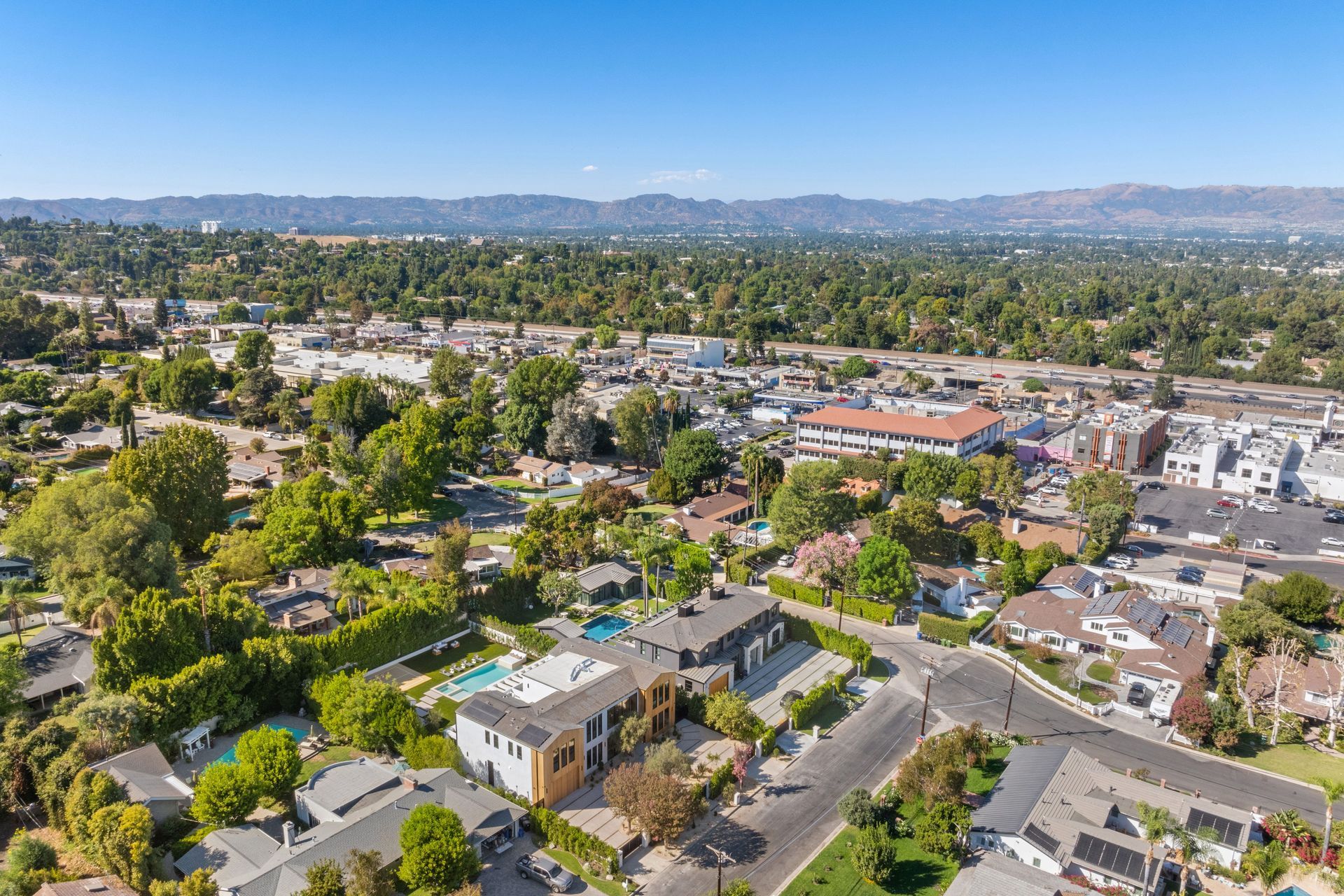
Home insurance helps protect your house, personal belongings, and liability risks. We explain coverage options clearly so you know what your policy includes.
Auto insurance provides protection for accidents, liability, and vehicle damage. We help you compare options so you can choose coverage that fits your driving needs.
Motorcycle insurance provides coverage for riders and their bikes. We help you select options that match how and where you ride.
RV insurance supports protection for motorhomes and recreational vehicles. Coverage applies during travel and while parked.
Coverage Built for Contractors and Trades
Support that keeps your work moving.

General Liability Insurance
General liability insurance helps protect contractors from injury and property damage claims. It supports jobsite requirements and contracts.

Workers Compensation
Workers compensation insurance helps protect employees injured while working. It also supports compliance with state requirements.
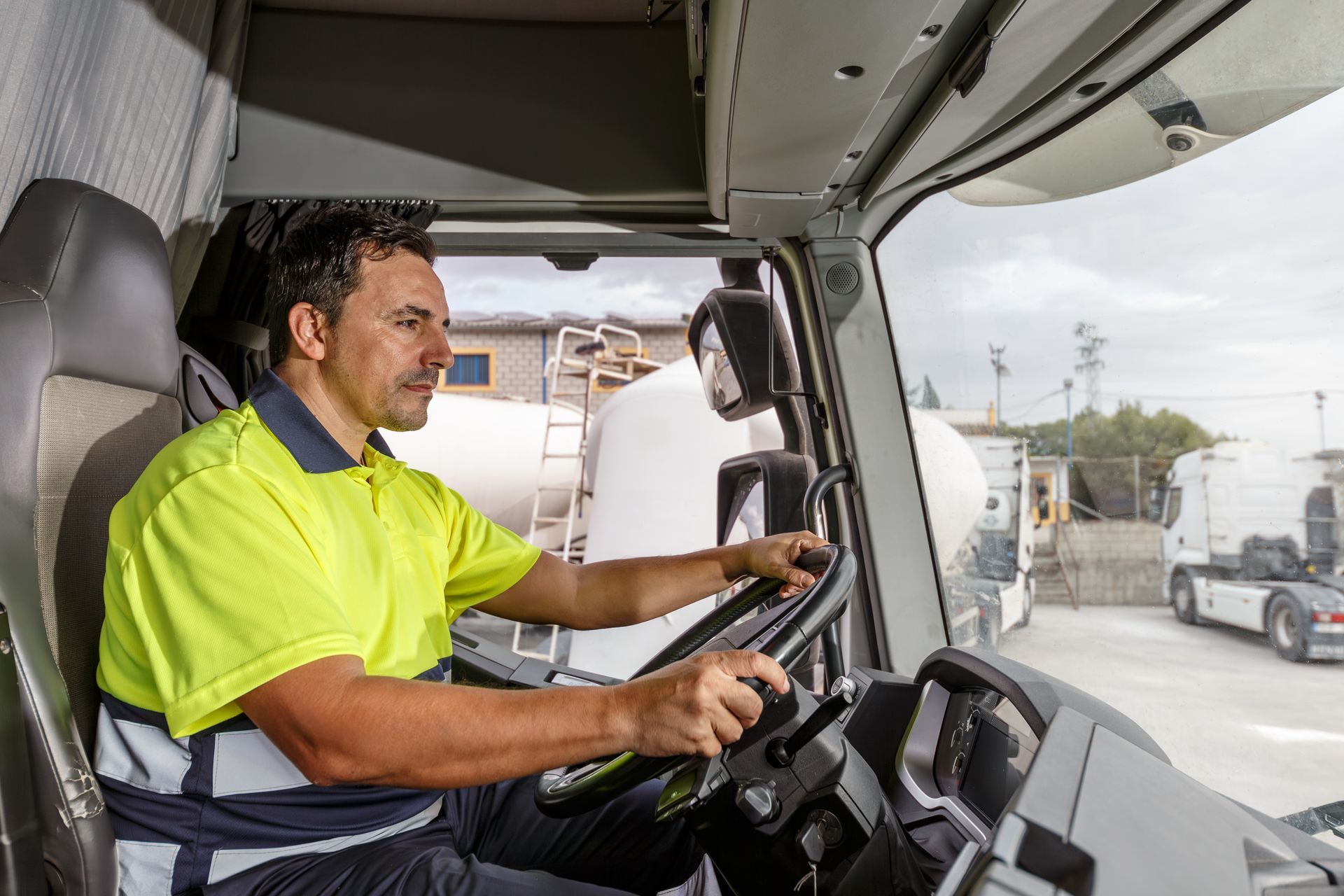
Commercial Auto Insurance
Commercial auto insurance provides coverage for work vehicles used on jobsites. It helps protect drivers and company vehicles.
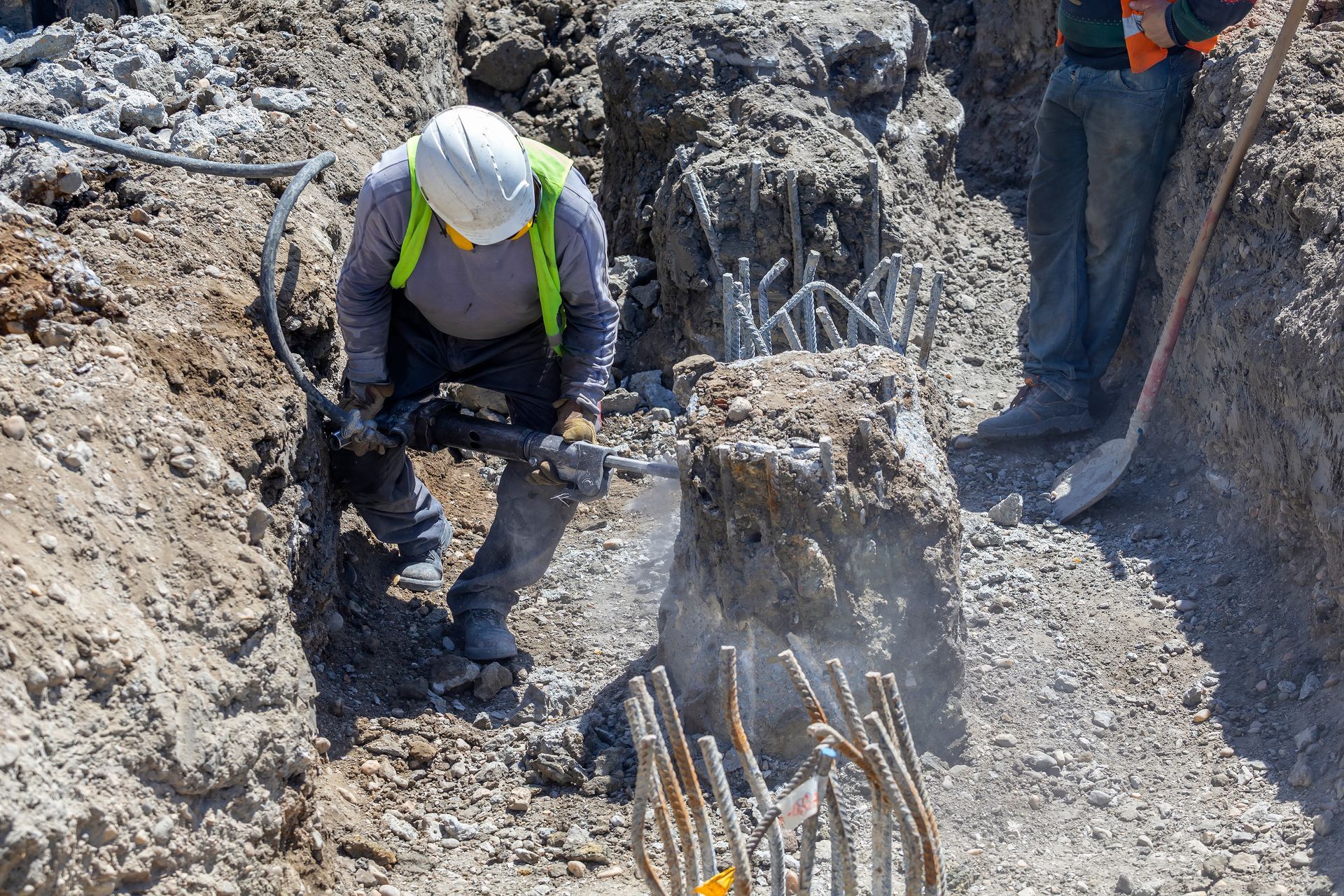
Contractor Insurance
Contractor insurance supports trades and service professionals across Southern California. It helps protect tools, equipment, and daily operations.

Cyber Liability Insurance
Cyber liability insurance helps protect business data and customer information. It supports recovery from digital incidents.

Commercial Property Insurance
Commercial property insurance helps protect offices, shops, and equipment. It supports recovery after covered damage.
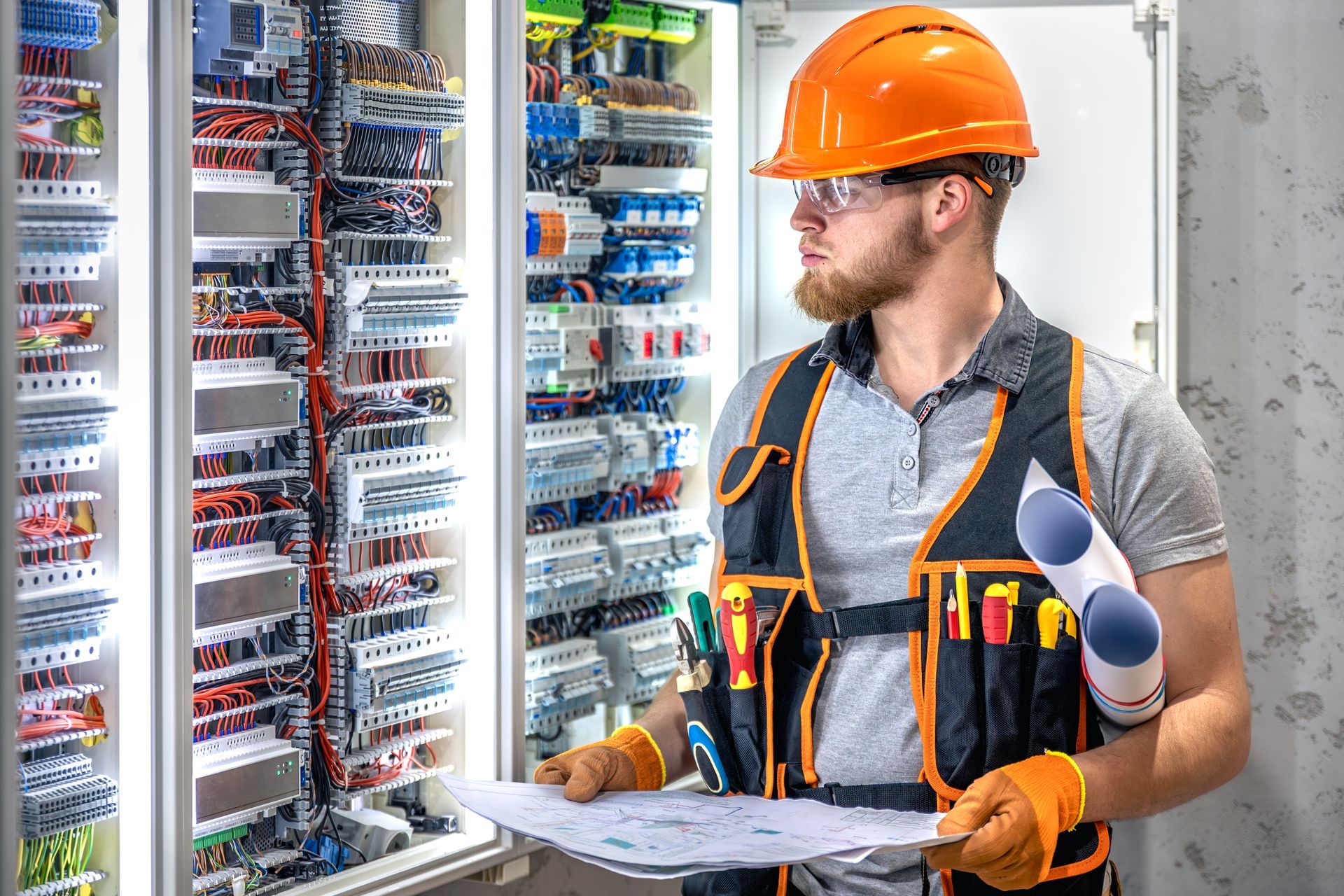
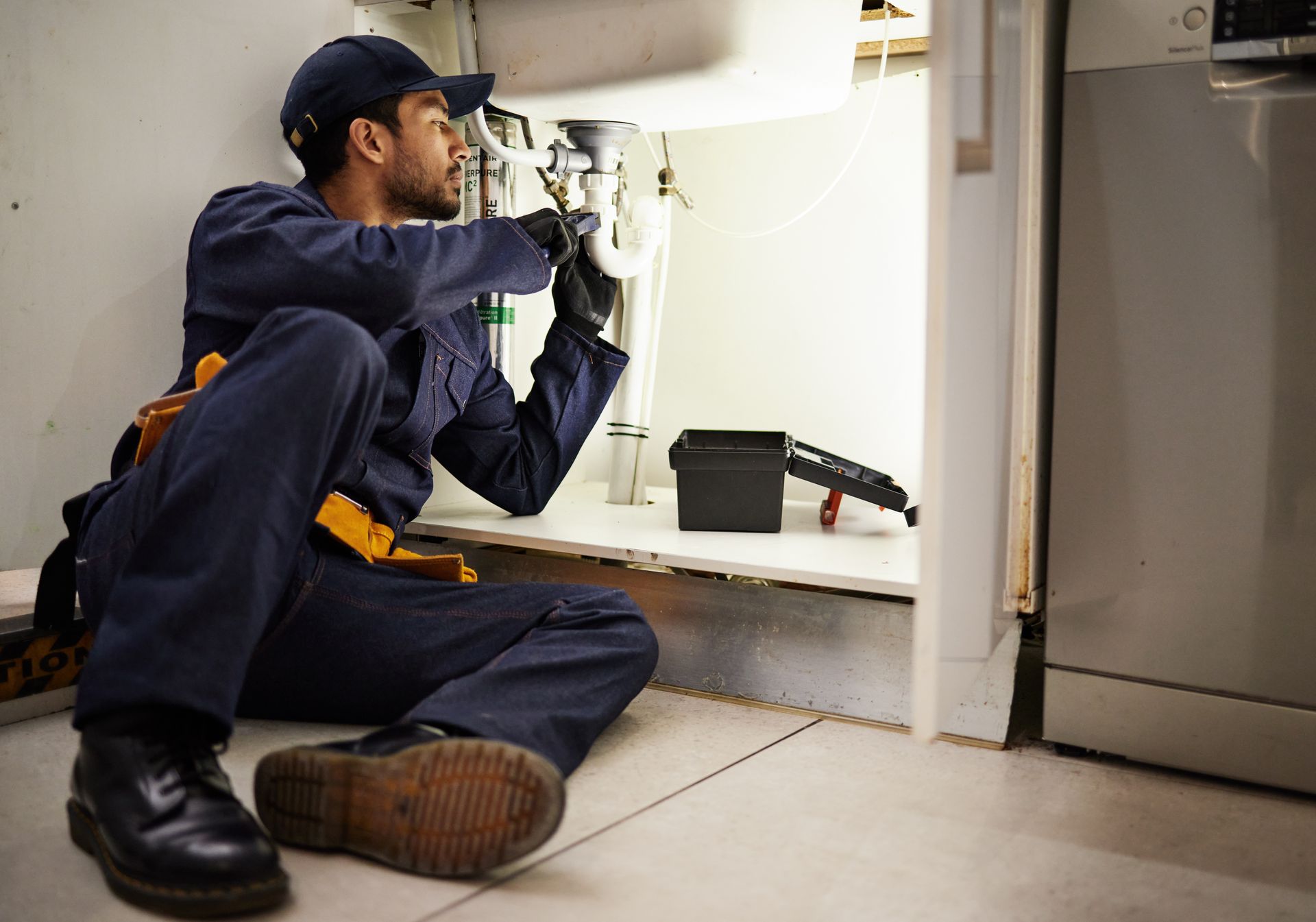
Coverage Built for Specialized Work
Support for high-risk and service-driven industries.

Simple Steps Supported by Steady Guidance
A Clear Path to Coverage
Trusted by Clients Across Southern California
Clear service backed by real experiences.
Answers to Common Questions.
Clear explanations to guide your decisions.
How do I know which insurance policy is right for me?
We compare coverage options from multiple carriers to help you see differences in protection and price. You can review clear details and ask questions so you understand what each policy covers. Our team guides you step by step so you feel sure about your decision.
What factors affect my auto insurance premium?
Auto insurance premiums are influenced by your driving history, age, location, vehicle type, and coverage choices. A clean driving record and good safety features can help lower costs. We review these factors with you and help find coverage that fits your budget and needs.
Does homeowners insurance cover all types of damage?
Standard homeowners insurance protects your structure, personal belongings, liability, and additional living expenses in many cases. However, it usually does not include flood or earthquake damage without separate policies. We help you decide if extra coverage is right for your home and location.
Can I update my policy or get certificates online?
Yes. You can submit requests for policy changes and certificates through our online service form at any time. Our team processes those requests quickly and confirms updates once complete so you have the documents you need.
Do I need separate insurance for business risks like EPLI or E&O?
Yes. General liability and workers compensation cover many business risks but do not protect against all exposures. For example, Employment Practices Liability Insurance (EPLI) covers claims like wrongful termination or discrimination, and Errors & Omissions (E&O) covers claims based on mistakes in professional services. We help you identify which extra policies your business may need.
What happens if I need to file a claim?
If you need to file a claim, we guide you through the process and help you contact the insurance carrier. We explain what information you should provide, answer your questions, and stay available while the carrier reviews your claim. This support helps you move forward with confidence.
Contact Us