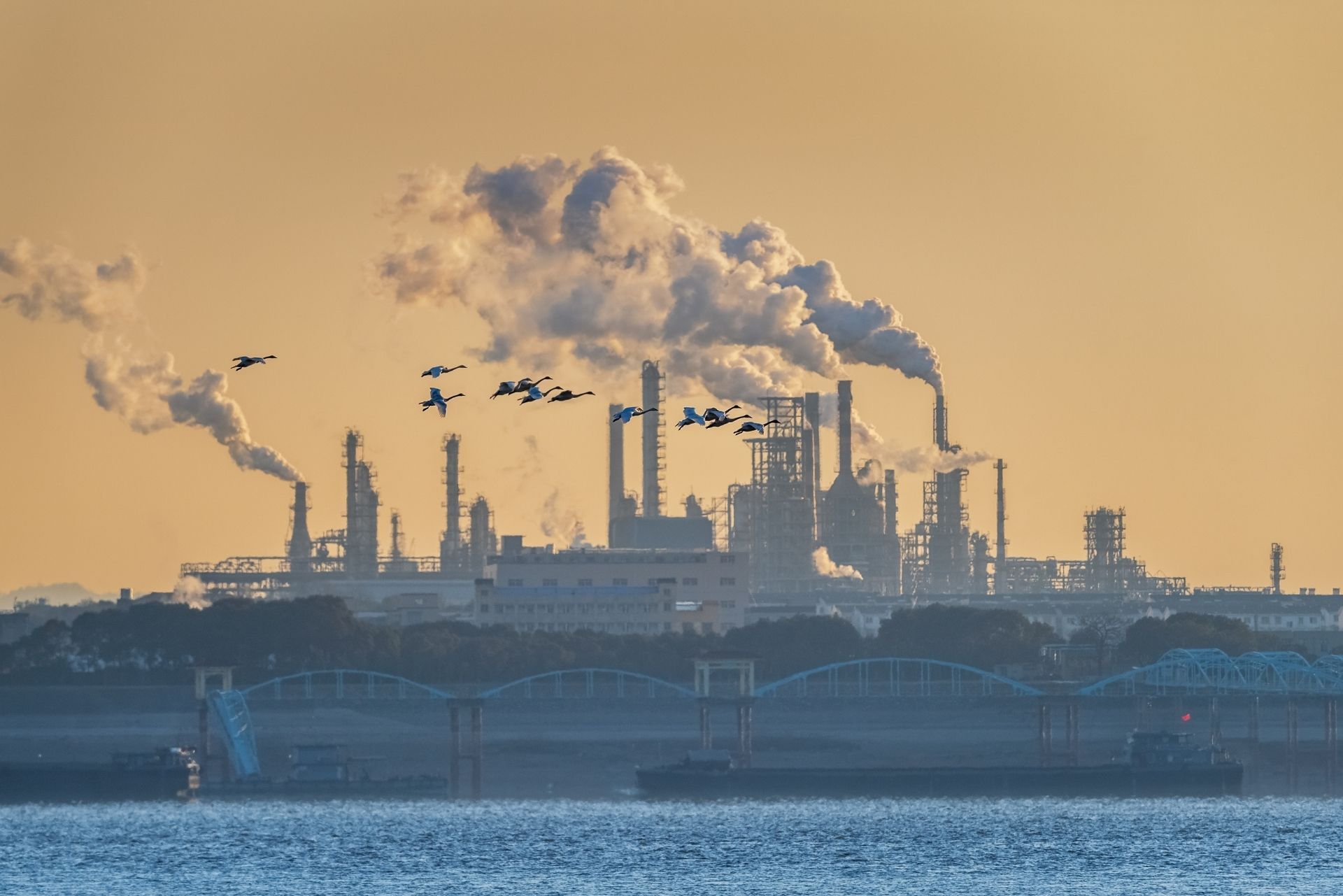
A manufacturing facility unexpectedly faces a spill that risks contaminating local groundwater. For businesses operating in California, this scenario is more than a hypothetical-it is a real possibility that could threaten financial stability and environmental reputation. Pollution liability insurance stands as a vital shield for companies operating in industries where environmental exposure is a risk. Exploring this coverage in detail uncovers the complexities, benefits, and economic realities that California businesses face every day. Pollution liability costs vary by industry, size, and operations.
With California’s unique regulatory environment and the rising risks from industrial activities, understanding the contours of pollution liability insurance is essential. Recent developments in environmental liability coverage and wildfire risk are shaping the insurance landscape. Experts say that incorporating mitigation strategies could strain underwriting practices, complicating the market even further. Here is an in-depth look at how pollution liability insurance operates and why it is critical for California businesses.
Understanding Pollution Liability Insurance
Pollution liability insurance is designed to protect businesses from claims related to the contamination of the public or private property. This coverage goes beyond traditional general liability insurance by addressing environmental damage incidents that could result from accidental releases of pollutants into the air, water, or soil.
The insurance not only covers the cleanup costs but can also include legal defense expenses, regulatory fines, and third-party bodily injury claims. It is structured to meet the complexities of liability that arise when environmental hazards intersect with business operations. Considering California’s stringent environmental regulations, many businesses find pollution liability coverage indispensable.
One compelling aspect is how small businesses can secure coverage relatively inexpensively. For instance,
small business policies in California can sometimes start at an annual premium as low as $800, while larger operations may see premiums ranging upward of several thousand dollars. These differences underscore the importance of aligning coverage levels with the scale and nature of the business operations.
By: Peter Plew
Commercial Insurance Agent at Caruso Insurance Services
Why Pollution Liability Coverage Is Critical for Businesses
The immediate costs of environmental contamination can be staggering. Cleanup efforts may require specialized contractors and long-term remediation plans, which can bankrupt businesses unprepared for such liabilities. In California, where natural landscapes are cherished and regulatory penalties can be severe, environmental contamination can lead to significant fines and a tarnished reputation.
Businesses that invest in pollution liability insurance not only ensure compliance with state regulations but also gain access to resources for crisis management. When companies are prepared for potential incidents, they can mitigate both operational disruptions and reputational harm. This preparedness is especially crucial when regulators scrutinize environmental practices more closely amid growing climate concerns.
California’s business landscape is particularly complex given recent trends in environmental regulation and market risks, including findings that highlight potential industry shifts. For instance, a study on environmental liability insurance noted that such coverage helps reduce industrial carbon emissions, although its effectiveness can vary with a region’s financial development (study). Such insights emphasize the broader societal benefits of investing in proactive environmental risk management.
Key Features of Pollution Liability Coverage
Coverage Limits and Policy Options
Pollution liability policies typically feature higher limits than standard general liability insurance. This is due to the potential for extensive remediation expenses and legal fees. Coverages are generally customizable based on the specific risk factors of a business.
Businesses can opt for primary pollution liability insurance that addresses immediate cleanup costs or supplemental policies that provide additional layers of protection. The customization ensures that resources are allocated to protect both small operations and large industrial complexes, recognizing the diverse needs across California’s market.
Regulators in California have recently overseen measures to ensure that environmental risks are met with adequate financial safeguards. This regulatory support contributes to confidence among businesses that the state is proactive about managing potential environmental liabilities.
Exclusions and Limitations
Despite its comprehensive coverage, pollution liability insurance may exclude certain scenarios. Chronic contamination, intentional releases, and certain industrial by-products might fall outside the scope of a typical policy. It is critical to review policy language carefully and understand any exclusions to avoid coverage gaps.
In regulatory reviews, such as those conducted by the California Department of Insurance on wildfire catastrophe models (press release), insurers have fine-tuned policy offerings to balance adequate coverage with risk management. Similar diligence in structuring pollution liability policies helps businesses tailor their coverage to real-world operational conditions.
Understanding what is not covered under pollution liability policies is as critical as knowing what is included. Business owners must conduct thorough risk assessments and consult with risk management professionals to ensure that all potential incidents are adequately addressed within their chosen policy framework.
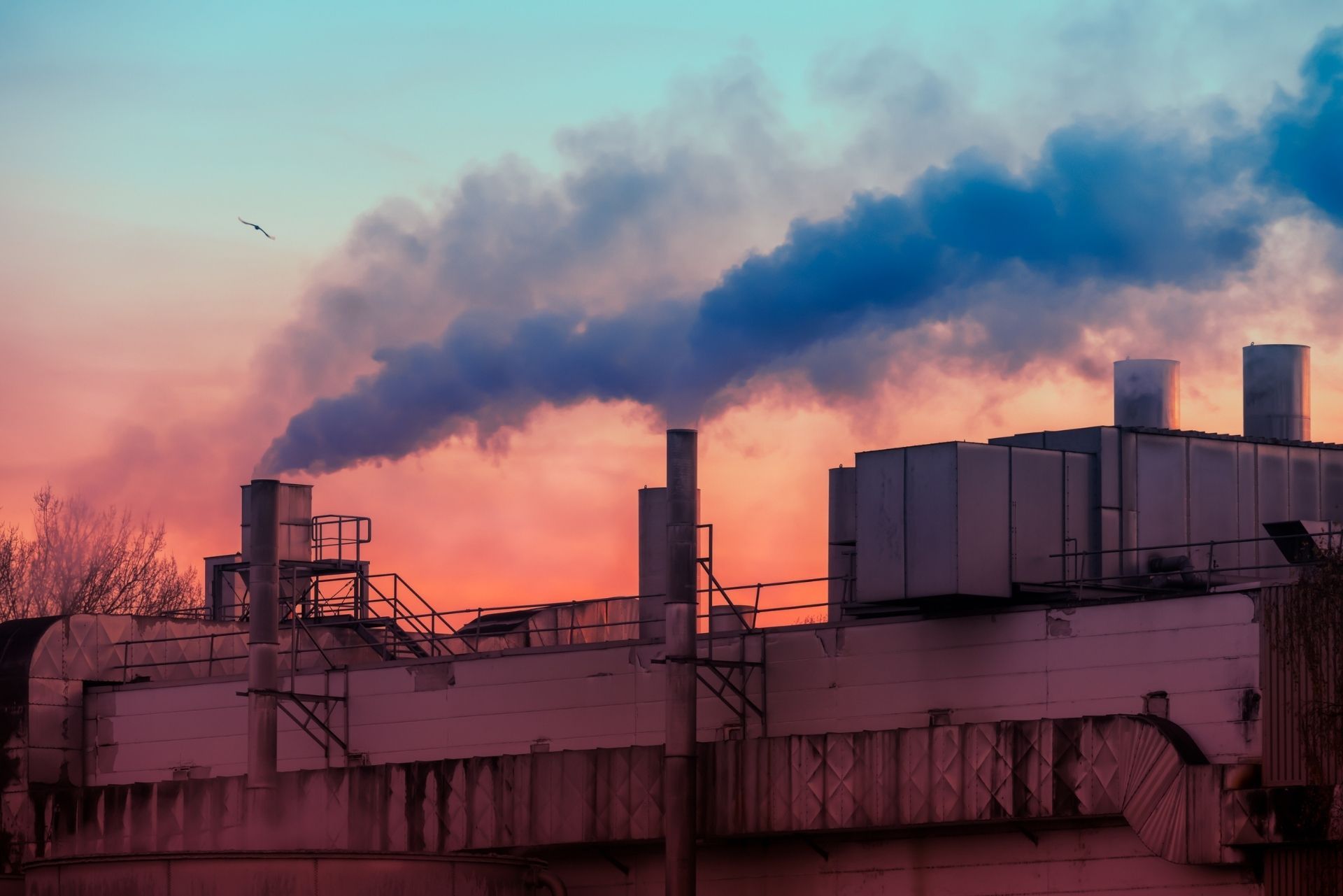
Pollution Liability Insurance Costs in California
One of the most observed trends in pollution liability insurance is cost differentiation based on business size and risk profile. Small businesses in California might see premiums starting around $800 annually, which makes such coverage accessible for many operations (detailed pricing). Larger businesses, however, might face costs ranging from $2,000 to $5,000 a year, depending on the operations and services they offer.
The variation in cost reflects not only different risk exposures but also the geographical and operational factors unique to California. For instance, some areas with a history of environmental claims may experience higher premiums due to increased perceived risk. Insurers typically assess several factors, from pollution history to environmental practices, when setting rates.
Interestingly, comparisons within other lines of coverage, such as wildfire insurance, also provide context. While wildfire risks are addressed separately, their influence on overall premiums and underwriting performance in California-even with an average rate increase approval time of nearly 11 months (industry insight)-can indirectly affect environmental liability markets as insurers balance their risk portfolios. The interplay between various types of coverage has led to innovative policy designs that attempt to offer comprehensive protection while keeping costs manageable.
How Pollution Liability Insurance Fits into a Broader Risk Management Strategy
Integrating pollution liability coverage into a wider risk management plan not only protects assets but also supports a business’s compliance with environmental standards. Failure to prepare for potential contamination incidents can result in legal battles and regulatory fines that could jeopardize long-term operations.
For many companies, a risk management strategy is multi-layered, combining pollution liability insurance with property, casualty, and specific environmental policies. Businesses that operate in high-risk sectors, such as manufacturing or chemical processing, must assess their vulnerabilities to both accidental releases and long-term contamination issues. This strategic approach is considered a best practice in industries with elevated environmental risk factors.
Risk management analysts note that incorporating proactive measures, even if they increase short-term costs, can save companies significant amounts in litigation and remediation expenses over time. Emerging data indicates that companies investing in robust environmental protections report fewer instances of pollution-related expenses, thereby preserving both revenue and reputation.
Comparing Pollution Liability Coverage with Other Insurance Options
When evaluating coverage options, companies should compare pollution liability insurance with other types of environmental and general liability policies. This comparison is crucial because pollution risks often require specialized protection that standard policies do not provide.
The table below offers a side-by-side look at key differences between primary pollution liability insurance and a typical general liability policy:
| Coverage Aspect | Pollution Liability Insurance | General Liability Insurance |
|---|---|---|
| Scope of Coverage | Environmental contamination, clean-up costs, legal fees related to pollution, regulatory fines | Bodily injury, property damage, personal and advertising injury |
| Policy Customization | Highly customizable to business-specific pollution risks | Standardized coverage with limited environmental provisions |
| Exclusions | Certain chronic contaminations, intentional acts, specific by-products | Environmental damage may be excluded |
| Premium Range | Typically higher for heavy industrial operations; lower for small businesses | Generally more affordable for basic liability needs |
This comparison chart makes it evident that while general liability insurance is essential, it does not cover the full spectrum of risks posed by environmental contaminants. Pollution liability insurance fills that gap by offering a level of protection tailored specifically for these hazards.
California’s Regulatory Landscape and Its Impact on Pollution Liability
California’s environmental regulations are among the strictest in the nation. As a result, businesses must navigate a complex legal framework that emphasizes both environmental preservation and corporate accountability. The state’s auto-renewal policies and prolonged rate approval periods reflect a cautious stance that affects all areas of coverage, including pollution liability.
The prolonged approval process for rate increases, which averages nearly 11 months (industry analysis), indicates a rigorous scrutiny designed to protect consumer interests and maintain market stability. Although this can slow down rate adjustments, it ultimately fosters a more stable insurance market where environmental risk and pollution liabilities are taken seriously.
Additionally, developments like the California Department of Insurance's review of wildfire catastrophe models show that the state is actively modernizing its risk assessment tools. While wildfire incidents are distinct from pollution events, the same diligence applies in evaluating hazards and ensuring that at-risk properties-whether underinsured homes or industrial sites-are properly covered. In fact, the underinsurance of nearly 100,000 California homeowners poses a significant challenge if broader environmental risks are not adequately managed (recent statistics).
Balancing Environmental Responsibility and Business Continuity
For California businesses, environmental responsibility is no longer a peripheral concern-it is central to corporate strategy and risk management. Pollution liability insurance facilitates this balance by ensuring that companies can continue operations even after an environmental incident occurs. Insurance coverage in this space often includes assistance with remediation and compliance with state-mandated cleanup standards.
This dual purpose of maintaining business continuity while ensuring environmental accountability has led many companies to adopt a more proactive stance. By investing in risk management programs and ensuring comprehensive coverage, businesses not only protect their bottom line but also support California’s broader commitment to environmental sustainability.
A notable insight from industry experts suggests that incorporating mitigation strategies within underwriting practices could actually intensify the current insurance crisis if not managed carefully (actuarial insights). Such challenges highlight the delicate balance between offering affordable coverage and safeguarding the environment, illustrating the complexities insurers face in California’s dynamic regulatory landscape.
Preparing Your Business for Pollution Liability Risks
Developing a comprehensive preparedness plan is essential for any business that faces potential environmental hazards. Detailed risk assessments, periodic audits, and a robust internal policy on environmental management are critical. These steps not only minimize the likelihood of incidents but also demonstrate due diligence in regulatory compliance.
Businesses may coordinate with third-party experts in environmental management to conduct regular reviews of their operations. Such audits can identify vulnerabilities and help prioritize investment in updated equipment or protocols that reduce pollutant discharge. Insurers may also offer incentives for businesses that show a commitment to reducing environmental risk, such as lower premiums or extended coverage options.
Because California lawmakers and regulators frequently update environmental guidelines, it is critical for businesses to keep abreast of legal changes and update their policies accordingly. Such proactive measures not only reduce the potential for incidents but also fortify a company’s position when applying for or renewing their pollution liability policies.
Many businesses in California take a holistic approach to insurance by integrating pollution liability coverage with property, casualty, and specialty policies. This approach mitigates the risk of encountering coverage gaps in times of crisis. By coordinating various lines of protection, companies create a safety net that addresses both environmental and operational risks simultaneously.
In recent years, the U.S. property/casualty insurance industry reported a net combined ratio of 96.6 in 2024, showcasing an improvement in underwriting performance (industry report). Even as wildfire losses in California may affect upcoming results, this strong baseline emphasizes the overall resiliency in the market. Balancing pollution liability within a broader insurance portfolio is one step toward ensuring that companies remain agile and protected regardless of the challenge they face.
This integration can also streamline administrative tasks and policy renewals. When all risks are managed under one portfolio, it becomes easier to spot overlaps, adjust coverage amounts, and negotiate terms that reflect the total risk exposure of the company. This strategic method not only improves risk management but can also lead to cost efficiencies over time.
Future Trends in Pollution Liability for California Business
Looking ahead, the evolution of environmental regulations and corporate accountability is expected to further shape pollution liability insurance. As public awareness of environmental stewardship grows, companies face increasing pressure to not only comply with regulations but to exceed them. Insurers are anticipated to respond by offering more innovative coverage solutions that reflect the dual priorities of business continuity and environmental protection.
Increasingly, insurers are incorporating advanced risk modeling techniques that reflect real-world data. For example, the recent review of forward-looking wildfire catastrophe models by the California Department of Insurance indicates a move towards more predictive analytics (regulatory news). Similar trends could reshape pollution liability coverage, enabling more precise pricing strategies and better risk assessment for California businesses.
Moreover, studies showing the environmental benefits of liability insurance indicate that well-structured policies can directly contribute to reduced industrial carbon emissions (research study). As businesses work to improve their overall environmental profiles, this can create a positive feedback loop where lower risks lead to both financial savings and environmental improvements. Insurers and businesses alike are likely to benefit from such trends as they work together to build a more sustainable future.
FAQ – Frequently Asked Questions
Q: What exactly does pollution liability insurance cover?
A: Pollution liability insurance covers costs related to environmental contamination incidents, including cleanup, legal fees, and regulatory fines. It does not typically cover chronic contamination or intentional environmental damage.
Q: How are premiums determined for California businesses?
A: Premiums vary according to business size, industrial risk, and past incident history. Small businesses may see premiums starting around $800, while larger companies can expect rates from $2,000 to $5,000 annually.
Q: Can pollution liability insurance be integrated with other policies?
A: Yes, many businesses choose to integrate it into a holistic portfolio that includes general liability, property insurance, and specialized coverages to minimize overall risk.
Q: How does environmental performance impact insurance rates?
A: Regular environmental audits and proactive risk management can potentially lower insurance rates by demonstrating reduced risk exposure. Insurers value documented efforts to mitigate environmental hazards.
Q: What steps should a business take to prepare for potential pollution incidents?
A: Companies should conduct risk assessments, implement robust internal environmental policies, and consult with experts to ensure that they have adequate insurance and remediation plans in place.
Wrapping Things Up
California businesses operate in an environment fraught with regulatory challenges and environmental risks. Pollution liability insurance is a critical tool for enterprises looking to safeguard their operations from expensive environmental incidents. With rising risks, a dynamic overview of pollution liability coverage reveals that a well-designed insurance program is not just a financial tool-it is a strategic asset.
Businesses need to navigate the complexities of regulatory requirements, comprehensive coverage limits, and evolving market trends. Proactive risk management strategies intertwined with pollution liability insurance equip companies to handle accidental spills, contamination incidents, and associated legal challenges with confidence.
As the insurance market continues to adjust with reflect comprehensive underwriting and careful risk modeling, business owners can benefit from robust environmental policies while maintaining operational stability. The interplay between environmental responsibility and business continuity remains a central theme in shaping California’s future market.
Final Thoughts
Pollution liability insurance in California is more than just another policy-it is a financial safeguard and a commitment to environmental stewardship. The complexities of the state’s regulatory landscape make it imperative that businesses fully comprehend their exposure to environmental risks. The significant variation in premium costs further illustrates that each business must tailor its coverage to meet its unique risk profile.
Staying updated with regulatory changes and engaging with experienced insurance professionals can help businesses tailor policies that ensure both compliance and sustainability. For industries facing heightened environmental risks, pollution liability insurance is a key component of a resilient risk management strategy.
Ultimately, companies that invest in comprehensive environmental protections benefit from reduced long-term liabilities and bolster their market credibility. Given California’s role as a leader in environmental sustainability, a forward-looking approach that integrates both risk management and strategic insurance planning is essential for long-term success. As market trends evolve, businesses can look forward to more refined products that balance cost, coverage, and environmental responsibility, ensuring preparedness for whatever lies ahead.
ABOUT THE AUTHOR:
PETER PLEW
Hi my name is Peter Plew and I am a commercial insurance professional. I listen to and strategize with business owners about their visions of the future and assist in getting there as quickly as possible. I help identify unique exposure and risk’s that business owners have and the reasons why they need to be insured against them. My goal is to make sure my clients are always taken care of on a daily basis with any service needs, questions, or concerns they may have. I love to golf and spend time with my family in my spare time.
Contact Us

Service that stays with you.
Our team helps simplify insurance decisions for families and businesses. We focus on clear explanations, fast responses, and dependable service. You can count on us for help with coverage questions, updates, and long-term support.
Coverage that keeps you secure
Reliable Protection for Everyday Life
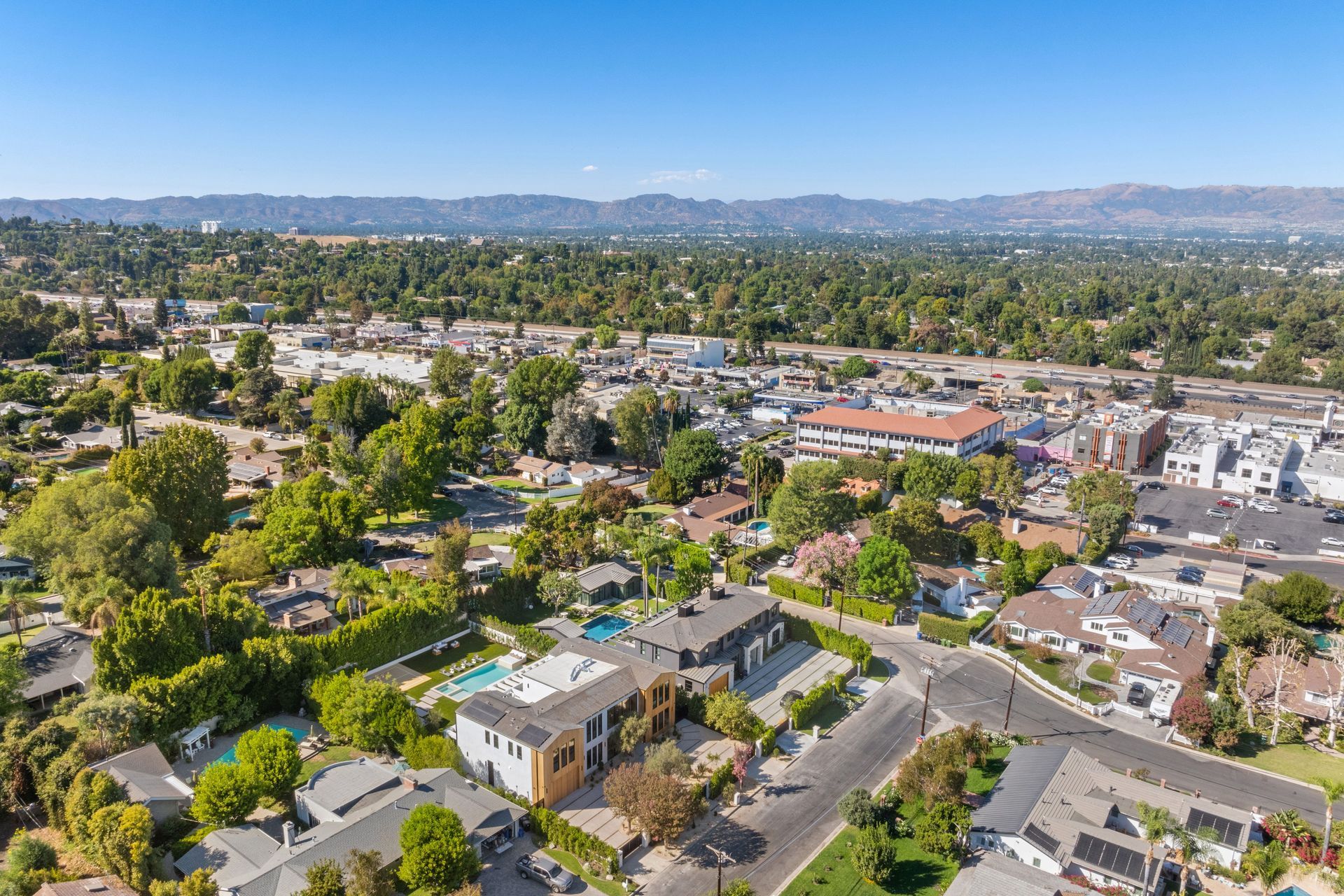
Home insurance helps protect your house, personal belongings, and liability risks. We explain coverage options clearly so you know what your policy includes.
Auto insurance provides protection for accidents, liability, and vehicle damage. We help you compare options so you can choose coverage that fits your driving needs.
Motorcycle insurance provides coverage for riders and their bikes. We help you select options that match how and where you ride.
RV insurance supports protection for motorhomes and recreational vehicles. Coverage applies during travel and while parked.
Coverage Built for Contractors and Trades
Support that keeps your work moving.

General Liability Insurance
General liability insurance helps protect contractors from injury and property damage claims. It supports jobsite requirements and contracts.

Workers Compensation
Workers compensation insurance helps protect employees injured while working. It also supports compliance with state requirements.

Commercial Auto Insurance
Commercial auto insurance provides coverage for work vehicles used on jobsites. It helps protect drivers and company vehicles.
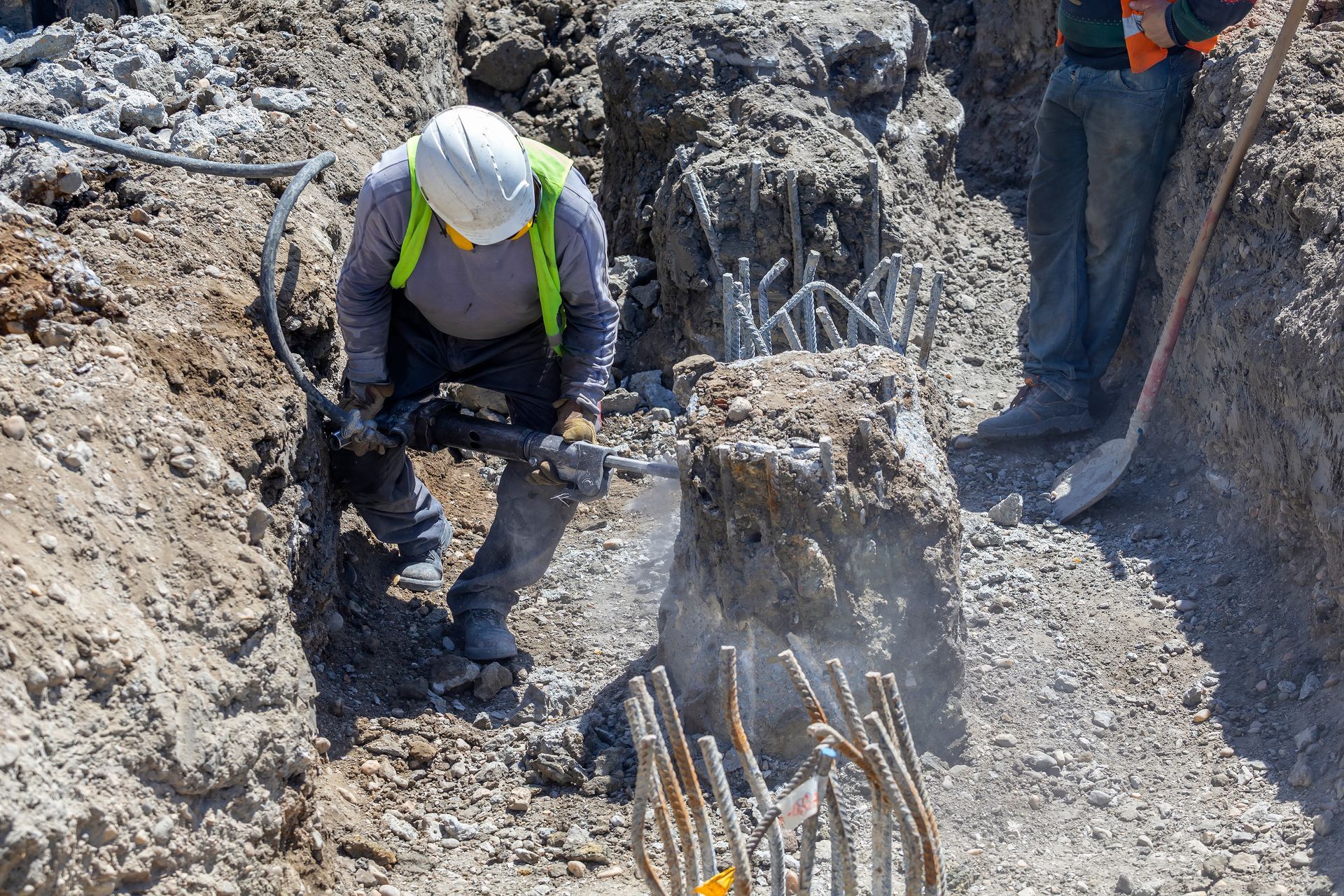
Contractor Insurance
Contractor insurance supports trades and service professionals across Southern California. It helps protect tools, equipment, and daily operations.

Cyber Liability Insurance
Cyber liability insurance helps protect business data and customer information. It supports recovery from digital incidents.

Commercial Property Insurance
Commercial property insurance helps protect offices, shops, and equipment. It supports recovery after covered damage.
Coverage Built for Specialized Work
Support for high-risk and service-driven industries.



Simple Steps Supported by Steady Guidance
A Clear Path to Coverage
Trusted by Clients Across Southern California
Clear service backed by real experiences.
Answers to Common Questions.
Clear explanations to guide your decisions.
How do I know which insurance policy is right for me?
We compare coverage options from multiple carriers to help you see differences in protection and price. You can review clear details and ask questions so you understand what each policy covers. Our team guides you step by step so you feel sure about your decision.
What factors affect my auto insurance premium?
Auto insurance premiums are influenced by your driving history, age, location, vehicle type, and coverage choices. A clean driving record and good safety features can help lower costs. We review these factors with you and help find coverage that fits your budget and needs.
Does homeowners insurance cover all types of damage?
Standard homeowners insurance protects your structure, personal belongings, liability, and additional living expenses in many cases. However, it usually does not include flood or earthquake damage without separate policies. We help you decide if extra coverage is right for your home and location.
Can I update my policy or get certificates online?
Yes. You can submit requests for policy changes and certificates through our online service form at any time. Our team processes those requests quickly and confirms updates once complete so you have the documents you need.
Do I need separate insurance for business risks like EPLI or E&O?
Yes. General liability and workers compensation cover many business risks but do not protect against all exposures. For example, Employment Practices Liability Insurance (EPLI) covers claims like wrongful termination or discrimination, and Errors & Omissions (E&O) covers claims based on mistakes in professional services. We help you identify which extra policies your business may need.
What happens if I need to file a claim?
If you need to file a claim, we guide you through the process and help you contact the insurance carrier. We explain what information you should provide, answer your questions, and stay available while the carrier reviews your claim. This support helps you move forward with confidence.
Contact Us