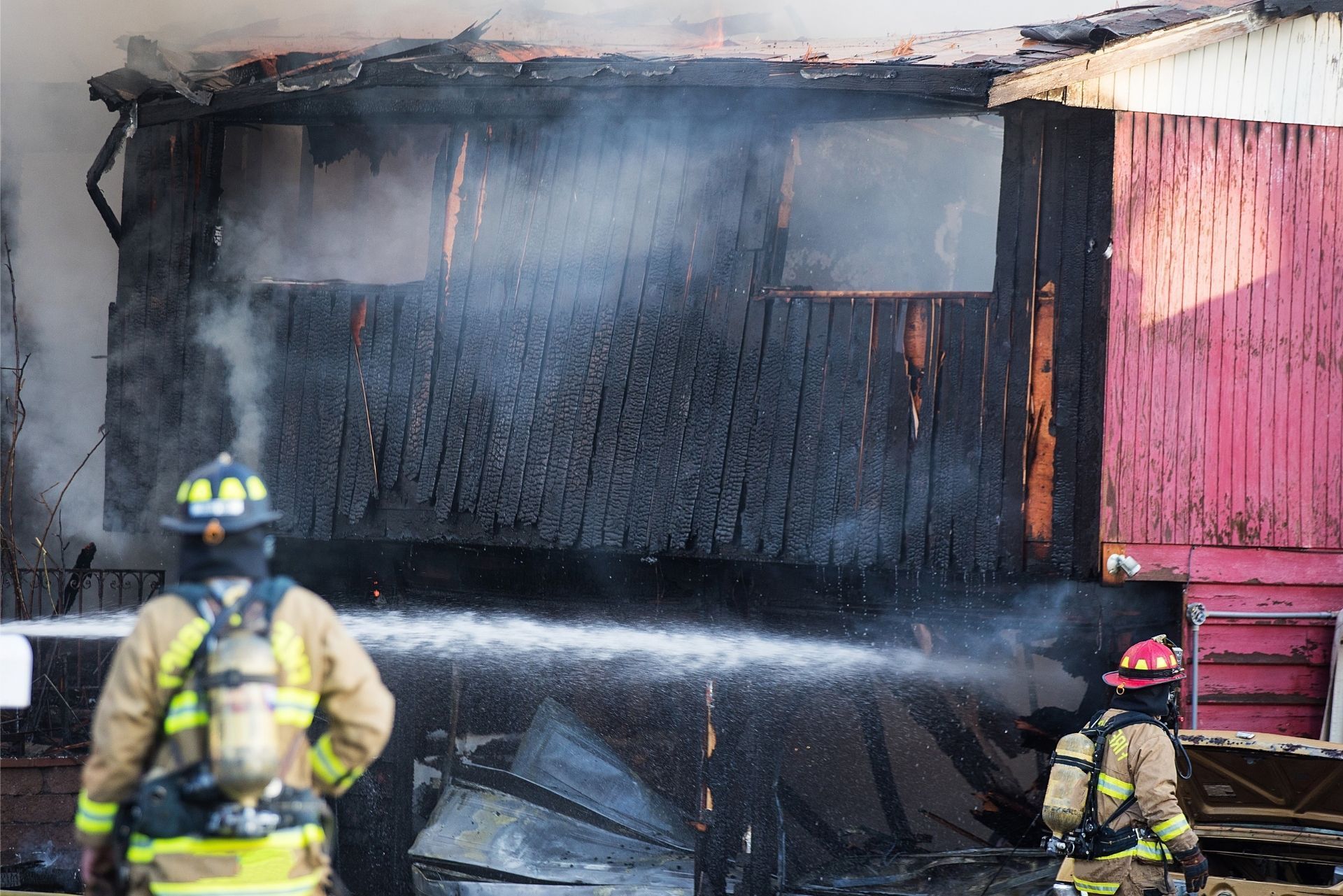
A wildfire in the heart of Altadena left a deep scar on the community, causing extensive property damage and sparking urgent questions about insurance coverage. This guide delves into dwelling fire insurance in California, focusing on the complexities of wildfire risk, evolving regulatory changes, and the critical updates that homeowners and insurers need to navigate in a state increasingly defined by its challenges with fire. For those interested in recent market dynamics, note that early 2025 saw Los Angeles battling its most catastrophic wildfire yet, with staggering property losses that underscore the importance of robust coverage as reported by McKinsey & Company.
The landscape for dwelling fire insurance is evolving, characterized by regulatory reforms, shifting underwriting practices, and heightened awareness among homeowners. This article provides an in-depth look at what California residents should know in the wake of recent catastrophic events. Every piece of advice provided here reflects the real challenges on the ground and regulatory steps aimed at protecting communities.
Homeowners across California have faced tumultuous years marked by fire disasters and complex insurance claims. With wildfires now a central concern in the state’s climate discussions, the role of homeowner insurance policies has become more critical than ever.
Understanding Dwelling Fire Insurance in California
Dwelling fire insurance, commonly included in homeowners policies, covers the physical structure of a dwelling against a range of perils including fire, wind, and other disasters. In California, where wildfires have intensified in size and frequency, this coverage is an essential part of protecting one’s most significant investment.
The coverage usually includes rebuilding costs, repair expenses, and replacements for damaged structures. However, policymakers have recognized that as wildfire risks increase, the design and assessment of these policies need to reflect new realities. Several recent regulatory changes, such as mandates from the California Department of Insurance, aim to ensure more extensive coverage in high-risk areas. For example, state officials recently emphasized that insurance companies must now extend coverage in wildfire-prone communities, closing significant gaps in coverage according to California Department of Insurance.
This renewed focus on consumer protection comes after years of market fluctuations and regulatory debates. The goal is to offer homeowners security by ensuring that fire insurance not only rebuilds homes but also supports communities in times of crisis.

By: Karla Torres
Personal Insurance Agent at Caruso Insurance Services
Recent Wildfire Events and Their Insurance Impacts
January 2025 Los Angeles Wildfires
The wildfires that swept across Los Angeles in January 2025 serve as a grim reminder of the power of nature. More than 50,000 acres burned, claiming at least 29 lives and destroying over 16,000 structures. Effects of these fires continue to multiply beyond the immediate damage. They influence market valuations and reshape underwriting models for insurers and government-backed programs alike McKinsey & Company reported on the extent of the destruction.
From an insurance perspective, the massive destruction has led to forecasts that these wildfires are the costliest in California’s history. Insured property losses are predicted to reach up to $30 billion, charging insurers with a reevaluation of risk and premium structures. The financial shock has spurred a wave of reforms, including critical reviews of wildfire catastrophe models by regulatory bodies.
Cost assessments and statistical models, like those using the Synthetic Control Method, have demonstrated that even localized fires, such as those in Altadena, have measurable economic impacts. A study from arXiv estimated an average monthly loss of about $32,125 in housing prices over the following six months, suggesting that fire-induced market shifts go far beyond immediate property damage.
Impact on Homeowners and the Wider Insurance Market
For homeowners, the ramifications extend well into the long term. Wildfires not only disrupt community life but also degrade property values, leading to lasting financial consequences. Increased premiums and changes in policy terms have become common realities in the wake of these disasters.
This evolving scenario has encouraged discussions on whether homeowners should opt for more comprehensive policies, perhaps even at a higher cost, to mitigate unforeseen disasters. The heightened risk and increased property exposure have certainly contributed to legislative changes that attempt to balance market risk with consumer protection.
Market shifts observed following the January wildfires have made it evident that insurance policies in California are no longer static. They must adapt to environmental and economic realities that fluctuate rapidly. As the insurance industry recalibrates its risk assessment methodologies, California consumers can expect a dynamic yet challenging insurance landscape ahead.
Regulatory Shifts and Policy Changes
Shifting Insurance Mandates and Reforms
In response to growing fire hazards, state regulators have moved decisively to enforce stricter guidelines. A notable development from the California Department of Insurance is the mandated extension of policy coverage in wildfire-distressed regions, marking the first such commitment in state history according to state officials.
The regulatory emphasis on extending coverage follows years of inadequate market responses in perilous parts of the state. These new mandates aim to ensure that homeowners in high-risk zones are not left vulnerable should wildfires occur again. By directing insurance companies to provide broader policy options, the state hopes to mitigate the market distortions that have left many uninsured or forced onto alternative, state-run programs.
This shift in policy is partly a reaction to contentious market practices, including lawsuits alleging that major home insurers focused on withdrawing coverage from wildfire-prone communities. In April 2025, two lawsuits emerged essentially accusing insurers, such as State Farm among others, of colluding to push homeowners onto the state-run California FAIR Plan as reported by the Associated Press. These legal challenges underscore the urgent need for reforms that protect consumer interests while ensuring market viability.
Review of Catastrophe Models and Future Direction
Another regulatory milestone came in August 2025 when the California Department of Insurance finished its review of wildfire catastrophe models. These forward-looking models are designed to predict and evaluate risks in fire-prone areas, providing a more robust framework for underwriting policies. Their adoption is critical in closing the persistent coverage gaps present across California.
With more precise tools available for predicting wildfire risks, insurers are set to refine premium calculations and coverage limitations. This proactive approach aims to bring a balance between protecting homeowners while maintaining sustainable business practices for insurers. As such, both buyers and providers of coverage are encouraged to review their existing policies to ensure alignment with these new industry standards.
Expect ongoing dialogue between regulators, insurers, and community advocates as the models evolve. This collaborative effort is essential to safeguard communities while ensuring that the financial instruments designed to support property owners remain robust and adaptable.
Key Considerations and Coverage Options
Components of Dwelling Fire Insurance Policies
California dwelling fire insurance policies are intricate, offering various components tailored to different needs. Basic policies typically cover the physical structure of the home and may extend to include auxiliary structures such as garages and sheds. Additional endorsements provide coverage for personal property losses, debris removal, and even temporary housing costs during repairs.
Many policies also now include specific clauses related to wildfire risks, detailing exclusions, deductibles, and coverage limits based on the fire history and risk level of the area. As wildfire incidents have become more frequent, it is essential to thoroughly understand what each component of the policy covers. Choosing the right combination can be the difference between a smoothly resolved claim and a drawn-out battle with an insurer.
The nuances of these policies are critical when considering the total value of an investment, especially amidst the fire crisis that has reshaped market expectations. For instance, homeowners in areas affected by the January 2025 wildfires may face significantly higher premiums and more detailed risk assessments due to reduced market confidence.
Customizable Endorsements for Enhanced Protection
Customized endorsements allow policyholders to tailor their coverage to meet specific needs, ensuring that no critical component gets overlooked. Homeowners may opt for additional protection for costly personal items or to cover renovations that might otherwise be excluded under standard policies. This is especially relevant in areas where rebuilding costs have escalated beyond conventional estimates.
Insurance products in California are increasingly flexible as companies respond to the expectations of a market that has witnessed rapid change. Many homeowners find that adding endorsements, such as replacement cost coverage, broadens the scope of protection. This ensures that during a claim, the reimbursement matches the actual rebuilding cost rather than depreciated values.
As market pressures continue to influence how policies are structured, a combination of broader base cover and targeted endorsements will become the norm. Homeowners interested in this refined approach should engage directly with their agents to explore the full range of options available to them.
Financial Implications for Homeowners and Lenders
Assessing the Economic Impact of Wildfires on Home Values
Wildfires exert a twofold influence on homeowners. Their immediate damage is evident in the destruction of property, but the lasting economic impact can be just as severe. Studies have shown that a wildfire event can lead to significant reductions in housing values for several months following the incident. For example, research focusing on the Altadena wildfire indicated an average monthly loss totaling several thousand dollars over a half-year period as documented by an arXiv study.
These economic downturns affect not only those who have suffered physical damage, but also potential buyers and even those holding onto properties in nearby areas. Lower property values tend to shift mortgage lending practices, with banks and financial institutions scrutinizing risks related to fire damages more closely. It is an issue that transcends individual loss, impacting the stability of local economies.
As financial institutions adjust loan terms and property appraisal methods, homeowners may face rising borrowing costs or more stringent requirements for refinancing. Accurate appraisal and comprehensive insurance coverage have become indispensable for navigating these market challenges effectively.
Impact on the California FAIR Plan and Broader Market Trends
The fallout from major wildfire events has not only affected private insurers but has also had profound implications for state-backed programs such as the California FAIR Plan. By September 2024, the FAIR Plan’s exposure in Los Angeles County had ballooned to $112.2 billion, representing about 23.1% of the total portfolio while witnessing a 53% year-over-year increase reported by The Journal Magazine. The surge in exposure indicates that more homeowners are relying on state intervention when private insurers pull out of high-risk markets.
This reliance on the FAIR Plan drives home the need for reforms and broader policy options. The system designed to serve as a safety net is stretched by unprecedented demand, and ongoing legal scrutiny has only amplified the call for durable fixes. Homeowners find themselves caught between evolving state regulations and unpredictable market responses, putting the financial resilience of entire communities at stake.
For lenders and investors, these trends underscore the increasing volatility of property markets affected by wildfire risks. As the insurance landscape shifts, so too must the strategies for safeguarding long-term property investments.
Basic Coverage Versus Enhanced Endorsements
Determining the right level of coverage can be challenging. Basic dwelling fire insurance policies generally provide essential protection for the structure, while more comprehensive packages include additional endorsements aimed at covering personal property, liability, and temporary housing. The decision often hinges on individual factors such as property age, location, and recent fire risk statistics.
An essential consideration is how enhanced endorsements can supplement standard coverage. In wildfire-prone regions, these additions are not optional luxuries but rather necessary components that address evolving risks. When well structured, they can bridge the gap between the bare minimum required and a robust financial safety net in the event of a fire catastrophe.
A careful side-by-side review of policy components can help in understanding both immediate and long-term benefits. The following comparison presents a simplified view of typical coverages available to California homeowners:
| Coverage Type | Basic Dwelling Protection | Enhanced Endorsement Package |
|---|---|---|
| Structure Rebuild | Covers rebuilding or repair costs | Includes elevated coverage for upgraded materials and structural improvements |
| Personal Property | Limited coverage on personal items | Expanded replacement cost for personal belongings |
| Additional Living Expenses | Temporary housing during repairs | Comprehensive coverage including extended relocation benefits |
| Liability Protection | Basic liability up to state limits | Higher coverage limits and broader liability protection |
| Wildfire Specific Add-ons | General fire damage coverage only | Tailored clauses addressing wildfire risk exclusions and deductibles |
This chart highlights the critical differences, allowing homeowners to make informed decisions based on their risk profile and specific coverage needs.
The comparative view also illustrates that enhanced endorsements come with additional costs, but when weighed against the potential for severe wildfire damage, the investment may be well worth it.
Evaluating Costs and Limitations
One of the tough parts for many homeowners is the rising cost of premiums, especially in high-risk areas. The January 2025 wildfires set a precedent, with insurance companies projecting insured property losses to reach up to $30 billion, an indicator of the heightened risk environment as Moody's reported.
Premiums are influenced by multiple factors, including historical claims data, local risk assessments, and the overall economic impact of recent wildfire events. The financial burden of these premium increases often leads to debates about affordability and the overall sustainability of coverage options, particularly in wildfire-devastated regions.
Homeowners should carefully review policy details, including any annual adjustments to deductibles, exclusions for certain types of fire damage, and considerations for inflation on rebuilding costs. The net effect of these cost factors plays a pivotal role in determining the long-term viability of any insurance plan.
Strategies for Managing Risk and Protecting Your Investment
Risk Mitigation and Home Hardening
Beyond purchasing adequate insurance, homeowners can take proactive steps to diminish risks before wildfire season arrives. Landscaping changes, installing fire-resistant windows, and using non-combustible building materials are examples of effective strategies which not only lower the risk of fire damage but might also lead to more favorable insurance terms. These mitigation measures are particularly critical in areas repeatedly impacted by wildfires.
Local governments and fire departments often offer guidance on home hardening techniques. For instance, communities that have faced multiple fire incidents tend to develop collective approaches towards risk reduction. Engaging with local initiatives can significantly reduce the premium costs by demonstrating a commitment to fire safety and resilience. These steps send a reassuring signal to insurers regarding the overall risk profile of the area.
Implementing fire mitigations typically involves upfront costs that can pay off in the longer term. Not only do they protect the physical asset, but they also contribute to faster recovery times and potentially lower claims after a wildfire event.
Leveraging Technology and New Data Models
Adoption of technology has played a major role in transforming wildfire risk assessments. Advanced predictive models and real-time monitoring systems are now in use to provide early warnings and detailed forecasts. The review of wildfire catastrophe models by California's insurance regulators is a prime example of how technology is bridging existing gaps in data collection and risk analysis.
This progress is crucial for both insurers aiming to recalibrate their underwriting models and homeowners seeking more reliable coverage options. Enhanced data enables tailored risk assessment, ensuring policies reflect the true risk of residing in fire-prone areas. Updated models are also instrumental in informing local authorities and fire departments, aligning public safety initiatives with the latest predictions.
By investing in such technologies, local communities can benefit from earlier disaster response and improved insurance models, potentially reducing the overall financial and human cost of wildfire events.
Preparing for a Future with Heightened Wildfire Risk
Legislative and Market Reactions
The past year has triggered significant legislative action. Powerful legal challenges, including lawsuits accusing major insurers of collusion to push homeowners onto the California FAIR Plan, have stirred vigorous debate on how best to manage risk in the market as reported by Associated Press. The litigation emphasizes the need for a balance between market forces and government interventions aimed at consumer protection.
Lawmakers are closely monitoring how the market adjusts to these challenges, focusing on ensuring that insurance remains accessible and comprehensive. Discussions have centered on whether additional legislative measures can safeguard consumer interests without further burdening the industry with excessive regulations. While the debates continue, what remains clear is that both insurers and regulators must work together to stabilize the market in the face of increasing wildfire risks.
Industry reports suggest that these legal and regulatory shifts are part of a broader effort to modernize California’s insurance framework. This modernization is vital to adapt to the unpredictable nature of wildfires and to maintain ecosystem stability, economic resilience, and community protection.
What Homeowners Can Do Today
Homeowners must stay informed about evolving policy details and ongoing regulatory changes. Periodically reassessing insurance needs is essential, particularly if living in areas that show high wildfire susceptibility. Keeping abreast of legislative reforms and market analyses not only aids in selecting the right policy but also in negotiating better terms when it comes time to renew contracts.
Engagement with trusted insurance professionals can provide clarity and tailored recommendations. Whether it comes to adopting fire-resistant home modifications or exploring enhanced endorsement packages, proactive steps play a crucial role. Additionally, understanding how events like the January 2025 wildfires have reshaped market dynamics provides a context for making better financial decisions related to insurance coverage.
Adopting a holistic approach that combines risk mitigation measures, regular policy reviews, and active participation in community safety initiatives positions homeowners to better weather the inevitable challenges of wildfire seasons.
Frequently Asked Questions
Q: What does dwelling fire insurance typically cover in California?
A: Dwelling fire insurance usually covers the cost of repairing or rebuilding your home after damage from fire. It may also include coverage for related structures and personal property.
Q: How have recent wildfires affected insurance premiums?
A: Events such as the January 2025 wildfires have led to higher premiums and stricter underwriting, as insurers adjust risk assessments to reflect increased wildfire threats according to McKinsey & Company.
Q: Why did the California Department of Insurance mandate extended coverage in wildfire areas?
A: The mandate was introduced to close coverage gaps in high-risk areas, ensuring that homeowners in wildfire-prone regions have adequate protection after widespread insurer pullbacks as stated by the California Department of Insurance.
Q: What steps can homeowners take to protect their property from wildfire damage?
A: Homeowners can invest in fire-resistant materials, maintain defensible space through appropriate landscaping, and follow local fire safety guidance to reduce risk.
Q: How do customized endorsements enhance basic coverage?
A: Customized endorsements allow homeowners to cover gaps in standard policies, such as higher rebuilding costs, personal property, or temporary housing needs during repairs.
Q: Is it necessary to update my insurance policy regularly?
A: Yes, given the evolving risks and changes in regulations, reviewing your policy periodically ensures it meets your current needs and reflects the latest market conditions.
Wrapping Things Up
The dynamic risk environment in California has ushered in a time of significant change for both homeowners and insurance providers. Wildfire events have redefined how insurers approach risk and pricing, pushing for more comprehensive coverage and innovative policy structures. This guide has explored the importance of dwelling fire insurance, recent market shifts, the impact of regulatory reforms, and strategies to protect your home in a state marked by evolving wildfire threats.
Homeowners are encouraged to remain proactive by frequently reviewing policy details, incorporating enhanced coverage options, and adopting robust fire mitigation strategies. The reforms implemented by state regulators, including stricter coverage mandates in wildfire-prone areas and updated catastrophe models, signal a promising shift towards greater home protection and market stability as noted by the California Department of Insurance. The long-term success of these measures will depend on effective collaboration between insurers, regulators, and consumers in managing risk and ensuring that every home has the foundation of resilient insurance backing.
Ultimately, the goal is to blend advanced data analysis, technology integration, and consumer-focused policy reforms to create an insurance environment that safeguards investments while adapting to California's evolving climate realities. Homeowners must stay informed and make decisions based on an accurate, comprehensive understanding of both the risks they face and the available measures to mitigate them.
While no insurance policy can eliminate risk entirely, a well-structured dwelling fire insurance policy paired with proactive risk reduction steps can significantly cushion the financial blow of unforeseen wildfire events. With the insurance market continuously adapting to California's wildfire challenges, staying updated on policy changes and market trends is essential for long-term home protection.
ABOUT THE AUTHOR:
KARLA TORRES
Hi, I’m Karla Torres-Millan. I’ve been with Caruso Insurance for 14 years and in the insurance industry for a fantastic 25 years, as I specialize in personal insurance. I enjoy hiking, traveling to Baja, and spending time with family. I’m happily married and have two beautiful daughters, both of which have never failed to keep me busy. I’m passionate about what I do because I love to help others. I strive to eliminate the stress families experience when it comes to the lack of protection on their assets.
Contact Us

Service that stays with you.
Our team helps simplify insurance decisions for families and businesses. We focus on clear explanations, fast responses, and dependable service. You can count on us for help with coverage questions, updates, and long-term support.
Coverage that keeps you secure
Reliable Protection for Everyday Life
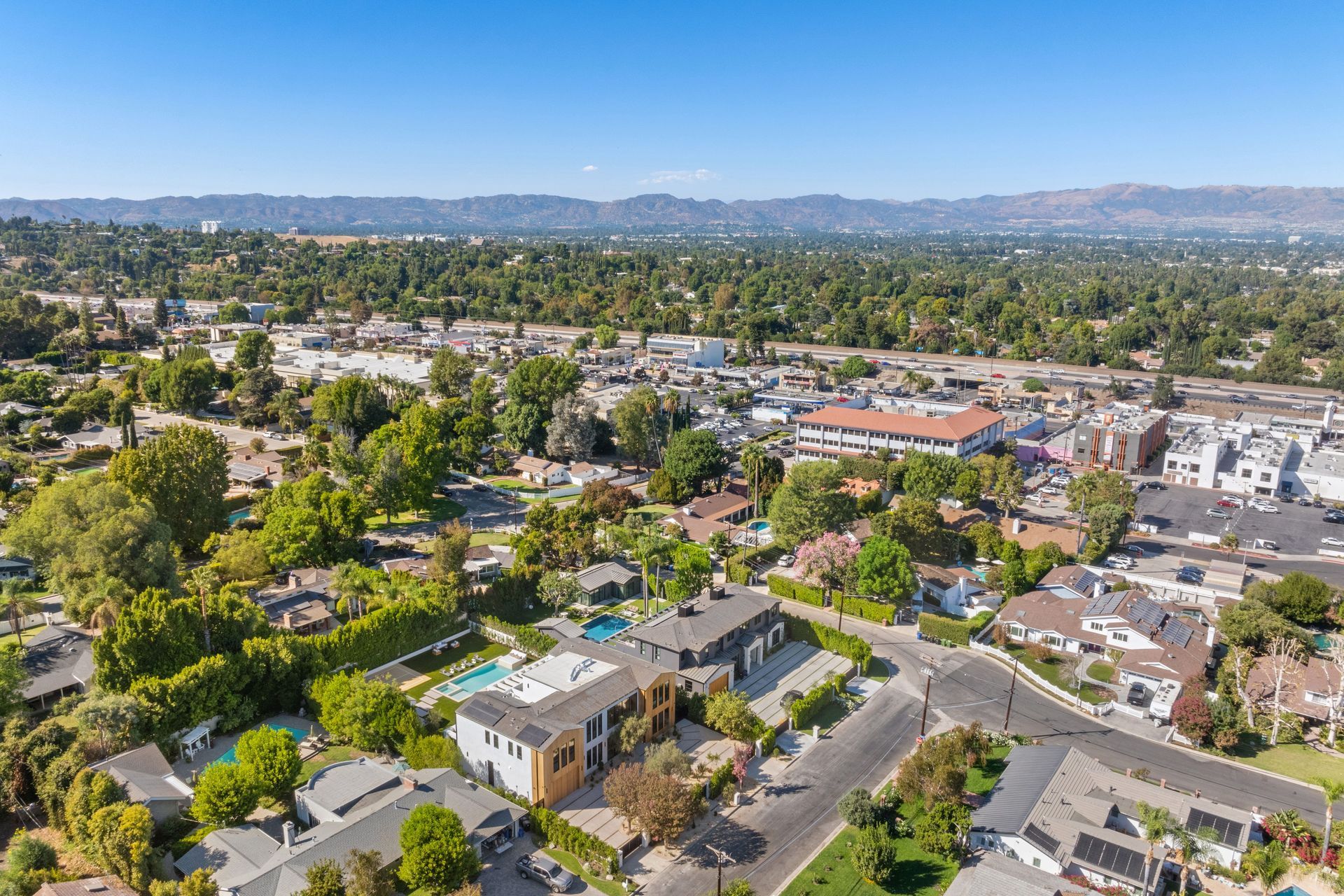
Home insurance helps protect your house, personal belongings, and liability risks. We explain coverage options clearly so you know what your policy includes.
Auto insurance provides protection for accidents, liability, and vehicle damage. We help you compare options so you can choose coverage that fits your driving needs.
Motorcycle insurance provides coverage for riders and their bikes. We help you select options that match how and where you ride.
RV insurance supports protection for motorhomes and recreational vehicles. Coverage applies during travel and while parked.
Coverage Built for Contractors and Trades
Support that keeps your work moving.

General Liability Insurance
General liability insurance helps protect contractors from injury and property damage claims. It supports jobsite requirements and contracts.

Workers Compensation
Workers compensation insurance helps protect employees injured while working. It also supports compliance with state requirements.

Commercial Auto Insurance
Commercial auto insurance provides coverage for work vehicles used on jobsites. It helps protect drivers and company vehicles.
Contractor Insurance
Contractor insurance supports trades and service professionals across Southern California. It helps protect tools, equipment, and daily operations.

Cyber Liability Insurance
Cyber liability insurance helps protect business data and customer information. It supports recovery from digital incidents.

Commercial Property Insurance
Commercial property insurance helps protect offices, shops, and equipment. It supports recovery after covered damage.
Coverage Built for Specialized Work
Support for high-risk and service-driven industries.



Simple Steps Supported by Steady Guidance
A Clear Path to Coverage
Trusted by Clients Across Southern California
Clear service backed by real experiences.
Answers to Common Questions.
Clear explanations to guide your decisions.
How do I know which insurance policy is right for me?
We compare coverage options from multiple carriers to help you see differences in protection and price. You can review clear details and ask questions so you understand what each policy covers. Our team guides you step by step so you feel sure about your decision.
What factors affect my auto insurance premium?
Auto insurance premiums are influenced by your driving history, age, location, vehicle type, and coverage choices. A clean driving record and good safety features can help lower costs. We review these factors with you and help find coverage that fits your budget and needs.
Does homeowners insurance cover all types of damage?
Standard homeowners insurance protects your structure, personal belongings, liability, and additional living expenses in many cases. However, it usually does not include flood or earthquake damage without separate policies. We help you decide if extra coverage is right for your home and location.
Can I update my policy or get certificates online?
Yes. You can submit requests for policy changes and certificates through our online service form at any time. Our team processes those requests quickly and confirms updates once complete so you have the documents you need.
Do I need separate insurance for business risks like EPLI or E&O?
Yes. General liability and workers compensation cover many business risks but do not protect against all exposures. For example, Employment Practices Liability Insurance (EPLI) covers claims like wrongful termination or discrimination, and Errors & Omissions (E&O) covers claims based on mistakes in professional services. We help you identify which extra policies your business may need.
What happens if I need to file a claim?
If you need to file a claim, we guide you through the process and help you contact the insurance carrier. We explain what information you should provide, answer your questions, and stay available while the carrier reviews your claim. This support helps you move forward with confidence.
Contact Us