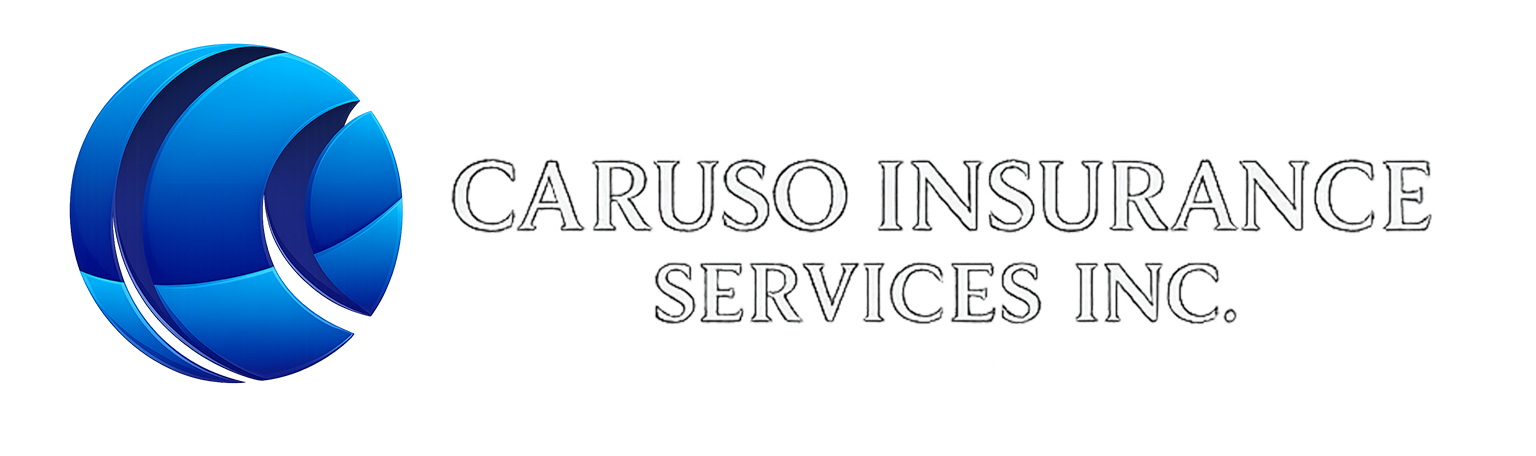
A single cracked fitting on a fire-sprinkler line can release hundreds of gallons of water in minutes, flooding multiple floors of a commercial building and generating six-figure damage claims before anyone reaches the shutoff valve. For contractors who install, inspect, and maintain these systems across California, the exposure profile is unlike almost any other construction trade. You're working with pressurized water in finished spaces, threading pipe through occupied buildings, and driving loaded service trucks through some of the most congested metro areas in the country.
Fire-sprinkler contractor insurance in California has to address a specific and overlapping set of risks: water damage liability, completed operations exposure that can surface years after a job wraps, expensive specialized tools that travel from site to site, commercial vehicles, mandatory workers' compensation, and a claims environment shaped by California's plaintiff-friendly legal system. Getting any one of these wrong can turn a profitable year into a catastrophic one. What follows is a practical breakdown of each coverage area and how to build a portfolio that actually protects your business rather than just checking a compliance box.
California creates a perfect storm of regulatory complexity and physical hazard for sprinkler contractors. The state's Title 24 building code requirements are among the strictest in the nation, and local jurisdictions frequently layer on additional fire protection mandates. Since January 2011, California has required residential fire sprinklers in all new single-family homes and townhouses, which expanded the market for contractors but also expanded their liability footprint into residential construction, where homeowner lawsuits tend to be aggressive.
The geographic diversity matters too. A contractor servicing cold-storage facilities in the Central Valley faces freeze-risk exposures that differ completely from one retrofitting high-rises in downtown Los Angeles, where seismic bracing requirements add another variable. Wildfire-prone areas in the WUI (Wildland-Urban Interface) zones are driving demand for upgraded suppression systems, but working in these regions often means longer supply lines, remote job sites, and higher auto exposure.
California's litigation climate amplifies everything. The state allows broad joint-and-several liability in construction defect cases, meaning a sprinkler subcontractor can be pulled into a multi-million-dollar suit even when the primary fault lies elsewhere. Your
insurance program needs to account for this reality from day one.

By: Larry Scott
Personal Insurance Agent at Caruso Insurance Services
General Liability: Protecting Against Water Damage and Completed Operations
General liability is the backbone of any sprinkler contractor's insurance program, but a generic GL policy written for a general contractor won't cut it here. The two most critical coverage components are water damage liability and completed operations, and both deserve close attention.
Mitigating High-Exposure Water Damage Risks
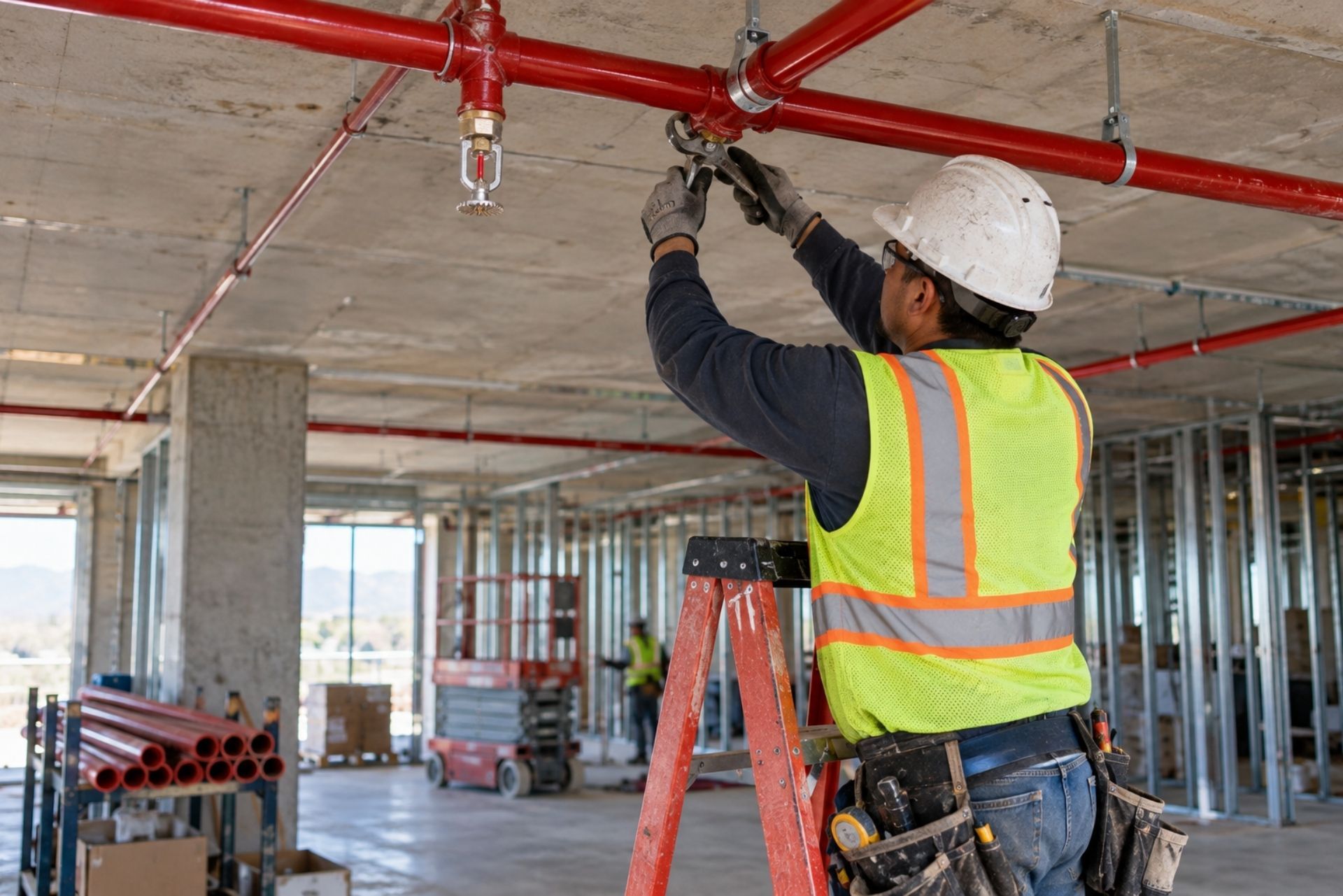
Water damage is the signature risk of this trade. A misaligned coupling, an improperly soldered joint, or even a testing procedure that goes sideways can flood an occupied building in minutes. I've seen claims where a single sprinkler head activation during a system test caused $280,000 in damage to a medical office's IT infrastructure and patient records.
Your GL policy should explicitly cover water damage arising from your operations, but read the exclusions carefully. Some policies contain broad "water damage" or "pollution" exclusions that could be interpreted to limit coverage for exactly the scenarios you face most often. Work with a broker who understands the difference between a water damage exclusion aimed at flood events and one that could inadvertently gut your coverage for operational spills. Insist on seeing the actual policy language, not just the declarations page.
Risk mitigation on the job site matters just as much as the policy itself. Documenting pre-existing conditions with timestamped photos before every job, using containment protocols during testing, and maintaining written procedures for system drains all reduce both the frequency and severity of claims.
The Importance of Completed Operations Coverage
Completed operations coverage protects you after you leave the job site, and for sprinkler contractors, this is where some of the largest claims originate. A system you installed three years ago fails during an actual fire, or a slow leak behind a wall causes mold damage that isn't discovered for 18 months. These are completed operations claims.
California's statute of repose for construction defect claims is ten years from substantial completion, which means your completed operations coverage needs to remain active for a full decade after every project. If you let your GL policy lapse or switch carriers without confirming that prior acts are covered, you could face an uncovered claim from a job you finished years ago. Many contractors don't realize that completed operations coverage typically ends when the policy expires unless you purchase an extended reporting period (tail coverage). Budget for this, especially if you're considering retirement or selling the business.
Safeguarding Tangible Assets: Tools, Equipment, and Commercial Auto
Your liability exposures get most of the attention, but the physical assets that keep your business running deserve their own dedicated coverage. Standard commercial property policies often fall short for contractors whose most valuable equipment rarely sits in a single location.
Inland Marine Coverage for Specialized Fire-Sprinkler Tools
Pipe threading machines, hydraulic test pumps, groove-cutting tools, and electronic leak detection equipment can easily represent $50,000 to $150,000 in value for a mid-sized sprinkler contractor. These tools travel constantly between job sites, warehouses, and vehicles, which puts them outside the scope of a standard commercial property policy that covers items at a fixed location.
Inland marine insurance (sometimes called a contractor's equipment floater) is designed for property in transit or at temporary locations. A good policy covers theft from vehicles, accidental damage on job sites, and even equipment borrowed or rented from others. Pay attention to the valuation method: replacement cost coverage is worth the premium difference over actual cash value, especially for specialized tools that depreciate on paper but cost just as much to replace.
Commercial Auto Policies for Service Fleets
Sprinkler contractors log serious miles. Service calls, inspections, new installations, and material runs mean your vehicles are on California roads constantly, often in heavy metro traffic. The state's minimum auto liability limits ($15,000/$30,000/$5,000) are laughably inadequate for a commercial operation. A single serious accident involving a loaded service van could generate claims well into six figures.
Carry at least $1 million in combined single-limit liability on your
commercial auto policy, and consider a commercial umbrella that extends over both your auto and GL policies. Make sure your policy covers hired and non-owned autos if employees ever use personal vehicles for work errands. California's comparative fault system means you'll almost always share some liability in an accident, so higher limits protect your business assets from a judgment that exceeds your coverage.
Workers' Compensation and Regulatory Compliance in California
California doesn't give contractors a choice on workers' comp. If you have even one employee, you must carry it, and the penalties for non-compliance are severe: criminal misdemeanor charges, stop-work orders, and penalties up to $100,000 from the Contractors State License Board (CSLB).
State-Mandated Requirements and Contractor Licensing
The CSLB requires proof of workers' compensation insurance (or a valid exemption certificate for sole proprietors with no employees) before issuing or renewing a C-16 Fire Protection contractor license. If your workers' comp policy lapses, the insurer notifies the CSLB, and your license can be automatically suspended. This isn't theoretical: the CSLB suspends thousands of licenses annually for insurance lapses.
Beyond workers' comp, California requires contractors to carry a minimum $15,000 contractor's bond and maintain general liability coverage. Some project owners and general contractors require much higher limits, often $2 million or more per occurrence, as a condition of bidding. Keep your certificates of insurance current and set up automatic renewal reminders so a lapsed policy doesn't cost you a license or a contract.
Managing Risks for High-Hazard Installation Work
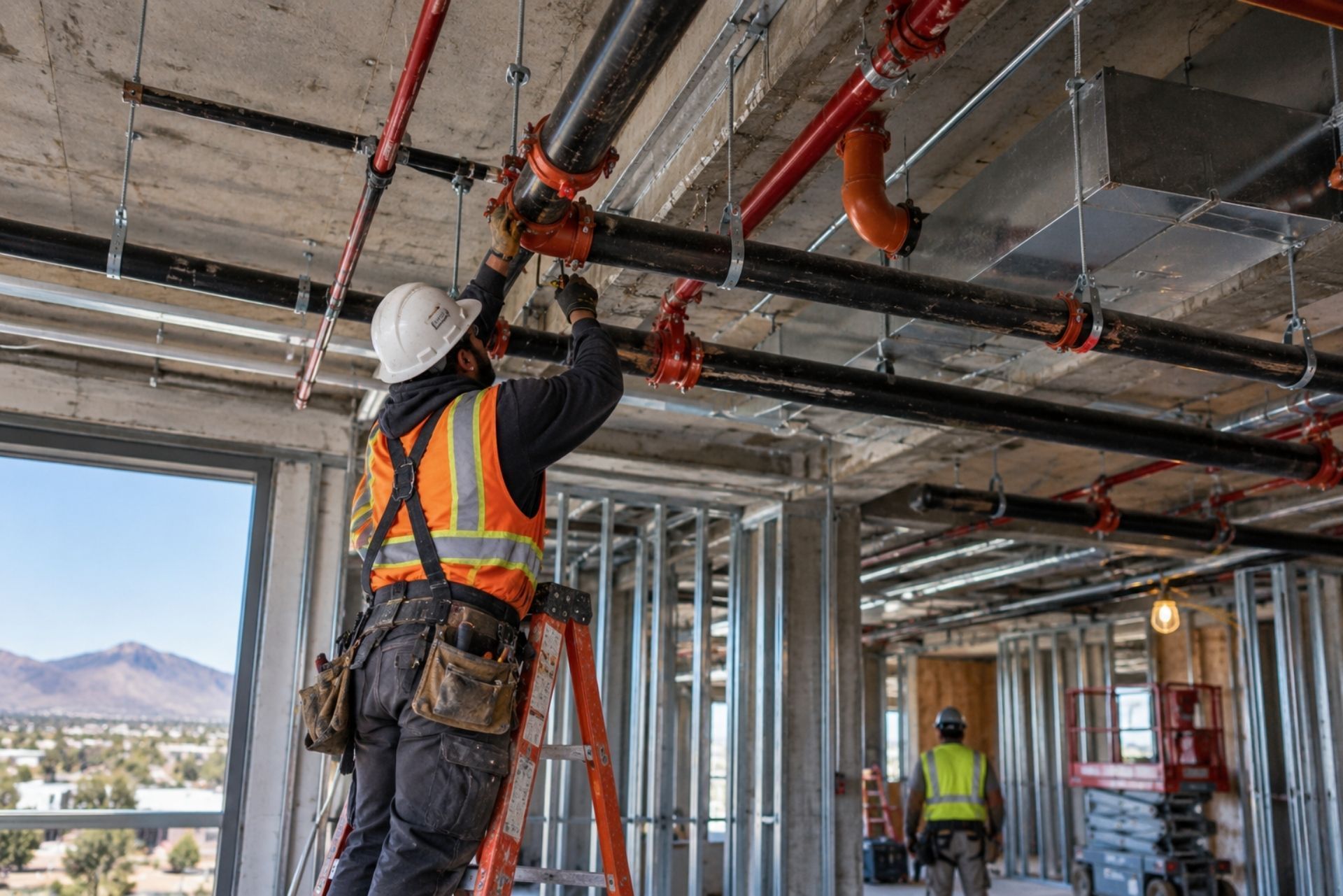
Fire-sprinkler installation carries a workers' comp classification code (NCCI code 3724 in most states, though California uses its own WCIRB system) that reflects the genuine physical hazards: working at heights, handling heavy pipe, soldering and brazing, and operating in active construction zones. Your experience modification rate (EMR or X-Mod) directly affects your premium, and a single serious injury can push that modifier above 1.0 for three years.
Invest in a formal safety program with documented toolbox talks, fall protection protocols, and hot-work permits. Companies with EMRs below 0.85 often save 15-25% on
annual premiums compared to those at 1.0, and a strong safety record also makes you more competitive on bids where GCs evaluate subcontractor safety histories.
Claims Management and Dispute Resolution Strategies
How you handle claims matters almost as much as having the right coverage. California's construction litigation environment is active, and poor claims management can turn a $20,000 incident into a $200,000 lawsuit.
Documenting Installations to Prevent Liability Claims
The single best thing you can do to protect yourself from future claims is document everything. Before starting any job, photograph existing conditions, note any pre-existing water damage or structural issues, and keep copies of all approved plans and specifications. During installation, photograph key connection points, pressure test results, and final inspections.
This documentation serves two purposes. First, it helps you defend against claims that your work caused pre-existing damage. Second, it demonstrates compliance with applicable codes, which is critical in California construction defect litigation where the standard of care is measured against code requirements. Store records digitally with cloud backup and retain them for at least ten years to match the statute of repose. Your future self (or your attorney) will thank you.
Handling Subrogation and Multi-Party Construction Disputes
In multi-party construction projects, a water damage claim rarely stays between two parties. The building owner sues the GC, the GC tenders the claim to the sprinkler sub, the sprinkler sub's insurer subrogate against the pipe manufacturer, and suddenly four insurance companies and six attorneys are involved. California's right of equitable indemnity means you can be dragged into disputes even when your share of fault is minimal.
Review your subcontracts carefully. Many GCs include broad-form indemnity clauses that attempt to shift all liability to subcontractors, though California Civil Code Section 2782 limits the enforceability of these clauses in construction contracts. Make sure your GL policy covers contractual liability, and never sign an indemnity agreement without having your broker or attorney review it against your actual coverage.
Your claims history follows you through industry databases like the CLUE (Comprehensive Loss Underwriting Exchange) report. Frequent claims, even small ones, can make you difficult to insure or push you into surplus lines markets where premiums are significantly higher. Sometimes it makes financial sense to handle minor incidents out of pocket rather than filing a claim that will affect your insurability for five to seven years.
Customizing a Comprehensive Insurance Portfolio for Long-Term Growth
Building the right insurance program for a California fire-sprinkler contracting business isn't a one-time exercise. Your coverage needs to evolve as you take on larger projects, hire more employees, expand into new service areas, or add fleet vehicles. An annual insurance review with a broker who specializes in construction trades is the minimum: do it before your renewal, not after.
The core package for most sprinkler contractors includes general liability with strong completed operations coverage, inland marine for tools and equipment, commercial auto with adequate limits, workers' compensation, and a commercial umbrella that ties everything together. Depending on your operation, you might also need professional liability (if you do design-build work), pollution liability (for glycol-based antifreeze systems), or builder's risk coverage for large installation projects.
Think of your insurance portfolio as a financial foundation that protects the business you've spent years building. The contractors who survive long-term in California aren't necessarily the ones who never have claims: they're the ones who had the right coverage, documented their work, and managed their risk profile proactively. Find a broker who understands fire-sprinkler work specifically, not just "construction insurance" in general, and invest the time to get your program right.
ABOUT THE AUTHOR:
LARRY SCOTT
Hello! My name is Larry Scott. I have been in the insurance industry for 21+ years, with a background in Personal, Commercial, and Bonding. I support Caruso Insurance’s goal of providing convenient and competitive insurance coverage for our clients by focusing on each client’s individual needs. I am dedicated to continuing education and staying up to date with technology in the forever changing insurance world. I am a family man and enjoy any time I get to spend with my kids. I love cooking and drinking wine.
Contact Us

Service that stays with you.
Our team helps simplify insurance decisions for families and businesses. We focus on clear explanations, fast responses, and dependable service. You can count on us for help with coverage questions, updates, and long-term support.
Coverage that keeps you secure
Reliable Protection for Everyday Life
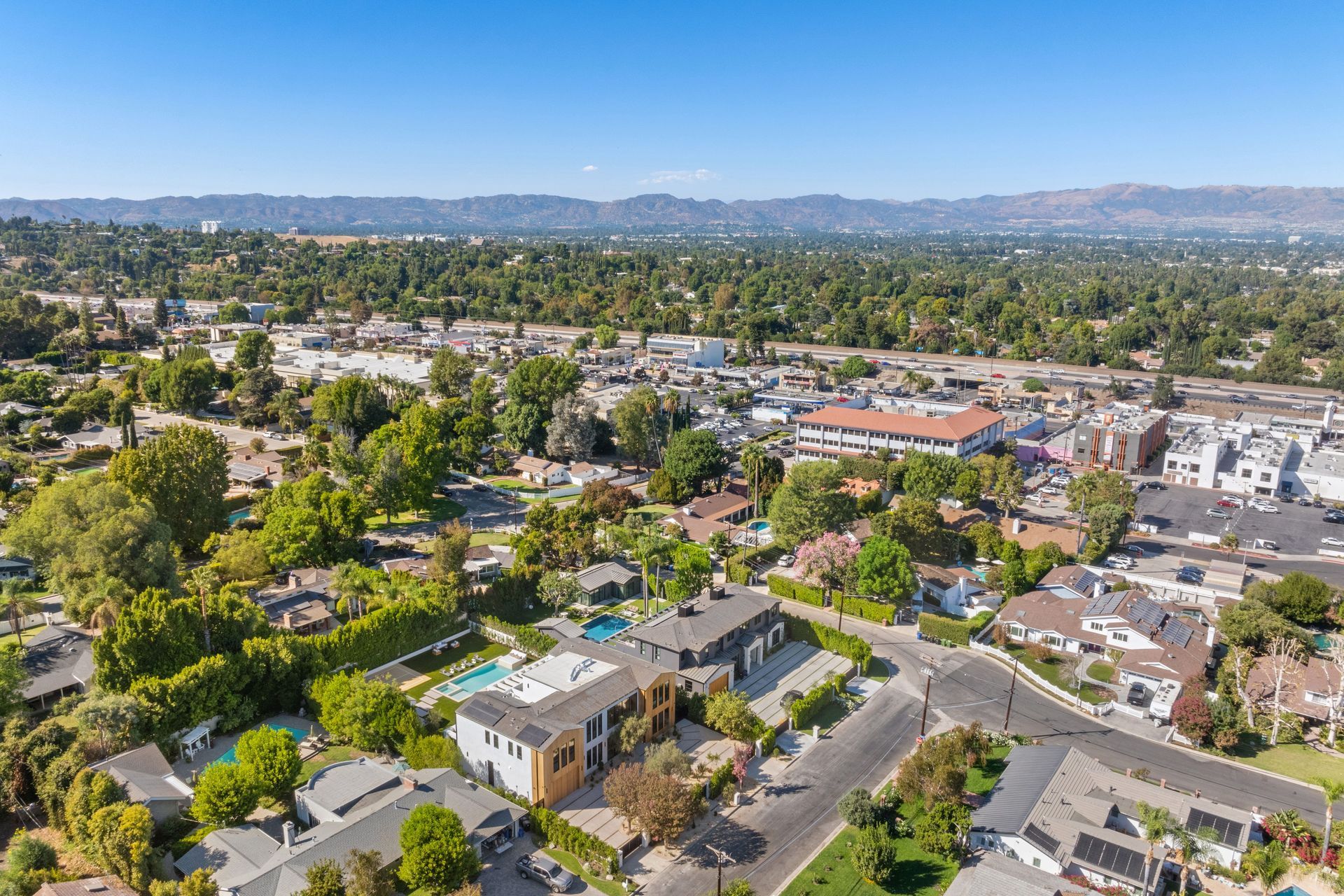
Home insurance helps protect your house, personal belongings, and liability risks. We explain coverage options clearly so you know what your policy includes.
Auto insurance provides protection for accidents, liability, and vehicle damage. We help you compare options so you can choose coverage that fits your driving needs.
Motorcycle insurance provides coverage for riders and their bikes. We help you select options that match how and where you ride.
RV insurance supports protection for motorhomes and recreational vehicles. Coverage applies during travel and while parked.
Coverage Built for Contractors and Trades
Support that keeps your work moving.

General Liability Insurance
General liability insurance helps protect contractors from injury and property damage claims. It supports jobsite requirements and contracts.

Workers Compensation
Workers compensation insurance helps protect employees injured while working. It also supports compliance with state requirements.

Commercial Auto Insurance
Commercial auto insurance provides coverage for work vehicles used on jobsites. It helps protect drivers and company vehicles.
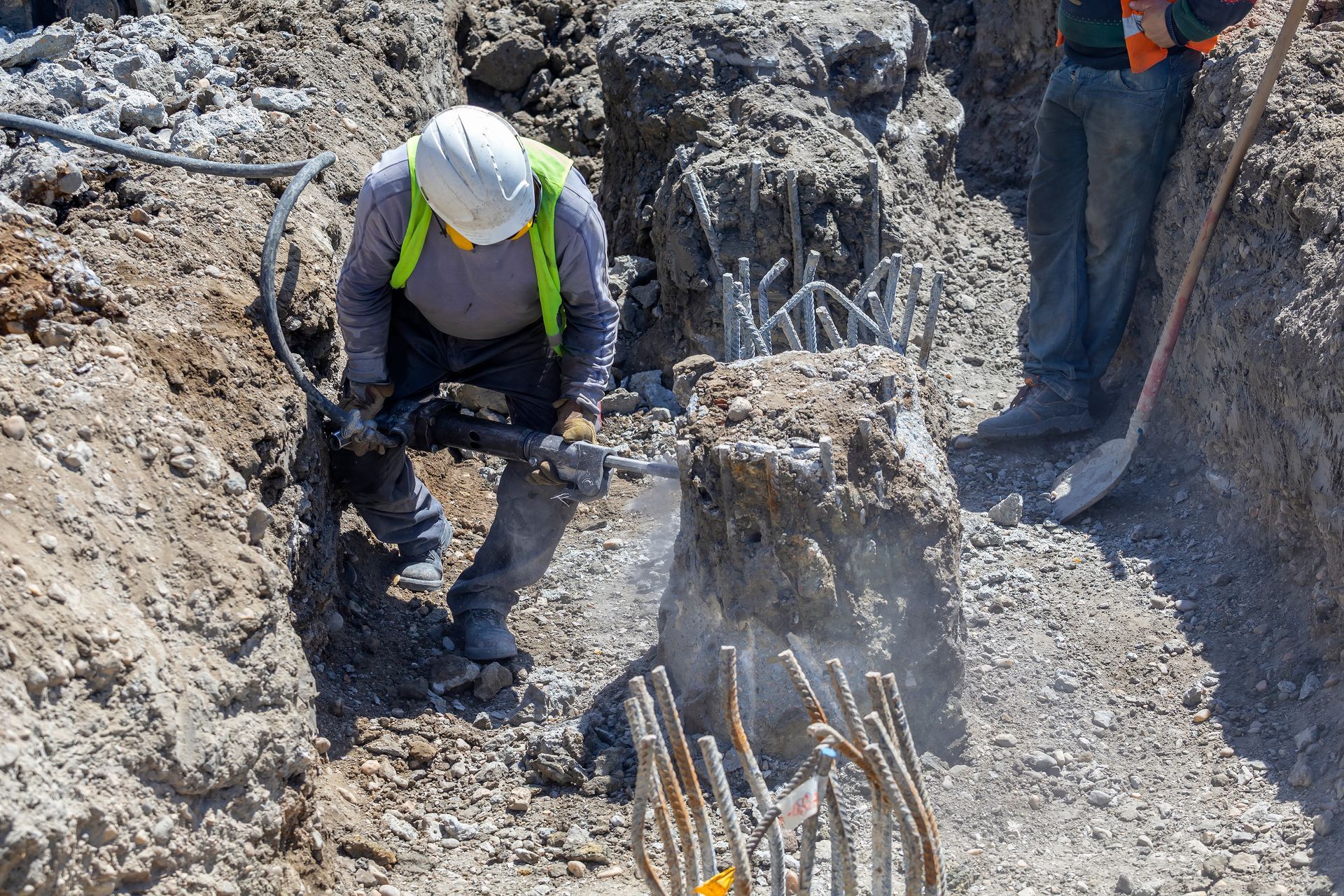
Contractor Insurance
Contractor insurance supports trades and service professionals across Southern California. It helps protect tools, equipment, and daily operations.

Cyber Liability Insurance
Cyber liability insurance helps protect business data and customer information. It supports recovery from digital incidents.

Commercial Property Insurance
Commercial property insurance helps protect offices, shops, and equipment. It supports recovery after covered damage.
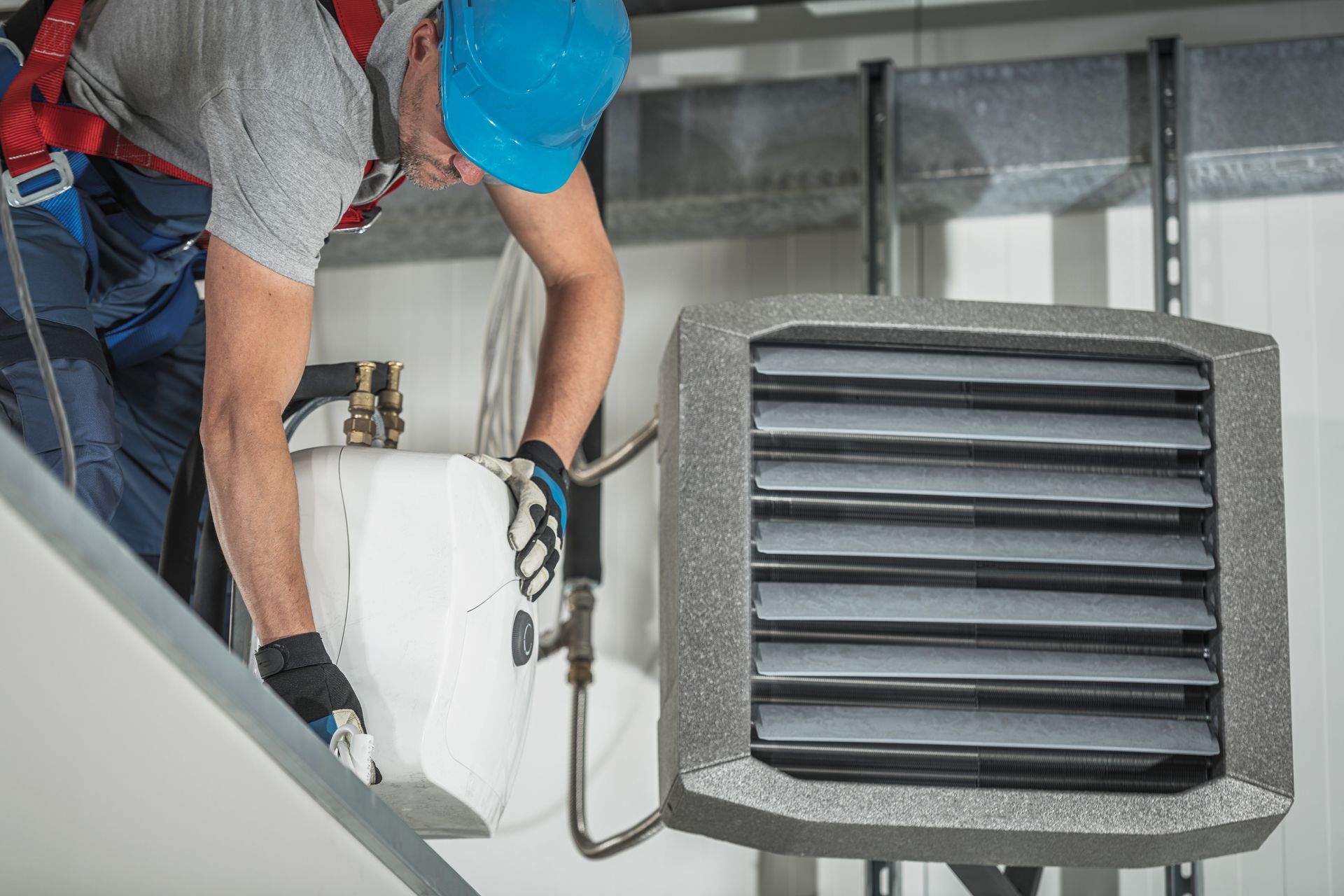
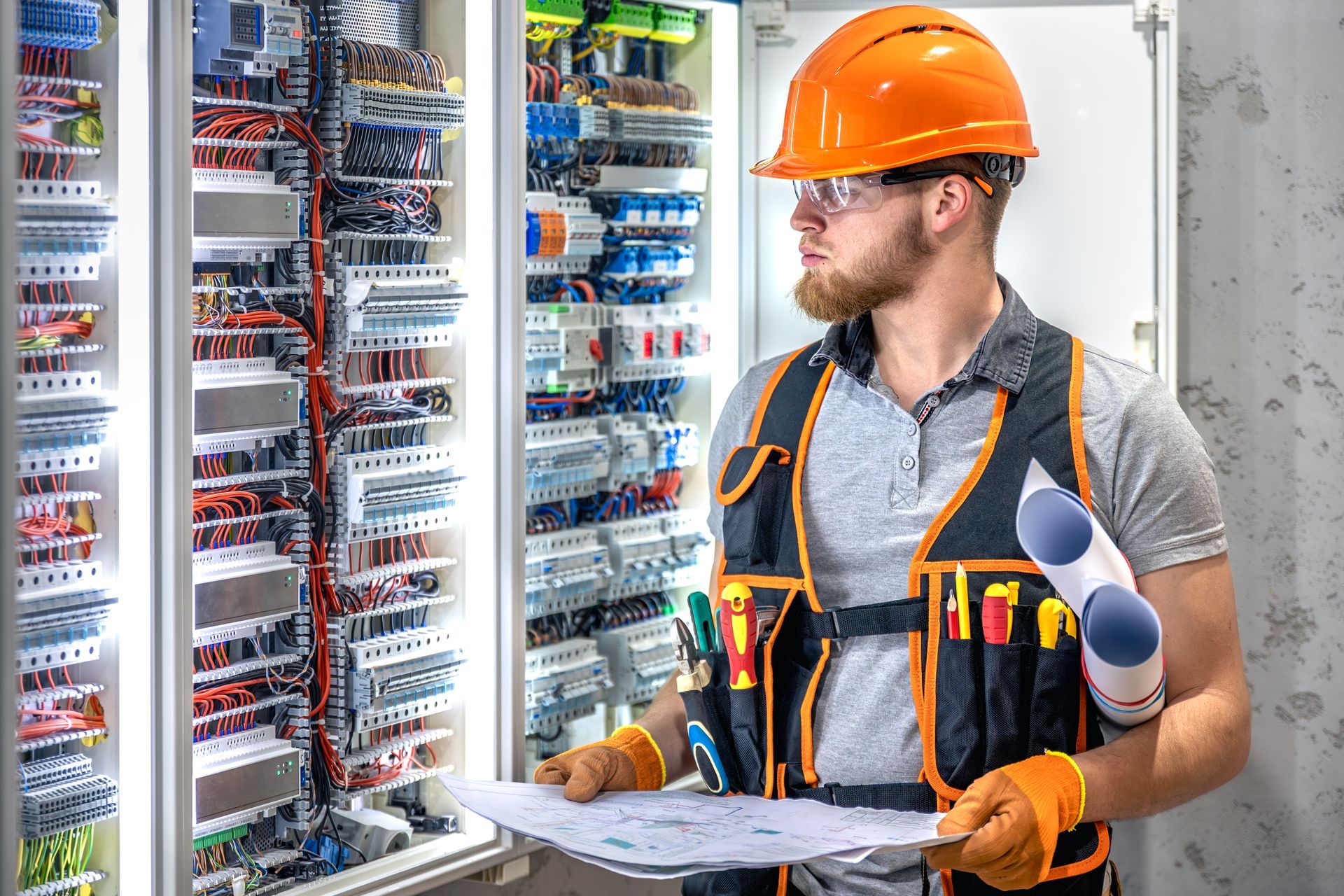
Coverage Built for Specialized Work
Support for high-risk and service-driven industries.
Simple Steps Supported by Steady Guidance
A Clear Path to Coverage
Trusted by Clients Across Southern California
Clear service backed by real experiences.
Answers to Common Questions.
Clear explanations to guide your decisions.
How do I know which insurance policy is right for me?
We compare coverage options from multiple carriers to help you see differences in protection and price. You can review clear details and ask questions so you understand what each policy covers. Our team guides you step by step so you feel sure about your decision.
What factors affect my auto insurance premium?
Auto insurance premiums are influenced by your driving history, age, location, vehicle type, and coverage choices. A clean driving record and good safety features can help lower costs. We review these factors with you and help find coverage that fits your budget and needs.
Does homeowners insurance cover all types of damage?
Standard homeowners insurance protects your structure, personal belongings, liability, and additional living expenses in many cases. However, it usually does not include flood or earthquake damage without separate policies. We help you decide if extra coverage is right for your home and location.
Can I update my policy or get certificates online?
Yes. You can submit requests for policy changes and certificates through our online service form at any time. Our team processes those requests quickly and confirms updates once complete so you have the documents you need.
Do I need separate insurance for business risks like EPLI or E&O?
Yes. General liability and workers compensation cover many business risks but do not protect against all exposures. For example, Employment Practices Liability Insurance (EPLI) covers claims like wrongful termination or discrimination, and Errors & Omissions (E&O) covers claims based on mistakes in professional services. We help you identify which extra policies your business may need.
What happens if I need to file a claim?
If you need to file a claim, we guide you through the process and help you contact the insurance carrier. We explain what information you should provide, answer your questions, and stay available while the carrier reviews your claim. This support helps you move forward with confidence.
Contact Us