A sudden hailstorm that severely damages a commercial roof or a fire that disrupts an entire neighborhood can mean significant financial setbacks. The stakes are high for commercial property owners in California, as ensuring that every potential risk is covered can make the difference between business continuity and financial disaster. This guide unpacks the complex world of commercial property owner insurance in California, highlights current trends, and provides actionable insights anchored by industry data.
From rising premiums to evolving market risks, understanding the landscape of insurance coverage is critical. For instance, data reveals that in 2023, insured losses from natural disasters around the world reached staggering levels, driven largely by severe convective storms
according to GM Properties. Such statistics underline the pressing need for robust risk management strategies, integrated planning, and diversified insurance coverage.
Understanding the Risks for Commercial Properties in California
California's diverse climate and topography present unique challenges for commercial property owners. The state's susceptibility to natural disasters such as wildfires, severe storms, and earthquakes necessitates a tailored approach to insurance. Losses have increased over the years, not only due to changes in weather patterns but also because of rising property valuations and unforeseen repair costs. By analyzing recent data and expert insights, property owners can better assess their specific vulnerabilities.
Recent reports have shown that fire and weather-related events have contributed a large share of insured losses in the commercial sector. Data from the 2024 Executive Insights: Commercial Property report by Verisk illustrates that fire & lightning and wind & hail events accounted for a significant portion of losses in this sector as noted by Verisk. This emphasizes the necessity for property owners to carefully review their policy details and ensure that their coverage is up to date with the latest risk profiles.
In recent times, insurance carriers have had to manage increasing exposure and more frequent claims. The shift in market trends means that commercial insurers are adapting by offering more customized coverage options, particularly in high-risk areas. This kind of adaptability is essential in a market where localized risks vary dramatically.

By: Jennifer Roberts
Commercial Insurance Agent at Caruso Insurance Services
The Role of Public-Private Partnerships in Insurance Stability
Insurance is a domain where private initiatives often intersect almost seamlessly with public policy. Given the escalating costs and the complex nature of insuring commercial properties, there is a growing call for coordinated solutions. Experts stress the importance of transitioning from fragmented efforts to comprehensive public-private partnerships. Such collaborative efforts are seen as a way to stabilize the market and better protect homeowners and commercial property owners alike according to the Center for California Real Estate.
The advantages of these partnerships include pooling risk, increasing capital reserves, and fostering innovation in risk assessment and coverage models. When the private sector collaborates with public bodies, policymakers can negotiate better terms and enhance transparency, creating a more resilient environment for policyholders. This synergy is particularly critical given the turbulent market conditions and the substantial financial risks involved, which were spotlighted in a recent expert report on California's homeowner insurance challenges.
By embracing innovative tools and strategies, such as predictive analytics and coordinated emergency response systems, both insurers and businesses alike can pave the way for a more stable environment. It is a shared responsibility-balancing commercial interests while ensuring the safety and satisfaction of policyholders.
Customized Coverage Amid Rising Premiums
One significant trend in the California insurance market is the notable increase in premiums, particularly in areas where risks are known to be high. Evidence shows that the Excess & Surplus (E&S) market in California experienced a dramatic rise in premiums, with figures pointing to a more than 200% surge over the past decade reported by MarshBerry. This spike underscores the need for property owners to revisit their coverage goals and ensure that tailored solutions match their risk exposure.
Customized insurance solutions are not solely about price adjustments; they are comprehensive packages that consider individual risk, regional vulnerabilities, and unique operational needs. Such policies provide coverage for niche risks, reflecting the reality that one-size-fits-all solutions no longer suffice in an unpredictable climate scenario. Many insurers are now leveraging advanced risk assessment methodologies to offer dynamic policy terms that can better shield business assets from loss.
This shift towards tailored coverage options marks a significant evolution in the insurance landscape. As rising premiums and complex claims challenge traditional models, customized approaches offer a clear path forward for mitigating losses and ensuring financial security.

Innovative Tools for Managing Climate Risks
Climate change has introduced a new level of uncertainty into the insurance equation. New methodologies, such as the Pioneer Detection Method mentioned in a 2025 study, are being introduced to enhance predictive capabilities and manage the increasing frequency of weather-related claims as detailed on arXiv. This tool is designed to help insurers detect emerging trends in climate-related risks before they translate into large-scale claims, offering a much-needed buffer against unpredictable weather patterns.
The adoption of such innovative approaches is evidence of the industry’s proactive stance in response to mounting environmental challenges. By integrating technology in risk evaluation and claims management, insurers can minimize the financial impact of natural disasters. This improved responsiveness not only helps minimize losses but also reinforces the trust between insurers and property owners.
Advanced models assist in tailoring policies to better reflect regional risk profiles. For California commercial property owners, embracing these technological measures can lead to smarter, more responsive coverage strategies that align with both immediate needs and long-term planning objectives.
Strategies for Strengthening Insurance Portfolios
The changing landscape of commercial insurance in California calls for strategic overhauls in how property owners manage their insurance portfolios. With consistent natural disasters and market instability, the need for diversified risk management strategies is paramount. One practical approach is to combine traditional property policies with specialized riders that address climate-specific threats and unexpected market fluctuations.
Portfolio diversification is not confined to the range of coverage options; it also extends to the type of insurance providers chosen. Working with insurers who have a proven track record in processing complex claims and adapting to evolving risks can mitigate the impact of unforeseen events. Recent market analyses note that coordinated responses and tailored policy options are at the forefront of successful risk management – a critical strategy for commercial properties pointed out by leading experts.
Furthermore, the integration of state-backed programs and private insurer collaborations adds an extra layer of security. This dual approach not only stabilizes premium costs over time but also improves claim resolution processes. Proactive steps can include regular policy reviews, updated risk assessments, and a commitment to transparency from both parties.
Local Considerations and Regulatory Changes
While national trends provide insight, local factors are crucial for California commercial property owners. Regulatory changes and local ordinances can significantly influence insurance requirements and premium structures. For instance, changes in state regulations have often led to adjustments in allowable exposure, compelling insurers to re-evaluate their coverage limits and associated costs.
Property owners must stay informed about the latest regulatory updates and understand how these changes impact both coverage and premium rates. Comprehensive management strategies involve regular consultations with insurance brokers who specialize in California commercial properties. These discussions can reveal pertinent regulatory updates and offer pathways to adjust policies accordingly.
Documented trends indicate that between 2020 and 2024, participation in programs like the California FAIR Plan experienced dramatic growth, with both the number of homes covered and total exposure rising significantly
as noted on Wikipedia. While primarily designed for residential properties, these trends also mirror the broader market dynamics that affect commercial policies. It is essential to align local compliance matters with broader market pressures to develop effective protection strategies.
Balancing Risk and Reward in Commercial Insurance
Insurance is a balancing act between mitigating risks and maximizing rewards. As commercial property owners invest in robust coverage, they must also consider the economic implications of premium hikes and policy adjustments. Understanding the interplay between risk factors and financial planning is key to sustaining long-term business growth.
Rising premiums in the commercial property insurance market are driven by escalating catastrophe losses, increases in inflation, and complexities in property valuation observed by industry experts. These factors mean that premium adjustments are not arbitrary but are responses to tangible market pressures affecting every aspect of policy management. Property owners must weigh these considerations when negotiating for better terms or switching coverage providers.
An effective insurance program is built on risk diversification, continuous portfolio assessment, and timely updates to coverage terms. Striking the right balance entails analyzing current market trends, understanding regional exposures, and planning for eventualities that fall outside typical coverage scenarios. It is a dynamic process that requires constant vigilance and informed discussions with trusted insurance advisors.
Implementing Proactive Insurance Management Techniques
Relying solely on passive review of policies is no longer sufficient. Proactive management of insurance coverage involves regular audits of asset value, risk factors, and the adequacy of coverage levels. As the property market evolves, so too must the strategies for mitigating risk. One tool often highlighted in recent studies is the implementation of early-detection methods that alert policyholders of upcoming threats before damage occurs, enabling more prompt responses.
Insurance companies are increasingly integrating predictive models into their risk management frameworks, enabling faster, more accurate assessments of imminent hazards. These models can inform strategic alterations in coverage, ensuring that policy terms remain aligned with the evolving risk landscape. Property owners benefit not only from enhanced protection but also from proactive adjustments in premium structures that reflect actual rather than anticipated risks.
Regular consultations with industry experts and scheduled policy reviews are critical elements of proactive management. Staying engaged with the latest market research, like studies on innovative risk detection methodologies, ensures that commercial property owners are never caught off guard. Ultimately, a well-managed insurance portfolio offers peace of mind and reinforces long-term business resilience.
How to Choose the Right Policy for Your Commercial Property
Selecting the right insurance policy for a commercial property requires a mix of in-depth local knowledge and an understanding of wider market trends. Given the shifting landscape due to environmental risks and economic uncertainties, it is essential for property owners to seek policies that not only cover immediate needs but also anticipate future challenges.
When evaluating policies, key elements such as coverage limits, deductibles, and special riders should be scrutinized carefully. Traditional policies might not sufficiently cover specific risks such as wind and hail damage or wildfire exposure. Many insurers now offer bespoke packages that integrate traditional property insurance with specialized extensions designed for high-risk factors. Property owners should leverage expertise from independent brokers who can decipher policy fine print and offer recommendations tailored to individual risk profiles.
This process involves reviewing case studies, consulting user testimonials, and potentially using digital tools that simulate various damage scenarios. Ultimately, choosing the right policy means finding a balance between robust coverage and manageable costs-a decision that has long-term financial implications for the business.
Case Study: Navigating Premium Increases and Policy Adjustments
An illustrative case involves a mid-sized commercial property located in a region with high exposure to wildfires and severe weather. Over the past few years, the property experienced multiple incidents that pushed local premiums upward. Facing rising costs, the property management team opted for a comprehensive review of their insurance policy.
They discovered that integrating additional riders for natural disaster coverage and adopting a proactive risk management strategy led to not only better protection during events but also long-term savings on premium adjustments. This strategic approach was reinforced by expert advice from industry specialists, who highlighted positive outcomes when a balanced mix of public-private initiatives was in place. Such cases emphasize that moving away from a static coverage plan to a dynamic, regularly updated portfolio can yield significant benefits.
This experience demonstrates that periodic risk evaluations and open dialogues with insurers about emerging challenges ensure that commercial properties receive adequate compensation. By embracing an agile risk management approach, property owners can navigate premium fluctuations effectively while safeguarding their investments over the long run.
An effective way to understand the landscape of insurance is to compare available coverage options side by side. Below is a simplified table contrasting several policy features that are critical for commercial property owners in California.
| Policy Feature | Traditional Property Insurance | Customized Risk Management Package |
|---|---|---|
| Coverage for Natural Disasters | Standard fire, lightning, and wind damage | Extended to include hail, wildfires, and specialized riders |
| Premium Adjustments | Subject to fixed annual increases | Dynamic adjustments based on real-time risk assessments |
| Risk Management Tools | Limited to historical data | Incorporates predictive models and early-warning systems |
| Flexibility in Policy Terms | Low flexibility with minimal modifications | High flexibility with customizable riders and deductibles |
This comparative analysis highlights that while traditional policies offer basic coverage, customized packages provide advanced risk management tools and adaptability. Property owners looking for more than just a safety net may find these tailored solutions align better with their business needs.
Looking Ahead: Emerging Trends and Future Considerations
California's insurance market will continue to evolve as economic pressures, environmental factors, and regulatory changes converge. Experts predict that premium pressures and risk calculation methods will undergo further transformation over the coming years.
Reports indicate that market trends driven by catastrophic losses and inflation are prompting insurers to explore more innovative underwriting techniques as highlighted by GM Properties. As property owners adapt to these changes, it will be critical to remain engaged with the evolving landscape, seek expert consultation, and continually reassess insurance needs against emerging risks.
Emerging trends such as integrated digital risk platforms and more granular policy adjustments provide hope for a more resilient market. However, property owners must prepare for an environment where agile, nuanced adjustments are now the norm rather than the exception.
Frequently Asked Questions
What is the significance of customized insurance policies?
Customized policies are essential because they cater to specific risks and operational needs of a business, ensuring more precise coverage and better risk management.
How do rising premiums affect commercial property insurance?
Rising premiums reflect increased risk exposure and loss frequency, necessitating proactive policy reviews and dynamic coverage adjustments to manage costs effectively.
What role do public-private partnerships play in insurance stability?
These partnerships help stabilize the market by pooling resources, sharing risks, and fostering transparency between insurers and regulatory authorities.
How can property owners stay updated on changing regulations?
Staying in touch with industry experts, consulting with specialized brokers, and following official updates can help property owners remain informed about regulatory changes.
What advanced tools are available for managing climate-related risks?
Innovative tools like the Pioneer Detection Method offer early-warning capabilities, helping insurers and property owners predict and mitigate potential climate-related losses.
Wrapping Things Up
California commercial property insurance is evolving to meet the challenges posed by modern risks. With rising premiums, specialized coverage needs, and the introduction of advanced risk assessment tools, there is no one-size-fits-all approach. Instead, property owners must remain vigilant and proactive in securing comprehensive, tailored coverage that adapts to both immediate hazards and long-term market shifts.
Embracing regional insights, partnering with knowledgeable insurers, and integrating innovative risk management strategies allow businesses to stand resilient in the face of unpredictable natural disasters. Regular reviews and strategic collaborations, along with an awareness of trends like those cited in recent studies, provide the framework to build a robust insurance portfolio.
The landscape is challenging, but with informed decisions and continuous adaptation, commercial property owners in California can protect their investments and sustain business operations through even the most turbulent times. Staying engaged with industry advancements and consulting with credible experts will be key as the market continues to evolve.
Final Thoughts
Insurance is more than a financial product; it is a critical component of risk management for commercial property owners. In California, where natural disasters and market volatility are constants, understanding the nuances of policy features and adapting coverage accordingly is essential. This guide has highlighted the importance of innovative solutions, tailored policy options, and strategic regulation awareness.
As the industry moves toward coordinated public-private solutions and unsurprisingly dynamic risk management strategies, property owners are encouraged to reevaluate their comprehensive insurance strategies regularly. With critical data from research, such as the 213% increase in Excess & Surplus premiums noted by MarshBerry and other expert insights, it is clear that planning today lays the groundwork for stability tomorrow.
By integrating both traditional and innovative approaches, California commercial property owners can secure the best possible protection against today's risks and the uncertainties of the future. This proactive, informed approach not only safeguards physical assets but also ensures that businesses continue to thrive even when faced with significant challenges. Stay vigilant, remain informed, and choose coverage that adapts as quickly as our environment does.
ABOUT THE AUTHOR:
JENNIFER ROBERTS
Jennifer Roberts supports business clients with commercial insurance service and account coordination. She works closely with clients to explain coverage details clearly and guide them through policy updates that support business needs.
Jennifer believes strong organization and clear communication are key to reliable service. She stays involved throughout the policy process, from documentation to ongoing updates, and focuses on maintaining accurate and dependable client accounts.
Contact Us

Service that stays with you.
Our team helps simplify insurance decisions for families and businesses. We focus on clear explanations, fast responses, and dependable service. You can count on us for help with coverage questions, updates, and long-term support.
Coverage that keeps you secure
Reliable Protection for Everyday Life
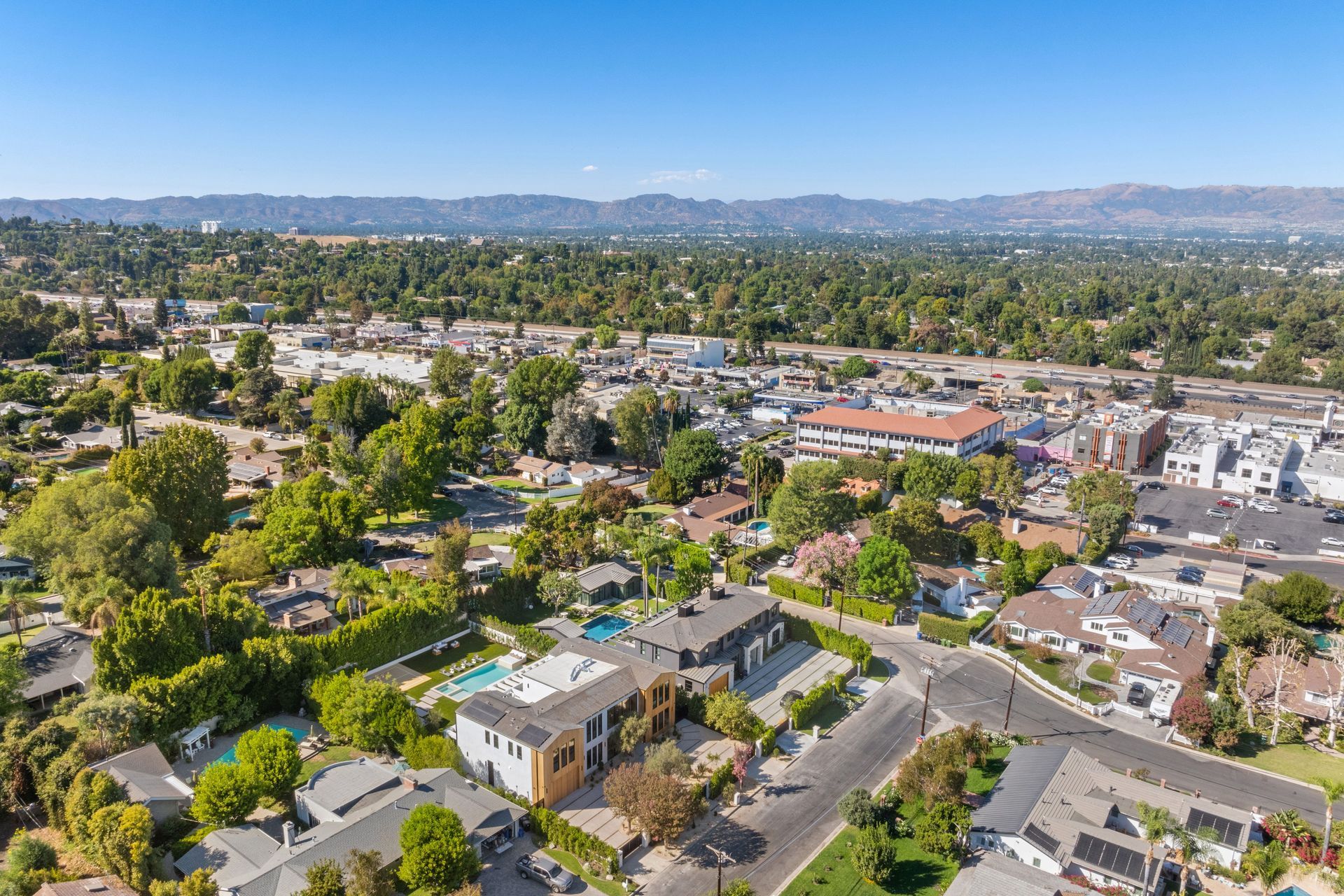
Home insurance helps protect your house, personal belongings, and liability risks. We explain coverage options clearly so you know what your policy includes.
Auto insurance provides protection for accidents, liability, and vehicle damage. We help you compare options so you can choose coverage that fits your driving needs.
Motorcycle insurance provides coverage for riders and their bikes. We help you select options that match how and where you ride.
RV insurance supports protection for motorhomes and recreational vehicles. Coverage applies during travel and while parked.
Coverage Built for Contractors and Trades
Support that keeps your work moving.

General Liability Insurance
General liability insurance helps protect contractors from injury and property damage claims. It supports jobsite requirements and contracts.

Workers Compensation
Workers compensation insurance helps protect employees injured while working. It also supports compliance with state requirements.

Commercial Auto Insurance
Commercial auto insurance provides coverage for work vehicles used on jobsites. It helps protect drivers and company vehicles.
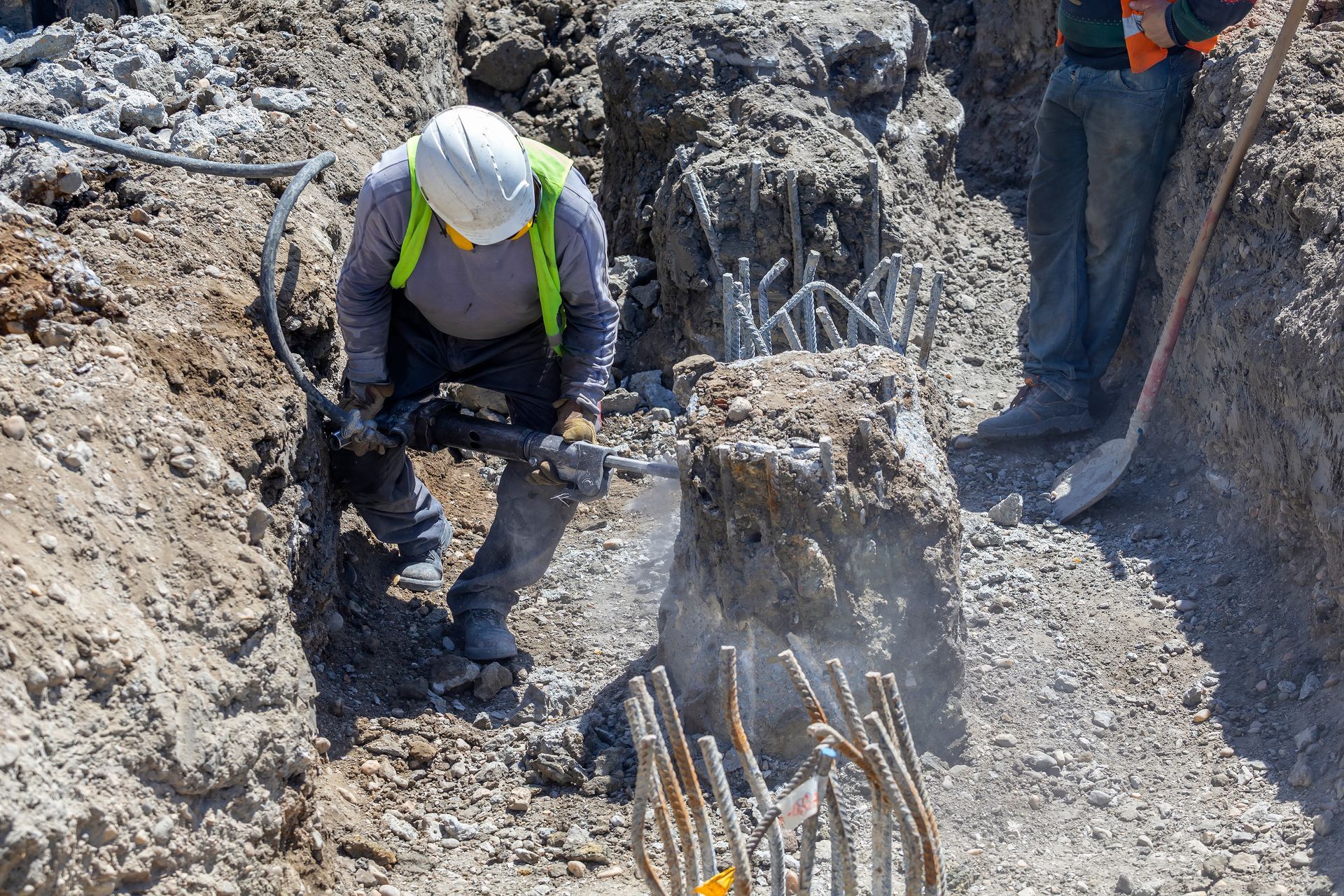
Contractor Insurance
Contractor insurance supports trades and service professionals across Southern California. It helps protect tools, equipment, and daily operations.

Cyber Liability Insurance
Cyber liability insurance helps protect business data and customer information. It supports recovery from digital incidents.

Commercial Property Insurance
Commercial property insurance helps protect offices, shops, and equipment. It supports recovery after covered damage.
Coverage Built for Specialized Work
Support for high-risk and service-driven industries.



Simple Steps Supported by Steady Guidance
A Clear Path to Coverage
Trusted by Clients Across Southern California
Clear service backed by real experiences.
Answers to Common Questions.
Clear explanations to guide your decisions.
How do I know which insurance policy is right for me?
We compare coverage options from multiple carriers to help you see differences in protection and price. You can review clear details and ask questions so you understand what each policy covers. Our team guides you step by step so you feel sure about your decision.
What factors affect my auto insurance premium?
Auto insurance premiums are influenced by your driving history, age, location, vehicle type, and coverage choices. A clean driving record and good safety features can help lower costs. We review these factors with you and help find coverage that fits your budget and needs.
Does homeowners insurance cover all types of damage?
Standard homeowners insurance protects your structure, personal belongings, liability, and additional living expenses in many cases. However, it usually does not include flood or earthquake damage without separate policies. We help you decide if extra coverage is right for your home and location.
Can I update my policy or get certificates online?
Yes. You can submit requests for policy changes and certificates through our online service form at any time. Our team processes those requests quickly and confirms updates once complete so you have the documents you need.
Do I need separate insurance for business risks like EPLI or E&O?
Yes. General liability and workers compensation cover many business risks but do not protect against all exposures. For example, Employment Practices Liability Insurance (EPLI) covers claims like wrongful termination or discrimination, and Errors & Omissions (E&O) covers claims based on mistakes in professional services. We help you identify which extra policies your business may need.
What happens if I need to file a claim?
If you need to file a claim, we guide you through the process and help you contact the insurance carrier. We explain what information you should provide, answer your questions, and stay available while the carrier reviews your claim. This support helps you move forward with confidence.
Contact Us