California Engineering Firm Insurance
Insurance coverage designed to protect HVAC contractors and their daily operations.
or call us: 951-547-6770
A major engineering firm in California recently faced a lawsuit that pushed the company to examine its insurance coverage. The claim involved a complex design error and hefty legal fees. For firms operating in this highly regulated environment, understanding the different layers of insurance is crucial. Detailed coverage options can mean the difference between financial stability and crippling losses. For further context on market trends, statistics on premium growth can be found from industry research like
Ames & Gough.
Understanding the Need for Comprehensive Coverage
Engineering firms in California face numerous risks, ranging from design flaws and construction defects to liability issues stemming from defective work. The complexity of modern projects often requires a robust portfolio of coverage options, including professional liability, property, and workers' compensation insurance. Each policy is designed to address different facets of risk, and understanding these nuances can be pivotal for business continuity.
Risks from emerging technologies, such as collaborative robots powered by artificial intelligence, are evolving as well. Companies must evaluate the reliability of these technologies, especially as studies indicate that safety and operational dependability remain key factors in their adoption (Emaminejad, Kath, Akhavian).
Even traditional engineering practices are not immune to risk. Recent data indicates that a significant number of insurers have seen premium increases, highlighting the industry's growing exposure
(Ames & Gough).

By: Peter Plew
Commercial Insurance Agent at Caruso Insurance Services
Market Trends Affecting Engineering Insurance
Shifts in the A&E Insurance Market
Recent research shows that 82% of insurers are experiencing growth in premiums within the architecture and engineering insurance market (Ames & Gough). The percentage experiencing growth between 11% and 15% is notable, given the rising claims costs and the prevalence of large liability verdicts.
The increasing trend of “nuclear verdicts” and even rarer “thermonuclear verdicts,” which can exceed $100 million, is shifting how companies underwrite risk. This trend means that engineering firms must take existing policies and review them for potential gaps in coverage that might expose them to these high-severity claims.
Various market observers, including industry spokespeople, have highlighted that the emerging nature of these high claims is reshaping coverage demands. This shift compels insurers to update their risk models and adjust premiums, a dynamic that engineering firms in California need to monitor closely.
Impact of Construction Defect Litigation on Insurance
Disputes over defective construction work are on the rise in California. A recent report from Seyfarth Shaw indicates an upward trend in construction defect litigation cases projected for next year (Seyfarth Shaw). Engineering firms, therefore, must be particularly vigilant when it comes to ensuring that their projects are both structurally sound and compliant with building codes.
California’s housing development faces increased pressure from construction defect liability. Research from the Terner Center for Housing Innovation confirms that such liabilities contribute significantly to operational costs and risk exposure. Firms should consider policies that address these specialized liabilities, often as an add-on to traditional professional liability or property insurance.
Given the litigious nature of the construction landscape in California, the potential cost of protracted legal disputes can be overwhelming. Comprehensive insurance policies that cover litigation costs, remediation expenses, and reputational damage are essential in a market where even a minor oversight can lead to major claims.
Special Considerations for Engineering Firms in California
Addressing Underinsurance Challenges
Homeowners and property developers alike are facing risks associated with underinsurance. Millions of California homeowners remain unaware of these gaps until a catastrophe strikes (San Francisco Chronicle). While this issue predominantly affects residential properties, the risks extend into commercial and industrial sectors where engineering firms operate.
For an engineering firm, the impact of underinsurance is not isolated. A gap in coverage could expose a business to catastrophic financial losses if a project-related mishap leads to significant property damage or liabilities. Understanding current market challenges, such as those highlighted in the Center for California Real Estate’s expert report, can be an essential step toward mitigating these risks (Center for California Real Estate).
Implementing risk management best practices and auditing existing policies regularly can help firms pinpoint any vulnerabilities that might leave them underinsured. An expert consultation can further provide clarity regarding whether additional coverage is warranted.
Regulatory and Compliance Challenges
California engineering firms operate under a complex framework of regulations that govern safety, environmental standards, labor practices, and building codes. Navigating these regulations requires a tailored approach to insurance coverage that adequately addresses each risk dimension. Failure to comply can result in fines, dissension with regulatory bodies, and financial penalties.
To address these challenges, many insurance carriers are rolling out specialized products that offer improved compliance adaptation. A recent industry report on large language models in insurance highlights the ongoing challenges insurers face with weak actuarial capabilities and insufficient compliance adaptation (Zhou, Ma, Zhang, Zhao).
Firms looking to balance innovation with steadfast regulatory adherence must work closely with their insurers. Regular policy reviews and updates ensure compliance while maintaining coverage that truly meets the evolving needs of the industry.

Essential Insurance Policies for California Engineering Firms
Professional Liability Insurance
Professional liability insurance plays a crucial role in protecting engineering firms from claims related to errors and omissions. With the modern landscape witnessing ever-high claims costs, this policy is one of the most important tools in a risk manager's arsenal. It helps safeguard a firm’s financial health when errors or omissions lead to significant losses.
The rising incidence of large verdicts has made premium costs more volatile, especially in highly litigious markets like California. In 2024, insurers reported significant growth in premiums, with many facing upward adjustments as the risk landscape shifts (Ames & Gough).
Reviewing the scope of coverage is essential. Firms should verify that their policies extend to cover legal defense expenses, settlements, and any awarded damages, ensuring comprehensive protection against potential lawsuits resulting from professional oversights.
Property and Casualty Insurance
Designed to cover physical assets and potential liabilities from property damage, property and casualty insurance offers protection to engineering firms facing not only direct physical damage but also indirect losses such as business interruption. Given California's unique environmental risks-including earthquakes, wildfires, and flooding-maintaining solid property coverage is critical.
In a world where even advanced structural designs can face unforeseen natural events, a robust policy addresses both the direct repair costs and the subsequent business losses. Building owners and managers must carefully weigh the limits and deductibles as part of a balanced risk management strategy.
This coverage is also intertwined with professional liability, as a project failure might simultaneously trigger a claim on both policies. Firms must ensure there is coordination between the two to avoid any gaps or overlaps in coverage.
General Liability and Workers' Compensation
General liability insurance remains a staple for covering bodily injuries and property damage claims not directly tied to professional services. Coupled with workers’ compensation, these policies ensure that uninsured injuries or on-site accidents do not lead to crippling financial liabilities.
Beyond statutory requirements, these policies support employee well-being, addressing claims that could otherwise lead to significant wage and legal disputes. For engineering firms with workers in potentially hazardous environments, this safety net becomes an integral part of the overall risk management portfolio.
Given the dual challenges of rising claim costs and complex regulatory demands, professional insurers often stress the importance of having a well-thought-out mix of both types of coverage to mitigate risk in the operational environment.
How to Evaluate and Optimize Your Insurance Package
Risk Assessment and Policy Review
Evaluating the adequacy of an insurance package involves more than a cursory glance at the policy document. A detailed risk assessment tailored to the unique challenges of a firm’s operational structure is necessary. By taking stock of historical claims, potential new projects, and evolving market conditions, firms can pinpoint areas that may need enhanced coverage or additional endorsements.
Insurance brokers who specialize in engineering risks recommend periodic reviews as part of an ongoing risk management process. This allows companies to adjust their limits, deductibles, and policy frameworks to reflect the shifting realities of claims costs and legal environments.
The recent premium growth trends and escalating litigation risks signal the importance of staying ahead in policy evaluation. A proactive approach ensures that coverage remains robust in the face of dynamic challenges.
Emerging Technologies and Their Impact
The integration of advanced technologies, such as AI-powered collaborative robots, has revolutionized construction and engineering practices. However, these innovations also bring new risks that may not be fully addressed by traditional policies. Recent research underscores that safety and reliability are leading factors determining the adoption of these robots in the AEC industry (Emaminejad, Kath, Akhavian).
Engineering firms should collaborate with insurers to develop coverage that specifically addresses risks associated with technological integration. As AI and machine learning systems contribute more to decision-making processes on projects, proper guidelines and risk mitigation strategies become essential. Additional endorsements may be required to cover system errors or failures that could disrupt project timelines and budgets.
This proactive approach not only leverages innovative technologies efficiently but also ensures that the emerging risks are backed by adequate insurance protection.
Tailoring Policies to Reflect Firm-Specific Needs
No two engineering firms are the same. The operational scope, project scale, and industry focus vary widely. As a result, a one-size-fits-all policy rarely meets the diverse needs of firms across California.
Companies must engage in tailored discussions with their insurers to develop custom policies that bridge the gap between standard coverage and the unique exposures faced by their operation. Whether it is specific clauses addressing construction defects or extended endorsements for emerging liabilities, customization is key.
An individualized approach not only covers immediate risks but also offers long-term protection as business operations evolve and new risks emerge. Insurance advisors often recommend adding endorsements periodically to maintain a policy suited to the current operating environment.
Case Studies: Lessons from California Engineering Firms
Managing High-Profile Claims
A well-documented case involved an engineering firm that was hit with a multi-million-dollar liability claim following a project design oversight. This instance highlighted the significance of professional liability limits adequately reflecting current risks. The claim, influenced by the trend of “nuclear verdicts” and even “thermonuclear verdicts,” showcased how high-risk errors today can spiral into huge financial setbacks if not properly covered.
A thorough review of the incident revealed that having tailored endorsements and higher policy limits could have mitigated a significant portion of the losses. The case emphasizes the need for continuous monitoring of policy performance alongside emerging industry trends (Roger Guilian, Greyling).
This proactive stance not only builds confidence for stakeholders but also fosters long-term resilience in a litigious market.
Aligning with Best Practices in Risk Management
Several Californian engineering firms have reaped benefits from implementing best practices that blend effective risk management and finely tuned insurance packages. These firms regularly update their policies in line with rapidly evolving market conditions, ensuring that emerging risks, from construction defect litigation to new technological hazards, are covered.
A comprehensive review process typically involves cross-departmental assessments, periodic audits with risk management consultants, and evaluations of historical claim data. Such thorough measures enable firms to adjust policies before small gaps expand into major liabilities.
Industry leaders advise that aligning insurance practices with business operations is crucial. Being forward-looking and adaptive reflects a commitment to operational safety and risk mitigation, ensuring that all potential exposures are managed adequately.
Comparison Chart: Key Insurance Policies for Engineering Firms
The table below provides an overview of the key insurance policies available to engineering firms in California. This comparison highlights distinctions in coverage areas to help firms make informed decisions.
| Insurance Type | Coverage Focus | Key Benefits | Considerations |
|---|---|---|---|
| Professional Liability | Errors & omissions, design flaws, legal defense costs | Protects against costly lawsuits | Must cover high-severity claims |
| Property & Casualty | Physical assets, business interruption, environmental risks | Covers repair and replacement costs | Review deductibles and limits |
| General Liability | Bodily injury, property damage claims | Addresses common third-party claims | Often combined with workers’ compensation |
| Workers’ Compensation | Employee injuries, on-site accidents | Ensures rapid medical and wage recovery | Covers statutory requirements |
This chart provides a clear side-by-side view, making it easier to identify which areas might need further coverage or enhancements based on the specific operational profile of a firm.
Frequently Asked Questions
Q: Why is professional liability insurance important for engineering firms?
A: Professional liability insurance protects firms from costly claims related to errors, omissions, or design flaws that could lead to significant financial losses.
Q: How can engineering firms manage underinsurance risks?
A: Regular policy reviews, tailored coverage endorsements, and professional consultations can help manage and mitigate underinsurance risks effectively.
Q: What emerging risks should California engineering firms consider?
A: Firms should consider risks associated with litigation trends such as construction defects and the integration of new technologies like AI-powered collaborative robots.
Q: How often should insurance policies be reviewed?
A: Reviewing insurance policies periodically, especially after major projects or changing risk factors, is recommended to ensure adequate coverage.
Q: How do regulatory challenges impact insurance needs in California?
A: California's complex regulatory environment necessitates comprehensive coverage that aligns with evolving standards in safety, environmental compliance, and labor practices.
Before You Go
Insurance is more than a safety net-it is a tool that strengthens operational resilience and builds confidence among stakeholders. California engineering firms, operating in an industry marked by complex risks and increasing premium trends, must prioritize a proactive approach to coverage reviews and policy customizations.
With market indicators like rising premium growth and increasing litigation over construction defects, firms need to adopt a holistic strategy that merges tailored insurance solutions with robust risk management practices. Staying informed through industry research ensures that policies continue to meet evolving risks, whether it is new technology adoption or emerging regulatory expectations.
For firms looking to navigate these complexities, a consultative approach that involves frequent dialogue with insurers and risk advisors can pave the way for long-term operational success. As evidenced by market research and actual case studies, a well-designed insurance package is both a defensive shield and a strategic business asset
(Roger Guilian, Greyling). Taking the time now to ensure that all coverage gaps are addressed can save a firm significant time, resources, and reputational damage down the road.
ABOUT THE AUTHOR:
PETER PLEW
Hi my name is Peter Plew and I am a commercial insurance professional. I listen to and strategize with business owners about their visions of the future and assist in getting there as quickly as possible. I help identify unique exposure and risk’s that business owners have and the reasons why they need to be insured against them. My goal is to make sure my clients are always taken care of on a daily basis with any service needs, questions, or concerns they may have. I love to golf and spend time with my family in my spare time.
Contact Us

Service that stays with you.
Our team helps simplify insurance decisions for families and businesses. We focus on clear explanations, fast responses, and dependable service. You can count on us for help with coverage questions, updates, and long-term support.
Coverage that keeps you secure
Reliable Protection for Everyday Life
Home insurance helps protect your house, personal belongings, and liability risks. We explain coverage options clearly so you know what your policy includes.
Auto insurance provides protection for accidents, liability, and vehicle damage. We help you compare options so you can choose coverage that fits your driving needs.
Motorcycle insurance provides coverage for riders and their bikes. We help you select options that match how and where you ride.
RV insurance supports protection for motorhomes and recreational vehicles. Coverage applies during travel and while parked.
Coverage Built for Contractors and Trades
Support that keeps your work moving.

General Liability Insurance
General liability insurance helps protect contractors from injury and property damage claims. It supports jobsite requirements and contracts.

Workers Compensation
Workers compensation insurance helps protect employees injured while working. It also supports compliance with state requirements.

Commercial Auto Insurance
Commercial auto insurance provides coverage for work vehicles used on jobsites. It helps protect drivers and company vehicles.
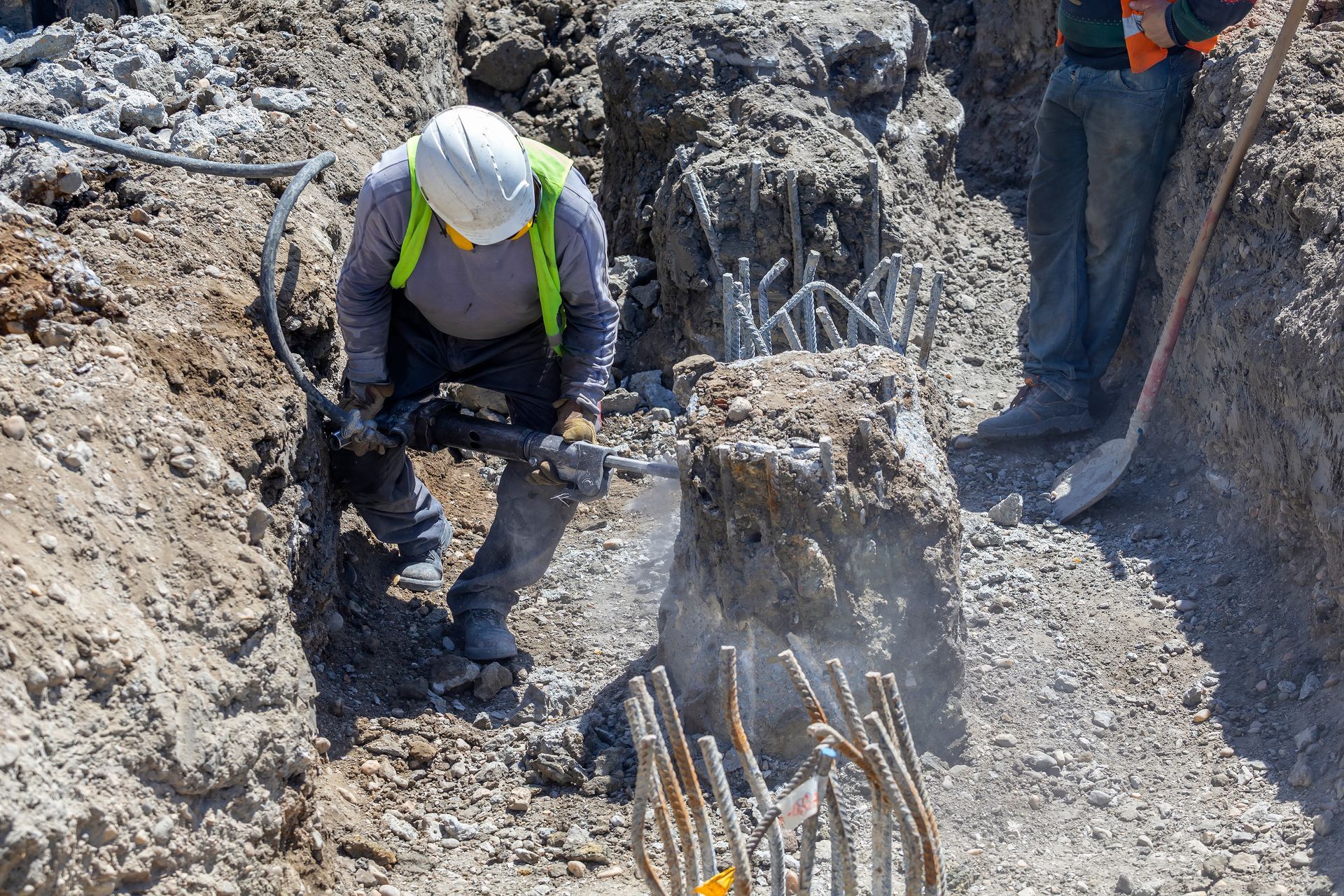
Contractor Insurance
Contractor insurance supports trades and service professionals across Southern California. It helps protect tools, equipment, and daily operations.

Cyber Liability Insurance
Cyber liability insurance helps protect business data and customer information. It supports recovery from digital incidents.

Commercial Property Insurance
Commercial property insurance helps protect offices, shops, and equipment. It supports recovery after covered damage.
Coverage Built for Specialized Work
Support for high-risk and service-driven industries.


Simple Steps Supported by Steady Guidance
A Clear Path to Coverage
Trusted by Clients Across Southern California
Clear service backed by real experiences.
Answers to Common Questions.
Clear explanations to guide your decisions.
How do I know which insurance policy is right for me?
We compare coverage options from multiple carriers to help you see differences in protection and price. You can review clear details and ask questions so you understand what each policy covers. Our team guides you step by step so you feel sure about your decision.
What factors affect my auto insurance premium?
Auto insurance premiums are influenced by your driving history, age, location, vehicle type, and coverage choices. A clean driving record and good safety features can help lower costs. We review these factors with you and help find coverage that fits your budget and needs.
Does homeowners insurance cover all types of damage?
Standard homeowners insurance protects your structure, personal belongings, liability, and additional living expenses in many cases. However, it usually does not include flood or earthquake damage without separate policies. We help you decide if extra coverage is right for your home and location.
Can I update my policy or get certificates online?
Yes. You can submit requests for policy changes and certificates through our online service form at any time. Our team processes those requests quickly and confirms updates once complete so you have the documents you need.
Do I need separate insurance for business risks like EPLI or E&O?
Yes. General liability and workers compensation cover many business risks but do not protect against all exposures. For example, Employment Practices Liability Insurance (EPLI) covers claims like wrongful termination or discrimination, and Errors & Omissions (E&O) covers claims based on mistakes in professional services. We help you identify which extra policies your business may need.
What happens if I need to file a claim?
If you need to file a claim, we guide you through the process and help you contact the insurance carrier. We explain what information you should provide, answer your questions, and stay available while the carrier reviews your claim. This support helps you move forward with confidence.
Contact Us