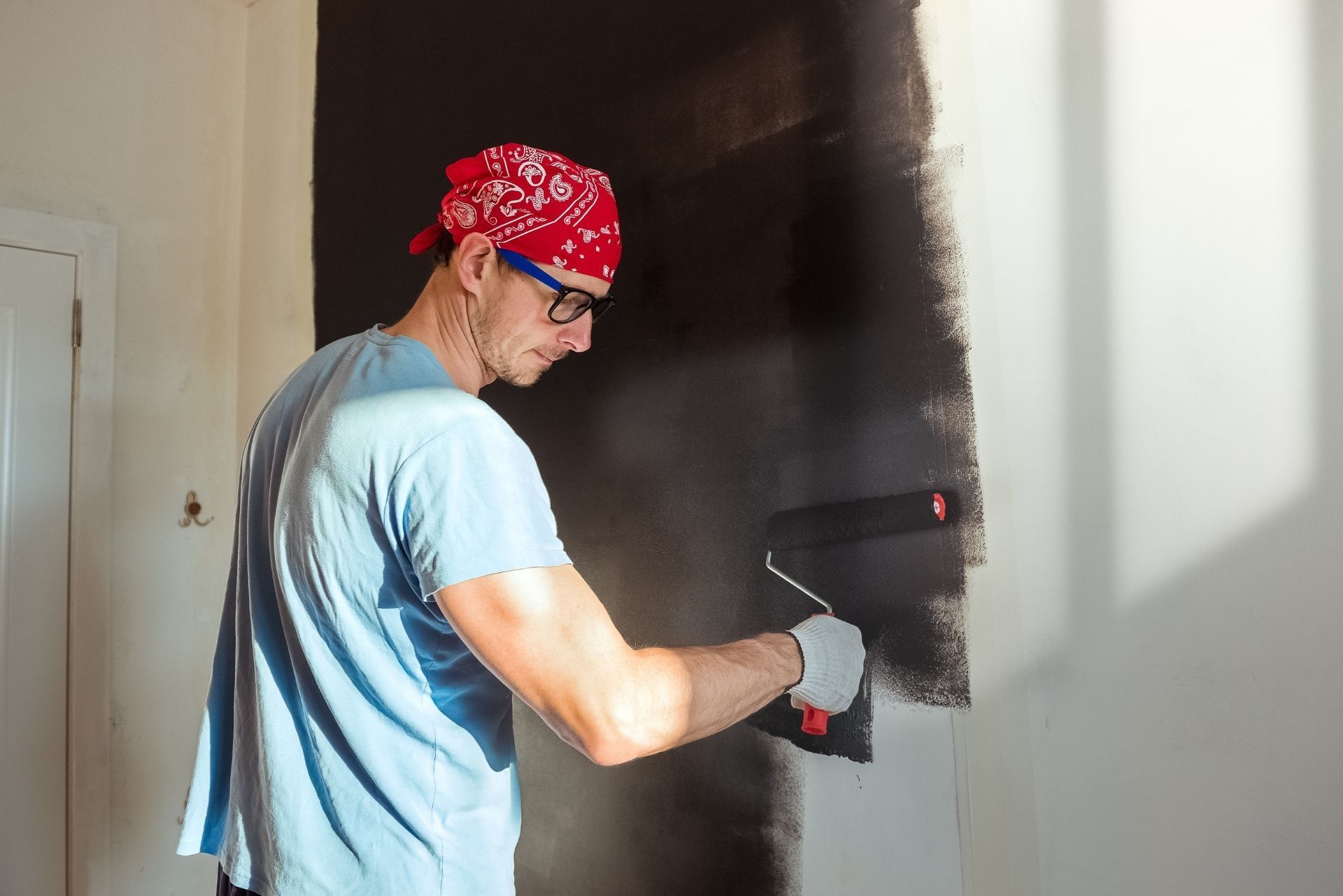
Imagine being in the middle of a busy project, brush in hand, when a slip-up on a ladder leads to unexpected damages. For painting contractors in California, proper insurance coverage isn’t just a good business practice-it’s essential protection against unforeseen liabilities. With California’s unique climate challenges, economic shifts, and regulatory changes, understanding your insurance options has never been more important. California painting contractor insurance is evolving rapidly to meet these modern challenges.
Whether dealing with construction defects, climate-induced disasters, or rising employment litigation costs, painting contractors must balance risks with real-world coverage options. This guide dives into what contractors need to know, how regulatory and environmental shifts impact their policies, and what protections are available to safeguard businesses against a spectrum of liabilities.
Understanding the Risks for California Painting Contractors
California’s environment and labor market impose unique risks on painting contractors. With the state frequently facing wildfires and floods, natural disaster-related claims have become an enduring challenge. Additionally, labor shortages and heightened demand for rebuilding, especially in disaster-affected zones, have contributed to an uptick in construction defect litigation. Contractors must navigate claims related to property damage, worker safety, and unfinished projects, making robust insurance coverage indispensable. Insurance policies tailored for painting contractors address these issues by offering specialized coverage options for each of these risk areas.
The potential financial loss from even a single claim can jeopardize operations and business reputation. Incidents can lead to increased insurance premiums, legal fees, and the disruption of ongoing projects, all of which magnify the risk in an already competitive market.
By: Patrick Caruso
President of Caruso Insurance Services
Impact of Climate Change and Natural Disasters on Coverage
California has witnessed an uptick in weather-related catastrophes, such as wildfires and floods, which have direct implications on insurance claims. As the climate continues to shift, the frequency of these natural disasters is prompting the California Department of Insurance to explore innovative policy frameworks. The need for coverage that addresses both immediate damage and the long-term consequences of climate change is clear. Contractors face the dual burden of protecting their property and ensuring that their clients are adequately covered during a disaster. The agency’s insights highlight that climate change considerations are increasingly central to policy development.
Insurance policies now often feature clauses that specifically accommodate risks associated with high-intensity weather events. These adjustments make sure that contractors are not left holding the bag when unexpected disasters strike. Being informed about climate change implications allows painting contractors to adopt coverage that anticipates future challenges, rather than merely reacting after a claim has been filed.
This proactive approach can make all the difference. Instead of fighting an uphill battle after damage occurs, contractors can transition from risk management to risk prevention by understanding policy nuances and taking steps to safeguard both their business and their clients’ investments.
Evolving Insurance Landscapes and Social Inflation
New market trends have been reshaping the insurance landscape in California. The Employment Practices Liability Insurance (EPLI) market, for instance, is experiencing shifts driven by social inflation and regulatory pressures. In 2025, rate increases of 10-15% are predicted for EPLI, reflecting broader trends impacting the entire insurance sector. While painting contractors might not directly deal with EPLI daily, these increases signal a market-wide recalibration of risk. C3 Insurance studies provide detailed insights into these trends, stressing the importance of preparing for premium adjustments.
Social inflation, characterized by rising costs related to societal trends and litigation, can affect all types of insurance. It is a concept that paints a broad picture of how public sentiment and legal factors drive premiums higher. For painting contractors, this means that even if a specific claim seems isolated, broader economic forces may still lead to more expensive coverage over time.
Contractors should stay in close contact with their insurance advisors, ensuring policies are updated to reflect these shifting market conditions. Regular policy reviews and adjustments can help avoid surprises when premiums are adjusted due to rising costs from litigation or regulatory changes.
Key Policy Options for Painting Contractors
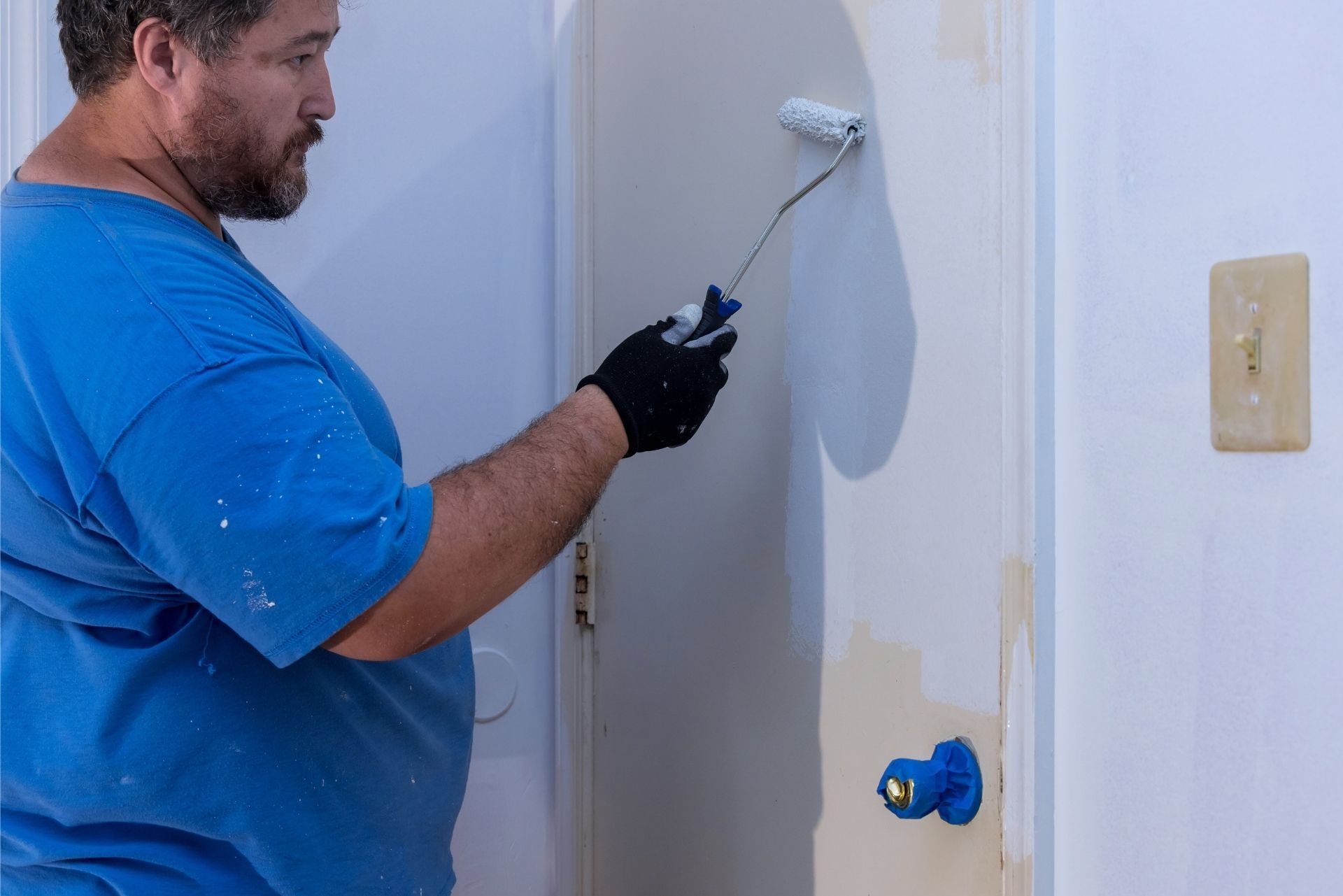
Choosing the right policy isn’t only about mitigating risk-it’s about building a strong foundation for your business. Painting contractors have several policy options designed to address their unique challenges. Typical coverage areas include general liability, property damage, worker injuries, and construction defect claims. Each component protects against specific aspects of the business, offering comprehensive coverage when combined.
General liability insurance is often the cornerstone of a contractor’s safety net. It covers accidental injuries and property damage claims that may arise during a project. Workers' compensation, as detailed in the California Commission on Health and Safety and Workers' Compensation's 2021 Annual Report (CHSWC 2021 Annual Report), is another essential part of the coverage puzzle, particularly in a labor-intensive industry. When incidents occur on-site, having these policies in place plays a critical role in managing costs and reducing liability.
For painting contractors, additional endorsements may also be available to cover risks specific to the field. This can include coverage for environmental damage, subcontractor errors, and construction defect liabilities. Each endorsement is designed to fill potential gaps in the core policies, ensuring that no matter the scenario, the business remains resilient.
Special Considerations for Construction Defect Litigation
As rebuilding efforts increase in disaster-affected areas, construction defect litigation is gaining prominence. The stress on labor markets and accelerated rebuilding efforts have led to an environment where defects can quickly become expensive legal battles. Contractors should be aware of the potential for litigation arising from construction defects such as poor workmanship, substandard materials, or improper installation techniques. Industry research suggests that litigation cases in this field are likely to escalate by 2025, making proactive coverage more compelling than ever before.
Coverage for construction defects isn’t a catch-all remedy; it typically comes with its own set of conditions and deductibles. Contractors should therefore consult their insurance professionals to fine-tune their policies, ensuring every potential pitfall is accounted for. This allows for speedy damage control should legal issues arise, protecting not just financial stability but also the reputation of the business.
Ensuring that policies cover defects specific to painting projects directly translates into less downtime and more clarity on what constitutes acceptable workmanship. This detailed understanding helps both contractors and clients set realistic expectations and responsibilities on project outcomes.
Workers' compensation remains a bedrock of safety and financial protection. According to insights from the California Commission on Health and Safety and Workers' Compensation’s 2021 Annual Report (CHSWC 2021 Report), the workers’ compensation system in California has undergone significant changes, reflecting broader policy implications and shifts in market share. For painting contractors, whose work often involves significant heights and the use of potentially hazardous materials, this coverage is essential.
This policy not only covers workplace injuries but also manages the costs associated with lost workdays and medical expenses. Contractors must ensure their workers are covered under the latest standards to avoid legal issues and financial disruption should an injury occur. Regular training and safety measures complement insurance coverage, encouraging a preventative approach to workplace accidents.
By understanding the nuances of worker safety policies and staying informed on regulatory updates, companies can maintain a secure working environment and guard against expensive claims. This synergy of safety practices and robust insurance coverage creates a resilient operational framework for painting contractors.
Economic Implications for Contractors Amid Rising Costs
As insurance rates shift and the cost of coverage climbs, economic pressures intensify for painting contractors. With projections indicating increases driven by market forces such as social inflation, contractors need to factor higher premiums into their operating budgets. The forecasted rise in EPLI rates-predicted to climb by 10-15%-provides a sobering reminder that every line item in an insurance policy has real-world cost implications. Recent reports emphasize that these adjustments reflect broader economic adjustments across the insurance market.
Contractors can combat these rising costs by shopping around and comparing policy details. Some insurers might offer tailored packages that combine multiple coverages at a discounted rate. Alternatively, risk management tactics that reduce the frequency or severity of claims can have a positive impact on future premiums. Simple measures such as regular equipment maintenance, adherence to safety protocols, and keeping all necessary certifications up-to-date can save money in the long run.
Ultimately, the goal should be to match the insurance portfolio precisely to a contractor’s actual operational risk profile. This ensures that every dollar spent on insurance translates into effective protection, while allowing the contractor to remain competitive in a challenging economic landscape.
Steps to Secure the Right Insurance Policy
Securing the ideal insurance policy for a painting contractor business involves more than just comparing premium rates. It calls for a comprehensive evaluation of potential risks, project scopes, and operational requirements. The process begins with an audit of current and past claims to identify recurring issues that might have been overlooked. Contractors should ask targeted questions about policy limits, coverage duration, deductibles, and claim handling procedures with prospective insurers.
Engaging with an insurance professional who understands the intricacies of the painting business can significantly simplify the selection process. Such experts provide clarity on complex aspects, ensuring that policy wording truly reflects intended support rather than leaving gaps after claims. It is important to review the insurance provider’s history and current standing within the industry. Reliable providers often adjust their policies to match shifting market landscapes, which in turn provides sustained protection even as risks evolve over time.
Additionally, contractors should assess the value of endorsements and specialized clauses. These can extend coverage to include unique aspects of painting projects, such as the risk of environmental damage or contractual disputes regarding workmanship. Tailoring coverage in this intentional manner can ensure that the policy doesn’t merely meet state regulations but also aligns with the specific risks encountered in everyday business operations.
Benefits of a Comprehensive Insurance Strategy
Diversification of risks through comprehensive insurance strategies allows painting contractors to bypass many of the financial pitfalls of unexpected events. A well-designed policy portfolio doesn’t just protect against property damage or on-site accidents; it also builds trust with clients and creates a stable business reputation. In the competitive markets of California, reliability is a significant asset.
Contractors who invest time and resources in developing a detailed understanding of their insurance options often enjoy reduced downtime during claims, improved relationships with insurers, and better negotiation power when it comes to policy adjustments. Policies that offer clear renewal terms, transparent claim processes, and the ability to adapt over time become long-term business allies rather than short-term solutions.
Beyond the immediate financial protection, comprehensive coverage offers peace of mind, allowing contractors to focus on delivering quality work. The synergy between robust risk management and tailored policy coverage translates into greater efficiency on the job, increased client confidence, and ultimately, a healthier bottom line. Contractors who are proactive in managing their insurance risks are often better positioned to face the challenges of an ever-changing market.
Comparing Coverage Options: A Closer Look
A clear way to understand your insurance options is by comparing core policy components side by side. Below is an example comparison geared specifically toward California painting contractors, focusing on key elements such as general liability, workers' compensation, construction defect coverage, and climate-related endorsements.
Coverage Component | Description | Relevance for Painting Contractors
General Liability | Protects against bodily injury and property damage claims. | Essential for covering accidents on-site.
Workers' Compensation | Covers medical expenses and lost wages for injured workers. | Critical in a labor-intensive industry with elevated risks.
Construction Defect Coverage | Addresses claims arising from project defects and workmanship issues. | Important in mitigating high litigation risks during rebuilding.
Climate-Related Endorsements | Provides additional coverage for natural disasters such as wildfires and floods. | Vital in California where environmental risks are on the rise.
This comparative overview helps painting contractors pinpoint the areas where additional protection is most needed. It also underscores the importance of not relying on a one-size-fits-all approach. Each policy element must be aligned with the specific demands and risks encountered during projects, ensuring that every aspect of the operation is safeguarded.
Practical Tips for Managing Insurance Costs
Keeping insurance premiums manageable while not sacrificing coverage quality is a common challenge. Routine assessments of your job sites and meticulous record-keeping can be significant factors in preventing inflated premiums. Implementing best practices in safety and quality control is equally important. In an industry where construction defects and on-the-job injuries can trigger costly claims, a proactive risk management strategy is indispensable. Recent studies have shown that contractors investing in safety training and equipment maintenance can reduce premium hikes over time.
Additional tips include bundling various policies under a single provider, which might offer discounts for comprehensive coverage. Regularly reviewing and updating coverage in line with new projects and emerging risks is another effective way to manage costs. Technological advancements, such as digital claims processing and real-time risk monitoring, have also improved the way insurers assess risk, often translating into more favorable premium terms for proactive contractors.
Ultimately, combining efficient operational practices with a well-structured insurance plan offers the best route to safe, sustainable growth. Regular engagement with an insurance advisor ensures that you have the latest information on potential discounts or endorsements that can further lower the cost of ownership while preserving critical protection.
Frequently Asked Questions About California Painting Contractor Insurance
Q: Why is specialized insurance necessary for painting contractors?
A: Specialized insurance covers the unique risks related to painting projects, including property damage, construction defects, and worker injuries, ensuring comprehensive protection tailored to your business needs.
Q: How do climate change impacts affect my insurance policy?
A: Natural disasters like wildfires and floods have become more frequent, prompting insurers to include additional clauses or endorsements that protect contractors against increased risks from environmental factors, as discussed by the California Department of Insurance (Foothill Oaks Insurance Agency insights).
Q: Can insurance rates really increase due to social inflation?
A: Yes, trends indicate that social inflation coupled with regulatory pressures can push rates higher, with measures like a 10-15% increase in EPLI premiums reported by industry studies (), making ongoing policy reviews crucial.
Q: What is included in a construction defect policy?
A: Construction defect policies cover liabilities from inadequate workmanship or defective materials, which are especially important during extensive rebuilding efforts in disaster-affected areas.
Q: How can I manage rising insurance premiums effectively?
A: Staying proactive with safety practices, regularly reviewing your insurance portfolio, and working with knowledgeable advisors can help manage costs and ensure you only pay for the coverage that truly matches your risk profile.
Paving the Way Forward with Confident Risk Management
California painting contractors face a spectrum of risks-from climate-related disasters and construction defects to rising operational costs due to social inflation. Navigating these challenges with a robust insurance strategy empowers contractors to focus on delivering quality workmanship while safeguarding against unforeseen liabilities. By staying informed, engaging with experienced insurance professionals, and regularly evaluating policy terms, contractors can build resilient businesses that withstand the unpredictable nature of both the market and the environment.
It is this blend of proactive risk management and comprehensive coverage that not only protects financial interests but also enhances a company’s reputation. Clients value reliability and assurance, and a solid insurance plan speaks volumes about the professionalism and preparedness of a painting contractor business. In sum, a strategic approach to insurance translates into competitive stability and long-term business success.
As insurance requirements continue to evolve, staying updated and vigilant remains the best defense. Contractors who embrace both innovative policy adaptations and proven risk management practices will be best positioned to navigate an industry defined by change and complexity.
Wrapping Things Up
For painting contractors, insurance isn’t just an administrative necessity-it’s a powerful tool for managing risk and fueling long-term growth. Whether it’s addressing the intricacies of construction defect litigation or adapting to climate change-induced challenges, carefully chosen coverage provides a safety net that underpins every project. From ensuring the well-being of workers to protecting against environmental hazards, the right policies allow contractors to tackle each day with confidence and clarity.
Ultimately, a comprehensive insurance strategy empowers contractors to keep their focus on what they do best: delivering exceptional craftsmanship. By remaining engaged with the evolving landscape of risk management, using trusted expert advice, and consistently reviewing policy details, painting contractors can navigate new challenges while maintaining a strong competitive edge.
Staying informed, staying secure, and always choosing coverage that aligns with unique business risks are the hallmarks of a resilient contractor in California. As the market evolves further, regular reassessment of your insurance needs will ensure your business continues to thrive in an environment marked by both opportunity and unpredictability.
California painting contractor insurance remains the cornerstone of a secure and prosperous business strategy.
ABOUT THE AUTHOR:
PATRICK CARUSO
I’m Patrick Caruso, founder of Caruso Insurance, and I have spent more than 25 years helping families, contractors, and small businesses across Southern California make confident insurance decisions. I focus on explaining coverage in clear terms, comparing multiple carriers, and supporting clients with steady communication so they feel secure with each step. My goal is to provide dependable guidance, simple answers, and a smooth process for anyone who needs personal or business insurance.
Contact Us

Service that stays with you.
Our team helps simplify insurance decisions for families and businesses. We focus on clear explanations, fast responses, and dependable service. You can count on us for help with coverage questions, updates, and long-term support.
Coverage that keeps you secure
Reliable Protection for Everyday Life
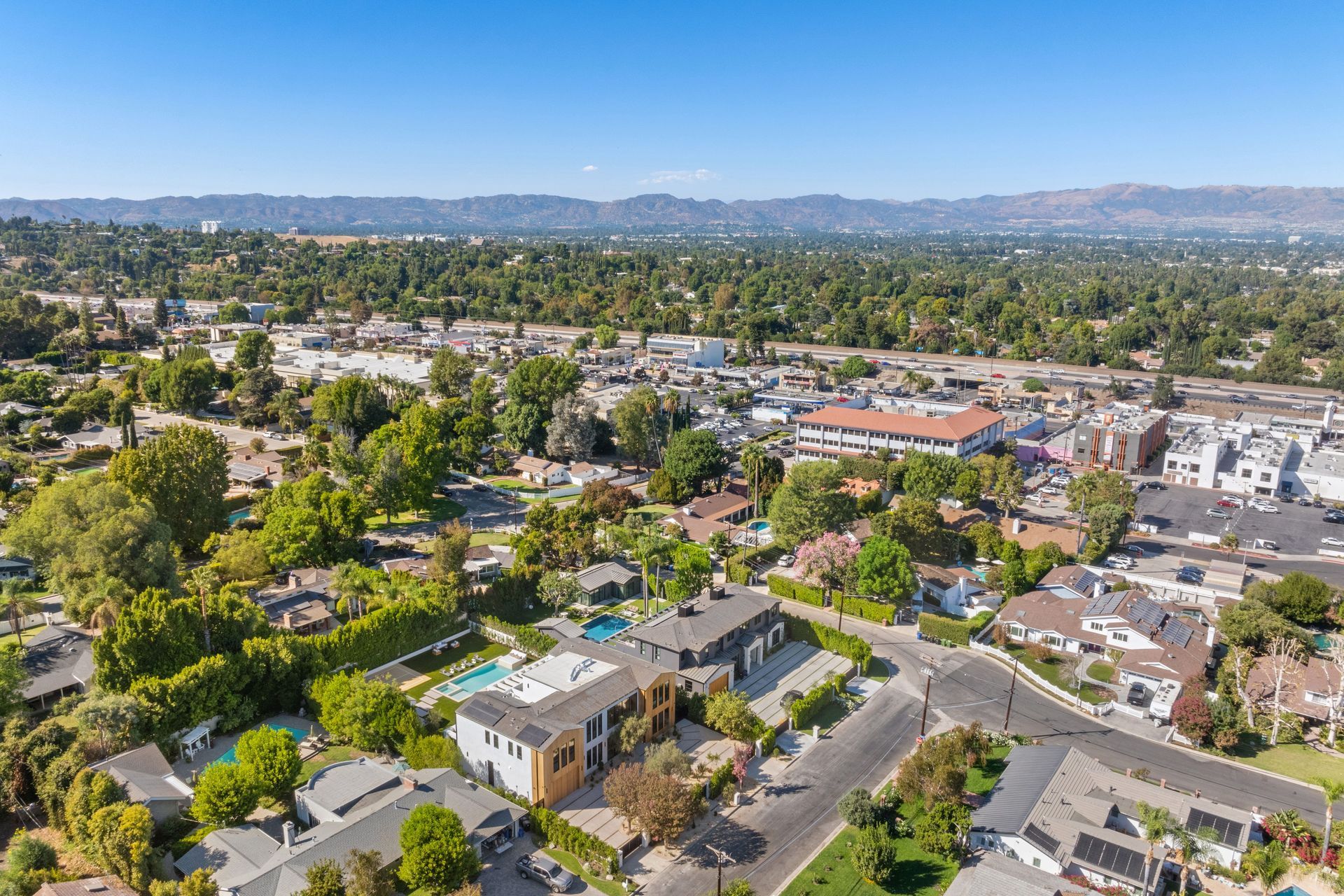
Home insurance helps protect your house, personal belongings, and liability risks. We explain coverage options clearly so you know what your policy includes.
Auto insurance provides protection for accidents, liability, and vehicle damage. We help you compare options so you can choose coverage that fits your driving needs.
Motorcycle insurance provides coverage for riders and their bikes. We help you select options that match how and where you ride.
RV insurance supports protection for motorhomes and recreational vehicles. Coverage applies during travel and while parked.
Coverage Built for Contractors and Trades
Support that keeps your work moving.

General Liability Insurance
General liability insurance helps protect contractors from injury and property damage claims. It supports jobsite requirements and contracts.

Workers Compensation
Workers compensation insurance helps protect employees injured while working. It also supports compliance with state requirements.

Commercial Auto Insurance
Commercial auto insurance provides coverage for work vehicles used on jobsites. It helps protect drivers and company vehicles.
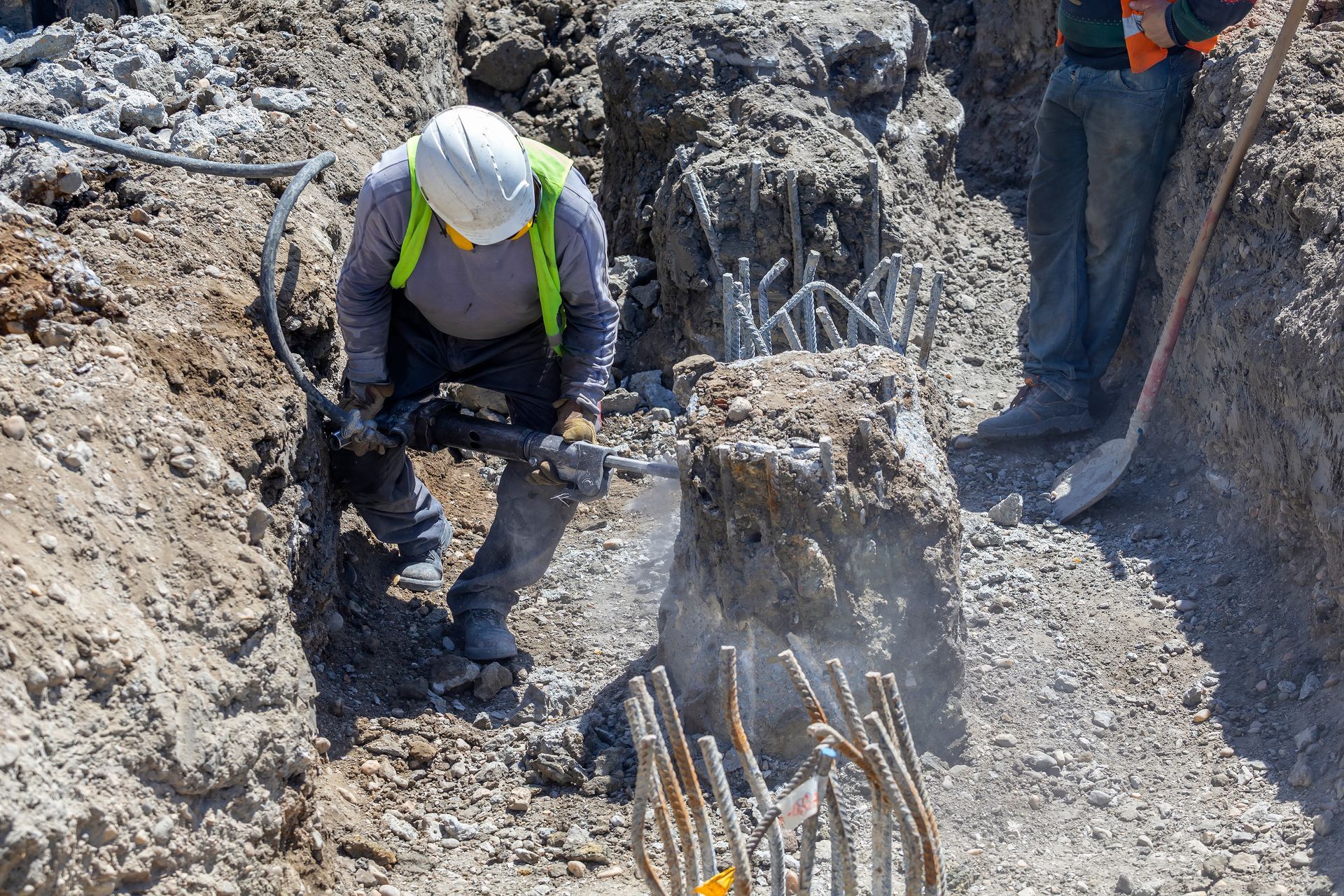
Contractor Insurance
Contractor insurance supports trades and service professionals across Southern California. It helps protect tools, equipment, and daily operations.

Cyber Liability Insurance
Cyber liability insurance helps protect business data and customer information. It supports recovery from digital incidents.

Commercial Property Insurance
Commercial property insurance helps protect offices, shops, and equipment. It supports recovery after covered damage.
Coverage Built for Specialized Work
Support for high-risk and service-driven industries.



Simple Steps Supported by Steady Guidance
A Clear Path to Coverage
Trusted by Clients Across Southern California
Clear service backed by real experiences.
Answers to Common Questions.
Clear explanations to guide your decisions.
How do I know which insurance policy is right for me?
We compare coverage options from multiple carriers to help you see differences in protection and price. You can review clear details and ask questions so you understand what each policy covers. Our team guides you step by step so you feel sure about your decision.
What factors affect my auto insurance premium?
Auto insurance premiums are influenced by your driving history, age, location, vehicle type, and coverage choices. A clean driving record and good safety features can help lower costs. We review these factors with you and help find coverage that fits your budget and needs.
Does homeowners insurance cover all types of damage?
Standard homeowners insurance protects your structure, personal belongings, liability, and additional living expenses in many cases. However, it usually does not include flood or earthquake damage without separate policies. We help you decide if extra coverage is right for your home and location.
Can I update my policy or get certificates online?
Yes. You can submit requests for policy changes and certificates through our online service form at any time. Our team processes those requests quickly and confirms updates once complete so you have the documents you need.
Do I need separate insurance for business risks like EPLI or E&O?
Yes. General liability and workers compensation cover many business risks but do not protect against all exposures. For example, Employment Practices Liability Insurance (EPLI) covers claims like wrongful termination or discrimination, and Errors & Omissions (E&O) covers claims based on mistakes in professional services. We help you identify which extra policies your business may need.
What happens if I need to file a claim?
If you need to file a claim, we guide you through the process and help you contact the insurance carrier. We explain what information you should provide, answer your questions, and stay available while the carrier reviews your claim. This support helps you move forward with confidence.
Contact Us