
A rising tide of medical cost increases and evolving risks in transportation demands careful attention from companies operating in California. Recent data indicates that medical costs per claim in the state have seen a notable uptick. For instance, medical claims in California have risen by 5% as of 2024 according to a study. This article explains the nuances of medical transportation insurance, outlines key challenges, and discusses trends that transportation firms must understand to protect their businesses effectively.
California's medical transportation sector faces unique challenges due to the intersection of rising medical costs, specific safety risks in the transportation industry, and regulatory changes that affect how claims are processed. Navigating these dynamics requires a deep understanding of both the insurance products available and the risk management strategies that underpin them.
Companies in this space must consider not only traditional drivers such as accident injuries but also cumulative trauma claims, which have proven to be particularly costly in terms of medical-legal and lien payments during early to mid-maturity stages. This guide offers insights that blend current research with actionable advice for managing these exposures.
Understanding California Medical Transportation Insurance
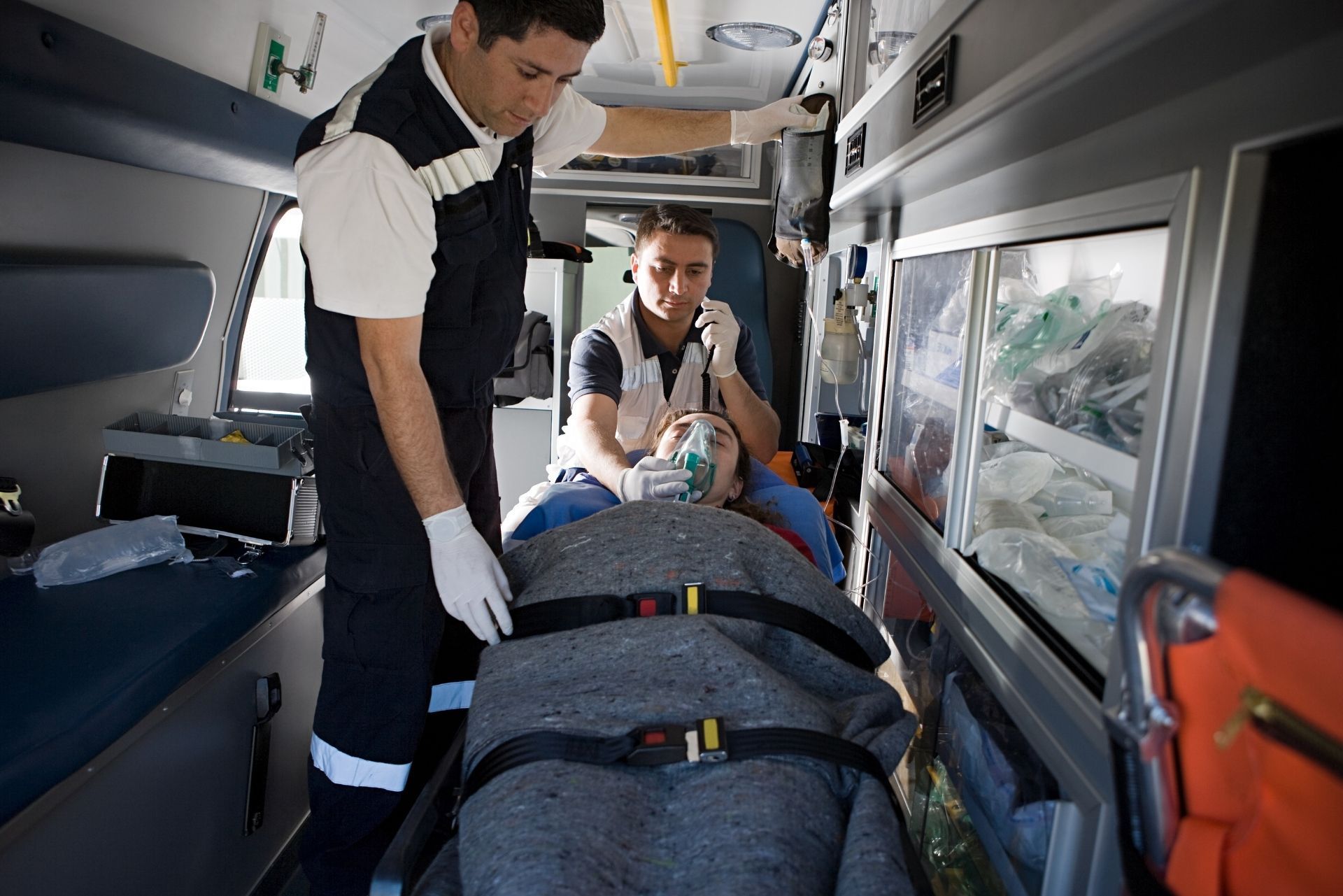
The realm of medical transportation insurance covers a wide array of services and risks. This type of insurance protects businesses that provide non-emergency medical transport and other specialized services to patients who require safe and reliable travel. Insurance coverage might address liabilities related to transport accidents, vehicle and equipment damages, and even claims arising from cumulative trauma injuries.
A comprehensive policy typically combines aspects of workers' compensation, auto liability, and general liability, ensuring that both the physical assets and human resources are safeguarded. The detailed structure of a policy depends on the scope of services provided, the number of vehicles in the fleet, and the nature of the clients served.
Insurance professionals often highlight that the interplay between rising medical utilization, updated state fee schedules, and increased medical fees occasionally drives up claim costs
as noted in industry reports. Navigating these factors successfully can help transportation companies mitigate unexpected increases in their claims expenses.

By: Peter Plew
Commercial Insurance Agent at Caruso Insurance Services
Medical Transport Risks and Industry Trends
Companies providing medical transportation services must contend with frequent challenges that are unique to this sector. One of the key concerns is the exposure to cumulative trauma claims. Studies have emphasized that these types of claims generate more complex medical-legal issues and tied-up cash in lien payments compared to other claims. This is concerning during early and mid-maturity levels, where the financial implications are particularly burdensome as reported by state agencies.
Also, transportation companies need to consider the inherent risks of the job. Factors such as long hours on the road, vehicle maintenance issues, and the physical strain from loading and transporting patients contribute to higher potential injury risks. In industries like transportation, the frequency and severity of injuries can lead to increased claims costs, directly affecting premium rates.
Recent data gathered from research shows that transportation is one of the most injury-prone sectors in California
according to industry experts. As companies navigate these tumultuous waters, the need for precise risk management and tailored insurance policies has never been greater.
Key Components in Medical Transportation Insurance Coverage
When discussing coverage, it is important to dissect the components that make up a robust medical transportation insurance policy. Typically, these policies include provisions for general liability, workers' compensation, auto liability, and in some cases, additional endorsements such as roadside assistance or cargo protection. The convergence of multiple coverage types ensures that all aspects of a business are protected.
General liability policies often cover bodily injuries sustained by patients or third parties, while workers' compensation addresses injuries among staff members operating the vehicles and handling patients. Additionally, auto liability covers damages related to vehicle accidents which are a significant risk factor in the transportation industry.
Other essential components include legal defense funds, medical payments, and recovery cost assistance for incidents where the insured may be required to cover legal fees and other unforeseen expenses. Each element of the policy is critical and must be customized according to the scale and nature of the transportation business.

Trends Affecting Medical Cost and Premiums in California
Understanding the present trends in medical costs and premiums is vital for any company seeking adequate insurance coverage. Data suggests that medical costs per claim in industries such as medical transportation have increased significantly in recent years. Evidence points to a 5% increase in California’s medical transportation claims as of 2024 according to research sources. This trend is driven by a combination of factors including increased utilization of medical services, rising medical prices, and updates in state fee schedules.
Another notable trend involves the premium levels for workers' compensation insurance. There has been a modest rise of 1% in premium rates in 2023, with forecasts indicating similar modest increases in 2024 as reported by industry journals. While these increases may appear marginal when viewed in isolation, they have a cumulative effect on business expenses over time.
Medical payment trends reflect this pattern as well. Recent insights indicate that while medical payments per claim were stable for a long period, recent changes in medical utilization and pricing are beginning to push these costs upward. By understanding these trends, transportation companies can better plan their risk management strategies and adjust their coverage as necessary.
Rising Non-Emergency Medical Transportation Market and Its Impact
Non-emergency medical transportation is a fast-growing market segment within the broader medical transportation field. The sector is responding to an aging population and chronic health conditions that require non-urgent medical services, which demand reliable transportation. The global market is projected to grow from US$16.2 billion in 2024 to US$24.3 billion by 2030, exhibiting a compound annual growth rate of 7% as detailed in market reports.
This growth is not only indicative of a promising business opportunity but also highlights the importance of appropriately tailored insurance solutions. As companies vie for market share, they must also focus on risk mitigation strategies that account for increasing operational, regulatory, and financial complexities.
The growth in this segment is tied to higher demand for specialized services and the need for rapid response in non-emergency situations. With competitors expanding their service capabilities, an in-depth understanding of insurance coverage options becomes critical for companies looking to maintain a competitive edge.
Assessing the Impact of Cumulative Trauma in Claims
Cumulative trauma claims present a particular challenge for businesses in the medical transportation sector. Unlike single-incident claims, these types of claims develop over time and can lead to significant financial exposure. A study by the Workers' Compensation Insurance Rating Bureau (WCIRB) confirmed that cumulative trauma claims incur higher medical-legal expenses than other claim types according to state reports.
The nature of cumulative trauma involves repetitive stress or minor incidents that compound injuries over time. Employees who regularly handle heavy lifting or who endure repetitive strains may gradually develop chronic conditions that are difficult to quantify initially. This uncertain progression makes it challenging for insurers to predict the ultimate cost of claims.
Given the unpredictable nature of cumulative trauma claims, insurance policies often include specialized provisions. These provisions may cover extended medical treatments, rehabilitation services, and additional legal defenses should the claims escalate. Companies need to work closely with insurance professionals to assess exposure to cumulative trauma risks and customize policies accordingly.
Considerations for Transportation Companies in California
For transportation companies operating in California, several unique factors influence the choice of insurance. The state’s regulatory environment, evolving medical costs, and the inherent risks in the transportation sector combine to create a complex backdrop for determining appropriate coverage levels. Companies must evaluate both direct risks, such as vehicle accidents or on-the-job injuries, and indirect ones like cumulative medical expenses that may arise from long-term employee health issues.
A careful review of policy components is essential. Transportation companies benefit from policies that incorporate both auto and workers' compensation elements to ensure comprehensive risk management. Additionally, companies operating in high-risk environments may need additional endorsements to protect against unique transportation-related liabilities. Some insurers even offer specialized services to help manage injury-prone scenarios, particularly in operations involving frequent vehicle mileage and strenuous physical tasks. This focus is critical given the fact that transportation remains one of the most injury-prone industries in California according to industry insights.
Transportation companies are encouraged to conduct regular risk assessments and consult with insurance advisors to ensure their policies keep pace with emerging challenges. This proactive approach can help in reducing premium costs and avoiding gaps in coverage when claims arise.
Strategies for Controlling Rising Insurance Costs
With medical costs on an upward trend due to increased utilization, price hikes, and regulatory fee updates, controlling insurance costs is paramount for companies. While the industry observed a moderate 5% rise in per-claim medical costs in California as noted by research, adopting targeted strategies can help manage this impact.
Adopting safety initiatives and investing in employee training can significantly reduce accident frequencies and cumulative trauma exposure. Proactive measures such as regular vehicle maintenance and ergonomic assessments for drivers lower the likelihood of injuries, leading to fewer claims over time. Insurance brokers specializing in transportation often recommend comprehensive safety programs as a viable strategy for curbing excessive expenses.
Another tactic involves periodic policy reviews. As claim trends emerge each year, adjusting coverage levels and deductibles ensures that companies are not overpaying. It is essential to balance cost with necessary coverage-not sacrificing protection while keeping premiums in check.
Insurance Products Tailored for Medical Transportation
Medical transportation insurance is not a one-size-fits-all solution. Modern insurance products are designed to address the diverse needs of businesses in this field. They typically bundle various coverages to protect both tangible assets such as vehicles and intangible assets like employee health.
Key products in this arena include auto liability insurance, which covers incidents involving vehicle collisions, and workers’ compensation for employee-related injuries. Many insurers have developed niche policies that also extend coverage to unique risks like patient injury during transport or damage to specialized medical transport equipment. A blend of these coverages helps in crafting a comprehensive safety net.
Some policies further combine legal defense coverage and medical payment benefits. For businesses with significant exposure to cumulative trauma claims, these added layers are crucial. They allow companies to manage unexpected spikes in claim costs without jeopardizing their overall financial stability.
Chart: Comparing Insurance Coverage Options for Medical Transportation Companies
The following table provides a side-by-side comparison of coverage components commonly offered to medical transportation companies. The chart below outlines each key feature, highlighting its main benefits and areas of application.
| Coverage Component | Key Features | Primary Benefit |
|---|---|---|
| Auto Liability | Covers vehicle accidents, collision damage, and third-party injury | Mitigates costs related to vehicular mishaps |
| Workers’ Compensation | Provides benefits for employee injuries on the job | Reduces employee injury-related expenses |
| General Liability | Covers bodily injuries and property damage claims from third parties | Protects against lawsuit-related expensesks, recall events |
| Legal Defense Coverage | Assists with legal fees and defense costs | Helps mitigate the financial risk of legal claims |
| Medical Payment Benefits | Covers immediate medical expenses for injuries | Ensures prompt care while controlling out-of-pocket costs |
This comparison makes it easier to identify gaps in coverage and decide which additional endorsements might be needed as business needs evolve.
Risk Management Best Practices for Medical Transportation
Risk management in the transportation industry requires continuous improvement and vigilance. Establishing robust safety protocols is key to minimizing incidents that lead to costly claims. Companies in California benefit from integrating technology, such as advanced driver monitoring systems and regular maintenance checks.
Insurance agents and brokers often advise that effective risk management should be rooted in thoughtful employee training and thorough documentation of incidents. Routine audits and close monitoring of insurance claims patterns help businesses adapt quickly to emerging issues.
For instance, strategies such as identifying high-risk routes and implementing targeted training sessions have proven effective in reducing incident frequency. This approach not only helps improve safety records but can also lead to long-term savings on insurance premiums.
Understanding the Financial Impact on Your Business
Managing insurance costs in this field is about more than just paying premiums: it’s a matter of ensuring operational continuity. Rising medical costs and steadily increasing premiums can add significant pressure on the bottom line. With medical payments per claim starting to push upward recently as highlighted by industry experts, businesses must plan strategically for each fiscal year.
Proper budgeting for premiums, claims, and potential litigation expenses is crucial. Additionally, companies can take advantage of state-level insights that signal a consistent claim frequency and moderate premium adjustments, which indicate a relatively stable workers’ compensation system post-pandemic.
An adaptable risk management strategy that evolves with industry trends can help safeguard profitability. Regularly reviewing cost estimations in collaboration with insurance professionals can make a significant difference in maintaining financial health.
Frequently Asked Questions
What is medical transportation insurance?
Medical transportation insurance covers specialized services that provide non-emergency or emergency transport for patients. It typically includes auto liability, workers’ compensation, and general liability coverage.
Why has California seen a rise in medical cost claims?
Recent data indicates that increases in medical utilization, higher service costs, and state fee schedule updates have contributed to a gradual rise, evidenced by a 5% increase in claims in recent studies.
How do cumulative trauma claims affect insurance costs?
Cumulative trauma claims can be more unpredictable and expensive because they build over time, resulting in prolonged medical-legal expenses and increased lien payments as documented in industry research.
Can safety initiatives help in reducing insurance premiums?
Yes. Strong safety protocols, ongoing employee training, and regular vehicle maintenance can reduce accident risks and help manage overall insurance costs.
Are there tailored insurance products for medical transportation companies?
Absolutely. Insurers offer policies that bundle specific coverages like auto liability, workers’ compensation, and legal defense costs to address the unique risks facing medical transportation providers.
How can companies stay on top of evolving insurance regulations?
Regular consultations with insurance professionals and keeping abreast of state reports, including updates from authorities like the California Workers' Compensation Insurance Rating Bureau, can help companies adjust their coverage effectively.
Final Thoughts for California Transportation Providers
In a sector where safety and reliability intersect with financial prudence, medical transportation insurance emerges as a critical line of defense. With risks ranging from single-incident auto accidents to complex cumulative trauma claims, companies must balance comprehensive coverage with cost efficiency.
California's setting, marked by rising medical claim costs and evolving premium structures, necessitates a proactive and informed approach to insurance. The current trends highlight a modest but steady rise in premiums and claim costs that businesses should factor into their long-term planning.
Adopting robust risk management strategies, coupled with carefully tailored insurance solutions, ensures that transportation providers maintain financial stability while delivering essential services. Staying informed through ongoing research and industry updates is key to navigating this challenging landscape
as observed by industry experts.
Wrapping Things Up
The landscape for medical transportation insurance in California is complex but manageable with the right knowledge and strategy. Rising costs driven by increased medical utilization and adjustments in fee structures mean that companies must constantly evaluate and adjust their coverage.
Companies should take note of emerging trends in cumulative trauma claims and premiums as they tailor policies to their unique operational needs. Ways to control costs include implementing effective safety protocols and maintaining close communication with experienced insurance advisors.
For transportation providers seeking specialized advice and tailored solutions, staying current through regular reviews and industry reports is essential. Trustworthy guidance from experienced professionals can help convert rising challenges into manageable aspects of operating a successful transportation service.
ABOUT THE AUTHOR:
PETER PLEW
Hi my name is Peter Plew and I am a commercial insurance professional. I listen to and strategize with business owners about their visions of the future and assist in getting there as quickly as possible. I help identify unique exposure and risk’s that business owners have and the reasons why they need to be insured against them. My goal is to make sure my clients are always taken care of on a daily basis with any service needs, questions, or concerns they may have. I love to golf and spend time with my family in my spare time.
Contact Us

Service that stays with you.
Our team helps simplify insurance decisions for families and businesses. We focus on clear explanations, fast responses, and dependable service. You can count on us for help with coverage questions, updates, and long-term support.
Coverage that keeps you secure
Reliable Protection for Everyday Life

Home insurance helps protect your house, personal belongings, and liability risks. We explain coverage options clearly so you know what your policy includes.
Auto insurance provides protection for accidents, liability, and vehicle damage. We help you compare options so you can choose coverage that fits your driving needs.
Motorcycle insurance provides coverage for riders and their bikes. We help you select options that match how and where you ride.
RV insurance supports protection for motorhomes and recreational vehicles. Coverage applies during travel and while parked.
Coverage Built for Contractors and Trades
Support that keeps your work moving.

General Liability Insurance
General liability insurance helps protect contractors from injury and property damage claims. It supports jobsite requirements and contracts.

Workers Compensation
Workers compensation insurance helps protect employees injured while working. It also supports compliance with state requirements.

Commercial Auto Insurance
Commercial auto insurance provides coverage for work vehicles used on jobsites. It helps protect drivers and company vehicles.

Contractor Insurance
Contractor insurance supports trades and service professionals across Southern California. It helps protect tools, equipment, and daily operations.

Cyber Liability Insurance
Cyber liability insurance helps protect business data and customer information. It supports recovery from digital incidents.

Commercial Property Insurance
Commercial property insurance helps protect offices, shops, and equipment. It supports recovery after covered damage.
Coverage Built for Specialized Work
Support for high-risk and service-driven industries.



Simple Steps Supported by Steady Guidance
A Clear Path to Coverage
Trusted by Clients Across Southern California
Clear service backed by real experiences.
Answers to Common Questions.
Clear explanations to guide your decisions.
How do I know which insurance policy is right for me?
We compare coverage options from multiple carriers to help you see differences in protection and price. You can review clear details and ask questions so you understand what each policy covers. Our team guides you step by step so you feel sure about your decision.
What factors affect my auto insurance premium?
Auto insurance premiums are influenced by your driving history, age, location, vehicle type, and coverage choices. A clean driving record and good safety features can help lower costs. We review these factors with you and help find coverage that fits your budget and needs.
Does homeowners insurance cover all types of damage?
Standard homeowners insurance protects your structure, personal belongings, liability, and additional living expenses in many cases. However, it usually does not include flood or earthquake damage without separate policies. We help you decide if extra coverage is right for your home and location.
Can I update my policy or get certificates online?
Yes. You can submit requests for policy changes and certificates through our online service form at any time. Our team processes those requests quickly and confirms updates once complete so you have the documents you need.
Do I need separate insurance for business risks like EPLI or E&O?
Yes. General liability and workers compensation cover many business risks but do not protect against all exposures. For example, Employment Practices Liability Insurance (EPLI) covers claims like wrongful termination or discrimination, and Errors & Omissions (E&O) covers claims based on mistakes in professional services. We help you identify which extra policies your business may need.
What happens if I need to file a claim?
If you need to file a claim, we guide you through the process and help you contact the insurance carrier. We explain what information you should provide, answer your questions, and stay available while the carrier reviews your claim. This support helps you move forward with confidence.
Contact Us