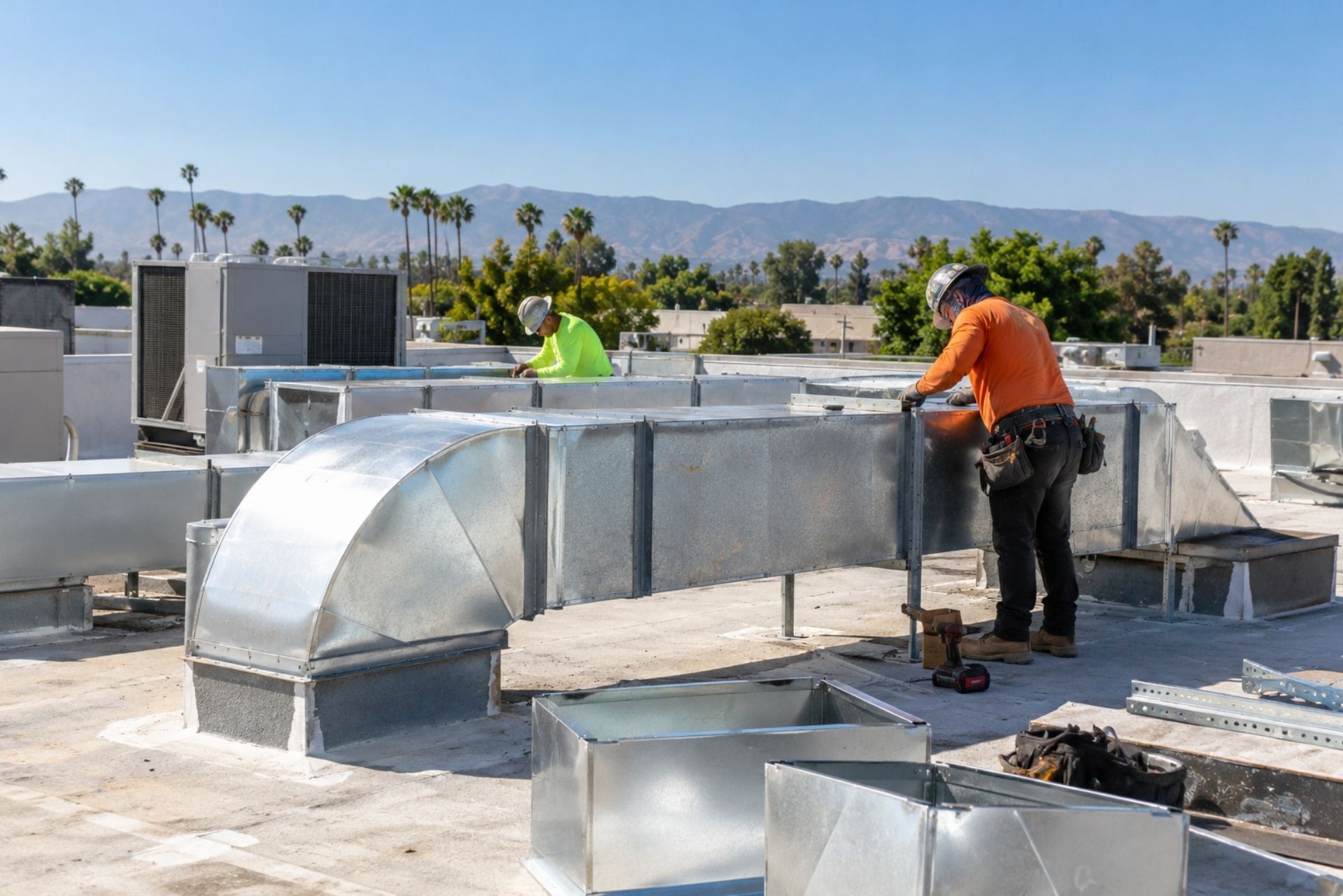
Sheet-metal work sits in an awkward spot for insurers. Your crew fabricates ductwork in a shop, hauls it across town, climbs onto roofs to install flashing, and walks away from jobs that need to perform for a decade or more. Each of those stages carries a different kind of risk, and California adds its own layer of rules, rates, and regulators on top.
This guide covers what
California sheet-metal contractors need to know about
general liability, tools and equipment coverage, completed operations, workers' compensation, and realistic costs. The goal is practical: help you understand what each policy does, where the gaps usually hide, and how to keep premiums from eating your margins. If you run a two-person
HVAC duct shop in Fresno or a 40-employee architectural metal firm in Los Angeles, the core principles apply. Read it with your current declarations pages open, because the most useful thing you can do is compare what you have against what you actually need.
California licenses sheet-metal contractors under the C-43 classification through the Contractors State License Board (CSLB). The CSLB requires a contractor bond to keep your license active, plus either a certificate of workers' compensation coverage or a valid exemption on file. Let either lapse and your license can be suspended, which can stop work on active jobs.
The state doesn't mandate general liability for most C-43 licensees, but that's close to irrelevant in practice. General contractors, property managers, school districts, and commercial owners almost always write liability minimums into their subcontracts. A typical commercial sub agreement asks for $1 million per occurrence and $2 million aggregate, with additional insured status for the GC and owner.
California also brings geographic risks that shape underwriting. Wildfire zones affect where carriers will insure your shop building and stored inventory. Earthquake exposure matters if your fabrication facility sits in the Bay Area or Southern California, since standard commercial property policies exclude quake damage. And the state's construction defect laws give owners a long window to bring claims, which makes completed operations coverage more important here than in many other states.
The upshot: insurance in California isn't a single purchase. It's a set of policies that together keep your license active, satisfy your contracts, and protect your balance sheet.
By: Peter Plew
Commercial Insurance Agent at Caruso Insurance Services
Core Liability Protections for Fabrication and Installation
Liability coverage pays when your work hurts someone or damages property that isn't yours. For sheet-metal contractors, that exposure splits into two time periods: while the job is in progress and after you've finished. Most commercial general liability (CGL) policies handle both, but the details differ in ways that matter.
General Liability and Property Damage Claims
Picture a crew installing a run of galvanized duct in a finished office ceiling. A section slips, cracks a sprinkler head, and floods two floors. That's a property damage claim, and a CGL policy is built to cover it, including the cost to repair the tenant improvements and the legal defense if the owner sues.
Common in-progress claims for sheet-metal trades include:
- Falling materials striking workers from other trades or the public
- Water intrusion from improperly sealed roof penetrations during installation
- Fire damage from cutting, welding, or brazing near combustibles
- Third-party injuries from tripping over stored materials on site
Watch for exclusions. Some policies written for small contractors exclude work above a certain height, roofing-related operations, or residential tract work. If you install flashing, gutters, or roof-related metal, confirm in writing that the policy doesn't carry a roofing exclusion. Also check whether it includes a hot work exclusion if your crews weld in the field.
Completed Operations: Managing Long-Term Project Risks
Completed operations coverage responds to claims that show up after you've left the job. A gutter system that pulls away and causes water damage two years later, or a kitchen exhaust hood that contributes to a restaurant fire, falls into this category.
California's statute of repose for latent construction defects generally runs 10 years from substantial completion. That means a job you finished in 2026 could generate a claim in 2035. If you let your CGL lapse, switch to a carrier with a restrictive form, or retire without a plan, you can be left uninsured for work you did years earlier.
A few protections worth asking for:
- A completed operations aggregate that matches your general aggregate, not a reduced sublimit
- No residential or tract housing exclusion if you do any homebuilder work
- Additional insured endorsements that extend completed operations coverage to the GC (many contracts require the CG 20 37 form or equivalent)
- Tail or discontinued operations coverage if you close or sell the business
Safeguarding High-Value Assets and Physical Inventory
A well-equipped sheet-metal shop can easily hold $300,000 to $1 million in machinery: press brakes, plasma tables, shears, roll formers, and coil stock. A commercial property policy covers your building, fixed machinery, and inventory at a named location against fire, theft, and other covered perils.
Two California-specific issues deserve attention. First, earthquake is excluded from standard property forms, so a shop with expensive CNC equipment bolted to a slab in a seismic zone should price out a separate earthquake policy or endorsement. Second, if your shop sits in a high wildfire-risk area, some carriers will decline the property risk entirely. The California FAIR Plan can serve as a last resort for fire coverage on commercial property, though it's limited and usually needs to be paired with a difference-in-conditions policy for broader protection.
Also consider business income coverage. If a fire shuts down your fabrication shop for four months, business income insurance replaces lost profit and covers ongoing expenses like rent and payroll. For a shop clearing $40,000 a month in net income, that's $160,000 you'd otherwise absorb.
Document everything. Keep an updated equipment list with serial numbers, purchase dates, and photos. When a claim happens, this record speeds up settlement and prevents disputes over value.
Tools and Equipment Floaters for Mobile Operations
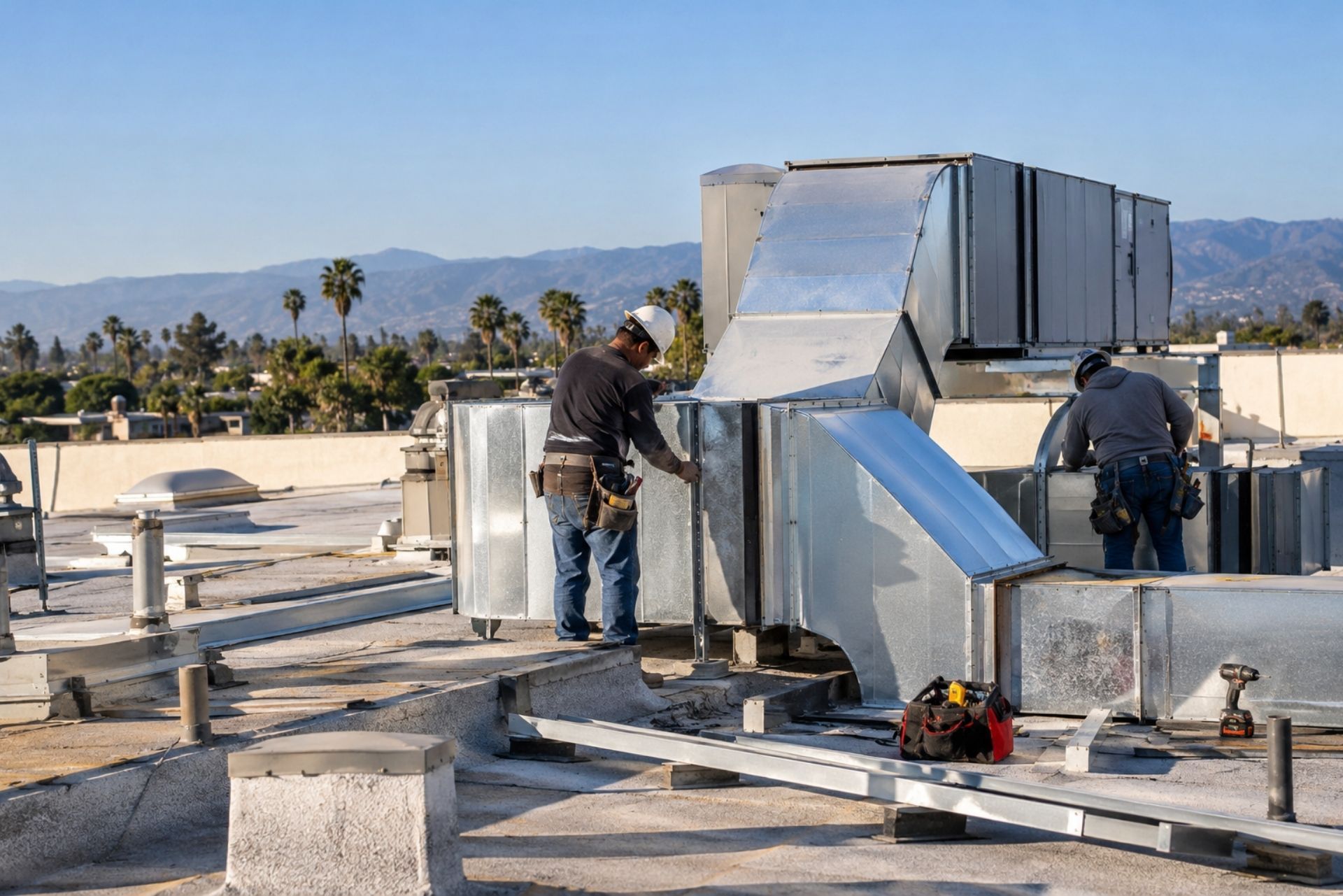
Your property policy usually stops at the shop door. Once a portable brake, welder, or hand seamer leaves on a truck, you need an inland marine policy, often called a tools and equipment floater, to cover it.
Theft from job sites and work trucks is the most common claim. A crew leaving $15,000 in tools in a locked van overnight is a familiar story with a bad ending. Check whether your floater covers tools left in unattended vehicles, since some require visible signs of forced entry or exclude overnight theft. Also decide between scheduled coverage (each item listed with a value) and blanket coverage (a total limit with a per-item cap). Blanket works well for lots of smaller hand tools, while scheduled makes sense for anything over $5,000.
Workers' Compensation and State Compliance Requirements
California requires every employer to carry workers' compensation for employees, even one part-timer. Operating without it is a crime and can trigger stop orders and penalties from the Division of Labor Standards Enforcement, plus CSLB license action.
Sheet-metal work runs high on injury frequency. Lacerations from sharp edges, falls from ladders and roofs, back strains from lifting, and burns from welding all show up in claim files. Because of that, workers' comp is often the largest single insurance expense for a C-43 contractor with employees.
Rates are set by job classification. The California Workers' Compensation Insurance Rating Bureau (WCIRB) assigns codes based on the work performed, and sheet-metal shop work and field installation can fall under different classifications with different rates. Make sure your payroll is split accurately between shop and field employees and that clerical staff sit in a clerical class. Misclassifying everyone into the highest-rated code is one of the fastest ways to overpay.
Your experience modification rate (X-Mod) also matters. Once you're large enough to qualify, the WCIRB compares your claim history to similar employers. A 0.85 mod cuts your premium 15 percent; a 1.30 mod adds 30 percent. Claims stay in that calculation for several years, so one serious injury can raise your costs well beyond the year it happened.
Watch out for independent contractor arrangements. Under California's ABC test, most helpers working on your jobs are employees, and auditors will treat them that way.
There's no single price for sheet-metal contractor coverage in California, because carriers price on payroll, revenue, claims history, and type of work. The numbers below are rough illustrations to show how the pieces fit, not quotes:
| Coverage | Small shop (2-5 employees) | Mid-size (15-25 employees) |
|---|---|---|
| General liability | $3,000 - $8,000/yr | $15,000 - $45,000/yr |
| Tools/inland marine | $500 - $1,500/yr | $2,500 - $7,000/yr |
| Workers' comp | Often the largest line | Can exceed all others combined |
| Commercial auto | Varies by vehicle count | Varies by fleet size |
Factors that move your rates:
- Residential vs. commercial mix: residential and tract work often prices higher because of defect litigation
- Roof and height exposure: flashing and roofing-adjacent work draws scrutiny
- Claims history: carriers review loss runs going back three to five years
- Payroll and revenue: most liability and comp premiums scale directly with these
- Location: urban Southern California jobs often cost more to insure than rural Central Valley work
Cost-Saving Strategies and Risk Management Practices
Start with a break-even look at deductibles. Raising your GL deductible from $1,000 to $5,000 might save $1,200 a year. If you'd only hit that deductible once every four years, you save $4,800 and spend $4,000 more on the claim: a modest net gain that improves as your loss record stays clean.
Other tactics that tend to pay off:
- Run a documented safety program with fall protection, cut-resistant gloves, and hot work permits
- Photograph completed installations, especially roof penetrations and hidden duct runs, as defect claim evidence
- Require subcontractors to carry their own GL and comp, and collect certificates before work starts
- Report small incidents promptly, since late notice can jeopardize coverage
- Shop your package every year or two through an agent who writes construction risks
Securing the Right Policy for Long-Term Business Growth
The right insurance setup for a California sheet-metal contractor does three things: keeps your C-43 license active, meets the requirements in your contracts, and protects the business from claims that could arrive years after the job. General liability handles today's accidents. Completed operations covers the decade-long tail of defect exposure. Tools and equipment floaters protect gear that leaves the shop, and workers' comp is both a legal requirement and a major line item.
Don't treat renewal as paperwork. Each year, pull your loss runs, compare your declarations against your largest contracts, verify your payroll classifications, and ask about earthquake and business income coverage if you haven't. Claims history follows you between carriers, so preventing a loss is worth more than any discount.
Get it right while you're growing, and the coverage becomes something you rarely think about, which is exactly the point.
ABOUT THE AUTHOR:
PETER PLEW
Hi my name is Peter Plew and I am a commercial insurance professional. I listen to and strategize with business owners about their visions of the future and assist in getting there as quickly as possible. I help identify unique exposure and risk’s that business owners have and the reasons why they need to be insured against them. My goal is to make sure my clients are always taken care of on a daily basis with any service needs, questions, or concerns they may have. I love to golf and spend time with my family in my spare time.
Contact Us

Service that stays with you.
Our team helps simplify insurance decisions for families and businesses. We focus on clear explanations, fast responses, and dependable service. You can count on us for help with coverage questions, updates, and long-term support.
Coverage that keeps you secure
Reliable Protection for Everyday Life
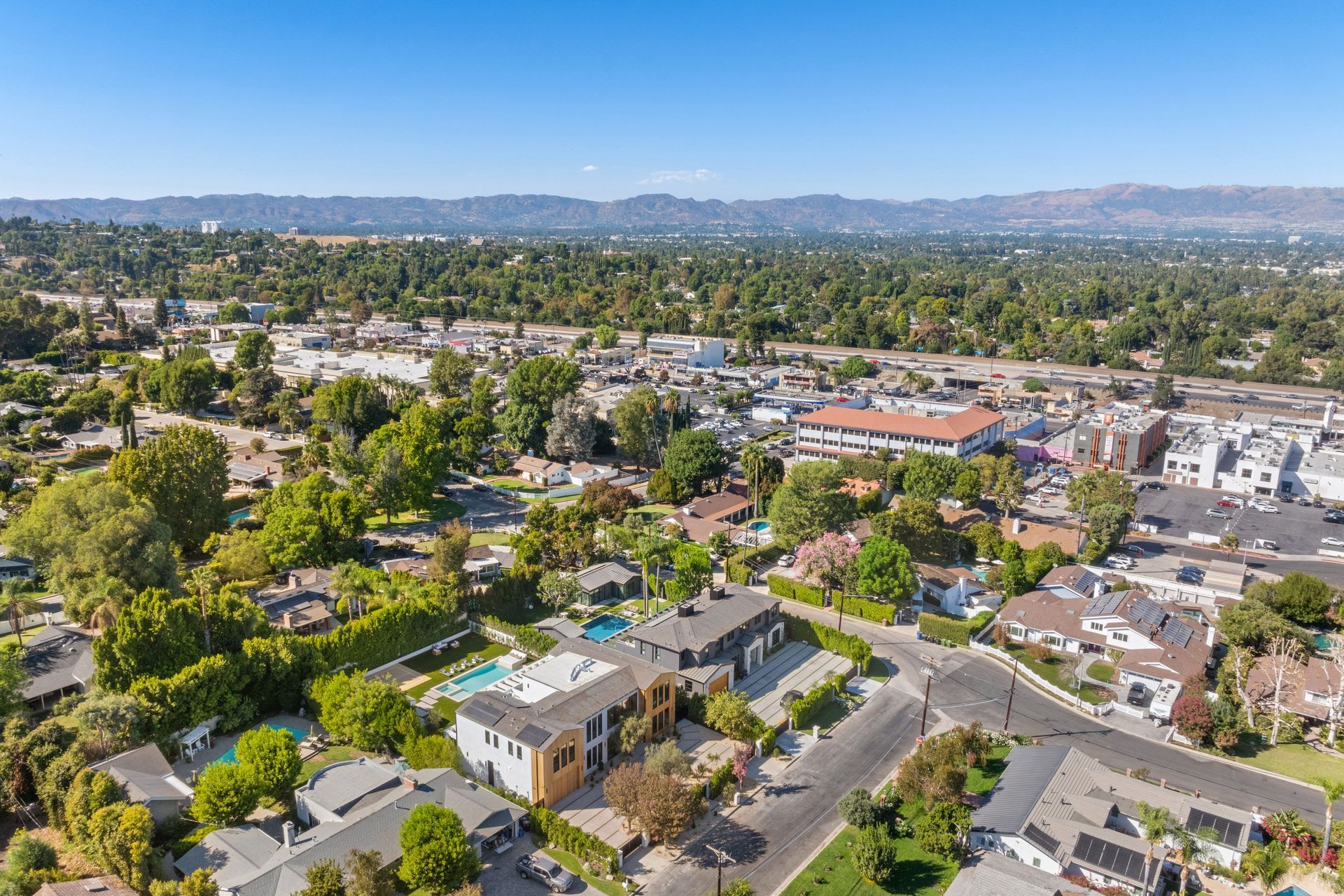
Home insurance helps protect your house, personal belongings, and liability risks. We explain coverage options clearly so you know what your policy includes.
Auto insurance provides protection for accidents, liability, and vehicle damage. We help you compare options so you can choose coverage that fits your driving needs.
Motorcycle insurance provides coverage for riders and their bikes. We help you select options that match how and where you ride.
RV insurance supports protection for motorhomes and recreational vehicles. Coverage applies during travel and while parked.
Coverage Built for Contractors and Trades
Support that keeps your work moving.

General Liability Insurance
General liability insurance helps protect contractors from injury and property damage claims. It supports jobsite requirements and contracts.

Workers Compensation
Workers compensation insurance helps protect employees injured while working. It also supports compliance with state requirements.

Commercial Auto Insurance
Commercial auto insurance provides coverage for work vehicles used on jobsites. It helps protect drivers and company vehicles.
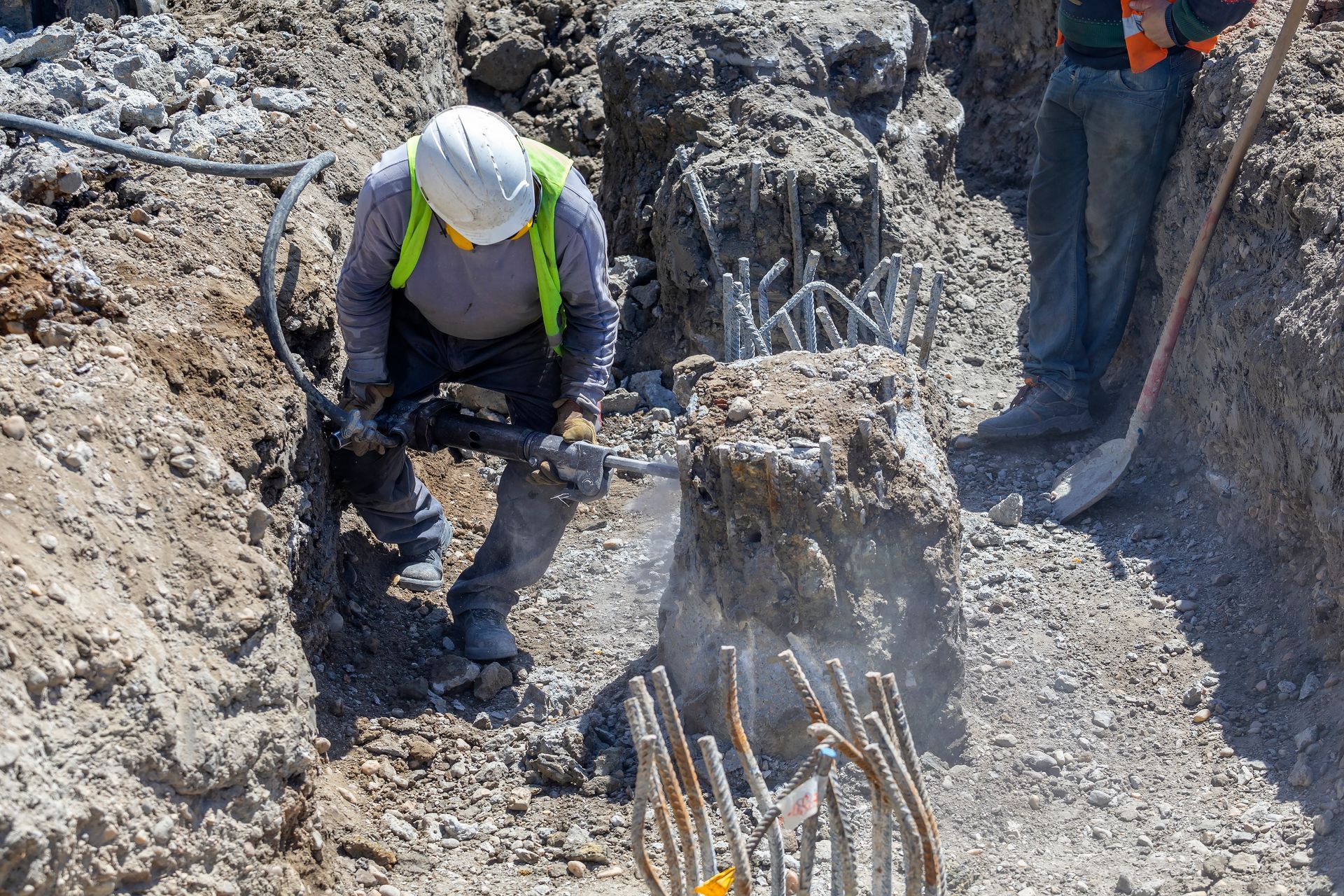
Contractor Insurance
Contractor insurance supports trades and service professionals across Southern California. It helps protect tools, equipment, and daily operations.

Cyber Liability Insurance
Cyber liability insurance helps protect business data and customer information. It supports recovery from digital incidents.

Commercial Property Insurance
Commercial property insurance helps protect offices, shops, and equipment. It supports recovery after covered damage.
Coverage Built for Specialized Work
Support for high-risk and service-driven industries.

Simple Steps Supported by Steady Guidance
A Clear Path to Coverage
Trusted by Clients Across Southern California
Clear service backed by real experiences.
Answers to Common Questions.
Clear explanations to guide your decisions.
How do I know which insurance policy is right for me?
We compare coverage options from multiple carriers to help you see differences in protection and price. You can review clear details and ask questions so you understand what each policy covers. Our team guides you step by step so you feel sure about your decision.
What factors affect my auto insurance premium?
Auto insurance premiums are influenced by your driving history, age, location, vehicle type, and coverage choices. A clean driving record and good safety features can help lower costs. We review these factors with you and help find coverage that fits your budget and needs.
Does homeowners insurance cover all types of damage?
Standard homeowners insurance protects your structure, personal belongings, liability, and additional living expenses in many cases. However, it usually does not include flood or earthquake damage without separate policies. We help you decide if extra coverage is right for your home and location.
Can I update my policy or get certificates online?
Yes. You can submit requests for policy changes and certificates through our online service form at any time. Our team processes those requests quickly and confirms updates once complete so you have the documents you need.
Do I need separate insurance for business risks like EPLI or E&O?
Yes. General liability and workers compensation cover many business risks but do not protect against all exposures. For example, Employment Practices Liability Insurance (EPLI) covers claims like wrongful termination or discrimination, and Errors & Omissions (E&O) covers claims based on mistakes in professional services. We help you identify which extra policies your business may need.
What happens if I need to file a claim?
If you need to file a claim, we guide you through the process and help you contact the insurance carrier. We explain what information you should provide, answer your questions, and stay available while the carrier reviews your claim. This support helps you move forward with confidence.
Contact Us