A manufacturing facility in the Central Valley recently faced a costly claim when a minor equipment failure spiraled into a major property loss. This event highlights the vital role that tailored insurance solutions play in managing risk for businesses across California. The state’s dynamic environment, evolving risks, and competitive market conditions demand that business owners carefully assess their insurance policies.
Business insurance is more than a safety net-it can be a strategic tool that allows companies to navigate unexpected challenges and continue growing. California’s unique mix of natural hazards and economic diversity creates both opportunities and challenges in this sector. This guide will walk through every critical aspect of business insurance in California, from understanding market performance and coverage types to incorporating technological innovations into risk management. For instance, recent underwriting trends have shown promising signs for the industry.
Through careful examination, business owners can make informed decisions that not only comply with regulatory requirements but also secure long-term financial stability. The balance between risk and reward is a crucial part of modern management strategies for California enterprises.
Understanding the Landscape of California Business Insurance
The California business insurance market features a wide array of products, each designed to protect companies from various exposures. Whether covering property, liability, or specialized risks like cyber incidents and environmental hazards, each policy is structured to fit a unique business profile.
Growth in the state has been fueled by a vibrant economy that attracts both new ventures and established enterprises, making insurance not just a regulatory compliance item but a competitive advantage. California’s insurance market is projected to grow from a robust base, reflecting the strong economic fundamentals and evolving risks.
Insurance policies in California are tailored to meet the needs of businesses facing diverse challenges, including lawsuits, property damage, and business interruption. Such coverage is vital in a market that has seen both impressive underwriting performance and significant natural catastrophes. As seen in recent reports from the
California Insurance Commissioner’s office, current underwriting results underpin a cautious optimism among market leaders.


By: Patrick Caruso
President of Caruso Insurance Services
Key Coverage Types in California Insurance Policies
Property and Casualty
Property and casualty insurance remains the cornerstone of business insurance policies in California. This coverage typically protects physical assets, liability claims, and other losses that businesses might incur. In 2024, the U.S. property/casualty insurance segment reported a net combined ratio of 96.6, reflecting the best underwriting performance since 2013 . This metric serves as an important indicator for insurers and policyholders alike because it shows that businesses may experience fewer losses relative to premiums collected.
For businesses operating in high-risk areas, ensuring optimal coverage is essential. The need to accurately gauge risk factors continues to be a priority, especially as the market evolves and natural disasters become more frequent. The robust performance in underwriting indicates that, despite challenges, the market can absorb shocks while still supporting business growth.
Companies are encouraged to review and update their coverage regularly. A timely revision of policies not only avoids coverage gaps but also leverages market conditions to secure better terms. California’s industry standings have continuously pushed policy frameworks to be adaptive and resilient.
Liability Coverage
Liability insurance covers legal expenses and damages that may arise from third-party claims. In a state like California with a litigious environment, proper liability coverage is non-negotiable for many businesses.
Losses arising from product defects, services rendered, or workplace accidents are all potential triggers for liability claims. Providers design these policies to cover everything from bodily injury to property damage, which adds an extra layer of security in an unpredictable market.
Ensuring that liability coverage is comprehensive can shield companies from severe financial distress. For example, in the property and casualty sector, insurers have managed to maintain a low combined ratio, reflecting careful management and accurate risk classification.
Specialized Coverage Options
Beyond standard property and liability insurance, many policyholders opt for specialized coverages that address unique risks. Cyber liability, business interruption, and environmental liability policies are increasingly available for businesses looking to protect themselves from emerging threats.
For California companies facing the dual challenges of technology risks and natural hazards like wildfires and floods, specialized policies offer tailored solutions. The recent catastrophic wildfire in Los Angeles, estimated to have caused significant insured losses between $35 billion and $45 billion, underscores the need for targeted policies .
These tailored policies often include coverage for supply chain interruptions, data breaches, or even regulatory fines that can occur in high-stakes environments. Specialized coverage is designed to address industry-specific challenges and protect against financial shocks that a general policy might not cover.
Market Trends and Underwriting Performance
Recent trends in the insurance market reveal interesting shifts in underwriting performance. The 2024 performance data highlights a remarkable improvement in the underwriting outcome for property and casualty insurers, with performance reaching levels not seen in over a decade. These trends provide reassurance to many policyholders while also highlighting emerging challenges ahead.
The improved combined ratio suggests that insurers in California are effectively managing risks, even as the market becomes more complex with emerging natural disasters and technological shifts. For example, new wildfire challenges, such as the vast destruction seen in Los Angeles this past January, have pushed companies to rethink their risk models.
These developments demonstrate the delicate balance insurers maintain between fostering growth in a diverse economy and ensuring they are prepared to cover sudden high-impact losses. The current performance metrics reflect a cautious optimism that, despite the inherent volatility of the market, underwriting practices remain robust and resilient.
How Underwriting Performance Affects Your Policy
For business owners, the performance of underwriting directly influences policy premiums and terms. An excellent underwriting performance can lead to more competitive premium rates, which is a critical factor for small and medium-sized enterprises operating on tight margins.
The current market data, which reports a net combined ratio of 96.6 for property/casualty insurance in the U.S., signals more stability in premium pricing . Business owners should closely review their policies to ensure that these market trends are being leveraged properly in their risk management strategies.
This statistic is important because it indicates that while some risks remain, the overall environment is being managed efficiently by insurers. A strong underwriting performance helps create a stable marketplace that benefits everyone involved.

Impact of Natural Disasters and Climate Change
California is no stranger to natural disasters, including wildfires, floods, and earthquakes. Recent events have had a significant impact on the insurance industry, drawing attention to the importance of robust risk management practices.
The catastrophic wildfire in Los Angeles, which burned over 50,000 acres and caused insured losses projected between $35 billion and $45 billion, serves as a stark reminder of nature's unpredictability . These natural events force insurers to continuously adjust their models and premium structures to account for the increased frequency and intensity of disasters.
As these events become more common, insurers are also turning to innovative risk management tools. Advanced data modeling and predictive analysis are now integral parts of the underwriting process, ensuring that risks are properly quantified and covered.
Climate Change and the Insurance Industry
Climate change adds another layer of uncertainty for insurers, pushing them to reassess risk models and invest in new technologies that can detect early warning signs. With ever-changing climate patterns, the potential for unexpected losses increases, making comprehensive coverage more invaluable.
Recent research has shown that integrating advanced data from InsurTech platforms with traditional claims information can lead to improved risk classification and better claims management . Such studies highlight how digital innovation can transform how risks are estimated and managed.
This proactive approach using data-driven strategies can help businesses remain solvent and resilient in the face of overwhelming natural disasters. Embracing technological tools now may well be the difference between a business surviving or succumbing to financial pressures later.
Adapting to Evolving Risks
Businesses in California must not only prepare for known hazards but also adapt to emerging risks that are becoming more prevalent. Insurance providers are responding by expanding their policy options and integrating new detection methods into their risk assessment protocols.
A recent study introduced the Pioneer Detection Method, a supervisory tool designed to enhance resilience in markets grappling with climate change challenges . This method represents a forward-thinking approach to insurance, where traditional risk models are augmented with innovative analysis.
As insurance companies adopt these new tools, businesses can look forward to more precise underwriting outcomes and policies that reflect realistic exposure levels. Proactive measures help companies stay ahead of unexpected losses by regularly updating their risk assessments.
Innovations in InsurTech and Their Impact on Business Policies
Technology is playing a growing role in shaping the insurance landscape. The integration of InsurTech is transforming how risks are assessed and managed, ultimately benefiting both providers and policyholders.
Studies have demonstrated that enhanced data models, which combine InsurTech analytics with traditional claims information, can lead to more accurate risk classification. This, in turn, makes it possible to offer tailored policies geared to meet the exact needs of business owners .
The adoption of these technologies serves to reduce uncertainties and help companies make smarter decisions. Whether it is through more accurate pricing or enhanced fraud detection, technological advancements are powering a smarter, more robust insurance market.
Real-Time Data and Risk Management
Real-time data analytics enables insurers to monitor incidents as they occur, providing immediate insights that can streamline the claims process. This method not only saves time but also helps mitigate long-term losses, as potential problems are identified and addressed quickly.
Early adoption of these techniques has already led to improved outcomes. Policyholders benefit from adjustments in coverage that better reflect actual risk exposure, streamlining both underwriting and claims resolution. This shift towards data-driven decision-making reflects the broader trend of digital transformation in the industry.
The emphasis on real-time data reinforces the importance of staying current with technological trends. Businesses that engage with these evolving tools are better equipped to navigate a complex risk landscape.
How InsurTech Shapes Policy Flexibility
InsurTech innovations have spurred a new wave of flexible policy options. These policies are designed with dynamic elements that adjust based on real-time risk data, ensuring that coverage remains relevant as conditions change.
This flexible model is particularly valuable in California’s unpredictable risk environment. It allows business owners to avoid gaps in coverage and keep pace with the changing nature of risks, whether stemming from new forms of cyber threats or evolving climate patterns.
By leveraging technology, insurers are opening the door to more nuanced products, helping businesses fine-tune their policies to their particular operational needs. These capabilities are a game changer for companies eager to safeguard their assets effectively.
While California offers a vibrant insurance market, challenges remain. Recent trends indicate that certain risks, such as those linked to natural disasters, have forced some insurers to adjust premiums or even non-renew policies. This dynamic environment requires a careful balancing act by both providers and policyholders.
High exposure to natural disasters, combined with increasing frequency of claims, is prompting insurance carriers to reassess their risk appetite. Some providers, like leading industry figures, acknowledge that high-risk scenarios-such as the repeated occurrence of wildfires and floods-require changes in how policies are priced. As noted by industry experts, including top executives in the sector, these adjustments are a direct response to the economic realities of today’s California market .
Despite these challenges, significant opportunities lie in a market that is actively evolving. A variety of innovative products are emerging that are tailored to meet the demands of modern businesses, offering more nuanced coverage options and adjusting to the realities of a changing risk profile.
Policy Gaps and Strategies for Business Owners
Many business owners find that their existing coverage may not address all the risks they face. Policy gaps-whether due to limits on coverage or exclusions for certain types of damage-can create vulnerable points in a company’s risk management strategy.
Regular reviews of existing policies and consultations with knowledgeable insurance professionals can reveal these gaps. In today’s fast-changing market, businesses that proactively update their policies are in a better position to address unforeseen challenges.
Effective risk management involves combining industry knowledge with a keen understanding of current events. By aligning coverage with potential liabilities, companies enhance their resilience and position themselves to respond swiftly to emergencies.
Opportunities in a Shifting Market
The emergence of value-added products and services represents a promising opportunity for both insurers and policyholders. Companies are increasingly offering services that extend beyond traditional coverage, including risk management consultations and advanced data monitoring.
These adjunct services not only improve the claims process but can also lead to reduced premiums over time by mitigating potential losses. Insurance providers are collaborating more closely with businesses to deliver solutions tailored to their unique circumstances.
In this environment, business owners can gain an edge by leveraging both technology and enhanced data analytics to secure better coverage terms, ultimately lowering their overall risk exposure and contributing to sustained growth.
Coverage Comparison: Basic vs. Extended Protection
Understanding the differences between basic and extended coverage can empower business owners when negotiating policies. The following table outlines some of the key distinctions between these two types of coverage, helping CEOs, managers, and stakeholders make more informed decisions:
| Coverage Feature | Basic Protection | Extended Protection |
|---|---|---|
| Property Damage | Covers physical assets against fire, theft, and vandalism | Includes additional perils such as water damage, natural disasters, and business interruptions |
| Liability | Standard legal defense and settlement coverage | Expanded limits with coverage for additional claims besides bodily injury and property damage |
| Business Interruption | Limited coverage for lost revenue | Comprehensive support including fixed expenses and operational costs during downtime |
| InsurTech-Driven Insights | Standard data reporting for claims | Enhanced predictive models and risk analytics integration |
This comparison helps illustrate that while basic coverage offers significant protection, extended policies can provide a more robust safety net tailored for high-risk sectors or those in volatile markets.
The choice between these options will depend on individual business needs, risk tolerance, and budget. Evaluating both coverage and underlying risk management strategies can lead to safer, more secure operations.
Leveraging Expert Insights for Better Policy Decisions
Expert insights often provide a clearer understanding of underlying trends and risks within the market. For instance, California Insurance Commissioner Ricardo Lara recently emphasized that inclusion and a robust approach to risk management contribute significantly to a thriving business ecosystem .
Such statements reinforce the idea that comprehensive insurance coverage is part of an integrated strategy to uplift communities and secure economic stability. With a market valued at an impressive scale and a competitive environment, decisions driven by informed opinions prove to be immensely valuable.
Business owners are encouraged to stay informed of the latest industry insights and regulatory updates. Engaging with industry experts and following the trends helps companies navigate their insurance choices more effectively.
Strategic Decision-Making in a Complex Market
Making well-informed insurance decisions requires evaluating multiple factors including market conditions, peer practices, and emerging trends. Long-term business success depends on crafting policies that adapt as risks evolve.
Leaders who take an active stance in understanding their coverage and using expert advice find themselves better prepared to face unexpected challenges. Strategic decision-making often combines both qualitative insights and quantitative performance indicators.
This proactive approach helps bridge the gap between traditional insurance presentations and the real, dynamic environment in which companies operate. Insightful analysis is key to tailoring the best possible coverage for each business.
Enhancing Resilience Through Dynamic Policies
Resilience in today’s market means more than simply having coverage-it means having dynamic protection that evolves with shifting risks. Insurance carriers are increasingly offering solutions that adjust as new data becomes available, a concept that carries profound benefits for business owners.
Integrating real-time data means policies can more accurately reflect the risk in a specific geographical or operational context. This dynamic capability minimizes surprises during claim events and positions companies to postpone or even avoid severe financial setbacks.
Embracing this dynamic model can help businesses better manage vulnerabilities while capitalizing on opportunities for growth with a secure, forward-thinking insurance strategy.
Frequently Asked Questions
This section addresses common inquiries that many business owners in California have regarding their insurance policies and overall risk management strategies.
Q: What are the essential types of business insurance for California companies?
A: Typically, companies should consider property and casualty, liability, and specialized coverage such as cyber and environmental policies. These cover different aspects of business risk-from physical damage to legal claims.
Q: How does recent underwriting performance impact my premium rates?
A: Improved underwriting performance, such as the net combined ratio of 96.6 recorded in 2024, suggests that insurers are managing risks more efficiently. This can translate to more competitive premium rates for policyholders .
Q: Does climate change affect the coverage options available for my business?
A: Absolutely. With increased exposure to climate-related hazards such as wildfires and floods, insurers are increasingly offering specialized policies that incorporate dynamic risk assessments and real-time data analytics .
Q: How can technology improve my insurance coverage?
A: Advances in InsurTech allow insurers to integrate analytical models with traditional data, resulting in more nuanced risk evaluations and flexible policy options that adjust to real-time conditions .
Q: What should I do if my current policy doesn’t cover all my risk exposures?
A: It is advisable to review your current policy with the help of an expert. Adjusting coverage to fill any gaps ensures that your business remains protected against emerging risks.
Q: Are there benefits to choosing extended coverage over basic protection?
A: Extended coverage generally offers a broader range of protections and may include enhanced options for loss modeling, business interruptions, and technology-driven risk analysis, which could be vital in high-risk environments.
Moving Forward with Confidence in California’s Insurance Market
The insurance landscape in California continues to evolve, influenced by market performance, regulatory reforms, technological advances, and the unpredictable nature of climate-related risks. Each of these factors plays a role in determining the right mix of coverage for your business needs.
The dynamic market conditions suggest that proactive risk management, regular policy reviews, and a strong emphasis on technology-driven insights are essential for a resilient business strategy. For an industry with a projected market size of $76 billion and over 1,700 operational establishments in the state , staying informed remains key.
While challenges persist, especially with the increasing intensity of natural disasters evident in recent events, businesses that invest in smart insurance solutions secure long-term stability. Continuous learning and adapting to new trends mean that companies can succeed even in volatile times.
Business Insurance as a Strategic Asset
Insurance in California is not simply about mitigating risks; it is about building a foundation for growth. Every policy decision, from adopting extended coverage options to integrating cutting-edge InsurTech solutions, contributes to the overall resilience and competitive positioning of your enterprise.
The market dynamics, including the impressive underwriting performance observed in recent years and growing technological integration, underline that the right insurance coverage is a strategic asset. With thoughtful planning and expert guidance, companies can navigate potential pitfalls and capitalize on opportunities in a rapidly evolving marketplace.
Business owners who embrace these changes and invest in dynamic, well-structured coverage are ultimately better positioned to weather the uncertainties that come with operating in one of the nation’s most vibrant but challenging economic environments.
Before You Go
Reviewing and updating your insurance policies should be an ongoing process that evolves as your business grows. The integration of advanced data analytics, real-time risk assessment, and expert-driven insights creates a robust framework that not only protects your assets but also fosters sustainable growth.
Careful planning, ongoing education, and regular strategy reviews are indispensable practices in today’s competitive landscape. Business insurance is a journey that adapts with your growing ambitions and shifting risks, ultimately driving both security and opportunity.
Finally, staying connected to industry developments and understanding evolving risks fosters an environment where business insurance serves as a dynamic tool-an asset that underpins success in California.
ABOUT THE AUTHOR:
PATRICK CARUSO
I’m Patrick Caruso, founder of Caruso Insurance, and I have spent more than 25 years helping families, contractors, and small businesses across Southern California make confident insurance decisions. I focus on explaining coverage in clear terms, comparing multiple carriers, and supporting clients with steady communication so they feel secure with each step. My goal is to provide dependable guidance, simple answers, and a smooth process for anyone who needs personal or business insurance.
Contact Us

Service that stays with you.
Our team helps simplify insurance decisions for families and businesses. We focus on clear explanations, fast responses, and dependable service. You can count on us for help with coverage questions, updates, and long-term support.
Coverage that keeps you secure
Reliable Protection for Everyday Life
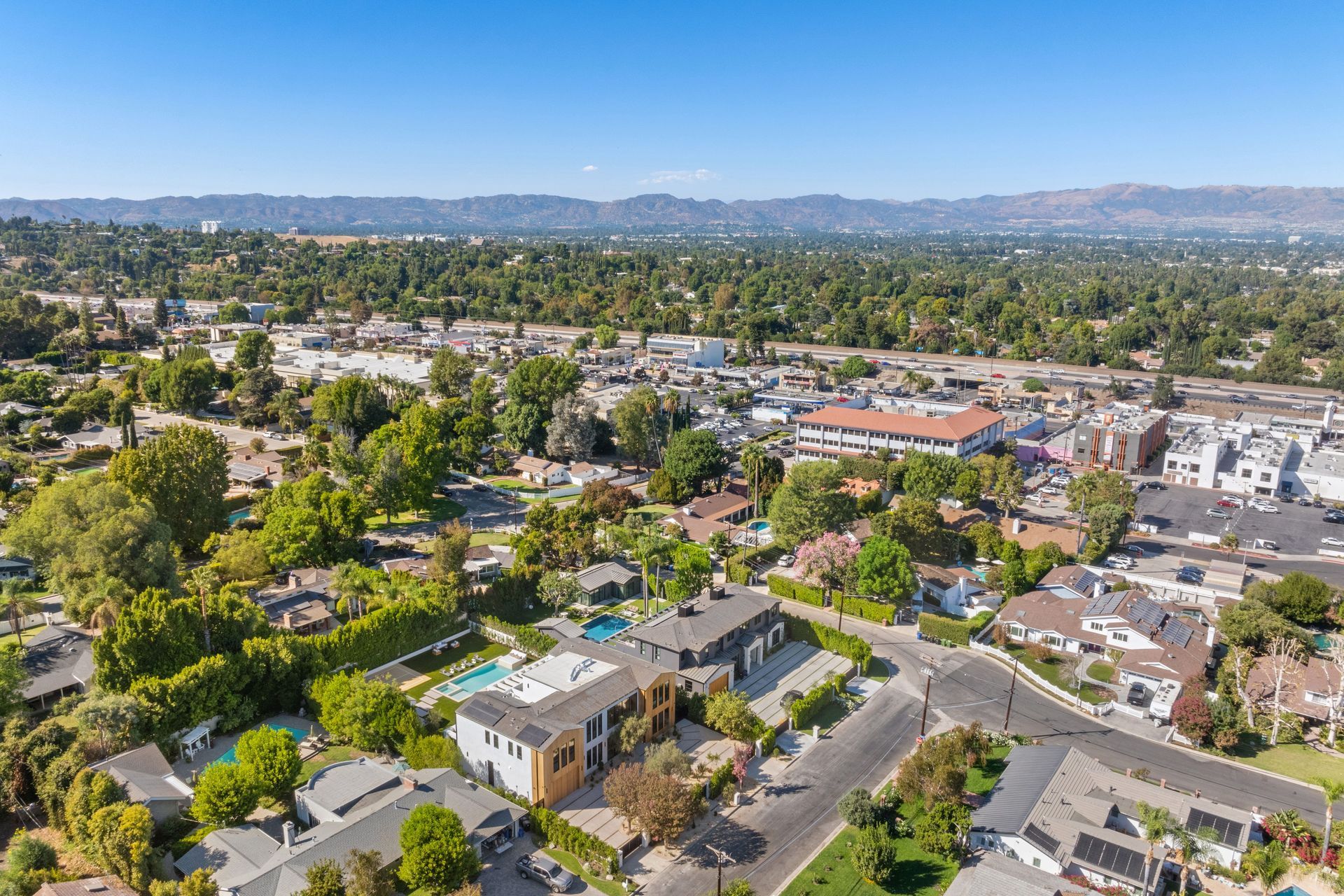
Home insurance helps protect your house, personal belongings, and liability risks. We explain coverage options clearly so you know what your policy includes.
Auto insurance provides protection for accidents, liability, and vehicle damage. We help you compare options so you can choose coverage that fits your driving needs.
Motorcycle insurance provides coverage for riders and their bikes. We help you select options that match how and where you ride.
RV insurance supports protection for motorhomes and recreational vehicles. Coverage applies during travel and while parked.
Coverage Built for Contractors and Trades
Support that keeps your work moving.

General Liability Insurance
General liability insurance helps protect contractors from injury and property damage claims. It supports jobsite requirements and contracts.

Workers Compensation
Workers compensation insurance helps protect employees injured while working. It also supports compliance with state requirements.

Commercial Auto Insurance
Commercial auto insurance provides coverage for work vehicles used on jobsites. It helps protect drivers and company vehicles.
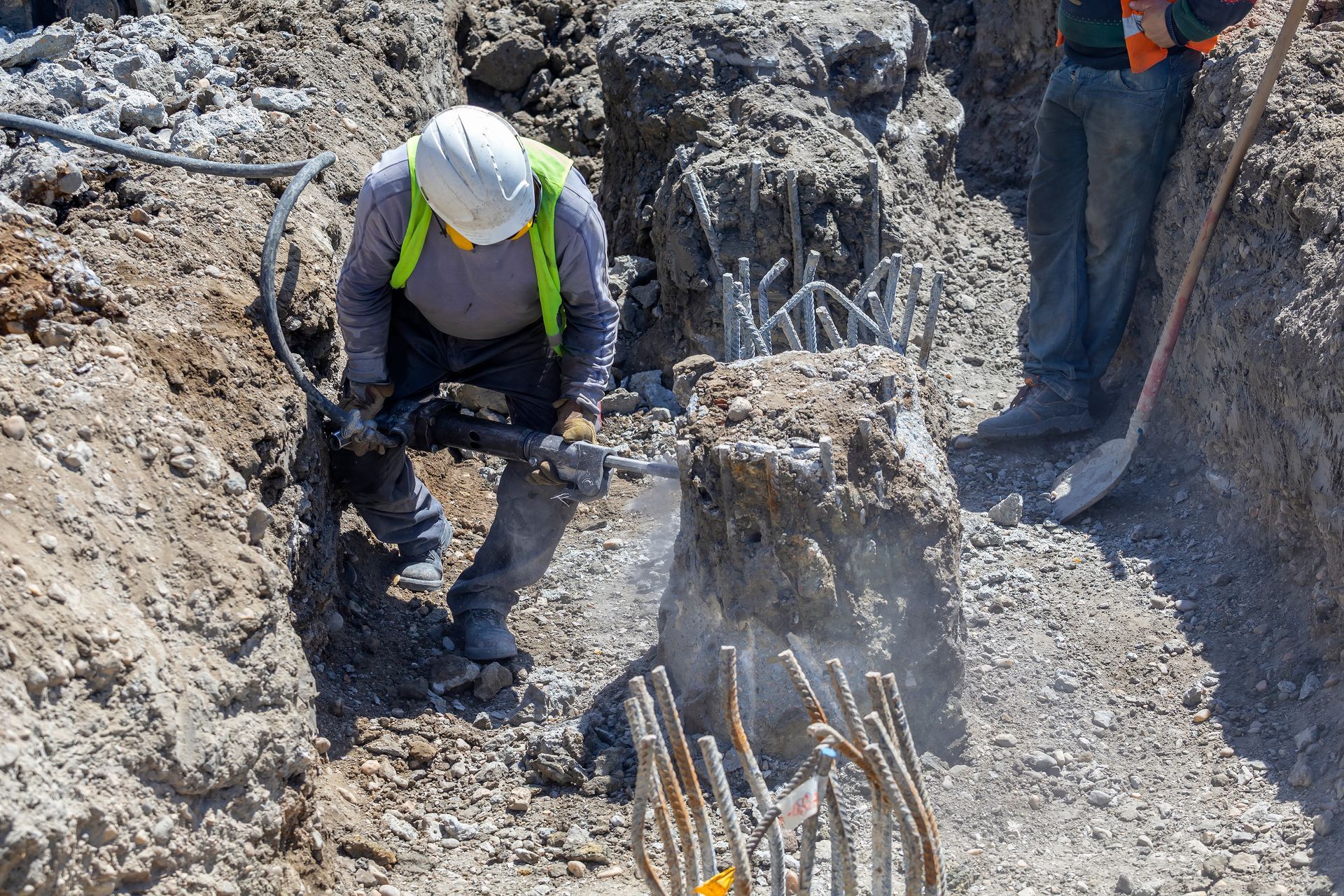
Contractor Insurance
Contractor insurance supports trades and service professionals across Southern California. It helps protect tools, equipment, and daily operations.

Cyber Liability Insurance
Cyber liability insurance helps protect business data and customer information. It supports recovery from digital incidents.

Commercial Property Insurance
Commercial property insurance helps protect offices, shops, and equipment. It supports recovery after covered damage.
Coverage Built for Specialized Work
Support for high-risk and service-driven industries.



Simple Steps Supported by Steady Guidance
A Clear Path to Coverage
Trusted by Clients Across Southern California
Clear service backed by real experiences.
Answers to Common Questions.
Clear explanations to guide your decisions.
How do I know which insurance policy is right for me?
We compare coverage options from multiple carriers to help you see differences in protection and price. You can review clear details and ask questions so you understand what each policy covers. Our team guides you step by step so you feel sure about your decision.
What factors affect my auto insurance premium?
Auto insurance premiums are influenced by your driving history, age, location, vehicle type, and coverage choices. A clean driving record and good safety features can help lower costs. We review these factors with you and help find coverage that fits your budget and needs.
Does homeowners insurance cover all types of damage?
Standard homeowners insurance protects your structure, personal belongings, liability, and additional living expenses in many cases. However, it usually does not include flood or earthquake damage without separate policies. We help you decide if extra coverage is right for your home and location.
Can I update my policy or get certificates online?
Yes. You can submit requests for policy changes and certificates through our online service form at any time. Our team processes those requests quickly and confirms updates once complete so you have the documents you need.
Do I need separate insurance for business risks like EPLI or E&O?
Yes. General liability and workers compensation cover many business risks but do not protect against all exposures. For example, Employment Practices Liability Insurance (EPLI) covers claims like wrongful termination or discrimination, and Errors & Omissions (E&O) covers claims based on mistakes in professional services. We help you identify which extra policies your business may need.
What happens if I need to file a claim?
If you need to file a claim, we guide you through the process and help you contact the insurance carrier. We explain what information you should provide, answer your questions, and stay available while the carrier reviews your claim. This support helps you move forward with confidence.
Contact Us