California’s insurance market constantly faces unique challenges from wildfire hazards to litigation practices that put pressure on premiums and available coverages. Homeowners and business operators alike need to understand how excess liability insurance can play a vital role as a safety net when primary policies reach their limits. Recent industry data and expert commentary highlight the evolving landscape of excess liability coverage, helping consumers make informed decisions.
This article examines various aspects of excess liability insurance, exploring the market trends, pricing cycles, and regulatory factors that have shaped coverage in the Golden State. Readers will benefit from real-world insights, such as the challenges highlighted by catastrophic wildfire events, and will gain clarity on the distinct role of excess liability policies as compared to traditional homeowners or commercial policies. To start, it is crucial to review the backdrop of California’s overall insurance environment. See details on market performance
from the Independent Institute for further context.
Understanding Excess Liability Coverage
Excess liability insurance is designed to provide additional coverage beyond the limits of underlying primary policies. When significant claims exceed what a primary policy covers, excess liability steps in as a critical backstop to protect personal assets. This type of policy is increasingly relevant in California, where unique risks and litigation climates can drive claim costs beyond expected levels.
The fundamental function of excess liability coverage is to fill the gaps left by standard policies. For example, if a homeowner’s claim exceeds the limits of basic homeowners’ coverage, an excess liability policy would cover the remaining balance, safeguarding financial security from catastrophic losses. This arrangement is particularly critical in a state where extreme weather events, including wildfires, are becoming more frequent and severe.
Industry professionals emphasize that the evolution of litigation practices and unpredictable natural disasters drives the need for additional safety nets. It is not merely a matter of extending policy limits, but rather ensuring that individuals and businesses are not left exposed in the event of a towering claim.

By: Peter Plew
Commercial Insurance Agent at Caruso Insurance Services
Market Dynamics in California’s Insurance Sector
California’s insurance market presents a distinctive profile that differs significantly from the national average. Over the past decade, homeowners’ insurance companies in California recorded an average direct underwriting profit of -13.1% compared to 3.6% nationally (Independent Institute). This significant disparity highlights the underlying challenges that California insurers face.
The market’s hardening cycle means that nearly all lines-ranging from homeowners to excess liability-are experiencing premium rate increases. The unusual litigation environment, where legal system abuse is cited as a driving force for ballooning claim costs, further compounds these difficulties. Sean Kevelighan, CEO of a leading insurance information organization, notes that excessive verdicts have fueled rising claim costs that ultimately find their way onto policyholders' bills (Insurance Business Magazine).
This scenario has created a dual challenge: insurers must balance the need for sufficient capital reserves against the potential for unpredictable losses, and policyholders have to navigate how to best protect their assets in an environment where losses may dramatically exceed expectations.
The Impact of Catastrophic Wildfires
California has witnessed several catastrophic events that have bolstered interest in various forms of insurance coverages, including excess liability. A stark example occurred in January 2025, when Los Angeles experienced the most catastrophic wildfire disaster in its history. This event burned over 50,000 acres and destroyed more than 16,000 structures (McKinsey & Company).
The massive losses triggered by catastrophic wildfires have profound effects on insurers and policyholders alike. The property losses due to wildfires in California reached almost $10 billion between 2017 and 2021, according to a report from the Gordon and Betty Moore Foundation (Independent Institute). Such figures underscore the severity of the risk involved and explain why excess liability insurance proceeds to act as a critical layer of protection.
Wildfire events force insurers to confront frequent high-cost claims, contributing to overall market instability. With primary policies often strained by these large-scale events, excess liability provides the additional buffer necessary to cover claims that exceed standard limits. This serves as a financial safeguard for both insurers and policyholders during periods of extreme stress.

Excess Liability vs. Primary Coverage: Key Differences
Understanding the distinction between excess liability policies and primary coverage is essential to making informed coverage decisions. A primary policy, such as a standard homeowners or auto policy, serves as the initial layer of protection and covers everyday risks. In contrast, excess liability is a supplemental policy that only activates when the limits of the primary policy have been exhausted.
This differentiation becomes critical during major incidents when damages far exceed the limits of conventional coverages. For instance, a homeowner might have a standard policy with a set limit that works well under normal circumstances, but a rare catastrophic event may produce losses that far surpass these limits. In such cases, excess liability kicks in to prevent significant financial devastation.
From a legal perspective, excess liability coverage is designed to work in tandem with primary policies, compensating for the layered nature of claims that can arise from a significant incident. This layered approach provides a multifaceted safety net designed to mitigate financial exposure across the board.
Why California’s Excess Liability Market Is Evolving
The excess liability market in California is evolving in response to several interconnected trends. One critical factor is the persistent market hardening, which leads to rising premiums across nearly every insurance line. Exacerbated by a litigious climate and severe natural disasters, the need for excess coverage has become even more pronounced.
Recent data on surplus lines highlights that areas such as Bakersfield and San Jose have witnessed unprecedented growth rates in surplus lines homeowners’ insurance-rising over 2,500% and 1,500% respectively (Surplus Line Association of California). These figures indicate that as traditional primary markets tighten, alternative solutions are increasingly sought after by consumers.
Benjamin McKay, CEO of the Surplus Line Association of California, has described surplus lines as acting like a "pressure valve." When traditional admitted markets become inaccessible or overly expensive, surplus lines provide homeowners with alternative coverage options. The increased reliance on alternative markets is a clear indication that risk mitigation in California is pivoting to include more flexible, innovative products.
How Excess Liability Insurance Fits Into the Broader Risk Management Strategy
Excess liability insurance is not a standalone solution, but an integral component of a comprehensive risk management strategy. For many California residents, the insurance ecosystem comprises multiple layers of coverage designed to address various types of risk.
Primary policies cover day-to-day risks, while excess liability takes center stage when significant, often unexpected events occur. This layered protection is crucial in a state where environmental risk factors like wildfires and climatic events can quickly escalate into large-scale financial burdens.
Financial advisors and insurance experts encourage property owners to review all elements of their coverage and consider how an excess liability policy may bolster their overall protection plan. The additional layer of security can be particularly reassuring for those who live in high-risk areas or who operate businesses with potential liability exposure.
Rate increases are a consistent challenge for policyholders in California. Current industry reports indicate that most insurance lines, including excess liability and excess lines related to homeowners, are experiencing significant hikes in premiums. Analysts from C3 Insurance forecast that excess liability and excess coverage in general are likely to see increases in the 15-25% range for 2025 (C3 Insurance).
Such increases are driven by factors including rising claim costs, a harsher litigation environment, and the heavy losses attributed to catastrophic events. Mean underwriting performance also plays a role. While the U.S. property/casualty insurance market achieved a net combined ratio of 96.6 in 2024, signaling improvements in underwriting performance, California’s market continues to face significant headwinds (Insurance Information Institute and Milliman).
This divergence in performance between California and national averages stems from localized challenges, such as the high frequency of natural disasters and unique litigation trends. In this context, excess liability insurance is not only about higher limits-it is a tailored solution to meet the evolving risk profile of California.
Evaluating the Need for Excess Liability Coverage
Deciding whether to add excess liability insurance can be a complex process that depends on several key factors. Homeowners and businesses must assess their existing coverage limits and the potential for exposures that might exceed these thresholds.
For many California residents, the potential for a catastrophic event to generate claims significantly larger than what basic policies cover is a driving force behind considering excess liability. For instance, a property impacted by wildfire or a legal claim that spirals due to aggressive litigation strategies can quickly exhaust standard coverage limits.
An in-depth evaluation of a property’s risk profile, coupled with an honest look at the limits of current coverage, is essential. Decision makers should work closely with knowledgeable insurance advisors to determine if excess liability is appropriate for their circumstances and what coverage limits would be most protective.
Adding Value Through Comprehensive Coverage
Excess liability insurance is most valuable when integrated into a broader coverage plan that addresses all potential exposures. This means pairing primary policies with surplus lines and additional endorsements as needed. By viewing insurance as a multi-layered protection strategy, policyholders can minimize their overall financial exposure.
Comprehensive coverage strategies often include a review of traditional homeowners’ insurance limits, the addition of umbrella policies, and specific excess liability products designed for high-risk exposures. Each component of the coverage portfolio works in concert to provide holistic protection.
This multi-pronged approach is crucial in mitigating losses from both common and catastrophic events alike. With excess liability in place, there is greater confidence that severe incidents will not result in significant financial hardship.
How the Legal Environment Influences Excess Liability
The legal landscape plays a fundamental role in shaping the need for excess liability coverage, particularly in California. Legal system abuse in the form of excessive verdicts has contributed to record-high claim payouts in many cases, pressing insurers to maintain robust secondary coverage options (Insurance Business Magazine).
When lawsuits drag on and verdicts escalate unexpectedly, primary policies may quickly reach their maximum limits. Excess liability coverage, in this context, ensures that there is a safety net that covers these high-stake exposures. Legal challenges can unpredictably magnify a claim’s value, highlighting the importance of having layered coverage that complements the primary policy’s scope.
Lawyers and insurance experts agree that incorporating excess liability not only helps secure financial stability but also enhances overall risk management strategy. By proactively addressing these legal risks, policyholders can protect their assets from the unpredictable tides of litigation.
Risk Management and Loss Prevention Strategies
Effective risk management begins with a clear assessment of vulnerabilities and exposures. In California, residents and businesses alike need to conduct regular reviews of their insurance portfolios to ensure they are not underinsured. Excess liability is a crucial tool in this endeavor.
Loss prevention strategies also include investing in property maintenance and safety updates to mitigate potential hazards. For example, installing fire-resistant materials, maintaining proper landscaping, or updating security systems can reduce the likelihood of severe damages that might trigger claims.
Ultimately, successful risk management is about more than merely transferring risk through insurance-it also involves actively lowering the probability of events that lead to claims. Coupled with a deep understanding of excess liability policies, a comprehensive risk management plan can significantly enhance financial security.
Comparing Excess Liability, Umbrella Policies, and Surplus Lines
To decide between excess liability insurance and other forms of supplemental coverage such as umbrella policies or surplus lines, it is important to understand the primary distinctions. Excess liability specifically supplements an underlying policy by extending its limits, whereas umbrella policies may also provide broader liability protections that go beyond auto and homeowners coverage.
Surplus lines products are tailored for situations where traditional admitted insurers may be unwilling or unable to provide coverage due to high risk. In California, surplus lines have seen dramatic growth, acting as a release valve in a tightening market (Surplus Line Association of California). This offers an alternative route for those who require specialized or non-standard exposure coverage.
Below is a simplified table comparing the three types of policies:
| Policy Type | Main Purpose | Activation Point | Ideal For |
|---|---|---|---|
| Excess Liability | Extends the limits of an existing primary policy | When primary coverage limits have been exhausted | Homeowners, small businesses facing high-risk exposures |
| Umbrella Policy | Provides additional liability coverage that may extend across multiple policies | Provides additional liability coverage that may extend across multiple policies | Individuals and businesses with diverse liability risks |
| Surplus Lines | Offers coverage when traditional sponsored insurers decline or are unavailable | Based on specialized underwriting criteria | High-risk individuals or businesses needing customized coverages |
This table highlights that while all three types of policies provide supplementary coverage, the specific purpose and activation of each vary. Understanding these nuances is key to tailoring a risk management strategy that protects against both common and extraordinary exposures.
Strategic Considerations for California Residents
California policyholders must navigate a labyrinth of risks that range from environmental hazards to unpredictable legal decisions. Strategic considerations when evaluating excess liability insurance include reviewing current policy limits, assessing local risk factors such as wildfire history, and understanding the financial stability of insurers.
Each of these elements influences whether an excess liability policy will effectively bridge the gap between standard coverage and actual exposure. With primary market trends reflecting significant losses, evidenced by the negative underwriting profits in the state compared to a healthier national performance (Independent Institute), careful risk assessments become indispensable.
Advisors recommend that policyholders consider periodic reviews of their coverages, taking into account not only changes in exposure but also shifts in the market landscape such as rate increases and the availability of alternative products like surplus lines.
Planning for the Future: Navigating Rate Increases and Market Uncertainty
As insurers brace for the anticipated rate hikes in various coverage areas, policyholders in California must prepare for a future where premium costs are likely to continue rising. With the economic pressures of severe losses and altered underwriting standards, excess liability insurance becomes a dynamic tool for managing uncertainty.
Rate increases forecasted for 2025, estimated to be in the range of 15-25% for various lines (C3 Insurance), signal that acquiring additional coverage sooner rather than later can mitigate the risk of unaffordable cost escalations in the coming years. A proactive strategy, where excess liability is integrated as part of a layered risk management approach, provides reassurance against unexpected changes in the market.
For insureds who are planning ahead, securing a comprehensive package that includes both primary and excess liability layers is increasingly seen as a wise investment in long-term financial resilience.
Business owners operating in California, regardless of size, have much to gain from integrating excess liability into their overall risk management strategies. In a state where litigation pressures and catastrophic events can result in liabilities that far exceed standard policy limits, extra layers of financial protection are essential.
Companies across various industries-from construction to technology-are increasingly evaluating the cost-benefit ratio of additional coverage. As legal challenges and significant claim scenarios become more common, excess liability insurance can serve to bridge any potential gaps. This extra layer of protection not only helps secure business assets but also supports ongoing operations during unexpected disruptions.
Risk managers recommend that businesses work closely with insurance brokers to curate policies that address specific vulnerabilities associated with their operations. The goal is to ensure that in the face of substantial claims, there is minimal disruption to business continuity and a smoother absorption of financial shocks.
Frequently Asked Questions
What is excess liability insurance?
Excess liability insurance provides additional coverage beyond the limits of your primary policy. It is meant to cover high-cost claims that exceed your standard coverage limits, protecting your personal or business assets.
How is excess liability different from an umbrella policy?
While both offer additional limits, excess liability strictly extends the coverage of an existing policy, whereas umbrella policies may provide broader protections that can cover multiple types of underlying policies.
Why is excess liability coverage particularly important in California?
Due to the frequent occurrence of catastrophic events like wildfires and a challenging legal environment where claim costs can escalate, excess liability is a key component in ensuring adequate protection.
How do rising premiums affect excess liability policies?
As primary policy rates increase and claim costs rise, excess liability policies may see similar upward adjustments. However, their role in bridging large claims remains vital in mitigating overall financial exposure.
How can risk management strategies be improved with excess liability?
Integrating excess liability into a comprehensive risk management plan helps ensure that financial exposure is minimized even in cases of unexpected catastrophic events or expensive legal claims. Regular policy reviews and tailored coverage solutions are paramount to maintaining resilient coverage.
Key Takeaways for Excess Liability Coverage in California
Excess liability insurance in California is more than just an add-on product-it stands as a crucial line of defense in a challenging environment. With escalating premiums and unique risks ranging from catastrophic wildfires to aggressive litigation practices, it bridges the gap where primary policies may fall short.
The market dynamics, reflected in negative underwriting profits and growing reliance on surplus lines, underline how excess liability can act as a stabilizer in tough economic times. Whether for homeowners or business operators, careful analysis of risk factors and proactive policy reviews are essential to ensuring proper coverage.
Policyholders should view excess liability not as an optional extra but as an integral pillar within a layered and resilient insurance strategy. The combination of well-designed coverage packages can help absorb unexpected shocks, ensuring that financial security is maintained across varying circumstances.
Wrapping Things Up
In California, where natural disasters and legal challenges remain front and center, excess liability insurance serves as a critical tool to safeguard against unforeseen, high-cost claims. By supplementing primary policies with additional layers of protection, those affected by risk can better navigate market uncertainties. Insightful metrics on underwriting performance and market shifts highlight the importance of being proactive when it comes to insurance planning.
For policyholders, the journey towards optimal coverage begins with an honest assessment of potential risks, discussions with knowledgeable advisors, and a commitment to a layered risk management strategy. As the insurance market evolves-driven by factors such as rising claim costs and a tightening regulatory environment-exceeding the baseline with excess liability coverage sets the stage for long-term resilience.
As changes continue in the regulatory climate and market conditions, staying informed is essential. In a fast-evolving landscape, regular policy reviews and a diverse coverage strategy can help ensure that potential gaps are closed, offering peace of mind in an unpredictable environment. For more detailed information on market performance and strategic insights, additional perspectives from
McKinsey & Company may prove valuable.
ABOUT THE AUTHOR:
PETER PLEW
Hi my name is Peter Plew and I am a commercial insurance professional. I listen to and strategize with business owners about their visions of the future and assist in getting there as quickly as possible. I help identify unique exposure and risk’s that business owners have and the reasons why they need to be insured against them. My goal is to make sure my clients are always taken care of on a daily basis with any service needs, questions, or concerns they may have. I love to golf and spend time with my family in my spare time.
Contact Us

Service that stays with you.
Our team helps simplify insurance decisions for families and businesses. We focus on clear explanations, fast responses, and dependable service. You can count on us for help with coverage questions, updates, and long-term support.
Coverage that keeps you secure
Reliable Protection for Everyday Life
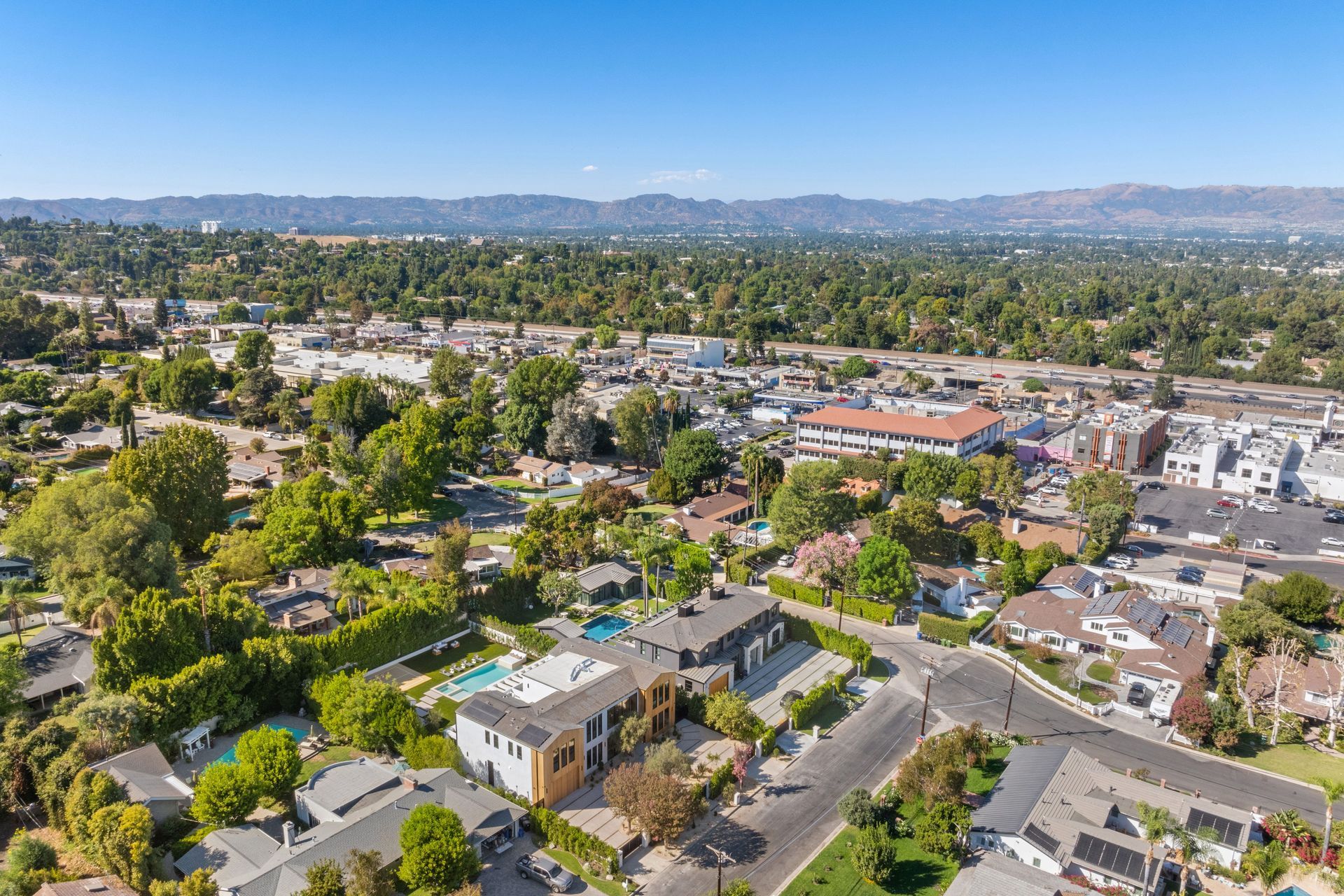
Home insurance helps protect your house, personal belongings, and liability risks. We explain coverage options clearly so you know what your policy includes.
Auto insurance provides protection for accidents, liability, and vehicle damage. We help you compare options so you can choose coverage that fits your driving needs.
Motorcycle insurance provides coverage for riders and their bikes. We help you select options that match how and where you ride.
RV insurance supports protection for motorhomes and recreational vehicles. Coverage applies during travel and while parked.
Coverage Built for Contractors and Trades
Support that keeps your work moving.

General Liability Insurance
General liability insurance helps protect contractors from injury and property damage claims. It supports jobsite requirements and contracts.

Workers Compensation
Workers compensation insurance helps protect employees injured while working. It also supports compliance with state requirements.

Commercial Auto Insurance
Commercial auto insurance provides coverage for work vehicles used on jobsites. It helps protect drivers and company vehicles.
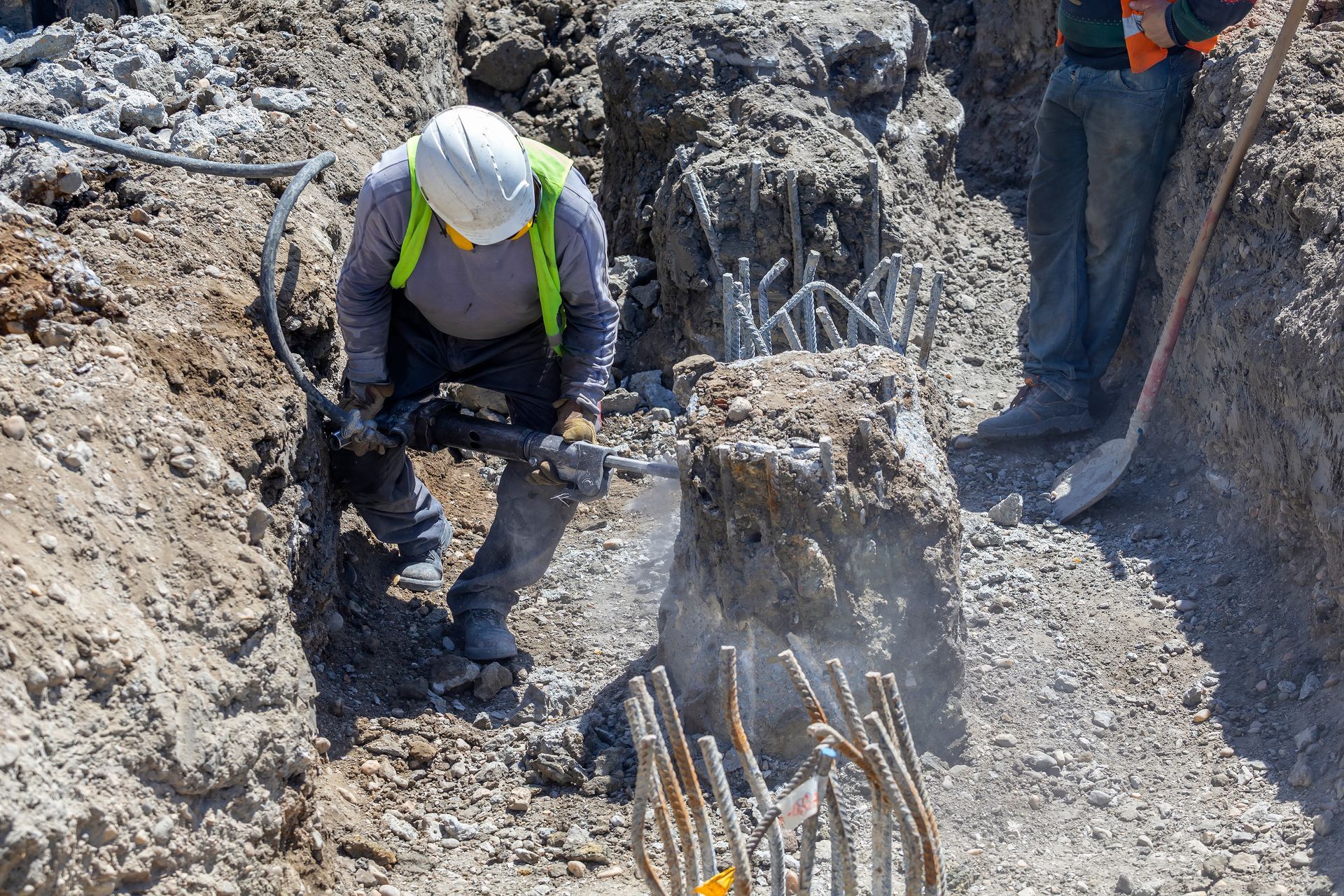
Contractor Insurance
Contractor insurance supports trades and service professionals across Southern California. It helps protect tools, equipment, and daily operations.

Cyber Liability Insurance
Cyber liability insurance helps protect business data and customer information. It supports recovery from digital incidents.

Commercial Property Insurance
Commercial property insurance helps protect offices, shops, and equipment. It supports recovery after covered damage.
Coverage Built for Specialized Work
Support for high-risk and service-driven industries.



Simple Steps Supported by Steady Guidance
A Clear Path to Coverage
Trusted by Clients Across Southern California
Clear service backed by real experiences.
Answers to Common Questions.
Clear explanations to guide your decisions.
How do I know which insurance policy is right for me?
We compare coverage options from multiple carriers to help you see differences in protection and price. You can review clear details and ask questions so you understand what each policy covers. Our team guides you step by step so you feel sure about your decision.
What factors affect my auto insurance premium?
Auto insurance premiums are influenced by your driving history, age, location, vehicle type, and coverage choices. A clean driving record and good safety features can help lower costs. We review these factors with you and help find coverage that fits your budget and needs.
Does homeowners insurance cover all types of damage?
Standard homeowners insurance protects your structure, personal belongings, liability, and additional living expenses in many cases. However, it usually does not include flood or earthquake damage without separate policies. We help you decide if extra coverage is right for your home and location.
Can I update my policy or get certificates online?
Yes. You can submit requests for policy changes and certificates through our online service form at any time. Our team processes those requests quickly and confirms updates once complete so you have the documents you need.
Do I need separate insurance for business risks like EPLI or E&O?
Yes. General liability and workers compensation cover many business risks but do not protect against all exposures. For example, Employment Practices Liability Insurance (EPLI) covers claims like wrongful termination or discrimination, and Errors & Omissions (E&O) covers claims based on mistakes in professional services. We help you identify which extra policies your business may need.
What happens if I need to file a claim?
If you need to file a claim, we guide you through the process and help you contact the insurance carrier. We explain what information you should provide, answer your questions, and stay available while the carrier reviews your claim. This support helps you move forward with confidence.
Contact Us