A recent spike in auto insurance premiums and rising concerns among drivers have made Ontario’s coverage landscape a major topic of discussion. Stories circulating about increasing premiums and auto theft have not gone unnoticed. With significant shifts in operating costs and a tightening regulatory framework, drivers across the province are keen to understand what factors are influencing their rates and how best to secure protective coverage.
Delving into the nuances of auto insurance-its pricing, coverage options, and regulatory changes-this guide provides insights that can help drivers navigate Ontario’s sometimes-confusing marketplace. Expert commentary and key statistics peppered throughout the analysis underscore the challenges insurers face as well as the potential benefits for policyholders. For example, recent industry reports highlight a notable premium increase that drivers are feeling at the pump
according to Insurance Business.
Understanding Premium Dynamics in Ontario
Ontario’s insurance market has seen its share of fluctuations, with premiums influenced by multiple factors. Some drivers have noticed that premiums have been on the rise, a trend supported by findings showing a 12% increase in average auto premiums in 2023 compared to 2021 Insurance Business.
Key contributors to this change include not only the return to busy roadways as pandemic restrictions eased but also higher operating expenses faced by insurers. Rising costs have forced companies to adjust their premiums accordingly. The adjustments are part of a complex interplay between increased claim payouts and a transformation in driving trends. As drivers settle back into pre-pandemic routines, the statistical evidence shows that demand patterns have been altered significantly.
This section provides an overview of how different elements combine to influence premium costs and helps decipher the rationale behind the recent trend. With auto thefts and fraudulent claims adding pressure on insurers, understanding these dynamics is essential for every Ontario driver.


By: Elijah Elias
Personal Insurance Agent at Caruso Insurance Services
Key Challenges Facing Ontario Insurers
The insurance industry in Ontario is continuously evolving to adapt to new challenges. One notable factor is the increasing number of auto theft incidents. A study by Statistics Canada has indicated that theft-related losses in the province have surged, with losses exceeding substantial thresholds Statistics Canada. With rising theft figures, insurance companies have had to adjust their risk models, which in turn reflect in the premiums determined for each policyholder.
In addition to theft, fraudulent insurance claims represent another significant concern. To curb this trend, the Financial Services Regulatory Authority of Ontario (FSRA) has introduced strict measures requiring insurers to document and report on auto insurance fraud Insurance Institute. While these moves aim to stabilize costs and could potentially lead to more affordable premiums in the long run, the interim impact has been felt by many Ontario drivers.
Beyond theft and fraud, other factors such as increased claims ratios are at the heart of premium hikes. Current figures indicate a comprehensive claims ratio of 190%, which suggests that insurers are paying out drastically more than what they collect in premiums
Statistics Canada. This imbalance continues to drive the need for insurance companies to make difficult adjustments.
Regulatory Impact on the Insurance Landscape
Government Initiatives and Enhanced Oversight
The Ontario government has been proactive in addressing auto insurance challenges. One notable measure includes the allocation of additional funds to police services, aimed at preventing auto theft and subsequently stabilizing claim costs. With an additional $18 million allocated to law enforcement, this initiative supplements previous funds designated to bolster anti-theft efforts Insurance Business.
Such targeted investments not only help reduce the incidence of auto theft but also act as a measure to indirectly control premium hikes over time. While there is a lag between investment and its reflected impact, drivers can be reassured that measures are in place to curb fraudulent activity and limit losses.
Enhanced regulatory oversight reinforces a balanced insurance system. Preventing fraud and minimizing losses means that risk pools can be better managed, leading potentially to greater stability in premium rates and ultimately a healthier insurance market.
Industry Insights: A Perspective on Limited Market Competitiveness
The tightly regulated nature of Ontario's insurance market has raised concerns over limited competitiveness. Some experts point out that unlike provinces where public insurers can share risk among all drivers, Ontario’s system may not offer as much flexibility. Finance veteran David Marshall has described it as a less competitive landscape where traditional insurance companies operate under significant constraints iSure.
This perspective suggests that less market diversity could limit innovative pricing strategies, possibly contributing to sustained premium hikes. Nonetheless, consumer satisfaction remains relatively high in the region, with overall satisfaction hovering at 82% and trust in insurers at 76% Insurance Business. This balance of consumer approval amidst systemic constraints provides an interesting duality in Ontario's insurance environment.
While regulatory measures might limit rapid innovation, they simultaneously ensure that policyholders benefit from protective oversight. Drivers looking for reliable coverage may find that the established rules work to their advantage, even if they feel the impact of higher premiums.

Adjusting to Higher Premium Trends
What the Rising 12% Premium Increase Really Means
Recent data has shown that Ontario’s average auto insurance premium increased by 12% from 2021 to 2023 Insurance Business. For many policyholders, this marks a significant increase over a short period. This rise is reflective of multiple internal pressures, including increased claims payouts and the realignment of risk models after the pandemic.
Such an upward shift underscores the importance of familiarizing oneself with coverage specifics and premium structures. It also points to the value of risk management strategies. By understanding the factors behind premium increases, drivers may be better prepared to shop for competitive rates and negotiate coverage that aligns with their unique driving habits and risk profiles.
The phenomenon is not just a result of isolated events but is indicative of broader trends where insurers are forced to balance operational costs with sustainable risk management. For Ontario drivers, being proactive and well-informed is the first step in managing these financial challenges effectively.
Impact on Different Demographics and Drivers
Although the overall premium figure has increased across the board, the impact is not evenly distributed among all drivers. Factors such as driving history, vehicle type, and driving habits can lead to significantly different experiences when it comes to premium pricing. For example, younger drivers or those with a limited driving record may face a steeper increase compared to more seasoned drivers.
Insurers rely on comprehensive data to gauge risk. As such, individual circumstances, including the number of claims a driver might have made or the likelihood of encountering severe weather conditions, can impact auto insurance rates. Additionally, regional differences exist, with urban areas typically witnessing higher rates due to increased claims frequency and auto theft incidents.
For drivers who believe their rates feel punitive, this section underscores the importance of discussing individual circumstances with their insurer. It also opens up the topic of whether comparing different coverage options could lead to better financial planning and improved policy terms in the long term.
Coverage Essentials and Policy Considerations
Even with fluctuating premiums, the foundation of auto insurance remains robust coverage that protects against a range of potential risks. Essential components of any good auto policy include liability protection, collision and comprehensive coverage, and additional benefits tailored to specific driver needs.
Liability protection ensures that drivers are covered in case of injury or property damage inflicted on others. Meanwhile, collision coverage takes care of damages to your own vehicle following an accident, and comprehensive coverage addresses non-collision-related incidents such as theft or vandalism. Understanding these nuances empowers drivers to make informed decisions when selecting policy add-ons or adjustments.
With many consumers reporting overall satisfaction at 82% and citing trust as a key metric at 76% Insurance Business, ensuring that coverage fits individual needs remains a critical part of the decision-making process.
Optional Coverages and Tailored Policies
Optional coverages can provide additional security across various scenarios. For instance, road assistance programs, new car replacement plans, or coverage for custom parts and equipment can offer peace of mind. While these extras come at a premium, they are valuable for drivers whose needs extend beyond the basic policy requirements.
Insurance companies often bundle these options into a comprehensive package to create a more appealing proposition for their clients. Such packages can be especially beneficial in a tightly regulated market like Ontario, where customizing a policy might mean the difference between a standard coverage plan and one that offers enhanced protection against unexpected risks.
When reviewing an insurance policy, drivers should consider if the additional protections align with their lifestyle. A tailored policy can ultimately save money in the long term by minimizing out-of-pocket expenses during unforeseen events.
Comparison Table: Standard vs. Tailored Coverage Options
The following table provides an overview of what standard and tailored auto insurance policies typically provide. This side-by-side comparison highlights the differences in coverage details and can serve as a starting point for drivers evaluating their options.
| Coverage Feature | Standard Coverage | Tailored Coverage |
|---|---|---|
| Liability Protection | Meets minimum legal requirements | Enhanced limits and additional bodily injury protection |
| Collision Coverage | Covers accident-related damage | May include new car replacement benefits |
| Comprehensive Coverage | Covers non-collision risks such as theft and vandalism | Broader protection, including custom parts and equipment |
| Additional Benefits | Roadside assistance options | Customizable add-ons including rental reimbursement and emergency services |
This comparison emphasizes that while a standard policy meets basic requirements, tailored packages are designed to offer greater flexibility and enhanced protection. For many Ontario drivers, investing in extra coverage may be a wise strategy to contend with the rising claims ratio and premium adjustments.
How to Navigate Ontario’s Insurance Marketplace
Navigating a complex market like Ontario’s requires an informed approach and a proactive attitude. With regulatory changes and evolving claim trends, being well-prepared can make a real difference in finding competitive insurance rates.
Shopping around remains essential. Drivers are encouraged to compare multiple policies and assess both premium costs and policy details. Given the tight regulation on insurers and the specific constraints of the market, price is one element, but comprehensive service and coverage remain just as important.
For those concerned with the impact of rising fraud and theft rates, careful documentation and a review of coverage terms are prudent steps. Being informed is the cornerstone of effective risk management in today’s dynamic insurance environment.
Tips for Comparing Policies
A few practical tips can help when it comes time to review policy offers. First, pay attention to the claims ratio, which offers insight into how often insurers are paying out relative to collected premiums. This ratio gives a glimpse into the financial stability of an insurer. Additionally, consider speaking with an independent insurance advisor who can help interpret policy fine prints and clarify any questions you may have.
Another important element is understanding how various coverages work together. Bundling optional coverages with the basic package might raise your upfront cost but could ultimately yield savings in situations where extra protection is needed. This strategy may help mitigate risks inherent to Ontario’s current premium trend environment.
Drivers who practice due diligence and prioritize tailored advice are more likely to secure a policy that not only fits their budget but also covers unforeseen circumstances comprehensively.
Impact of Fraud and Theft on Insurance Costs
Fraudulent claims and auto theft play a pivotal role in shaping premium structures. The unfortunate reality is that when fraudulent claims spike, the resulting financial strain forces insurers to adjust their pricing across the board. This connection is evident in the increased 190% comprehensive claims ratio Statistics Canada which shows that insurers are paying nearly twice the amount collected in premiums for comprehensive claims.
When insurable events occur at alarming rates, particularly in the case of auto theft, insurers have no choice but to pass on some of those losses to policyholders. An increase in claimed amounts, coupled with attempts by the Financial Services Regulatory Authority of Ontario to clamp down on fraud, creates an environment where costs are incrementally pushed upward.
Measures such as the new regulatory rules have been designed to collect better data on fraudulent activities. In the long run, this initiative might stabilize the market and pave the way for more balanced premiums for genuine claims. However, in the short term, the financial impact remains a challenge for both insurers and drivers in Ontario.
Preventive Measures and Best Practices
Mitigating the risk of fraud and theft begins with adopting safe driving habits and employing good vehicle security practices. Parking in well-lit, secure areas and investing in anti-theft devices can prove beneficial in reducing risks associated with theft. In addition, regularly reviewing your policy and documenting your coverage details can help ensure that fraudulent claims are less likely to disrupt your premium.
Insurance companies are not without their own countermeasures. By monitoring claims and using advanced data analytics, insurers strive to identify and mitigate fraudulent practices before they escalate. For drivers, these preventive measures serve as an additional layer of reassurance that insurers are working to keep overall costs manageable.
Understanding how personal actions can impact insurance performance is empowering. Preventive habits, in combination with regulatory safeguards, help maintain a balance between affordable coverage for drivers and the financial sustainability of insurers.
Consumer Advice: Evaluating and Securing the Best Coverage
Securing the right auto insurance policy in Ontario involves more than just comparing quotes. It requires a careful look at policy language, coverage scope, and even the reputation of the insurer. With consumer trust inching at 76% and satisfaction levels reported at 82% Insurance Business, even amidst premium hikes, it is clear that many policyholders remain content with their coverage choices.
To truly understand what a policy offers, reviewing the fine print is critical. Look for any exclusions that may limit claims in certain situations and check whether additional endorsements are available to cover unique risks-even if this means a higher premium initially. In many cases, a policy that costs a little more may provide broader protection in the event of an accident or theft.
Talk to multiple insurers and use available online tools to gather a range of quotes. This comparative approach not only provides insight into pricing dynamics but also highlights differences in the extents of coverage and service quality. With a clear understanding of one’s own driving needs, negotiating terms becomes far more manageable.
How to Avoid Common Pitfalls
Many drivers fall into the trap of assuming that the cheapest available policy is the best option. However, cost savings on premium can sometimes lead to gaps in coverage when unexpected events occur. Another common pitfall is skipping periodic policy reviews. As your circumstances change, so too should your policy terms. Small adjustments, such as adding optional coverages or increasing deductibles, may offer improved value for money without significantly denting the monthly premium cost.
Drivers in Ontario would do well to maintain an updated record of all policy terms and claims history. Such documentation can be vital when negotiating renewals or when disputing claims that may arise. Balancing cost with comprehensive coverage ultimately results in a more secure driving experience.
Staying informed and taking proactive measures to avoid pitfalls can ensure that even in challenging market conditions, drivers have tailored policies that truly match their needs.
Frequently Asked Questions
This section addresses some recurring questions insurance consumers have about auto coverage in Ontario. The Q&A format provides quick, clear answers that may help in making well-informed choices.
Q: Why have auto insurance premiums in Ontario increased recently?
A: Premiums have risen in part due to increased claim payouts, higher fraud and theft incidents, and insurers adjusting to higher operating costs. For instance, recent data shows an increase of 12% between 2021 and 2023 Insurance Business.
Q: How does auto theft affect my insurance premium?
A: A higher rate of auto theft increases claim amounts for insurers. In turn, this pressure often results in adjustments to premiums to cover these increased costs Statistics Canada.
Q: What are the benefits of public insurers compared to private ones?
A: Public insurers typically spread risk more broadly, which can lead to lower overall premiums. Ontario’s system, being tightly regulated, may limit such flexibility, though overall consumer satisfaction remains high iSure.
Q: How do regulatory measures help in reducing fraud?
A: Regulations like mandatory fraud reporting help insurers monitor suspicious claims and develop better risk management strategies. These steps aim to stabilize premiums over time, even if their short-term impact appears as an increase in rates.
Q: What should I look for when comparing insurance policies?
A: It is important to consider coverage details, optional add-ons, customer reviews, and claims history. Make sure to examine policy exclusions and potential benefits to ensure you are getting a fit-for-purpose plan.
Q: Can I lower my premium by modifying my coverage?
A: Adjusting deductibles, removing unnecessary coverage, and bundling optional coverages can sometimes help reduce premiums. However, always ensure that these changes do not leave you financially vulnerable in the event of an incident.
What the Future Holds for Ontario Auto Insurance
Looking forward, the landscape of auto insurance in Ontario is likely to continue evolving. Factors such as technological advancements in vehicles, the growth of telematics, and an increased emphasis on data-driven underwriting are all set to influence market trends moving forward.
Improvements in fraud detection and investments in anti-theft measures, such as the additional funding for police services, are examples of how the regulatory framework is adapting to current challenges Insurance Business. These initiatives could slowly reverse current trends in premium growth, offering potential relief to drivers while ensuring insurers can maintain robust risk pools.
Innovation in coverage models may eventually lead to more tailored and cost-efficient policies. With the integration of telematics, for example, insurers are better able to measure driving behavior, potentially leading to lower premiums for safer drivers.
Balancing Innovation with Traditional Approaches
As technology reshapes risk assessment, insurers may offer more personalized pricing based on real-time driving data. However, traditional screening methods and comprehensive coverage clauses will remain essential. This hybrid model is meant to balance innovative approaches with longstanding practices that have ensured coverage reliability for decades.
Ontario drivers can expect gradual changes that combine both methods. While innovation promises cost savings for some, the transition is likely to be careful and measured given the province's complex regulatory framework.
Innovation drives the industry forward, but ensuring fairness and comprehensive coverage remains a priority for regulators and insurers alike.
Before You Go
Ontario’s auto insurance market continues to present both opportunities and challenges. With premium increases influenced by multiple factors-from the rise in auto theft to robust regulatory interventions-drivers must stay informed to secure policies that deliver both coverage and value.
Regularly reviewing individual risk profiles, exploring all optional coverages, and remaining aware of evolving industry trends are among the best practices recommended for navigating these changes. While higher premiums may seem daunting, they are also a reflection of the ongoing efforts to balance risk and maintain system stability across the board.
Whether adapting to new regulatory changes or exploring innovative coverage options, drivers who are proactive in managing their insurance needs will be better positioned to navigate the future of auto insurance in Ontario Insurance Business.
ABOUT THE AUTHOR:
ELIJAH ELIAS
Elijah Elias supports clients with insurance service needs and policy assistance. He works closely with clients to explain coverage details clearly and guide them through service requests that support their policies.
Elijah believes clear communication and reliability are important to quality service. He stays involved throughout the service process, from documentation to updates, and focuses on providing steady client support.
Contact Us

Service that stays with you.
Our team helps simplify insurance decisions for families and businesses. We focus on clear explanations, fast responses, and dependable service. You can count on us for help with coverage questions, updates, and long-term support.
Coverage that keeps you secure
Reliable Protection for Everyday Life
Home insurance helps protect your house, personal belongings, and liability risks. We explain coverage options clearly so you know what your policy includes.
Auto insurance provides protection for accidents, liability, and vehicle damage. We help you compare options so you can choose coverage that fits your driving needs.
Motorcycle insurance provides coverage for riders and their bikes. We help you select options that match how and where you ride.
RV insurance supports protection for motorhomes and recreational vehicles. Coverage applies during travel and while parked.
Coverage Built for Contractors and Trades
Support that keeps your work moving.

General Liability Insurance
General liability insurance helps protect contractors from injury and property damage claims. It supports jobsite requirements and contracts.

Workers Compensation
Workers compensation insurance helps protect employees injured while working. It also supports compliance with state requirements.

Commercial Auto Insurance
Commercial auto insurance provides coverage for work vehicles used on jobsites. It helps protect drivers and company vehicles.
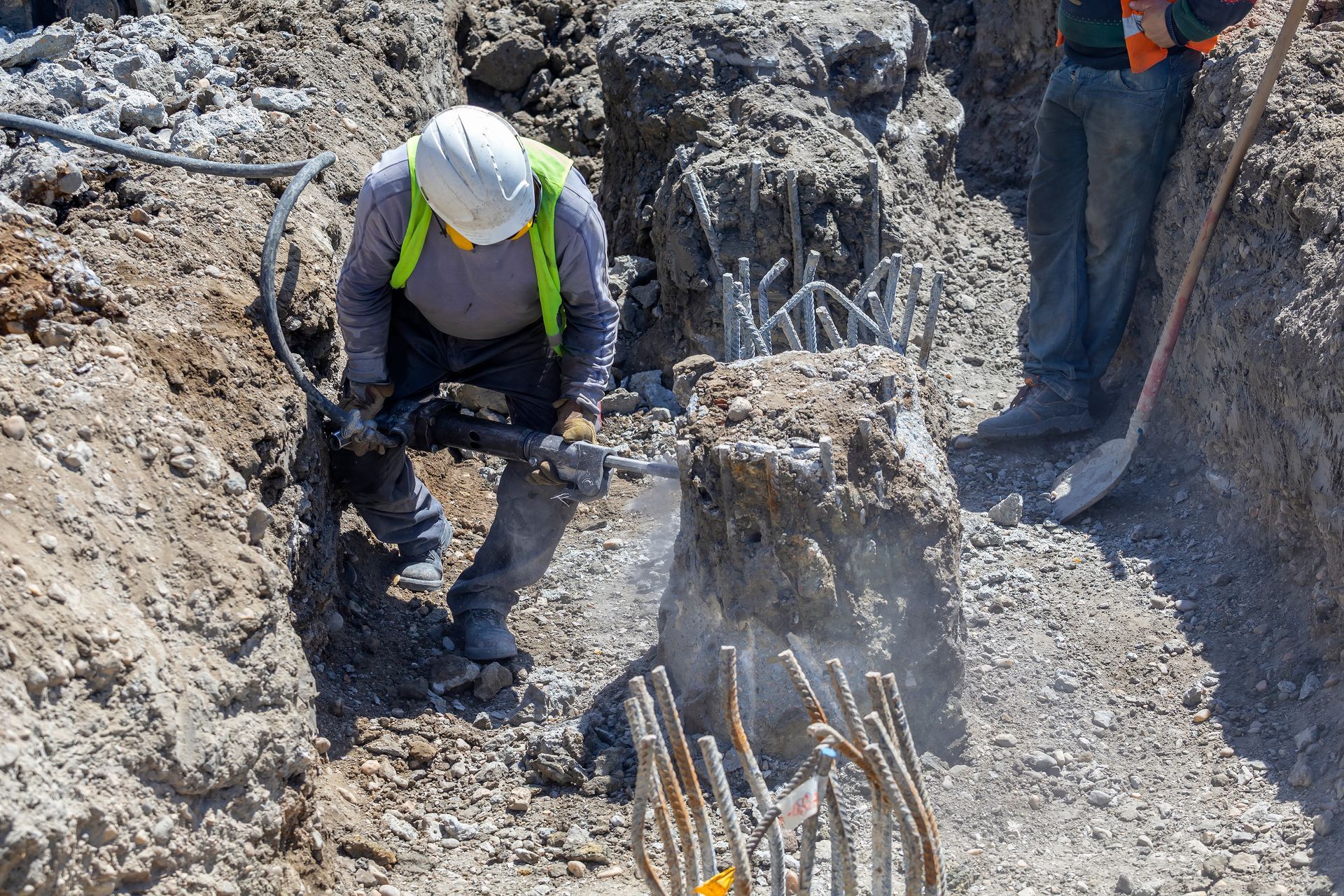
Contractor Insurance
Contractor insurance supports trades and service professionals across Southern California. It helps protect tools, equipment, and daily operations.

Cyber Liability Insurance
Cyber liability insurance helps protect business data and customer information. It supports recovery from digital incidents.

Commercial Property Insurance
Commercial property insurance helps protect offices, shops, and equipment. It supports recovery after covered damage.
Coverage Built for Specialized Work
Support for high-risk and service-driven industries.



Simple Steps Supported by Steady Guidance
A Clear Path to Coverage
Trusted by Clients Across Southern California
Clear service backed by real experiences.
Answers to Common Questions.
Clear explanations to guide your decisions.
How do I know which insurance policy is right for me?
We compare coverage options from multiple carriers to help you see differences in protection and price. You can review clear details and ask questions so you understand what each policy covers. Our team guides you step by step so you feel sure about your decision.
What factors affect my auto insurance premium?
Auto insurance premiums are influenced by your driving history, age, location, vehicle type, and coverage choices. A clean driving record and good safety features can help lower costs. We review these factors with you and help find coverage that fits your budget and needs.
Does homeowners insurance cover all types of damage?
Standard homeowners insurance protects your structure, personal belongings, liability, and additional living expenses in many cases. However, it usually does not include flood or earthquake damage without separate policies. We help you decide if extra coverage is right for your home and location.
Can I update my policy or get certificates online?
Yes. You can submit requests for policy changes and certificates through our online service form at any time. Our team processes those requests quickly and confirms updates once complete so you have the documents you need.
Do I need separate insurance for business risks like EPLI or E&O?
Yes. General liability and workers compensation cover many business risks but do not protect against all exposures. For example, Employment Practices Liability Insurance (EPLI) covers claims like wrongful termination or discrimination, and Errors & Omissions (E&O) covers claims based on mistakes in professional services. We help you identify which extra policies your business may need.
What happens if I need to file a claim?
If you need to file a claim, we guide you through the process and help you contact the insurance carrier. We explain what information you should provide, answer your questions, and stay available while the carrier reviews your claim. This support helps you move forward with confidence.
Contact Us