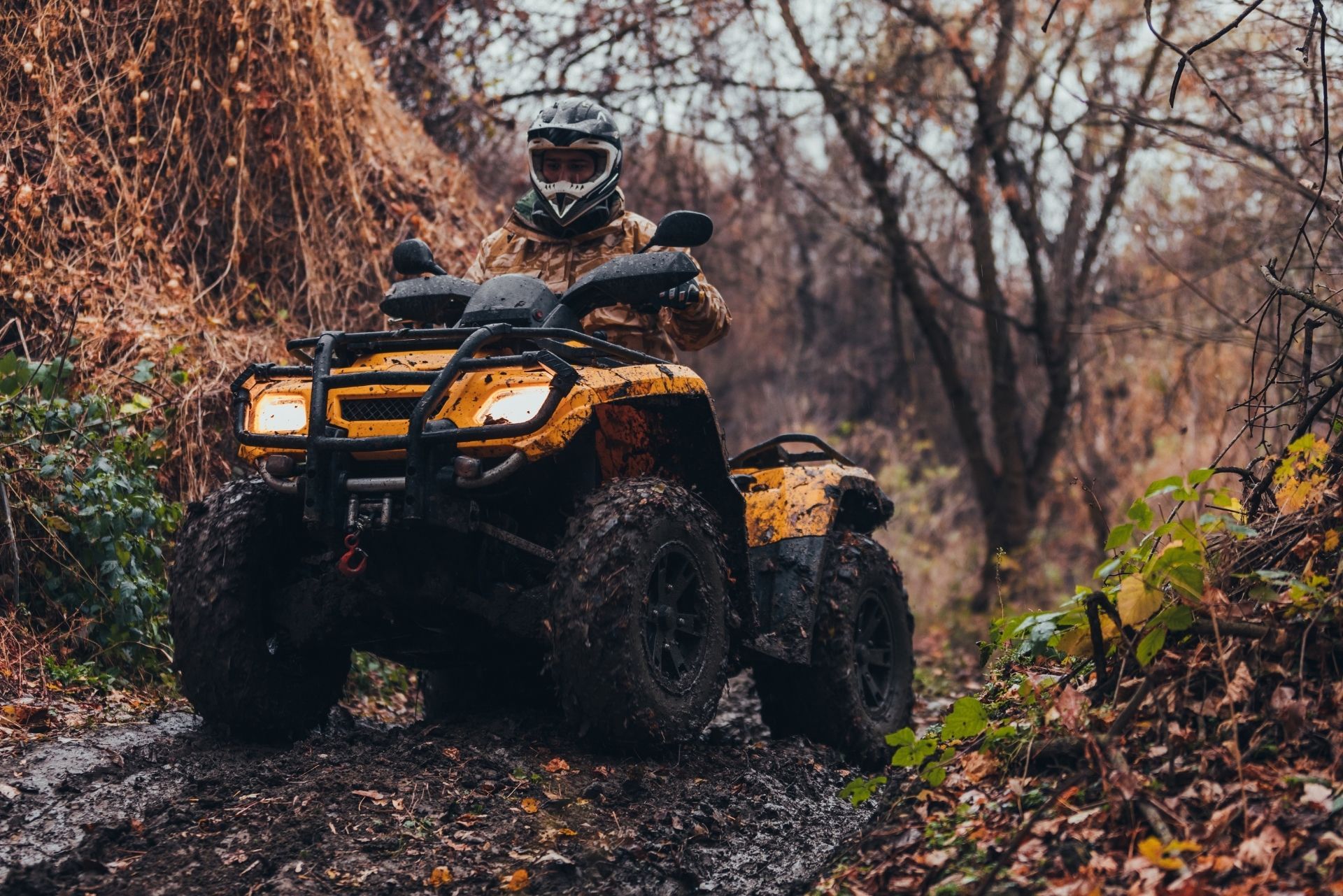
Riding an ATV in California offers an adventure that comes with distinct challenges and risks, especially when navigating the busy roadways and rough off-road terrains. As an ATV owner, understanding how insurance plays a role in protecting your investment and ensuring compliance with state requirements is crucial. This guide offers concrete insights into California ATV insurance, explores essential coverage options, and provides safety tips backed by reliable statistics and studies such as those available from the California Department of Insurance.
The rider’s experience combines thrill with responsibility, meaning that insurance is not just a regulatory checkbox-it can be a financial lifesaver amid accidents and unforeseen events. With the significant presence of ATV-related claims and incidents, making informed decisions about insurance also means understanding the unique risks that ATV owners face in California.
This guide dives into key factors including coverage types, accident trends, and the legal landscape so that ATV enthusiasts can ride safely while ensuring they have the necessary protection.
Understanding the Risks: Why ATV Insurance is Essential
Accidents involving ATVs can result in severe consequences. Statistical evidence indicates that California ranked second in ATV accident deaths from 1982 through 2015, with a total of 703 fatalities (Consumer Product Safety Commission). These figures highlight the inherent risks in ATV riding, making insurance a must-have safety net.
ATV accidents in this state are marked not only by high fatality numbers but also by a variety of incidents ranging from rollover incidents to single-vehicle accidents. In recent data, it was noted that in 2023, around 73.8% of ATV fatalities occurred on roadways with 66.3% of these being single-vehicle incidents (Consumer Product Safety Commission). Such statistics underscore the potentially severe financial and physical consequences for ATV riders.
Accident scenarios also vary over different terrains. For instance, data reveals that 64.2% of ATV single-vehicle fatalities in 2023 involved a rollover, while incidents occurred both on-road (41.5%) and off-road (22.6%). Whether the occupant was pinned or the ATV struck the rider in these accidents, the risks are significant enough to necessitate robust insurance coverage.


By: Sofia Alexander
Personal Insurance Agent at Caruso Insurance Services
Types of Coverage Available for ATV Owners
When shopping for ATV insurance in California, it is important to understand the various types of coverage that can mitigate financial risks. ATV policies typically fall under two broad categories: liability and comprehensive policies.
Liability coverage is essential. In case your ATV injures a third party or causes property damage, this coverage defends you against costly lawsuits and claims. Given that single-vehicle accidents account for a considerable share of fatality statistics-68% of ATV riders were killed in such accidents as compared to 38% of motorcyclists (Insurance Institute for Highway Safety)-having a reliable liability policy is non-negotiable.
Comprehensive coverage, on the other hand, takes care of damages to your own ATV. This policy may fuel repairs after accidents or cover incidents involving theft, vandalism, or even natural disasters. With production and manufacturing sectors such as the ATV, Golf Cart, and Snowmobile Manufacturing industry in California expected to reach $170.2 million by 2025 (IBISWorld), ensuring that the investment you put into your ATV is safeguarded is essential.
How California’s ATV Insurance Landscape Compares to Other Vehicles
When examining risk profiles, ATV incidents display distinct patterns as compared with other vehicles. For example, while 68% of ATV riders were killed in single-vehicle accidents in a recent study, motorcyclists and passenger car occupants recorded lower percentages of 38% and 44%, respectively (Insurance Institute for Highway Safety). This substantial difference emphasizes that ATV drivers confront a higher risk level when riding solo.
The complexity increases further when considering rollovers. In 2023, 38% of ATV fatalities involving a rollover led to the occupant being pinned or struck by the vehicle. In contrast, 35.3% did not involve a pinning or striking scenario. These nuanced details are critical when crafting a policy that covers specific risks incurred by ATV owners.
Vehicle comparisons such as these point toward the need for specialized ATV insurance policies that account for California’s unique riding environments and road conditions. Understanding these distinctions is vital for anyone looking to invest in safety and secure a policy that matches their riding habits.
Steps to Choosing the Right ATV Insurance Policy
Assess Your Riding Habits and Usage
Before selecting an insurance policy, ATV owners must evaluate how and where they use their vehicle. Are most rides on paved roads or do they involve rugged off-road exploration? For example, if rides happen mainly on roadways, then the fact that 73.8% of ATV fatalities occurred on such surfaces is a persuasive statistic (Consumer Product Safety Commission) becomes highly relevant in your policy selection process.
This self-assessment will inform which types of coverage are most applicable. Riders who frequently switch from off-road to on-road will need policies that offer flexibility for varying environments. Such nuanced coverage is essential since insurance companies often have different premiums for varying usage patterns.
The various risk factors, including the high incidence of single-vehicle accidents and complex rollover statistics, point to why buyers should be prepared to discuss their riding habits in detail with their insurer.
Compare Coverage Details and Extras
While basic liability and comprehensive coverage are core to any ATV policy, other extras can fine-tune your protection. Consider optional coverage such as collision, medical payments, and roadside assistance. Reviewing policy extras tends to reveal subtle differences in how claims are processed and paid out. It is also advisable to ask about deductibles, limits, and any instance-based discounts.
Purchasing a policy that includes extra coverage may increase premiums slightly, but could ultimately save money if an accident occurs. The additional safety net is particularly valuable when reviewing statistics indicating that significant damage and injury often arise from rollover events, which occur in more than 64% of ATV single-vehicle fatalities (Consumer Product Safety Commission).
Do not overlook the benefits of added services like rental coverage while your ATV is repaired. These services can be crucial if your ATV is your primary mode of transportation to work or recreational activities.
Cost Factors Influencing ATV Insurance in California
When evaluating insurance costs, several variables affect premium rates. Age, riding experience, location, and even the type of ATV that is insured can all influence cost. For example, ATV insurance policies in areas with heavy roadway usage might carry higher premiums because of the increased risk, as evidenced by the 66.3% occurrence of single-vehicle crashes (Consumer Product Safety Commission).
Other considerations include whether your ATV is equipped with safety modifications and the manufacturer’s track record for safety. Insurers also take setbacks and any previous claims related to ATV incidents into account. Riders with a pristine driving record and a focus on safe riding habits might find themselves eligible for better rates.
Ultimately, it is wise to shop around and request multiple quotes from reputable insurers. This not only provides pricing comparisons but also highlights differences in customer service, claim response times, and policy flexibility in high-risk environments such as those found on California roadways.
Safety Tips and Preventative Measures for ATV Riders
Reducing risks associated with ATV riding is the first step in ensuring a safer ride and potentially lowering your insurance premiums. Adhering to best practices in riding, regular maintenance, and safety gear use directly influences accident statistics. For instance, a significant number of ATV fatalities occur during single-vehicle crashes (Consumer Product Safety Commission).
Wear helmets and appropriate protective gear at all times. Make sure that your ATV is regularly serviced according to manufacturer recommendations. If riding on mixed terrain-both on-road and off-road-adopt a conservative speed and increased caution, particularly in areas with steep inclines or uneven ground.
Training and certification courses can prove invaluable for both beginners and experienced riders alike. Many insurers offer discounts for riders who participate in safety training, as these courses have the potential to reduce accident risks and consequently, insurance claims.
Legal Considerations and Insurance Compliance in California
California does not impose mandatory ATV insurance; however, having a policy can be essential in safeguarding against lawsuits or claims following an accident. If an incident occurs that escalates into litigation, liability coverage can help manage legal fees and settlement costs.
State law does govern how ATVs must be operated in certain areas. Adhering to these regulations not only ensures safety but also minimizes liability risks. For example, riding on designated roads that permit ATV use might differ from riding off-road on private property. Familiarity with these rules allows riders to avoid both legal and insurance complications.
When selecting an insurance provider, ask detailed questions about claim handling and any legal guidance available in the event of an accident. Insurance policies that provide legal support or assistance can play a crucial role in minimizing both financial and legal risks if an accident results in a lawsuit.
Understanding and Managing Insurance Claims
The process of filing an ATV insurance claim in California generally follows a standard procedure, but awareness of precise steps can smooth the process. When an incident occurs, immediately collate all relevant documentation, including police reports, photographs, and medical bills.
Timely reporting to your insurer is imperative. Most insurance policies require that claims be reported within a certain timeframe, often within 24 to 48 hours of the incident. Due to the unique nature of ATV incidents-where rollover statistics highlight that more than 64% of single-vehicle fatalities involve a rollover (Consumer Product Safety Commission)-documenting the scene accurately is vital.
Insurance claims for ATV incidents can be complex due to the mix of on-road and off-road factors, especially when it comes to liability. Clear evidence and meticulous record-keeping can simplify the claims process and lead to quicker settlements. Riders should be proactive in keeping maintenance logs and evidence of any modifications or improvements to their ATV as this documentation can be invaluable during claim disputes.
Chart: Comparing Key Coverage Options for ATV Insurance
The following table provides a side-by-side comparison of essential features that ATV insurance policies typically cover. This can aid in decision-making when evaluating policy options:
| Coverage Type | Liability | Comprehensive | Collision | Optional Extras |
|---|---|---|---|---|
| Description | Covers third-party bodily injury and property damage | Covers theft, vandalism, natural disasters, and non-collision damage | Covers damages from collisions, including single-vehicle and rollover accidents | Includes roadside assistance, rental reimbursement, and legal defense |
| Claim Examples Damage | Accidents on public roadways | Theft of ATV or damage from severe weather | Rollover events or collisions at intersections | Temporary vehicle replacement and legal guidance during litigation |
This table simplifies the distinctions between different coverages, ensuring that riders understand the value proposition behind each policy element. As noted earlier, with extensive single-vehicle accident risks specifically tied to ATV use, knowing which coverages become critical in certain situations is key.
How to Secure the Best Policy for Your Needs
Securing the best insurance policy for your ATV involves diligent research, comparison of multiple offers, and careful consideration of your unique riding profile. Riders who understand their usage patterns-be it on rugged trails or busy California roadways-will be better positioned to negotiate favorable terms with insurers.
When gathering quotes, request detailed breakdowns of each coverage component, and inquire about discounts for safety equipment, training, or even bundling with other types of vehicle insurance. Ensure you ask how rollover incidents, which account for substantial percentages of fatalities and claims as outlined by the Consumer Product Safety Commission, are handled by the policy.
Broker assistance can also be beneficial in a complex marketplace. An experienced broker can clarify policy language and align coverage options to specific needs, while ensuring that no critical details-especially those related to ATV accident risks-are overlooked.
Insurance Trends and Future Insights
Trends in ATV insurance continue to evolve as manufacturers introduce newer models with better safety features and states impose stricter guidelines. Recent data shows that insurance companies spent approximately $3.1 billion with California diverse businesses in 2021 (California Department of Insurance), a figure that underlines the robust market dynamics at play.
These trends are not only indicative of the market but also of the evolving risk landscape. For instance, rising production figures in the ATV, Golf Cart, and Snowmobile Manufacturing industry-projected to hit $170.2 million by 2025-signal that consumer demand is strong, and corresponding rider risks are also evolving (IBISWorld). Insurers are increasingly adapting by offering more customized policies that consider factors like improved safety gear and the distinct risks of on-road versus off-road usage.
What does this mean for riders? Staying informed about both the technology and insurance policy trends will equip ATV owners to embrace new models while ensuring that their insurance keeps pace with their changing needs. This is particularly significant in California, where a large percentage of ATV fatalities and accident patterns drive insurance underwriting practices.
Frequently Asked Questions About California ATV Insurance
Q: Do I need a separate insurance policy for my ATV in California?
While California does not require a separate ATV insurance policy by law, having one is critical. It covers liability and helps you recover financially if an accident or theft occurs.
Q: What types of coverage should ATV owners consider?
Essential coverage includes liability for third-party damage, comprehensive for non-collision damage, and collision for accidents, including rollovers. Additional options like roadside assistance may be valuable.
Q: How do usage patterns affect my insurance premium?
Usage patterns such as riding on public roads versus rugged off-road environments can significantly affect premiums. Frequent roadway usage is generally seen as riskier due to higher fatality statistics, which drives insurance rates.
Q: Are there discounts or programs to lower the cost of ATV insurance?
Some insurers offer discounts for safety courses, bundling policies, or even for owning safety gear. It is recommended to ask your insurer about any ongoing discount programs.
Q: How should I document an incident for my claim?
Ensure you gather all relevant evidence such as photographs, maintenance logs, and incident reports. Quick and detailed documentation can help expedite the claims process.
Q: What role does regular maintenance play in insurance?
Regular maintenance not only extends the ATV’s lifespan but also strengthens your position during a claim, as it shows that you are taking proactive steps toward preventing accidents.
Looking Ahead: Staying Protected and Informed
As the ATV market grows and insurance products become more refined, staying informed is key. Ongoing changes in both manufacturing and riding trends mean that every ATV owner must periodically review their insurance requirements and potentially update their coverage to align with emerging risks.
California’s distinct mix of urban and off-road territories creates a unique scenario that demands tailored insurance coverage. Regularly checking industry trends and safety statistics-like the striking fact that 73.8% of ATV fatalities occurred on roadways in recent studies-can inform better decisions when selecting policy features (Consumer Product Safety Commission).
Remaining proactive and informed not only protects your investment but also contributes to a safer riding environment in California. Whether you are an experienced rider or a newcomer to the world of ATVs, the availability of specialized insurance products is a welcome development in an increasingly complex risk landscape.
Before You Go
California ATV insurance is more than a policy-it is an essential component of safe riding and responsible vehicle ownership. This guide has explored the key risks, coverage options, claim processes, and emerging trends across the state. By taking these insights into account, ATV owners are better positioned to select the right insurance and navigate California’s diverse routes confidently.
As the insurance market continues to evolve, experts recommend that riders re-assess their policy periodically. Safety remains paramount, and proactive measures, such as safety training and comprehensive policy checks, can make all the difference in critical moments.
For those seeking further clarity or more personalized advice, consulting with a trusted insurance professional can help fine-tune coverage options to your present needs and future ambitions. Keeping pace with emerging industry data-you might note that insurance companies spent over $3.1 billion on diverse businesses in California in 2021-can also provide valuable market insights (California Department of Insurance).

ABOUT THE AUTHOR:
SOFIA ALEXANDER
Hello, my name is Sofia Alexander. I’ve been in the insurance business for 15+ years and still going strong. I’ve learned that the key to a successful agent/client relationship is helping, listening, and creatively solving problems. Being a wife and mother has made me better at my job. I’m more strategic and thoughtful. That being said, “How may a help you today?”
Contact Us

Service that stays with you.
Our team helps simplify insurance decisions for families and businesses. We focus on clear explanations, fast responses, and dependable service. You can count on us for help with coverage questions, updates, and long-term support.
Coverage that keeps you secure
Reliable Protection for Everyday Life
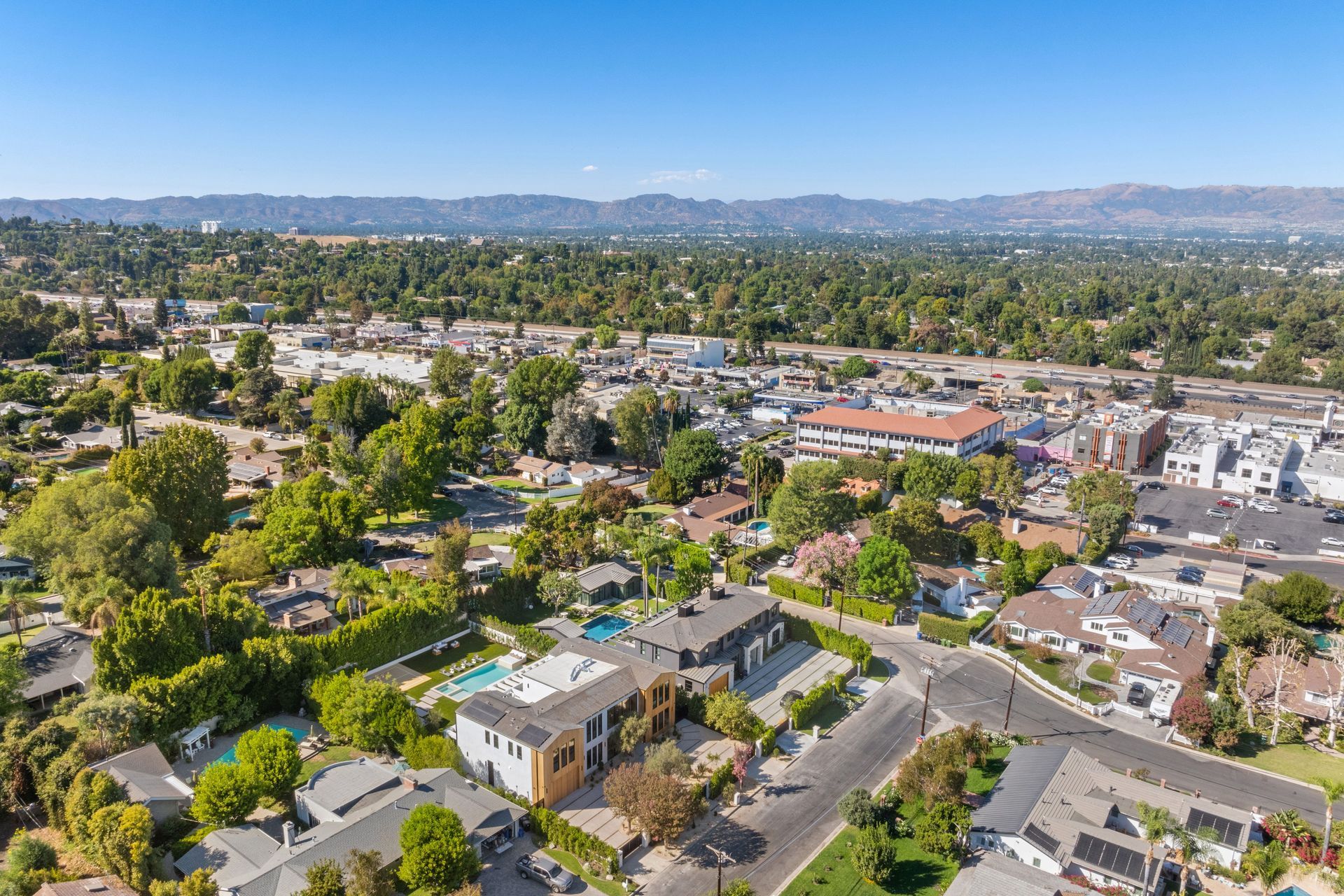
Home insurance helps protect your house, personal belongings, and liability risks. We explain coverage options clearly so you know what your policy includes.
Auto insurance provides protection for accidents, liability, and vehicle damage. We help you compare options so you can choose coverage that fits your driving needs.
Motorcycle insurance provides coverage for riders and their bikes. We help you select options that match how and where you ride.
RV insurance supports protection for motorhomes and recreational vehicles. Coverage applies during travel and while parked.
Coverage Built for Contractors and Trades
Support that keeps your work moving.

General Liability Insurance
General liability insurance helps protect contractors from injury and property damage claims. It supports jobsite requirements and contracts.

Workers Compensation
Workers compensation insurance helps protect employees injured while working. It also supports compliance with state requirements.
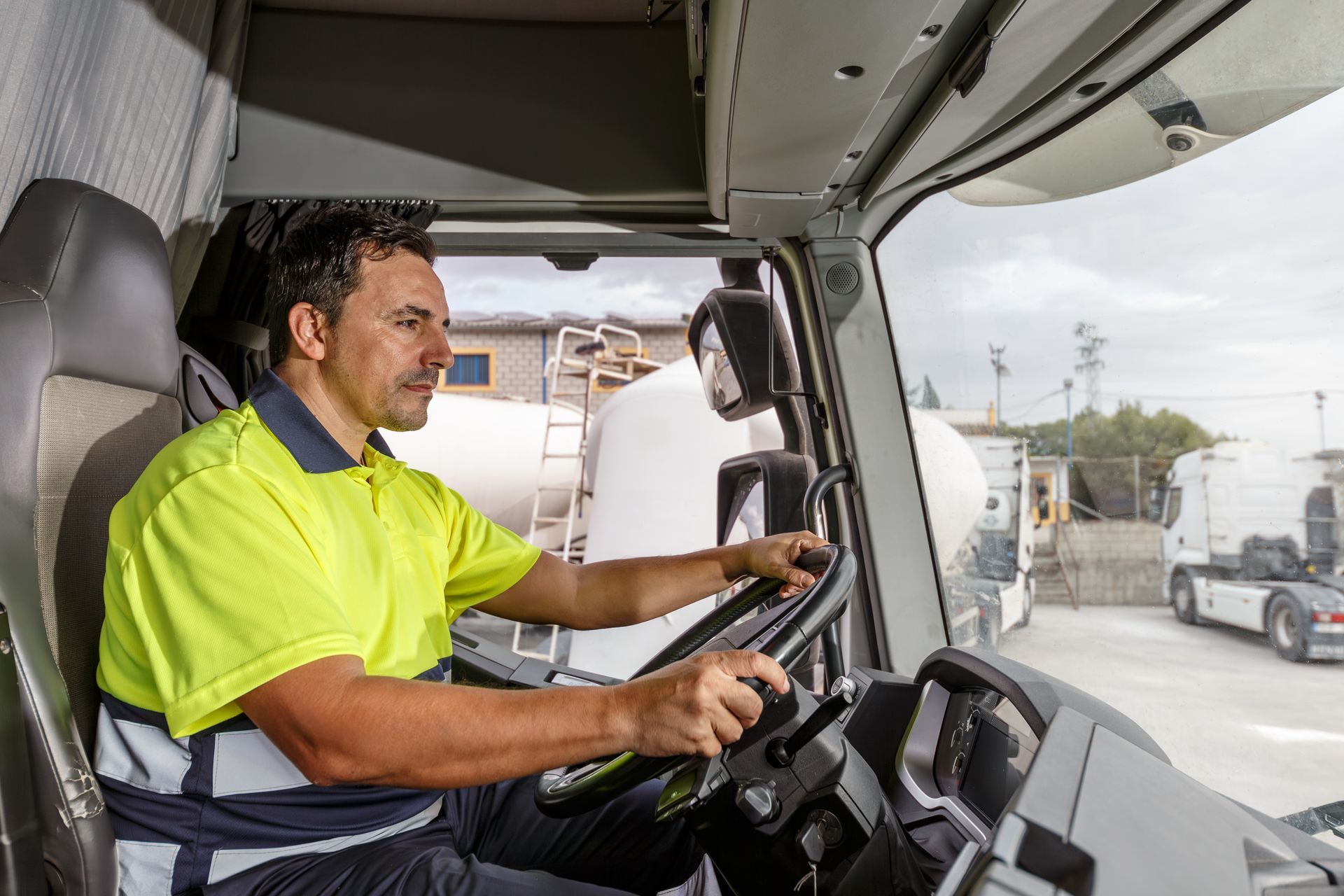
Commercial Auto Insurance
Commercial auto insurance provides coverage for work vehicles used on jobsites. It helps protect drivers and company vehicles.
Contractor Insurance
Contractor insurance supports trades and service professionals across Southern California. It helps protect tools, equipment, and daily operations.

Cyber Liability Insurance
Cyber liability insurance helps protect business data and customer information. It supports recovery from digital incidents.

Commercial Property Insurance
Commercial property insurance helps protect offices, shops, and equipment. It supports recovery after covered damage.
Coverage Built for Specialized Work
Support for high-risk and service-driven industries.



Simple Steps Supported by Steady Guidance
A Clear Path to Coverage
Trusted by Clients Across Southern California
Clear service backed by real experiences.
Answers to Common Questions.
Clear explanations to guide your decisions.
How do I know which insurance policy is right for me?
We compare coverage options from multiple carriers to help you see differences in protection and price. You can review clear details and ask questions so you understand what each policy covers. Our team guides you step by step so you feel sure about your decision.
What factors affect my auto insurance premium?
Auto insurance premiums are influenced by your driving history, age, location, vehicle type, and coverage choices. A clean driving record and good safety features can help lower costs. We review these factors with you and help find coverage that fits your budget and needs.
Does homeowners insurance cover all types of damage?
Standard homeowners insurance protects your structure, personal belongings, liability, and additional living expenses in many cases. However, it usually does not include flood or earthquake damage without separate policies. We help you decide if extra coverage is right for your home and location.
Can I update my policy or get certificates online?
Yes. You can submit requests for policy changes and certificates through our online service form at any time. Our team processes those requests quickly and confirms updates once complete so you have the documents you need.
Do I need separate insurance for business risks like EPLI or E&O?
Yes. General liability and workers compensation cover many business risks but do not protect against all exposures. For example, Employment Practices Liability Insurance (EPLI) covers claims like wrongful termination or discrimination, and Errors & Omissions (E&O) covers claims based on mistakes in professional services. We help you identify which extra policies your business may need.
What happens if I need to file a claim?
If you need to file a claim, we guide you through the process and help you contact the insurance carrier. We explain what information you should provide, answer your questions, and stay available while the carrier reviews your claim. This support helps you move forward with confidence.
Contact Us