When a contractor faces a challenging project such as replacing aging window panels or installing new door systems on historic buildings, the risks extend far beyond the job site. Insurance coverage tailored to California door and window contractors offers critical protection against unforeseen mishaps, making risk management a cornerstone of success. For detailed insights on how the state's evolving regulatory environment and market forces shape the insurance landscape, consider the recent developments announced by the California Department of Insurance.
This comprehensive guide explores the specifics of contractor insurance for door and window specialists in California. It covers topics from risk management strategies to cost structures and the economic impact of regulatory changes. The following sections dive deep into the nuances of insurance coverage for contractors, ensuring that professionals have the information needed to make informed decisions.
Understanding Contractor Insurance for Door and Window Specialists
Contractor insurance isn’t a one-size-fits-all solution. Door and window contractors face unique challenges that demand a specialized policy structure. Risks related to installation errors, property damage, or even unexpected litigation can expose contractors to significant financial losses. With California's complex construction environment, proper insurance enables contractors to focus on quality workmanship rather than worrying about the potential financial fallout from accidents or defects.
The scope of contractor insurance for door and window specialists covers general liability, workers' compensation, property insurance, and sometimes even specialized endorsements for equipment and tools. These policies are designed to cover risks such as accidental damage to structures during installation or the potential for claims arising from construction defects. This layered protection offers a safety net that can secure both small and diverse-owned businesses.
Recent reforms under California’s Sustainable Insurance Strategy illustrate the state's commitment to modernizing insurance practices. The initiative allows insurers to incorporate advanced risk models while ensuring premiums reflect the actual exposure to risk. This type of regulation underscores how technical advancements are influencing policy pricing and availability, as reported by
McKinsey & Company.


By: Patrick Caruso
President of Caruso Insurance Services
Key Components of a Comprehensive Contractor Insurance Policy
General Liability Insurance
General liability is often the primary layer of protection. Coverage in this area is crucial as it shields contractors against bodily injury or property damage claims. For example, if a contractor accidentally damages a client's property during a window installation, general liability insurance assists in covering the repair costs.
With California’s construction market rife with complexities, having a robust general liability policy becomes indispensable. This coverage is especially important given that litigation risks, including claims of construction defects, are on the rise as noted in the 2025 "Commercial Litigation Outlook" by Seyfarth Shaw ().
Contractors should work closely with insurance professionals to tailor their general liability policies. The right balance of coverage can mitigate risks while avoiding the pitfalls of underinsurance.
Workers’ Compensation Insurance
California law mandates that all contractors with employees carry workers’ compensation insurance. This policy offers essential benefits to employees who suffer work-related injuries or illnesses. The cost of these policies is subject to market fluctuations influenced by factors such as rising medical inflation and increased claims severity.
The 2025 State of the Market & Industry Insights Report by C3 Insurance forecasts a modest 3-5% increase in workers’ compensation rates, which is driven by trends in claims and the overall economic environment (C3 Insurance). Ensuring that workers’ compensation is adequate provides both safety for employees and peace of mind for contractors.
Contractor policies in California must be carefully monitored, as even minor miscalculations in premium rate adjustments can lead to significant financial implications over time.
Property and Equipment Insurance
Property insurance covers the tools, equipment, and sometimes even the mobile offices that door and window contractors depend on daily. Given the substantial investment in high-quality products necessary for door and window installations, this coverage is vital. Should essential equipment be damaged or stolen, property insurance helps offset the replacement cost.
Additional endorsements might be added to cover off-site projects, ensuring that coverage travels with the contractor regardless of the location. Contractors should evaluate their unique needs to ensure that both stationary and mobile assets are fully protected.
This type of policy support is crucial in high-risk areas, especially as California continues to address the economic impacts of natural disasters on construction and renovation projects.
Economic Impact and Market Trends in California
California's insurance market for small and diverse-owned businesses, including door and window contractors, has shown significant momentum. In 2025 alone, insurance companies contracting with these businesses contributed $6.7 billion to the state’s economy. This economic boost not only supports over 29,000 jobs but also generates more than $917 million in state tax revenues according to data from the California Department of Insurance.
The positive effect on economic stability highlights the importance of well-structured insurance programs. These policies serve as crucial instruments in allowing contractors to mitigate risks while contributing to broader economic indicators. Inclusion in supplier diversity initiatives further underlines how financial support through insurance leads to expanding opportunities and creating stronger local communities.
Commissioner Ricardo Lara has emphasized that every dollar invested in a diverse supplier not only yields remarkable returns but also amplifies its impact by building jobs and strengthening families. Such messages resonate deeply in a market where every risk taken can significantly sway a contractor’s bottom line.

Specific Challenges Facing Door and Window Contractors
Construction Defect Litigation
The rise in construction defect claims presents a real risk for contractors. A report by the Terner Center and SPUR found that developers may incur substantially higher insurance costs for condominiums compared to rental apartments, with Los Angeles developers facing potential increases between $8,000 to $18,000 per unit (Terner Center for Housing Innovation). The heightened risk of litigation over construction quality makes specialized contractor insurance even more crucial.
For door and window contractors, ensuring that workmanship and materials meet high standards is a direct line of defense. Detailed quality controls can help reduce instances of defects, ultimately lowering the likelihood of costly legal disputes.
Contracts should clearly outline standards and expectations, leaving little room for interpretation when a project is completed. This level of clarity is a fundamental element in mitigating potential claims and ensuring that all parties are aware of the expectations.
Risk Management in High-Risk Areas
California’s geographic diversity means that some regions are much more susceptible to natural disasters such as wildfires, which have become a growing concern. The state’s Sustainable Insurance Strategy allows insurers to integrate advanced wildfire risk models into premium calculations. This methodology helps ensure that premiums more accurately reflect the evolving risk landscape.
By aligning premiums with actual risks, door and window contractors working in high-risk regions can better anticipate their insurance expenses and plan accordingly. This proactive approach minimizes unexpected costs and supports long-term financial planning.
Regulatory reforms implemented in March 2024 signaled a progressive shift toward more resilient and equitable insurance practices (California Department of Insurance announcement). Measures like these are designed to improve not only insurance availability but also affordability, particularly in areas where risk is elevated.
Tailoring Insurance Policies for Your Business Needs
Choosing a policy that fits the specific needs of a door and window contracting business requires a thoughtful review of both current projects and future expansion plans. Insurance professionals recommend that contractors start with an evaluation of past claims, potential risk exposures, and the operational scope of the business.
A detailed risk analysis supports informed decision-making regarding coverage limits and policy endorsements. Contractors benefit from customization options that allow them to include specialized endorsements for equipment, tools, or even off-site projects. This level of personalization ensures that every facet of the business is protected.
Incorporating feedback from industry data and recent reforms enables contractors to stay ahead of changes that might otherwise impact the cost or availability of coverage. By doing so, small and diverse-owned businesses can more efficiently allocate their resources while maintaining robust protection.
Assessing the Premiums and Potential Savings
It is not uncommon for contractors to wonder if higher premiums truly equate to better coverage. While the average direct underwriting profit for homeowners’ insurance companies in California was reported as -13.1% between 2012 and 2021 (California Globe), door and window contractors can mitigate risks that lead to higher claims. A well-devised policy can reduce the financial exposure resulting from unexpected mishaps.
Contractors should compare policies from different insurers, carefully studying the specifics of coverage, deductibles, and exclusions. In some cases, a tailored policy may yield savings in the long run by addressing the unique exposures faced by the contractor. Bespoke policies are designed to align more closely with the day-to-day risks prevalent in the California construction market.
An accurate comparison involves not only premium costs but also the level of protection under various scenarios. A sound risk management strategy ensures that contractors are not caught off guard when facing claims or litigation.
Comparing Coverage Options: A Side-by-Side Look
To assist contractors in visualizing the differences between various coverage options, a comparison chart can be a valuable tool. Below is a simplified table comparing basic coverage with extended coverage options, specifically designed for door and window contracting businesses.
| Coverage Type | Basic Coverage | Extended Coverage |
|---|---|---|
| General Liability | Covers third-party bodily injury and property damage claims | Includes enhanced limits and coverage for contractual liability claims |
| General Liability | Mandatory benefits for on-the-job injuries | Includes tailored claims management services and premium stabilization |
| Property and Equipment | Covers damage to tools and mobile assets | Provides replacement cost coverage, off-site endorsements, and extended risk areas |
| Specialized Endorsements | Options for limited additional coverages | Customized endorsements for high-risk projects and extended professional liability |
This table illustrates that while basic coverage may suffice for smaller operations, extended policies offer broader protection-a crucial factor for businesses facing an array of unpredictable risks. Each contractor should weigh the benefits of premium costs against the potential financial exposure due to claims or litigation.
By evaluating these options side-by-side, decision-makers can identify areas where enhanced coverage can offer better protection without an undue increase in overall costs.
Regulatory Reforms and Their Impacts on Contractor Insurance
Recent regulatory reforms in California are a direct response to market pressures and challenges facing the insurance industry. Initiatives like the Sustainable Insurance Strategy not only refine how insurers calculate risk but also focus on making coverage more accessible and affordable for high-risk areas.
This modern approach enables insurers to use advanced risk models, such as those factoring in wildfire exposure, and to adjust premiums based on state-specific reinsurance costs. Such changes are designed to better align premium responsibilities with the actual risk, reducing the burden on contractors operating in unpredictable environments. The reforms introduced by California’s Insurance Commissioner, Ricardo Lara, are part of a broader strategy to improve industry accountability and service quality (California Department of Insurance data).
Contractors benefit from these changes through increased transparency and gradual stabilization in premium costs. Although some adjustments might lead to modest increases in short-term expenses, the long-term benefits include improved coverage options and reduced claims volatility.
As a result, businesses operating in high-risk segments, such as door and window installation in wildfire-prone regions, can more accurately budget for potential risks while enjoying the protection that modern policies provide.
Steps to Secure the Right Insurance Policy
Securing the right insurance policy begins with understanding the specific risks associated with door and window contracting. Contractors should start by reviewing historical claims data, project types, and the geographic areas they serve. This thorough risk assessment informs the selection of appropriate coverage limits and policy add-ons.
Engaging an experienced insurance broker who understands construction nuances in California can help pinpoint the right combination of coverages. Such professionals bring expertise to the negotiation table, ensuring that contractors are not overspending on coverage that does not meet their specific needs.
Both small businesses and larger contractors benefit from policies that emphasize flexibility and adaptability. With ongoing market changes and regulatory overhauls, the ability to adjust coverage as projects evolve is a valuable asset. This proactive approach ensures that contractors remain adequately covered, even as their operations grow.
Recommended Steps When Reviewing a Policy
Start by evaluating the scope of each coverage component-from general liability to workers’ compensation-and compare these elements against previous claims history. Identify any gaps, especially in areas that have seen recent litigation trends, such as construction defects.
Next, scrutinize the details of policy endorsements. An endorsement tailored to cover off-site work, specialized equipment, or extended professional liability can provide much-needed extra protection in scenarios unique to door and window installations.
Finally, request a clear explanation of premium calculations. Understanding how adjustments are made for wildfire risk or other region-specific threats is essential. Detailed discussions with an agent can clarify which adjustments are based on advanced risk models and which might be subject to negotiation.
Practical Examples and Case Studies
Real-world experiences provide valuable insights into how the right insurance policies can safeguard contractors. Consider projects where door and window installation was carried out in older residential neighborhoods. A contractor hit by an unexpected mishap-such as accidental damage to a client's property-could face a potentially costly lawsuit if not backed by a comprehensive insurance policy.
In one such scenario, a business with well-tailored general liability coverage was able to manage the financial fallout from a minor property damage claim. This real-life example underscores the practicality of investing in robust policy components that are specifically designed for the types of work door and window contractors undertake.
Case studies have shown that businesses facing rigorous standards, especially when working in historic districts or newly developing communities, benefit most when they integrate specialized endorsements. This not only secures financial protection but also builds trust among clients who value safety and reliability.
Industry Feedback and Market Outlook
Feedback from industry experts such as California Insurance Commissioner Ricardo Lara highlights that every investment in a diverse supplier yields significant economic impact. His assertion-"Inclusion is smart business"-is a call to continuously evolve insurance offerings to better support the contractor sector (California Insurance Commissioner).
The market trends suggest that as litigation risks increase and construction defect claims rise, contractors will likely face more complexities with every project. Adapting to these changes involves not only understanding the nuances of insurance regulations but also staying informed about emerging economic factors that affect coverage breadth and premium stability.
This proactive market outlook reinforces the need for continuous dialogue between contractors and insurance experts. It encourages ongoing reviews of policy details, coverage adequacy, and new endorsements that may become available with future regulatory updates.
Frequently Asked Questions
Q: What essential coverages should door and window contractors have?
A: Essential coverages include general liability, workers’ compensation, and property insurance, along with specialized endorsements that cater to off-site projects and high-risk zones.
Q: How do recent regulatory reforms affect premium calculations?
A: Regulatory reforms allow insurers to incorporate advanced risk models, such as those for wildfire exposure, which align premium costs more closely with actual risk. This was highlighted in California’s Sustainable Insurance Strategy (McKinsey & Company).
Q: Can tailored insurance policies help reduce overall costs?
A: Yes, tailored policies designed around a contractor’s specific work scope and risk exposure can reduce unnecessary premiums and mitigate costly claims, potentially leading to significant savings over time.
Q: What should contractors do if they face a construction defect claim?
A: Contractors should document their work meticulously, ensure that contracts clearly state workmanship standards, and work closely with insurance brokers to ensure adequate coverage in their policy for such claims.
Q: How can contractors manage the rising litigation trends?
A: By investing in comprehensive general liability and specialized endorsements, door and window contractors can better manage the risks associated with increasing construction defect litigation. This proactive approach is essential in a changing market.
Final Thoughts on Contractor Insurance in California
For door and window contractors operating in California, comprehensive insurance is more than just a legal requirement-it is a strategic business tool. With the evolving regulatory framework and advanced risk modeling particularly addressing wildfire hazards, insurers are continually adapting to meet the needs of a dynamic construction market. This adaptation is crucial in a state where even small missteps can have widespread economic impacts.
Investing the time to understand and secure the right combination of coverages means that contractors can focus on delivering exceptional quality rather than worrying about unexpected liabilities. The economic contributions provided by these insurance policies also demonstrate how deeply intertwined the success of small and diverse-owned businesses is with the broader state economy. In 2025, for instance, contractor insurance played a role in supporting more than 29,000 jobs and generating substantial tax revenues (California Department of Insurance).
Contractors are encouraged to regularly reassess their insurance needs and work closely with professionals to tailor their policies. This proactive approach not only offers enhanced financial protection but also solidifies a contractor’s reputation in an industry where risk management is as important as craftsmanship.
Understanding that every project is unique and that risks vary by region, size of operation, and type of installation is key. As market conditions evolve, maintaining an actively managed and up-to-date insurance policy is not just advisable-it’s essential.
Wrapping Things Up
The landscape of contractor insurance in California demands a multifaceted approach. For door and window contractors, this means a constant balancing act between managing day-to-day risks and planning for long-term financial sustainability. Amid ongoing regulatory reforms and new risk models, the strategies discussed here can be instrumental in safeguarding businesses against both common and unexpected hazards.
Contractors benefit from a combination of general liability, workers’ compensation, and property insurance, each tailored to account for the rigorous demands of the job. The inclusion of specialized endorsements serves as a buffer against rising litigation risks, particularly in areas prone to construction defects.
As the market continues to adapt to new trends-including increased litigation risks and advanced premium-calculation methods-the role of a comprehensive insurance policy grows ever more significant. By staying informed and working with knowledgeable insurance professionals, door and window contractors can ensure that they are well-prepared for the challenges ahead. For many, this commitment to proper risk management translates into a stronger, more resilient business capable of thriving even in a competitive market.
This guide serves as a resource for understanding the critical aspects of insurance for door and window contractors in California. It emphasizes the need for customized policies, proactive risk management, and ongoing collaboration with insurance professionals. As the market continues to evolve, these strategies are key to ensuring that every project is completed safely and successfully.
ABOUT THE AUTHOR:
PATRICK CARUSO
I’m Patrick Caruso, founder of Caruso Insurance, and I have spent more than 25 years helping families, contractors, and small businesses across Southern California make confident insurance decisions. I focus on explaining coverage in clear terms, comparing multiple carriers, and supporting clients with steady communication so they feel secure with each step. My goal is to provide dependable guidance, simple answers, and a smooth process for anyone who needs personal or business insurance.
Contact Us

Service that stays with you.
Our team helps simplify insurance decisions for families and businesses. We focus on clear explanations, fast responses, and dependable service. You can count on us for help with coverage questions, updates, and long-term support.
Coverage that keeps you secure
Reliable Protection for Everyday Life
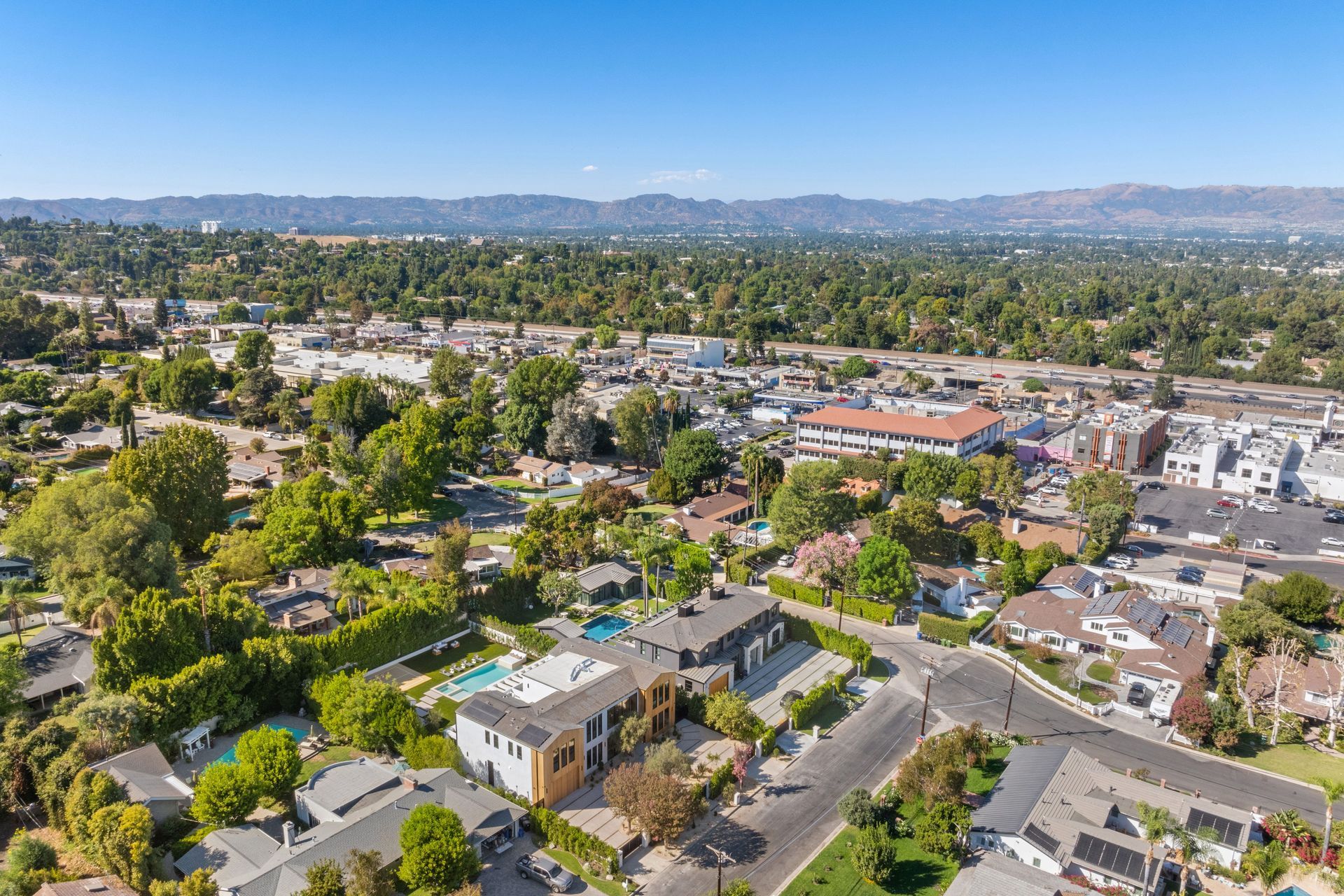
Home insurance helps protect your house, personal belongings, and liability risks. We explain coverage options clearly so you know what your policy includes.
Auto insurance provides protection for accidents, liability, and vehicle damage. We help you compare options so you can choose coverage that fits your driving needs.
Motorcycle insurance provides coverage for riders and their bikes. We help you select options that match how and where you ride.
RV insurance supports protection for motorhomes and recreational vehicles. Coverage applies during travel and while parked.
Coverage Built for Contractors and Trades
Support that keeps your work moving.

General Liability Insurance
General liability insurance helps protect contractors from injury and property damage claims. It supports jobsite requirements and contracts.

Workers Compensation
Workers compensation insurance helps protect employees injured while working. It also supports compliance with state requirements.

Commercial Auto Insurance
Commercial auto insurance provides coverage for work vehicles used on jobsites. It helps protect drivers and company vehicles.
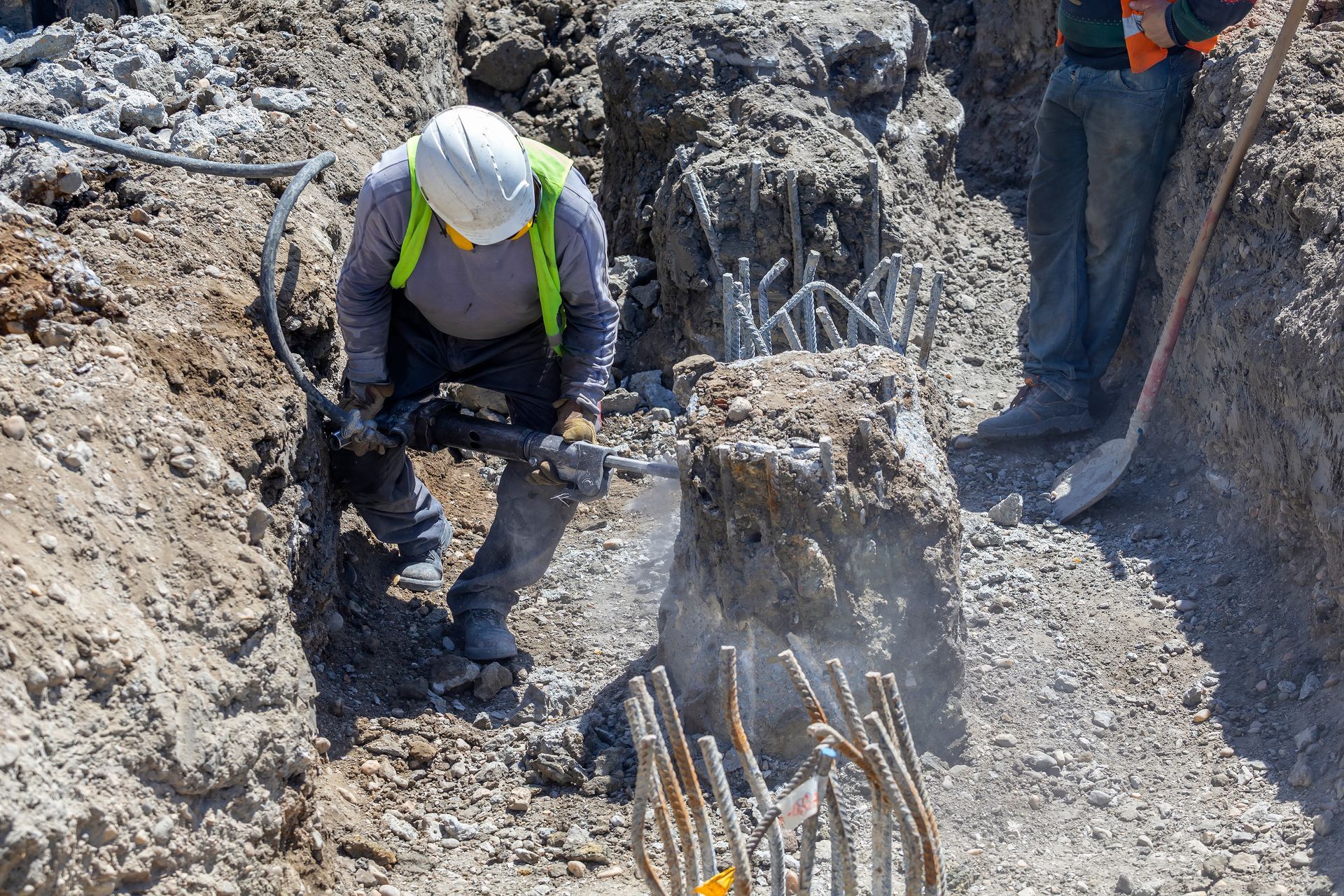
Contractor Insurance
Contractor insurance supports trades and service professionals across Southern California. It helps protect tools, equipment, and daily operations.

Cyber Liability Insurance
Cyber liability insurance helps protect business data and customer information. It supports recovery from digital incidents.

Commercial Property Insurance
Commercial property insurance helps protect offices, shops, and equipment. It supports recovery after covered damage.
Coverage Built for Specialized Work
Support for high-risk and service-driven industries.



Simple Steps Supported by Steady Guidance
A Clear Path to Coverage
Trusted by Clients Across Southern California
Clear service backed by real experiences.
Answers to Common Questions.
Clear explanations to guide your decisions.
How do I know which insurance policy is right for me?
We compare coverage options from multiple carriers to help you see differences in protection and price. You can review clear details and ask questions so you understand what each policy covers. Our team guides you step by step so you feel sure about your decision.
What factors affect my auto insurance premium?
Auto insurance premiums are influenced by your driving history, age, location, vehicle type, and coverage choices. A clean driving record and good safety features can help lower costs. We review these factors with you and help find coverage that fits your budget and needs.
Does homeowners insurance cover all types of damage?
Standard homeowners insurance protects your structure, personal belongings, liability, and additional living expenses in many cases. However, it usually does not include flood or earthquake damage without separate policies. We help you decide if extra coverage is right for your home and location.
Can I update my policy or get certificates online?
Yes. You can submit requests for policy changes and certificates through our online service form at any time. Our team processes those requests quickly and confirms updates once complete so you have the documents you need.
Do I need separate insurance for business risks like EPLI or E&O?
Yes. General liability and workers compensation cover many business risks but do not protect against all exposures. For example, Employment Practices Liability Insurance (EPLI) covers claims like wrongful termination or discrimination, and Errors & Omissions (E&O) covers claims based on mistakes in professional services. We help you identify which extra policies your business may need.
What happens if I need to file a claim?
If you need to file a claim, we guide you through the process and help you contact the insurance carrier. We explain what information you should provide, answer your questions, and stay available while the carrier reviews your claim. This support helps you move forward with confidence.
Contact Us