A single roofing project in a busy California neighborhood can quickly turn from a routine repair into an expensive endeavor without the right coverage. California roofing contractors face unique challenges from extreme weather events to regulatory changes and labor shortages. This guide walks through the essential considerations and options for roofing contractor insurance in California. Recent shifts in market dynamics and policy requirements underscore the need for comprehensive coverage tailored to the state’s realities. For more detailed insights into market assessments, see Crescenda Valley Insurance’s report.
Contractors have experienced significant changes in recent years, both in potential replacement costs and in the requirements for maintaining proper licensing and bonds. With California’s vibrant built environment, ensuring safety and financial protection is essential. This article reviews market trends, bond requirements, and tips for selecting a policy that meets California’s rigorous standards.
Understanding the California Roofing Market
California’s roofing sector is a dynamic market characterized by continuous growth and complex requirements. The state’s booming construction and renovation activities drive demand for robust roofing services, while regulatory changes mean that contractors must adapt quickly. For instance, the local market is set to hit a size of nearly $5.2 billion by 2025, reflecting strong demand and vibrant economic activity. This growth comes alongside evolving customer expectations about safety, durability, and compliance.
Market analysts predict steady growth fueled by high roof repair and replacement costs. In 2024, these expenditures soared to almost $31 billion in the United States, a noteworthy increase from previous years (Roofing Contractor Magazine). These facts emphasize that both market conditions and financial risks are changing rapidly.
The rapid market expansion highlights the need for contractors to secure adequate insurance coverage. The increased frequency of severe weather and other hazards makes robust risk management practices indispensable, ensuring that operations stay sustainable through unforeseen challenges.


By: Peter Plew
Commercial Insurance Agent at Caruso Insurance Services
The Importance of Comprehensive Roofing Contractor Insurance
Comprehensive roofing contractor insurance is crucial because it addresses multiple risks-from property damage to potential liability claims stemming from accidents or construction flaws. Contractors typically face exposure in various forms, and a well-rounded policy can cover areas such as general liability, property damage, workers' compensation, and bond requirements.
General liability insurance helps protect against unpredictable accidents that could lead to costly litigation. An incident on a job site can escalate quickly, impacting both finances and reputation. An effective policy, therefore, blends various coverages to ensure that contractors have a safety net in place.
Another fundamental aspect is workers' compensation insurance, which secures employee safety and covers claims in case of workplace injuries. Not only does this protect contractor teams, but it also preserves business continuity by reducing potential legal complications. A detailed review of the claim frequency and loss-to-payroll ratios, as noted in California’s building trade reports, indicates that even smaller roofing operations need to safeguard against underreported risks (California Department of Consumer Affairs).
Contractor License Bond Requirements in California
California has tightened its regulations concerning contractor license bonds, with recent increases directly impacting roofing contractors. As of January 2023, the state raised the contractor license bond requirement to $25,000, a significant jump from previous limits of $12,500 or $15,000 (Crescenda Valley Insurance). This measure ensures that contractors maintain a level of financial security, benefiting both clients and the industry by reducing the risk of default or failure to complete projects.
The higher bond requirement reflects increasing scrutiny on contractor practices and a broader effort to elevate industry standards. Not only does this encourage contractors to maintain proper documentation and quality control on each project, but it also serves as an assurance to homeowners that professional standards are upheld across the board.
Contractors should factor these requirements into their overall insurance strategy. When evaluating policies, give careful attention to the bond stipulations and how they interact with broader liability coverage. A detailed discussion with insurance providers can help ensure that all bases are covered while also taking advantage of available premium discounts related to enhanced safety measures.

Choosing the right policy can be overwhelming given the array of options available. Typically, contractors should focus on several key coverage components: general liability, workers' compensation, commercial property insurance, and contractor bonds. Each part plays a vital role in forming a comprehensive risk management plan.
General liability insurance covers injuries and damage claims that might occur on a job site. Even if incidents seem minor at the outset, liability claims can mushroom, threatening the viability of a project or even an entire business. In a state where repair and replacement costs reached nearly $31 billion in 2024 (Roofing Contractor Magazine), ensuring that liability exposure is minimized cannot be overstated.
Workers' compensation, a non-negotiable aspect, provides critical financial protection by covering medical expenses and lost wages related to on-the-job injuries. Given the demanding nature of roofing work, the likelihood of workplace injuries is an ever-present concern. Insurance policies that offer both extensive coverage and streamlined claims processing can make a substantial difference for small and large operations alike.
Commercial property insurance, while sometimes overlooked, is equally important. It covers damage to equipment, tools, and even the physical premises of business operations. This is especially relevant for contractors who maintain extensive inventories of specialized tools and machinery.
Contractor bonds, distinct from standard insurance policies, serve as a performance guarantee that protects consumers from financial pitfalls when a contractor fails to adhere to state regulations. With California’s increase in bonding requirements, these bonds have become a core component of risk management strategies. They not only secure client investments but also solidify a contractor's reputation by demonstrating a commitment to meeting statutory obligations.
Industry Trends Impacting Roofing Contractor Insurance
The roofing industry in California is experiencing transformative shifts. Against a backdrop of rapidly rising repair costs and heightened regulatory oversight, contractors are adapting by enhancing their insurance coverage. The dramatic shift in repair and replacement costs, which jumped by 30% between 2022 and 2024 (Roofing Contractor Magazine), speaks volumes about the evolving risk environment.
This upward trend in repair costs has been driven by multiple factors, including extreme weather events and increased material costs. Insurance providers are thus recalibrating their risk models to account for this volatility. Contractors who invest in advanced safety protocols and regularly update their training can often qualify for premium reductions while enhancing operational safety.
Analysts note that the investment in quality insurance and risk management is not merely a compliance issue; it is a competitive advantage. In a market that is projected to grow at an annual rate of 6.17%, securing the right coverage not only protects against unforeseen losses but also signals a contractor’s commitment to best practices (Crescenda Valley Insurance).
Tailoring Insurance Needs for Different Business Sizes
Roofing contractor insurance is not a one-size-fits-all solution. The scope and scale of coverage requirements vary based on the size of the business. Smaller contractors may operate with limited teams and budgets, whereas larger businesses might tackle extensive commercial projects and maintain a heavy workforce.
For smaller operations, a multi-layered policy that combines general liability, workers' compensation, and a tailored bond solution can address the primary areas of risk. These contractors need streamlined policies that are simple to manage but robust enough to cover critical vulnerabilities. They should also look for insurers that offer flexible premium structures to accommodate seasonal fluctuations.
Large roofing companies, on the other hand, might need to integrate several layers of coverage in addition to umbrella liability policies that serve as an overarching safety net. With a larger number of employees comes a higher risk of on-site injuries and attendant workers' compensation claims. Moreover, extensive project portfolios require vigilant asset protection and risk evaluation frameworks to manage exposure effectively.
Meeting the specific needs of different business sizes often requires in-depth consultations with insurance experts. By tailoring policies to reflect the particular operational realities of a business, contractors can achieve optimal coverage without overpaying for unnecessary layers.
Evaluating Insurance Providers and Policy Features
Choosing the right insurance provider involves more than just comparing premium quotes. Contractors must look at the provider’s history, responsiveness in claims processing, and reputation within the roofing industry. Reviews and recommendations from peers are invaluable in assessing the quality of customer service and reliability during challenging claims scenarios.
Important factors include claims response time, the clarity of policy language, and options for additional endorsements. Providers that offer customizable packages often stand out as they can fine-tune coverage details according to each contractor's unique risk profile. Evaluating a provider’s digital interface, mobile claim filing capabilities, and overall customer care can further influence the decision-making process.
Research suggests that nearly every contractor benefits from consulting industry-specific professionals who understand the demands of roofing projects. Detailed insights and risk analyses can help ensure policies not only meet regulatory requirements but are also aligned with the specific operational risks associated with roofing.
Understanding the Role of Bonds in Insurance Packages
Bonds are a distinct yet integral part of the roofing contractor insurance landscape. While traditional policies address accidents, injuries, and damage claims, bonds act as a financial guarantee that the contractor will fulfill contractual and regulatory obligations. This reassurance is especially important when projects involve large investments or public works.
For many California roofing contractors, complying with bond requirements is not just a regulatory hurdle; it is a significant factor that can determine their eligibility for high-profile projects. California’s recent increase in bond limits to $25,000 has elevated the operational cost for smaller contractors but also increased consumer trust in the projects undertaken by licensed professionals (Crescenda Valley Insurance).
Understanding how bonds operate within a broader insurance strategy is critical. Contractors should clarify with their providers the scenarios in which bonds may be invoked. Balancing these requirements with adequate liability coverage creates a complete risk management framework that safeguards both a contractor’s interests and those of their clients.
Innovations and Future Trends in Roofing Contractor Insurance
Technology and innovation continue to change how risk is assessed and managed in the roofing industry. New advancements in digital risk management tools are making it easier for contractors to monitor project safety in real time and adjust their coverage as conditions evolve. Cloud-based systems, telematics, and mobile apps are being integrated into policy management, providing timely updates on potential risks.
Future trends point to data-driven underwriting models that consider real-time weather patterns and localized risks. This shift can lead to more accurate premium pricing and more responsive coverage adjustments when claims are filed. As the overall U.S. roofing market is projected to reach nearly $24.79 billion by 2025 (Crescenda Valley Insurance), leveraging innovative technology becomes a powerful competitive edge for contractors.
These trends also suggest that the insurance industry will continue to evolve in parallel with increasing regulatory and market complexities. Adopting data-centric approaches can help contractors understand their risk exposure more clearly and choose policies that offer dynamic, tailored protections over time.
Practical Tips for Managing Insurance Costs
High premiums often bring concerns for contractors in a competitive market. However, managing insurance costs is not just about finding the lowest quote-it is about getting quality coverage that addresses particular risks without overpaying for duplicate coverages. Contractors should periodically review their policies to ensure they align with current operational requirements.
Regular assessments of risk factors, such as changes in project types, work crew sizes, and emerging threats like extreme weather, can help justify the inclusion of particular endorsements. Additionally, investing in safety training programs and certification courses can sometimes lead to discounts on premiums. This proactive approach not only minimizes potential liabilities but also positions a contractor as a professional who values continuous improvement.
Consulting with multiple providers and reviewing policy details closely helps identify hidden costs or gaps in coverage. Discounts might be available for contractors who implement modern safety protocols or use energy-efficient materials, factors that often influence risk assessments in today's insurance market.
Comparing Roofing Contractor Insurance Policies: A Closer Look
Below is a side-by-side comparison of common coverage areas found in roofing contractor insurance policies. This basic table helps illustrate the differences between standard and comprehensive coverage options.
| Coverage Area | Basic Policy | Comprehensive Policy |
|---|---|---|
| General Liability | Covers basic property damage and injury claims | Extended coverage including legal fees and extensive damage claims |
| Workers' Compensation | Covers essential workplace injuries | Includes rehabilitation and wage protection coverage |
| Contractor Bonds | Meets minimum state requirements | Enhanced bond limits offering additional client security |
| Commercial Property | Limited to onsite equipment | Comprehensive asset protection including offsite losses |
This visual comparison can allow contractors to quickly assess which coverage areas matter most based on their operational needs. It also facilitates discussions with insurance brokers when customizing a policy.
Strategies for Maintaining Compliance in a Shifting Regulatory Landscape
Staying compliant with evolving state regulations can be a daunting task for roofing contractors. With the increased bond requirement in California and continuous updates to licensing criteria, it is vital for contractors to keep abreast of changes that affect their risk profiles. Regular consultations with regulatory bodies and professional advisors help in managing these challenges effectively.
One practical strategy is to subscribe to industry updates and join local contractor associations. These alliances often provide members with the latest news on legislative changes and best practices for compliance. Knowledge gained from these sources, coupled with guidance from experienced insurance brokers, can reduce the risk of non-compliance penalties and ensure that contracts remain valid.
Contractors should document all compliance-related activities, from safety training and certification renewals to equipment maintenance logs. This proactive approach can make regulatory audits less stressful and even speed up claims processing during disputes. Staying ahead of the curve in compliance not only builds client trust but also contributes to smoother operational workflows.
Adapting to Market Volatility Through Dynamic Insurance Policies
Market volatility in the roofing industry does not solely impact pricing; it also affects the availability and structure of insurance policies. As uncovered by industry experts, steep increases in repair and replacement costs have led to policy adjustments that reflect emerging risks (Roofing Contractor Magazine). Contractors can benefit from adopting dynamic insurance policies that adjust premiums or coverage levels based on current risk assessments.
Dynamic policies incorporate data from real-time weather, economic indicators, and even regional trends. By frequently recalibrating coverage, insurance providers can offer rates that reflect the actual risk at any given moment. For contractors, this means that paying a competitive rate is tied directly to the implementation of proactive risk management strategies on job sites.
Such adaptive models reward those who integrate modern technologies and stringent safety protocols into their daily operations. In a market where the U.S. roofing industry is expected to grow significantly over the next few years (Crescenda Valley Insurance), having an insurance model that mirrors market trends can be a major competitive advantage.
Frequently Asked Questions
What types of coverage do roofing contractor insurance policies typically include?
Most policies include general liability, workers' compensation, commercial property insurance, and contractor bonds. Each component addresses different liabilities arising from roofing work.
How has the increase in bond requirements affected roofing contractors in California?
California's bond increase to $25,000 enhances consumer protection and promotes higher standards, though it may also raise operational costs for contractors.
What should contractors look for when comparing different insurance policies?
Key factors include claims response time, clarity in policy provisions, customization options, and the provider’s reputation within the industry.
Can investing in safety training reduce insurance premiums?
Yes, effective safety training and rigorous risk management practices can lead to discounts and potentially lower overall premiums.
How do dynamic insurance policies work in a volatile market?
Dynamic policies adjust coverage and premiums in real time based on emerging risks such as weather patterns, market trends, or regional economic conditions.
Are specialized endorsements necessary for all roofing contractors?
Optional endorsements can address unique risks for large contractors or those working on high-profile projects, making them a valuable consideration based on individual business needs.
Wrapping Things Up
The roofing industry in California presents a unique set of challenges. Contractors must navigate rigorous state regulations, increased bond requirements, and a dynamic market marked by rapidly growing repair costs. With a market size projected to reach nearly $5.2 billion by 2025 (IBISWorld), securing the right insurance coverage is not just a regulatory requirement but a strategic business decision.
Comprehensive policies that combine general liability, workers' compensation, commercial property coverage, and contractor bonds offer essential financial protection. Adopting a proactive approach to risk management-including safety training, compliance with updated state mandates, and continuous engagement with market trends-can help stabilize operations and enhance credibility.
In an industry where even a single wrong move can lead to cascading financial and legal issues, having the right insurance is as critical as quality workmanship. With advances in technology and data-driven risk assessments, today’s roofing contractors can find policies tailored to modern challenges while remaining competitively priced
Final Thoughts for the California Roofing Contractor
Embracing a forward-thinking approach to insurance not only promotes financial resilience but also builds trust with clients and regulatory bodies. As market conditions evolve, stay informed about industry trends, regulatory changes, and emerging technologies that influence both risk and premium structures. Maintaining a well-rounded, dynamically adjustable insurance package is key to long-term success in a competitive environment.
Contractors should continue to leverage expert insights and market data to refine their coverage needs. The evolving scenario in the roofing market insists on a careful balance between compliance costs and protection levels. Given the significant rise in repair and replacement costs, the role of comprehensive insurance has never been more pronounced (Roofing Contractor Magazine).
Finally, a detailed discussion with an experienced insurance advisor can ensure that every layer of risk is considered. This guide provides a starting point to understand the many facets of roofing contractor insurance, and further inquiries will help tailor the perfect solution for each specific operational context.
ABOUT THE AUTHOR:
PETER PLEW
Hi my name is Peter Plew and I am a commercial insurance professional. I listen to and strategize with business owners about their visions of the future and assist in getting there as quickly as possible. I help identify unique exposure and risk’s that business owners have and the reasons why they need to be insured against them. My goal is to make sure my clients are always taken care of on a daily basis with any service needs, questions, or concerns they may have. I love to golf and spend time with my family in my spare time.
Contact Us

Service that stays with you.
Our team helps simplify insurance decisions for families and businesses. We focus on clear explanations, fast responses, and dependable service. You can count on us for help with coverage questions, updates, and long-term support.
Coverage that keeps you secure
Reliable Protection for Everyday Life

Home insurance helps protect your house, personal belongings, and liability risks. We explain coverage options clearly so you know what your policy includes.
Auto insurance provides protection for accidents, liability, and vehicle damage. We help you compare options so you can choose coverage that fits your driving needs.
Motorcycle insurance provides coverage for riders and their bikes. We help you select options that match how and where you ride.
RV insurance supports protection for motorhomes and recreational vehicles. Coverage applies during travel and while parked.
Coverage Built for Contractors and Trades
Support that keeps your work moving.

General Liability Insurance
General liability insurance helps protect contractors from injury and property damage claims. It supports jobsite requirements and contracts.

Workers Compensation
Workers compensation insurance helps protect employees injured while working. It also supports compliance with state requirements.

Commercial Auto Insurance
Commercial auto insurance provides coverage for work vehicles used on jobsites. It helps protect drivers and company vehicles.
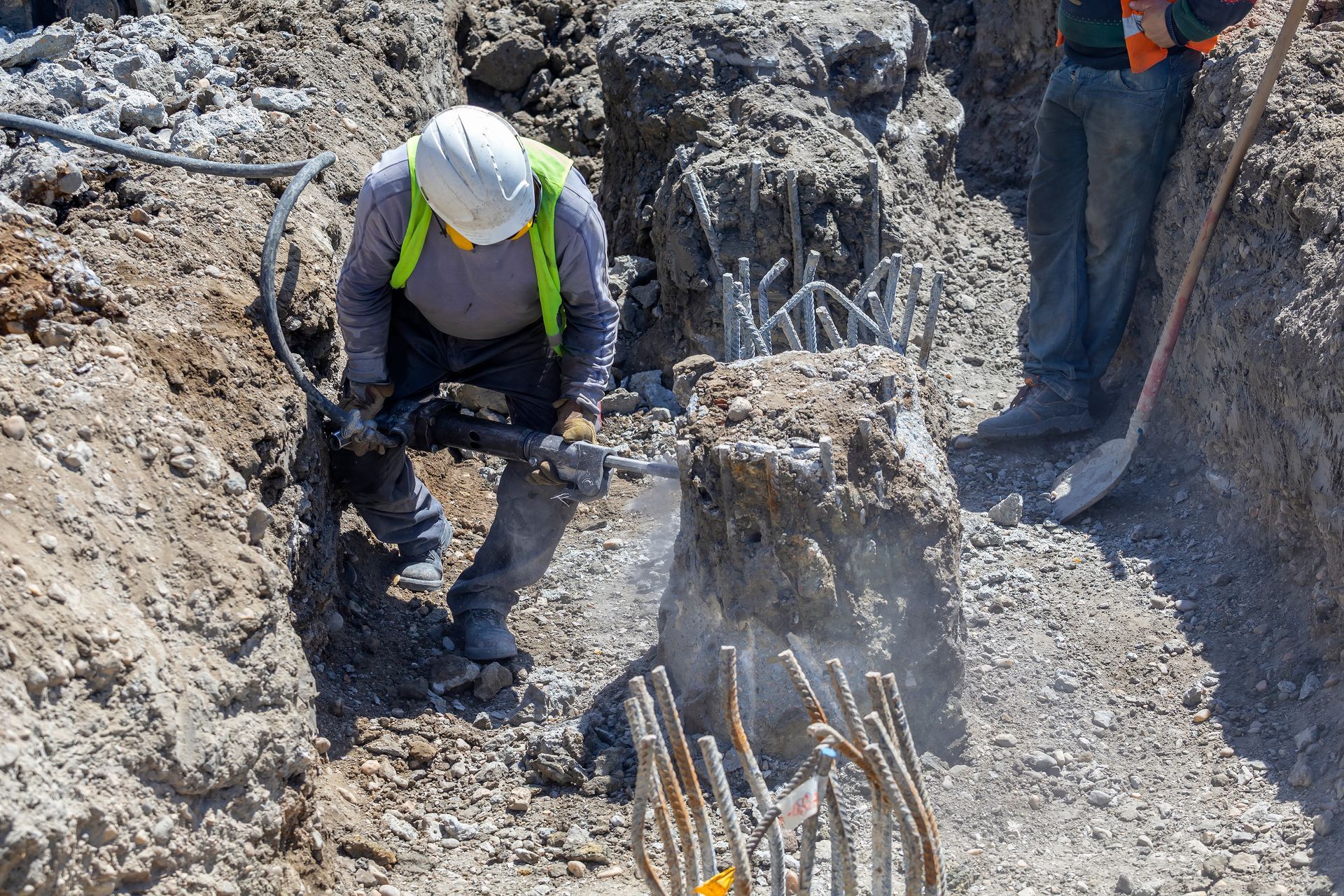
Contractor Insurance
Contractor insurance supports trades and service professionals across Southern California. It helps protect tools, equipment, and daily operations.

Cyber Liability Insurance
Cyber liability insurance helps protect business data and customer information. It supports recovery from digital incidents.

Commercial Property Insurance
Commercial property insurance helps protect offices, shops, and equipment. It supports recovery after covered damage.
Coverage Built for Specialized Work
Support for high-risk and service-driven industries.



Simple Steps Supported by Steady Guidance
A Clear Path to Coverage
Trusted by Clients Across Southern California
Clear service backed by real experiences.
Answers to Common Questions.
Clear explanations to guide your decisions.
How do I know which insurance policy is right for me?
We compare coverage options from multiple carriers to help you see differences in protection and price. You can review clear details and ask questions so you understand what each policy covers. Our team guides you step by step so you feel sure about your decision.
What factors affect my auto insurance premium?
Auto insurance premiums are influenced by your driving history, age, location, vehicle type, and coverage choices. A clean driving record and good safety features can help lower costs. We review these factors with you and help find coverage that fits your budget and needs.
Does homeowners insurance cover all types of damage?
Standard homeowners insurance protects your structure, personal belongings, liability, and additional living expenses in many cases. However, it usually does not include flood or earthquake damage without separate policies. We help you decide if extra coverage is right for your home and location.
Can I update my policy or get certificates online?
Yes. You can submit requests for policy changes and certificates through our online service form at any time. Our team processes those requests quickly and confirms updates once complete so you have the documents you need.
Do I need separate insurance for business risks like EPLI or E&O?
Yes. General liability and workers compensation cover many business risks but do not protect against all exposures. For example, Employment Practices Liability Insurance (EPLI) covers claims like wrongful termination or discrimination, and Errors & Omissions (E&O) covers claims based on mistakes in professional services. We help you identify which extra policies your business may need.
What happens if I need to file a claim?
If you need to file a claim, we guide you through the process and help you contact the insurance carrier. We explain what information you should provide, answer your questions, and stay available while the carrier reviews your claim. This support helps you move forward with confidence.
Contact Us