A rising trend in the state's cinematography scene has many wondering about adequate protection. Videography businesses face unique challenges in California, from unpredictable natural disasters to a competitive production environment that sometimes sees major projects shifting overseas. With insurance playing a pivotal role, understanding coverage options isn't just smart-it's essential. When examining industry trends, one cannot ignore the fact that the insurance market itself is experiencing transformative shifts.
Insurance companies spent around $3.1 billion on diverse businesses in the state during 2021. This figure provides a snapshot of the significance of risk financing and the evolving nature of buying decisions.
Understanding the Unique Risks in the California Videography Sector
California is synonymous with the entertainment industry, and videography businesses are a cornerstone of that ecosystem. The production environment can be unpredictable, ranging from equipment damage to on-set injuries, and these scenarios call for tailored insurance policies.
Natural hazards are a constant threat. In 2023, natural disasters in the state caused severe insured losses that contributed to a broader figure of $99 billion across the U.S., with California at the epicenter of many of these events (Insurance Business America). Additionally, factors like wildfire risk, regulatory constraints, and evolving production practices compound the risk landscape.
This elevated risk profile means that videography businesses must invest in comprehensive insurance policies that address property damage, liability claims, and even specialized coverage for on-set accidents, ensuring that both equipment and personnel are protected.


By: Danielle Sweet
Commercial Insurance Agent at Caruso Insurance Services
Key Components of Videography Business Insurance Coverage
A robust insurance policy for videography businesses goes beyond standard liability coverage. It typically includes several essential components designed to protect against the diverse risks inherent in film and video production.
General Liability and Equipment Coverage
General liability covers third-party bodily injury and property damage. For videographers dealing with expensive equipment, this coverage is indispensable. Business owners often invest thousands in cameras, lighting, and editing tools, which could be severely impacted by accidents or adverse weather conditions.
Equipment breakdown can be a costly affair, especially in scenarios where pricey gear is either lost or damaged. Protection against these incidents means uninterrupted production and the assurance that the workflow is minimally impacted by unforeseen events.
Professional Liability and Errors & Omissions Insurance
Professional liability, often known as errors & omissions (E&O) insurance, protects against claims resulting from professional mistakes or oversights. In an industry where timelines are tight and reputations hinge on performance, even a minor misstep can lead to significant legal challenges.
This coverage extends to advisory services, ensuring that any inaccuracies or mistakes in contract work do not lead to crippling financial settlements. Given the complexity of entertainment contracts, a safety net of this nature is advisable.
On-Set Accident and Cast Claims Coverage
One major concern for videography and production insurance is the risk of cast claims. If a key cast member suffers an injury, becomes seriously ill, or even dies, the resulting liability can be immense (CAC Group expert Janet Comenos). Coverage dedicated to these production risks protects against the unforeseen financial fallout of such tragedies.
The specialized nature of cast claims means that videography businesses must carefully review their policies. Tailored endorsements or additional riders might be necessary to ensure that gaps in standard policies do not leave critical areas uncovered.
Adapting to Market Dynamics and Regulatory Challenges
Market trends in the California insurance space have been shaped by several factors that videography businesses need to be aware of. As the rate increases for many insurance lines indicate, the industry is experiencing a hardening cycle, and videographers are not immune to these pressures. For example, the 2025 State of the Market & Industry Insights Report highlights that rapid rate increases influenced by wildfire risks and regulatory constraints are a central concern for many businesses (C3 Insurance).
This reformulated market is partly due to the increasing value of properties and equipment, along with the high costs associated with natural disasters. The impact of changing industry dynamics is also evident in the realm of film production. For instance, a significant number of productions have shifted overseas while risks remain consistent-a trend noted by industry expert Fred Milstein, CEO and president of Media Guarantors. Such movements have sparked debates about the long-term implications for local industry risk and insurance costs.
Furthermore, proposals like Governor Newsom's initiative to boost California's film tax credit to $750 million aim to reinvigorate local production, which could have positive ripple effects for videography businesses. With increased local activity, many hope that risk management strategies and insurance offerings will evolve in tandem
(Insurance Business).
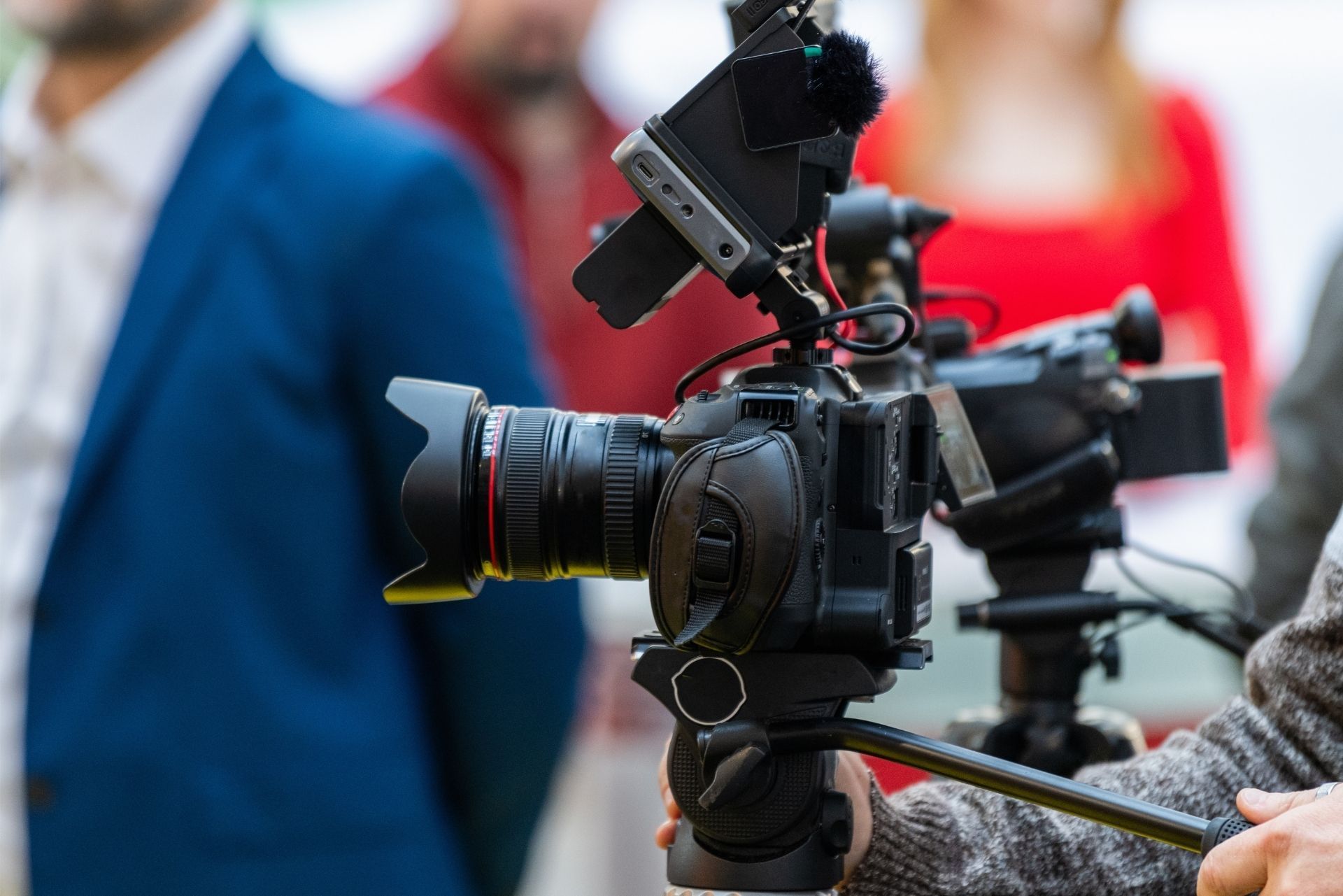
While the general risks are well known, videography professionals require policies designed for their specific operational challenges. Coverage must address both the operational side and potential on-set incidents, ensuring an all-encompassing safety net.
Tailored Policies for Equipment and Production Value
Considering the high dollar value of modern videography equipment, a policy’s ability to cover full replacement or repair costs is paramount. In cases where equipment loss disrupts production, policy terms that address expedited replacement or rental arrangements are essential features.
Some insurance providers even offer specialized ride-along policies that cover both production equipment and background responsibilities, such as securing film permits or addressing on-set liabilities. These tailored packages allow videographers to customize their coverage according to project specifics.
Coverage for Business Interruption and Revenue Loss
Natural disasters and sudden equipment failures can lead to costly delays in production. Business interruption insurance steps in to cover lost income that results from production halts. This type of coverage is increasingly relevant in California where unpredictable events have a tangible impact on production schedules.
A robust policy here ensures that even if unforeseen delays occur, ongoing expenses-such as rent, payroll, and marketing-are covered. This kind of support is particularly significant for small videography businesses that may not have the liquidity to absorb such shocks immediately.
How Trends in the Insurance Market Impact Videography Businesses
The shifting landscape within the insurance sector has direct implications for videography businesses in California. As market trends point to an environment of increasing premiums due to heightened risks and regulatory pressures, the cost of doing business naturally fluctuates. These trends highlight the need for vigilant risk management and flexible insurance packages.
Videography professionals are encouraged to regularly review policy terms and engage with industry experts to ensure that their coverage keeps pace with industry developments. Navigating this challenging environment often means partnering with insurers who understand both the creative and technical sides of the business.
Notably, challenges like high wildfire risk have not only increased premiums but also shifted the way policies are structured. The need for coverage that comprehensively addresses local environmental risks has prompted insurers to innovate. This has resulted in more specialized packages that speak directly to the vulnerabilities of video production operations.
Strategies for Managing Premium Costs in a Hardening Market
While insurance is non-negotiable in the videography business, there are several strategies that owners can adopt to make premiums more manageable. A proactive approach to risk management can minimize the likelihood of claims and, over time, contribute to lower insurance costs.
Implementing Robust Operational Protocols
Having strict operational protocols in place greatly reduces the risk of accidents and production delays. This can include comprehensive safety training, regular equipment maintenance, and thorough risk assessments before every shoot. These practices not only protect staff but also signal to insurers that risks are being actively managed.
Insurers often reward companies that take preventive steps heavily. Detailed safety plans and documented adherence to industry best practices are criteria that can be highlighted during policy negotiations. The peace of mind that comes from operating in a risk-managed environment can ultimately be reflected in more favorable premium rates.
Optimizing Coverage Through Policy Reviews
Regularly reviewing and updating your policy can pinpoint areas where the coverage may be out-of-date or duplicated. As the production environment evolves, it is common for a one-size-fits-all policy to become inefficient. Contracting with an experienced broker ensures that policy details align with the specific needs of videography businesses.
Engaging in systematic policy reviews can also lead to adjustments that better align coverage with a company’s current risk profile. Minor changes-like adjusting deductibles or adding riders for special equipment-can result in significant savings over time. These strategic tweaks offer the dual benefits of improved risk management and potentially lower insurance costs.
Insurance products are not static. Industry innovations continue to influence how risks are assessed and how coverage is structured. Recent proposals at the state level and emerging market insights are shaping a more responsive insurance environment that caters to the nuances of videography.
Efforts such as increasing state film tax credits are a noteworthy indication that legislative actions can have a profound impact on the insurance market. For instance, Governor Newsom's proposal to boost the film tax credit to $750 million is expected to catalyze local production, potentially reshaping the demand for well-structured risk management practices (Insurance Business).
Such innovations signal that the state is paying attention to the specific needs of the entertainment and production sectors. As videography companies benefit from a more supportive local ecosystem, the learning curve for insurers may also flatten, paving the way for more tailor-made and competitive policies.
The Economic Impact of Videography on California’s Business Landscape
The videography industry is not an isolated segment in California’s vast economic tapestry. With a growing number of creative enterprises and support services, the environment is both lucrative and challenging. The economic worth of sectors like photography and videography provides evidence of the rising stakes in the creative market.
For instance, the photography industry in California is projected to reach approximately $2.2 billion in revenue, evidencing the substantial role that creative businesses play in the broader economy (IBISWorld). Videography, an adjacent field, benefits from parallel growth trends. With increasing production budgets and more intricate projects, the financial risks have equally grown, necessitating comprehensive and specialized insurance coverage.
This economic cloth’s integration with risk management practices underscores why videography businesses must invest in appropriate insurance. Not only does this protect them in the event of an emergency, but it also fortifies the stability of an industry that is central to California’s cultural and economic vitality.
Case Studies: How Videography Businesses Are Navigating the Insurance Landscape
Real-world examples offer practical insights into how videography businesses can develop more effective insurance strategies. Several companies that have revisited their policies in response to evolving risks have reported better resilience when faced with claims or operational disruptions.
Tailoring Risk Management in High-Profile Productions
One production company, known for its high-profile commercials and feature films, consistently reviews its insurance coverage on a project-by-project basis. By fostering close relationships with insurance brokers, they ensure that each set and scenario is adequately covered. This proactive approach has helped mitigate the financial impact of unforeseen incidents, such as equipment damage during a severe weather event.
The company’s strategy includes regular safety audits, comprehensive equipment checks, and on-set risk assessments that are shared with their insurers during policy renewals. This individualized risk assessment has proven effective in reducing downtime and financial disruption, underscoring the importance of dynamic and responsive coverage policies.
Adapting to Market Changes Amid Rapid Production Shifts
Another example comes from a videography business that experienced turbulent shifts in production patterns. With several major projects migrating overseas but many still rooted in the state, this business faced frequent policy adjustments to cover domestic and international operations. They found that working with brokers who understand global production nuances made a significant difference.
Despite the increased complexity, their strategy centered on two objectives: maintaining robust local coverage for inherent risks like wildfire exposure and assembling a global safety net for overseas operations. This dual focus allowed them to navigate changes in market dynamics while ensuring that each project remained protected, aligning their practices with industry experts such as Fred Milstein's insights on shifting production risks
(Media Guarantors).
Practical Steps for Ensuring Effective Videography Insurance Coverage
Video production companies must navigate the complex world of insurance with diligence. Accurate and current coverage is not a one-time decision; it evolves as operations and risks change. Several practical steps can help ensure that videography businesses secure the most effective policies available.
Conducting Comprehensive Risk Assessments
Before selecting or renewing a policy, evaluate the entire range of risks-from equipment damage to liability claims during filming. A comprehensive risk assessment should include reviewing past incidents, consulting with industry experts, and simulating potential losses. It also helps identify gaps in current coverage that may require additional endorsements.
This due diligence process not only highlights current vulnerabilities but also assists in negotiating terms that align with the business's risk profile. In a market where even small discrepancies can lead to significant financial setbacks, staying ahead of risk trends is essential.
Regular Policy Reviews and Updates
With a rapidly changing production environment, periodic reviews of insurance policies are a necessity rather than an option. This strategy allows companies to adapt to new risks and adjust premium costs. Keeping track of production schedules, equipment upgrades, and operational changes provides insurers with the necessary context to update coverage appropriately.
Regular updates also demonstrate a commitment to risk mitigation, which may encourage insurers to offer more competitive terms over time. A proactive policy management approach ultimately contributes to smoother claims processing and avoids unexpected coverage gaps.
Integrating Technology and Data in Risk Management
Technology plays an increasingly important role in managing the risks for videography businesses. Several new tools and data analytics platforms help companies not only assess risk more accurately but also predict potential loss events.
Data-driven inspections, remote monitoring of equipment, and comprehensive incident tracking systems are some of the innovations that modern videography businesses are embracing. These systems expedite claim submissions and offer insurers a real-time snapshot of a company’s exposure to risks. Such integration benefits both parties, streamlining the overall process and leading to more tailored policy designs.
For videography companies, investing in these technologies is part of a broader strategy to enhance risk management. It is a way to demonstrate an ongoing commitment to safety, potentially influencing the underwriting process favorably.
Learning from Industry Trends and Expert Insights
The experiences of industry experts and recent market developments offer valuable lessons for videography businesses. With production trends shifting and insurance markets hardening, the strategies that worked a few years ago may need revisiting.
For example, a study by the Center for California Real Estate highlights several urgent actions to address the state’s insurance crisis (Center for California Real Estate). The focus on rate approvals and long-term mitigation funding is as relevant for videography companies as it is for more traditional industries. Being aware of these wider market pressures can help media professionals advocate for policies that reflect contemporary risks.
Expert insights remind the industry that each unique risk-from cast claims to equipment malfunction-requires a specialized approach. Videography businesses should not only rely on current market trends but also look ahead to emerging challenges and opportunities, ensuring that their policies remain robust and relevant.
Frequently Asked Questions
This section addresses common inquiries about videography business insurance, offering clear, concise answers to help guide informed decisions.
Q: What does a comprehensive videography insurance policy typically cover?
A: Comprehensive policies often include general liability, equipment coverage, professional liability, and specific endorsements for on-set accidents and cast claims. These provide protection against unexpected incidents that can disrupt business operations.
Q: How can videography companies manage rising premium costs?
A: Investing in robust operational protocols, regular policy reviews, and risk assessments are effective strategies. These help to identify and mitigate risks early, potentially lowering premium adjustments when policies are renewed.
Q: Are there specialized coverages for on-set accidents and injuries?
A: Yes. Many insurers offer tailored riders or endorsements specifically designed to cover on-set injuries and cast claims. This specialized coverage is critical in managing risks associated with high-profile talent and complex production environments.
Q: How often should a videography business review its insurance coverage?
A: It is advisable to review and update insurance policies annually, or whenever there are significant operational changes. Regular reviews ensure that coverage remains aligned with evolving risks.
Q: Can technology help in reducing insurance risks?
A: Absolutely. Many companies now use data analytics, remote monitoring, and incident tracking systems to better manage risks. This proactive approach can lead to more accurate risk assessments and potentially more favorable policy terms.
Wrapping Things Up: Staying Protected in a Dynamic Market
Videography businesses in California face a multifaceted risk landscape. With production challenges ranging from on-set accidents to unpredictable natural disasters, the importance of robust and dynamic insurance coverage cannot be understated. Staying abreast of industry trends, engaging with knowledgeable brokers, and taking a proactive stance on risk management are essential steps for long-term success.
With proposals like Governor Newsom’s initiative to boost local film tax credits and emerging coverage innovations, the market is evolving continuously. This evolution means that while challenges persist, there are opportunities for businesses to leverage new products tailored to their unique needs.
Every videography business should not only invest in appropriate coverage but also focus on strategic risk reduction methods. The dual approach of safeguarding assets while optimizing operational efficiencies forms the backbone of financial resilience in a hardening market.
Key Takeaways for California Videography Insurance
The most valuable insurance policies are crafted with an in-depth understanding of market conditions and specific production challenges. For businesses in California, several key points stand out:
- Comprehensive policies shift beyond standard coverage to include endorsement options for on-set accidents and cast claims.
- Regular reviews and proactive risk mitigation strategies can help manage the rising costs associated with a hardening market.
- Technological innovations in risk management can streamline claims and lead to more competitive policy terms.
- Legislative changes and market trends indicate a vibrant future for local production, which will continue to influence insurance dynamics.
Ensuring that policies are not static, but adaptable to new risks, is a critical takeaway for videography businesses. Relying on experienced brokers and industry experts can make a significant difference when navigating complex claims scenarios.
Before You Go: Practical Steps for the Future
In summary, the insurance landscape for videography businesses in California is not merely about compliance. It is about fortifying an industry that thrives on creativity and technological innovation while managing ever-present risks.
Focus on integrating comprehensive coverage options, assign the right endorsements for unique on-set requirements, and keep abreast of ever-changing regional risk factors like natural disasters and production shifts. Policies tailored to these nuances not only protect physical assets but also sustain the creative momentum that fuels California’s media industry.
As the videography industry continues to evolve in tandem with market trends and legislative shifts, being proactive in insurance matters will ultimately set successful businesses apart. Firms that understand the value of ongoing risk management and comprehensive coverage will be better positioned to handle future challenges even as the landscape continues to shift.
ABOUT THE AUTHOR:
DANIELLE SWEET
HI! I am Danielle Sweet your insurance extraordinaire. I have been in the insurance industry since I was 19 years old working in many different areas of insurance to provide a broad knowledge base to our clients. I have three amazing children who keep me on my toes even as they are older. I have a passion for horses and am lucky to ride every week. I am truly blessed to be able to help business owners and individuals navigate the world of insurance and educate you to make an informed decision that is right for you.
Contact Us

Service that stays with you.
Our team helps simplify insurance decisions for families and businesses. We focus on clear explanations, fast responses, and dependable service. You can count on us for help with coverage questions, updates, and long-term support.
Coverage that keeps you secure
Reliable Protection for Everyday Life
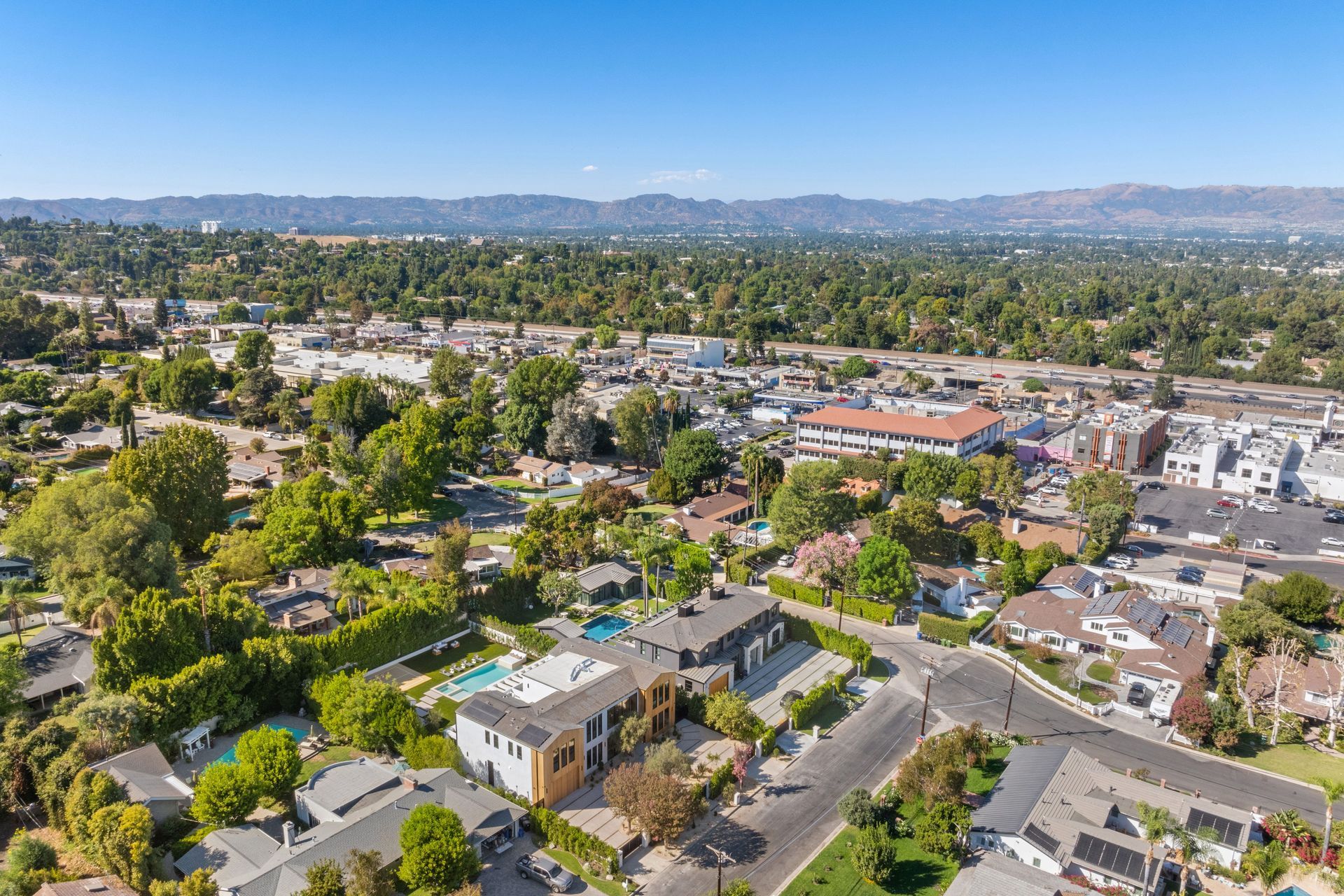
Home insurance helps protect your house, personal belongings, and liability risks. We explain coverage options clearly so you know what your policy includes.
Auto insurance provides protection for accidents, liability, and vehicle damage. We help you compare options so you can choose coverage that fits your driving needs.
Motorcycle insurance provides coverage for riders and their bikes. We help you select options that match how and where you ride.
RV insurance supports protection for motorhomes and recreational vehicles. Coverage applies during travel and while parked.
Coverage Built for Contractors and Trades
Support that keeps your work moving.

General Liability Insurance
General liability insurance helps protect contractors from injury and property damage claims. It supports jobsite requirements and contracts.

Workers Compensation
Workers compensation insurance helps protect employees injured while working. It also supports compliance with state requirements.

Commercial Auto Insurance
Commercial auto insurance provides coverage for work vehicles used on jobsites. It helps protect drivers and company vehicles.
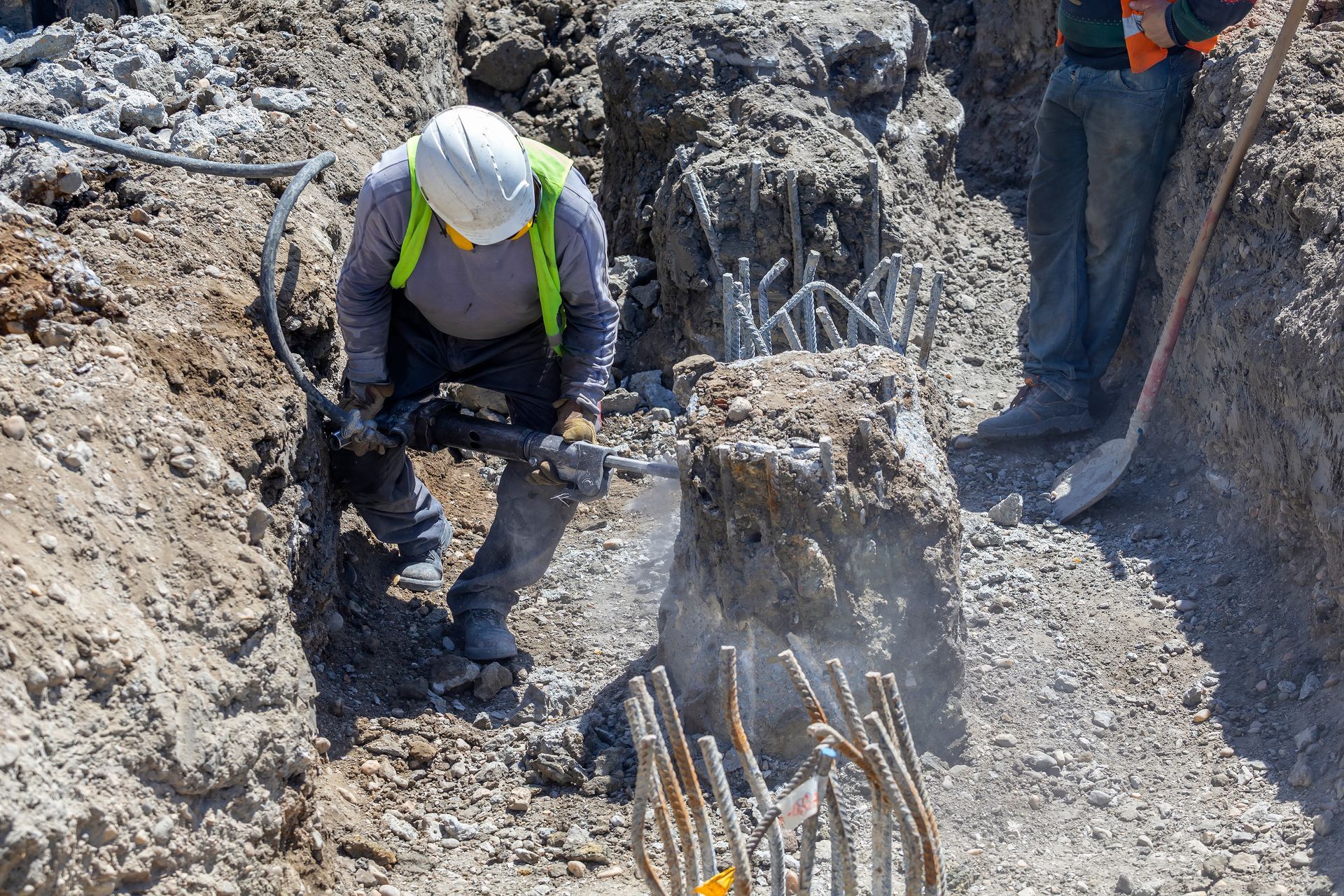
Contractor Insurance
Contractor insurance supports trades and service professionals across Southern California. It helps protect tools, equipment, and daily operations.

Cyber Liability Insurance
Cyber liability insurance helps protect business data and customer information. It supports recovery from digital incidents.

Commercial Property Insurance
Commercial property insurance helps protect offices, shops, and equipment. It supports recovery after covered damage.
Coverage Built for Specialized Work
Support for high-risk and service-driven industries.


Simple Steps Supported by Steady Guidance
A Clear Path to Coverage
Trusted by Clients Across Southern California
Clear service backed by real experiences.
Answers to Common Questions.
Clear explanations to guide your decisions.
How do I know which insurance policy is right for me?
We compare coverage options from multiple carriers to help you see differences in protection and price. You can review clear details and ask questions so you understand what each policy covers. Our team guides you step by step so you feel sure about your decision.
What factors affect my auto insurance premium?
Auto insurance premiums are influenced by your driving history, age, location, vehicle type, and coverage choices. A clean driving record and good safety features can help lower costs. We review these factors with you and help find coverage that fits your budget and needs.
Does homeowners insurance cover all types of damage?
Standard homeowners insurance protects your structure, personal belongings, liability, and additional living expenses in many cases. However, it usually does not include flood or earthquake damage without separate policies. We help you decide if extra coverage is right for your home and location.
Can I update my policy or get certificates online?
Yes. You can submit requests for policy changes and certificates through our online service form at any time. Our team processes those requests quickly and confirms updates once complete so you have the documents you need.
Do I need separate insurance for business risks like EPLI or E&O?
Yes. General liability and workers compensation cover many business risks but do not protect against all exposures. For example, Employment Practices Liability Insurance (EPLI) covers claims like wrongful termination or discrimination, and Errors & Omissions (E&O) covers claims based on mistakes in professional services. We help you identify which extra policies your business may need.
What happens if I need to file a claim?
If you need to file a claim, we guide you through the process and help you contact the insurance carrier. We explain what information you should provide, answer your questions, and stay available while the carrier reviews your claim. This support helps you move forward with confidence.
Contact Us