California Real Estate Investor Insurance
Insurance coverage designed to protect HVAC contractors and their daily operations.
or call us: 951-547-6770
The California real estate market poses unique challenges for investors, especially when navigating the intricacies of property insurance. For instance, recent policy shifts have directly affected policyholders in high-risk wildfire zones, prompting investors to explore alternative options. This guide unpacks the essentials investors need to know when securing insurance coverage in California, while offering insight into market trends and expert perspectives. To start,
recent statistics illustrate the nuanced premium landscape that defines insurance in the state.
Understanding the Unique California Insurance Market
California’s insurance market stands apart from many other states due to its specific environmental risks and regulatory landscape. The state’s average annual homeowners insurance premium was estimated at $1,700 in 2023, slightly below the national average of $1,800. This difference can be attributed to factors including competitive market pressures and evolving risk assessment strategies.
The complexities of insuring property in a state with its own set of unique risks mean that real estate investors must be particularly diligent. Investors face challenges such as wildfire risks and construction defect liability, each contributing to the overall insurance cost and market unpredictability.
For updated insights on how these factors interact, refer to research from institutions like McKinsey, which provide granular details on the factors influencing premiums in California.


By: Jennifer Roberts
Commercial Insurance Agent at Caruso Insurance Services
Key Factors Influencing Real Estate Insurance Costs in California
Environmental and Wildfire Risks
In California, wildfire risks have become an increasing concern. In May 2024, a major insurer, State Farm, announced it would not renew policies in areas deemed especially vulnerable to wildfires. This decision impacted approximately 30,000 policyholders, leaving real estate investors to find alternative coverage options. Such developments underscore the importance of evaluating property locations and understanding the long-term implications of environmental hazards.
Investors should be mindful that rising environmental risks often trigger higher premiums as insurers adjust to anticipated claims and escalating repair costs. This dynamic is expected to continue, particularly given statements by climate experts indicating a potential steady rise in insurance prices over the next 10 to 20 years (expert insights).
The increasing frequency of wildfire events, paired with changing climate patterns, has pushed many investors to review their policies more frequently. A proactive approach in reassessing insurance terms could help manage potential interruptions in property transactions or unforeseen expenses.
Construction Defects and Liability
Construction defect liability is another critical factor affecting insurance costs in California. Issues arising from building defects have been shown to inflate insurance expenses, reducing housing development opportunities. A detailed study by the Terner Center for Housing Innovation highlights how these construction-related concerns contribute to higher rates and more stringent coverage conditions.
For an investor focused on properties undergoing renovations or new constructions, ensuring that liability issues are adequately addressed in insurance policies is essential. This careful attention to detail protects investments from unforeseen losses due to construction flaws.
Addressing these concerns proactively by including specialized endorsements or guarantees in policies can provide an extra layer of security and help manage risk more effectively.
Standard Homeowners Policies vs. Investor-Focused Policies
While typical homeowners policies offer broad coverage designed for individual residents, real estate investors often require more specialized plans. Investors may need insurance products that cover multiple properties, commercial aspects, or a combination of personal and rental situations. Each policy type offers distinct advantages and limitations.
Standard homeowners policies might not address the specific risks associated with investor-owned properties, such as frequent turnover of tenants or structural modifications. Therefore, understanding the difference between these policies becomes fundamental when selecting protection that aligns with investment strategy.
An investor-focused policy ensures that aspects like rental income loss, liability claims, and even multi-property coverage are considered. Reviewing these policy options can help avoid lapses in coverage that may lead to significant financial shortfalls.
Multi-Property and Commercial Liability Coverage
Investors owning multiple rental units should consider tailored coverage that addresses the complexities of managing several properties. This includes specialized endorsements that extend beyond the basic homeowner policy. Coverage may include protection for commercial liabilities, ensuring that any damage or claims associated with rental activities are efficiently managed.
A critical point for investors is ensuring adequate protection against market fluctuations caused by inadequate coverage. Well-constructed policies provide a framework for stability, even if market conditions worsen as insurance premiums rise.
Exploring these specialized insurance packages is necessary to understand the intricacies of what investors need. A detailed analysis of policy options can be found in recent industry surveys that stress the growing trend of investor-driven residential transactions
(industry reports).

Impact of Insurance Market Trends on Investor Decisions
Rising Insurance Costs and Market Stability
In recent years, California has seen significant variation in insurance premium trends. As underwriting becomes more cautious in high-risk areas, premiums continuously creep upward. Michael Wara from Stanford University anticipates that insurance prices will maintain an upward trajectory for the next couple of decades, urging investors to factor in potential cost escalations when calculating returns.
Rising premiums can influence both the valuation of assets and the overall profitability of investments. Real estate investors must weigh these factors when deciding their entry points and financing strategies. The interplay between market stability and premium trends has become a critical metric in assessing the overall viability of investments.
Maintaining an adaptive strategy and including insurance cost projections as part of broader investment risk management can shield investors from unexpected financial burdens.
Profit Margins and the Underlying Insurance Economics
An interesting dimension of the insurance landscape in California is the contrast in profit margins. While the national average for homeowners insurance profit margins stands at 6.7%, California has experienced an average margin of -2.6% between 2013 and 2022. This disparity reflects the market’s susceptibility to environmental risks and other expenses unique to the region.
Investors must be aware that these tight margins signal a more precarious balance between premium income and claim payouts. This situation may compel insurers to tighten their underwriting standards, thereby increasing the premiums for policyholders. Recognizing these economic signals provides a clearer perspective on the valuations and pricing strategies implemented by insurance carriers in the region (insurance profit reports).
As the market continues to shift, understanding the economic conditions behind insurance pricing becomes not just a necessity for homeowners but also an essential component of a successful investment strategy.
Shifts in Real Estate Investment Dynamics
Homebuilder Sales and Investor Influence
The dynamics of California's real estate market are evolving, largely influenced by a surging investor presence. A survey conducted in early 2024 revealed that 60% of homebuilders sold homes to investors, with these investors representing 25% of all new and resale transactions. The increased investor activity has driven a shift in market strategies, often leading to higher competition for premium properties.
This trend necessitates careful evaluation of insurance needs since investor properties might have insurance requirements that differ substantially from owner-occupied homes. Investors often negotiate insurance terms that protect not only the physical assets but also ensure continuity amid frequent tenant turnovers and property management complexities.
Tracking these market dynamics and integrating advanced risk management strategies into overall investment plans can create a more robust environment for long-term profitability.
Fragmented Market Efforts and the Need for Coordinated Strategies
The real estate insurance market in California is characterized by fragmented efforts from multiple stakeholders. As pointed out by experts from Pepperdine University, coordinated public-private initiatives are necessary to instill long-term stability. According to industry voices, such collaboration could facilitate refined underwriting standards and innovative policy structures that eventually benefit both homeowners and investors (industry expert insights).
This coordinated approach could also tackle the complexities brought about by factors like construction defects and environmental risks. An industry-wide response that combines evolving technologies with traditional underwriting methodologies will provide a clearer pathway to safer investments.
Given the current landscape, investors are encouraged to engage regularly with industry updates and policy adjustments to navigate the challenges posed by the ongoing market evolution.
Comparing Insurance Coverage Options: A Detailed Look
Side-by-Side Comparison Table for Insurance Policies
Evaluating insurance policies side by side can help investors determine the most suitable coverage for their portfolio. This comparison chart outlines the distinctions between standard homeowner policies and investor-focused insurance plans.
| Feature | Standard Homeowners Policy | Investor-Focused Policy |
|---|---|---|
| Coverage Type | Designed for owner-occupied residences | Includes rental and commercial liabilities |
| Risk Assessment | General residential risks | Emphasis on environmental risks and property turnover |
| Premium Trends | Stable in low-risk areas | May be higher due to multiple risk factors |
| Policy Flexibility | Limited customization for commercial use | Offers tailored endorsements for investors |
| Special Considerations | Basic coverage for property damage | Additional coverage for rental income loss and tenant-related issues |
This table provides a simplified snapshot of key differences that investors must consider. It underscores why a one-size-fits-all approach may fall short in addressing the complex needs of real estate investors in a high-stakes market like California.
Strategic Insurance Planning for Real Estate Investors
Risk Management and Proactive Insurance Strategies
Given the rising premiums and inherent environmental risks, real estate investors must adopt proactive insurance strategies. This includes regularly reviewing policies, negotiating for better terms, and understanding how regional risks impact overall coverage.
Strategic planning might involve engaging with insurance brokers who specialize in investor portfolios and leveraging data on market trends. Such measures help mitigate exposure while ensuring that protection is both comprehensive and cost-effective.
Investors should also consider the broader implications of market changes, such as nearly 7% of real estate transactions in California falling out of escrow due to insurance issues (industry statistics). This figure, albeit concerning, serves as a reminder of how critical insurance planning is in maintaining deal flow and safeguarding investments.
Utilizing Expert Advice and Industry Updates
Timely and informed advice is invaluable when navigating California's complicated insurance landscape. As industry experts have noted, moving from fragmented attempts at resolution to coordinated strategies can strengthen market stability and investor trust. Leveraging updates from trusted institutions, including academic and industry experts, can provide clarity on evolving trends.
Developing relationships with professionals who have proven track records in risk management can ensure that investors remain ahead of potential issues. This includes keeping a close eye on expert opinion pieces and reputable studies that stress the importance of adaptive planning in mitigating future challenges.
This proactive approach differentiates successful investors from those who may be caught unaware by sudden market changes.
The Future Outlook for Real Estate Investor Insurance in California
Ongoing Changes and Market Predictions
Experts across academic and industry domains agree that the insurance landscape in California is on the cusp of significant transformation. Given the regional vulnerabilities-ranging from escalating wildfire risks to the impact of construction defect liability-the short- and long-term outlook continues to evolve.
Forecasts suggest that premiums will likely continue to increase in the foreseeable future. For investors, this means that while insurance remains a critical component of property management, its associated costs and terms may require ongoing adjustment. Staying informed through regular review of studies and expert panels is essential.
This evolving dynamic reinforces the importance of using adaptive strategies in investment portfolios, as the economic and environmental considerations intertwine to shape policy terms and market stability.
Long-Term Strategies to Hedge Against Uncertain Risks
Given the uncertainty that defines the current insurance market, long-term risk management strategies are fundamental. Investors should consider insurance as a dynamic component of their overall portfolio strategy, one that adjusts as market conditions shift. Diversifying coverage options and periodically re-assessing portfolio vulnerabilities are practical measures that can reduce exposure over time.
Engaging with insurers that offer flexible terms or adjust policies in light of evolving conditions is a key strategic advantage. A consistent dialogue between insurers and investors not only ensures clarity in terms but also promotes innovation in policy structures that better address investor needs.
As the market matures, coordinated efforts between the public and private sectors-echoing the views of experts like Pete Peterson-will likely usher in a more stable insurance environment. Such collaboration could ultimately lead to policies that better reflect the actual risks in play, thereby fostering a healthier market for real estate investors.
Frequently Asked Questions
This section addresses common concerns and questions that investors may have when considering insurance coverage for their California properties.
Q: What makes California's insurance market unique for real estate investors?
A: Unique environmental risks, such as wildfires, and regional factors like construction defect liability set California apart. These risks require specialized policies and proactive planning.
Q: How do rising insurance costs impact my investment strategy?
A: Higher premiums can affect overall profitability and asset valuation. Investors should factor these costs into long-term planning and risk management strategies.
Q: What should I look for in an investor-focused insurance policy?
A: Look for policies that cover rental income loss, commercial liabilities, and provide flexible endorsements designed to meet the demands of multi-property ownership.
Q: Can changes in insurance policies cause real estate transactions to fall out of escrow?
A: Yes, insurance issues are significant enough that nearly 7% of transactions have faced delays or cancellations due to coverage concerns.
Q: How can I stay updated on changes in the California insurance market?
A: Regularly review industry reports, expert insights, and engage with professionals who specialize in real estate investor insurance to remain informed on evolving trends.
Q: What long-term strategies can investors adopt to manage insurance risks?
A: A diversified portfolio, proactive risk management, and maintaining an open line of communication with your insurer can help hedge against market volatility and insure against future risks.
California real estate investor insurance continues to evolve in response to changing environmental, economic, and regulatory conditions. It is vital for investors to keep abreast of these developments, regularly reassess their coverage needs, and adopt proactive strategies tailored to minimize risk. With careful planning and ongoing consultation with industry experts, real estate investors in California can navigate these challenges effectively and sustain successful investments well into the future. As market dynamics shift and more data becomes available, a thoughtful approach to insurance planning remains at the heart of any robust investment strategy.
By staying informed with trustworthy sources, including detailed statistical reports and expert analyses, investors can position themselves to not only weather the fluctuations in premium costs but also capitalize on opportunities that arise amidst change. Embracing a forward-looking mindset and leveraging current research-from risk assessments to economic evaluations-investment professionals are better prepared to ensure comprehensive coverage tailored to the distinct demands of the California market.
Ultimately, the blend of proactive management, strategic planning, and regular engagement with evolving industry insights forms the cornerstone of successful real estate investment insurance. Investors who commit to this approach will find themselves better positioned to navigate uncertainties, protect their assets comprehensively, and harness the full potential of California’s vibrant, albeit challenging, real estate market. For those seeking to explore deeper insights or further details on this subject, revisiting established industry reports and academic studies is an essential part of a robust research process.
ABOUT THE AUTHOR:
JENNIFER ROBERTS
Jennifer Roberts supports business clients with commercial insurance service and account coordination. She works closely with clients to explain coverage details clearly and guide them through policy updates that support business needs.
Jennifer believes strong organization and clear communication are key to reliable service. She stays involved throughout the policy process, from documentation to ongoing updates, and focuses on maintaining accurate and dependable client accounts.
Contact Us

Service that stays with you.
Our team helps simplify insurance decisions for families and businesses. We focus on clear explanations, fast responses, and dependable service. You can count on us for help with coverage questions, updates, and long-term support.
Coverage that keeps you secure
Reliable Protection for Everyday Life
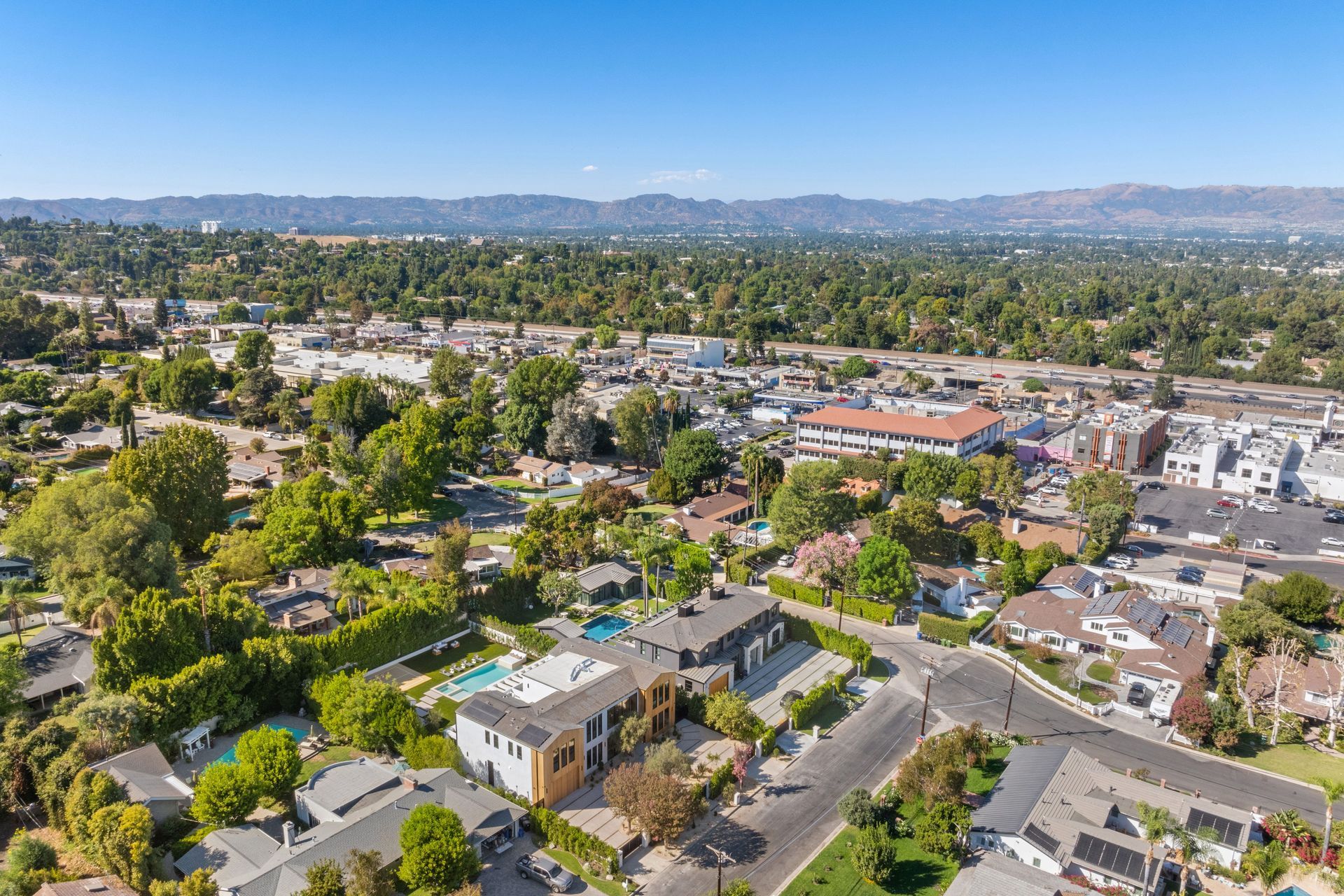
Home insurance helps protect your house, personal belongings, and liability risks. We explain coverage options clearly so you know what your policy includes.
Auto insurance provides protection for accidents, liability, and vehicle damage. We help you compare options so you can choose coverage that fits your driving needs.
Motorcycle insurance provides coverage for riders and their bikes. We help you select options that match how and where you ride.
RV insurance supports protection for motorhomes and recreational vehicles. Coverage applies during travel and while parked.
Coverage Built for Contractors and Trades
Support that keeps your work moving.

General Liability Insurance
General liability insurance helps protect contractors from injury and property damage claims. It supports jobsite requirements and contracts.

Workers Compensation
Workers compensation insurance helps protect employees injured while working. It also supports compliance with state requirements.

Commercial Auto Insurance
Commercial auto insurance provides coverage for work vehicles used on jobsites. It helps protect drivers and company vehicles.
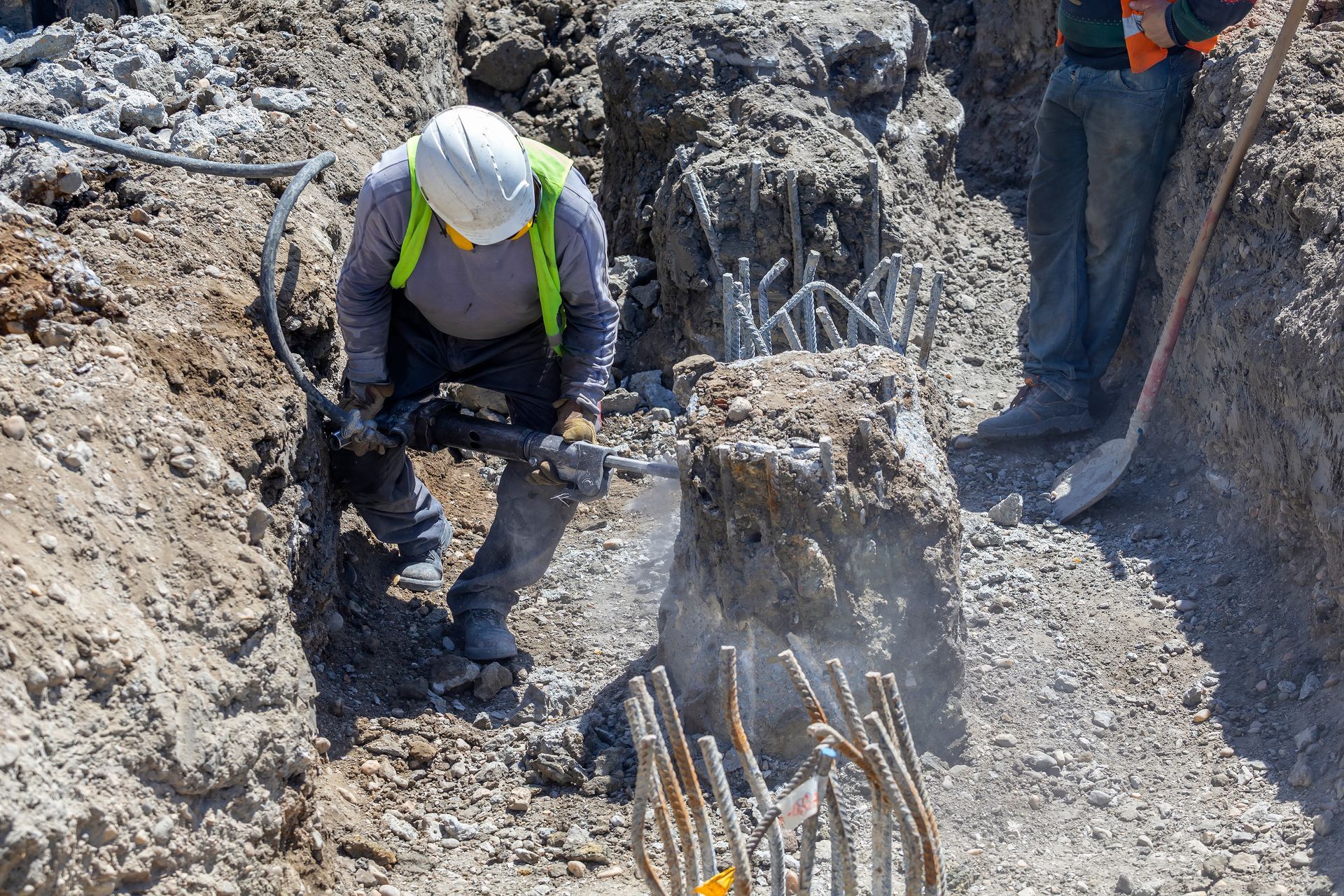
Contractor Insurance
Contractor insurance supports trades and service professionals across Southern California. It helps protect tools, equipment, and daily operations.

Cyber Liability Insurance
Cyber liability insurance helps protect business data and customer information. It supports recovery from digital incidents.

Commercial Property Insurance
Commercial property insurance helps protect offices, shops, and equipment. It supports recovery after covered damage.
Coverage Built for Specialized Work
Support for high-risk and service-driven industries.



Simple Steps Supported by Steady Guidance
A Clear Path to Coverage
Trusted by Clients Across Southern California
Clear service backed by real experiences.
Answers to Common Questions.
Clear explanations to guide your decisions.
How do I know which insurance policy is right for me?
We compare coverage options from multiple carriers to help you see differences in protection and price. You can review clear details and ask questions so you understand what each policy covers. Our team guides you step by step so you feel sure about your decision.
What factors affect my auto insurance premium?
Auto insurance premiums are influenced by your driving history, age, location, vehicle type, and coverage choices. A clean driving record and good safety features can help lower costs. We review these factors with you and help find coverage that fits your budget and needs.
Does homeowners insurance cover all types of damage?
Standard homeowners insurance protects your structure, personal belongings, liability, and additional living expenses in many cases. However, it usually does not include flood or earthquake damage without separate policies. We help you decide if extra coverage is right for your home and location.
Can I update my policy or get certificates online?
Yes. You can submit requests for policy changes and certificates through our online service form at any time. Our team processes those requests quickly and confirms updates once complete so you have the documents you need.
Do I need separate insurance for business risks like EPLI or E&O?
Yes. General liability and workers compensation cover many business risks but do not protect against all exposures. For example, Employment Practices Liability Insurance (EPLI) covers claims like wrongful termination or discrimination, and Errors & Omissions (E&O) covers claims based on mistakes in professional services. We help you identify which extra policies your business may need.
What happens if I need to file a claim?
If you need to file a claim, we guide you through the process and help you contact the insurance carrier. We explain what information you should provide, answer your questions, and stay available while the carrier reviews your claim. This support helps you move forward with confidence.
Contact Us