A major construction project can turn risky in an instant, from a simple misstep on site to a costly construction defect. This guide breaks down everything general contractors in California need to know about insurance coverage. Serious rate changes, evolving coverage mandates, and increasing exposure require professionals to stay ahead. For example, recent developments show that workers' compensation costs in California have seen some of their largest single-year increases in recent times, raising questions about the overall insurance landscape. Read on to discover practical insights and emerging trends that can protect your business. California workers' comp rates are just one piece of a complex puzzle.
This comprehensive guide not only explains the types of coverage available but also reveals key factors driving premium adjustments, such as regulatory changes and market conditions. With the introduction of new rules for private construction contracts and the latest industry reports highlighting a hardening market, understanding the insurance options can make a significant difference to a contractor’s bottom line.
Delving into each insurance aspect, this article offers actionable advice and clear examples to help contractors navigate the complexities of risk management in California’s competitive construction industry.
Understanding the Landscape of Contractor Insurance in California
California contractors face a unique challenge amid a tightening insurance market and rising premium rates. Recent studies reveal notable changes in workers' compensation insurance, with an advisory pure premium rate that increased by 8.7% in 2025 (Soma Insurance). Such shifts are not isolated, reflecting broader trends that impact all lines of insurance.
The insurance market in California has been described as being in a hardening cycle, with companies factoring in risks like wildfire exposure and strict regulatory constraints. This notably affects contractors, who must grapple with increased cost burdens while ensuring they maintain comprehensive coverage on a variety of projects. The escalating rates demand that contractors pay close attention to their insurance portfolios.
Understanding these market shifts is crucial for contractors who seek to balance operational costs with adequate risk management. Even though some projects might feel temporarily secure under current insurance contracts, ensuring that coverage meets evolving risks is essential for long-term sustainability.

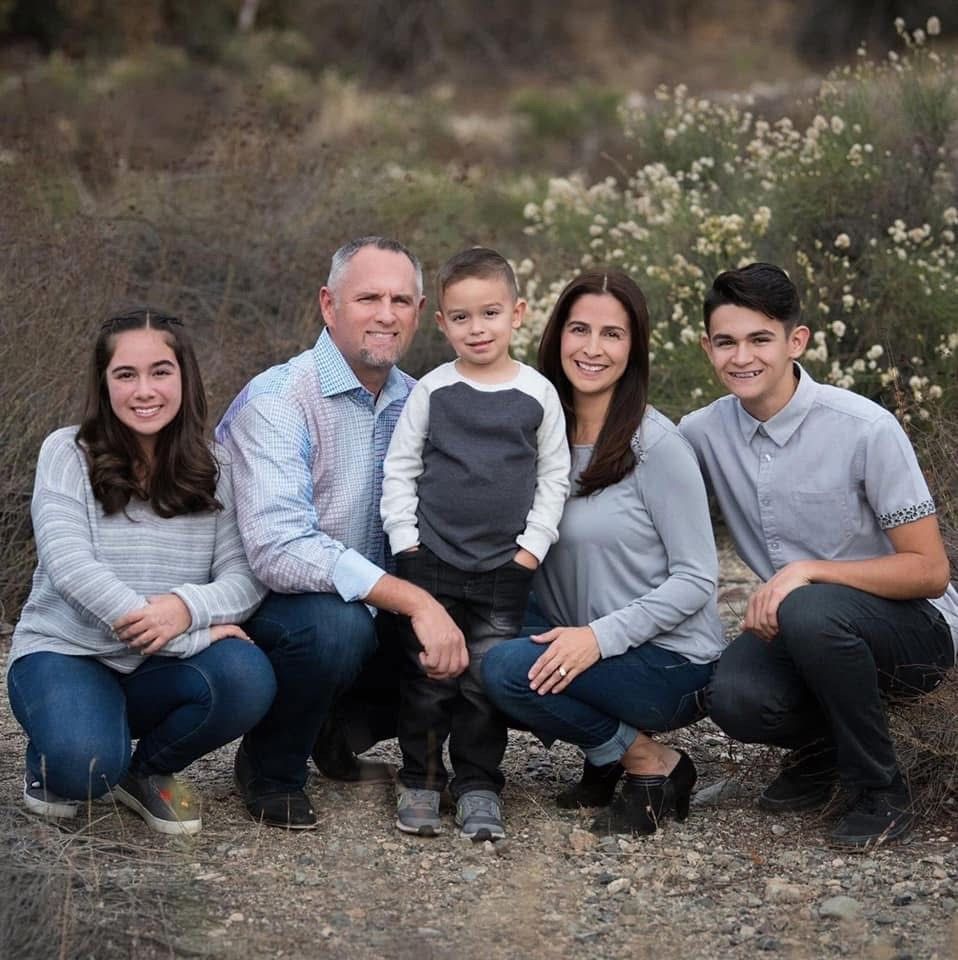
By: Peter Plew
Commercial Insurance Agent at Caruso Insurance Services
Core Coverage Options for General Contractors
General contractor insurance in California typically includes several critical types of coverage. Among the most common are general liability insurance, workers' compensation, and errors & omissions (E&O) coverage. Each offers protection against different facets of risk.
General liability insurance protects contractors against bodily injury and property damage claims raised by third parties. This form of coverage is a staple for the industry and can be further supplemented by professional liability policies.
Errors & omissions coverage is another crucial safeguard. As emphasized by industry experts, “Errors & omissions (E&O) coverage... is becoming an essential component of a contractor’s risk-transfer program” [CLM Magazine]. This protection covers claims resulting from professional negligence, mistakes, or oversight during the construction process.
Workers' Compensation Insurance
Workers' compensation insurance plays a pivotal role in protecting both employers and workers in the construction industry. The coverage helps manage claims related to on-the-job injuries or illnesses. With advisory pure premium rates having climbed significantly in recent years-an 8.7% increase was recorded in 2025 (Soma Insurance)-contractors are forced to confront ever-increasing costs.
This rise in premiums reflects growing risks and the long-term trend that began with even earlier adjustments, such as the 5.3% increase reported in 2024 by the California Workers' Compensation Insurance Rating Bureau (WCIRB). Such dynamics push contractors to seek ways to optimize coverage while controlling operational expenses.
Insurance providers are also re-examining policy terms and conditions to better align with new industry risks. For contractors, the focus should be on working with knowledgeable brokers who can navigate these complexities and tailor policies effectively.
General Liability Insurance
General liability insurance remains a foundational element for every contractor’s insurance portfolio. It covers the legal and financial repercussions arising from incidents such as property damage, bodily injury, or accidental mishaps on construction sites.
The significant financial exposures involved in large construction projects necessitate that general liability policies cover both foreseeable and unexpected risks. In California, where natural disaster risks and construction defects are prevalent, being properly covered can help mitigate potentially devastating costs.
Contractors should ensure that their policy limits reflect the scale and scope of their operations, especially since claims related to construction defects have become more common. Studies have shown that condominium and townhome projects spend substantially more on commercial general liability insurance compared to rental apartment projects (Terner Center). These differences highlight the need for tailored coverage solutions.
Errors & Omissions Coverage
Coverage against professional errors is often the separating line between a firm's survival and financial distress. Contractors have to ensure that the insurance provided meets not only the legal requirements but also the increased scrutiny from clients and regulators.
Errors & omissions coverage acts as the second line of defense after general liability, protecting professionals against claims of negligence or mistakes during contract execution. Particularly in complex projects, little oversights can result in disproportionate claims that might jeopardize a contractor's financial health.
Industry insights indicate that E&O coverage is gaining traction in the construction sector (CLM Magazine), partly due to the inherent complexities of modern construction projects and the ever-changing regulatory environment.
key Considerations When Choosing an Insurance Policy
Contractors should approach insurance policy selection as a strategic business decision. Every risk a business faces calls for a personalized mix of coverage options designed to meet unique needs. Factors such as project scale, past claim history, and regulatory changes all influence the level of protection required.
The first step entails a careful evaluation of the potential risks that might arise during a project's lifecycle. Whether it's a slip on site or a significant construction defect, anticipating hazards and associated costs is crucial when negotiating policy terms with insurers. Keeping abreast of market dynamics can reveal emerging risks that previously went unnoticed.
Contractors must regularly revisit their policies, ensuring coverage evolves alongside emerging trends and market pressures. With state-specific developments-for example, the recent mandatory flow-down of new insurance rules in private construction contracts effective January 1, 2026 (JM Construction)-the insurance landscape will continue to shift. Keeping updated with these changes can prevent costly policy gaps.
Evaluating Premium Changes and Market Trends
Rising premiums have become a persistent concern in the construction industry. Contractors should be aware that the insurance market, particularly in California, is in a hardening cycle (C3 Insurance). This cycle is defined by insurers increasing rates to compensate for an uptick in risk factors like wildfire hazards, construction defects, and industry litigation trends.
Recent years have seen dramatic premium hikes-for instance, a notable increase in the advisory pure premium rate for workers' compensation insurance was 8.7% in 2025. Such statistics demonstrate the need for contractors to review and adjust their coverage periodically. A proactive approach ensures that increasing costs are managed through strategic policy design and risk control measures.
Contractors should also consider participating in risk management programs and safety training initiatives. These measures not only reduce the likelihood of claims but can also help negotiate better premium rates with insurers by demonstrating a commitment to safety and compliance.
Addressing Construction Defects
Construction defects have driven many of the recent premium increases. Evidence from studies shows that between 80-85% of condominium and townhome insurance policies have faced construction defect claims over the past 25 years (Terner Center). Such statistics underline the importance of building quality inspections and rigorous adherence to design and construction standards.
Contractors must ensure that both general liability policies and professional liability policies cover potential claims arising from defects. Failing to address construction defects early on may lead to a domino effect, impacting overall project budgets and potential future claims.
Effective risk management strategies include investing in quality control, partnering with leading material suppliers, and undertaking continuous staff training. These proactive steps not only reduce the rate of defects but also signal to insurers a lower risk profile, potentially mitigating premium increases.

New Regulatory Developments and Their Impact
Recent policy changes in California are reshaping the insurance landscape for general contractors. One of the most significant rules to come into effect concerns private construction contracts. These new rules cap retention at 5% of progress payments and the total contract price, while also mandating a flow-down provision to subcontractors (JM Construction). This regulatory shift requires contractors to re-evaluate existing agreements to ensure compliance and to mitigate exposure.
The capped retention and flow-down requirements are designed to offer greater protection against financial risks. By limiting retention to a modest percentage, contractors and subcontractors alike can avoid disputes that arise from withholding excessive funds over project performance concerns.
The regulations also reinforce the significance of robust insurance policies that can seamlessly cover the associated risks. Contractors must take these compliance updates seriously, as non-compliance may result in legal challenges or increased premium costs down the line.
Navigating Compliance and Risk Management
Compliance with state regulations and evolving insurance standards is a continuous process. Contractors must be proactive in reviewing contractual terms and adjusting their risk management strategies accordingly. This involves regular consultations with legal advisors and insurance professionals who are well-versed in both industry trends and regulatory frameworks.
Staying ahead requires not only monitoring but also anticipating regulatory trends. Practical steps include participating in industry forums and subscribing to updates from reputable sources such as carrier management publications (Carrier Management). By engaging with experts and agencies, contractors can adopt best practices that help protect their business against unforeseen liabilities.
Contractors who integrate compliance checks into their daily operations tend to negotiate better terms with insurers. These integrated practices enhance the overall quality of work, which in turn establishes a stronger negotiating position during policy renewals.
Customizing Insurance for Different Project Types
In California, construction projects are as diverse as the terrain itself. The insurance needs for large-scale condominium builds differ significantly from those for smaller rental apartment projects. Specific variables-including location, project scale, and building design-demand custom-tailored insurance strategies.
For instance, research shows that condominium and townhome projects spend about three to four times more on commercial general liability insurance when compared to rental apartment projects (Terner Center). These differences underscore the need for thorough risk assessments that account for the unique attributes of each project.
Contractors must work closely with their brokers to design policies that reflect the specific demands of a project. Assessing variables such as building materials, project duration, and local environmental risks helps in customizing premiums and coverage limits appropriately.
Side-by-Side Coverage Comparison
Below is a comparison table outlining basic versus extended coverage options for typical general contractor insurance in California:
| Coverage Aspect | Basic Coverage | Extended Coverage |
|---|---|---|
| General Liability | Covers basic claims related to bodily injury and property damage | Includes broader claims linked to construction defects and subcontractor work |
| Workers' Compensation | Meets minimum state mandated requirements | Offers additional protection for high-risk projects and comprehensive medical benefits |
| Errors & Omissions | Limited protection for professional negligence | Extensive coverage that addresses claims from design errors and contractual disputes |
| Regulatory Compliance | Standard compliance with state rules | Enhanced coverage including emerging regulatory changes like capped retention |
This table serves as an overview. Contractors should review their specific requirements in depth with their insurance providers to ensure complete protection.
Tailoring Coverage for Project Risks
Each construction project comes with its own set of risks. For instance, high-rise projects may expose contractors to elevated liability risks compared to smaller single-story builds. Factors such as work intensity, subcontractor involvement, and environmental hazards determine which policies require extension or customization.
For projects facing significant exposure to construction defects, enhanced general liability policies become necessary. Additionally, incorporating specialized endorsements-such as pollution liability for projects near environmentally sensitive areas-can secure broader protection.
The key is for contractors to seek detailed risk assessments and adjust coverage in consultation with experienced insurance professionals. Understanding the nuances leads to better policy tailoring and ultimately, stronger protection.
Financial Impact and Budget Considerations
Insurance premiums represent a significant cost factor for general contractors, particularly in a market characterized by rising rates and a hardening cycle. Premiums are not just seen as an expense but as an investment toward reducing potential exposure from unforeseen liabilities. Contractors must carefully balance costs with the benefits of enhanced protection.
For example, a workers' compensation premium that saw an 8.7% increase in 2025 (Soma Insurance) directly impacts a contractor's operating budget. Such rate hikes force many professionals to engage in detailed budgeting exercises, ensuring that premium increases do not derail project finances.
Effective budget management includes comparing different policy options, understanding deductible structures, and exploring discounts offered for safety programs or bundled coverage. This proactive approach not only manages costs but also ensures that a contractor is not left vulnerable in the face of claims.
Strategies to Control Premium Costs
Several strategies can be deployed to control insurance premiums without sacrificing coverage. Investing in rigorous safety training, adopting best practices for risk management, and regularly reviewing claims processes are proven methods to build a lower-risk profile. Insurers often reward companies that exhibit a strong commitment to safety with lower premiums.
Contractors are also advised to shop around and compare policy details from multiple insurance carriers. Sometimes, bundling different types of coverage or renewing policies with established companies may result in more favorable terms. The volatile nature of the California insurance market makes it all the more important to continually negotiate and re-assess policy terms.
Another effective measure is working with brokers who have deep market knowledge. These professionals can advise on emerging industry trends and help tailor coverage that addresses both current and future risks. In a market characterized by rule changes and rising premiums, professional advice is invaluable.
Return on Investment in Insurance
Investing in comprehensive insurance is a form of risk management that ultimately pays dividends. Rather than seeing premiums as an outlay, contractors can view the cost as a buffer against the financial devastation that can arise from major claims. Well-designed policies lead to long-term savings by reducing potential liabilities and ensuring smooth project operations.
This outlook is particularly relevant in California, where market trends continually shift. With premium increases directly influenced by factors such as wildfire risk and construction defects, a robust insurance portfolio serves as both a safeguard and a competitive edge.
The impact of insurance on overall project success cannot be overstated. It is a strategic decision that protects not only financial interests but also the contractor’s reputation and future business opportunities.
Frequently Asked Questions
The following FAQ section addresses common queries that arise during the process of selecting and managing general contractor insurance in California.
Q: What types of insurance should a general contractor in California consider?
A: General contractors should consider general liability, workers' compensation, and errors & omissions coverage as they address common risks such as construction defects, bodily injury, and professional negligence.
Q: How do rising workers' compensation premiums affect contractors?
A: Increases in workers' compensation premiums, such as the recent 8.7% rise reported for 2025 (Soma Insurance), raise overall operational costs and necessitate more efficient risk management practices.
Q: Why is errors & omissions coverage important for contractors?
A: E&O coverage helps protect contractors against claims of professional negligence or mistakes in contract execution, which can be financially devastating if not insured against, given the complexity of modern construction projects.
Q: How do new California regulations affect private construction contracts?
A: New rules effective January 1, 2026, cap retention at 5% of progress payments and require those terms to flow-down to subcontractors (JM Construction), prompting contractors to review and adjust their contractual and insurance practices accordingly.
Q: What steps can contractors take to manage premium costs?
A: Contractors can manage costs by focusing on proactive risk management, investing in safety training, comparing policies from multiple carriers, and working closely with knowledgeable brokers.
Q: Can insurance customization help reduce project-specific risks?
A: Yes, tailoring policies to the specific needs of a project-such as higher exposure to construction defects in high-rise buildings-helps mitigate risks and control premium costs effectively.
Wrapping Things Up
General contractor insurance in California plays a pivotal role in safeguarding businesses against a myriad of risks. The dynamic market, marked by rising premiums and evolving regulatory requirements, demands that contractors not only secure comprehensive coverage but also understand the nuances of different policies. In an environment where even a minor oversight can lead to severe financial consequences, informed risk management and proactive policy customization become essential.
Contractors must be prepared to adapt to market trends, such as the notable increase in workers' compensation premiums and the introduction of new rules governing private construction contracts. These changes have far-reaching implications on every facet of the contracting business and underscore the importance of regular policy reviews. Adopting risk management best practices, investing in staff training, and maintaining close relationships with insurance brokers are practical strategies to ensure long-term protection and financial sustainability.
Staying updated with reliable sources, such as industry reports and expert insights from publications like CLM Magazine and C3 Insurance, helps in making informed decisions. In this way, contractors can confidently navigate the challenges of the insurance market while focusing on delivering high-quality construction projects that stand the test of time.
Ultimately, a strategic approach to general contractor insurance is not just about meeting regulatory requirements-it’s about securing the future of every project and fostering a resilient business model. With ongoing innovations in insurance products and growing awareness about risk management, California contractors are better positioned than ever to overcome market challenges.
ABOUT THE AUTHOR:
PETER PLEW
Hi my name is Peter Plew and I am a commercial insurance professional. I listen to and strategize with business owners about their visions of the future and assist in getting there as quickly as possible. I help identify unique exposure and risk’s that business owners have and the reasons why they need to be insured against them. My goal is to make sure my clients are always taken care of on a daily basis with any service needs, questions, or concerns they may have. I love to golf and spend time with my family in my spare time.
Contact Us

Service that stays with you.
Our team helps simplify insurance decisions for families and businesses. We focus on clear explanations, fast responses, and dependable service. You can count on us for help with coverage questions, updates, and long-term support.
Coverage that keeps you secure
Reliable Protection for Everyday Life
Home insurance helps protect your house, personal belongings, and liability risks. We explain coverage options clearly so you know what your policy includes.
Auto insurance provides protection for accidents, liability, and vehicle damage. We help you compare options so you can choose coverage that fits your driving needs.
Motorcycle insurance provides coverage for riders and their bikes. We help you select options that match how and where you ride.
RV insurance supports protection for motorhomes and recreational vehicles. Coverage applies during travel and while parked.
Coverage Built for Contractors and Trades
Support that keeps your work moving.

General Liability Insurance
General liability insurance helps protect contractors from injury and property damage claims. It supports jobsite requirements and contracts.

Workers Compensation
Workers compensation insurance helps protect employees injured while working. It also supports compliance with state requirements.

Commercial Auto Insurance
Commercial auto insurance provides coverage for work vehicles used on jobsites. It helps protect drivers and company vehicles.
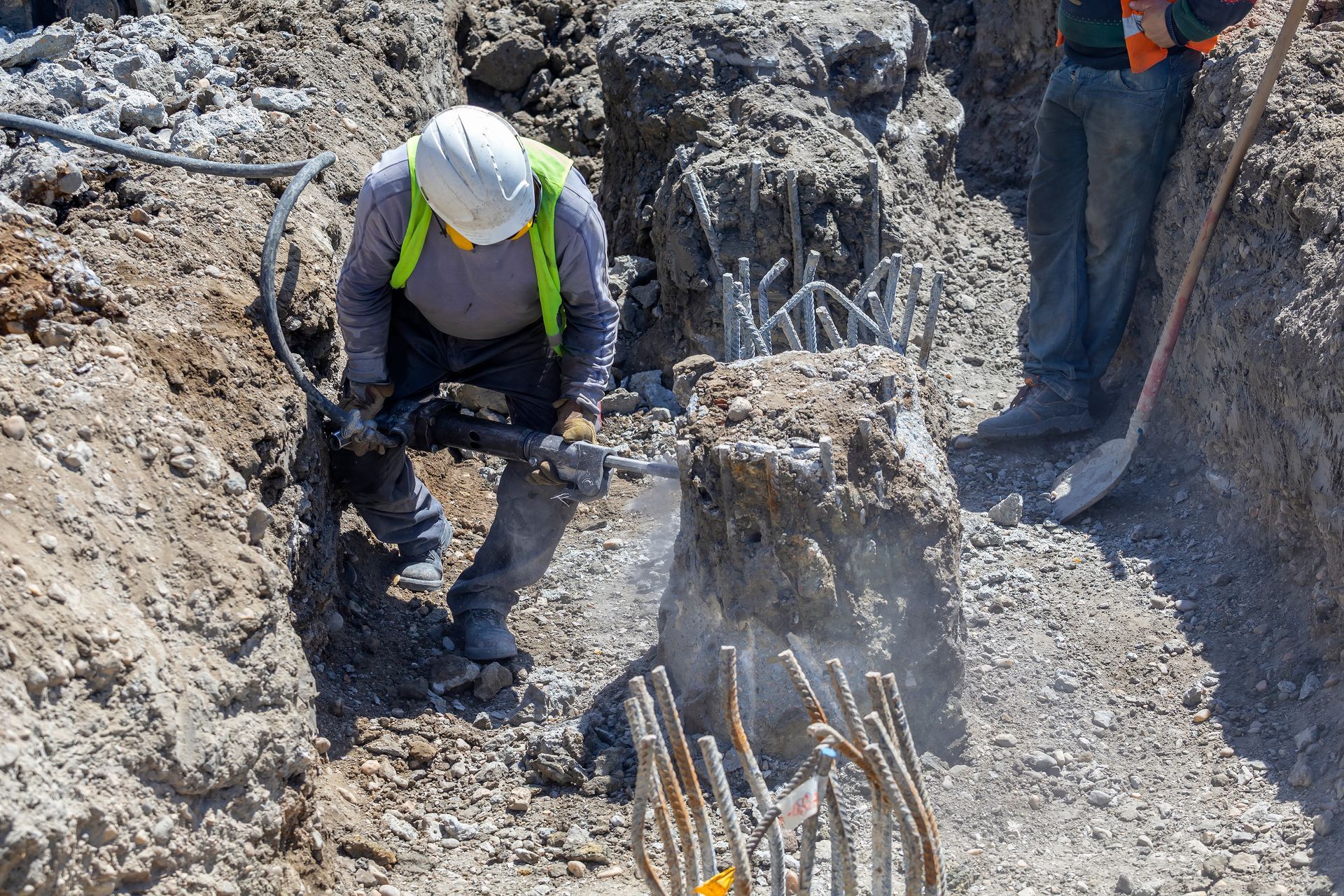
Contractor Insurance
Contractor insurance supports trades and service professionals across Southern California. It helps protect tools, equipment, and daily operations.

Cyber Liability Insurance
Cyber liability insurance helps protect business data and customer information. It supports recovery from digital incidents.

Commercial Property Insurance
Commercial property insurance helps protect offices, shops, and equipment. It supports recovery after covered damage.
Coverage Built for Specialized Work
Support for high-risk and service-driven industries.



Simple Steps Supported by Steady Guidance
A Clear Path to Coverage
Trusted by Clients Across Southern California
Clear service backed by real experiences.
Answers to Common Questions.
Clear explanations to guide your decisions.
How do I know which insurance policy is right for me?
We compare coverage options from multiple carriers to help you see differences in protection and price. You can review clear details and ask questions so you understand what each policy covers. Our team guides you step by step so you feel sure about your decision.
What factors affect my auto insurance premium?
Auto insurance premiums are influenced by your driving history, age, location, vehicle type, and coverage choices. A clean driving record and good safety features can help lower costs. We review these factors with you and help find coverage that fits your budget and needs.
Does homeowners insurance cover all types of damage?
Standard homeowners insurance protects your structure, personal belongings, liability, and additional living expenses in many cases. However, it usually does not include flood or earthquake damage without separate policies. We help you decide if extra coverage is right for your home and location.
Can I update my policy or get certificates online?
Yes. You can submit requests for policy changes and certificates through our online service form at any time. Our team processes those requests quickly and confirms updates once complete so you have the documents you need.
Do I need separate insurance for business risks like EPLI or E&O?
Yes. General liability and workers compensation cover many business risks but do not protect against all exposures. For example, Employment Practices Liability Insurance (EPLI) covers claims like wrongful termination or discrimination, and Errors & Omissions (E&O) covers claims based on mistakes in professional services. We help you identify which extra policies your business may need.
What happens if I need to file a claim?
If you need to file a claim, we guide you through the process and help you contact the insurance carrier. We explain what information you should provide, answer your questions, and stay available while the carrier reviews your claim. This support helps you move forward with confidence.
Contact Us