This guide dives deep into the mechanics behind commercial auto insurance in California, addressing rate hikes, market trends, and unique factors that influence premium costs. It opens by examining pivotal developments in the market, such as recent state-approved rate adjustments which have begun reshaping premium costs. For example, California regulators approved nine commercial auto insurance rate hikes in the third quarter of 2022, expected to generate roughly $62.4 million in additional premiums (S&P Global Market Intelligence). This article is designed to offer clear insights for business owners, fleet managers, and insurance professionals operating in California.
Understanding the current market is critical as rising costs and evolving risk factors drive rapid changes. The data presented here offers practical insight into not only the numbers behind rate hikes but also into the broader economic influences shaping the industry.
Links to detailed industry studies and expert insights are included throughout to support each point and to help readers deepen their understanding.
Market Trends and Regulatory Influences
The commercial auto insurance landscape in California is not immune to economic pressures. State regulators have been proactive in responding to recent market demands. For instance, in the third quarter of 2022, nine discrete rate increases were approved that are predicted to generate about $62.4 million in additional premiums (S&P Global Market Intelligence). These approvals reflect not only growing costs for insurers but also an evolving view on risk management within California’s dynamic market environment.
Rate changes are often linked to broader economic trends. Increasing economic and social inflation exert considerable pressure on the insurance industry, causing rate spikes that trickle down to policyholders. Dale Porfilio, the Chief Insurance Officer at the Insurance Information Institute, has highlighted that these pressures are fundamental drivers behind rising insurance costs (Triple-I).
California’s unique position as a major economic hub means that its regulatory environment expects insurers to maintain robust capital reserves and transparency in rate-setting, ensuring that premium adjustments genuinely reflect evolving risks.


By: Patrick Caruso
President of Caruso Insurance Services
For those operating fleets or managing commercial auto policies, understanding premium increases is fundamental. Recent data from 2024 has underscored premium hikes of between 9% and 9.8% in the first two quarters (CBIZ). While the current figures offer a snapshot of the short-term rate environment, deeper analysis reveals several underlying factors that drive these changes.
Premium increases are largely driven by two key factors. The first relates to inflation – both economic and social. When inflation increases, the cost of repairs, medical bills, and overall claim reserves also tend to rise. The second factor is the statistically documented doubling in the average loss per commercial auto liability claim since 2014 (AM Best). This escalation in claim severity means that insurers must balance their risk exposure, leading to higher rates to ensure adequate coverage.
Insurers rely on advanced statistical models and data analytics to predict how often claims might occur and how severe they will be. A study, which analyzed data from over 350 commercial drivers, hinted at a significant underestimation of risk when using traditional models (arXiv). This insight is prompting companies to invest in more innovative data-handling techniques to better forecast near-miss events and potential accidents.
Factors Affecting Commercial Auto Premiums
Every fleet or auto operator should appreciate that commercial auto insurance rates are not static. They rely on various influencing factors including driver behavior, claim frequency, severity, and underlying economic trends. Insurers must incorporate rising costs from liability claims to defense expenses and cost containment measures.
A study spanning 2014 to 2023 revealed that inflation-driven increases pushed auto liability losses and associated expenses up by as much as $137.2 billion, representing roughly 11.5% of the total net losses and expenses observed over that period (Triple-I and CAS). This kind of data pinpoints why drivers and fleet managers must stay informed about market trends, as these expenses inevitably translate into premium adjustments.
Additionally, changing driver habits, technology integration like telematics, and a rapidly evolving regulatory environment all contribute to the dynamic risk landscape faced by insurers. Even subtle shifts in traffic patterns or increased urban congestion can influence risk assessments and subsequent premium evaluations.
Regulatory Oversight and Its Impact on the Market
California stands at the forefront of strict regulatory oversight that impacts commercial auto insurance significantly. With state regulators actively approving rate hikes, the market benefits from a framework that balances consumer protection with commercial viability. This dynamic creates both challenges and opportunities for insurers who must adapt rapidly to ensure stable underwriting results.
For example, the recent state-approved rate changes in the third quarter of 2022 were a direct response to economic indicators showing rising costs across sectors. These adjustments aim to maintain the financial health of insurers and provide a buffer against an increasingly volatile claim environment (S&P Global Market Intelligence).
Regulatory changes ensure market transparency. They compel insurers to justify premium adjustments based on thorough data analysis and real claims experience, ultimately leading to a more balanced competitive landscape. This environment can sometimes lead to short-term shocks but ultimately supports the stability of California’s insurance market.
How Compliance Shapes Underwriting Practices
Compliance is a critical part of underwriting in California. Insurers have to not only meet state requirements but also anticipate future regulatory changes. The degree of oversight in California means that every rate hike or premium adjustment is closely scrutinized.
This emphasis on compliance results in more detailed risk assessments and financial planning. Notably, the U.S. property/casualty insurance industry achieved a net combined ratio of 96.6 in 2024, which speaks well of the industry’s balancing act between premiums and claims (Triple-I and Milliman). Effective underwriting not only benefits insurers but also provides a safety net for policyholders.
Moreover, legal changes and rising litigation expenses in the state push insurers to tighten underwriting standards further. The need to cover increasingly costly losses means that disciplined underwriting is essential for long-term market viability.

Technological Advancements and Their Influence on Risk Management
Technological innovation plays a vital role in redefining commercial auto insurance in California. New data analytics and telematics devices provide insurers with real-time insights into driver behaviors and vehicle performance. These tools are proving essential in mitigating risk and optimizing premium calculations.
Traditional statistical models are increasingly falling short in capturing the complexities of modern driving patterns. A study analyzing a fleet of 354 commercial drivers found that legacy models tend to underfit collision and near-miss data (arXiv). Advanced models allow insurers to better predict and manage risks, which in turn supports more accurate pricing.
The implementation of telematics and predictive analytics not only helps in refining risk profiles but also informs targeted interventions. With access to detailed driving data, fleets can implement safer driving protocols, leading to fewer claims and better premium rates over time.
Data-Driven Risk Mitigation Strategies
Many insurance companies now invest heavily in state-of-the-art analytics to monitor real-time driving trends among commercial fleets. This data-driven approach enables insurers to offer tailored advice to policyholders on safer driving practices, consequently reducing claim frequencies and overall loss costs.
For example, using predictive models to identify high-risk drivers early on can lead to targeted driver training sessions that reduce the likelihood of accidents. Such strategies lead not only to safer roads and lower claim amounts but also help in justifying incremental premium increases based on concrete risk profiles.
With improving technologies, the industry is witnessing a paradigm shift in risk management. Insurers are increasingly turning to customized data analytics solutions that deliver more precise risk projections. These advancements foster a more sustainable pricing model that aligns premiums more closely with actual risk.
Evaluating Coverage: What Business Owners Need to Know
For any business relying on commercial vehicles, ensuring comprehensive coverage is non-negotiable. Providers tailor their portfolios to cover various risks – from physical damage to third-party liability. Given the rising cost pressures, securing the right coverage is essential both from a risk management perspective and for long-term cost control.
Business owners should evaluate what exactly their commercial auto policies cover. A robust commercial auto policy typically covers property damage, bodily injury, uninsured motorist incidents, and legal expenses. This guide also highlights why it is critical to assess emerging factors such as rising claim costs and the possibility of rate hikes driven by inflation.
Many fleet managers in California have found that securing policies that account for unpredictable economic factors is essential. Paying close attention to policy details can mean the difference between adequate coverage and significant out-of-pocket expenses during a claim.
Comparative Analysis of Coverage Options
A practical table can highlight the differences between basic and extended commercial auto coverage options. The table below offers a side-by-side comparison to outline the primary differences in protection levels and associated benefits.
| Coverage Feature | Basic Coverage | Extended Coverage |
|---|---|---|
| Bodily Injury | Limits aligned with state requirements | Higher limits with additional legal defense |
| Property Damage | Standard repair/replacement costs | Includes rental coverage and expedited repairs |
| Uninsured Motorist | Meets minimum legal obligations | Higher limits, extended coverage for hit-and-run scenarios |
| Additional Protections | Limited roadside assistance | Extended roadside support, rental reimbursement, and custom endorsements |
This chart provides clarity, allowing business owners to weigh the merits of each option based on their operational needs and risk tolerance.
By carefully comparing these options, fleet managers can choose a plan that best balances cost and comprehensive protection. This proactive approach minimizes gaps in coverage while adapting to the latest market trends.
The interplay of economic and social inflation remains one of the strongest influences on commercial auto insurance premiums in California. Rising repair costs, increased litigation expenses, and the growing severity of claims collectively drive insurers to increase their premiums.
According to industry experts, today's economic pressures are markedly different from those of past decades. As the average loss per commercial auto liability claim has doubled since 2014 (AM Best), insurers must incorporate a broader financial buffer to maintain profitability and meet regulatory requirements.
This trend is mirrored in other areas of the insurance industry. In 2024, commercial property and casualty insurance prices across various lines experienced an average rise of 5.4% (CIAB), with commercial auto insurance continuing to see premium escalations. For business owners who manage fleet operations, this underscores the importance of periodic reviews of their coverage and premiums.
Why Inflation Matters
Inflation affects more than just the sticker price of premiums. It influences every aspect of the claims process – from initial repair estimates to the eventual payout on liability claims. As inflationary pressures mount, insurers revise their models to account for higher claims costs and increased expenses related to defense and settlements.
This phenomenon can be traced back nearly a decade, as data shows that between 2014 and 2023, inflation contributed to auto liability losses and defense expenses rising to as much as $137.2 billion overall (Triple-I and CAS). Business owners must remain alert to such trends to negotiate better policies and manage long-term operational costs effectively.
The role of inflation is not limited to enabling insurers to cover rising costs. It also shifts the competitive landscape as companies with stronger capital reserves may be better positioned to absorb the increased premiums without passing the entirety of the cost on to policyholders.
Risk Management Strategies for California Businesses
For companies operating in California, risk management extends well beyond simply purchasing a policy. Innovative strategies, like integrating technology to monitor driver behavior and scheduling regular vehicle maintenance, are key. These measures not only reduce accident frequency but also improve overall safety, leading to lower claims and more favorable premium adjustments.
If penalties and losses are controlled, both insurers and policyholders stand to benefit. When risk is minimized, the environment becomes more predictable, allowing insurers to price premiums more accurately. This, in turn, benefits fleet owners, as their claims history directly influences their premium levels over time.
California businesses need to invest in robust risk management protocols, including driver training programs, regular vehicle inspections, and the adoption of advanced telematics. Such practices lead to improved safety outcomes and can eventually help in negotiating lower premiums with insurers.
Practical Steps for Lowering Premiums
Several practical steps can significantly mitigate premium costs. For instance, installing telematics devices in fleet vehicles allows companies to monitor speed, braking patterns, and overall driver behavior. This data can then be used to emphasize safer driving practices, which insurers appreciate with potential premium discounts.
Additionally, ensuring regular vehicle maintenance and prompt repairs reduces the likelihood of unexpected breakdowns that could lead to costly claims. Encouraging drivers to complete defensive driving courses also demonstrates a commitment to safety, which many insurers reward with rate incentives.
Implementing these strategies may require an initial investment, but the long-term benefits, in terms of both reduced risk and lower premium costs, are substantial. Together, these measures help forge a solid risk management plan that protects the bottom line for California businesses.
The Future of Commercial Auto Insurance in California
Looking ahead, the landscape of commercial auto insurance in California is set for continued evolution driven by technological advancements and economic shifts. As insurers adopt more sophisticated data analytics and machine learning models, the era of one-size-fits-all policies is gradually fading away. This transformation promises to deliver tighter risk assessments and more personalized coverage options.
Technological strides in telematics, for instance, are redefining risk management, allowing insurers to monitor driver behavior in real time. This evolution is already prompting insurers to update their underwriting models so that near-miss events and accident likelihoods are predicted more accurately (arXiv). This forward-thinking approach ensures that policyholders are rewarded for safe practices while also aligning premium rates more closely with actual risk.
In addition to technological upgradation, the market is also being reshaped by a growing focus on regulatory transparency. As California continues to lead with proactive measures, business owners can expect more stringent oversight that both protects the consumer and ensures the industry's stability. This balance is essential for sustaining long-term premium affordability and maintaining market confidence.
Emerging Trends to Watch
Several trends are poised to have a lasting impact on commercial auto insurance:
- Greater reliance on real-time data for premium calculations
- Increasing use of artificial intelligence to model risk
- Enhanced customer engagement through tailored coverage solutions
- Stricter regulatory oversight ensuring transparency and fairness
Each of these factors will contribute to a more dynamic market environment where rates are more closely tied to individual driving records and actual risk exposures. Business owners who remain proactive in monitoring these trends will be better positioned to secure favorable policy terms.
The evolution of commercial auto insurance is not just about rising costs. It represents a shift toward more sophisticated and responsive risk management practices that ultimately benefit everyone in the market.
Frequently Asked Questions
This section addresses common queries, providing straightforward explanations about commercial auto insurance for businesses and fleet managers in California.
Q: What factors contribute most to premium increases in commercial auto insurance?
A: Premium increases are driven by inflation affecting repair and medical costs, rising claim severity, and evolving regulatory requirements. In California, recent rate approvals reflect these multi-dimensional pressures (S&P Global Market Intelligence).
Q: How can businesses lower their commercial auto premiums?
A: Implementing telematics to monitor driver behavior, maintaining vehicles regularly, and offering defensive driving courses are practical ways to mitigate risk and potentially lower premium costs.
Q: Why is regulatory oversight important in California?
A: Strict regulatory oversight ensures that premium adjustments reflect actual risk, enhances market transparency, and maintains a balanced competitive environment for both insurers and policyholders (Triple-I and Milliman).
Q: What impact does technological innovation have on underwriting?
A: Advanced data analytics, telematics, and AI improve risk assessment and help insurers set more accurate premium rates, benefiting both insurers and policyholders in the long run (arXiv).
Q: Are comprehensive risk management strategies really worth the investment?
A: Yes, investing in risk management measures such as telematics, vehicle maintenance, and driver training can lead to fewer claims and more favorable premium adjustments, ultimately saving money over time.
Key Takeaways for Businesses in California
Commercial auto insurance in California is evolving rapidly, influenced by advanced technology, strict regulatory oversight, and escalating economic pressures. Businesses must stay informed about premium trends, understand the factors driving rate increases, and actively manage risk to secure the most advantageous coverage.
This guide has provided an in-depth analysis of current market conditions, regulatory impacts, and technological influences. With insights drawn from industry reports and expert commentary, California businesses can make well-informed decisions that safeguard their assets while minimizing insurance expenses.
As California continues to lead in insurance innovation and regulatory reforms, keeping abreast of these developments remains crucial. Trust in expert analysis and data-backed insights to navigate the complexities of commercial auto insurance.
What to Remember
The commercial auto insurance market in California is a dynamic and multifaceted environment. Recent rate hikes, advanced data analytics, and proactive regulatory measures all play significant roles in shaping premium structures. These shifts underscore the need for tailored risk management strategies that effectively balance cost with comprehensive coverage.
Business owners should continue consulting with trusted insurance professionals who have a pulse on changing market dynamics and regulatory conditions. Continuous education on emerging trends and adopting proactive safety measures will be crucial as the market evolves.
By focusing on these core strategies, California businesses can not only protect their fleets but also mitigate losses and control future premium escalations. Staying informed and adapting to change is the key to navigating the complex landscape of commercial auto insurance in the state.
Wrapping Things Up
California’s commercial auto insurance sector is marked by significant challenges and opportunities. Innovative risk management practices, coupled with regulatory oversight, are helping shape an industry where premiums and protection are closely aligned. With recent rate hikes and evolving economic conditions, staying informed is key for fleet managers and business owners alike.
Practical insights shared in this guide aim to empower businesses with a robust framework for assessing risk and managing insurance costs effectively. By incorporating modern technologies, advanced analytics, and proactive safety measures, stakeholders can adapt to the market’s demands while securing competitive rates and optimal coverage.
For more details on emerging trends and market shifts, reviewing the latest data from industry leaders such as
CBIZ can provide additional insights into future rate movements. Staying connected with emerging research and expert insights will help businesses navigate the future of commercial auto insurance with confidence.
ABOUT THE AUTHOR:
PATRICK CARUSO
I’m Patrick Caruso, founder of Caruso Insurance, and I have spent more than 25 years helping families, contractors, and small businesses across Southern California make confident insurance decisions. I focus on explaining coverage in clear terms, comparing multiple carriers, and supporting clients with steady communication so they feel secure with each step. My goal is to provide dependable guidance, simple answers, and a smooth process for anyone who needs personal or business insurance.
Contact Us

Service that stays with you.
Our team helps simplify insurance decisions for families and businesses. We focus on clear explanations, fast responses, and dependable service. You can count on us for help with coverage questions, updates, and long-term support.
Coverage that keeps you secure
Reliable Protection for Everyday Life
Home insurance helps protect your house, personal belongings, and liability risks. We explain coverage options clearly so you know what your policy includes.
Auto insurance provides protection for accidents, liability, and vehicle damage. We help you compare options so you can choose coverage that fits your driving needs.
Motorcycle insurance provides coverage for riders and their bikes. We help you select options that match how and where you ride.
RV insurance supports protection for motorhomes and recreational vehicles. Coverage applies during travel and while parked.
Coverage Built for Contractors and Trades
Support that keeps your work moving.

General Liability Insurance
General liability insurance helps protect contractors from injury and property damage claims. It supports jobsite requirements and contracts.

Workers Compensation
Workers compensation insurance helps protect employees injured while working. It also supports compliance with state requirements.

Commercial Auto Insurance
Commercial auto insurance provides coverage for work vehicles used on jobsites. It helps protect drivers and company vehicles.
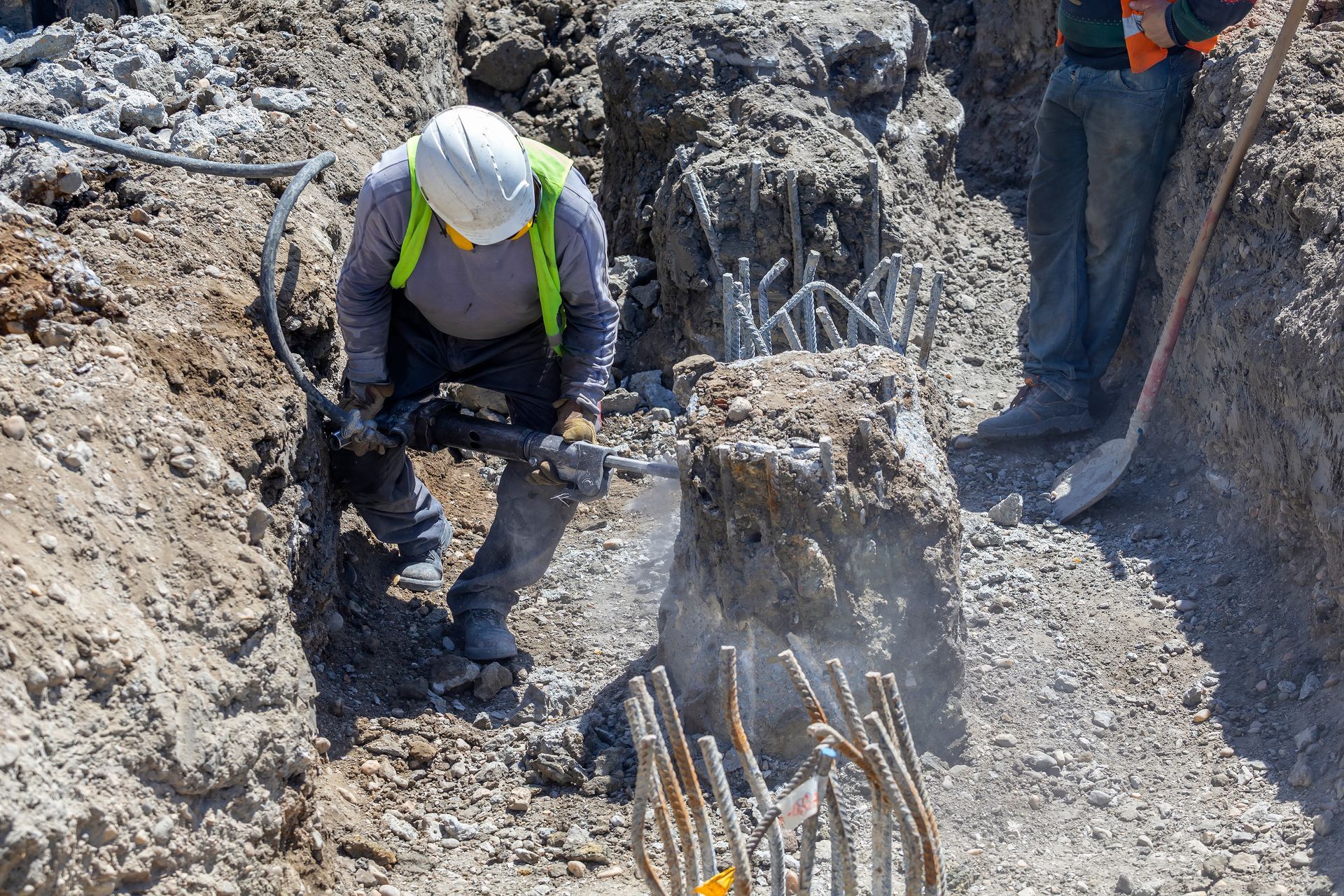
Contractor Insurance
Contractor insurance supports trades and service professionals across Southern California. It helps protect tools, equipment, and daily operations.

Cyber Liability Insurance
Cyber liability insurance helps protect business data and customer information. It supports recovery from digital incidents.

Commercial Property Insurance
Commercial property insurance helps protect offices, shops, and equipment. It supports recovery after covered damage.
Coverage Built for Specialized Work
Support for high-risk and service-driven industries.



Simple Steps Supported by Steady Guidance
A Clear Path to Coverage
Trusted by Clients Across Southern California
Clear service backed by real experiences.
Answers to Common Questions.
Clear explanations to guide your decisions.
How do I know which insurance policy is right for me?
We compare coverage options from multiple carriers to help you see differences in protection and price. You can review clear details and ask questions so you understand what each policy covers. Our team guides you step by step so you feel sure about your decision.
What factors affect my auto insurance premium?
Auto insurance premiums are influenced by your driving history, age, location, vehicle type, and coverage choices. A clean driving record and good safety features can help lower costs. We review these factors with you and help find coverage that fits your budget and needs.
Does homeowners insurance cover all types of damage?
Standard homeowners insurance protects your structure, personal belongings, liability, and additional living expenses in many cases. However, it usually does not include flood or earthquake damage without separate policies. We help you decide if extra coverage is right for your home and location.
Can I update my policy or get certificates online?
Yes. You can submit requests for policy changes and certificates through our online service form at any time. Our team processes those requests quickly and confirms updates once complete so you have the documents you need.
Do I need separate insurance for business risks like EPLI or E&O?
Yes. General liability and workers compensation cover many business risks but do not protect against all exposures. For example, Employment Practices Liability Insurance (EPLI) covers claims like wrongful termination or discrimination, and Errors & Omissions (E&O) covers claims based on mistakes in professional services. We help you identify which extra policies your business may need.
What happens if I need to file a claim?
If you need to file a claim, we guide you through the process and help you contact the insurance carrier. We explain what information you should provide, answer your questions, and stay available while the carrier reviews your claim. This support helps you move forward with confidence.
Contact Us