A growing number of drivers in Corona, CA, are asking tough questions about how to safeguard their vehicles amid a changing auto insurance landscape. A recent report from the California Department of Motor Vehicles shows important trends that every driver should understand. For example, declining SR22 filings raise interesting questions about risk and premium calculations according to DMV data. Understanding these nuances helps drivers make informed decisions when choosing a policy.
In Corona, car insurance is not just a regulatory requirement-it reflects market dynamics influenced by local risk factors, premium adjustments, and claims trends. This guide explains what to look for in a policy, outlines key local statistics, and offers actionable insights on how to navigate rate changes amid a fluctuating market.
The insights presented here lean on up-to-date statistics and expert commentary designed to provide a clear picture of Corona’s unique car insurance environment.
Understanding Corona’s Auto Insurance Market
The Corona auto insurance market is shaped by local conditions and broader state trends. Drivers face unique challenges because local claims activity, premium rates, and market competition intersect in ways that can impact coverage costs. Today’s market is one where small changes in risk behavior or claims trends can affect policy prices.
Insurance providers typically adjust premiums based on claims history in an area. For instance, while SR22 filings have shown a downturn in California overall-declining by 22% from Q2 2024 to Q2 2025 according to the California DMV ()-local trends in Corona can differ markedly.
Drivers should also be aware that the average cost of a six-month policy in Corona is roughly $1,115, translating to about $200 per month
(Way.com). Local insights, such as these, are critical for budgeting and comparing quotes.

By: Larry Scott
Personal Insurance Agent at Caruso Insurance Services
Key Trends Affecting Auto Insurance in Corona
Recent datasets reveal important insights into trends that drive premiums and policy decisions. One prominent trend is the decline in SR22 filings, which signals a shift in the risk profile of drivers and may be accompanied by adjustments in policy pricing. While overall state data suggests a 22% decline in SR22 filings compared to last year, different counties have seen varying patterns (California DMV statistics).
Local factors such as the frequency of comprehensive claims also play a crucial role. For example, comprehensive auto insurance claims in California have spiked by 40% since pre-pandemic levels (Mercury Insurance study). These increases are influencing how insurers assess risk and adjust their offerings in Corona.
Furthermore, a notable component of Corona’s insurance scene is market competition. Insurance experts have pointed out that a lack of quotes in certain situations can indicate reduced competition-a situation that may result when providers enforce rate freezes
(Insurance Consumer Group analysis). This insight underscores the importance of comparing multiple estimates to secure the best policy fit.
How Local Claims Trends Impact Premiums
Local Claims and Comprehensive Coverage
Comprehensive claims have been on an upward trajectory recently, a factor that significantly influences policy pricing in Corona and beyond. Increased claims volumes not only signal heightened risk but also lead to adjustments in premium rates as insurers work to cover potential losses.
A report from Mercury Insurance noted that comprehensive auto insurance claims in California have surged by 40% since pre-pandemic levels (Mercury Insurance statistics). Rising claims can pressure insurers to raise premiums, and drivers in Corona might face similar adjustments.
This trend is particularly relevant in a competitive market where every claim can affect the overall risk pool and ultimately the cost of insurance for each driver. Make sure to review the specific claims history and risk profile your insurer uses when calculating your premiums.
SR22 Filings and Risk Profiles
SR22 filings are an important metric for assessing driver risk, particularly in cases involving prior violations or claims. The observed decline in SR22 filings statewide, including reductions in Riverside County by 17%, points to an evolving risk profile among drivers (California DMV data).
This decline might suggest improvements in driving behavior or changes in enforcement practices. However, while fewer drivers are being mandated to maintain SR22 policies, insurers still adjust premiums based on comprehensive risk assessments that include past driving records and claims history.
For Corona residents, understanding how these filings relate to policy pricing can be crucial. It is advisable to fully disclose any past incidents when asked, as insurers often consider the whole picture-the frequency and severity of any SR22-related claims-to determine accurate rates.
The Impact of Premium Increases and the Combined Ratio
Premium adjustments are a reality in the insurance market, shaped by state and local events. In 2023, California’s direct premium written for all private passenger auto insurance experienced an increase of 11.6%, reaching $36.49 billion (AM Best report). This overall increase provides context for rising premiums in Corona as well.
Furthermore, California's combined ratio for private passenger auto insurance reached 109.98 in 2023, exceeding the national average of 100.35 (AM Best analysis). A higher combined ratio indicates that insurers are paying out more in claims relative to the premiums they collect, often leading to premium hikes to maintain financial health.
Drivers should keep an eye on such indicators because they directly correlate with how insurance companies set rates. When combined ratios are high, it typically means lenders may pass on increased costs to policyholders, making it vital to shop around and compare detailed coverage options.
Local Factors Influencing Insurance Costs in Corona
Beyond statewide trends, specific local factors impact insurance costs in Corona, CA. One of the primary factors is the local risk environment. Corona drivers face distinctive challenges, including higher claims activity in some neighborhoods and periodic fluctuations in local fraud or theft reports.
For instance, certain vehicles are known to attract higher theft rates. As Mercury Insurance vice president Randy Petro noted, “Thieves love the Toyota Prius” (Mercury Insurance commentary). While this observation targets a specific make and model, it has broader implications on how insurers assess risk and determine premiums, especially in areas with higher concentrations of such vehicles.
Additionally, Corona’s local economic conditions and accident statistics also quietly influence premium computations. Locals are encouraged to consider not just the sticker price but the overall value that different insurers offer when combining coverage features, customer service, and cost.
Strategies for Finding the Right Coverage
When searching for auto insurance in Corona, CA, it pays to tread carefully and gather multiple quotes. Understanding the exact coverage you need-liability, collision, comprehensive-can make the difference between adequate protection and costly out-of-pocket expenses.
Drivers should review the specifics of their policy limits, deductibles, and special endorsements available as add-ons. Also, local agents often offer insights on coverage customization that may better fit Corona’s driving conditions. A thorough knowledge of local statistics and recent market trends can empower drivers to negotiate and compare quotes effectively.
It’s also important to note the relationship between market competition and the availability of quotes. According to an industry expert from the Insurance Consumer Group, if you can’t get a quote, it may indicate reduced competition due to extended rate freezes (Insurance Consumer Group insight).
Comparing Coverage Options Side by Side
One useful approach when selecting a policy is to compare coverage options side by side using detailed charts or tables. Such comparisons can help identify key differences in liability limits, collision coverage uptake, and personal injury protection. Below is a sample comparison table that illustrates how policies might differ among providers:
| Coverage Type | Policy A | Policy B | Policy C |
|---|---|---|---|
| Liability | $100,000 per person / $300,000 per accident | $150,000 per person / $300,000 per accident | $100,000 per person / $250,000 per accident |
| Collision | $500 deductible | $750 deductible | $500 deductible |
| Comprehensive | $500 deductible | $500 deductible | $250 deductible |
| Additional Benefits | Roadside assistance, rental reimbursement | Accident forgiveness, new car replacement | Customizable add-ons |
This table serves as an example. Individual coverage needs may vary, and it is critical to request customized charts from potential insurers to ensure you are comparing similar policy features. Such diligence helps maximize the value of your premiums while ensuring comprehensive coverage.
Tips and Insights for Managing Your Policy
Managing an auto insurance policy in Corona goes beyond the initial quote process. It involves continuous attention to shifting market conditions, adjustments in your driving habits, and even periodic policy reviews. Regular reviews can help catch price changes or modifiable factors that might save money.
Drivers should watch for notifications about rate changes from their agents. Keeping informed about overall market trends, such as premium increases indicated by the statewide combined ratio changes to 109.98 in 2023 (AM Best data), can prompt a discussion about your specific risk factors.
It’s often worth asking for adjustments based on driving improvements, shifts in mileage, or even recent changes to a vehicle’s usage patterns. Always check if any local discounts or incentives apply, which could further reduce the overall cost of your insurance.
How Loyalty and Long-Term Policies Can Save Money
Many drivers believe loyalty leads directly to cost savings. In some instances, long-term policyholders in Corona might benefit from multi-year discounts or bundled policies with additional coverage options. Some insurers offer loyalty rewards if policyholders maintain a good driving record and avoid filing claims.
Additionally, bundling auto insurance with other forms of coverage such as homeowners or renters insurance can lead to meaningful savings. A comparative look at bundled and separate policies often reveals substantial price differences, providing a strong incentive to consolidate coverage where possible.
These practices are especially relevant now, given the challenging market conditions with rising comprehensive claims and premium adjustments across the state.
Expert Perspectives and Market Opinions
Expert commentary from industry leaders offers a window into the dynamics driving Corona’s auto insurance trends. For example, industry experts have noted that a drop in SR22 filings may not necessarily mean reduced risk; different counties such as Riverside have reported declines of around 17% (California DMV statistics), but localized incidents can vary widely.
In parallel, key market insights, including the observation that some vehicles, like the Toyota Prius, tend to attract higher theft rates, influence both policy pricing and risk evaluation (Mercury Insurance commentary).
This localized perspective is vital because it means that while statewide trends offer context, Corona drivers should rely on neighborhood-specific data and personal driving records to shape their insurance decisions.
Local Resources and How to Get the Best Deal
Finding the best auto insurance deal in Corona requires a mix of research, negotiation, and preparedness. It is crucial to gather quotes from several providers before settling on one that meets your financial, coverage, and customer service needs. Local agents familiar with Corona’s market can offer tailored recommendations that broader online comparisons might miss.
Reviewing customer feedback and ratings can also help gauge the reliability and responsiveness of an insurer. In addition, understanding local nuances-such as typical claims patterns and recent premium increases-can empower drivers to negotiate more effectively with providers.
Drivers are encouraged to use reputable online resources and data analysis tools to review multiple quotes. Being proactive and well-informed is essential in today’s competitive market.
Local Workshops and Community Resources
Community centers and local consumer groups in Corona often host workshops that explain insurance basics, offer policy review sessions, and sometimes even help participants compare quotes from different insurers.
These sessions are loving opportunities to ask questions, gather advice from insurance experts, and connect with other drivers facing similar challenges. Even if your schedule is packed, consider attending an annual workshop to stay updated on local market trends and potential discounts offered by community-driven initiatives.
Local initiatives often bridge the gap between data-driven statistics and day-to-day driving realities, ensuring that you get a clear understanding of what works best for your financial needs and safety on the road.
Real-World Scenarios: How Corona Drivers Can Prepare
Corona drivers find themselves navigating a market where evolving dynamics require agile decision-making. Local scenarios often involve rapidly changing premium rates, the influence of vehicle-specific risk factors, and an increased emphasis on comprehensive coverage.
For instance, a driver with a history of SR22 filings might benefit from carefully tailored policies that account for individual risk profiles, while a driver with a clean record could find competitive rates among multiple insurers. Given the trends highlighted by a 22% statewide decline in SR22 filings (California DMV report), renewing your policy with an updated risk assessment might lead to improved conditions.
In any case, drivers can take proactive steps by comparing multiple quotes online, engaging with local agents, and keeping track of the latest claims data published by trusted sources. This proactive approach ensures that even during periods of change, your coverage stays aligned with your current risk environment.
Frequently Asked Questions
This section addresses some common inquiries that Corona drivers often raise about auto insurance and policy management.
Q: How is Corona’s auto insurance market different from other regions?
A: Corona’s auto insurance market reflects local risk levels, including variations in claims frequency and vehicle-specific theft trends. Local rates often adjust in response to unique community data and overall state trends.
Q: What does a 22% decline in SR22 filings mean for drivers?
A: A decrease in SR22 filings, such as the reported 22% statewide reduction, might suggest improved driving behavior or different regulatory focuses. However, individual risk assessments by insurers still factor past driving records heavily.
Q: Is it beneficial to bundle auto insurance with other coverages?
A: Bundling auto insurance with other policies like homeowners or renters insurance can lead to savings and streamlined service, provided that the bundled policy meets specific coverage needs.
Q: How can I manage my policy amid rising comprehensive claims?
A: Regularly review your policy, compare quotes, and remain aware of local market trends such as rising comprehensive claims which may prompt premium adjustments over time.
Q: How do local workshops help drivers in Corona?
A: Local workshops offer insights into policy comparisons, expert advice tailored to Corona’s market, and a chance to learn about discounts and customized coverage options from experienced agents.
Q: What steps can I take if I notice a sudden premium increase?
A: If your premium rises unexpectedly, contact your insurer for clarification, compare quotes from other providers, and consider discussing adjustments based on your driving history or local market data.
Wrapping Things Up
For drivers in Corona, CA, understanding the local auto insurance landscape can significantly empower them to choose policies that offer the best balance of coverage and cost. Detailed insights from state experts and DMV statistics help clarify emerging trends like falling SR22 filings and rising comprehensive claims that are influencing premium rates.
By staying informed about both national patterns and local idiosyncrasies, drivers can make choices that better safeguard their financial interests while ensuring adequate protection on the road. As the market continues to evolve, ongoing engagement through community resources and expert advice will remain key.
Whether you are renewing an existing policy or shopping for new coverage, keeping these trends and expert insights in mind will help ensure that you secure the best possible terms. Local data, such as Corona’s average cost for a six-month policy of about $1,115
(Way.com), should be an integral factor in every decision.
Final Thoughts for Corona Drivers
Drivers in Corona, CA, have much at stake when it comes to ensuring reliable auto insurance coverage. With an environment marked by fluctuating premiums, evolving claims situations, and intense market competition, constant vigilance is critical. Keeping up with local statistics, such as the overall premium growth reported by AM Best, and key changes in risk metrics provides a reliable basis for negotiating the best policy.
Encouraged by insights from industry experts, Corona residents are well-positioned to adjust their coverage needs and make smart decisions amidst a complex insurance landscape. Tools like side-by-side policy comparisons and active dialogue with local agents can make a significant difference in coverage quality and cost efficiency.
When it comes to managing both risk and cost, proactive market research combined with sound local insights could prove invaluable. Even as the market undergoes changes, informed conversations and thorough research empower drivers to navigate the many offerings available. For the latest developments and detailed analyses, keeping an eye on trusted resources-and direct data such as DMV reports-can help ensure that each Corona driver is well prepared for what lies ahead.
ABOUT THE AUTHOR:
LARRY SCOTT
Hello! My name is Larry Scott. I have been in the insurance industry for 21+ years, with a background in Personal, Commercial, and Bonding. I support Caruso Insurance’s goal of providing convenient and competitive insurance coverage for our clients by focusing on each client’s individual needs. I am dedicated to continuing education and staying up to date with technology in the forever changing insurance world. I am a family man and enjoy any time I get to spend with my kids. I love cooking and drinking wine.
Contact Us

Service that stays with you.
Our team helps simplify insurance decisions for families and businesses. We focus on clear explanations, fast responses, and dependable service. You can count on us for help with coverage questions, updates, and long-term support.
Coverage that keeps you secure
Reliable Protection for Everyday Life
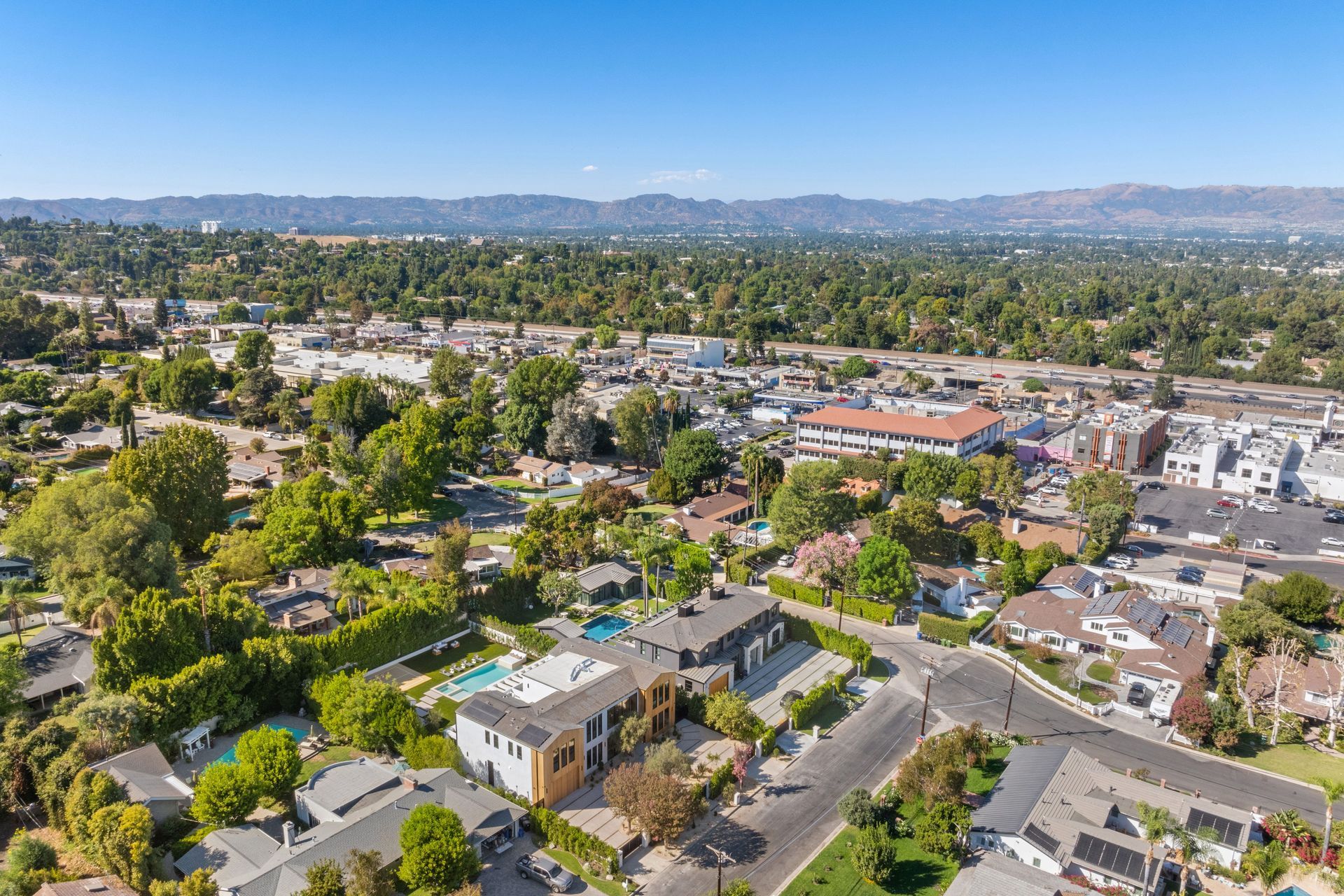
Home insurance helps protect your house, personal belongings, and liability risks. We explain coverage options clearly so you know what your policy includes.
Auto insurance provides protection for accidents, liability, and vehicle damage. We help you compare options so you can choose coverage that fits your driving needs.
Motorcycle insurance provides coverage for riders and their bikes. We help you select options that match how and where you ride.
RV insurance supports protection for motorhomes and recreational vehicles. Coverage applies during travel and while parked.
Coverage Built for Contractors and Trades
Support that keeps your work moving.

General Liability Insurance
General liability insurance helps protect contractors from injury and property damage claims. It supports jobsite requirements and contracts.

Workers Compensation
Workers compensation insurance helps protect employees injured while working. It also supports compliance with state requirements.

Commercial Auto Insurance
Commercial auto insurance provides coverage for work vehicles used on jobsites. It helps protect drivers and company vehicles.
Contractor Insurance
Contractor insurance supports trades and service professionals across Southern California. It helps protect tools, equipment, and daily operations.

Cyber Liability Insurance
Cyber liability insurance helps protect business data and customer information. It supports recovery from digital incidents.

Commercial Property Insurance
Commercial property insurance helps protect offices, shops, and equipment. It supports recovery after covered damage.
Coverage Built for Specialized Work
Support for high-risk and service-driven industries.



Simple Steps Supported by Steady Guidance
A Clear Path to Coverage
Trusted by Clients Across Southern California
Clear service backed by real experiences.
Answers to Common Questions.
Clear explanations to guide your decisions.
How do I know which insurance policy is right for me?
We compare coverage options from multiple carriers to help you see differences in protection and price. You can review clear details and ask questions so you understand what each policy covers. Our team guides you step by step so you feel sure about your decision.
What factors affect my auto insurance premium?
Auto insurance premiums are influenced by your driving history, age, location, vehicle type, and coverage choices. A clean driving record and good safety features can help lower costs. We review these factors with you and help find coverage that fits your budget and needs.
Does homeowners insurance cover all types of damage?
Standard homeowners insurance protects your structure, personal belongings, liability, and additional living expenses in many cases. However, it usually does not include flood or earthquake damage without separate policies. We help you decide if extra coverage is right for your home and location.
Can I update my policy or get certificates online?
Yes. You can submit requests for policy changes and certificates through our online service form at any time. Our team processes those requests quickly and confirms updates once complete so you have the documents you need.
Do I need separate insurance for business risks like EPLI or E&O?
Yes. General liability and workers compensation cover many business risks but do not protect against all exposures. For example, Employment Practices Liability Insurance (EPLI) covers claims like wrongful termination or discrimination, and Errors & Omissions (E&O) covers claims based on mistakes in professional services. We help you identify which extra policies your business may need.
What happens if I need to file a claim?
If you need to file a claim, we guide you through the process and help you contact the insurance carrier. We explain what information you should provide, answer your questions, and stay available while the carrier reviews your claim. This support helps you move forward with confidence.
Contact Us