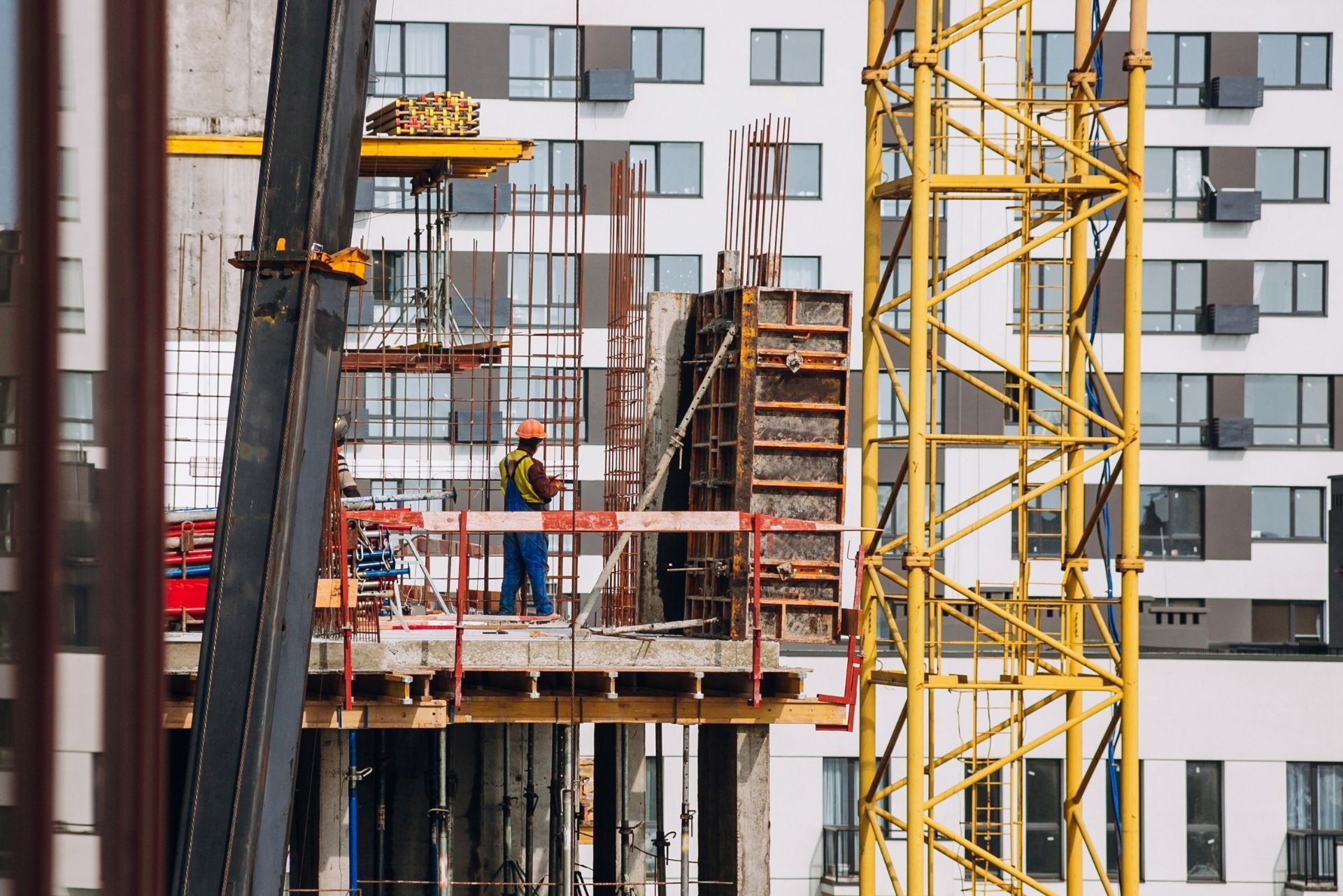
A construction project in California often begins with a competitive bidding process that demands trust, accountability, and secure financial guarantees. Bid bonds play an essential role in establishing that confidence while protecting project owners from potential risks when awarding contracts. As one of the key instruments in the industry, bid bonds not only demonstrate the contractor’s financial capability but also their commitment to complete a project as specified. For instance, the California Office of the Small Business Advocate emphasizes their critical role as a guarantee that contractors will see projects through once awarded (Dr. Tara Lynn Gray on bid bonds).
Across the state, the construction industry is undergoing significant changes. Legislative updates and massive infrastructure investments are reshaping the landscape. As California invests a historic $180 billion in infrastructure projects over the next 10 years (California's Infrastructure Investment), understanding bid bonds, their coverage, and how emerging trends and new regulations affect them is critical for contractors, developers, and small to mid-sized construction firms alike.
This detailed article delves into the various aspects of bid bonds and explores the evolving regulatory environment, industry challenges, and practical benefits that set them apart as a pivotal security tool in the construction bidding process.
Understanding Bid Bonds in California
Bid bonds are a form of surety bond specifically designed to provide financial security during the bidding process. They serve as a promise by the contractor that if they win the project, they will honor the terms of the bid and secure all necessary performance bonds. This pledge protects the project owner from incurring additional costs if the selected contractor fails to deliver. It also deters contractors from pulling out of the bidding process once they have made a bid.
In California, where the construction market is extremely competitive and operates on tight margins, bid bonds help maintain a level playing field. Given the state's vigorous infrastructure rollout and increasing construction backlogs, ensuring that only serious and financially sound contractors enter the bidding process is an industry priority.
The role of bid bonds encompasses various protective functions. They act as a pre-qualification tool, assuring project owners that the contractor has the financial backing and operational ability to fulfill the contract. This mechanism was underscored by the expertise emphasized by industry professionals at the California Office of the Small Business Advocate (Dr. Tara Lynn Gray’s insights).

By: Jennifer Roberts
Commercial Insurance agent at Caruso Insurance Services
What Do Bid Bonds Cover?
Bid bonds cover several critical areas during the tender process. First, they are a guarantee that the contractor will accept and execute the contract under the terms at which they bid. Should a contractor withdraw their bid after being awarded the contract, the bid bond secures compensation for the difference between the defaulting contractor’s bid and the next lowest bid. This form of security helps project owners avoid delays and additional expenses that might arise from having to re-bid the project.
In addition to the performance assurance, bid bonds provide financial recourse for project owners if a failed bid leads to administrative or legal complications. By ensuring that only well-qualified and sincere bidders participate, bid bonds help maintain the credibility of the bidding process and minimize potential financial disruptions.
Furthermore, bid bonds are particularly important in a market like California, where legislative and market pressures have tightened standards on contractor performance. Recent legislative changes, including the increase in the standard contractor license bond from $15,000 to $25,000 effective January 1, 2023 (CSLB legislative bond study), complement the function of bid bonds by ensuring better consumer protection and raising overall industry standards.
Types of Bonds in the Construction Process
The construction bid process typically involves several types of bonds, each serving distinct purposes. Bid bonds are one of these, but they operate alongside performance bonds and payment bonds. While bid bonds guarantee that the bidder is committed to the contract, performance bonds ensure that the completed project meets all contractual requirements, and payment bonds guarantee that subcontractors and suppliers get paid despite any financial issues with the contractor.
This trio of bonds works in harmony to reduce risk at every stage of the construction project lifecycle. Together, they provide multiple layers of protection against default, poor performance, or financial mishaps. Each bond addresses different facets of contractual risk, assuring all parties in the project that their financial and operational interests are safeguarded.
For contractors, understanding the precise scope and limitations of each type of bond leads to more strategic bidding decisions. Given the financial risks involved and the increased legislative requirements, particularly noted in California's tightened bonding standards, contractors have had to adjust their approaches to meet these enhanced benchmarks.

Infrastructure Investment and Its Impact on Construction Bidding
The state of California is rumored to transform the construction industry with a massive $180 billion investment in infrastructure projects over the next decade (California's Infrastructure Investment). This influx of funds is targeted at clean energy systems, road repairs, public transit upgrades, and high-speed internet expansion. Such large-scale investment means that the number of construction projects will likely surge, and so will the number of bids.
The growth in projects directly translates into heightened competition among builders and contractors. The increased involvement of both local and national construction firms means that the role of bid bonds becomes even more significant. With more bids on the table, project owners have more choices but also face greater uncertainty regarding who will ultimately deliver the promised quality and timeliness.
Infrastructure investment not only increases volumes but also sets a higher standard for performance throughout the bidding process. Contractors now face more stringent requirements supported by both state legislation and market expectations. This heightened competition necessitates transparent, accountable, and comprehensive financial guarantees like bid bonds to ensure that projects commence and conclude without unnecessary delays or complications.
Legislative Developments Affecting Bid Bonds
Recent legislative measures have had a notable impact on the construction sector in California. One significant development occurred in September 2025 when Assembly Bill 253 was passed. This bill grants private professionals the authority to conduct plan checks if local departments exceed 30 business days, a move designed to reduce delays and costs for future projects (Assembly Bill 253 details).
The legislative change streamlines the preconstruction phase by ensuring faster approvals which, in turn, benefits contractors who must secure bid bonds and other surety instruments. Faster approvals reduce the time risks associated with bidding and performing on projects, thereby making the market more predictable and attractive for both large-scale and smaller construction firms.
This legislative measure, when combined with recent adjustments to bond requirements, such as raising contractor license bonds, reinforces the industry's focus on elevating reliability, sustainability, and performance standards across the board (CSLB licensing standards). Contractors are now under more scrutiny, and those who demonstrate compliance with these evolving guidelines have a clear competitive edge in major infrastructure projects.
Surety Bonds: The Underlying Principle Behind Bid Bonds
At the heart of bid bonds lies the broader concept of surety bonds. Surety bonds function much like a money-back guarantee, ensuring contractors complete work as agreed. This tripartite agreement involves three parties: the obligee (typically the project owner), the principal (the contractor), and the surety (the bonding company). This structure ensures that if the contractor defaults, the project owner is not left holding the bag financially.
In California, surety bonds have become integral to both the bidding and the project execution phases. For many small and mid-sized firms that have experienced workforce and establishment declines in recent years (Beacon Economics report), the reliance on surety bonds offers a pathway to secure future work and regain competitive footing. Not only do they reassure project owners, but they also help contractors build or maintain creditworthiness.
The practical benefits of surety bonds extend beyond merely guaranteeing financial performance. They serve as a vital trust-building instrument between project owners and contractors. By corroborating the contractor's commitment to the project, surety bonds help mitigate the risk of project abandonment or substandard work. This trust is particularly crucial in an environment where the demand for construction services has resulted in increased backlogs-some projects now experience delays extending up to 8.5 months (ABC construction backlog survey).
Implications for Small to Mid-Sized Construction Firms
Smaller firms in California’s construction sector face a very challenging landscape. With a 12% drop in employment and the loss of nearly 45,000 workers over the past four years (Beacon Economics analysis), these firms have had to adjust to tighter budgets, evolving regulatory demands, and an increasingly competitive bidding environment.
Bid bonds act as a double-edged sword in this scenario. On one hand, they are an extra cost that many small contractors feel the pinch of in their already stretched budgets. On the other hand, a robust bid bond strategy can become a pivotal advantage. Properly managed bid bonds act as a stamp of quality and reliability, giving small to mid-sized firms a chance to compete with larger contractors on an even footing.
For these firms, the strategic use of bid bonds involves careful planning and understanding the evolving legislative environment. With the recent legislative adjustments that have raised the contractor license bond thresholds (CSLB bond requirements), small and mid-sized contractors must ensure their financial backing and operational capacity align with the new requirements. This alignment becomes critical, as delays or financial missteps can be costly given the current demand pressures and industry competition.
Managing Risk and Enhancing Performance with Bid Bonds
Bid bonds provide a structured framework for risk management that extends throughout the construction process. At the bidding stage, bid bonds provide a risk-mitigating buffer for project owners. Should a contractor default by refusing to sign the contract after winning, the bid bond can help cover additional costs needed to bring another contractor on board. This layer of financial security becomes invaluable especially in light of rising project backlogs and unpredictable market conditions.
For contractors, managing the risk associated with bid bonds requires a clear understanding of the terms and conditions specified in the bond agreement. They must maintain accurate financial records, operate with transparency, and adhere strictly to the guidelines provided by bonding companies. These practices ensure that in the event of unforeseen challenges, the contractor’s reputation remains intact.
The emphasis on risk management not only reassures project owners but also enhances overall project performance. A reliable bid bond, combined with performance and payment bonds, creates a seamless support network that enables projects to continue smoothly without major financial interruptions. In California's competitive construction sector, such reliability directly translates into repeat business and stronger client relationships.
Examining the Role of Bid Bonds in Overall Project Success
While many immediately view bid bonds as mere financial instruments, their impact on project success extends beyond simple cost protection. Bid bonds encourage contractors to participate in the bidding process only if they are confident in their operational capacity and financial stability. This self-selection process elevates the overall quality of bids received by project owners.
Project owners benefit significantly from having higher standards in the bidding pool. When only serious and financially sound contractors bid on projects, construction projects move forward with a reduced likelihood of disputes, delays, or need for costly renegotiations. The preventive nature of bid bonds means that, in rare cases of default, the financial impact remains contained.
This mechanism fosters a market where accountability and responsibility are paramount. The investment in bid bonds, as well as supplementary surety bonds, substantially contributes to smoother project execution. As California embarks on extensive infrastructure projects funded by historic budgets (state infrastructure investment details), ensuring that all players are equally prepared to meet high standards is essential.
The Future Landscape of Construction Bonds in California
Looking ahead, the construction industry in California is poised for significant evolution. Increased state funding, shifting legislative frameworks, and emerging market trends are all converging to reshape the role of bid bonds and other surety instruments. In an environment where contracts and projects are becoming larger and more complex, financial accountability and risk management have never been more important.
Legislative actions such as Assembly Bill 253, which aims to reduce delays by employing private professionals for plan checks when local departments fall behind schedule (Assembly Bill 253 benefits), are setting a new pace for project initiation. Such changes may expand the use and complexity of bid bonds, as contractors and project owners adapt to faster timelines and enhanced regulatory oversight.
In addition, as the market becomes more competitive and technology drives new processes, bid bonds are likely to evolve with digital tracking and real-time performance monitoring. This integration could potentially reduce the administrative burden on both contractors and surety companies, leading to better overall project management and reducing the risk of defaults even further.
The digital revolution is influencing almost every aspect of the construction industry, including how bid bonds are managed and processed. Advanced software solutions and digital contract management systems enable contractors to track their bid bond requirements, monitor performance milestones, and ensure timely filing of necessary documentation.
These technologies not only streamline administrative tasks but also improve transparency between contractors, project owners, and surety companies. With real-time tracking, potential delays or discrepancies can be spotted early, allowing proactive adjustments. As California’s construction projects become larger and more technologically advanced, these digital tools are essential for meeting the stringent demands of modern building projects.
The integration of technology with financial security instruments like bid bonds is transforming the construction bidding process. Automated systems can quickly verify compliance, assess risk, and process claims if required. This shift contributes to a more robust construction industry where both contractors and project owners benefit from enhanced operational and financial insights.
Real-World Examples of Bid Bond Success
Across California, several high-profile projects have successfully employed bid bonds to secure project delivery. Consider a major transit infrastructure project in a bustling urban area. Project owners required that all bidders secure bid bonds as a condition to ensure strict adherence to timelines and quality standards. The bid bond requirement discouraged opportunistic bids from contractors not fully prepared to meet project complexities.
For those contractors who did secure bonds, the additional layer of financial accountability led to improved project management. In one notable project, the bid bond not only safeguarded the project against potential contractor default but also laid the groundwork for performance bonds, ensuring a seamless transition from contract award to project execution.
These real-world cases highlight how bid bonds create a controlled, reliable bidding environment. They offer a dependable framework for managing risk, which, when paired with rigorous performance tracking, leads to higher success rates in project completion across diverse construction sectors ranging from infrastructure upgrades to commercial developments.
Comparative Insights Between Bid Bonds and Other Surety Instruments
To fully grasp the value of bid bonds, it is helpful to compare them with other surety instruments commonly used in construction. While all surety bonds share a common goal of risk mitigation, each type is tailored for a specific stage of project execution.
A side-by-side look reveals that bid bonds are primarily concerned with the pre-award stage of projects. They ensure that contractors who submit bids are serious and financially capable of undertaking the project. In contrast, performance bonds come into play once the contract is awarded to guarantee that the contracted work is completed satisfactorily, while payment bonds protect vendors and subcontractors by ensuring that payments are made in a timely manner.
The following table provides an at-a-glance comparison for a clearer understanding:
| Bond Type | Purpose | When It Applies | Key Benefit |
|---|---|---|---|
| Bid Bond | Payment Bond | Before project award | Protects project owners from default |
| Performance Bond | Ensure project completion as per contract | After project award | Provides financial recourse for project defects or delays |
| Payment Bond | Guarantee timely payments to subcontractors and suppliers | During and after project execution | Mitigates risk of non-payment |
This comparative view highlights how each bond addresses different risk components, ensuring that mechanisms are in place to support both project integrity and contractor reliability from bidding to completion.
Challenges and Opportunities in the Current Market
California's construction market currently faces a mix of challenges and opportunities. On one hand, the dramatic $180 billion infrastructure investment over the next decade promises significant growth and groundbreaking projects. On the other hand, industry reports indicate mounting construction debt issues, with state and local agencies reporting 1,248 debt issues totaling nearly $78.1 billion in 2024 (California construction debt report).
Small to mid-sized construction firms, in particular, are grappling with workforce declines and increased competitive pressure, which makes meticulous risk management more critical than ever. Bid bonds and related surety instruments provide a safety net that can help these companies mitigate risks associated with financial instability and project delays.
Opportunities abound for those who can adapt to these changing market conditions. Contractors who invest in robust bid bond practices not only protect themselves from financial losses but also build credibility. This improved market perception can open doors to larger contracts and more high-profile projects, setting a foundation for long-term success in a competitive and rapidly evolving industry.
Frequently Asked Questions
Q: What exactly is a bid bond?
A: A bid bond is a surety bond that guarantees a contractor will honor their bid and sign a contract if awarded the project. It protects project owners from incurring additional costs if a contractor defaults (Dr. Tara Lynn Gray’s explanation).
Q: How do bid bonds differ from performance bonds?
A: Bid bonds are used during the bidding process to confirm the contractor’s commitment, while performance bonds ensure that the project will be completed as per the contract once awarded.
Q: How have recent legislative changes affected bid bonds?
A: Legislative changes like Assembly Bill 253 and the increase in contractor license bond requirements (CSLB guidelines) have raised industry standards and improved financial protection for project owners.
Q: Can small construction companies benefit from bid bonds?
A: Yes. While bid bonds add an upfront cost, they help small firms build credibility and secure project opportunities, making them more competitive in a crowded market.
Q: What role does technology play in managing bid bonds?
A: Digital tools enhance the tracking, verification, and management of bid bonds, reducing administrative burdens and improving real-time transparency among all parties involved.
Wrapping Things Up
The robust framework of bid bonds in California is more than just a precaution-it is a critical element that ensures financial accountability throughout the competitive construction bidding process. With the state channeling substantial funds into infrastructure improvements and regulatory measures evolving to streamline project approvals, the significance of bid bonds has never been greater.
They create trust between project owners and contractors and facilitate a more efficient, transparent, and secure environment for managing construction projects. Whether it is protecting project finances or assuring completion, bid bonds remain a cornerstone of risk management that aligns with the increased standards demanded by modern construction projects.
For contractors and project owners alike, keeping abreast of these developments is essential. With a clear understanding of what bid bonds cover-coupled with savvy risk management and technology integrations-stakeholders can navigate a market filled with opportunity and complexity confidently. As California’s construction landscape transforms amidst significant investment and regulatory updates, bid bonds will continue to serve as a vital assurance mechanism that supports industry growth and project success (Read more about bid bonds).
ABOUT THE AUTHOR:
JENNIFER ROBERTS
Jennifer Roberts supports business clients with commercial insurance service and account coordination. She works closely with clients to explain coverage details clearly and guide them through policy updates that support business needs.
Jennifer believes strong organization and clear communication are key to reliable service. She stays involved throughout the policy process, from documentation to ongoing updates, and focuses on maintaining accurate and dependable client accounts.
Contact Us

Service that stays with you.
Our team helps simplify insurance decisions for families and businesses. We focus on clear explanations, fast responses, and dependable service. You can count on us for help with coverage questions, updates, and long-term support.
Coverage that keeps you secure
Reliable Protection for Everyday Life

Home insurance helps protect your house, personal belongings, and liability risks. We explain coverage options clearly so you know what your policy includes.
Auto insurance provides protection for accidents, liability, and vehicle damage. We help you compare options so you can choose coverage that fits your driving needs.
Motorcycle insurance provides coverage for riders and their bikes. We help you select options that match how and where you ride.
RV insurance supports protection for motorhomes and recreational vehicles. Coverage applies during travel and while parked.
Coverage Built for Contractors and Trades
Support that keeps your work moving.

General Liability Insurance
General liability insurance helps protect contractors from injury and property damage claims. It supports jobsite requirements and contracts.

Workers Compensation
Workers compensation insurance helps protect employees injured while working. It also supports compliance with state requirements.

Commercial Auto Insurance
Commercial auto insurance provides coverage for work vehicles used on jobsites. It helps protect drivers and company vehicles.
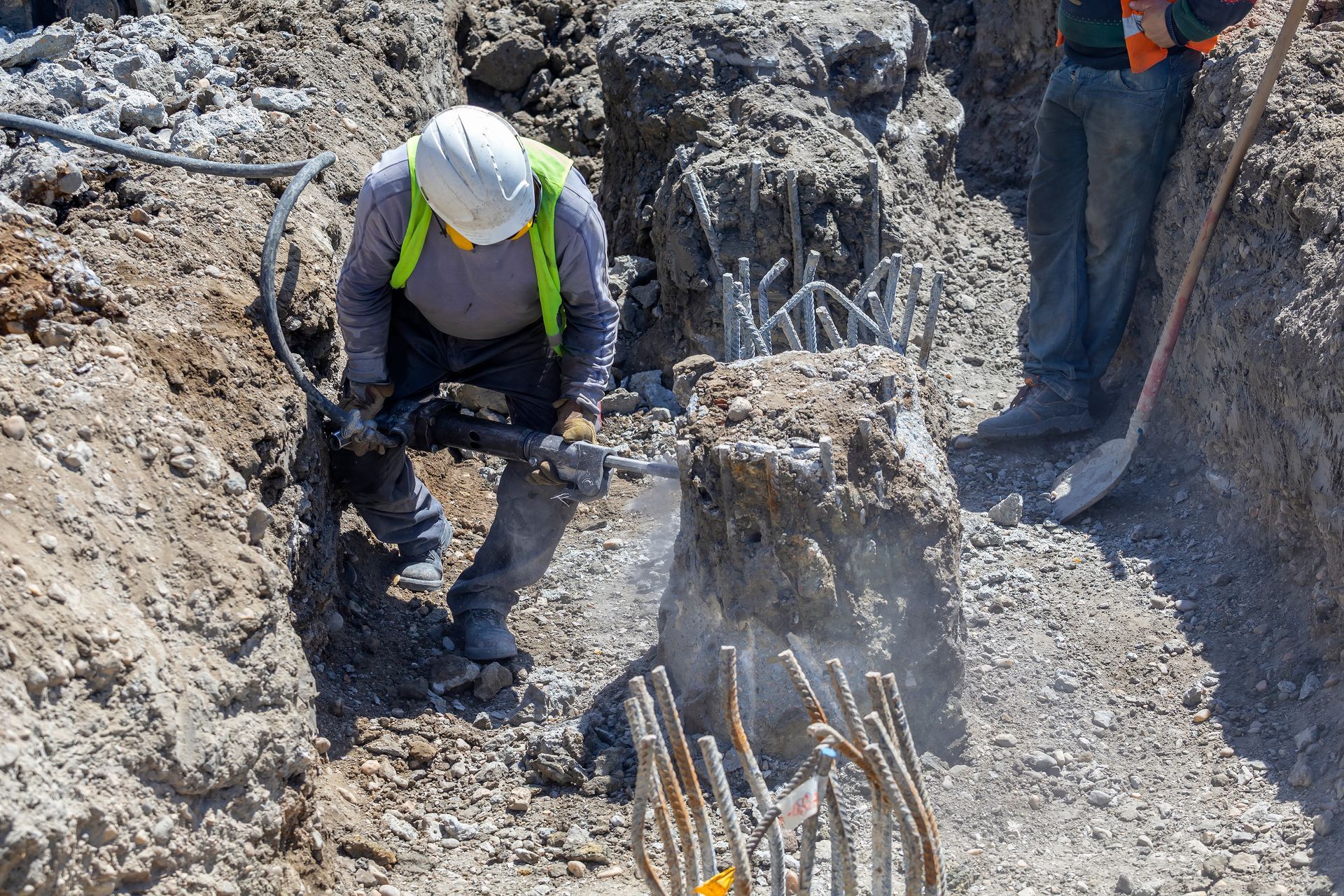
Contractor Insurance
Contractor insurance supports trades and service professionals across Southern California. It helps protect tools, equipment, and daily operations.

Cyber Liability Insurance
Cyber liability insurance helps protect business data and customer information. It supports recovery from digital incidents.

Commercial Property Insurance
Commercial property insurance helps protect offices, shops, and equipment. It supports recovery after covered damage.
Coverage Built for Specialized Work
Support for high-risk and service-driven industries.



Simple Steps Supported by Steady Guidance
A Clear Path to Coverage
Trusted by Clients Across Southern California
Clear service backed by real experiences.
Answers to Common Questions.
Clear explanations to guide your decisions.
How do I know which insurance policy is right for me?
We compare coverage options from multiple carriers to help you see differences in protection and price. You can review clear details and ask questions so you understand what each policy covers. Our team guides you step by step so you feel sure about your decision.
What factors affect my auto insurance premium?
Auto insurance premiums are influenced by your driving history, age, location, vehicle type, and coverage choices. A clean driving record and good safety features can help lower costs. We review these factors with you and help find coverage that fits your budget and needs.
Does homeowners insurance cover all types of damage?
Standard homeowners insurance protects your structure, personal belongings, liability, and additional living expenses in many cases. However, it usually does not include flood or earthquake damage without separate policies. We help you decide if extra coverage is right for your home and location.
Can I update my policy or get certificates online?
Yes. You can submit requests for policy changes and certificates through our online service form at any time. Our team processes those requests quickly and confirms updates once complete so you have the documents you need.
Do I need separate insurance for business risks like EPLI or E&O?
Yes. General liability and workers compensation cover many business risks but do not protect against all exposures. For example, Employment Practices Liability Insurance (EPLI) covers claims like wrongful termination or discrimination, and Errors & Omissions (E&O) covers claims based on mistakes in professional services. We help you identify which extra policies your business may need.
What happens if I need to file a claim?
If you need to file a claim, we guide you through the process and help you contact the insurance carrier. We explain what information you should provide, answer your questions, and stay available while the carrier reviews your claim. This support helps you move forward with confidence.
Contact Us