Tile installers and mosaic contractors in California face unique challenges that demand specialized insurance coverage. Contractors operating in this field often encounter a complex mix of risks such as water damage, worker injuries, and tool theft. Recent regulatory changes and market trends have transformed the landscape for tile and mosaic professionals, making it more critical than ever to have proper insurance coverage in place. For instance, the California Contractors State License Board now requires licensees to provide proof of insurance by January 1, 2026 (CSLB report), underscoring the importance of preparedness in this industry.
The Emerging Market for Tile and Mosaic Contractors in California
Tile installers in California represent a vibrant and expanding sector. With the industry's market size projected to reach $2.5 billion by 2025 and employing nearly 27,000 people (IBISWorld statistics), the growth trajectory is steep and signals robust demand for insured contractors. This growth not only reflects increased demand for tile installation but also indicates higher complexity in the work environment, where both commercial and residential projects demand specialized risk management strategies.
California’s construction environment is dynamic, and fluctuating insurance costs are a part of the conversation. Contractors need to navigate rising premium costs, which are driven by factors like wildfire risks and insurer market withdrawals reported in the home insurance market (CoverageCat analysis). As construction projects evolve, the insurance needs of tile contractors must adapt to a regulatory and market environment that is anything but static.
Technological advances and evolving building standards have also reshaped the way tile contractors operate. Effective risk management now involves not only traditional general liability insurance but also a broader range of policies to cover potential pitfalls in specialized projects.

By: Peter Plew
Commercial Insurance Agent at Caruso Insurance Services
Understanding Insurance Needs for Tile and Mosaic Contractors
Risks Faced by Tile Contractors
Tile and mosaic contractors regularly work on projects that involve moisture damage, surface imperfections, and the inherent risks of working with heavy materials. These projects often take place in high-traffic public spaces as well as private homes where client expectations are high. A single mishap, such as a slip during installation or an incident leading to water damage, can result in significant expense and potential legal claims.
The multifaceted nature of construction projects means that each project presents unique challenges. Insurance coverage must therefore be tailored to cover different scenarios. For example, comprehensive policies that address worker injuries, property damage, and liability claims are instrumental for mitigating financial risks. Tiling becomes more than an aesthetic pursuit-it is part of a broad spectrum of construction-related services that require robust protection against unexpected events.
Risk management strategies should be proactive. Many insurance agencies, like those offering solutions specifically tailored for tile and stone installers, recommend policies that include coverage for water damage, tool theft, and worker compensation (Castro Property & Commercial Insurance Agency). Such policies ensure that contractors are not only in compliance with regulatory mandates but also safeguarded against the everyday risks of their trade.
Insurance Types and Their Coverages
Several types of insurance policies are relevant for tile and mosaic contractors. First, general liability insurance is a necessity for protecting against third-party injury and property damage claims. This coverage is critical when a customer or passer-by is injured by stray materials or falling tiles. Contractors should pay special attention to policy limits and deductibles, bearing in mind that large claims can quickly escalate to high amounts.
Professional liability insurance becomes increasingly important as tile and mosaic projects incorporate complex design elements. This type of policy focuses on legal defense costs and settlement expenses if a contractor is sued for errors or omissions. For contractors who offer design consultation along with installation, professional liability can protect against claims related to design flaws.
Workers’ compensation insurance addresses the injuries that employees might sustain on the job. Considering the physical nature of tile installation, this insurance not only complies with state law but also plays an essential part in safeguarding employees' health and ensuring that medical expenses and rehabilitation costs are covered in the event of an accident.
Regulatory Changes and Their Impact on Contractors
Mandated Insurance Proof for Licensing
Beginning January 1, 2026, all tile and mosaic contractors seeking or renewing their licenses in California must submit proof of insurance as a condition of licensure (California Contractors State License Board). This policy change is significant for contractors, as it underscores the state's commitment to ensuring that businesses in the construction sector remain financially stable and capable of covering potential liabilities.
For many contractors, meeting this requirement means re-evaluating current insurance policies to ensure they meet the standards set by the state board. Contractors who already maintain comprehensive coverage may find that they need to adjust policy details, such as ensuring sufficient coverage limits against claims. This new requirement also serves as an incentive for contractors to review their existing policies, confirm that they are up-to-date, and fill any potential gaps in coverage.
The mandate reinforces a broader trend in the industry toward increased accountability. The evidence is clear: with claims emerging frequently and risks evolving, the insurance landscape is adjusting to protect both customers and contractors.
Impact on Fault Claims in Construction Projects
A growing body of data suggests that construction defect claims have reached frightening levels. An industry expert noted that anywhere from 80 to 85 percent of condominium and townhome construction defect insurance policies have experienced a claim over the last 25 years (Terner Center report). These statistics highlight the intrinsic challenges in the construction field and emphasize the need for well-tailored insurance policies that protect against common defects and liabilities.
Construction defect claims can be notoriously expensive, often leading to multi-million-dollar settlements for developers and contractors alike. When the cost of insurance for condominiums is compared to that of similar rental apartments, developers often pay significantly more-between three to four times higher amounts per unit in some cases. In certain Los Angeles projects, premiums may run $8,000 to $18,000 higher per condominium unit, putting significant pressure on overall project budgets (Terner Center and SPUR study).
The effect on tile and mosaic contractors, though indirect, can be profound. As project costs and insurance premiums rise, contractors may face tighter margins and increased scrutiny from clients who are wary of defective work. This makes having robust and specific insurance coverage all the more essential, not just as a regulatory compliance measure, but as a key part of risk management and maintaining client trust.

Financial Implications for Contractors and Developers
Rising Insurance Costs and Their Impact
Insurance costs in California have been on the rise. In the broader housing market, homeowners have seen a cumulative increase of 48.4 percent in home insurance rates between 2019 and 2024 (CoverageCat findings). While these figures relate to residential insurance, they reflect broader market trends that affect all types of construction-related insurance products.
Tile and mosaic contractors need to consider that rising insurance premiums may have a cascading effect on overall business expenses. Increased premiums mean that contractors might face higher overhead costs. In a competitive industry, this could translate to tighter profit margins unless costs are managed prudently.
Contractors can mitigate these financial pressures by comparing policies, negotiating coverage limits, and possibly joining industry groups that offer group rates. It is beneficial for tile contractors to work with insurance professionals who have experience in the construction and specialty installation sectors. Such experts understand the nuances of risk in this field and can help design policies tailored to the specific demands of tile installation work.
Cost Comparison: Tile Installer Insurance vs. Other Construction Insurances
While all construction professionals face risks that demand insurance, tile and mosaic contractors encounter distinctive hazards that require more specialized policies. To help clarify, a side-by-side comparison can highlight where tile contractor insurance stands in relation to other construction-related insurances.
| Coverage Aspect | Tile Contractor Insurance | General Construction Insurance |
|---|---|---|
| General Liability | High emphasis on client property damage, water damage, and installation mishaps | Wide coverage for property damage and bodily injury |
| Workers' Compensation | Essential due to physically demanding work | Critical for all construction workers |
| Professional Liability | Important for design consultation and installation errors | Varies based on project type and risk factors |
| Equipment Coverage | Coverage for theft and damage to specialized tools | Often included under general equipment insurance |
This comparison highlights that while many insurance components overlap, tile contractor insurance is particularly focused on covering industry-specific hazards. The special attention paid to installation errors and moisture-related issues underscores why tailored policies are crucial for contractors in this segment.
Understanding these distinctions can help contractors make informed decisions. A well-structured policy safeguards against industry-specific risks and aligns with both regulatory mandates and market expectations.
Securing and Managing the Right Coverage
Strategies for Finding the Best Policy
Finding the ideal insurance policy for tile and mosaic contractors requires a thoughtful and proactive approach. First, it is essential to compare quotes from multiple insurance providers. This process can reveal variations in premiums, deductibles, and coverage limits. Contractors should also work with agents who specialize in construction-related risks and have a strong understanding of the issues unique to tile installation.
Insurance requirements are continuously evolving, and staying informed on policy trends, such as updated requirements from the California Contractors State License Board, is critical (CSLB updates). An experienced broker or insurance agent can clarify which coverage options offer the most robust protection and advise on customized policies that consider business size, project scope, and specific risk exposures.
Contractors should also review the fine print of every policy. Ensuring that exclusions are well understood and that the coverage fully meets the contractual and regulatory expectations is vital. This meticulous review process can help prevent gaps in coverage that might otherwise lead to costly claims down the road.
Maintaining Compliance and Risk Management
Staying compliant is a key part of managing risk. Contractors must not only secure the appropriate insurance but also maintain thorough documentation of all coverage details. Given the upcoming mandate that requires proof of insurance for licensure, contractors should establish a system for tracking renewals, policy changes, and claim records. Such proactive measures can help avoid regulatory issues and ensure business continuity.
Regular risk assessments can further mitigate potential pitfalls. It is wise for contractors to conduct annual reviews of their business operations and consult with insurance experts to adjust coverage as workloads and project types evolve. This preventive approach reduces the likelihood of encountering unforeseen claims related to construction defects or workplace accidents.
In addition, maintaining open lines of communication with clients about insurance matters can build trust and transparency. By sharing details regarding their comprehensive coverage, contractors can reassure clients that they are prepared for all eventualities, thereby enhancing overall client relationships.
Practical Examples and Case Studies
Case Study: Mitigating Risks on a High-End Residential Project
A high-end residential building project in Southern California offered a clear example of why specialized insurance is essential for tile contractors. The project involved sophisticated mosaic work in a luxury condominium complex, where the potential for client claims was high due to the bespoke nature of the installations. The tile contractor had secured a comprehensive policy that included general liability, professional liability, and equipment coverage. This tailored approach allowed the contractor to complete the project without facing the extra burden of out-of-pocket expenses in the event of accidental damage or installation mistakes.
When minor issues arose during the project, the contractor’s insurance coverage facilitated prompt repairs and minimized downtime. The incident underscored the importance of aligning insurance policies with the specific challenges of high-end residential work. In a market where construction defect claims can affect up to 85 percent of similar cases (construction defect report), the contractor’s proactive measures served as a powerful model for managing risk effectively.
This case study highlights that having the right coverage in place can transform potential setbacks into manageable incidents. In a competitive construction market, proactive risk management protects both reputation and financial stability.
Industry Trends: Adapting to a Changing Regulatory Environment
The regulatory environment in California continues to evolve with new mandates and market-driven trends influencing insurance practices. Tile and mosaic contractors are now more frequently required to adjust their policies, especially with the recent mandate requiring proof of insurance for licensure. This change reflects a broader industry effort to boost accountability, reduce risk exposure, and protect the investment of all parties involved in construction projects.
A trend towards specialization in insurance has emerged, where policies are now designed to cover the unique risks inherent in different construction sectors. For tile and mosaic contractors, policies emphasize coverage for water damage, installation errors, and even theft of specialized tools. As these regulations come into force, the importance of keeping coverage up-to-date cannot be overstated.
Staying ahead in this dynamic environment requires constant vigilance and a willingness to adapt. Contractors who embrace regular policy reviews and risk assessments are better positioned to remain compliant, reduce liabilities, and ultimately thrive in a competitive market.
Technology’s Role in Modernizing Insurance Solutions
Leveraging Digital Tools for Risk Management
Today, digital tools and online platforms are revolutionizing how tile contractors manage risk and secure insurance. With online quoting services and risk management software, contractors can quickly compare policies, review client testimonials, and monitor regulatory changes through digital channels. These innovations have streamlined the process of securing the right coverage while making it easier to access expert advice when needed.
Digital innovations have also improved the responsiveness of insurance carriers. Real-time claim tracking and automated policy updates mean that contractors can receive alerts about potential changes or updates in their coverage. This transparency helps build trust and speeds up responses when claims are filed, making it easier to manage incidents as they occur.
While technology enhances efficiency, it also encourages accountability. Contractors using digital risk management solutions are better positioned to collect and analyze data regarding job site incidents, insurance claims, and even customer feedback. This data-driven approach enables continuous improvement in safety standards and risk mitigation strategies.
Integrating Online Resources with Traditional Expertise
Despite advances in technology, the role of human expertise remains crucial in navigating the complexities of construction insurance. Many tile contractors continue to partner with experienced brokers who provide tailored advice in addition to digital resources. This hybrid approach - blending online tools with traditional expertise - helps ensure that policies match both the specific risks and business scales associated with tile and mosaic projects.
Local expertise, combined with digital analytics, creates a robust framework for decision-making. Contractors benefit from the personalized guidance of seasoned professionals who understand regional risks, such as increased wildfire threats that drive broader insurance market fluctuations (CoverageCat insights). Ultimately, this integrated approach supports a well-rounded risk management strategy that evolves as the industry does.
Ensuring that digital tools complement rather than replace expert advice provides a safety net for contractors. Such a balanced approach fosters long-term success through continual assessment and proactive coverage adjustments.
Frequently Asked Questions
Q: Why is specialized insurance important for tile and mosaic contractors?
A: Specialized insurance addresses unique risks like water damage, tool theft, and installation mishaps. It ensures that contractors are protected against industry-specific hazards.
Q: What changes are coming to the licensing requirements for tile contractors?
A: Beginning January 1, 2026, all tile and mosaic contractors in California will need to submit proof of insurance as a condition of licensure (CSLB mandate).
Q: What are the common types of insurance policies for tile contractors?
A: General liability, professional liability, and workers' compensation insurance are essential for covering most risks associated with tile installation and related work.
Q: How do rising insurance premiums affect tile contractors?
A: Increased premiums can tighten profit margins. Contractors must carefully manage overhead costs by reviewing coverage options and comparing policy quotes to reduce financial strain.
Q: Can online tools help in managing insurance policies for tile contractors?
A: Yes. Digital platforms can help compare quotes, provide real-time policy updates, and assist in risk assessments, complementing traditional insurance advice.
Q: What should contractors do to ensure compliance with industry regulations?
A: Regular policy reviews, documentation of renewals, and ongoing risk assessments are crucial. Working with experienced brokers can further ensure that contractors meet all regulatory mandates.
Before You Go
Staying informed about the changing dynamics in insurance is a key step in protecting your business. For tile and mosaic contractors in California, the stakes are high due to evolving regulatory requirements and rising insurance costs. This guide highlights the importance of tailored insurance policies that address industry-specific risks-from potential defects to regulatory changes. Keeping your coverage updated and maintaining thorough documentation can save your business from costly interruptions.
Understanding your insurance needs involves not only comparing different policies but also working with professionals who understand the nuances of the tile installation industry. With the integration of digital tools and traditional expertise, contractors can adapt quickly to market trends and regulatory shifts, ensuring continuous compliance and effective risk management. Advice from industry experts, such as those outlined in studies and reports from sources like the Terner Center (construction defect insights), underscores that proactive risk management is not just an option but a necessity.
Tile and mosaic contractors are no strangers to the challenges of managing costs and ensuring client satisfaction. As the industry grows-reflected by nearly 27,000 employees and substantial projected market growth-having the right insurance coverage becomes a competitive advantage. Contracting with reputable insurance providers and staying current with regulatory changes will continuously empower contractors to build safer, more reliable businesses.
By closely monitoring insurance trends, taking advantage of technological advances, and regularly consulting with insurance professionals, tile contractors can secure policies that not only meet regulatory requirements but also provide peace of mind in the face of an unpredictable market. This proactive approach ensures that your craft remains a cornerstone of California’s dynamic construction sector.
ABOUT THE AUTHOR:
PETER PLEW
Hi my name is Peter Plew and I am a commercial insurance professional. I listen to and strategize with business owners about their visions of the future and assist in getting there as quickly as possible. I help identify unique exposure and risk’s that business owners have and the reasons why they need to be insured against them. My goal is to make sure my clients are always taken care of on a daily basis with any service needs, questions, or concerns they may have. I love to golf and spend time with my family in my spare time.
Contact Us

Service that stays with you.
Our team helps simplify insurance decisions for families and businesses. We focus on clear explanations, fast responses, and dependable service. You can count on us for help with coverage questions, updates, and long-term support.
Coverage that keeps you secure
Reliable Protection for Everyday Life

Home insurance helps protect your house, personal belongings, and liability risks. We explain coverage options clearly so you know what your policy includes.
Auto insurance provides protection for accidents, liability, and vehicle damage. We help you compare options so you can choose coverage that fits your driving needs.
Motorcycle insurance provides coverage for riders and their bikes. We help you select options that match how and where you ride.
RV insurance supports protection for motorhomes and recreational vehicles. Coverage applies during travel and while parked.
Coverage Built for Contractors and Trades
Support that keeps your work moving.

General Liability Insurance
General liability insurance helps protect contractors from injury and property damage claims. It supports jobsite requirements and contracts.

Workers Compensation
Workers compensation insurance helps protect employees injured while working. It also supports compliance with state requirements.

Commercial Auto Insurance
Commercial auto insurance provides coverage for work vehicles used on jobsites. It helps protect drivers and company vehicles.
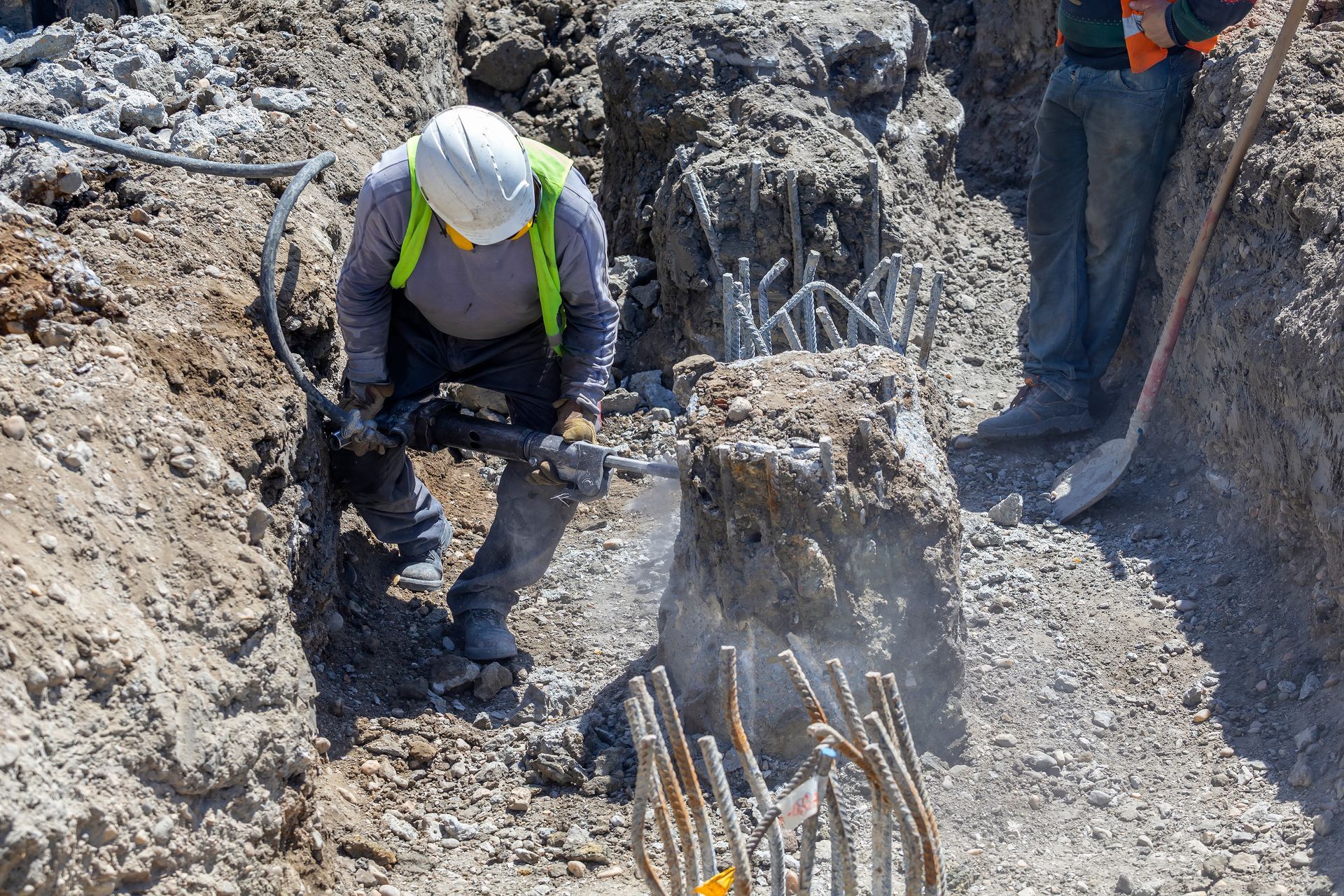
Contractor Insurance
Contractor insurance supports trades and service professionals across Southern California. It helps protect tools, equipment, and daily operations.

Cyber Liability Insurance
Cyber liability insurance helps protect business data and customer information. It supports recovery from digital incidents.

Commercial Property Insurance
Commercial property insurance helps protect offices, shops, and equipment. It supports recovery after covered damage.
Coverage Built for Specialized Work
Support for high-risk and service-driven industries.



Simple Steps Supported by Steady Guidance
A Clear Path to Coverage
Trusted by Clients Across Southern California
Clear service backed by real experiences.
Answers to Common Questions.
Clear explanations to guide your decisions.
How do I know which insurance policy is right for me?
We compare coverage options from multiple carriers to help you see differences in protection and price. You can review clear details and ask questions so you understand what each policy covers. Our team guides you step by step so you feel sure about your decision.
What factors affect my auto insurance premium?
Auto insurance premiums are influenced by your driving history, age, location, vehicle type, and coverage choices. A clean driving record and good safety features can help lower costs. We review these factors with you and help find coverage that fits your budget and needs.
Does homeowners insurance cover all types of damage?
Standard homeowners insurance protects your structure, personal belongings, liability, and additional living expenses in many cases. However, it usually does not include flood or earthquake damage without separate policies. We help you decide if extra coverage is right for your home and location.
Can I update my policy or get certificates online?
Yes. You can submit requests for policy changes and certificates through our online service form at any time. Our team processes those requests quickly and confirms updates once complete so you have the documents you need.
Do I need separate insurance for business risks like EPLI or E&O?
Yes. General liability and workers compensation cover many business risks but do not protect against all exposures. For example, Employment Practices Liability Insurance (EPLI) covers claims like wrongful termination or discrimination, and Errors & Omissions (E&O) covers claims based on mistakes in professional services. We help you identify which extra policies your business may need.
What happens if I need to file a claim?
If you need to file a claim, we guide you through the process and help you contact the insurance carrier. We explain what information you should provide, answer your questions, and stay available while the carrier reviews your claim. This support helps you move forward with confidence.
Contact Us