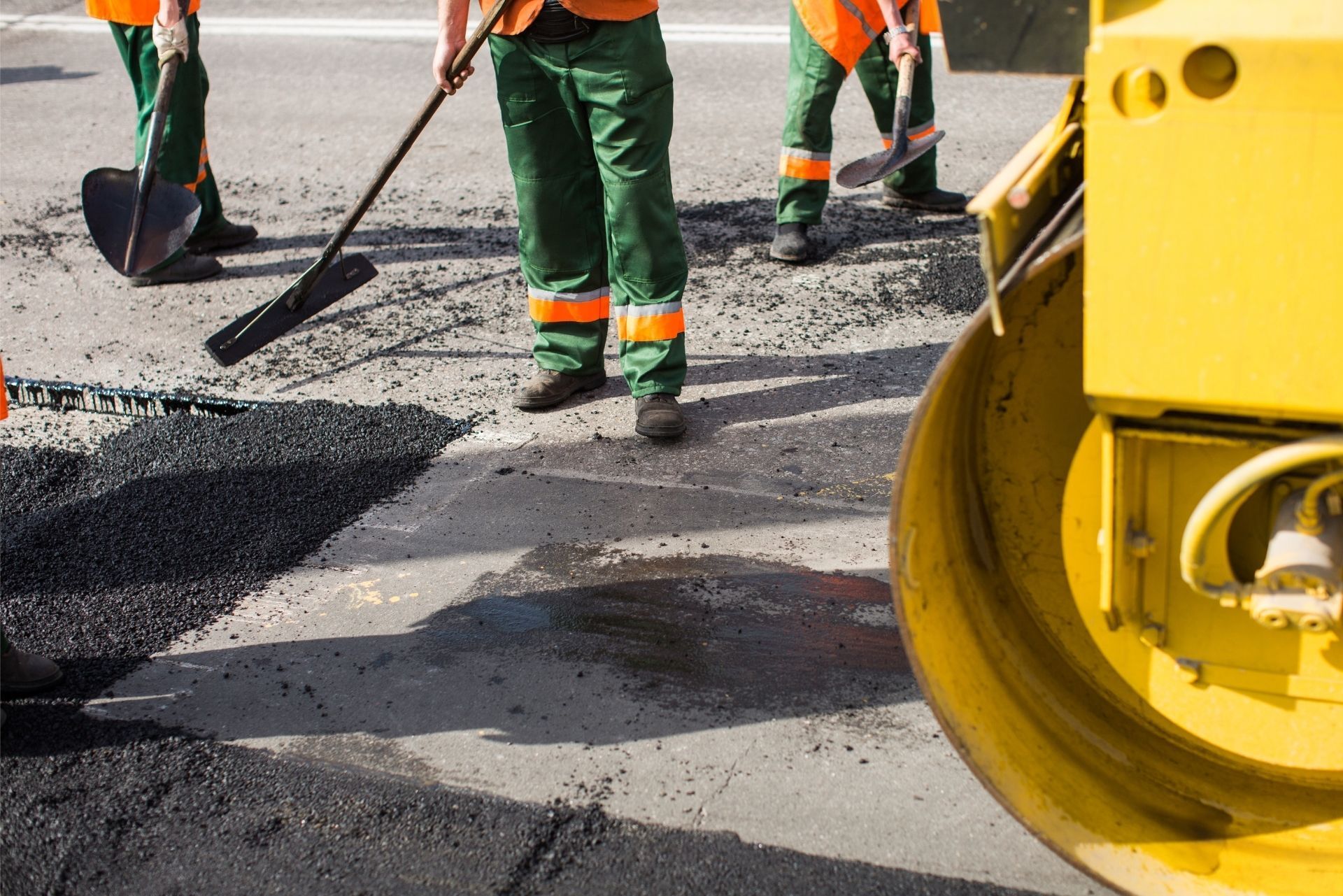
A dispute over a defective paving project can escalate quickly, leaving both contractors and clients facing significant financial challenges. Insurance coverage for paving contractors in California is not merely a regulatory requirement-it is a cornerstone of risk management that stabilizes businesses in this high-stakes industry. With a market projected to reach robust figures and a spectrum of challenges from construction defects to unexpected calamities, this guide lays out what every paving contractor in California needs to know about insurance.
The paving industry in California is expected to achieve a market size of
$3.3 billion by 2025, with thousands of businesses and more than 30,000 employees contributing to the state's dynamic economy. In light of these statistics, understanding the nuances of insurance coverage for paving contractors is essential.
The Unique Risk Environment of California Paving Contractors
Paving contractors face a unique set of challenges, from weather-related issues to disputes over construction quality. California’s varied climate and dense urban areas mean that contractors often manage projects in environments prone to both natural and manmade risks.
One major area of concern for paving contractors is the potential for disputes arising from defective construction. The 2025 Commercial Litigation Outlook report by Seyfarth Shaw points to an inevitable increase in such disputes. Extended durations of general liability claims have forced insurers to rethink claim management, particularly for contractors and builders engaged in high-value paving projects.
With increasing litigation and prolonged claim resolution times, ensuring robust insurance coverage becomes paramount. This risk environment mandates that paving contractors have not just general liability but also specialized coverage tailored to the construction industry’s particular needs.
By: Peter Plew
Commercial Insurance Agent at Caruso Insurance Services
Understanding General Liability for Paving Contractors
General liability insurance is the first line of defense for paving contractors. It safeguards against claims related to third-party bodily injury, property damage, and personal injury. Given that California paving contractors are among the highest payers of insurance premiums in the nation, understanding the nuances of general liability coverage is essential.
For small paving businesses, annual general liability premiums have been noted to average around $1,680, while more established companies may see premiums approaching $11,420. These figures are a testament to the high risk associated with paving work, especially when working in urban areas with higher traffic densities and complex project demands.
Contractors should review their policies carefully, ensuring that coverage limits match the scale and scope of their operations, particularly in the face of potential litigation over construction defects. This is critical as even minor oversights can result in significant exposure and financial losses.
Specialized Coverage Considerations for Defective Construction Disputes
Defects in paving projects can lead to disputes that often escalate to legal action. In situations where construction defects trigger claims, building owners and developers may engage insurance disputes that extend insurance coverage to claims for several years.
An in-depth understanding of the intricacies of commercial litigation-highlighted in the Seyfarth Shaw report-is invaluable. Such disputes may extend the timeline for claim resolution, further emphasizing the need for comprehensive policy reviews and specialized endorsements to cover construction defects.
Contractors must work closely with insurance providers, ensuring that endorsements and coverage limits reflect the actual risk exposure, including potential network effects risk as research on
arXiv suggests a possible 2% increase in exposure for surety organizations when network effects are considered. By considering these findings, contractors can make informed decisions about additional coverage levels or specialized policies for construction defects.

The Role of Surety Bonds in Managing Construction Risk
Surety bonds offer a layer of protection designed to ensure that projects meet contractual obligations while mitigating risks associated with non-performance or incomplete work. For paving contractors, a surety bond is a critical tool that builds trust with clients and stakeholders.
Studies have demonstrated that incorporating network effects into risk assessments for surety bonds can result in slightly higher exposure-up to 2% more for surety organizations (arXiv). Although a 2% increase might seem modest, it highlights the delicate balance within risk evaluations and the importance of precision in policy formation.
This added nuance in risk measurement underscores the need for paving contractors to maintain dialogue with both insurance agents and surety providers, ensuring that bonding requirements and risk evaluations are clearly understood and accurately documented within the contract terms.
Exploring Additional Insurance Considerations
Coverage for Wildfire and Natural Disasters
California is no stranger to environmental hazards, and wildfire incidents are an ongoing concern. Many insurers have recently put internal guidelines in place to contain wildfire damage payouts, a policy shift noted in several reports, including insights published in the San Francisco Chronicle. These changes can impact how quickly claims are processed and what repairs are deemed adequate.
For paving contractors operating in regions prone to wildfires or related environmental hazards, it is critical to review policy exclusions and verify that natural disaster coverage is explicitly included or available as an additional endorsement. This proactive approach helps mitigate possible financial strains following climate-related incidents.
In practice, contractors might consider periodic reviews of their natural disaster coverage, particularly after witnessing shifts in how insurers manage wildfire-related claims and associated environmental risks.
Insurance and Construction Expert Witness Services
In the event of a litigation dispute or claim over construction defects, having access to specialized construction expert witness services can prove invaluable. Expertise from groups such as the California Construction Expert Witness Group brings clarity to disputes that may otherwise extend over years.
Insurance providers and legal experts often rely on these professionals to present unbiased, field-tested perspectives that can influence the outcome of a claim. For paving contractors, aligning with reputable expert witnesses can be critical in resolving disputes efficiently and cost-effectively.
This collaboration not only improves claim resolution times but also helps in refining ongoing safety and quality assurance protocols on the job site.
Impact of Rising Insurance Premiums and Industry Dynamics
Insurance premiums continue to represent a significant cost factor within the paving industry. With California paving contractors listed among the highest premium payers, attention to premium dynamics is essential. According to data from ContractorNerd, premiums vary widely, reflecting differences in business scale and the perceived risk exposure of each contractor.
The evolving market environment influenced by legal disputes, extended claim durations, and environmental hazards necessitates frequent policy reviews. Elevated premiums are not just an expense but a reflection of deeper risk profiles that contractors must address through operational changes and comprehensive risk management strategies.
Adapting to these economic pressures requires vigilance and a willingness to negotiate policy terms and conditions that safeguard financial stability while maintaining adequate coverage.
Policy Selection: What to Look for in a Paving Contractor Insurance Package
When selecting an insurance package, paving contractors should aim to strike a balance between affordability and comprehensive coverage. This often means selecting policies that offer flexible terms, robust claim support, and specific endorsements for construction work. Here are some of the key coverage areas to consider:
| Coverage Type | Description | Key Considerations |
|---|---|---|
| General Liability | Covers third-party bodily injury and property damage claims. | Ensure limits are sufficient for large-scale projects and potential litigations. |
| Surety Bonds | Guarantees contractual obligations, providing financial backup.elated expenses. | Be aware that network effect evaluations may slightly increase exposure. |
| Workers Compensation | Covers employee injuries on the job. | Policy must reflect the risk level of heavy machinery and on-site accidents. |
| Natural Disaster Coverage | Offers protection against events like wildfires and earthquakes. | Scrutinize policy language around internal guidelines and exclusions. |
When evaluating potential policies, consult multiple providers and leverage expert guidance. A thorough comparison of coverage options against industry-specific requirements can help pinpoint the benefits each provider offers, ensuring that a contractor’s business remains secure under various challenging scenarios.
This kind of detailed review and comparison becomes invaluable in an industry where even minor missteps can lead to significant financial exposure.
Recent trends indicate that California is facing an insurance challenge that affects not only paving contractors but the broader construction industry. A report by the Center for California Real Estate highlights an insurance crisis driven by factors such as the unsustainable expansion of the FAIR Plan and delays in rate filing processes. Such challenges often ripple into the paving sector, where heightened premiums and stricter underwriting rules become the norm.
Contractors should pay attention to these developments and consider them when negotiating insurance policies. Even with the essential coverage in place, shifts in the market can lead to a reevaluation of risk exposure and adjustments in premium structures.
Engaging in proactive dialogue with insurers and industry experts during this period can yield insights that help contractors adjust their coverage needs accordingly.
Risk Management Strategies for Paving Contractors
Insurance is only one part of a broader risk management strategy for paving contractors. On-site safety protocols, regular equipment maintenance, and thorough employee training can reduce risks and, subsequently, insurance premiums. Preventative measures not only lower the probability of a claim but also demonstrate to insurers a commitment to mitigating risks.
For many contractors, the rising costs of insurance serve as a catalyst to implement more robust safety and quality assurance measures. Establishing clear communication channels, performing regular safety audits, and investing in advanced project management technologies are effective ways to reduce exposure to claims.
Risk management, paired with the right insurance package, forms a two-pronged approach that significantly enhances stability in a field where lawsuits and construction defects can otherwise derail progress.
An effective insurance strategy is intertwined with a broader business strategy. The decision-making process should involve regular reviews of insurance documents, dialogues with financial advisors, and conversations with legal experts specializing in construction. This integrated approach ensures that the policies chosen today align with the evolving needs and challenges of the industry.
In the competitive paving sector of California, the insurance strategy is as crucial as marketing strategies or operational protocols. A well-tailored insurance program not only covers liabilities but also supports sustainable business growth by securing working capital and facilitating smoother dispute resolution processes.
It is essential that paving contractors see their insurance expenditures as investments in long-term financial resilience rather than just overheads.
Frequently Asked Questions
The following frequently asked questions address some of the core concerns that most paving contractors encounter when reviewing their insurance options.
What does general liability insurance cover for paving contractors?
General liability insurance covers third-party claims related to bodily injury, property damage, and personal injury. This protects contractors from potentially high out-of-pocket expenses if an incident occurs on-site.
How do construction defects influence my insurance policy?
Construction defects can extend the duration of general liability claims. Due to this, insurers may adjust coverage terms, leading contractors to negotiate for enhanced endorsements or limits, as highlighted by the Seyfarth Shaw report.
Why are surety bonds important in the construction sector?
Surety bonds provide financial backing ensuring project completion and compliance with contract terms. They help mitigate risk for both contractors and clients, ensuring that contractual obligations are met even if unforeseen issues occur.
What steps can I take to lower my insurance premiums?
Implementing strict safety protocols, ensuring regular equipment maintenance, and investing in employee training can all contribute to lower risk profiles and, subsequently, reduced premiums.
How do environmental hazards affect insurance coverage?
Environmental hazards such as wildfires are increasingly influencing policy terms. Several insurers have instituted internal guidelines that might limit damage payouts, making it essential to confirm coverage specifics for natural disasters.
Are specialized endorsements necessary for paving contractors?
Yes. With the risks associated with construction defects and environmental hazards, additional endorsements tailored to the construction industry provide an essential layer of protection.
Final Thoughts for Paving Contractors in California
Securing the right insurance is a critical component of any paving contractor’s success. With multifaceted risks-from construction defects to wildfire concerns-California contractors must approach their insurance needs with diligence and foresight. A thorough analysis of policy options, attention to emerging industry trends, and strategic risk management measures will empower contractors to navigate legal disputes and claim complexities with confidence.
Recent industry reports and expert insights serve as a reminder that insurance is not static. For example, a recent IBISWorld report has shown that the paving sector is robust but faces growing challenges that require adaptive insurance strategies. By staying informed and working with trusted experts, paving contractors can maintain operational stability and protect their business interests in a competitive environment.
As California’s insurance landscape continues to evolve, this guide offers a framework for assessing current coverage, anticipating future risks, and integrating insurance into a broader business strategy. Balancing risk and cost is an ongoing process, and a proactive, well-informed approach to insurance can yield significant dividends over time.
Comparative Overview: Essential Insurance Elements for Paving Contractors
The following comparison chart provides a quick reference to some key elements and coverage considerations for paving contractor insurance. It highlights the distinctions and areas of focus relevant to managing construction risk in California.
| Insurance Element | Description | Importance for Paving Contractors |
|---|---|---|
| General Liability | Covers bodily injury and property damage claims by third parties. | Essential for mitigating high-cost litigation risks linked to construction defects. |
| Surety Bonds | Ensures project completion and contractual performance.penses. | Increases trust with clients; network effect risk assessments suggest a small increase in exposure. |
| Natural Disaster Coverage | Provides protection against events such as wildfires. | Vital in regions prone to environmental hazards; check for wildfire-specific exclusions. |
| Workers Compensation | Covers on-site injuries to employees. | Mandatory for most contractors; directly impacts operational stability. |
| Specialized Endorsements | Additional coverages tailored to construction-specific risks. | Helps address unique risks, such as defective construction disputes. |
This table helps distill complex insurance details into a manageable overview, ensuring that paving contractors focus on the most impactful areas of coverage.
Choosing a policy that addresses each of these components while remaining flexible enough to evolve with the industry is a tall order, yet crucial for long-term resilience.
Future Outlook and Industry Trends
Looking ahead, the paving contractor industry in California is set to navigate an increasingly complex insurance environment. With projected market growth and evolving claim trends highlighted in various industry studies, contractors need to adopt a forward-looking approach to risk management.
The synergy between innovative risk assessments, such as those incorporating network effects (as demonstrated by research on arXiv), and traditional insurance products is redefining industry expectations. Staying abreast of regulatory developments and market shifts is not just advantageous but necessary for maintaining competitiveness and ensuring financial stability.
This period of rapid change is an opportunity. Contractors who invest in comprehensive coverage today will be better prepared to handle the increased incidence of construction defects, evolving dispute resolution processes, and adjustments in natural disaster policies set by insurers.
Wrapping Things Up
Insurance coverage tailored to the needs of California paving contractors is a multi-layered construct that must address both the visible and hidden risks of construction. The multifaceted risks encountered-from litigation over construction defects to the harsher realities of natural disasters-demand a proactive approach to insurance and risk management.
By regularly reviewing policy details, keeping pace with industry trends, and leveraging expert insights, paving contractors can achieve a secure operating environment that safeguards investments and fosters sustainable growth. This strategy is essential not only for compliance but also for navigating the challenges of a complex and evolving risk landscape.
The pathways to robust coverage are clearly mapped through detailed research and industry analysis, such as those provided by industry experts and informative reports. Contractors can take inspiration from these resources by adapting their risk management practices accordingly and seeking tailored advice from experienced professionals. Ultimately, safeguarding a business today ensures its resilience amid tomorrow's challenges.
Frequently Asked Questions (FAQ)
This section answers common questions paving contractors in California have when considering or reviewing their insurance policies.
Do paving contractors need specialized insurance beyond general liability?
Yes. Given the increased risk exposure from construction defects and environmental hazards, additional endorsements and specialized coverages are often necessary.
How do rising premium costs affect small paving businesses?
Rising premiums can strain budgets. However, investing in thorough risk management and regularly reviewing policy terms may help mitigate the impact of increased costs.
What role do surety bonds play in construction projects?
Surety bonds provide a financial guarantee that projects will be completed as contracted, offering reassurance to both clients and insurers.
How can contractors protect themselves against litigation related to defective construction?
Maintaining comprehensive general liability coverage and specialized endorsements, while collaborating with expert witnesses, can substantially reduce exposure to extended litigation.
Should paving contractors review their insurance policies periodically?
Regular policy reviews are crucial. They ensure that coverage remains aligned with evolving industry risks, regulatory changes, and operational needs.
What steps can be taken to lower insurance premiums?
Implementing rigorous safety protocols, investing in employee training, and maintaining equipment properly can help lower risks and, in turn, insurance premiums.
This comprehensive guide aims to provide paving contractors in California with actionable insights into managing risk through sound insurance practices. The interplay between growing market opportunities and mounting challenges makes it more important than ever for contractors to build a resilient risk management strategy.
For additional context on the market dynamics and further insights into the detailed statistics, refer back to the latest industry reports and expert studies such as the IBISWorld and Seyfarth Shaw reports. The evolving insurance landscape demands a proactive and well-informed approach, ensuring that paving contractors can continue their work with confidence and stability.
ABOUT THE AUTHOR:
PETER PLEW
Hi my name is Peter Plew and I am a commercial insurance professional. I listen to and strategize with business owners about their visions of the future and assist in getting there as quickly as possible. I help identify unique exposure and risk’s that business owners have and the reasons why they need to be insured against them. My goal is to make sure my clients are always taken care of on a daily basis with any service needs, questions, or concerns they may have. I love to golf and spend time with my family in my spare time.
Contact Us

Service that stays with you.
Our team helps simplify insurance decisions for families and businesses. We focus on clear explanations, fast responses, and dependable service. You can count on us for help with coverage questions, updates, and long-term support.
Coverage that keeps you secure
Reliable Protection for Everyday Life
Home insurance helps protect your house, personal belongings, and liability risks. We explain coverage options clearly so you know what your policy includes.
Auto insurance provides protection for accidents, liability, and vehicle damage. We help you compare options so you can choose coverage that fits your driving needs.
Motorcycle insurance provides coverage for riders and their bikes. We help you select options that match how and where you ride.
RV insurance supports protection for motorhomes and recreational vehicles. Coverage applies during travel and while parked.
Coverage Built for Contractors and Trades
Support that keeps your work moving.

General Liability Insurance
General liability insurance helps protect contractors from injury and property damage claims. It supports jobsite requirements and contracts.

Workers Compensation
Workers compensation insurance helps protect employees injured while working. It also supports compliance with state requirements.

Commercial Auto Insurance
Commercial auto insurance provides coverage for work vehicles used on jobsites. It helps protect drivers and company vehicles.
Contractor Insurance
Contractor insurance supports trades and service professionals across Southern California. It helps protect tools, equipment, and daily operations.

Cyber Liability Insurance
Cyber liability insurance helps protect business data and customer information. It supports recovery from digital incidents.

Commercial Property Insurance
Commercial property insurance helps protect offices, shops, and equipment. It supports recovery after covered damage.
Coverage Built for Specialized Work
Support for high-risk and service-driven industries.



Simple Steps Supported by Steady Guidance
A Clear Path to Coverage
Trusted by Clients Across Southern California
Clear service backed by real experiences.
Answers to Common Questions.
Clear explanations to guide your decisions.
How do I know which insurance policy is right for me?
We compare coverage options from multiple carriers to help you see differences in protection and price. You can review clear details and ask questions so you understand what each policy covers. Our team guides you step by step so you feel sure about your decision.
What factors affect my auto insurance premium?
Auto insurance premiums are influenced by your driving history, age, location, vehicle type, and coverage choices. A clean driving record and good safety features can help lower costs. We review these factors with you and help find coverage that fits your budget and needs.
Does homeowners insurance cover all types of damage?
Standard homeowners insurance protects your structure, personal belongings, liability, and additional living expenses in many cases. However, it usually does not include flood or earthquake damage without separate policies. We help you decide if extra coverage is right for your home and location.
Can I update my policy or get certificates online?
Yes. You can submit requests for policy changes and certificates through our online service form at any time. Our team processes those requests quickly and confirms updates once complete so you have the documents you need.
Do I need separate insurance for business risks like EPLI or E&O?
Yes. General liability and workers compensation cover many business risks but do not protect against all exposures. For example, Employment Practices Liability Insurance (EPLI) covers claims like wrongful termination or discrimination, and Errors & Omissions (E&O) covers claims based on mistakes in professional services. We help you identify which extra policies your business may need.
What happens if I need to file a claim?
If you need to file a claim, we guide you through the process and help you contact the insurance carrier. We explain what information you should provide, answer your questions, and stay available while the carrier reviews your claim. This support helps you move forward with confidence.
Contact Us