A fierce wildfire in January 2025 burned more than 50,000 acres in Los Angeles, causing widespread devastation, loss of life, and a severe impact on property markets. This tragic event not only highlighted the risks associated with catastrophic natural disasters but also the complex challenges confronting California’s insurance industry. For condo owners navigating a market marked by volatility and evolving risks, understanding the nuances of condo insurance is more crucial than ever. McKinsey & Company has documented the profound impact of such events on both homeowners and insurers.
Every condo owner needs a tailored strategy that addresses the unique risks of property ownership in California. The state’s challenging environment demands insurance coverage that not only protects your personal investment but also adapts to new risks and regulatory changes. With insurers grappling with enormous claims payouts-in some cases paying out $1.09 in expenses for every dollar collected in premiums as reported by industry experts-the market conditions necessitate heightened diligence when choosing a policy.
This guide explores the essentials of condo insurance in California and offers actionable advice to ensure adequate coverage while navigating the intricacies of policy options, rate changes, and regulatory adjustments.
Understanding the Basics of Condo Insurance
Condo insurance differs from standard homeowners insurance by addressing the unique overlaps between individual condo units and the shared spaces within a building. A typical policy covers interior damage to the unit, personal property losses, and liability protection. However, the policy might not extend to communal areas such as lobbies or recreational facilities.
One key aspect is to analyze what the condo association’s master policy covers. If the master policy has gaps, condo owners must secure additional endorsements to cover liabilities and losses in their individual units. This complex interplay is why a clear understanding of what each policy provides is essential.
Especially now, with increasing catastrophe-related claims across the state, condo owners need to evaluate their coverage options carefully. Experts suggest considering not just immediate replacement costs but also long-term rebuilding expenses and damage mitigation measures.


By: Karla Torres
Personal Insurance Agent at Caruso Insurance Services
Dissecting Complex Risk Factors in California
Wildfire and Natural Disaster Exposure
California’s wildfire season has become more unpredictable and severe in recent years, largely due to changing climate patterns. For instance, the catastrophic January 2025 wildfire in Los Angeles not only caused substantial damage but also led to a steep decline in property values in affected areas. A study using the Synthetic Control Method revealed that a wildfire in Altadena resulted in an average monthly loss of $32,125 in housing prices over six months (arXiv study).
Wildfire risks impact insurance claims and can influence policy pricing dramatically. As insurers face higher costs when processing claims, many pass on these expenses in the form of raised premiums. This rising cost of coverage is evident even among multi-unit dwellings like condominiums.
Condo owners should assess whether their policy has adequate protection against wildfire damage, including coverage for smoke damage, water damage from firefighting efforts, and debris removal. It is equally important to understand how deductible amounts apply during widespread events where many claims are submitted simultaneously.
Market Volatility and Policy Rate Adjustments
Insurance policy rates have been subject to abrupt changes in California. In April 2025, a significant development occurred when Allstate received state approval to raise insurance rates for condominiums by an average of 30% affecting nearly 78,000 policyholders (San Francisco Chronicle). Such increases can drastically affect a condo owner’s budget and force reconsideration of coverage needs.
This environment of rising costs is partly due to the fact that between 2012 and 2021, homeowners insurance companies in California experienced an average direct underwriting profit of -13.1%, markedly lower than the national average of 3.6% (California Globe). The negative profit margin forces insurers to adopt strategies such as hiking rates rather than taking losses.
Policy rate adjustments are not merely a reflection of past losses but a predictive measure of future risks as well. These trends underscore the importance of reviewing policies periodically and engaging with insurance experts who specialize in the California market.
Essential Components of a Condo Insurance Policy
Coverage for Structural Losses and Interior Improvements
Unlike detached homes, condo insurance policies often need to clearly delineate the boundary between what the condo association covers and what falls under the individual unit. Condo owners must scrutinize coverage details regarding interior improvements and upgrades. This feature can be crucial if an insured event damages custom fittings or built-in improvements.
Additionally, it is important for condo owners to understand how replacement cost coverage works. This type of policy reimburses the cost of replacing damaged or destroyed property without factoring in depreciation. An appropriate policy should include sufficient replacement cost limits based on current market rates and specific replacement scenarios unique to condos.
With increasing litigation issues and unexpected damages following natural disasters, ensuring that structural loss coverage extends to include enhanced building materials or environmentally upgraded features is vital.
Liability Protection and Additional Living Expenses
Liability coverage in condo insurance policies protects both the owner and the condo association from potential lawsuits stemming from accidents or injuries that occur on the property. In California, where lawsuits related to property injuries have become more frequent, this protection can be indispensable.
Moreover, additional living expenses coverage becomes critical in the event that the condo becomes uninhabitable due to a covered loss. This component can cover temporary accommodation and additional costs incurred during the repair period.
In selecting a policy, consider negotiated endorsements or riders that extend liability protection beyond the standard limits provided by most insurers. This can be particularly reassuring when facing an environment where catastrophic claims can push the boundaries of traditional coverage limits.

Proposals for Market Stability and Sustainability
State regulators and insurance experts have consistently stressed the need for comprehensive reforms in the homeowners insurance market. The Little Hoover Commission has proposed reforms such as public oversight of catastrophe modeling and the inclusion of mitigation efforts in underwriting models (Little Hoover Commission). These recommendations aim to stabilize the market by fostering collaboration between insurers, regulators, and homeowners.
Policymakers are also calling for enhanced transparency and coordinated actions between the public and private sectors as a way to improve market predictability. As one industry analyst noted, moving from fragmented efforts to public-private solutions is key to sustaining long-term market stability (Center for California Real Estate).
This approach can help cushion the financial impact of severe weather events and provide a consistent framework that makes insurance rates more predictable for condo owners.
Impact of Public Policy on Premium Rates
Political and regulatory decisions continually shape the insurance landscape. Recent state approvals to raise condo insurance rates have underscored the balance between keeping firms solvent and ensuring that homeowners can afford to rebuild in disaster-stricken areas. As approvals for rate increases become more common, condo owners are encouraged to closely monitor policy changes and remain proactive in policy reviews.
Regulatory reforms have started to address not only the pricing structure but also the performance of insurers in terms of claims payouts. With insurers reportedly paying out $1.09 in expenses and claims for every $1 they collect in premiums (California Globe), such financial metrics highlight the need for more sustainable underwriting practices. Condo owners must become informed consumers to adapt to these shifts.
Advocates for market reform have suggested reforms such as streamlining rate approvals and expanding private insurer participation. These measures could not only help maintain a healthier insurance market but also offer condo owners more policy options and potentially more competitive rates.
Steps for Condo Owners to Secure Adequate Coverage
Conduct a Thorough Policy Review
Condo owners should begin by reviewing both the condo association’s master policy and their own individual policy. It is important to clearly identify which portions of the building are covered by the master policy. Asking specific questions during annual meetings and consulting with legal experts can clarify the extent of the association’s liability.
Owners should then review their individual policy for gaps in coverage. Elements such as personal property, interior structure, and liability for injuries within the unit should align with the value of the investment. In some cases, additional endorsements or higher coverage limits may be necessary to bridge the gap between the master policy’s coverage and individual needs.
Policy reviews should also account for the rising premium trends and regulatory changes that can impact renewals. Just as Allstate’s recent rate adjustment affected a significant number of policyholders, condo owners are well advised to shop for competitive rates and consult insurance brokers who understand market trends in California.
Invest in Loss Mitigation and Safety Improvements
Risk reduction plays a crucial role in securing lower premiums and more reliable coverage. Home safety improvements such as updated fire suppression systems, security alarms, and reinforced structural elements not only protect your investment but also demonstrate to insurers that proactive measures are being taken. By incorporating loss mitigation practices, condo owners may be rewarded with lower deductible amounts and promotional rate incentives.
In areas prone to wildfires and earthquakes, additional loss prevention strategies such as fire-resistant landscaping and seismic retrofits become highly recommended. These modifications can reduce claims frequency and severity, which, in turn, helps in negotiating better policy terms with insurers.
Besides physical improvements, maintaining regular communication with the condo association is critical. The association’s collective approach to loss mitigation-by regularly updating building safety features and adhering to recommended fire codes-can positively influence the overall insurance risk profile of the building.
Work with Trusted Insurance Professionals
The complexity of insurance in California warrants discussing options with professionals who have specialized experience in the condo market. Trusted brokers can offer nuanced advice tailored to the specific challenges of living in California. These experts can navigate through policy fine prints, negotiate endorsements, and help set up critical loss mitigation plans.
Consulting with insurance agents who monitor regulatory shifts across the state can help condo owners stay ahead in a market characterized by rapid changes. Personal recommendations, combined with industry reviews, provide valuable insights into how best to secure coverage that adapts to current risks without compromising affordability.
Collaboration with professionals also ensures that adjustments made to the policy are in line with emerging reforms and market expectations, so you maintain not only comprehensive coverage but sustainable protection as conditions evolve.
Comparison Chart: Key Factors in Condo Insurance Policies
A side-by-side comparison of coverage features can help clarify decisions when selecting a condo insurance policy. This chart presents basic distinctions between standard policies and those offering extended coverage tailored for the California market.
| Coverage Feature | Standard Condo Policy | Extended/Enhanced Policy |
|---|---|---|
| Structural Damage | Covers interior structure and personal property | Includes upgraded replacement cost coverage and interior improvements |
| Liability Limits | Basic liability coverage to meet legal minimums | Higher liability limits with tailored endorsements |
| Natural Disaster Protection | Limited wildfire, earthquake, or flood damage coverage | Expanded protection including wildfire mitigation and earthquake endorsements |
| Loss Mitigation Incentives | Standard rates with minimal discounts | Potential discounts for implemented safety improvements and retrofits |
| Personal Property Coverage | Standard limits based on replacement cost policies | Higher limits with options for valuable item endorsements |
This comparative chart helps illustrate that while a basic condo insurance policy might suffice for some, the extended coverage options provide a more comprehensive safety net in a market susceptible to sudden rate adjustments and severe claims events.
For condo owners who value enhanced security during unpredictable weather events, the upgrade to a policy with extended features is an important consideration.
Preparing for Future Market Trends and Policy Changes
Anticipating Shifts in Insurance Costs
The California insurance market is in a state of flux. With regulators pushing for more aggressive reforms and insurers showcasing negative profit margins over recent years, homeowners can expect further adjustments. Rising claims costs, as seen in the 2025 Los Angeles wildfires, inform the premium-setting process, pushing rates higher all over the state.
Market analysts predict that policy costs may continue to be affected by climate-related risks and regulatory interventions. As these trends develop, condo owners should keep a close watch on industry news and consult regularly with their insurance agents who are informed of the latest changes.
This proactive approach helps in adapting insurance coverage preemptively, ensuring that individuals are not caught off guard by sudden fee hikes or modified policy conditions.
The Role of Public-Private Collaboration in Market Stability
Recent expert insights emphasize a move away from isolated initiatives towards a more collaborative strategy between the public and private sectors. This approach is aimed at stabilizing the insurance market while protecting both policyholders and the industry at large (Center for California Real Estate). Collaborative measures include the introduction of reforms such as streamlined rate approvals and the expansion of insurer participation, which could result in more competitive and sustainable policy terms.
Insurers, regulators, and condo associations come together in these discussions to create more resilient models of underwriting that take into account both historical loss data and future risk projections. Condo owners indirectly benefit from such initiatives, as a more stable market tends to result in fewer disruptive rate adjustments and clearer expectations for coverage quality.
The evolving dialogue between industry stakeholders suggests that while the current premium increases may be challenging, the long-term strategy is geared toward a balanced, fair, and transparent insurance market.
Frequently Asked Questions
What does a standard condo insurance policy typically cover?
Standard condo insurance generally covers interior damage, personal property, and liability. It does not usually cover the building’s communal areas, as that is typically covered by the master policy provided by the condo association.
Is additional coverage needed to protect against natural disasters?
Yes, basic policies may not include comprehensive coverage for natural disasters such as wildfires or earthquakes. In California, it is important to review policy specifics and consider additional endorsements for adequate protection.
How can homeowners ensure they are not overpaying for coverage?
Regular policy reviews and consultations with trusted insurance brokers help compare coverage limits, endorsements, and premium rates. Checking for discounts related to loss mitigation measures is also beneficial.
What impact do recent rate increases have on condo insurance?
Recent rate increases, such as the 30% hike approved for condominiums in April 2025, reflect wider market challenges and heightened risks faced by insurers. Such changes prompt policyholders to remain vigilant about their coverage needs and regularly review policy offerings (San Francisco Chronicle).
Why is it important to understand the condo association’s master policy?
Understanding the master policy is crucial because it defines the coverage boundaries between communal areas and individual units. This knowledge helps identify any gaps that might require additional endorsements in your own policy.
How do regulatory changes affect condo insurance policies?
Regulatory changes, such as proposed oversight of catastrophe modeling and streamlined rate approvals, directly influence premium rates and coverage terms. Staying updated through trusted industry sources can help condo owners adapt effectively (Little Hoover Commission).
Where can condo owners find reliable policy comparisons?
Several industry reports and insurance comparison tools offer detailed side-by-side charts on policy coverages. These comparisons help owners assess whether extended coverage alternatives provide greater value in a challenging market.
Wrapping Things Up
Insurance in California is undergoing a period of significant change, driven by rising risks, regulatory adjustments, and market volatility. Condo owners must remain proactive and informed as the landscape continues to evolve. By understanding the nuances of coverage between master association policies and individual unit policies, homeowners can better navigate their insurance needs.
Key takeaways include the importance of thorough policy reviews, proactive loss mitigation measures, and regular consultations with knowledgeable insurance professionals. Given the recent statistics on rising claims and increasing premium pressures, these strategies take on even greater importance in a market where risks due to natural disasters are more pronounced than ever.
Being prepared means not only having the right policy in place but also understanding the underlying factors that drive rate changes and claim payouts. Moving forward, building a resilient insurance strategy will depend on staying engaged with market trends and regulatory innovations, ensuring that condo owners maintain comprehensive and affordable coverage.
ABOUT THE AUTHOR:
KARLA TORRES
Hi, I’m Karla Torres-Millan. I’ve been with Caruso Insurance for 14 years and in the insurance industry for a fantastic 25 years, as I specialize in personal insurance. I enjoy hiking, traveling to Baja, and spending time with family. I’m happily married and have two beautiful daughters, both of which have never failed to keep me busy. I’m passionate about what I do because I love to help others. I strive to eliminate the stress families experience when it comes to the lack of protection on their assets.
Contact Us

Service that stays with you.
Our team helps simplify insurance decisions for families and businesses. We focus on clear explanations, fast responses, and dependable service. You can count on us for help with coverage questions, updates, and long-term support.
Coverage that keeps you secure
Reliable Protection for Everyday Life
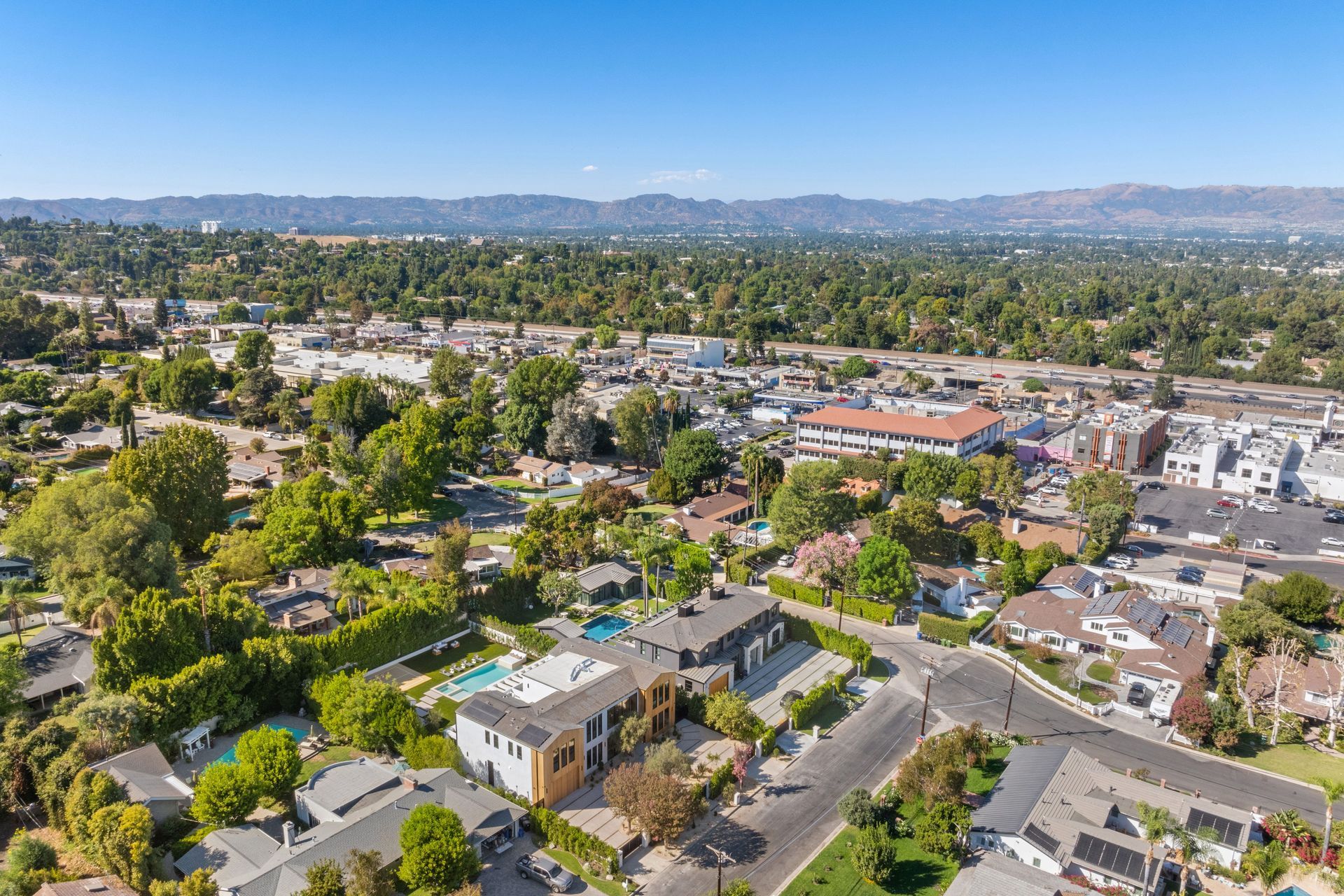
Home insurance helps protect your house, personal belongings, and liability risks. We explain coverage options clearly so you know what your policy includes.
Auto insurance provides protection for accidents, liability, and vehicle damage. We help you compare options so you can choose coverage that fits your driving needs.
Motorcycle insurance provides coverage for riders and their bikes. We help you select options that match how and where you ride.
RV insurance supports protection for motorhomes and recreational vehicles. Coverage applies during travel and while parked.
Coverage Built for Contractors and Trades
Support that keeps your work moving.

General Liability Insurance
General liability insurance helps protect contractors from injury and property damage claims. It supports jobsite requirements and contracts.

Workers Compensation
Workers compensation insurance helps protect employees injured while working. It also supports compliance with state requirements.

Commercial Auto Insurance
Commercial auto insurance provides coverage for work vehicles used on jobsites. It helps protect drivers and company vehicles.
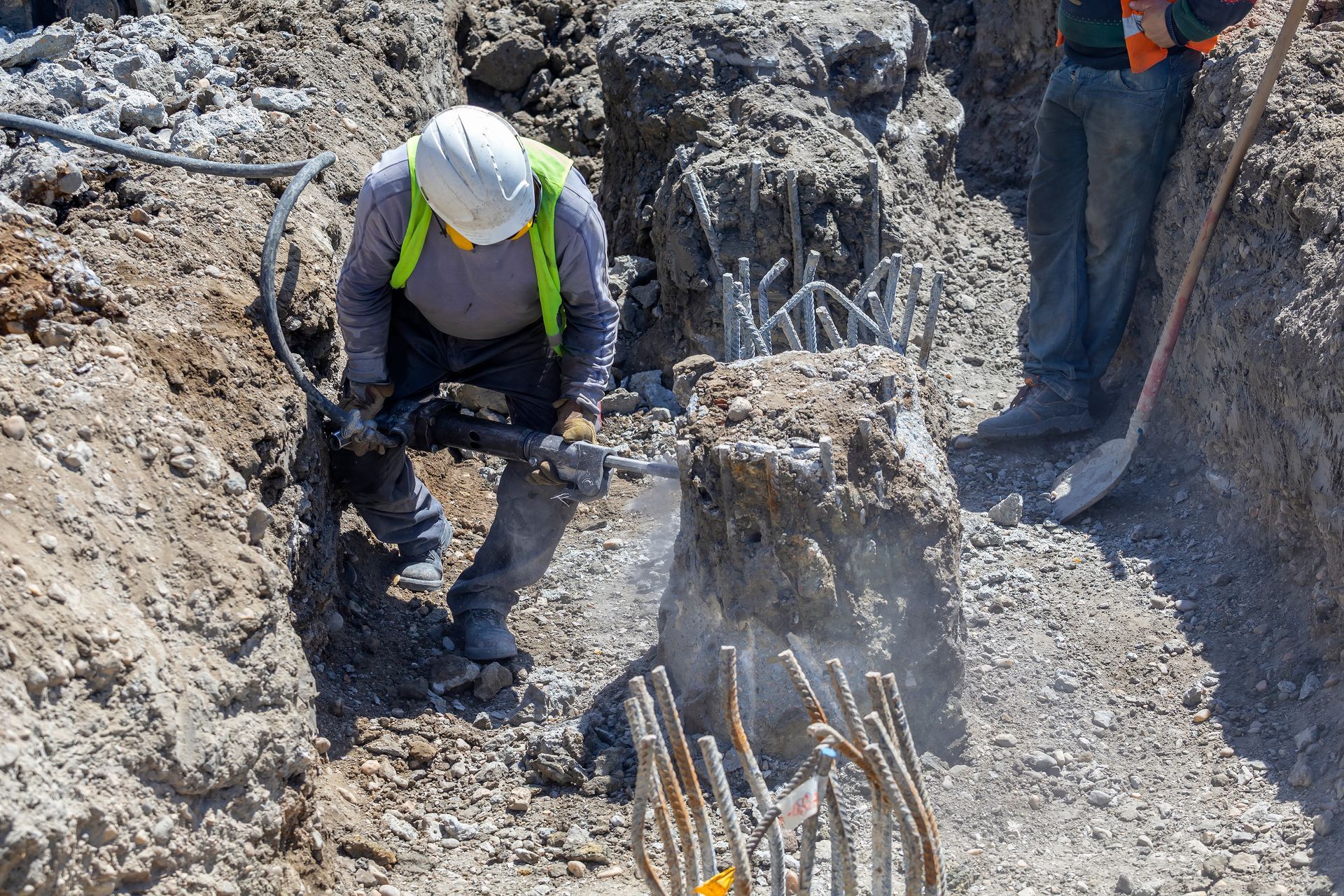
Contractor Insurance
Contractor insurance supports trades and service professionals across Southern California. It helps protect tools, equipment, and daily operations.

Cyber Liability Insurance
Cyber liability insurance helps protect business data and customer information. It supports recovery from digital incidents.

Commercial Property Insurance
Commercial property insurance helps protect offices, shops, and equipment. It supports recovery after covered damage.
Coverage Built for Specialized Work
Support for high-risk and service-driven industries.



Simple Steps Supported by Steady Guidance
A Clear Path to Coverage
Trusted by Clients Across Southern California
Clear service backed by real experiences.
Answers to Common Questions.
Clear explanations to guide your decisions.
How do I know which insurance policy is right for me?
We compare coverage options from multiple carriers to help you see differences in protection and price. You can review clear details and ask questions so you understand what each policy covers. Our team guides you step by step so you feel sure about your decision.
What factors affect my auto insurance premium?
Auto insurance premiums are influenced by your driving history, age, location, vehicle type, and coverage choices. A clean driving record and good safety features can help lower costs. We review these factors with you and help find coverage that fits your budget and needs.
Does homeowners insurance cover all types of damage?
Standard homeowners insurance protects your structure, personal belongings, liability, and additional living expenses in many cases. However, it usually does not include flood or earthquake damage without separate policies. We help you decide if extra coverage is right for your home and location.
Can I update my policy or get certificates online?
Yes. You can submit requests for policy changes and certificates through our online service form at any time. Our team processes those requests quickly and confirms updates once complete so you have the documents you need.
Do I need separate insurance for business risks like EPLI or E&O?
Yes. General liability and workers compensation cover many business risks but do not protect against all exposures. For example, Employment Practices Liability Insurance (EPLI) covers claims like wrongful termination or discrimination, and Errors & Omissions (E&O) covers claims based on mistakes in professional services. We help you identify which extra policies your business may need.
What happens if I need to file a claim?
If you need to file a claim, we guide you through the process and help you contact the insurance carrier. We explain what information you should provide, answer your questions, and stay available while the carrier reviews your claim. This support helps you move forward with confidence.
Contact Us