A tech company experiencing a fraudulent withdrawal isn’t an isolated occurrence; even businesses with solid reputations encounter issues that require financial protection. In California, fidelity bonds offer a safeguard against employee dishonesty and fraud, a reassurance especially valuable in an environment where high-value transactions and significant asset bases are common. Understanding the intricacies of fidelity bond coverage is essential for companies and organizations looking to bolster their defenses against internal fraud.
Businesses of all sizes-from emerging startups in the Silicon Valley corridor to longstanding enterprises in San Francisco Bay counties-must weigh the benefits of these bonds against their operational risks. A notable example comes from recent financing trends where housing bonds in early 2024 reached $22.2 billion in 357 issues, reflecting robust market activity and investor confidence. This strong performance is partly driven by a climate where advanced risk management strategies, such as fidelity bonding, play a key role in sustaining trust and financial stability.
The following guide offers a detailed exploration of fidelity bonds in California, insights into current market trends, and practical advice for businesses evaluating their risk management strategies in this dynamic sector.
Understanding Fidelity Bonds and Their Role in California
Fidelity bonds are a form of surety bond that protect businesses from losses due to employee dishonesty. They cover a range of incidents, from theft and fraud to other criminal acts committed by authorized employees. In California, where the economic landscape is comprised of high-value properties and innovative companies, safeguarding assets is more critical than ever.
These bonds can offer peace of mind by ensuring that if fraudulent activity occurs, there will be a financial recourse to cover losses. The economic value of surety bonds is significant. According to a study by the Surety & Fidelity Association of America, the industry plays a vital role in job creation and economic stability. Such findings are especially pertinent to California companies facing the dual challenges of innovation and operational risk.
In industries where trust is paramount, knowing that your company is protected against internal fraudulent acts is a boon. Stable financial practices can also add confidence among investors and stakeholders, contributing to an overall healthier business environment in the state.


By: Danielle Sweet
Commercial Insurance Agent at Caruso Insurance Services
Key Benefits of Fidelity Bond Coverage
California businesses derive several benefits from fidelity bond coverage. One of the primary advantages is the financial reimbursement received in the event of employee theft or fraud. This reassurance helps businesses quickly recover from losses without excessive disruption to operations.
Additional advantages include increased credibility with clients and business partners, knowing that a commitment has been made to safeguard assets. This factor becomes particularly relevant in sectors such as technology and finance, where trust and reliability are closely scrutinized. With recent insights pointing to a 12% employment drop in small to mid-sized firms, the topic of internal security remains in sharp focus for many enterprises.
Fidelity bonds also serve as an essential risk management tool by setting in place preemptive measures against potential losses. By enforcing internal controls and compliance measures, companies can minimize fraudulent activities before they result in significant financial damages. This proactive approach is especially valuable in California’s competitive economic environment, where every safeguard directly contributes to operational resilience.
Trends in the California Market for Fidelity Bonds
Market trends have shown a growing awareness of the need for robust internal control mechanisms. The uptick in financing activities, particularly in areas such as housing bonds, serves as a backdrop highlighting the need for comprehensive risk management across the board. In the first half of 2024, for instance, the fixed income market experienced a significant rise, with institutional activity booming as reported by Fidelity Investments.
Although housing bonds serve a different purpose, the rally in this market underlines investor confidence. It indirectly influences the broader financial perspective of the region, affirming that California’s financial marketplace remains vibrant and receptive to innovative risk management solutions. Investors and industry experts have noted that healthy fixed income performance aligns with improved risk management strategies across various sectors.
These conditions have paved the way for increased interest in fidelity bonds, as companies are looking for either stand-alone coverage or complementary products to protect against emerging risks. As market dynamics continue to evolve, companies have their eyes on tools and strategies that will ensure a robust safety net.

How Fidelity Bonds Work in Practice
Fidelity bonds function under a contractual agreement between a business, a surety provider, and an insurer. The business pays a premium in exchange for coverage that will compensate for losses due to employee dishonesty. When a claim is filed and verified, the insurer steps in to reimburse the covered amount, providing much-needed financial relief.
While the process may appear straightforward, it requires meticulous documentation and strict adherence to internal protocols to qualify for payouts. The focus is on maintaining transparency and accountability within the organization, elements that are especially crucial given California's diverse business landscape.
A comprehensive fidelity bond policy includes clauses that outline the obligations of the insured, the scope of coverage, and the procedures for handling claims. Companies are advised to work closely with their insurance advisors to tailor the policy specifics to their unique risk profiles. This ensures coverage matches their operational needs and regulatory requirements.
Assessing Coverage Needs: Is a Fidelity Bond Right for Your Business?
Determining whether a fidelity bond is right for your business involves a thorough risk assessment. Companies must evaluate their exposure to employee dishonesty by considering factors such as the size of the workforce, the complexity of financial transactions, and the historical incidence of internal fraud.
For firms operating in high-value markets like Santa Clara County-where the median home price reached $2.02 million in early 2025, according to the California Association of Realtors-the stakes are particularly high. In such settings, a robust risk management framework is not a luxury but a necessity.
It is beneficial for business owners to work with risk management experts to assess their vulnerabilities critically. A consultation can help determine how fidelity bonds integrate with other facets of their risk mitigation strategy, such as cybersecurity and internal audit controls. Such holistic reviews are crucial given the shifting economic conditions and market uncertainties.
Comparing Fidelity Bonds to Other Risk Management Tools
Fidelity bonds are part of a broader spectrum of risk management tools available to protect a business’s financial interests. While some risk mitigation products are designed for external threats, such as cyber attacks or natural disasters, fidelity bonds specifically shield against internal employee malfeasance.
A comparative look reveals several key differences:
| Coverage Type | Focus | Application |
|---|---|---|
| Fidelity Bonds | Employee dishonesty and fraud | Internal financial losses |
| Cyber Insurance | Data breaches and cyber attacks | Digital and information security |
| General Liability | Third-party claims | Property damage, bodily injury, and legal costs |
This table summarizes the differences clearly. Fidelity bonds focus solely on internal risks while other products, such as cyber insurance, address external threats. The decision to use one, the other, or both depends on a company’s specific risk factors and operational environment.
Business leaders should consider combining multiple products to create a comprehensive risk management portfolio that covers every angle of potential exposure. In California’s dynamic economy, where market conditions can shift quickly and regulatory requirements tighten, a layered safety net is crucial.
Regulatory and Economic Factors Shaping the Demand for Fidelity Bonds
California is known for its robust regulatory environment. Laws aimed at protecting consumer rights and ensuring fair business practices have raised the bar for corporate governance. These rules, coupled with evolving economic conditions, have spurred the demand for targeted risk management tools such as fidelity bonds.
The economic landscape in the state is further complicated by significant financial activities. Cases in point include notable housing bonds developments and shifts in employment among small to mid-sized firms. A recent analysis noted losses from employee fraud in such companies, where the sector experienced a drop of 12% in employment and a 5% decline in establishments over four years (Beacon Economics).
For businesses, keeping abreast of these changes is not merely about compliance but about strategic adaptation. Firms that proactively integrate fidelity bonds and other risk management tools into their operational plans are better positioned to navigate regulatory shifts and economic headwinds, whether facing potential soft landings or stagflation scenarios as suggested by some expert views (Calamos Investments).
Practical Steps for Implementing Fidelity Bond Coverage
Integrating fidelity bond coverage into existing risk management frameworks requires a systematic approach. The first step lies in assessing the exposure to potential internal fraud. Business owners should review financial processes, audit procedures, and overall workplace culture to identify any vulnerabilities.
Next, collaboration with financial advisors and insurance specialists is crucial. These experts can help tailor a fidelity bond policy to match the unique needs of a company. It is also advisable to examine policy conditions thoroughly, ensuring that the terms cover all plausible scenarios of employee dishonesty.
Additionally, internal measures such as periodic audits and enhanced employee training programs help create a culture of accountability. Combining these practices with fidelity bond coverage can significantly reduce both the incidence and the impact of fraudulent activities.
Leveraging Fidelity Bonds Amid Broader Fixed Income Market Trends
California’s fixed income market has experienced considerable growth as evidenced by a notable surge in housing bond issuance-up 31.7% compared to the previous year (Fidelity Investments). Although fidelity bonds serve a different role, a healthy fixed income environment reinforces the importance of robust risk management strategies.
Companies looking to safeguard their interests can benefit from the advanced research tools offered by established financial institutions. For instance, Fidelity’s fixed income research site empowers investors and business owners to develop informed strategies regarding various bond types including fidelity bonds. Such resources can be instrumental in making data-driven decisions that align with current market trends.
As market conditions evolve, the interplay between fixed income instruments and specialized insurance products becomes more apparent. This synergy can enable businesses to navigate periods of economic uncertainty with greater resilience, ensuring that both external investments and internal assurances are secure.
Frequently Asked Questions
What is a fidelity bond?
A fidelity bond is a form of surety bond that protects businesses against financial losses caused by employee fraud or dishonesty. It reimburses covered losses when internal theft or fraudulent activity is verified.
Do all businesses in California need fidelity bond coverage?
Not every business is required to have fidelity bonds, but companies with significant financial transactions or those in high-risk industries may find them beneficial to protect against internal fraud.
How do fidelity bonds differ from other types of insurance?
Fidelity bonds specifically cover losses due to employee dishonesty, whereas other insurance policies, such as cyber insurance or general liability coverage, are designed to mitigate risks from external threats and third-party claims.
How can businesses determine their need for fidelity bonds?
Conducting a detailed risk assessment involving internal audits and consultation with insurance experts can help in identifying vulnerabilities and determining whether fidelity bond coverage is a suitable addition to an overall risk management strategy.
Are there any economic indicators influencing the demand for fidelity bonds in California?
Yes, economic trends such as a significant increase in housing bonds issuance and fluctuations in employment within certain sectors provide insights into the growing importance of robust internal risk management tools like fidelity bonds.
Can fidelity bonds be customized for different business sizes?
Absolutely. Fidelity bond policies can often be tailored to meet the specific needs of a business, ensuring that smaller companies or large enterprises receive coverage proportional to their risk exposure.
Wrapping Things Up
The evolving financial landscape in California means that vigilance against internal fraud is more critical than ever. Fidelity bonds provide a targeted solution to safeguard businesses from the costly repercussions of employee dishonesty. Coupled with comprehensive risk management practices and an awareness of broader market trends, these bonds can reinforce a company’s overall financial stability.
It is wise for business owners to integrate fidelity bonds into their broader strategies, especially when facing an array of challenges such as economic fluctuations, shifting employment figures, and evolving regulatory requirements. With the tools available-ranging from detailed risk assessments to expert advisory services-the decision-making process can be grounded in both data and practical experience.
As California continues to serve as an economic powerhouse, the protection and re-assurance provided by fidelity bonds will remain a key element in driving sustained growth and innovation. Businesses that proactively adopt these safeguards signal a commitment to transparency and accountability-an essential ingredient for long-term success in a competitive marketplace.
Final Thoughts
Fidelity bonds in California are more than just a financial instrument; they are a strategic investment in a company’s resilience. With a careful approach to risk assessment and a willingness to adapt to changing market conditions, businesses can use these bonds to protect themselves from disruptions that arise from internal fraud.
The current economic indicators, such as the notable spike in housing bond issuance by Fidelity Investments, emphasize that stability in internal operations is indispensable. Companies that pair robust fidelity bond coverage with comprehensive internal controls will be better equipped to face the challenges of a dynamic economic environment.
Before moving forward, enterprises are encouraged to consult with professional advisors to customize fidelity bond policies that suit their unique risk profiles and operational contexts. This tailored approach ensures that each business can maintain its integrity and secure its assets, no matter what challenges may arise.
By embracing fidelity bonds as a core component of an overarching risk management strategy, California businesses can effectively mitigate potential financial losses caused by internal fraud. This proactive measure not only protects the bottom line but also builds a culture of responsibility and trust that reinforces long-term success.
ABOUT THE AUTHOR:
DANIELLE SWEET
HI! I am Danielle Sweet your insurance extraordinaire. I have been in the insurance industry since I was 19 years old working in many different areas of insurance to provide a broad knowledge base to our clients. I have three amazing children who keep me on my toes even as they are older. I have a passion for horses and am lucky to ride every week. I am truly blessed to be able to help business owners and individuals navigate the world of insurance and educate you to make an informed decision that is right for you.
Contact Us

Service that stays with you.
Our team helps simplify insurance decisions for families and businesses. We focus on clear explanations, fast responses, and dependable service. You can count on us for help with coverage questions, updates, and long-term support.
Coverage that keeps you secure
Reliable Protection for Everyday Life

Home insurance helps protect your house, personal belongings, and liability risks. We explain coverage options clearly so you know what your policy includes.
Auto insurance provides protection for accidents, liability, and vehicle damage. We help you compare options so you can choose coverage that fits your driving needs.
Motorcycle insurance provides coverage for riders and their bikes. We help you select options that match how and where you ride.
RV insurance supports protection for motorhomes and recreational vehicles. Coverage applies during travel and while parked.
Coverage Built for Contractors and Trades
Support that keeps your work moving.

General Liability Insurance
General liability insurance helps protect contractors from injury and property damage claims. It supports jobsite requirements and contracts.

Workers Compensation
Workers compensation insurance helps protect employees injured while working. It also supports compliance with state requirements.

Commercial Auto Insurance
Commercial auto insurance provides coverage for work vehicles used on jobsites. It helps protect drivers and company vehicles.
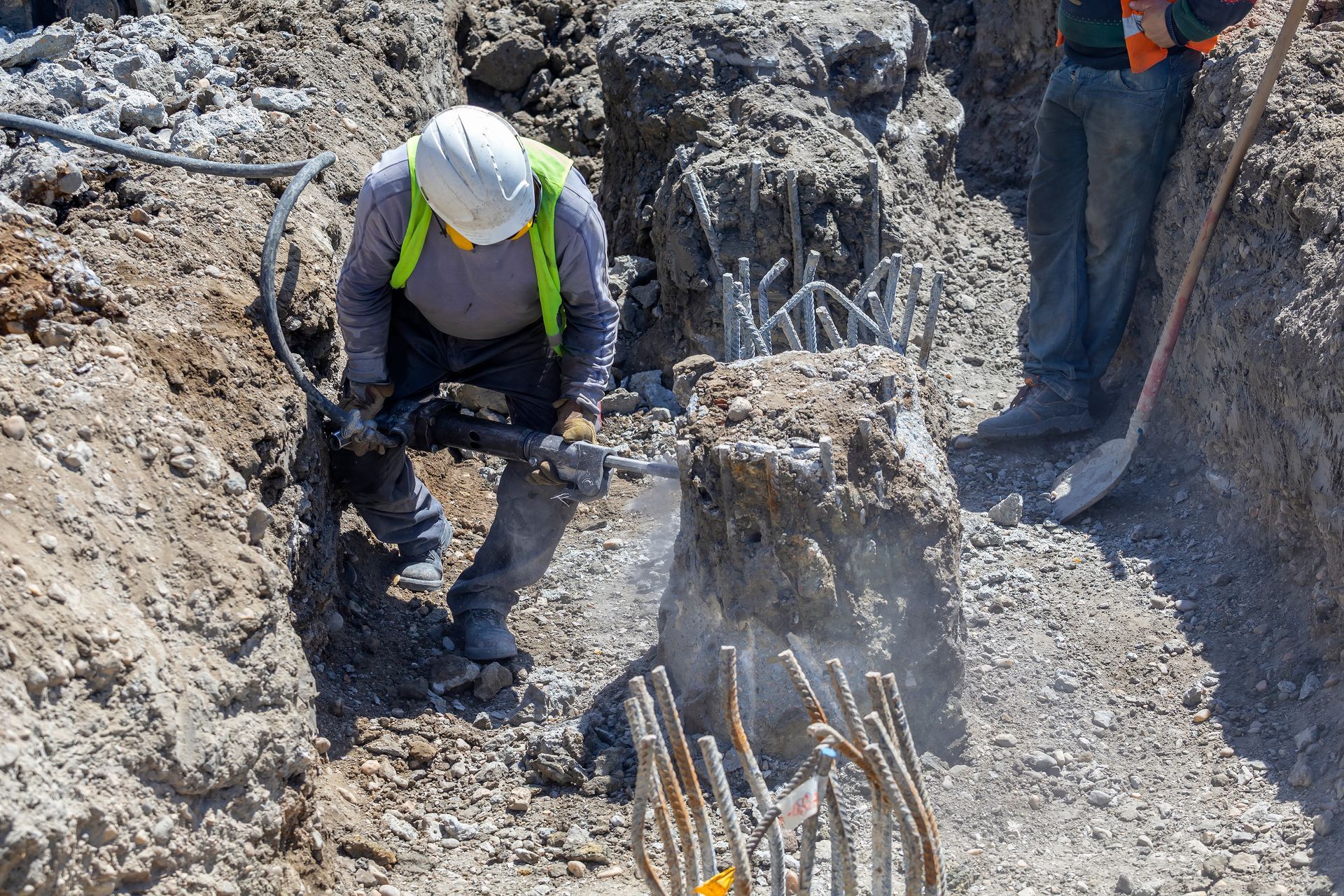
Contractor Insurance
Contractor insurance supports trades and service professionals across Southern California. It helps protect tools, equipment, and daily operations.

Cyber Liability Insurance
Cyber liability insurance helps protect business data and customer information. It supports recovery from digital incidents.

Commercial Property Insurance
Commercial property insurance helps protect offices, shops, and equipment. It supports recovery after covered damage.
Coverage Built for Specialized Work
Support for high-risk and service-driven industries.



Simple Steps Supported by Steady Guidance
A Clear Path to Coverage
Trusted by Clients Across Southern California
Clear service backed by real experiences.
Answers to Common Questions.
Clear explanations to guide your decisions.
How do I know which insurance policy is right for me?
We compare coverage options from multiple carriers to help you see differences in protection and price. You can review clear details and ask questions so you understand what each policy covers. Our team guides you step by step so you feel sure about your decision.
What factors affect my auto insurance premium?
Auto insurance premiums are influenced by your driving history, age, location, vehicle type, and coverage choices. A clean driving record and good safety features can help lower costs. We review these factors with you and help find coverage that fits your budget and needs.
Does homeowners insurance cover all types of damage?
Standard homeowners insurance protects your structure, personal belongings, liability, and additional living expenses in many cases. However, it usually does not include flood or earthquake damage without separate policies. We help you decide if extra coverage is right for your home and location.
Can I update my policy or get certificates online?
Yes. You can submit requests for policy changes and certificates through our online service form at any time. Our team processes those requests quickly and confirms updates once complete so you have the documents you need.
Do I need separate insurance for business risks like EPLI or E&O?
Yes. General liability and workers compensation cover many business risks but do not protect against all exposures. For example, Employment Practices Liability Insurance (EPLI) covers claims like wrongful termination or discrimination, and Errors & Omissions (E&O) covers claims based on mistakes in professional services. We help you identify which extra policies your business may need.
What happens if I need to file a claim?
If you need to file a claim, we guide you through the process and help you contact the insurance carrier. We explain what information you should provide, answer your questions, and stay available while the carrier reviews your claim. This support helps you move forward with confidence.
Contact Us