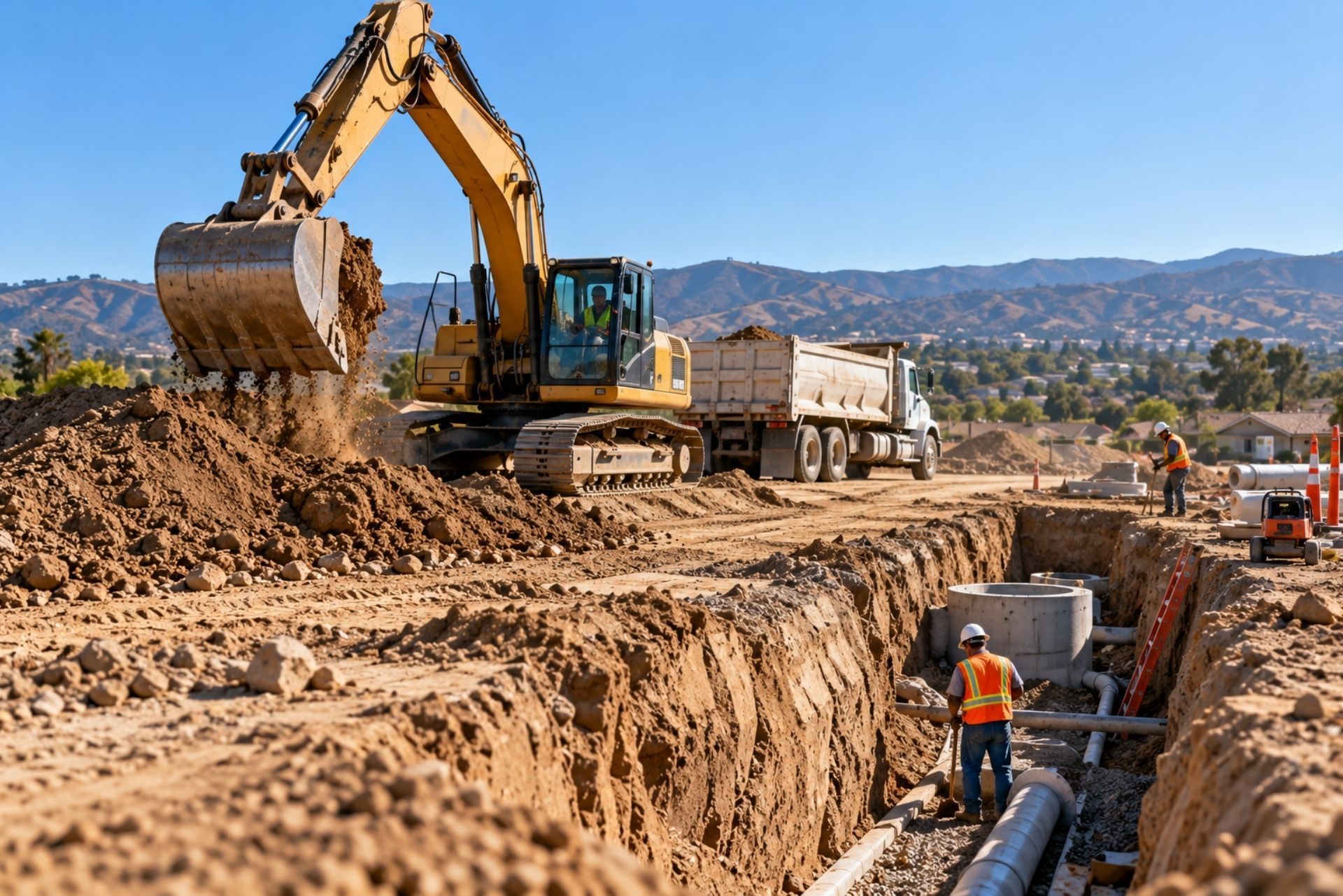
Running an excavation business in California means operating in one of the most heavily regulated and geologically unpredictable states in the country. Between seismic activity, wildfire zones, strict environmental laws, and a litigation climate where
jury awards exceeding $10 million remain common, the insurance decisions you make aren't just paperwork: they're survival strategy. A single underground utility strike or pollution incident can generate losses that dwarf the cost of your equipment fleet. This guide to
excavation contractor insurance in California breaks down the
essential coverages, state-specific mandates, terrain risks,
cost drivers, and practical strategies for keeping premiums manageable. If you're holding a C-12 earthwork and paving license or considering one, understanding these insurance layers isn't optional. It's the difference between building a lasting business and losing everything to one bad dig.
Essential Insurance Coverages for California Excavators
Excavation work sits at the intersection of high-value equipment, underground hazards, and environmental exposure. No single policy covers all of it, and the gaps between policies are exactly where catastrophic losses hide. California's legal environment makes those gaps especially dangerous: the state's plaintiff-friendly courts mean even minor incidents can spiral into six- or seven-figure claims. Building the right insurance stack requires understanding how each coverage type addresses a specific category of risk.
General Liability and Underground Utility Damage
Your commercial general liability (CGL) policy is the foundation, covering third-party bodily injury and property damage. But here's what trips up many excavation contractors: standard CGL policies often contain exclusions for underground work or require a specific endorsement to cover damage to buried utilities.
The financial exposure from utility strikes is staggering. The national economic impact of underground utility strikes reaches an estimated $83.2 billion, with direct repair costs representing only about 5.9% of the total financial damage. The rest comes from service interruptions, evacuations, lawsuits, regulatory fines, and project delays. In California, where population density and utility congestion are extreme, a single gas line strike in a residential neighborhood can generate millions in liability.
Make sure your CGL includes or is endorsed for underground utility damage. Confirm that the policy specifically covers damage to existing utilities, not just structures above grade. And always call 811 before you dig: not just because it's the law, but because failure to do so can void your coverage entirely.
Inland Marine for Heavy Equipment and Machinery
Excavators, backhoes, trenchers, and dozers aren't covered under a standard commercial property policy once they leave your yard. Inland marine insurance (often called a contractor's equipment floater) protects these assets while they're in transit, on the jobsite, or stored at a temporary location.
California contractors should pay close attention to valuation methods. Replacement cost coverage is worth the premium difference over actual cash value, especially given that equipment prices have climbed steadily through 2025 and 2026. A five-year-old CAT 320 excavator that you bought for $280,000 might cost $340,000 to replace today. If your policy only pays depreciated value, you're looking at a $100,000-plus gap after a total loss.
Also watch for rental reimbursement provisions. If your primary excavator is out of commission for eight weeks after a covered loss, renting a replacement at $4,000 to $6,000 per week adds up fast.
Pollution Liability and Environmental Hazards
Standard CGL policies almost universally exclude pollution events. For excavation contractors, this is a critical gap. Digging into contaminated soil, rupturing a fuel storage tank, or disturbing sediment that runs off into a waterway can all trigger cleanup obligations and third-party lawsuits.
California's regulatory environment makes this even more pressing. The state
enforces 21 active PFAS-related laws, creating the strictest "forever chemical" liability framework in the nation. If your excavation work disturbs soil containing PFAS compounds, you could face remediation costs that run into seven figures. A standalone contractor's pollution liability (CPL) policy covers both first-party cleanup costs and third-party claims arising from pollution conditions your work causes or discovers.
By: Patrick Caruso
President of Caruso Insurance Services
California State Mandates and CSLB Requirements
California doesn't leave contractor insurance to chance. The Contractors State License Board (CSLB) enforces specific requirements, and new legislation effective in 2026 has raised the stakes for noncompliance.
Workers' Compensation Compliance for C-12 Licenses
Every California contractor with employees must carry workers' compensation insurance: no exceptions. The CSLB verifies active coverage before issuing or renewing a C-12 earthwork and paving license, and lapses in coverage can trigger automatic license suspension.
Effective September 1, 2026, California's advisory pure premium rate for workers' compensation increased by 6.6% to an average of $1.65 per $100 of payroll. For excavation work, which carries higher classification rates than office jobs, expect to pay significantly more per hundred dollars of payroll. A crew of ten workers earning $70,000 each annually could see workers' comp premiums well into five figures.
New laws effective January 1, 2026, increase penalties for workers' compensation violations and allow the CSLB to suspend licenses for failure to comply with wage judgments. The enforcement teeth are real.
One scenario that catches general contractors off guard: under Labor Code Section 2750.5, if a subcontractor is uninsured, the worker is legally presumed to be the employee of the hiring contractor, often resulting in surcharge penalties exceeding $30,000. Always verify your subs' coverage before they set foot on your site.
Contractor License Bonds and Financial Security
Effective January 1, 2023, Senate Bill 607 increased the required contractor license bond for all active licenses, including C-12 holders, to $25,000 (https://rmoservicesagency.com/2026/08/18/california-contractor-bond-and-insurance-requirements/). This bond protects consumers and project owners if you fail to perform or violate licensing laws. It's not insurance for you: it's a guarantee to the public, and the surety company will come after you for reimbursement if a claim is paid.
Some project owners and municipalities require additional performance and payment bonds, particularly on public works projects. Bond premiums typically run 1% to 3% of the bond amount, depending on your credit, financial statements, and claims history.
Specialized Risks in California Terrain
California's geography creates insurance challenges that contractors in flatter, drier states simply don't face. Underwriters price these risks aggressively, and certain exclusions can leave you exposed if you're not paying attention.
Earth Movement and Land Subsidence Exclusions
Most commercial property and general liability policies contain earth movement exclusions. This means damage caused by landslides, mudflows, sinkholes, or subsidence isn't covered unless you purchase a separate endorsement or standalone policy. For excavation contractors working in hillside developments, coastal bluffs, or areas with expansive clay soils, this exclusion is a ticking time bomb.
If your grading work destabilizes a slope and a neighboring property slides, the resulting claim could easily exceed $1 million. Difference in conditions (DIC) policies can fill some of these gaps, but they're expensive and often carry high deductibles. The practical takeaway: factor these additional coverage costs into your bids for hillside and unstable-terrain projects.
Wildfire and Extreme Weather Impact on Premiums
Operating in or near wildfire-prone areas drives up premiums across multiple policy lines. Equipment stored in high-fire-severity zones costs more to insure. General liability rates increase when your projects are in the wildland-urban interface. Even your auto policy premiums climb if your trucks regularly travel through fire corridors.
Contractors who store equipment at secured yards outside fire zones and maintain defensible space around storage areas can sometimes negotiate better rates. Document everything: photos of your yard, fire mitigation measures, and equipment storage protocols. Underwriters respond to evidence, not promises.
Factors Influencing Excavation Insurance Costs
Two excavation contractors in the same city can pay wildly different premiums. Understanding what drives those differences gives you the ability to control costs proactively rather than just reacting to renewal quotes.
Project Scope and Maximum Digging Depth
Deeper digs mean higher risk. A contractor who routinely excavates 20 feet or more for basement foundations or utility installations faces greater exposure to utility strikes, trench collapses, and soil contamination than one doing shallow grading work. Underwriters ask detailed questions about your maximum digging depth, typical project size, and whether you work near existing structures.
Annual revenue also matters. A $5 million-per-year operation will pay more in absolute premium dollars than a $500,000 operation, but the rate per dollar of revenue often decreases as you scale, assuming your loss history stays clean.
Claims History and Experience Modification Rate (EMR)
Your EMR is arguably the single most powerful number affecting your workers' compensation premium. An EMR of 1.0 is average. Below 1.0 means you're safer than your peers and pay less. Above 1.0, and you're paying a surcharge that compounds year after year.
One serious injury claim can push your EMR above 1.2 for three years. On a $150,000 annual workers' comp premium, that's an extra $30,000 per year, or $90,000 over the experience period. Your claims history also appears in industry databases that future insurers and project owners review, affecting both your insurability and your ability to win bids on safety-conscious projects.
Insurance costs are a reality of excavation work, but they're not fixed. The contractors who pay the least relative to their risk profile are the ones who actively manage that profile rather than passively accepting whatever their broker quotes.
Implementing Rigorous Safety and Training Programs
A documented safety program does more for your insurance costs than almost any other single action. Underwriters want to see written safety protocols, regular toolbox talks, OSHA-compliant trench safety procedures, equipment inspection logs, and drug testing programs.
Invest in competent person training for every crew lead. Maintain detailed records of all training: dates, topics, attendees, and test results. When your broker submits your renewal application with a 50-page safety manual attached, it tells the underwriter you're serious. Contractors who reduce their incident rates through genuine safety culture often see EMR improvements within two to three years that translate directly into five-figure premium savings.
Utilizing Proper Contractual Indemnification
Smart contract language can shift risk to the parties best positioned to manage it. Require all subcontractors to carry their own general liability, workers' compensation, and auto insurance with limits that match or exceed your project requirements. Demand certificates of insurance before work begins and set up automatic notifications so you know immediately if a sub's coverage lapses.
Include hold-harmless and indemnification clauses in every subcontract. In California, anti-indemnity statutes (Civil Code Section 2782) limit your ability to require indemnification for your own sole negligence, but you can still require subs to indemnify you for claims arising from their own work. This is standard practice, and skipping it is one of the most expensive mistakes a general contractor can make.
Protecting Your Excavation Business for the Long Term
California excavation contractor insurance isn't a single policy: it's a layered system of coverages that must work together. General liability with underground utility endorsements, inland marine for your equipment, pollution liability for environmental exposure, workers' compensation to satisfy CSLB mandates, and specialty coverages for earth movement and wildfire zones all play distinct roles. The contractors who thrive in this state are the ones who treat insurance as a strategic investment, not just a cost center. Review your coverage annually with a broker who specializes in construction risks. Update your safety documentation. Verify every subcontractor's insurance. And build those premium costs into your bids from day one: because the alternative, discovering a gap after a loss, is a lesson no one can afford to learn twice.
ABOUT THE AUTHOR:
PATRICK CARUSO
I’m Patrick Caruso, founder of Caruso Insurance, and I have spent more than 25 years helping families, contractors, and small businesses across Southern California make confident insurance decisions. I focus on explaining coverage in clear terms, comparing multiple carriers, and supporting clients with steady communication so they feel secure with each step. My goal is to provide dependable guidance, simple answers, and a smooth process for anyone who needs personal or business insurance.
Contact Us

Service that stays with you.
Our team helps simplify insurance decisions for families and businesses. We focus on clear explanations, fast responses, and dependable service. You can count on us for help with coverage questions, updates, and long-term support.
Coverage that keeps you secure
Reliable Protection for Everyday Life
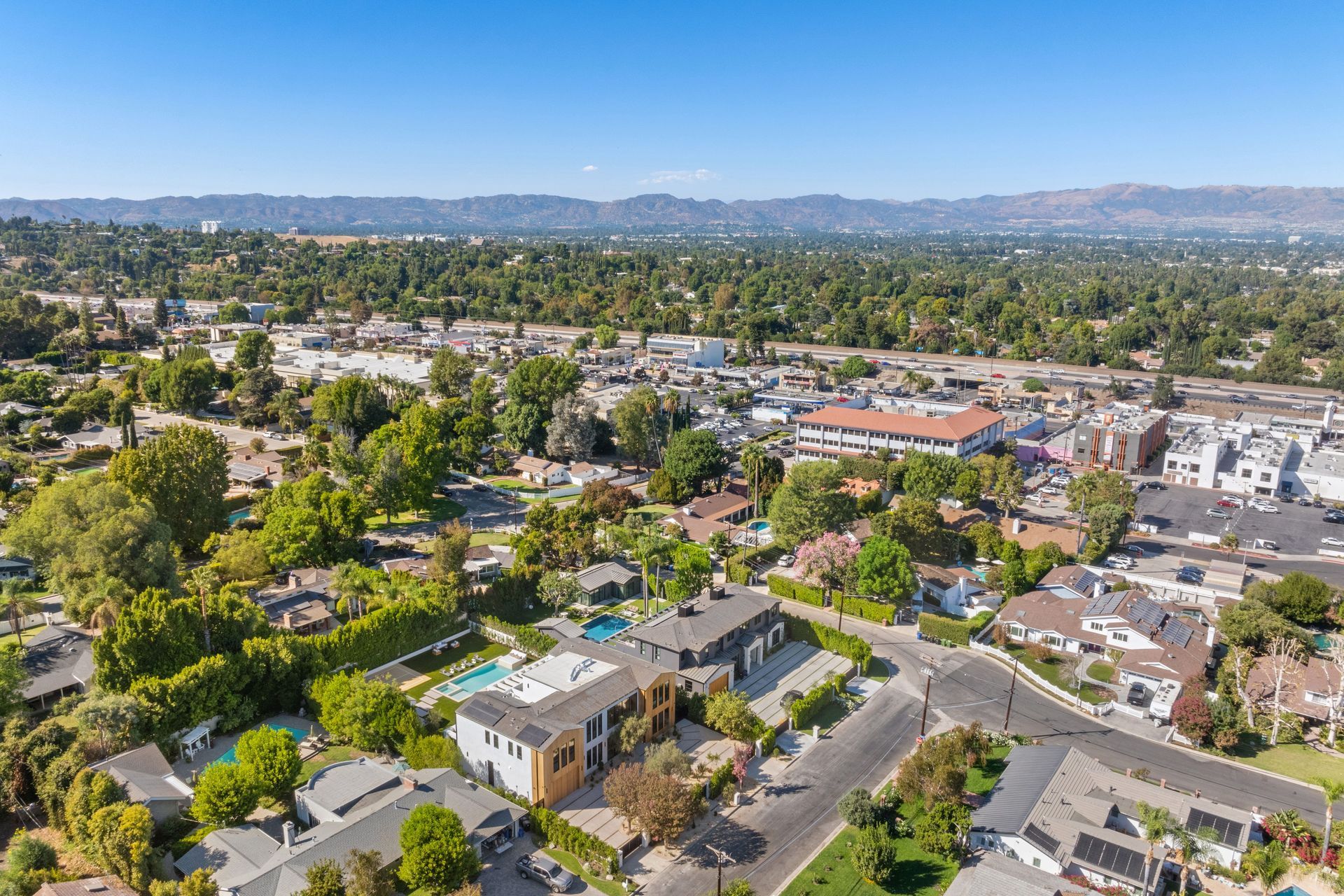
Home insurance helps protect your house, personal belongings, and liability risks. We explain coverage options clearly so you know what your policy includes.
Auto insurance provides protection for accidents, liability, and vehicle damage. We help you compare options so you can choose coverage that fits your driving needs.
Motorcycle insurance provides coverage for riders and their bikes. We help you select options that match how and where you ride.
RV insurance supports protection for motorhomes and recreational vehicles. Coverage applies during travel and while parked.
Coverage Built for Contractors and Trades
Support that keeps your work moving.

General Liability Insurance
General liability insurance helps protect contractors from injury and property damage claims. It supports jobsite requirements and contracts.

Workers Compensation
Workers compensation insurance helps protect employees injured while working. It also supports compliance with state requirements.

Commercial Auto Insurance
Commercial auto insurance provides coverage for work vehicles used on jobsites. It helps protect drivers and company vehicles.
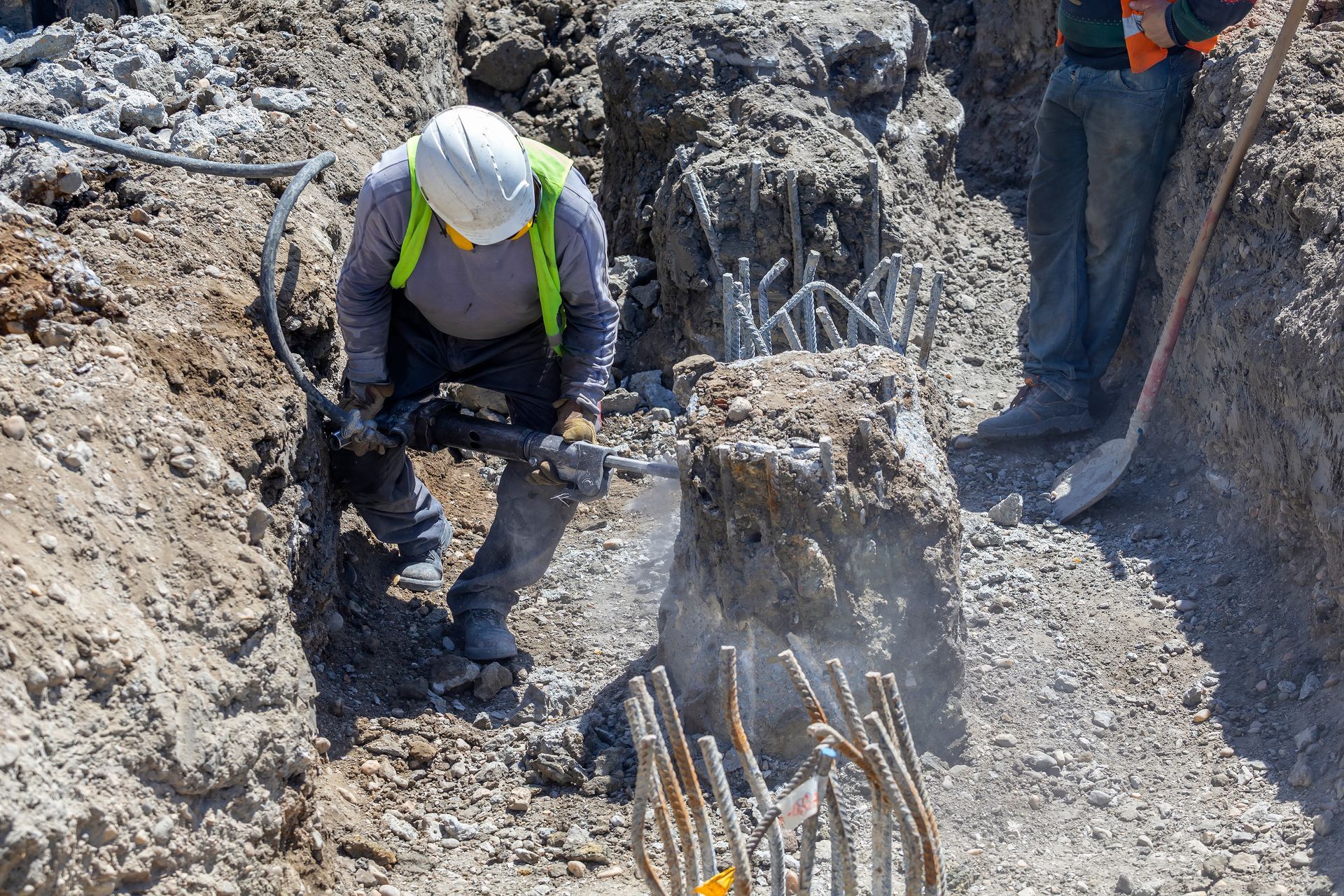
Contractor Insurance
Contractor insurance supports trades and service professionals across Southern California. It helps protect tools, equipment, and daily operations.

Cyber Liability Insurance
Cyber liability insurance helps protect business data and customer information. It supports recovery from digital incidents.

Commercial Property Insurance
Commercial property insurance helps protect offices, shops, and equipment. It supports recovery after covered damage.
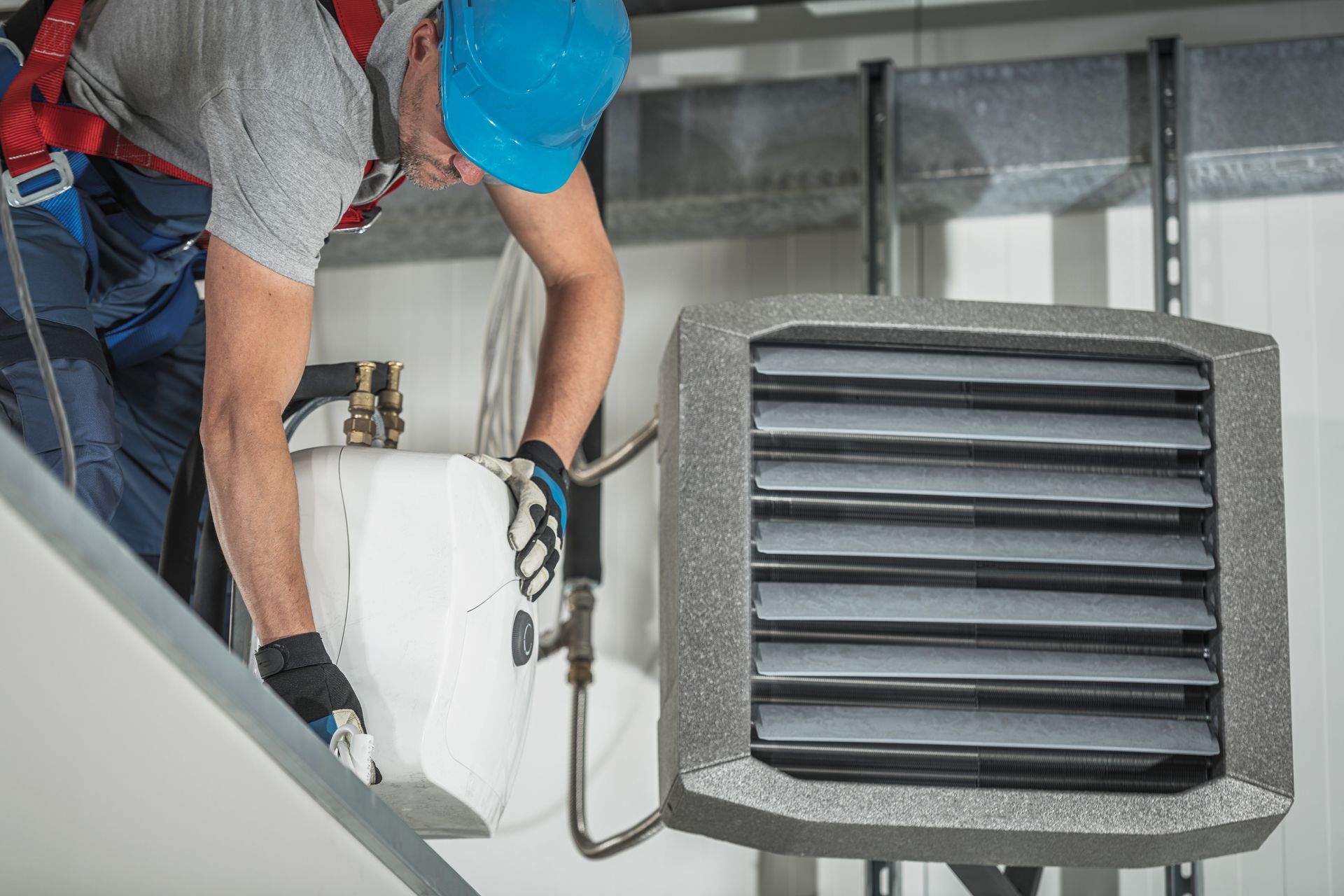
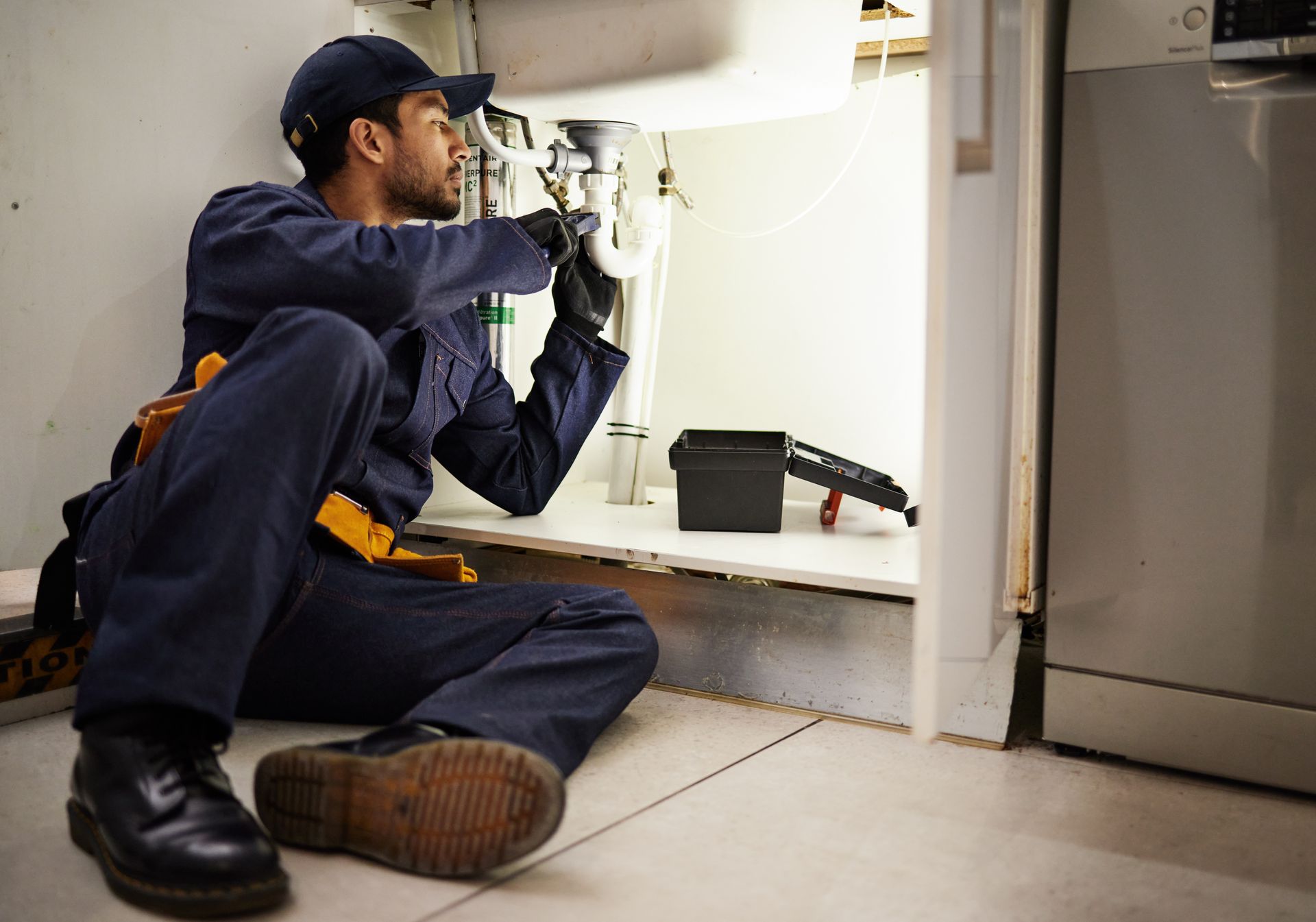
Coverage Built for Specialized Work
Support for high-risk and service-driven industries.

Simple Steps Supported by Steady Guidance
A Clear Path to Coverage
Trusted by Clients Across Southern California
Clear service backed by real experiences.
Answers to Common Questions.
Clear explanations to guide your decisions.
How do I know which insurance policy is right for me?
We compare coverage options from multiple carriers to help you see differences in protection and price. You can review clear details and ask questions so you understand what each policy covers. Our team guides you step by step so you feel sure about your decision.
What factors affect my auto insurance premium?
Auto insurance premiums are influenced by your driving history, age, location, vehicle type, and coverage choices. A clean driving record and good safety features can help lower costs. We review these factors with you and help find coverage that fits your budget and needs.
Does homeowners insurance cover all types of damage?
Standard homeowners insurance protects your structure, personal belongings, liability, and additional living expenses in many cases. However, it usually does not include flood or earthquake damage without separate policies. We help you decide if extra coverage is right for your home and location.
Can I update my policy or get certificates online?
Yes. You can submit requests for policy changes and certificates through our online service form at any time. Our team processes those requests quickly and confirms updates once complete so you have the documents you need.
Do I need separate insurance for business risks like EPLI or E&O?
Yes. General liability and workers compensation cover many business risks but do not protect against all exposures. For example, Employment Practices Liability Insurance (EPLI) covers claims like wrongful termination or discrimination, and Errors & Omissions (E&O) covers claims based on mistakes in professional services. We help you identify which extra policies your business may need.
What happens if I need to file a claim?
If you need to file a claim, we guide you through the process and help you contact the insurance carrier. We explain what information you should provide, answer your questions, and stay available while the carrier reviews your claim. This support helps you move forward with confidence.
Contact Us