Driving on the streets of Upland means navigating a mix of suburban life and busy commuter routes. Residents here want reliable protection that meets their unique needs, especially in a state where insurance options and challenges evolve quickly. Local drivers face considerations ranging from rising rates to tailored policies that favor diverse ownership programs. A look at recent research highlights the importance of understanding the local insurance landscape, including statistics like the impressive growth seen in California’s low-cost auto insurance program. See the California Low-Cost Auto Insurance program statistics for further insight.
Policies and premiums in Upland are more than just numbers; they reflect a community’s resilience and the drive towards inclusive economic growth. As the market adapts to new trends-from increased claims in wildfire-prone regions to tariffs impacting imported auto parts-drivers in Upland benefit from staying informed about options and state initiatives. This guide provides an in-depth look at everything from local rate changes to innovative programs designed to assist drivers in obtaining coverage while boosting local economies.
Understanding the Upland Auto Insurance Market
In Upland, drivers are part of a dynamic market that blends traditional auto coverage with newer models aimed at cost savings and broader community benefits. The auto insurance sector in California has seen significant evolution, with many drivers opting for plans that offer both extensive coverage and affordability. State-wide changes, especially the remarkable 54% increase in active policies for California’s low-cost program, underscore a shift towards accessible coverage that responds to the diverse needs of communities. This growth has been notable, with 46,175 active policies noted at the end of 2024 (California Department of Insurance).
Local drivers should consider Upland’s evolving demands. With rising insurance claims stemming from extreme weather occurrences and other regional hazards, insurers adjust their models to maintain profitability. Amid these challenges, selecting the right level of coverage is key, balancing premium affordability with adequate protection. Embracing policies that incentivize safety and community impact can be a wise decision for drivers looking to safeguard their families and vehicles.
The integration of new programs and public policy initiatives is especially relevant now. For example, policies that encourage inclusion and support small or diverse-owned businesses help create a robust economic environment. Such efforts not only promote local growth but also ensure that insurance remains an accessible service for all.


By: Nicholas Caruso
Personal Insurance Agent at Caruso Insurance Services
Upland drivers have access to a range of coverage types that can be tailored according to individual needs. Basic liability coverage remains a staple, yet many opt for more comprehensive plans that protect against damages from accidents, natural disasters, and potential lawsuits. As risk factors in Southern California continue to evolve, coverage that includes elements like collision and comprehensive protection becomes more common.
With recent developments such as the investigation launched by California's Insurance Commissioner into State Farm for claims handling in wildfire-affected areas (Associated Press report), understanding your policy's fine print is essential. Decisions around coverage should be informed by local conditions, particularly those that affect claim outcomes in disaster-prone regions.
In selecting coverage, policyholders should also explore add-ons that can enhance their protection. Options like roadside assistance, rental reimbursement, and coverage for custom equipment can be particularly beneficial. Insurance tailored to Upland’s urban-suburban mix ensures drivers are not exposed to gaps that could be financially crippling in an emergency.
Liability and Comprehensive Coverage
Liability coverage stands as the legal requirement in California and acts as the backbone for any auto policy. This coverage protects drivers from damages to persons or property they might cause. However, many drivers in Upland find that opting for additional comprehensive protection ensures they are better insulated from unexpected occurrences such as vandalism or extreme weather incidents.
Comprehensive plans can include damage protection from non-collision incidents. Given the ongoing challenges posed by environmental conditions in California, many insurers are now offering packages that specifically address these risks. While liability covers damages to others, comprehensive policies safeguard personal property in events out of the driver’s control.
To get the best of both worlds, drivers are encouraged to discuss their risk profile with insurance agents who understand local nuances. Policies can be tailored to suit Upland’s specific risks, ensuring that both everyday driving and rare but severe events are adequately covered.
Collision and Additional Rider Options
Collision insurance covers the cost of repairing or replacing your vehicle after an accident, regardless of fault. In a city like Upland, where traffic incidents are not uncommon, collision coverage is a critical addition. It reassures drivers that a costly repair bill won’t leave them stranded during a hectic, busy day on the road.
Additional rider options can further customize coverage. For example, uninsured motorist protection can be crucial if involved in an accident where the other driver lacks proper coverage. Drivers might also consider glass coverage and rental reimbursement. These supplemental options make a policy more robust and tailored, especially given Upland’s mix of urban and suburban driving environments.
Insurers are evolving rapidly to address local drivers’ concerns, and policy modifications can mean better service quality and enhanced claim outcomes. With careful planning, drivers can design a policy that covers their daily commute and safeguards them against unexpected financial burdens.
Impact of State Policies on Upland Drivers
The broader regulatory environment in California shapes auto insurance rates and options in Upland. State-level initiatives, such as diverse supply chain incentives promoted by officials, underscore the importance of inclusion in the insurance sector. California Insurance Commissioner Ricardo Lara has stressed that “Inclusion is smart business” (California Insurance Commissioner insights). His remarks emphasize that policies promoting small and diverse-owned businesses not only spur economic growth but also generate a multiplier effect throughout local communities.
This strategy has real-world benefits. The California Department of Insurance’s 2025 report highlights that contracting with diverse businesses has created an economic output of $6.7 billion for the state. In Upland, this multifaceted approach means that local policyholders benefit indirectly through a healthier economic environment and a more competitive insurance market.
State policies are simultaneously working to handle rising claim costs. Given the region’s susceptibility to wildfires and extreme weather, state initiatives address these risks by mandating specific adjustments in insurance practices, ensuring that companies adjust in ways that protect policyholders and the broader community.
Economic Implications for Local Drivers
Beyond individual coverage choices, economic trends in the auto insurance industry have a significant regional impact. Upland drivers may see fluctuations in premiums as state policies evolve. Reports suggest that car insurance rates in California are projected to increase by up to 7.4% in the latter half of 2025 due to tariffs affecting imported auto parts (Axios).
Such changes can translate into higher operational costs for insurers, which are then passed on to consumers. It is important for drivers to understand the external factors driving these rates, including shifts in international trade policies and local regulatory decisions. By staying informed, policyholders in Upland are better prepared to negotiate terms with insurers or explore alternative coverage options that might mitigate rising costs.
This economic interplay is not limited to premium increases alone; it also affects the claims process and the overall customer service experience offered by insurers. As costs rise, many companies work harder to streamline claims processing, ensuring that drivers are not left increasingly vulnerable during events that are already difficult to manage.
Legislative Actions and Industry Reforms
Recent years have seen a number of legislative actions intended to protect consumers and improve the overall quality of service in the insurance industry. In Upland, local drivers benefit from reforms that aim to enhance transparency, ensure fair claims handling, and promote the use of inclusive business practices.
One notable episode involved an investigation into how claims were being handled in wildfire-prone regions (AP report on State Farm). Such moves by regulators ensure that insurance giants are held accountable, thereby protecting the interests of everyday consumers. Continued vigilance by regulatory bodies means that drivers can have confidence in the measures designed to safeguard their investments.
Policy reforms include enhanced disclosure requirements and periodic reviews of insurer performance. This oversight is particularly critical in times of crisis, where the rapid assessment and settlement of claims can mean the difference between recovery and financial strain for many households.

Local Factors Influencing Premiums in Upland
Premium rates in Upland are influenced by a wide range of local conditions. Factors such as traffic density, local accident rates, weather extremes, and even neighborhood-specific risks all play a role in shaping insurance premiums. For instance, recent analysis indicated that nearly 750,000 properties in San Diego County have seen higher premiums or non-renewals due to extreme weather conditions (Axios analysis). Although this data focuses on a broader region, many of these trends also apply to Upland.
Insurance providers frequently adjust their models based on localized risk data. If a neighborhood faces recurrent natural events, insurers might incorporate higher risk factors into premium calculations, ensuring that coverage remains sustainable even during peak claim periods.
Local government initiatives, road safety programs, and community awareness campaigns all serve to mitigate these risks. When residents actively engage in measures that reduce accident likelihood-such as defensive driving courses and vehicle safety upgrades-the resulting data can lead to more favorable premium adjustments over time.
Traffic and Urban Dynamics
Upland’s position as a suburban hub with easy access to major highways means that traffic patterns fluctuate throughout the day. Morning and evening rush hours can see increased accident rates, influencing local insurance statistics. Whether it’s a minor fender bender in a busy intersection or a more serious collision on freeway ramps, these factors are continuously analyzed by insurers.
The interplay between road design improvements and technology-enhanced safety features, such as collision alert systems, is gradually shifting the risk profile in Upland. This evolution may lead to innovative coverage models that reward safe driving with lower premiums-a trend that forward-thinking insurers are beginning to explore.
Urban renewal projects and better traffic management have shown potential in reducing accident rates. As infrastructure investments continue, it becomes possible for both drivers and insurers to benefit from data that reflects more secure driving conditions.
Weather-Related Concerns and Natural Disasters
Weather has always played a pivotal role in auto insurance, particularly in areas susceptible to wildfires and extreme storms. Upland drivers are not immune to these challenges. Seasonal weather patterns that produce heavy rains or sudden temperature changes can increase the likelihood of accidents or property damage. Recent disputes in the industry over how insurers handle claims during wildfires have highlighted the importance of transparent policy terms.
Some policies now incorporate specific riders that address weather-related incidents. This might include coverage extensions that explicitly cover damage from natural disasters. Such riders are becoming more popular as local communities face mounting pressures from unpredictable weather events, ensuring that drivers are protected when they need it most.
This focus on weather-related contingencies is critical not only for individual policyholders but also for the broader strategy of reducing long-term costs. Insurance companies that proactively address these risks are better able to manage claims and provide timely support in crises.
Strategies for Reducing Your Auto Insurance Premium
For drivers in Upland looking to manage costs without sacrificing coverage quality, taking a proactive approach to lowering premiums is essential. Several common strategies include maintaining a clean driving record, bundling policies, and exploring discounts related to vehicle safety features. Each step can contribute to tangible savings over time.
Many drivers find that comparing multiple policies and engaging with local insurance experts can yield significant benefits. Negotiations based on local conditions and personal risk profiles often result in lower premiums. Additionally, proactive risk management, such as participating in safe driving programs, may qualify drivers for further reductions.
Discount programs are also emerging in response to local community initiatives that focus on sustainability and safety. These discounts are often available to drivers who regularly maintain their vehicles, take advantage of telematics programs, or participate in community-driven road safety programs.
Safe Driving and Telematics
Insurance providers increasingly reward safe driving through the use of telematics devices. With these devices, driving behaviors such as speed, braking patterns, and overall mileage are monitored and evaluated. Policyholders who demonstrate safety can see reductions in their premiums.
For Upland drivers, this technological shift means that everyday behavior can directly translate into cost savings. Telematics systems not only encourage safer roads but also provide data that insurers use to tailor coverage more precisely.
It is useful to note that while telematics has clear advantages, privacy considerations should also be understood. Drivers should review data-sharing policies closely and ensure that they are comfortable with the extent of monitoring involved.
Bundling Policies and Loyalty Discounts
Another viable strategy for reducing auto insurance costs is to bundle multiple policies. Combining auto insurance with homeowners or renters coverage often unlocks significant discounts. Many insurance providers offer loyalty benefits that there are tailored specifically for long-term customers.
Loyalty discounts, along with careful review of available options across providers, can help maintain competitive premium rates in the face of market fluctuations. Periodically reviewing your policy details is key, especially as local market conditions change. These strategies provide a pathway to effective cost management without sacrificing necessary coverage.
Local market conditions in Upland may also lead to temporary promotions or special incentives for drivers who demonstrate consistency in claims-free driving. It is always advisable to consult with reputable agents who understand both local dynamics and broader state trends.
Understanding Policy Changes and Market Trends
The auto insurance market is constantly evolving, influenced by both state-level mandates and global economic conditions. For Upland drivers, staying abreast of market trends is crucial. Recent insights point to a projected increase in premiums driven by tariffs on imported auto parts-a factor that may raise overall claims costs (Axios study).
While cost increases are a concern, there is also a movement towards more consumer-friendly practices within the industry. For instance, policy updates now often include clearer explanations of claim procedures and options for mitigation measures after disasters. These transparent practices aim to build trust between insurers and policyholders, providing reassurance and guiding drivers on how to adjust policies if market conditions shift.
The market trend is toward policies that not only reflect cost efficiency but also incorporate transparent processes for claims submission and dispute resolution. Regulatory oversight ensures that industry shifts benefit all stakeholders, including everyday drivers in areas like Upland.
Impact of Technology on Policy Management
Modern technology continues to reshape how policies are managed and claims are processed. Digital platforms now provide instant access to policy details, claim filing, and even virtual adjustments during emergencies. Upland drivers, like those in other parts of California, benefit from streamlined digital services that make managing insurance more convenient and efficient.
These platforms also offer educational resources, interactive FAQs, and real-time customer support. As claims processes become more digitized, local drivers can track their claims progress, compare policy options, and even receive notifications about potential savings or policy changes.
Enhanced digital services prove particularly useful during periods of rapid market shifts-helping consumers stay informed and adjust their coverage as needed. Insurers that invest in digital tools are better positioned to meet the evolving needs of their customers.
Adjusting to Legislative and Economic Developments
Legislative changes, such as those addressing inclusivity and fair business practices, further affect how insurers develop policies. Initiatives that promote economic inclusion not only strengthen local markets but also offer tangible benefits to the insured. Policyholders in Upland may notice these shifts through more competitive pricing structures and added benefits that reflect local economic realities.
State oversight and improved industry practices ensure that drivers have access to clear information when making policy decisions. By regularly reviewing policy documents and staying engaged with trusted insurance professionals, drivers can better align their coverage with current legislative trends and economic developments.
As market forces continue their dynamic interplay, local consumers are encouraged to remain proactive. Informed decision-making and periodic policy reviews can make the difference between excessive costs and a well-calibrated insurance strategy that meets both current and future needs.
Comparing Auto Insurance Coverage Options
A clear comparison of coverage types can help drivers in Upland choose a plan that suits their specific requirements. The table below outlines key differences between basic liability, comprehensive, and collision coverage-focusing on features, cost implications, and typical benefits.
| Coverage Type | Main Features | Cost Impact | Typical Benefits |
|---|---|---|---|
| Liability | Protects against bodily injury and property damage claims to others | Generally lower premiums | Meets state minimum requirements |
| Comprehensive | Covers non-collision damage; theft, vandalism, natural events | Moderate to higher premiums | Protection for weather-related and incidental damage |
| Collision | Covers damages resulting from collisions | Similar to comprehensive, variables based on vehicle value | Ensures repair or replacement after an accident |
This comparison serves as a starting point for drivers new to understanding insurance options. Each plan has its strengths, and policies that combine aspects of each can sometimes result in the perfect fit for individual drivers in Upland.
Comparing the benefits of bundled options or rider enhancements allows drivers to create a custom package that meets their unique lifestyle and driving habits. With a thoughtful approach, effective protection does not have to break the bank.
Consumer Advocacy and Changing Legal Landscapes
Recently, consumers in California have become more vigilant about policy fees and surcharges. In August 2025, a consumer advocacy group filed a lawsuit in Los Angeles against insurers attempting to impose a one-time wildfire-related surcharge (Associated Press coverage). Such legal actions emphasize that policy details and fee structures must be transparent and fair.
These developments reflect an ongoing shift toward greater regulatory oversight and consumer protection. For Upland drivers, remaining alert to such changes ensures that the chosen insurance policy continues to provide value and legal safety over its term.
Legal challenges and consumer advocacy demonstrate that the insurance industry is not static. Policyholders are better served by keeping an eye on updates and engaging with local experts who can navigate the latest changes in law and market practices.
The Role of Consumer Advocacy Groups
Consumer advocacy groups have started to play a more active role in shaping the insurance landscape. By challenging surcharge practices and insisting on greater transparency, these groups have pushed insurers to adopt fairer practices in claims handling and fee disclosures.
For local policyholders, advocacy efforts point to a more consumer-focused marketplace. Such initiatives are designed to balance corporate interests with the realities faced by everyday drivers, ensuring that premiums remain justified by both cost and quality of service.
Upland drivers benefit from these protective measures by having a more transparent understanding of what they are paying for and how their policy funds are used during claim settlements.
Staying Informed and Engaged
Remaining informed is the best way for drivers to protect their interests. Regularly reviewing policy documents, checking for legislative updates, and consulting with knowledgeable agents are practical steps that can lead to better decision-making. Whether it is learning about new rider options or understanding recent legal outcomes, engagement pays off in ensuring that coverage remains current and relevant.
Efforts by both regulators and advocacy groups signal a commitment to reform that benefits policyholders everywhere. By keeping abreast of these changes, Upland drivers can create a more resilient insurance plan that anticipates and adapts to evolving market conditions.
This informed approach safeguards not only personal vehicles but also contributes to building a more stable and trustworthy insurance market in the region.
Frequently Asked Questions
Below are some of the most common questions asked by Upland drivers, along with clear, concise answers geared toward practical guidance.
Q: What type of auto insurance coverage is legally required in California?
A: Liability coverage is the legal minimum in California. However, many drivers opt for additional protection like collision and comprehensive to cover a broader range of risks.
Q: How can I reduce my auto insurance premium without compromising coverage?
A: Strategies include maintaining a clean driving record, considering telematics programs for safe driving discounts, bundling policies, and taking advantage of loyalty discounts from your insurer.
Q: How do recent state policies affect rates in Upland?
A: State initiatives focusing on inclusion and economic transparency have influenced premium rates. For instance, tariff-related increases on auto parts have been cited as a factor in projected premium rises (Axios study).
Q: What should I be aware of regarding new surcharge policies?
A: Recent legal challenges, including a lawsuit against a one-time wildfire-related surcharge, highlight the need for transparency. You should review your policy details and discuss them with your insurance agent to ensure fees are fair.
Q: Are there coverage options specifically for weather-related incidents?
A: Yes. Many policies now offer specialized riders that protect against weather-induced damages, which can include natural disasters like wildfires and storms.
Q: How can telematics improve my coverage or premium rates?
A: Telematics can monitor and reward safe driving behavior with lower premiums, reflecting actual driving habits rather than generalized risk assumptions.
Wrapping Things Up for Upland Drivers
Choosing the right auto insurance in Upland, CA requires understanding both the local landscape and broader state trends. Key factors include weighing the benefits of comprehensive coverage versus just liability, ensuring your policy fits your specific driving patterns, and keeping an eye on the latest legal and market developments. Local drivers benefit from a market that has evolved thanks to diverse supplier programs, regulatory oversight, and community advocacy.
An informed approach means examining policy details closely, comparing coverage options, and taking advantage of digital tools that simplify managing your insurance. With rising premiums in some areas due to global economic shifts and local weather challenges, every dollar saved on premiums can eventually contribute to better local economic stability. Engaging with knowledgeable professionals and regularly reviewing policy terms remains essential for long-term peace of mind.
For more details on the latest state-level developments and to ensure your policy is up to date, consult trusted sources and keep a close dialogue with local agents. The evolving nature of the auto insurance market reinforces the importance of staying informed and proactive in managing your coverage.
Final Thoughts for Upland Policyholders
Local drivers can take pride in an insurance market that is responsive to their unique needs. With initiatives aimed at fostering inclusion and supporting community growth alongside regulatory changes in response to natural disasters, the Upland insurance landscape is a blend of tradition and innovation. By carefully selecting coverage that reflects your daily reality-whether that means adding comprehensive protection, collision coverage, or supplemental riders-you can ensure that you are prepared for almost any situation.
Understanding the nuances of state policies, such as those encouraging small and diverse-owned businesses, adds another layer of confidence to your insurance decision-making process. As seen from various state reports and investigations, a commitment to transparency and consumer protection continues to shape the industry for the better.
Drivers who actively manage their policies not only safeguard themselves but also contribute to a more robust local economy. Whether negotiating better deals through bundling or exploring innovative telematics solutions, the focus remains on equipping every Upland driver with the tools needed to navigate an increasingly complex insurance environment.
Staying connected with industry updates, attending local workshops, and consulting trusted professionals will keep you in the loop. As auto insurance continues to adapt to changing economic and environmental conditions, being proactive is the best strategy to ensure that your coverage remains effective and affordable.
ABOUT THE AUTHOR:
NICHOLAS CARUSO
Hi, my name is Nicholas Caruso. I have always wanted to do insurance and am blessed to have been brought into the family business. I love learning new things about insurance and I specialize in personal lines. I enjoy doing anything outdoors such as playing basketball, bike riding, and hanging out with friends.
Contact Us

Service that stays with you.
Our team helps simplify insurance decisions for families and businesses. We focus on clear explanations, fast responses, and dependable service. You can count on us for help with coverage questions, updates, and long-term support.
Coverage that keeps you secure
Reliable Protection for Everyday Life
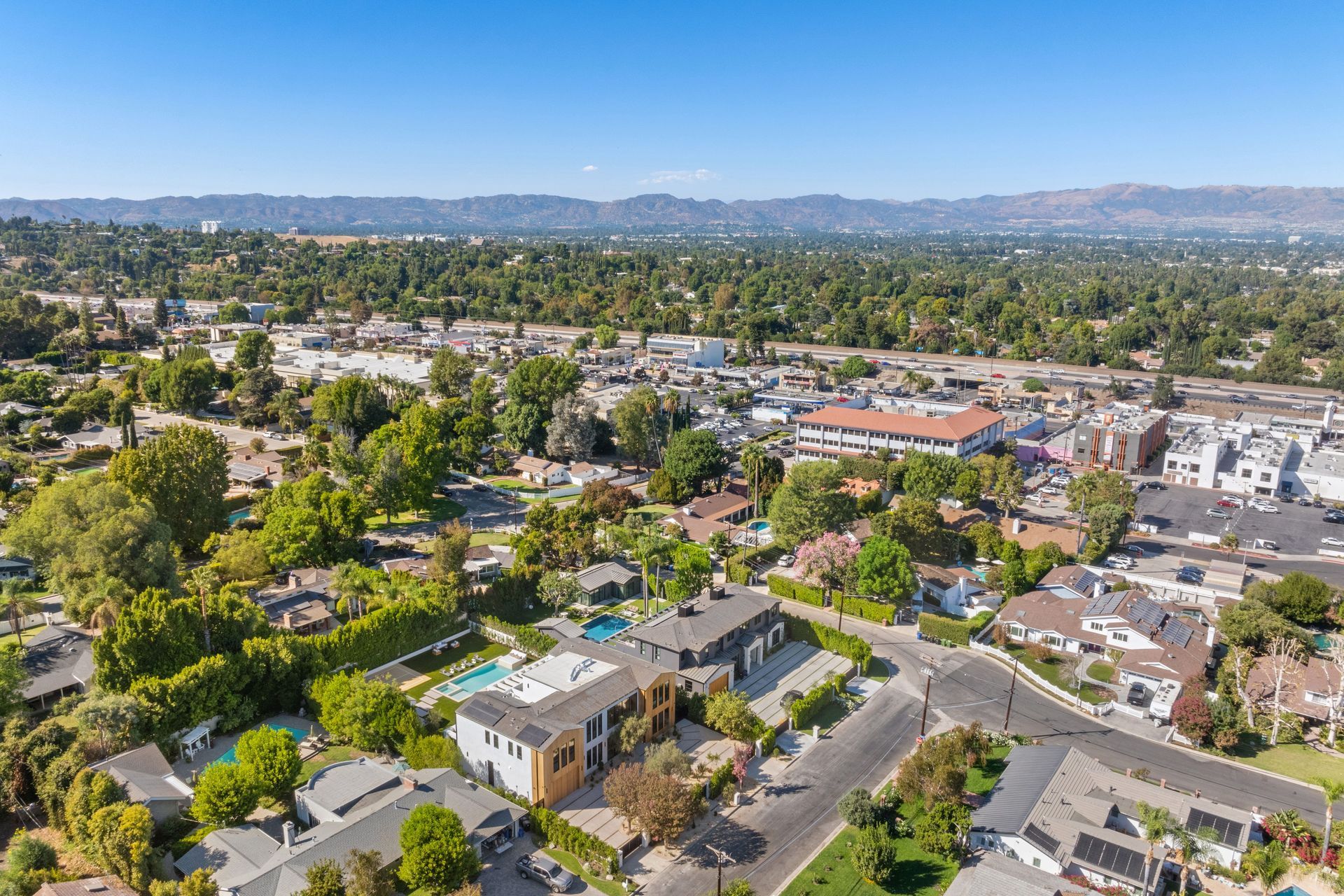
Home insurance helps protect your house, personal belongings, and liability risks. We explain coverage options clearly so you know what your policy includes.
Auto insurance provides protection for accidents, liability, and vehicle damage. We help you compare options so you can choose coverage that fits your driving needs.
Motorcycle insurance provides coverage for riders and their bikes. We help you select options that match how and where you ride.
RV insurance supports protection for motorhomes and recreational vehicles. Coverage applies during travel and while parked.
Coverage Built for Contractors and Trades
Support that keeps your work moving.

General Liability Insurance
General liability insurance helps protect contractors from injury and property damage claims. It supports jobsite requirements and contracts.

Workers Compensation
Workers compensation insurance helps protect employees injured while working. It also supports compliance with state requirements.

Commercial Auto Insurance
Commercial auto insurance provides coverage for work vehicles used on jobsites. It helps protect drivers and company vehicles.
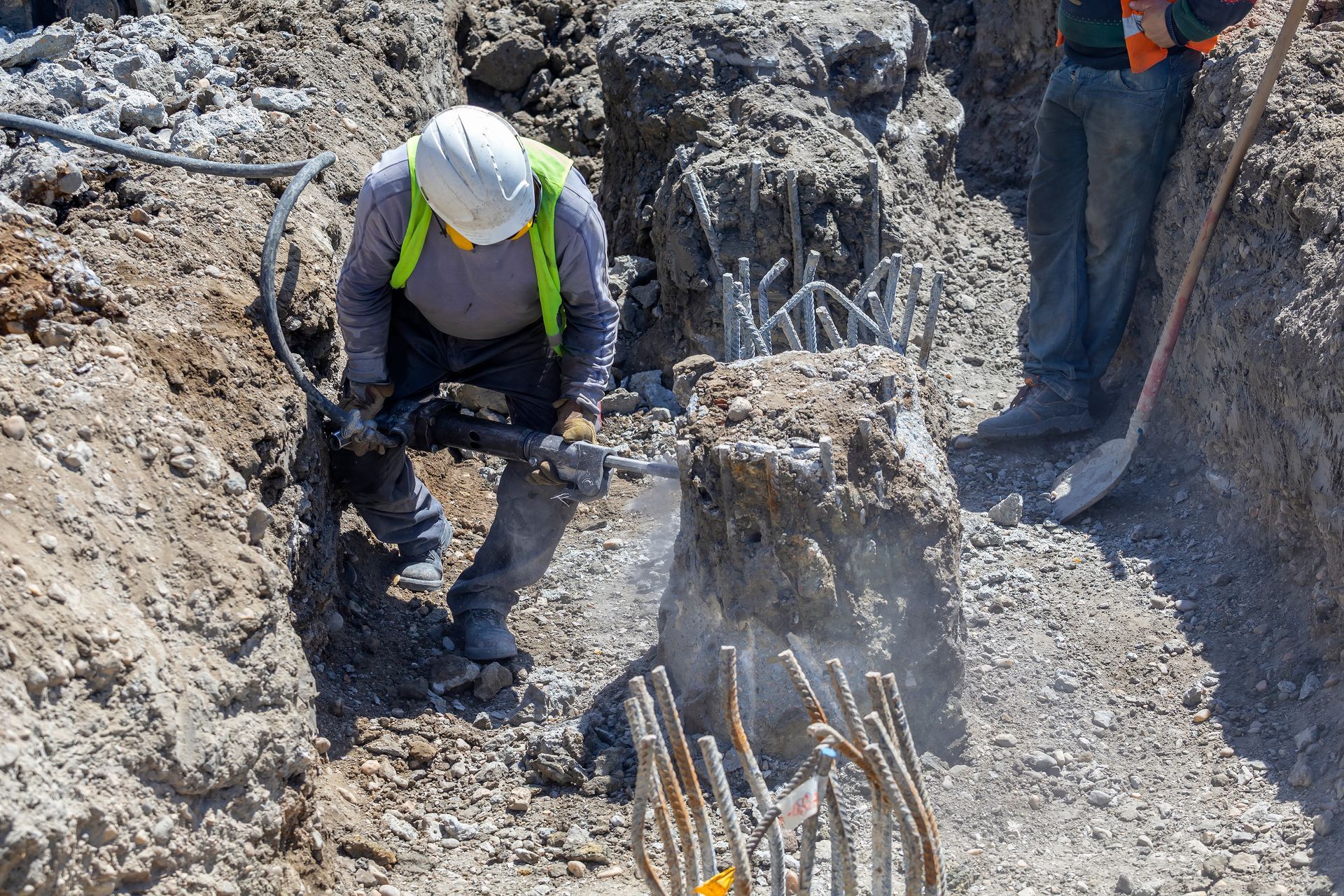
Contractor Insurance
Contractor insurance supports trades and service professionals across Southern California. It helps protect tools, equipment, and daily operations.

Cyber Liability Insurance
Cyber liability insurance helps protect business data and customer information. It supports recovery from digital incidents.

Commercial Property Insurance
Commercial property insurance helps protect offices, shops, and equipment. It supports recovery after covered damage.
Coverage Built for Specialized Work
Support for high-risk and service-driven industries.



Simple Steps Supported by Steady Guidance
A Clear Path to Coverage
Trusted by Clients Across Southern California
Clear service backed by real experiences.
Answers to Common Questions.
Clear explanations to guide your decisions.
How do I know which insurance policy is right for me?
We compare coverage options from multiple carriers to help you see differences in protection and price. You can review clear details and ask questions so you understand what each policy covers. Our team guides you step by step so you feel sure about your decision.
What factors affect my auto insurance premium?
Auto insurance premiums are influenced by your driving history, age, location, vehicle type, and coverage choices. A clean driving record and good safety features can help lower costs. We review these factors with you and help find coverage that fits your budget and needs.
Does homeowners insurance cover all types of damage?
Standard homeowners insurance protects your structure, personal belongings, liability, and additional living expenses in many cases. However, it usually does not include flood or earthquake damage without separate policies. We help you decide if extra coverage is right for your home and location.
Can I update my policy or get certificates online?
Yes. You can submit requests for policy changes and certificates through our online service form at any time. Our team processes those requests quickly and confirms updates once complete so you have the documents you need.
Do I need separate insurance for business risks like EPLI or E&O?
Yes. General liability and workers compensation cover many business risks but do not protect against all exposures. For example, Employment Practices Liability Insurance (EPLI) covers claims like wrongful termination or discrimination, and Errors & Omissions (E&O) covers claims based on mistakes in professional services. We help you identify which extra policies your business may need.
What happens if I need to file a claim?
If you need to file a claim, we guide you through the process and help you contact the insurance carrier. We explain what information you should provide, answer your questions, and stay available while the carrier reviews your claim. This support helps you move forward with confidence.
Contact Us