Dealerships across California face unique challenges when it comes to insuring both their operations and the specialized equipment they use daily. The risks and liabilities vary widely, and the insurance products available reflect that complexity. Equipment dealers often juggle the needs of machinery, inventory, employees, and customer-facing operations all at once. With more than a decade of data and evolving risk landscapes, understanding your coverage options is crucial. For example, in 2021, insurance companies spent approximately $3.1 billion with California diverse businesses, illustrating the scale of the industry.
This guide delves into the intricacies of equipment dealership insurance in California. It covers the risks specific to dealerships, essential coverage features, common pitfalls, and strategies to navigate the challenges that come with a competitive market. The goal is to provide actionable insights that help dealership owners make informed decisions about protecting their businesses.
Understanding the Insurance Needs for Equipment Dealers
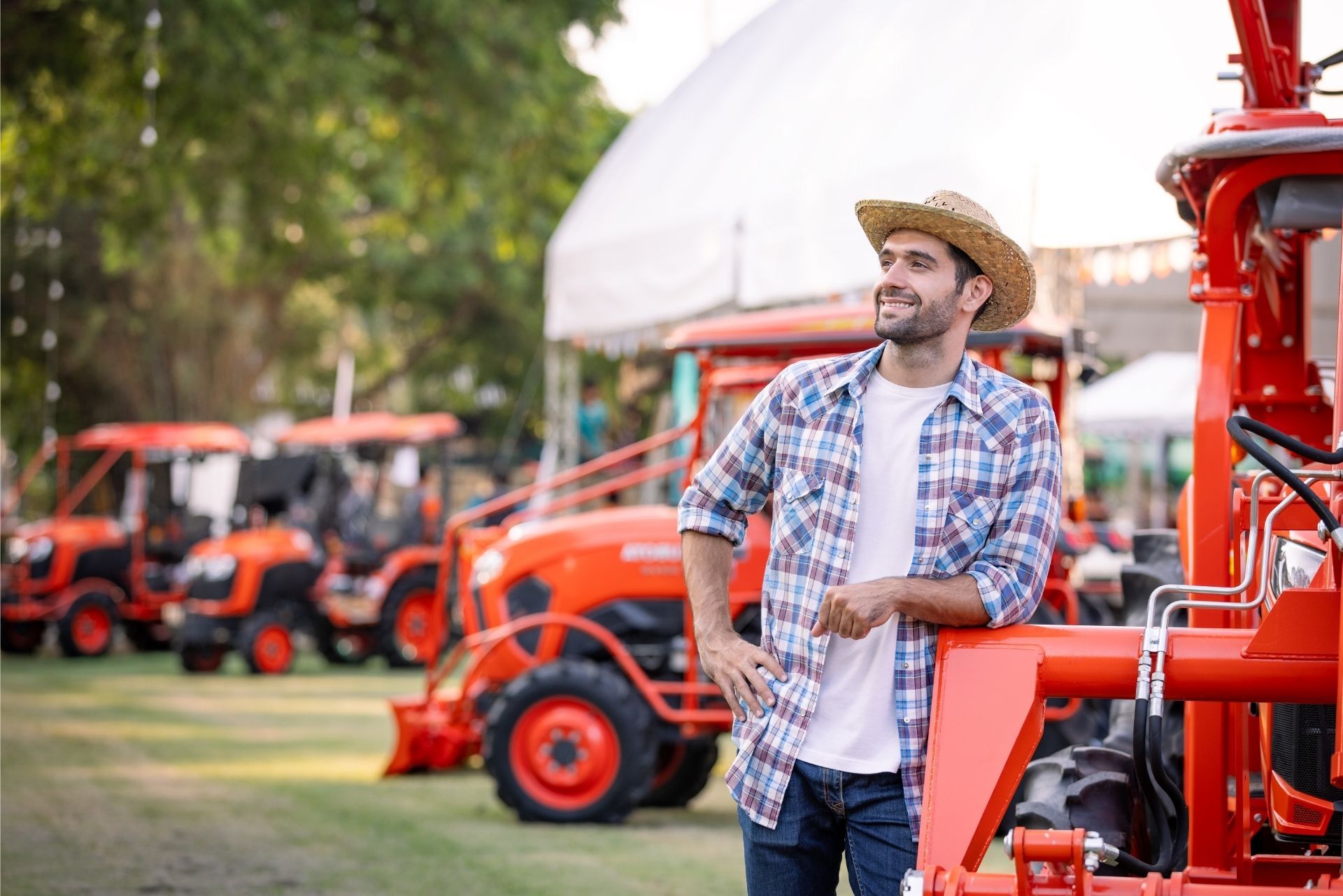
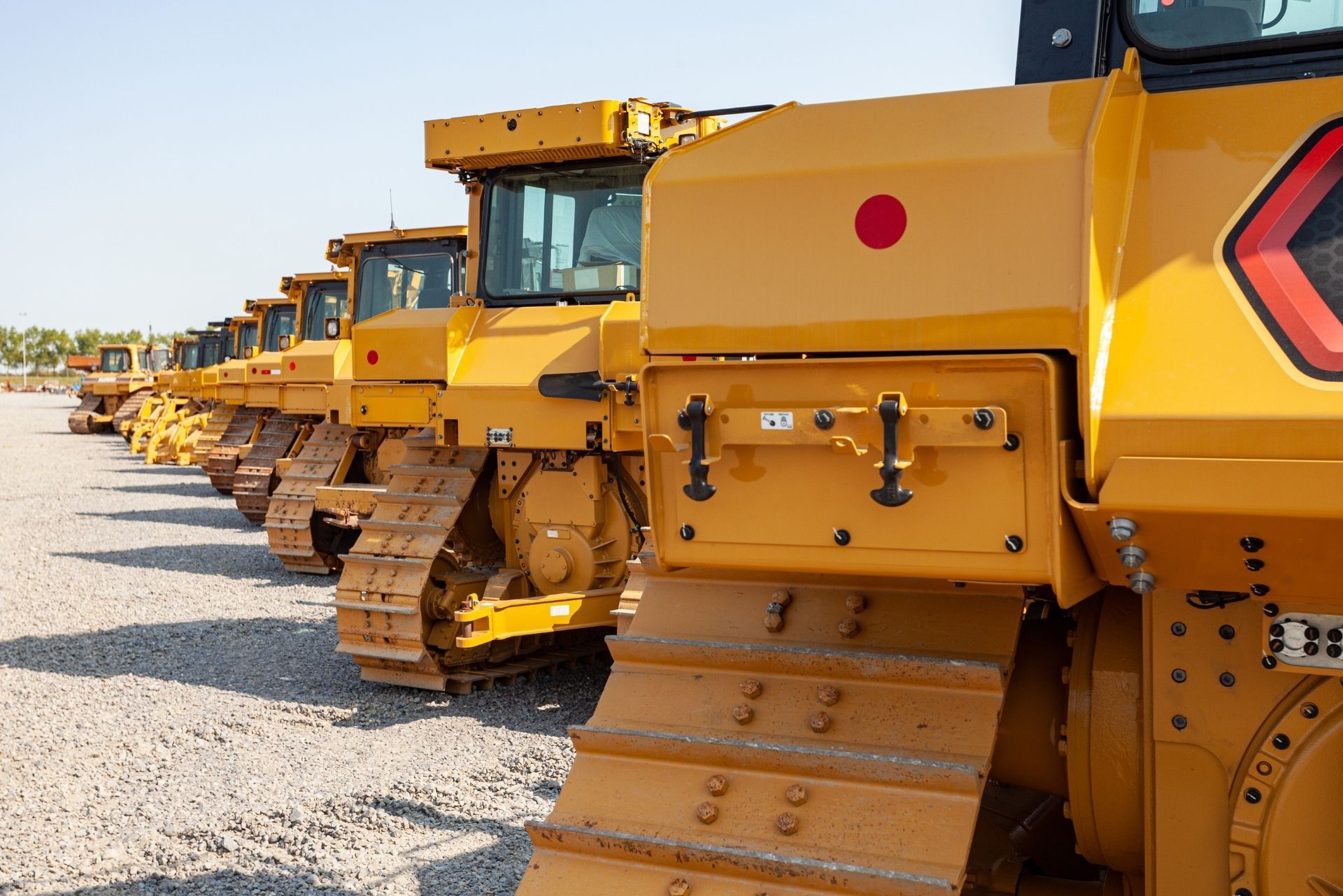
Equipment dealerships have unique insurance needs that go beyond standard business policies. Their operations depend on high-value inventory, specialized equipment, and a workforce skilled in managing complex transactions and logistics related to new and used machinery. Insurance products must address all these components to provide comprehensive protection.
The dynamics within equipment dealerships parallel certain trends seen in other Californian sectors, such as auto dealerships. For instance, California’s new car dealerships sold 1.76 million new vehicles in 2024 with an average of 96 employees per dealership (report). Although the focus differs, insured risks share common threads: inventory loss, liability claims, and operational interruptions. For equipment dealers, the stakes remain high due to the capital-intensive nature of the equipment they handle.
To tackle these challenges, insurance policies must be tailored to the business’s specific needs. The coverage must encompass property damage, theft, business interruption, and liability exposures unique to equipment management.
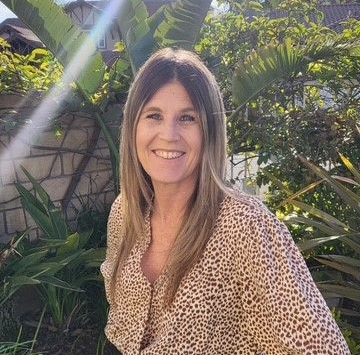
By: Jennifer Roberts
Commercial Insurance Agent at Caruso Insurance Services
Core Insurance Policies for Equipment Dealerships
Property and Inventory Coverage
For equipment dealerships, safeguarding property is paramount. Policies typically provide protection against damage from natural disasters, vandalism, or accidents that could lead to significant financial losses. Retail environments, storage warehouses, and service facilities each require nuanced coverages adjusted to their risk profiles.
Inventory coverage is particularly important for dealers who maintain high-value equipment on-site. A loss could result not only in a significant property loss but also in supply chain interruptions that impact revenue. Insurers often recommend that policies be reviewed annually to keep pace with changing inventories and new acquisitions.
Business interruption insurance is another critical coverage. It ensures the dealer can cover ongoing expenses if unforeseen events cause a temporary closure. This type of coverage is increasingly vital as disruptions to supply lines or natural events become more frequent. These policies provide the breathing room necessary to manage recovery without crippling cash flow.
Liability Insurance and Risk Management
A robust liability policy is essential for any dealership that interacts with customers, suppliers, and service personnel. Equipment dealers can face claims that extend beyond simple property damage. Incidents may involve employee actions, faulty equipment installations, or even operational mishaps that cause injuries or accidents on site.
Liability policies are often configured to address both general liability and professional liability issues. This dual-layer strategy is designed to cover a broad spectrum of potential claims. As Mike D’Arelli, Executive Director of the American Agents Alliance, noted, various tactics that slow down business submissions or impede prompt responses can aggravate risk management at a dealer level (expert insight). A robust risk management strategy supports proactive planning and swift responses to claims before they escalate.
Even minor operational oversights can trigger outsized liability claims if not carefully managed. Equipment dealerships should consider risk management training for staff and proactive measures designed to reduce liability exposures.
Specialized Coverages for Modern Equipment Dealers
Cyber Liability Insurance
As dealerships become more technologically advanced, cyber threats are emerging as significant risks. Equipment dealers increasingly rely on digital systems for inventory management, transaction processing, and customer relationship management. A breach of these systems could have catastrophic implications.
Cyber liability insurance offers protection against data breaches, ransomware attacks, and other cyber events that compromise customer privacy or disrupt business operations. This coverage is increasingly seen as essential because even a temporary data breach can cause both financial and reputational harm. Recent cyber attacks have highlighted the necessity of ensuring that all digital assets are well protected.
A shift towards more interconnected operational technology needs to be met with a corresponding shift in risk coverage. Dealers are advised to invest in cybersecurity measures and consider policies that provide both preventive advice and post-attack support.
Environmental Liability and Specialized Risks
Some equipment dealers also face exposures related to environmental risks. When equipment used in industrial settings leaks hazardous substances, or when storage facilities for heavy equipment experience accidental spills, environmental liability claims may follow. Policies addressing these risks are tailored to the dealer's operations and may require specialized endorsements.
Environmental liability coverage protects dealers from the expensive clean-up operations and legal fees associated with hazardous material incidents. As regulatory requirements tighten, strategic investment in this area pays dividends by mitigating future risks with far-reaching consequences.
Dealerships at the cutting edge of their industry recognize that an adequate environmental protection strategy is part of a broader risk management ecosystem, one that also includes employee safety and public liability measures.
California has pioneered many regulatory changes affecting the insurance industry, making it both a challenging and dynamic insurance market. A recent milestone was the completion of the review of the first forward-looking wildfire catastrophe model by the California Department of Insurance in July 2025 (news release). Such advancements enable insurers to better predict and respond to the frequency and severity of wildfire-related claims across the state.
For equipment dealerships, some of these regulatory discussions have indirect impacts. For instance, if natural disasters become more frequent or severe, the need for robust business interruption and property coverage grows significantly. Dealers must stay informed about evolving risks to ensure they maintain appropriate policy limits.
Equally important is the understanding of a broader regulatory environment involving consumer protection and fair claim handling. An engaged dialogue with insurance representatives can illuminate these subtleties, helping dealers negotiate terms that offer true value while staying compliant with California law.
Industry Trends and Economic Impacts on Dealership Insurance
Market Challenges and Profitability
Statistics from recent studies cast light on the evolving profitability challenges within California’s insurance market. From 2012 to 2021, the average direct underwriting profit for homeowners’ insurance companies in the state was -13.1%, in contrast to a national average of 3.6% (study). Although this data pertains to the homeowners insurance sector, it underscores the high-risk environment in California.
Equipment dealerships, while operating in a separate niche, share similar market conditions that can stress profit margins. High claims activity, regulatory pressures, and evolving hazard profiles mean that premiums need to be calibrated carefully against the backdrop of these broader challenges. Dealers may experience premium increases or changes in coverage terms as the market adapts to economic pressures.
Understanding the economic environment helps dealerships prepare for adjustments in premiums or policy options. Dealers can proactively discuss these trends with their insurance brokers to negotiate favorable terms or explore multi-policy discounts.
Electric Vehicles and the Shifting Market Landscape
The adoption of electric vehicles (EVs) is reshaping the automotive sector, including the insurance landscape for new car dealerships. In 2024, California’s new car dealers sold 387,368 electric vehicles, representing 22% of all new light-duty vehicle sales (industry statistic). Although equipment dealerships are distinct, parallels exist when considering how emerging technologies influence risk evaluation and policy design.
Insurance products that once served traditional mechanical and stored equipment now evolve as new products cover sophisticated technologies. For equipment dealers integrating advanced diagnostics systems, automated inventory management, and electronic customer records, an integrated risk profile that includes cyber and tech liability is increasingly important.
This trend demonstrates how technological advances invite both opportunities and risks. Industry stakeholders keep close tabs on the evolving landscape to remain ahead of potential pitfalls while leveraging the benefits associated with new technology.
Comparing Coverage Options: A Closer Look Through Data
A comparative review of insurance coverage options can help equipment dealers pinpoint the policy that best aligns with their operations. Different policies emphasize various risk areas, and understanding these distinctions is key to limiting exposure to unexpected claims.
The table below outlines basic coverage features against more comprehensive policy options available in California. While the offerings can be customized, this comparison provides a solid foundation for evaluating coverage choices.
| Coverage Type | Standard Policy Features | Expanded Policy Features |
|---|---|---|
| Property & Inventory | Protection against fire, theft, and natural disasters | Enhanced limits, business interruption, and replacement value guarantees |
| Liability | General liability and bodily injury coverage | Comprehensive liability including professional errors and omissions |
| Cyber Risk | Basic data breach protection | Full cybersecurity protection with breach notification and crisis management |
| Environmental Risk | Standard pollutant cleanup | Risk-specific endorsements covering hazardous materials and advanced environmental remediation support |
This table should serve as a starting point. Dealers are advised to work with insurance brokers who understand the nuances of equipment-related risks. Together, they can tailor policies that offer the right balance between coverage and premium cost structure.
Strategies to Lower Premiums and Enhance Coverage Value
One of the primary concerns for equipment dealerships is the balance between affordable premiums and extensive coverage. Many dealers find that engaging with insurance brokers who specialize in niche markets can lead to better tailored proposals. These brokers advocate on behalf of their clients, ensuring that policy wording reflects the distinct needs of equipment dealerships.
Risk management practices also play a role. Implementing robust safety protocols, regular staff training, and adopting advanced security systems can contribute to lower claims frequency, which in turn can lead to reduced premiums. Dealers often note that a proactive approach improves the perception of risk among insurers.
Another valuable strategy includes bundling policies, such as combining property, liability, and cyber coverages. This approach can often secure discounts while ensuring comprehensive coverage. Dealers who remain proactive in reviewing and adjusting their protective measures will likely benefit from a more favorable risk profile and better policy terms.
Evolving Trends Shaping the Future of Equipment Dealer Insurance
Recent developments within the California insurance market signal positive changes that are expected to benefit equipment dealerships over the coming years. Notably, the California Department of Insurance’s completion of reviews for forward-looking wildfire catastrophe models in July and August 2025 (regulatory update) represents a step forward in monitoring and mitigating climate-related risks.
These forward-looking models not only help insurers close coverage gaps related to wildfire risks but also provide a clearer framework for other areas of coverage that may be impacted by natural disasters and climate change. For equipment dealerships, this means that policies are getting better attuned to emerging risks, which in turn can stabilize premium increases during periods of high claim activity.
While regulatory reviews impact the broader market, individual equipment dealers can also benefit by staying informed about industry trends. Ongoing dialogue with policy providers, industry associations, and insurance experts helps dealerships adopt best practices in risk management. This collaboration supports a robust industry landscape that embraces change while protecting the interests of dealers.
Best Practices for Equipment Dealership Insurance Renewal and Claims Management
Renewing insurance coverage is a critical part of managing risks over time. Equipment dealerships should begin the renewal process by conducting a comprehensive review of current policies to determine if updates are needed. Changes in inventory, workforce size, or location may necessitate adjustments in coverage limits. This annual exercise is essential for keeping pace with evolving risks and ensuring that all potential exposures are covered.
Effective claims management is another cornerstone of a well-functioning insurance strategy. Dealers must maintain clear records related to incidents, implement robust internal reporting procedures, and collaborate closely with insurance representatives when filing claims. An organized approach minimizes delays and ensures that claims are processed accurately. When issues do arise, a quick and effective response can make a significant financial difference.
Industry experts suggest that dealerships maintain proactive communication channels with their insurers. This is particularly important in cases where strategies to avoid claim submission delays have been reported as a challenge within the industry (expert insight from industry sources). Transparent and regular updates foster trust and may lead to more favorable adjustments in policy terms.
Case Studies and Real-World Examples
Across California, several equipment dealerships serve as practical examples of how tailored insurance solutions can protect business interests. One dealer implemented a comprehensive coverage plan that included property, liability, and cyber insurance. Facing risks from both natural disasters and technological vulnerabilities, the customized policy allowed the dealership to navigate a challenging claim without major financial disruption.
Another dealership, specializing in high-value industrial equipment, focused on bolstering risk management practices and staff training. During a period of increased claims activity after a local environmental incident, the proactive measures enabled smoother claims processing while mitigating premium hikes. These examples demonstrate that a well-structured insurance strategy, when paired with best practices in risk management, provides crucial safeguards for equipment dealers.
The lessons derived from these experiences suggest that transparency, regular policy reviews, and investment in safety protocols not only lower risks but also foster a more resilient business model. Dealers who work with knowledgeable brokers and maintain flexible policies can better adapt to sudden market shifts and regulatory changes.
Frequently Asked Questions
This section addresses common queries regarding equipment dealership insurance. The responses aim to provide clear, concise information for those new to the topic or seeking to refine their current coverage strategy.
Q: What types of risks does equipment dealership insurance typically cover?
A: Equipment dealership insurance typically covers property damage, inventory loss, liability for bodily injury or property damage, business interruption, and sometimes cyber risks and environmental exposures. Customized policies may also address specialized risks specific to the dealership’s operations.
Q: How can dealerships lower their insurance premiums?
A: Proactive risk management strategies, bundling multiple policies, and maintaining clear internal reporting can help lower premiums. Regularly engaging with specialized insurance brokers to review coverage terms is also beneficial.
Q: Are there any new regulatory changes in California affecting equipment dealership insurance?
A: Recent developments, including the review of wildfire catastrophe models by the California Department of Insurance in 2025, are streamlining coverage gaps and influencing premium structures. Staying updated with these regulatory changes is crucial for dealers.
Q: Why is cyber liability increasingly important for dealerships?
A: As dealerships adopt more digital technologies for managing inventory and transactions, the risk of cyber attacks grows. Cyber liability insurance helps protect against data breaches, ransomware, and other digital threats that could disrupt operations.
Q: What should dealerships consider when renewing their insurance policies?
A: Dealerships should conduct a comprehensive review of their current policies to adjust coverage limits based on changes in inventory, workforce size, and operational scope. Maintaining regular discussions with insurance representatives ensures that policies remain relevant to emerging risks.
Wrapping Thoughts for Equipment Dealers in California
The dynamic landscape of insurance in California demands that equipment dealerships remain both informed and adaptable. With evolving risks associated with technology, environmental exposures, and regulatory shifts, taking a proactive role in risk management is more important than ever. Tailored insurance policies that blend property, liability, and specialized coverages provide a comprehensive safety net for growth and resilience.
Dealership owners should take the time to assess their current risk exposures and collaborate with experts who understand the unique demands of their industry. Whether it’s advanced cybersecurity for safeguarding digital records, enhanced business interruption policies to keep operations running smoothly, or environmental liability coverages, an informed approach to insurance is a valuable business asset.
As the industry evolves, staying ahead of trends and regularly reviewing coverage can mean the difference between navigating a challenging claim effectively and facing financial setbacks that hamper growth. The future of equipment dealership insurance looks promising. Dealers who remain engaged with industry developments and regulatory adjustments will be well-positioned to succeed.
Final Reflections and Practical Guidance
California equipment dealerships stand at the crossroads of innovation and risk management. The blend of high-value inventory, technological advancements, and challenging economic conditions creates a complex risk profile that demands careful management. Approaching insurance procurement as an ongoing strategy rather than a one-time decision is essential for long-term stability.
Those operating in the market should harness the power of detailed coverage analysis, open communication with insurance brokers, and a commitment to regular internal reviews. Such practices empower dealerships to navigate unforeseen challenges, from natural disasters to rapid technological shifts.
With progressive trends such as the recent adoption of forward-looking wildfire catastrophe models in California (regulatory update) and the increasing share of innovative technologies in operations, the future appears balanced between opportunity and caution. Dealers who integrate these insights into their insurance strategy will secure a strategic advantage, ensuring sustained growth and protection against unexpected risks.
Equipment dealership insurance in California is more than just a policy-it is a strategic investment in the business’s longevity. By understanding the diverse risks and tailoring coverage to current and future needs, equipment dealers can safeguard their hard-earned assets and ensure that they are prepared for the challenges ahead.
As this guide illustrates, a holistic approach to insurance involves regular policy reviews, engagements with specialized professionals, and an awareness of evolving market trends. Each of these components reinforces the importance of proactive risk management and positions dealerships for a future characterized by resilience and growth.
ABOUT THE AUTHOR:
JENNIFER ROBERTS
Jennifer Roberts supports business clients with commercial insurance service and account coordination. She works closely with clients to explain coverage details clearly and guide them through policy updates that support business needs.
Jennifer believes strong organization and clear communication are key to reliable service. She stays involved throughout the policy process, from documentation to ongoing updates, and focuses on maintaining accurate and dependable client accounts.
Contact Us

Service that stays with you.
Our team helps simplify insurance decisions for families and businesses. We focus on clear explanations, fast responses, and dependable service. You can count on us for help with coverage questions, updates, and long-term support.
Coverage that keeps you secure
Reliable Protection for Everyday Life
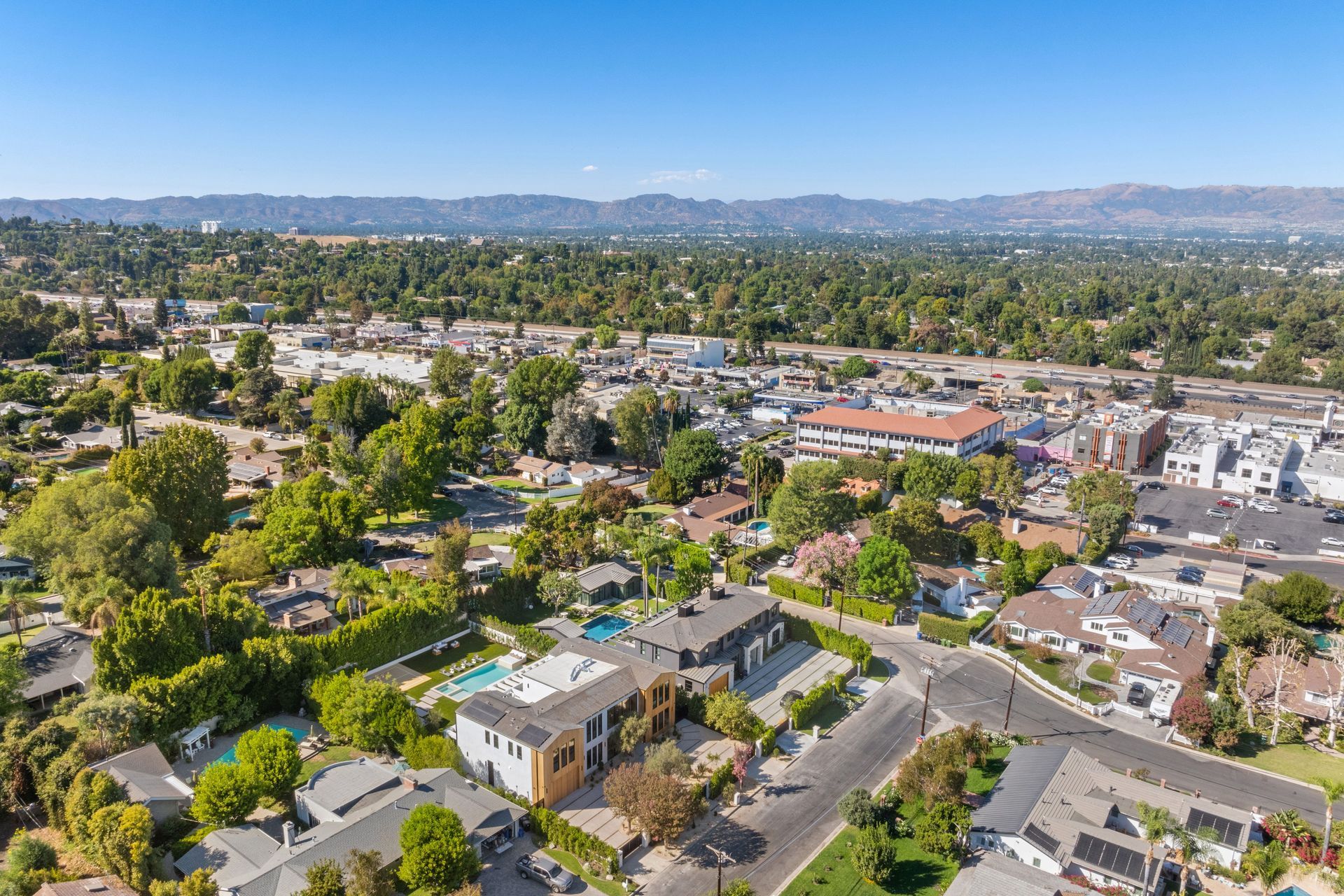
Home insurance helps protect your house, personal belongings, and liability risks. We explain coverage options clearly so you know what your policy includes.
Auto insurance provides protection for accidents, liability, and vehicle damage. We help you compare options so you can choose coverage that fits your driving needs.
Motorcycle insurance provides coverage for riders and their bikes. We help you select options that match how and where you ride.
RV insurance supports protection for motorhomes and recreational vehicles. Coverage applies during travel and while parked.
Coverage Built for Contractors and Trades
Support that keeps your work moving.

General Liability Insurance
General liability insurance helps protect contractors from injury and property damage claims. It supports jobsite requirements and contracts.

Workers Compensation
Workers compensation insurance helps protect employees injured while working. It also supports compliance with state requirements.
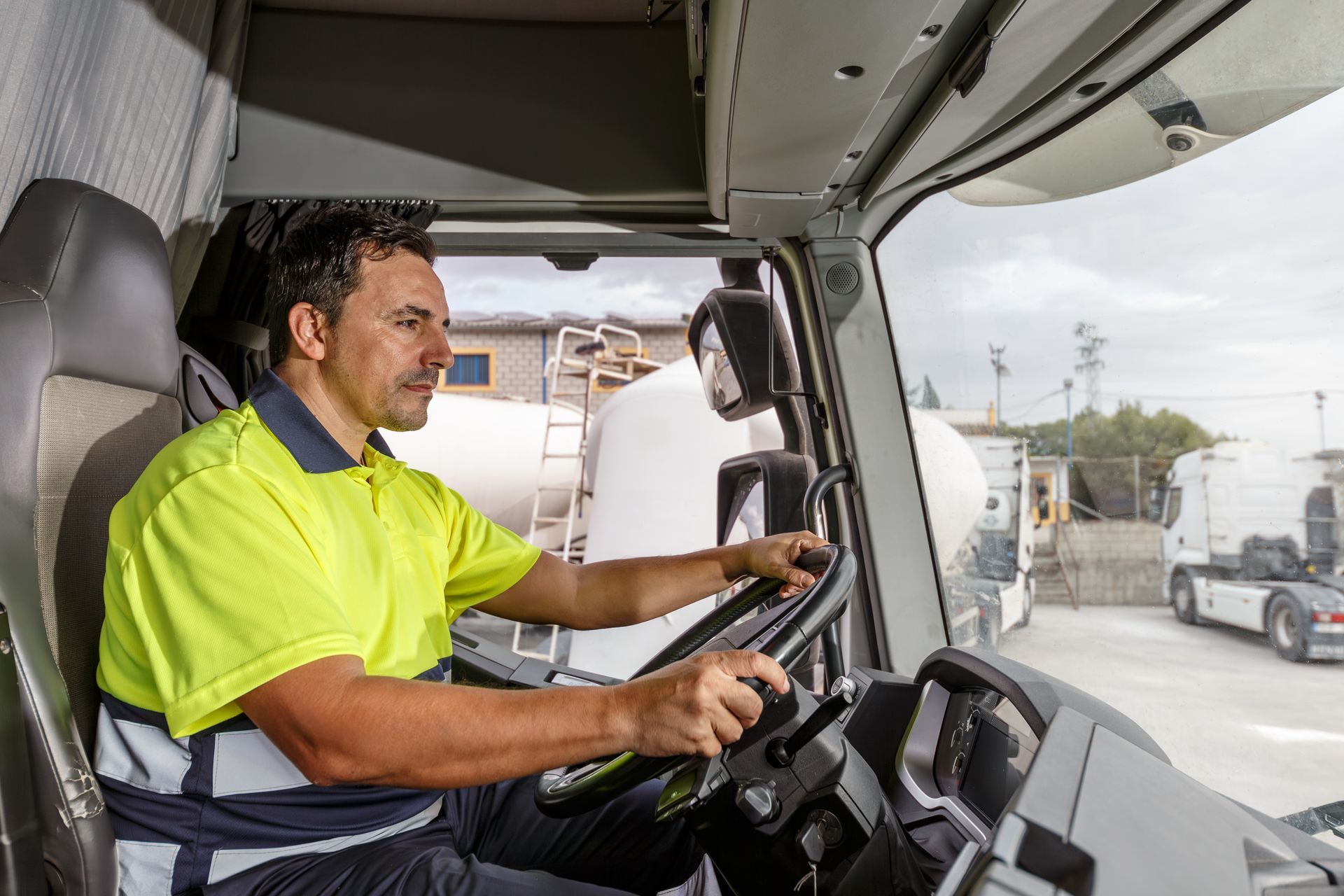
Commercial Auto Insurance
Commercial auto insurance provides coverage for work vehicles used on jobsites. It helps protect drivers and company vehicles.
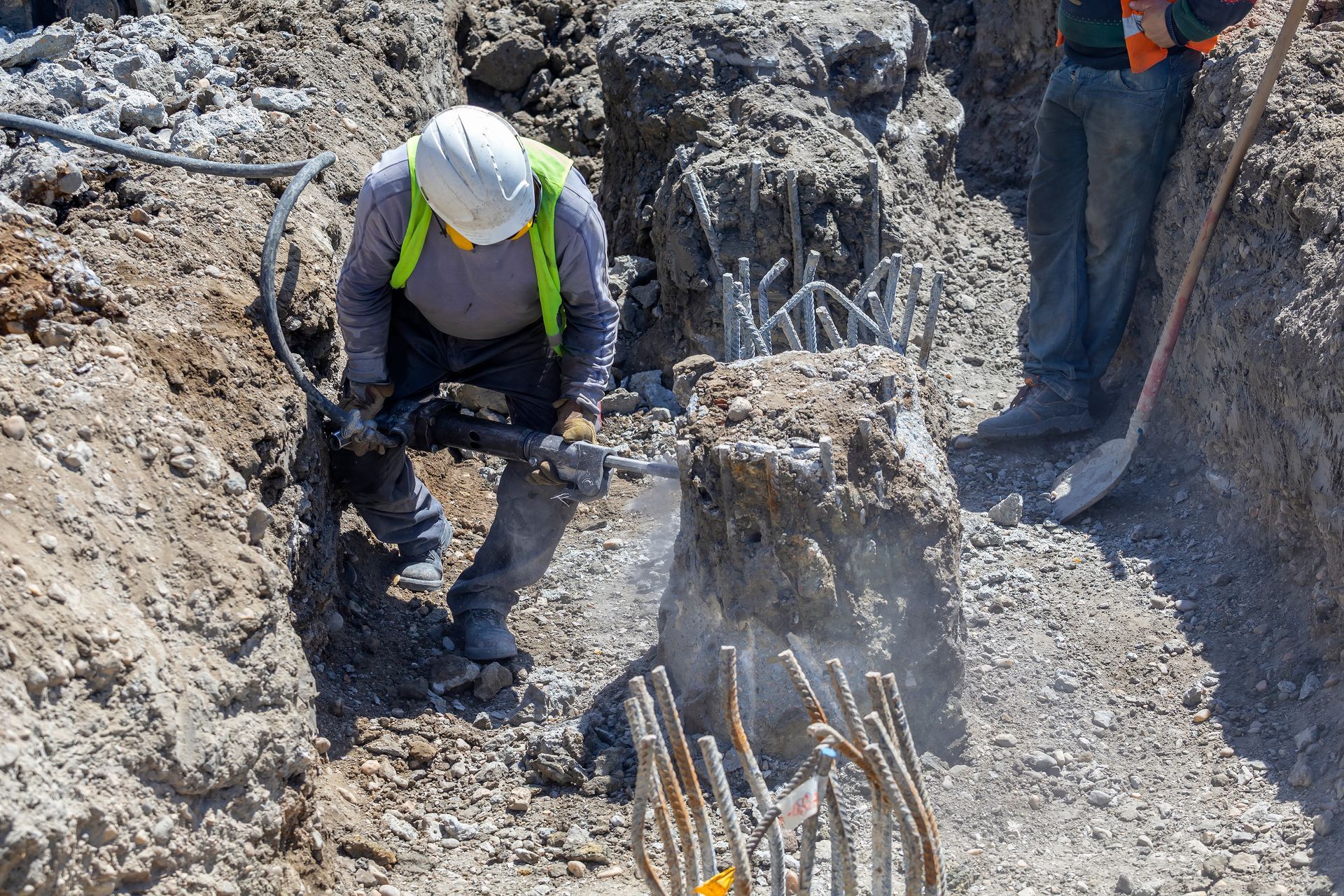
Contractor Insurance
Contractor insurance supports trades and service professionals across Southern California. It helps protect tools, equipment, and daily operations.

Cyber Liability Insurance
Cyber liability insurance helps protect business data and customer information. It supports recovery from digital incidents.

Commercial Property Insurance
Commercial property insurance helps protect offices, shops, and equipment. It supports recovery after covered damage.
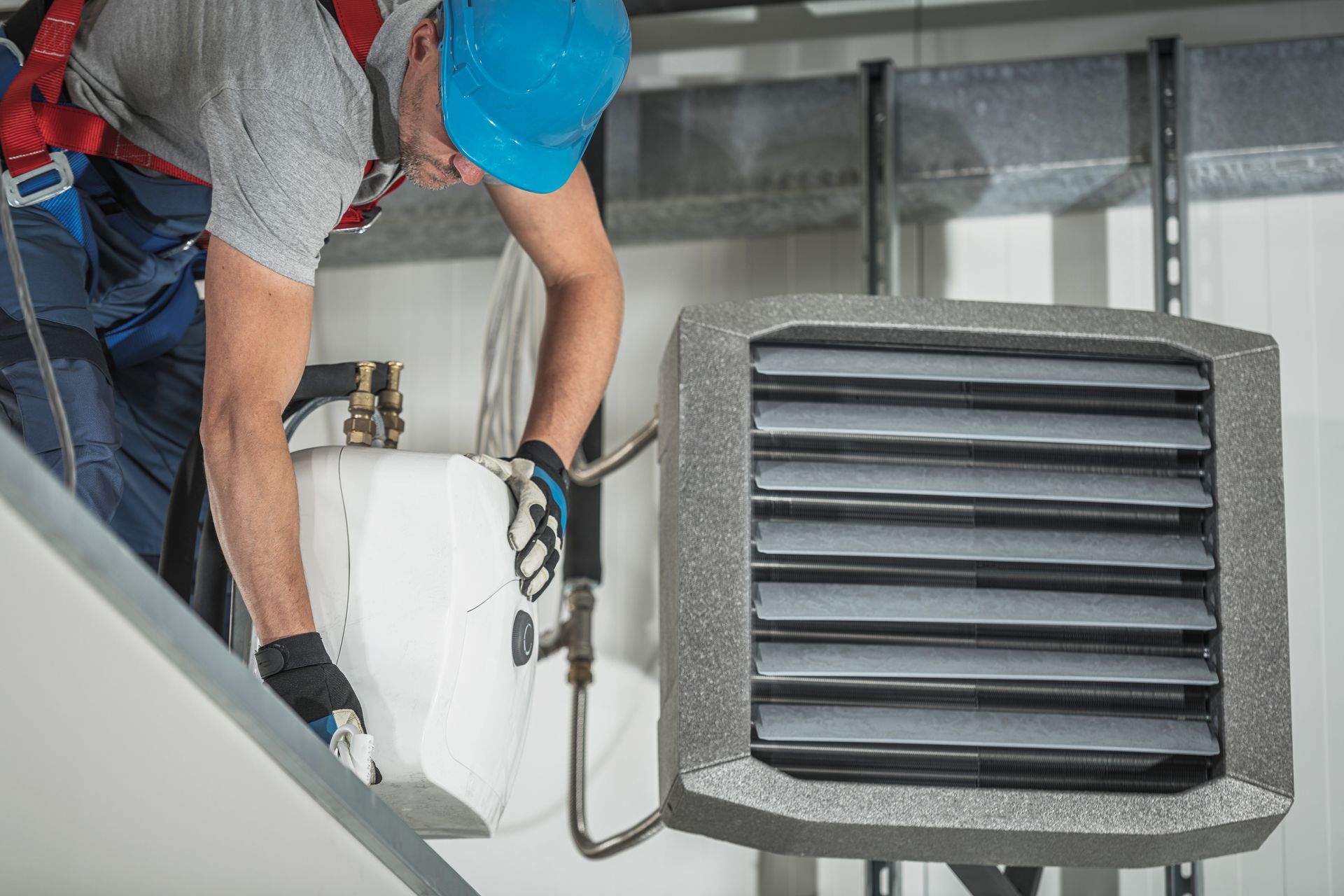
Coverage Built for Specialized Work
Support for high-risk and service-driven industries.
Simple Steps Supported by Steady Guidance
A Clear Path to Coverage
Trusted by Clients Across Southern California
Clear service backed by real experiences.
Answers to Common Questions.
Clear explanations to guide your decisions.
How do I know which insurance policy is right for me?
We compare coverage options from multiple carriers to help you see differences in protection and price. You can review clear details and ask questions so you understand what each policy covers. Our team guides you step by step so you feel sure about your decision.
What factors affect my auto insurance premium?
Auto insurance premiums are influenced by your driving history, age, location, vehicle type, and coverage choices. A clean driving record and good safety features can help lower costs. We review these factors with you and help find coverage that fits your budget and needs.
Does homeowners insurance cover all types of damage?
Standard homeowners insurance protects your structure, personal belongings, liability, and additional living expenses in many cases. However, it usually does not include flood or earthquake damage without separate policies. We help you decide if extra coverage is right for your home and location.
Can I update my policy or get certificates online?
Yes. You can submit requests for policy changes and certificates through our online service form at any time. Our team processes those requests quickly and confirms updates once complete so you have the documents you need.
Do I need separate insurance for business risks like EPLI or E&O?
Yes. General liability and workers compensation cover many business risks but do not protect against all exposures. For example, Employment Practices Liability Insurance (EPLI) covers claims like wrongful termination or discrimination, and Errors & Omissions (E&O) covers claims based on mistakes in professional services. We help you identify which extra policies your business may need.
What happens if I need to file a claim?
If you need to file a claim, we guide you through the process and help you contact the insurance carrier. We explain what information you should provide, answer your questions, and stay available while the carrier reviews your claim. This support helps you move forward with confidence.
Contact Us