A business owner in Los Angeles finds that one unexpected lawsuit can transform a routine operation into a multi-hundred-thousand-dollar financial crisis. California umbrella insurance is designed to offer extra layers of protection when standard policies fall short. Rising claim costs and evolving risk profiles have made understanding umbrella coverage essential for homeowners and business operators alike. For instance, recent increases in premium rates have caught many by surprise; premium rates grew by 9.26% in Q1 2025, reflecting a significant shift in the market landscape.
This guide provides comprehensive insights into the dynamics of California umbrella insurance, breaking down how policy enhancements, industry trends, and underwriting changes might affect coverage. It also offers clear comparisons between umbrella insurance and other types of liability policies to help consumers and businesses make more informed decisions.
Understanding Umbrella Insurance in California
Umbrella insurance serves as an additional liability buffer beyond the limits of underlying policies like homeowners, auto, and commercial liability insurance. It is especially relevant in California, where high-value assets and litigious environments compel policyholders to maintain robust coverage. Beneficiaries of umbrella insurance receive protection against claims that exceed the limits of their primary policies.
While it may seem like an unnecessary expense for some, the growing number of high-cost claims has underscored its importance. For example, a study found that average umbrella claim payouts have increased by 67% over the past decade, now approaching a staggering $500,000 per claim (Leavitt Group study). This increase makes umbrella insurance not just a safeguard, but a strategic asset for mitigating financial risk.
Insurance professionals stress the need to look beyond traditional policies. A notable insight from Gen Re reminds us that umbrella policies were originally intended to be a safety net for rare occurrences, not a product that routinely incurs losses (Gen Re expert). The evolving risk landscape in California necessitates regular reviews of coverage to ensure proper asset protection.


By: Karla Torres
Personal Insurance Agent at Caruso Insurance Services
The Rising Cost of Coverage
Recent market conditions have led to significant premium increases across the insurance spectrum. While standard liability policies saw moderate adjustments, umbrella and excess liability coverage have experienced especially steep rate hikes. One industry report noted increases ranging from 10% to 20% in Q3 2025 for umbrella policies (CAC Group report).
State Farm General’s request for a 39% rate hike for its California Personal Liability Umbrella Program reflects the broader market trend of rising claim costs (Los Angeles Times report). This steep adjustment is driven by escalating expenses linked to more frequent accidents, higher medical bills, and larger legal settlements. As a result, consumers and businesses in California must weigh the rising cost of premiums against the potential financial exposure of inadequate coverage.
The premium increases have been mirrored by similar trends in other liability lines. For example, commercial auto liability premiums saw an 11.2% jump in Q1 2025, while umbrella and excess liability premiums edged up by 9.8% (The Council of Insurance Agents & Brokers). Such movements suggest that insurers are responding to the complex interplay of increased claims and broader exposure in the current legal environment.
Key Factors Driving Premium Increases
Several contributing factors have played a role in the rising costs associated with umbrella insurance policies in California. High-value claims, driven by increasing accident frequencies and larger settlements, are a primary reason for the escalation. A statement by an expert from State Farm highlights that "personal liability claims costs have risen dramatically across the industry due to more accidents, escalating medical bills and larger legal settlements" (State Farm Insurance).
In addition to claim severity, the doubling of umbrella claims from 2010 to 2020 has contributed to the upward trend in premium pricing (Leavitt Group study). Insurers now face higher risks as the frequency of high-cost claims increases, prompting careful recalibration of policy terms and rates.
Another critical factor is the shift in underwriting guidelines. Recent changes made by industry giants have led to a more rigorous approach in qualifying applicants. For example, State Farm introduced stringent underwriting criteria that exclude individuals involved in certain high-risk activities like hydroponic farming and hog breeding (HTF Market Intelligence). These measures are part of broader efforts to mitigate the elevated risk exposures seen within the current claims landscape.

Coverage Benefits and Why It’s Essential to Have Umbrella Insurance
Umbrella insurance is designed to extend the coverage limits of your underlying policies, shielding you from large claims that might otherwise exhaust your available resources. Given the rising claim severity and frequency in California, having an umbrella policy offers a buffer against unforeseen liabilities. It is a vital asset for ensuring that a single catastrophic event does not result in financial ruin.
The value of umbrella insurance lies in its simplicity. When standard policy limits reach their thresholds, umbrella insurance steps in, providing additional coverage that can include legal fees, settlements, and damages in complex lawsuits. This type of coverage often includes protection for claims not covered by the underlying policies, making it a comprehensive safety net for high-net-worth individuals and business owners.
Many policyholders find that the incremental cost of umbrella insurance is relatively low compared to the potential financial burden of a major liability claim. By investing in umbrella coverage, individuals and businesses in California can achieve greater peace of mind, knowing they are better protected against the unpredictable outcomes of large liability cases.
Comparing Umbrella Insurance with Other Liability Policies
Underlying Policies and Gaps in Coverage
Standard liability policies, such as homeowners or auto insurance, typically have coverage limits that may not be sufficient in cases of severe or multiple claims. Umbrella insurance fills these gaps, activating when the base layer of protection is exhausted. The extended limits ensure continued protection beyond the primary policy's payout, catering to high-impact scenarios involving significant damages and legal fees.
This distinction is particularly important because umbrella policies are structured to cover areas that may not traditionally be insured. In California, where high property values and increased litigation combine to create a risky environment, having umbrella insurance translates to an additional layer of dedication to financial security.
An easy way to compare policies is to look at common coverage limits. While a homeowner’s policy might cap its liability exposure at a few hundred thousand dollars, umbrella insurance can offer protection up to several million dollars. This expanded coverage can be a lifesaver when managing claims that exceed the primary limits, especially in cases involving severe injuries or property damage.
Feature Comparison Table
The following table illustrates the key differences between standard liability policies and umbrella insurance for policyholders in California:
| Feature | Standard Liability | Umbrella Insurance |
|---|---|---|
| Coverage Limit | Typically hundreds of thousands of dollars | Can extend to several million dollars |
| Claims Trigger | Within predefined limits of the policy | Activates once the standard coverage is depleted |
| Legal Defense | Covered under the policy limit | Often includes extended legal defense costs |
| Additional Coverage Areas | Limited to policy terms | May include claims not covered by underlying policies |
This side-by-side comparison helps clarify the additional protection umbrella insurance offers. It showcases why many consumers in California consider it a necessary investment alongside their standard policies.
Underwriting and Risk Considerations Unique to California
When underwriting umbrella insurance, insurers take several factors into account. In California, rising claim amounts and the frequency of high-cost lawsuits have led to tighter underwriting measures. High-risk activities and behaviors are increasingly scrutinized, as insurers look to mitigate exposures that could lead to cascading losses.
Recent changes in underwriting guidelines have made it harder for individuals with certain high-risk exposures to qualify for umbrella coverage. For example, stricter criteria now disqualify participants in activities such as hydroponic farming and hog breeding, as these are considered to elevate the risk of claims (HTF Market Intelligence). Such criteria are aimed at keeping the overall portfolio risk under control and ensuring that premium increases remain manageable for lower-risk policyholders.
Beyond specific high-risk activities, insurers also assess overall exposure based on previous claims history, the value of assets, and the nature of the insured’s daily operations. This comprehensive review process is designed to match risk with appropriate coverage levels while striking a balance between consumer protection and market stability.
Case Studies: Real-World Claims and Lessons Learned
Unexpected Claims and Their Financial Impact
A restaurant owner in Southern California once faced a lawsuit following an unanticipated slip and fall incident on the premises. Although the restaurant had a standard liability policy, the claim exceeded the policy’s limit due to aggressive legal action and high medical expenses. In this instance, an umbrella policy provided the necessary coverage to manage the extended financial fallout. Such cases demonstrate why umbrella insurance can be a crucial element of any risk management strategy.
Another case involved a small business that encountered multiple claims over a short span. The costs rapidly escalated, pushing the primary policy beyond its limits. In both cases, umbrella insurance prevented severe financial repercussions, highlighting its effectiveness as a safety net for high-stake claims. These scenarios reinforce the message that comprehensive coverage can protect assets that would otherwise be exposed during extended litigation or significant settlements.
Overall, these examples illustrate not only the increasing financial impact of liability claims in California but also the essential role of additional umbrella coverage in mitigating this risk. They serve as a reminder that in an unpredictable claims environment, extra layers of protection should not be overlooked.
Lessons Learned and Best Practices
These real-world cases have driven home several key lessons for both policyholders and insurers. One significant takeaway is the importance of having coverage that extends beyond standard policy limits. As claim sizes continue to grow, few can afford to rely solely on basic liability insurance. Policyholders must evaluate their coverage in the context of current market trends, where increases such as the 9.26% rise in umbrella premiums in Q1 2025 emphasize an evolving risk profile (Crescanta Valley Insurance).
Adopting proactive risk management practices, such as regular reviews of policy limits and not underestimating potential exposures, is crucial. Businesses and homeowners alike benefit from working with experienced insurance professionals who can help identify gaps in coverage and structure appropriate layers of insurance protection.
The overarching lesson is that the cost of umbrella insurance, though increasing, often pales in comparison to the potential financial disaster resulting from a large claim. A strategic and proactive approach ultimately saves more money than reactive measures after the fact.
How to Choose the Right Umbrella Policy
Selecting the appropriate umbrella insurance policy requires a thoughtful review of both current assets and potential liabilities. Evaluating your overall risk profile involves considering not only your current coverage limits but also the likelihood of encountering high-cost claims.
Start by analyzing your existing policies-homeowners, auto, and business liability-to determine where the coverage gaps might be. A reliable insurance advisor can help estimate potential exposure when standard limits are exhausted. It's critical for policyholders to understand that failure to extend these primary limits could leave them vulnerable to claims that surpass policy thresholds.
In California, where high litigation costs and claim amounts are common, comparing multiple policies and their respective premium rates is a wise approach. Reviews of the latest market trends, such as the 39% rate hike request by a major insurer for its California Personal Liability Umbrella Program (Los Angeles Times report), can provide context on the market's sensitivity to risk.
Managing Risks in a Litigious Environment
California’s litigious climate, combined with high asset values, places unique demands on insurance coverage. In such an environment, prudent risk management is not merely about selecting the highest coverage limit available. Instead, it is about developing a comprehensive strategy that includes risk assessment, proper coverage layering, and regular policy adjustments to reflect changing circumstances.
This proactive approach involves working closely with insurance specialists who understand the intricacies of California’s legal and economic landscape. By tailoring coverage to the specific needs of individuals or businesses, insurers can create custom solutions that address both current risks and future vulnerabilities.
Among the tasks insurers perform is the rigorous review of underwriting criteria, ensuring high-risk activities are appropriately flagged before a policy is issued. Such diligence is increasingly important, given today's climate of rising claim frequencies and amounts. This attention to detail remains a cornerstone of sustainable risk management strategies in the state.
Frequently Asked Questions
Below are some of the most common questions about California umbrella insurance, addressing key concerns and clarifying common uncertainties.
What is umbrella insurance and why do I need it?
Umbrella insurance provides extra liability coverage above your primary policies. It is essential for protecting your assets in scenarios where significant claims exceed your standard policy limits.
How are premium rates determined for umbrella policies?
Premiums for umbrella insurance are based on factors such as your overall risk profile, claims history, and the value of your assets. Recent rate hikes reflect rising claim costs and adjustments in industry underwriting practices (Crescanta Valley Insurance statistics).
Can one umbrella policy cover multiple types of liability?
Yes, umbrella policies are designed to cover a range of liability claims that exceed the limits of underlying policies like homeowners, auto, or business liability. It provides a unified layer of protection against various unforeseen events.
How does an umbrella policy differ from a standard liability policy?
While standard liability policies have set limits and cover specific risks, umbrella insurance extends beyond these limits to cover additional claims and legal fees. This extra protection can be invaluable when facing large claims.
Do changes in underwriting criteria affect my eligibility for umbrella insurance?
Yes, changes in underwriting guidelines-such as those excluding certain high-risk activities-can impact eligibility. It is important to review your activities and consult with an insurance professional to confirm compliance with current criteria (HTF Market Intelligence updates).
Is umbrella insurance cost-effective despite rising premiums?
Although premium rates have risen, the cost of a major lawsuit far exceeds the cost of additional umbrella coverage. It is a wise investment in safeguarding your financial future in a litigious climate. Industry experts have noted that while premium increases can be steep, the overall value of protection remains significant.
Looking Ahead: Future Trends in California Umbrella Insurance
The future of umbrella insurance in California appears shaped by ongoing market shifts and evolving litigation trends. With premium rates continuing to face upward pressure-rising by nearly 10% in certain quarters-the industry is recalibrating its risk management practices (Crescanta Valley Insurance analysis). Changing patterns in claims, driven by increasing medical costs and larger settlements, suggest that insurers will remain vigilant in adjusting underwriting guidelines to accommodate heightened exposures.
As insurers adapt, policyholders should stay informed about changes in coverage standards, underwriting criteria, and premium structures. Regular policy reviews are advisable to ensure that your umbrella insurance remains aligned with your current risk profile. It is recommended to work with trusted insurance advisors who can help navigate these shifts by tailoring coverage to meet individual needs.
Looking forward, a combination of technological advancements and improved claims management techniques might help moderate future premium increases. Nonetheless, given the current trajectory, maintaining adequate exposure limits through umbrella insurance remains a crucial strategy for anyone facing significant financial liabilities in California.
Final Thoughts
Umbrella insurance in California provides more than just additional coverage-it offers a critical safety net in a state marked by high-value assets and a challenging legal landscape. With premium layers rising in response to more frequent and costly claims, everyday consumers and businesses alike must carefully assess their coverage needs and risk exposures.
This guide has explored the defining features of umbrella insurance, highlighted the market dynamics behind rising costs, and shared practical advice on choosing the right coverage. As new underwriting standards emerge and claim trends continue to evolve, staying informed and working with knowledgeable professionals remains essential.
Ultimately, the decision to invest in an umbrella policy reflects a broader commitment to safeguarding your financial well-being. It transforms uncertainty into a more manageable risk profile, empowering policyholders to face future challenges with confidence. With the right umbrella insurance policy in place, individuals and businesses across California can better navigate the complexities of liability and protect their assets against the unpredictable future.
ABOUT THE AUTHOR:
KARLA TORRES
Hi, I’m Karla Torres-Millan. I’ve been with Caruso Insurance for 14 years and in the insurance industry for a fantastic 25 years, as I specialize in personal insurance. I enjoy hiking, traveling to Baja, and spending time with family. I’m happily married and have two beautiful daughters, both of which have never failed to keep me busy. I’m passionate about what I do because I love to help others. I strive to eliminate the stress families experience when it comes to the lack of protection on their assets.
Contact Us

Service that stays with you.
Our team helps simplify insurance decisions for families and businesses. We focus on clear explanations, fast responses, and dependable service. You can count on us for help with coverage questions, updates, and long-term support.
Coverage that keeps you secure
Reliable Protection for Everyday Life
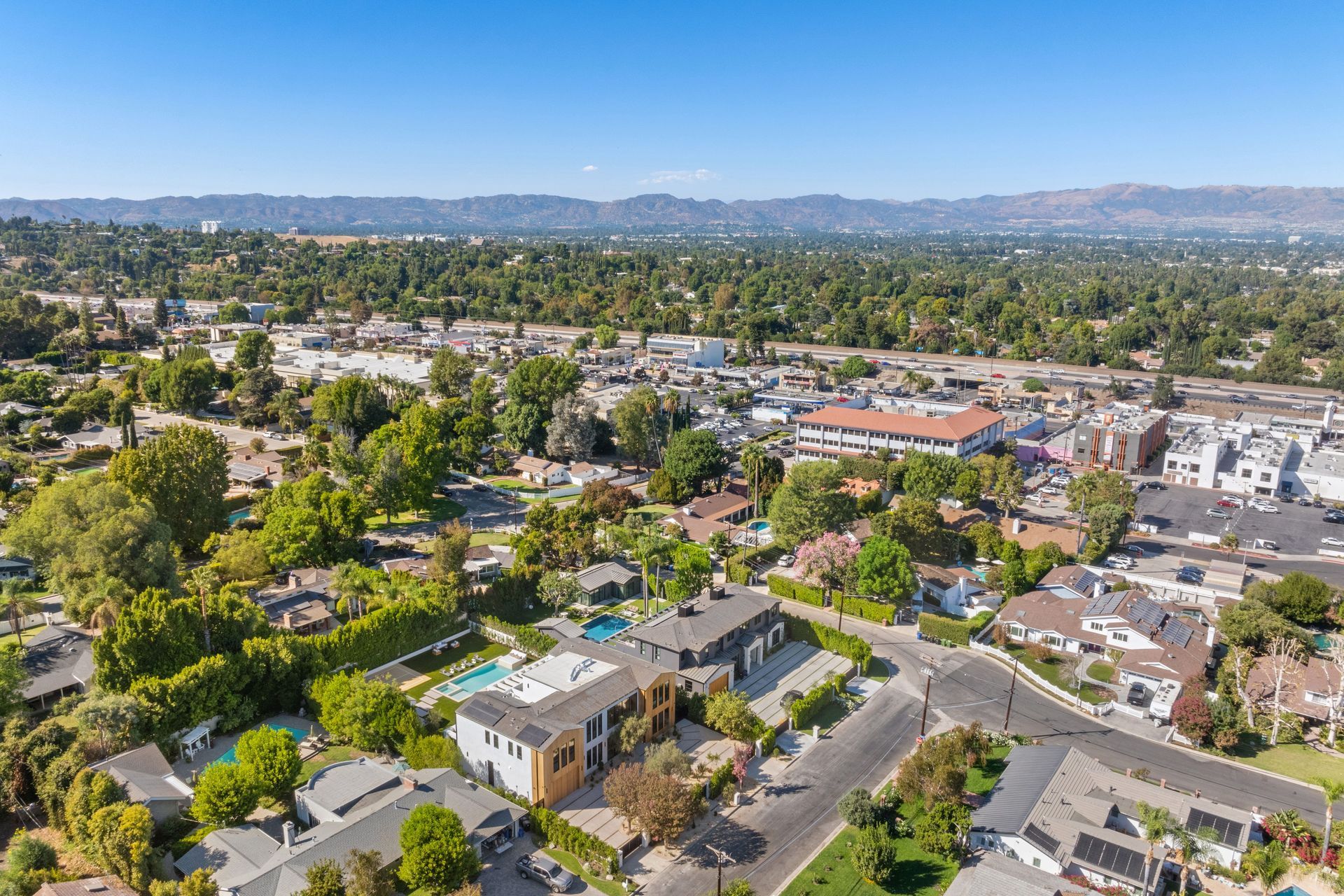
Home insurance helps protect your house, personal belongings, and liability risks. We explain coverage options clearly so you know what your policy includes.
Auto insurance provides protection for accidents, liability, and vehicle damage. We help you compare options so you can choose coverage that fits your driving needs.
Motorcycle insurance provides coverage for riders and their bikes. We help you select options that match how and where you ride.
RV insurance supports protection for motorhomes and recreational vehicles. Coverage applies during travel and while parked.
Coverage Built for Contractors and Trades
Support that keeps your work moving.

General Liability Insurance
General liability insurance helps protect contractors from injury and property damage claims. It supports jobsite requirements and contracts.

Workers Compensation
Workers compensation insurance helps protect employees injured while working. It also supports compliance with state requirements.

Commercial Auto Insurance
Commercial auto insurance provides coverage for work vehicles used on jobsites. It helps protect drivers and company vehicles.
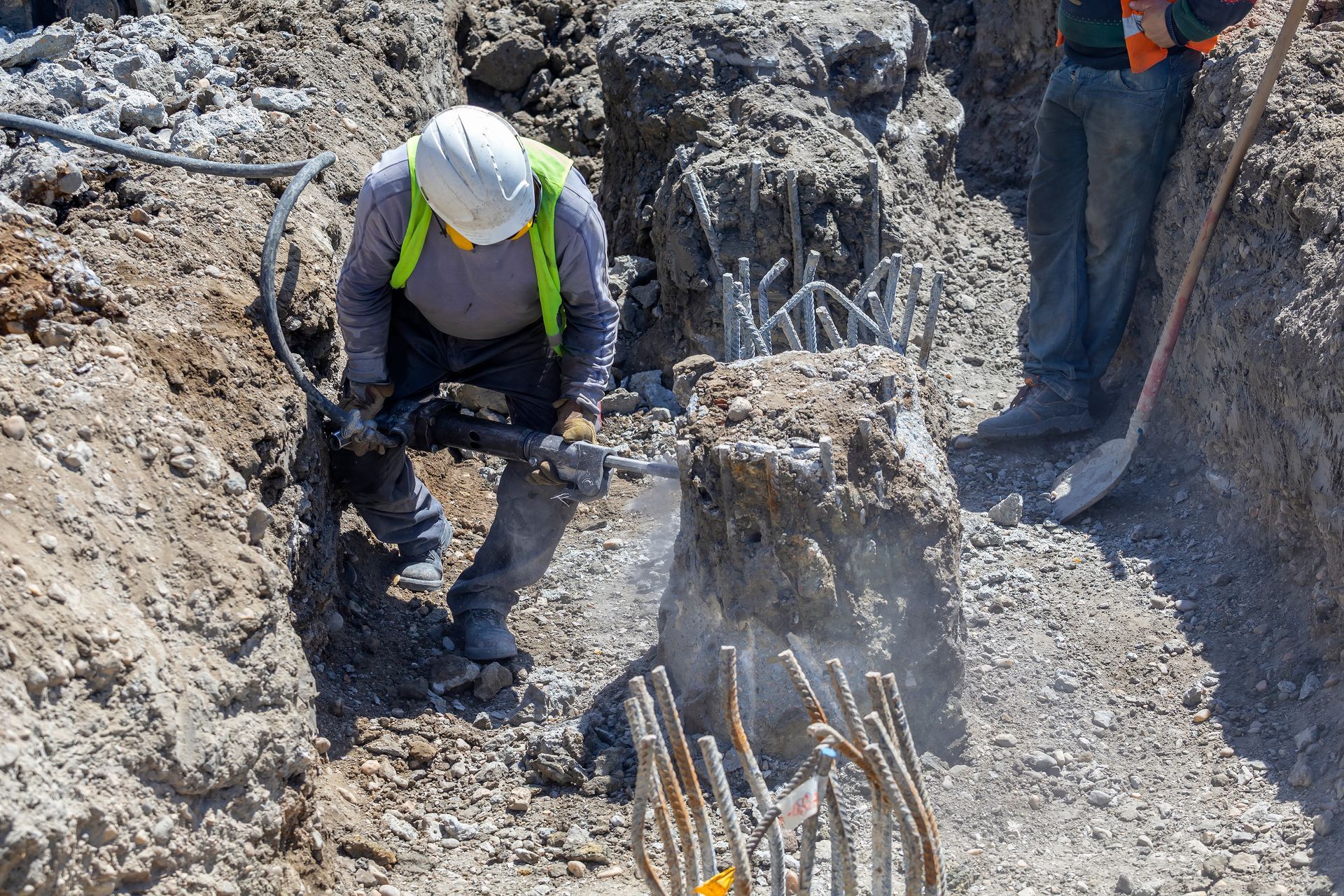
Contractor Insurance
Contractor insurance supports trades and service professionals across Southern California. It helps protect tools, equipment, and daily operations.

Cyber Liability Insurance
Cyber liability insurance helps protect business data and customer information. It supports recovery from digital incidents.

Commercial Property Insurance
Commercial property insurance helps protect offices, shops, and equipment. It supports recovery after covered damage.
Coverage Built for Specialized Work
Support for high-risk and service-driven industries.



Simple Steps Supported by Steady Guidance
A Clear Path to Coverage
Trusted by Clients Across Southern California
Clear service backed by real experiences.
Answers to Common Questions.
Clear explanations to guide your decisions.
How do I know which insurance policy is right for me?
We compare coverage options from multiple carriers to help you see differences in protection and price. You can review clear details and ask questions so you understand what each policy covers. Our team guides you step by step so you feel sure about your decision.
What factors affect my auto insurance premium?
Auto insurance premiums are influenced by your driving history, age, location, vehicle type, and coverage choices. A clean driving record and good safety features can help lower costs. We review these factors with you and help find coverage that fits your budget and needs.
Does homeowners insurance cover all types of damage?
Standard homeowners insurance protects your structure, personal belongings, liability, and additional living expenses in many cases. However, it usually does not include flood or earthquake damage without separate policies. We help you decide if extra coverage is right for your home and location.
Can I update my policy or get certificates online?
Yes. You can submit requests for policy changes and certificates through our online service form at any time. Our team processes those requests quickly and confirms updates once complete so you have the documents you need.
Do I need separate insurance for business risks like EPLI or E&O?
Yes. General liability and workers compensation cover many business risks but do not protect against all exposures. For example, Employment Practices Liability Insurance (EPLI) covers claims like wrongful termination or discrimination, and Errors & Omissions (E&O) covers claims based on mistakes in professional services. We help you identify which extra policies your business may need.
What happens if I need to file a claim?
If you need to file a claim, we guide you through the process and help you contact the insurance carrier. We explain what information you should provide, answer your questions, and stay available while the carrier reviews your claim. This support helps you move forward with confidence.
Contact Us