A misadventure during a shoot in a busy urban park can quickly turn into a costly claim. When a stray prop damages a client's valuable equipment or an unplanned mishap occurs on set, photography business insurance can mean the difference between a minor setback and a financial disaster. For photography professionals in California, being prepared involves more than just artistry behind the lens. This guide breaks down the nuances of insurance in the Golden State, offers practical advice, and helps navigate the challenges unique to the photography industry.
Coverage not only protects equipment and property but also covers legal liabilities that arise from accidents during shoots. California’s competitive market, with over 30,455 photography businesses and a market size projected to reach $2.2 billion by 2025 (IBISWorld), forces every business owner to stay informed on risks and potential claims.
Understanding Insurance Needs for Photography Businesses
Assessing the Unique Risks in Photography
Photographers face a mix of operational and creative risks that influence their insurance needs. One of the primary concerns is the protection of expensive camera equipment and editing suites, often indispensable for daily operations. Collateral damage during transport, accidental damage on location, or even theft can lead to significant replacement costs. A comprehensive policy allows business owners to mitigate these risks effectively.
Liability is a key issue too. Accidents during shoots may result in injuries to clients or property damage. Professional liability insurance covers claims arising from errors in judgment, miscommunication, or contractual disputes. Businesses may also face situations where a dissatisfied client files for damages alleging negligence in handling sensitive equipment or personal property during a shoot.
Understanding these risks early can steer photography businesses to choose insurance policies that cover general liability, professional liability, and even workers’ compensation if employees are involved. In California, the market is highly specific due to conditions such as wildfire risk and evolving regulatory parameters that impact premiums for various lines of insurance (C3 Insurance).
Why California is Unique for Photographers
California offers a vibrant backdrop of diverse locations-from sunlit beaches to bustling urban centers-that make it an ideal environment for photographers. This variety, however, increases the complexity of coverage needs as risks differ from one shooting locale to another. Urban photoshoots can see heightened risks linked to traffic and public spaces, while natural landscapes pose risks like unpredictable weather or even wildfire threats.
Insurance rates in the state are also impacted by a hardening market cycle. For instance, property and casualty insurers in California wrote approximately $3.2 billion more in premiums in 2023 compared to 2022 (Los Angeles Business Journal). This trend highlights the importance of selecting an insurance policy that reflects current market conditions and projected increases.
Protection for a photography business in California must therefore be tailored. A one-size-fits-all approach rarely suffices. Instead, the emphasis is often on choosing coverage bundles that address both operational risks and potential liabilities arising from California’s unique business environment.


By: Danielle Sweet
Commercial Insurance Agent at Caruso Insurance Services
Key Components of a Photography Business Insurance Policy
General Liability Insurance
General liability insurance is a cornerstone of any photography business policy. It protects against bodily injury and property damage claims arising from accidents during shoots. For example, if an accidental collision with a rented accessory or a client’s property occurs, coverage can help manage legal or repair costs.
This type of coverage extends to claims that might otherwise jeopardize the future of the business. It is essential not just for protecting assets, but also for maintaining client relationships and trust, as insurance can reassure clients that liabilities are under control.
Some policies even broaden the scope, covering legal fees and medical expenses. Given the potential for legal claims in a state known for its stringent consumer protections, general liability remains one of the most critical components for photography professionals.
Professional Liability Insurance
Professional liability coverage, or errors and omissions (E&O) insurance, is particularly relevant for creative professionals. In a scenario where a client feels that the final delivered product did not meet agreed expectations, claims may arise that the photographer was negligent or that they did not provide promised services.
This coverage helps to address claims related to service errors, miscommunications, or even situations where missed deadlines lead to lost opportunities for the client. The added layer of protection helps photographers repair their reputation and manage unexpected legal costs.
For photography professionals who build their reputation on reliability and creativity, fortifying their business with the right professional liability policy is a prudent decision.
Property Insurance for Equipment
When a photographer’s tools are their livelihood, protecting expensive camera gear, lighting equipment, and editing systems is paramount. Property insurance ensures that the financial burden of repair or replacement is minimized in the case of theft, damage, or even unforeseen natural disasters.
It’s not uncommon for the total value of a photographer's equipment to be in the tens of thousands. A well-tailored policy can cover equipment both in transit and while on location, mitigating risks associated with travel and outdoor shoots.
For most professionals, the average annual cost for a photography business insurance bundle-including general liability, professional liability, and workers’ compensation-is approximately $1,355 (MoneyGeek). This figure serves as a benchmark when considering the complete range of coverage needs. Including specialized equipment coverage ensures that all bases are covered.
Workers’ Compensation Insurance
While many photography businesses may start with a sole proprietor model, growth often leads to hiring additional staff or freelance assistants. Workers’ compensation insurance is necessary for covering work-related injuries, a must-have in an industry that sometimes requires physically demanding setups.
The expected moderate increase in workers’ compensation rates of 3-5% in 2025 (C3 Insurance) aligns with the broader industry trend where rising medical expenses and claim severity add to overall costs. Including workers’ comp in your insurance bundle ensures that personnel is protected, thereby reducing liability risks.
This insurance not only covers medical costs but may also provide wage replacements during recovery, ensuring the continued stability of the business.
Cost Influencers and Market Trends in California
Market Trends Affecting Premiums
California’s insurance market is currently in a hardening cycle where several lines are experiencing rate increases. Key drivers include the persistent wildfire risk and regulatory constraints, which have prompted insurers to reassess risk profiles and adjust rates upward. This trend is visible across various sectors, including the photography business, where uninsured losses and increased legal liabilities contribute to higher premiums.
Property and casualty insurers have witnessed premium growth, with top companies in the state recording a premium increase of $3.2 billion from 2022 to 2023 (Los Angeles Business Journal). Changes in regulatory environments and the ongoing impact of natural disasters mean that pricing models are becoming more refined. For photography professionals, it is essential to monitor these trends to understand when and why premium rates might adjust.
Rate increases are not only influenced by external market pressures but also by internal business factors. High-value projects, multiple shoots in hazardous locations, or risks associated with live events all contribute to overall costs. Considering these variables helps in choosing a policy that is both comprehensive and cost-effective.
Coverage Bundles and Cost Savings
Many businesses opt for bundled coverage packages that reduce the overall cost of insurance while providing extensive protection. A bundled policy typically includes general liability, professional liability, property insurance, and sometimes workers’ compensation.
Bundling is a popular choice among photographers because it streamlines coverage under one policy, making management simpler while often reducing the cost compared to purchasing policies individually. Given that the average annual cost of such a bundle is around $1,355 (MoneyGeek), it can be a prudent financial decision that balances budget constraints with a safety net against unforeseen damages.
Reviewing bundled packages and comparing them with standalone policies in different scenarios is advisable so that business owners get the best value for their money. Various insurers offer tailored coverage options that can be customized according to the specific needs and risks of the photography business.

Examining Claims and Regulatory Issues
Dealing with Claims in a Hardening Market
The current insurance climate in California has led to more robust underwriting practices, which reflect in claims handling and dispute resolution. The high stakes of claims with increasing premiums force insurers to carefully assess liability and validate each claim thoroughly. Photography businesses experienced by a claim, whether for general liability or professional errors, find that prompt and efficient claims resolution is essential for business continuity.
An important factor that shapes claims in California is the detailed documentation required for coverage. When incidents occur during a shoot, having clear records and evidence serves to expedite claim processing while demonstrating the legitimacy of the claim to the insurer. Insurers are particularly vigilant given the company's portfolio, which in 2021 saw insurance companies in California expending roughly $3.1 billion with diverse businesses (California Department of Insurance).
Business owners should be proactive in keeping detailed logs, contracts, and communications that can support their claims in the face of disputes. A transparent approach that aligns with regulatory expectations helps maintain a good relationship with insurers.
Regulatory Environment and Its Effects
California’s regulatory framework has tightened over the years, influencing how insurers assess risk and set premiums. With wildfire risks amplifying claims, the state’s insurance regulators have taken steps to encourage more sustainable and risk-aware policies. For instance, the California Department of Insurance recently completed its review of the first forward-looking wildfire catastrophe model in July 2025 (California Department of Insurance), aiming to address the state’s ongoing coverage crisis.
This review plays a crucial role in how rates are determined and how comprehensive coverage packages are designed. Photography businesses that operate in high-risk areas, such as locations near wildfire-prone regions, might experience specific adjustments to their premiums based on these evolving standards. Regulatory efforts ensure that both insurers and policyholders have a clearer understanding of risk factors, prompting business owners to assess and adjust their coverage as necessary.
In such a regulated environment, having the right policy becomes not just a matter of financial prudence but also a compliance issue. Staying updated with regulatory reviews and industry standards can help photography businesses keep pace with the changes in the market.
Practical Advice for Photography Business Owners
Choosing the Right Coverage for Your Needs
There is no universal insurance policy that perfectly fits every photography business. Each studio, freelancer, or creative collective has distinct needs and potential hazards. Business owners should begin by auditing their operations, identifying the type of shoots, equipment value, and the usual locations where projects occur. This careful analysis helps in tailoring a package that exactly mirrors the unique risk profile.
Research is key when selecting an insurer. Reading reviews, comparing bundled packages, and consulting industry peers can provide valuable insights into which policies offer the best balance of cost and coverage. Integrating information from reputable sources can guide decision-making. For example, knowing that the aggregate market conditions lead to higher premiums in certain segments may push a business to lock in rates sooner rather than later.
Always review the policy’s fine print to understand exclusions and coverage limits. Consultation with an insurance expert who understands the intricacies of the photography industry can also pave the way to more tailored and effective coverage decisions.
Risk Management and Loss Prevention
Insurance is just one part of a comprehensive risk management strategy. Equally important is proactive loss prevention. Photography business owners can reduce potential liability risks by implementing strong safety protocols during shoots. This can include proper handling of equipment, securing shooting locations in advance, and briefing team members on contingency plans.
Investing in regular safety training can dramatically reduce the likelihood of accidents that lead to expensive claims. Additionally, maintaining equipment through regular inspections and servicing prolongs its lifespan and operational safety. Engaging with local community guidelines and timely updates from regulatory bodies also helps businesses to be anticipatory rather than reactive.
For professionals who work frequently in public spaces or outdoor sites, being proactive about risk management not only minimizes the chance of damage or injury but also strengthens their case during claims disputes-should incidents arise.
A Closer Look: Coverage Comparison
Side-by-Side Comparison of Coverage Options
The table below outlines some coverage options, highlighting the differences between standalone policies and bundled packages. This side-by-side comparison provides a snapshot of what each option offers, making it easier to see how bundled packages can deliver cost savings while ensuring comprehensive protection.
| Coverage Type | Standalone Policy | Bundled Packageed Add-ons |
|---|---|---|
| General Liability | Separate plan addressing bodily injury and property damage | Included with additional coverages and potentially lower overall cost |
| Professional Liability | Handles service-related errors and omissions | Often combined with general liability for a comprehensive solution |
| Property Insurance | Independently chosen to cover equipment loss/damage | Integrated protection for equipment and studio property |
| Workers’ Compensation | Individually purchased when employees are hired | Part of the overall risk management strategy in a bundled plan |
This comparison allows business owners to visualize the advantages of bundling coverage versus purchasing separate policies. Bundled packages could be a more cost-effective option for many, while standalone policies allow for highly customized choices in niche situations. Evaluating the options side by side ensures that decisions are based on a clear understanding of what each coverage component provides.
Changing Market Dynamics and Future Considerations
Preparing for Premium Adjustments and Future Risks
Photographers in California should be aware that insurance premiums are subject to adjustments based on market trends and risk assessments. The outlook for workers’ compensation rates indicates a moderate increase of 3-5% by 2025 (C3 Insurance), reflecting broader cost trends in the industry.
It is crucial to regularly review insurance coverage, especially in a dynamic market. Staying informed about regulatory changes-like the forward-looking wildfire catastrophe model recently reviewed by the California Department of Insurance-can help businesses anticipate necessary policy adjustments (California Department of Insurance).
Precision in risk assessment today will help prepare photography businesses for tomorrow's challenges. Adjusting policies in anticipation of cost increases and emerging hazards ensures continuous, comprehensive protection, regardless of market fluctuations.
Integrating Technological Advancements
The rapidly evolving technology landscape means that photography businesses often integrate new tools and services that can also disrupt existing insurance models. For instance, high-end drones, virtual reality setups, or specialized editing software require extra layers of coverage not found in traditional policies. Insurers are beginning to adapt their offerings to these innovations, recognizing the importance of tailoring coverage to technological changes.
Business owners should stay ahead of the curve by discussing these new needs with their insurance providers. This proactive approach helps ensure that investments in technology are safeguarded against unforeseen risks. Adapting your coverage before issues arise can prevent disruptive claims later, making it a smart long-term strategy.
Technological advancements might also improve risk management practices. Advanced monitoring systems, improved digital tracking for equipment, and data analytics that predict claim risks could become vital parts of insurance policies in the near future.
Frequently Asked Questions
What types of risks does photography business insurance cover?
Photography business insurance typically covers general liability, professional liability, property damage, and sometimes workers’ compensation. This ensures that both operational and client-related risks are addressed.
Is a bundled insurance package cost-effective?
Yes, bundled insurance packages often offer cost savings by combining several coverages into one policy. For many photography businesses, the average annual cost for a bundle that includes general liability, professional liability, and workers’ compensation is around $1,355 (MoneyGeek).
How can I determine the specific coverage needs for my photography business?
Assess your operational risks by evaluating your equipment's value, the types of shoots you conduct, and any potential liability exposures. Consulting with an insurance expert can help tailor your policy to best match your individual needs.
Will my insurance premiums adjust frequently in California?
Market trends in California are currently pushing premiums higher, particularly due to factors like wildfire risk and regulatory changes. It is advisable to review your policy regularly to keep up with evolving risk assessments.
How can I reduce my photography business’s insurance premiums?
Implement robust risk management strategies, such as regular equipment maintenance and safety protocols during shoots. Bundled policies and thorough documentation of procedures may also help in negotiating better rates with insurers.
Can technology improvements affect my policy?
Yes, incorporating advanced technology like comprehensive tracking and monitoring systems can influence your coverage, sometimes warranting adjustments to your policy as new risks or benefits are identified.
Wrapping Things Up
Key Takeaways for California Photography Professionals
The photography industry in California is vibrant yet complex, and the associated risks require a comprehensive insurance strategy. Whether it is protecting multi-million-dollar equipment during a city shoot or ensuring that liability claims do not cripple a creative operation, the right insurance package is an investment in the business's future.
Photographers should consider a mix of general liability, professional liability, property insurance, and workers’ compensation when constructing their insurance portfolio. Carefully analyzing policies against your operational realities and leveraging bundled offerings can create a robust protection plan.
Staying informed about market trends, regulatory shifts, and technological advancements is indispensable. With proactive risk management and timely policy updates, photography professionals can safeguard their creative ventures against unforeseen setbacks while thriving in one of the nation’s most competitive markets.
Final Thoughts
For photography business owners in California, insurance is more than a regulatory requirement-it's a strategic tool that protects the creative spirit. A well-crafted insurance policy not only covers accidents and liability claims but also builds trust with clients and partners. By assessing risks, leveraging bundled packages, and keeping pace with market dynamics, professionals can ensure that they are prepared for any challenge that comes their way.
This comprehensive guide is designed to assist photography business owners in making informed insurance choices that optimize both coverage and cost. In a market where every decision can have significant repercussions, the right insurance strategy can empower photographers to focus on what they do best-capturing moments that tell powerful stories. Additional insights and industry data can help refine these strategies, ensuring that protection measures remain aligned with the ever-changing risks in California.
For those looking to dive deeper into market trends and risk analytics, keeping a close eye on updates from industry experts and regulatory bodies is essential. The evolving landscape means that today’s smart insurance decisions can pave the way for sustained operational success and creative freedom.
ABOUT THE AUTHOR:
DANIELLE SWEET
HI! I am Danielle Sweet your insurance extraordinaire. I have been in the insurance industry since I was 19 years old working in many different areas of insurance to provide a broad knowledge base to our clients. I have three amazing children who keep me on my toes even as they are older. I have a passion for horses and am lucky to ride every week. I am truly blessed to be able to help business owners and individuals navigate the world of insurance and educate you to make an informed decision that is right for you.
Contact Us

Service that stays with you.
Our team helps simplify insurance decisions for families and businesses. We focus on clear explanations, fast responses, and dependable service. You can count on us for help with coverage questions, updates, and long-term support.
Coverage that keeps you secure
Reliable Protection for Everyday Life
Home insurance helps protect your house, personal belongings, and liability risks. We explain coverage options clearly so you know what your policy includes.
Auto insurance provides protection for accidents, liability, and vehicle damage. We help you compare options so you can choose coverage that fits your driving needs.
Motorcycle insurance provides coverage for riders and their bikes. We help you select options that match how and where you ride.
RV insurance supports protection for motorhomes and recreational vehicles. Coverage applies during travel and while parked.
Coverage Built for Contractors and Trades
Support that keeps your work moving.

General Liability Insurance
General liability insurance helps protect contractors from injury and property damage claims. It supports jobsite requirements and contracts.

Workers Compensation
Workers compensation insurance helps protect employees injured while working. It also supports compliance with state requirements.

Commercial Auto Insurance
Commercial auto insurance provides coverage for work vehicles used on jobsites. It helps protect drivers and company vehicles.
Contractor Insurance
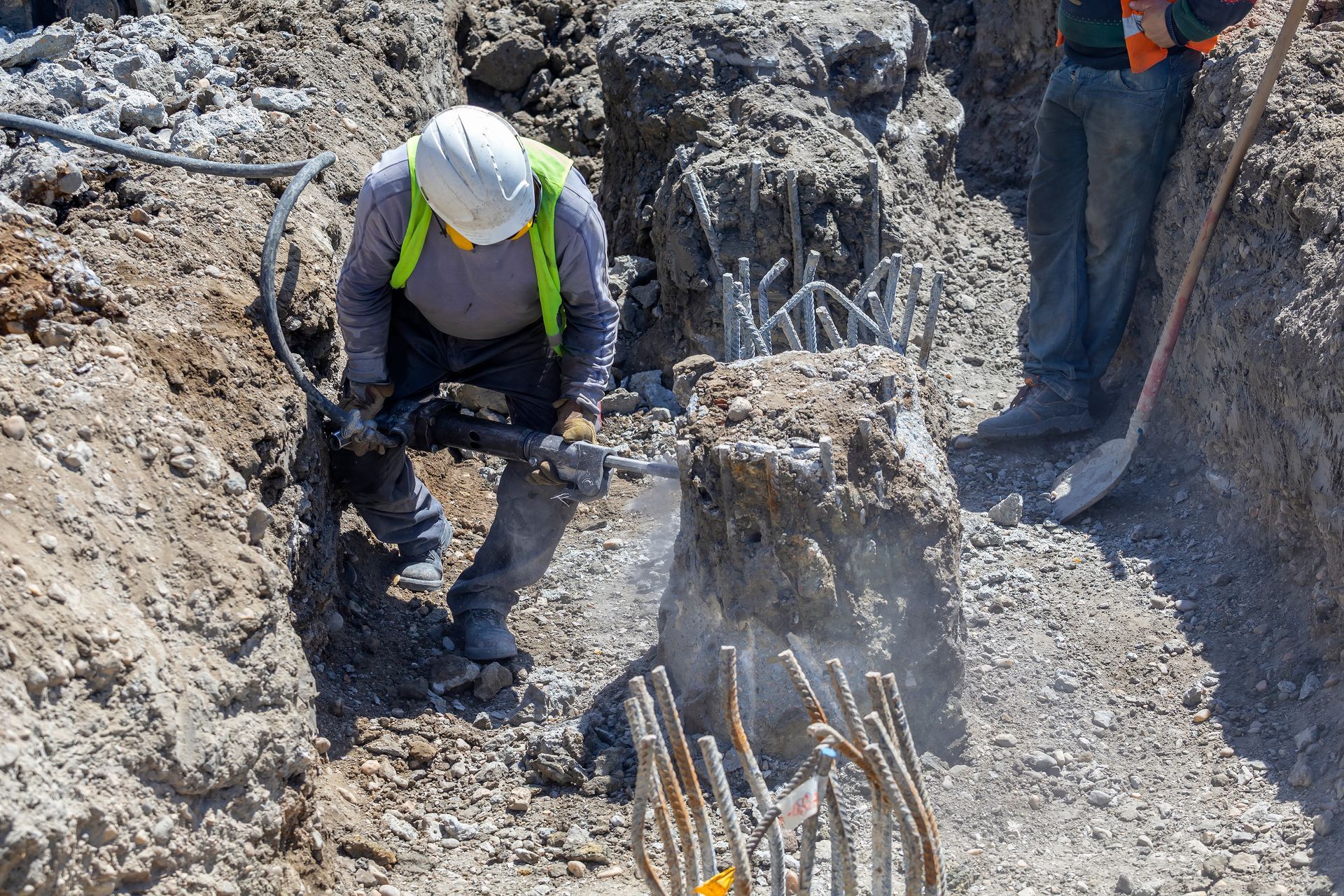
Contractor insurance supports trades and service professionals across Southern California. It helps protect tools, equipment, and daily operations.

Cyber Liability Insurance
Cyber liability insurance helps protect business data and customer information. It supports recovery from digital incidents.

Commercial Property Insurance
Commercial property insurance helps protect offices, shops, and equipment. It supports recovery after covered damage.
Coverage Built for Specialized Work
Support for high-risk and service-driven industries.



Simple Steps Supported by Steady Guidance
A Clear Path to Coverage
Trusted by Clients Across Southern California
Clear service backed by real experiences.
Answers to Common Questions.
Clear explanations to guide your decisions.
How do I know which insurance policy is right for me?
We compare coverage options from multiple carriers to help you see differences in protection and price. You can review clear details and ask questions so you understand what each policy covers. Our team guides you step by step so you feel sure about your decision.
What factors affect my auto insurance premium?
Auto insurance premiums are influenced by your driving history, age, location, vehicle type, and coverage choices. A clean driving record and good safety features can help lower costs. We review these factors with you and help find coverage that fits your budget and needs.
Does homeowners insurance cover all types of damage?
Standard homeowners insurance protects your structure, personal belongings, liability, and additional living expenses in many cases. However, it usually does not include flood or earthquake damage without separate policies. We help you decide if extra coverage is right for your home and location.
Can I update my policy or get certificates online?
Yes. You can submit requests for policy changes and certificates through our online service form at any time. Our team processes those requests quickly and confirms updates once complete so you have the documents you need.
Do I need separate insurance for business risks like EPLI or E&O?
Yes. General liability and workers compensation cover many business risks but do not protect against all exposures. For example, Employment Practices Liability Insurance (EPLI) covers claims like wrongful termination or discrimination, and Errors & Omissions (E&O) covers claims based on mistakes in professional services. We help you identify which extra policies your business may need.
What happens if I need to file a claim?
If you need to file a claim, we guide you through the process and help you contact the insurance carrier. We explain what information you should provide, answer your questions, and stay available while the carrier reviews your claim. This support helps you move forward with confidence.
Contact Us