A major fire in Los Angeles that scorched over 50,000 acres and devastated more than 16,000 structures serves as a powerful reminder of the risks faced by California homeowners and contractors alike. Such events have forced contractors, insurers, and homeowners into a challenging marketplace where reliable coverage is paramount. With financial losses projected between $35 billion and $45 billion according to McKinsey, California’s insurance landscape is changing fast, and remodeling contractors need to be prepared.
The challenges faced by insurers often ripple through every level of the construction industry. Remodeling contractors, who bring new life into older or damaged structures, need stable and cost-effective insurance solutions that address not only the risks on the job site but also the broader financial dynamics at play in California. With rising claims and increased catastrophe risks, securing proper coverage is more important than ever.
This guide offers an in-depth look at the current state of remodeling contractor insurance in California, exploring regulatory hurdles, market challenges, and practical steps for contractors to manage risk effectively.
Understanding the Market Dynamics for Remodeling Contractors
The remodeling market in California is experiencing an upward trend, with industry reports predicting that it will grow to $19.2 billion by 2025 as noted by IbisWorld. This surge brings not only new opportunities but also more challenges for contractors needing insurance coverage specific to their work.
One of the pressing realities is the complexity within California’s insurance sector. Insurers have been facing significant financial strains, with some reporting that for every dollar collected in premiums, they disburse up to $1.09 in claims and expenses according to the Independent Institute. This imbalance has a direct impact on the types of policies available and their associated costs, leading to a challenging marketplace where contractors need to carefully evaluate their options.
The unique risks inherent to remodeling work-ranging from property damage during renovations to potential worker injuries-make it essential for remodeling contractors to have specialized coverage. The policies must not only protect against common construction risks but also accommodate the broader context of California’s evolving insurance environment.


By: Patrick Caruso
President of Caruso Insurance Services
Key Insurance Challenges Faced by Remodeling Contractors
Escalating Costs and Coverage Gaps
Insurance costs continue to rise, particularly in regions where catastrophic events have become more frequent. A single wildfire or earthquake can lead to enormous losses, prompting insurers to adjust premiums. In California, the immediate impact of a catastrophic event often triggers a domino effect in premium increases and policy non-renewals. Many homeowners end up searching for alternative policies or paying significantly more for coverage, as noted in reports by the Little Hoover Commission from the Commission.
The financial instability in California’s homeowners insurance market means that remodeling contractors must plan for higher premiums and occasional coverage gaps. The industry sees contractors needing to balance competitive pricing with comprehensive protection, a task that is not always straightforward in an environment of rising expenses and tightening underwriting standards.
In addition, contractors should consider exploring policies that cover design defects, construction errors, and potential natural disasters. This comprehensive approach is not only a safeguard for contractors but also a necessity for ensuring that the properties they work on remain safe for occupants.
Construction Defect Liability and Its Financial Impact
Another layer of complexity in the insurance landscape stems from construction defect liability. Recent studies by the Terner Center and SPUR have highlighted that condominium developers face insurance costs that are often three to four times higher than those for comparable rental apartments according to research from the Terner Center. Although this issue directly affects condominium projects, its broader impact influences construction risk for all types of remodeling projects.
When remodeling older buildings or structures with questionable original building standards, contractors must be alert to the possibility of construction defect claims. These claims can add approximately 2 to 4 percent to a project's hard costs, a significant financial consideration that needs to be factored into any risk management strategy.
Contractors should work closely with insurers to ensure that their policies are designed to mitigate risks associated with potential defects. In the current climate, where construction defect liability is under increased scrutiny, having a policy that offers comprehensive protection can make all the difference when unforeseen issues arise.
Impact of Catastrophes on the Insurance Industry
Natural disasters in California have become more severe and unpredictable. The catastrophic wildfire in Los Angeles, which resulted in losses projected between $35 billion and $45 billion reported by McKinsey, exemplifies how single events can transform the insurance market. These disasters reshape risk models and force insurance companies to reconsider their pricing strategies and risk pools.
For remodeling contractors, understanding the broader picture is crucial. Insurers recalibrate their models based on recent disaster data, which can lead to non-renewals or higher premiums for riskier regions. Contractors need to be particularly proactive in assessing localized risk factors, such as proximity to high-risk wildfire zones or areas with a history of severe weather impacts.
Adapting to these changes may involve regular consultations with insurance providers or even engaging independent risk advisors to better understand emerging trends. Staying informed about geographical risk can help remodeling contractors choose coverage that not only protects their business but also provides peace of mind to homeowners undertaking renovations after disasters.

Regulatory Changes and Their Implications
Reforms Aimed at Reducing Homeowners Insurance Costs
Recent recommendations by the Little Hoover Commission have introduced several reforms designed to reduce the cost of homeowners insurance in California as observed by the LHC report. These proposals include establishing public oversight for catastrophe modeling and creating a shared data clearinghouse to pool risk information among insurers. For remodeling contractors, these changes could have significant implications for policy pricing and coverage availability.
The main aim of these reforms is to enhance transparency and improve the accuracy of risk assessments. By pooling data, insurers can better differentiate high-risk from low-risk properties. This improvement benefits not only homeowners but also contractors who work on renovation projects where risk factors differ from new construction.
A more data-driven approach allows contractors to secure policies that are better tailored to the actual risk profile of their projects. In turn, this can lead to a reduction in unexpected costs during claims processing and minimize disputes during the claims settlement process.
Evaluating Policy Terms and Conditions
One critical aspect for remodeling contractors is the need to scrutinize policy terms thoroughly. Policies often come with exclusions or conditions that may not be immediately obvious. It is essential for contractors to have a clear understanding of what is covered and what is not-especially concerning work on older structures or properties with pre-existing damage.
The language used in many insurance contracts can be complex. Contractors may find that certain amendments in the terms, such as limitations on claims related to construction defect liability, could have a considerable impact on their bottom line. Engaging with insurance professionals who specialize in construction risks can provide clarity and ensure that settlements align with realistic expectations.
When evaluating terms, ensure coverage explicitly covers risks associated with remodeling, including structural modifications, historical preservation, and integration of new materials in old buildings. This scrutiny helps to avert future disputes and claims rejections.
Strategies for Choosing the Right Coverage
Assessing Specific Risks in Remodeling Projects
Every remodeling project carries a unique set of risks. Depending on the age of a building and the planned upgrades, common concerns include structural integrity, electrical system challenges, or even hazardous materials like asbestos. The specific type of work dictates which policy features are most important.
Remodeling contractors should begin by conducting a comprehensive risk assessment. This evaluation should not only cover on-site hazards but also potential issues related to the building's history. By identifying these risks early, contractors can work with insurers to customize coverage that addresses both general liability and project-specific risks.
For example, when dealing with older commercial spaces undergoing renovation, the policy should ideally include provisions that cover both standard building repairs and incidental damages resulting from unexpected complications during the renovation process.
Collaborative Risk Management and Proactive Communication
Contractors can benefit greatly from building a strong working relationship with their insurance providers. Regular communication regarding project updates can help keep coverage current and minimize the risk of policy lapses or disputes. By staying in tune with insurers about any modifications or changes in the scope of a project, contractors can avoid surprises when it comes time to file a claim.
Proactive risk management might include periodic safety audits, adherence to updated building codes, and continuous employee training on site safety. When these measures are in place, it reinforces the contractor’s commitment to minimizing risks and can even lead to more favorable policy terms over time.
Not only does this approach reduce the likelihood of damage or injury, but it also establishes credibility with insurers, often translating into reduced premiums or more responsive claims processing.
Integrating Construction Defect Liability into Insurance Coverage
Construction defect liability remains a significant concern in California. Studies by the Terner Center confirm that such liabilities drive up insurance costs for condominium builders, reflecting similar concerns for contractors working on remodeling projects as reported by the Terner Center. Even if a project involves a simple renovation, the potential for latent defects increases exposure to claims long after the work is complete.
This risk is compounded by the fact that construction defect liability claims can add approximately 2 to 4 percent to a project’s hard costs. For remodeling contractors managing tight budgets and schedules, this added cost must be factored into the overall financial planning of any project.
To address this, policies need to clearly delineate how and when construction defects are covered. Contractors should ensure that their insurer’s definition of defect-related losses aligns with their on-site realities. When coverage is designed explicitly with construction defects in mind, it not only provides better financial protection but also helps maintain the contractor’s reputation by ensuring thorough post-completion support if issues arise.
Financial Implications and Cost Management
Budgeting for Insurance in a Risk-Intensive Environment
Operating in California’s high-risk insurance market means expenses can escalate quickly. Contractors must adopt a proactive budgeting approach that accounts for the increasingly expensive nature of insurance premiums. The additional strain faced by insurers, evidenced by average underwriting profits in California being around -13.1 percent compared to a positive margin nationally as reported by the Independent Institute, drives the need for more robust financial planning.
For remodeling contractors, this reality necessitates a detailed breakdown of insurance costs in project budgets. Not only should these costs be itemized at the outset, but they should also be revisited periodically to account for any changes in the market. Effective budgeting may involve setting aside contingency funds specifically for insurance-related expenses.
Building this buffer ensures that unexpected hikes in premiums or policy adjustments do not derail project finances or lead to disputes with clients over unforeseen cost increases. In essence, accurate forecasting and careful financial planning can transform insurance from a reactive expense into a well-managed line item.
Leveraging Data and Technology for Better Decision-Making
Modern data analytics and risk modeling tools offer contractors a better window into future trends. With recommendations on public oversight for catastrophe modeling from bodies like the Little Hoover Commission as highlighted in LHC reports, there is increased pressure on insurers to provide more data transparency. For remodeling contractors, access to this data can guide decisions and enable better negotiations on policy terms.
Many contractors find that collaborating with risk experts who utilize these tools boosts their confidence in the policies they select. Further, integrating data insights into financial projections can pinpoint potential areas where insurance costs might spike, thus informing more resilient project planning.
Investing in data-driven tools is not just relevant for large companies. Even smaller contracting firms can benefit from these insights by using available technology to monitor risk factors in real time, ensuring that all decisions are backed by the most current information.
Best Practices for Securing Remodeling Contractor Insurance
Securing the right insurance is thoughtfully aligning policy coverage with the specific risks of remodeling work. Reviewed examples from across the industry show that a one-size-fits-all approach rarely meets the complex demands faced by contracting professionals in California.
Contractors should take a multi-step approach that begins with gathering detailed project data and understanding local risk factors. This process involves not only assessing all potential hazards but also actively engaging with insurers to clarify coverage details, exclusions, and premiums. Taking such a methodical approach often leads to more favorable policy conditions and lower premiums in the long run.
Steps to consider include maintaining rigorous documentation of all project phases, obtaining regular safety audits, and participating in continuous professional trainings on safety and insurance matters. Each of these practices can further support claims in the event of a dispute or damage, ultimately making the case for more tailored and advantageous policies.
Customizing Policies to Fit Specific Project Needs
Every remodeling project is different, and policies must reflect that diversity. Contractors should discuss their unique needs with insurers, ensuring that every facet of the work-from structural modifications to risk factors associated with older buildings-is addressed. This tailored approach means evaluating both the immediate risks and the long-term exposures once the project is completed.
For instance, when working on historical homes or buildings with unique architectural features, make sure the policy covers both conventional risks and any potential additional costs related to restoration or restoration methods. Clear communication regarding these needs prevents misunderstandings during claim settlements and helps align the policy with realistic on-site risks.
This customization process not only minimizes gaps in coverage but also signals to the insurer that the contractor takes proactive ownership of the risks inherent in each project. It builds a mutual understanding that can lead to more favorable rates and even risk-reduction incentives over time.
Evaluating Insurance Providers and Policy Options
The process of selecting an insurance provider is as critical as choosing the right coverage. Contractors should look for companies with a solid track record in handling claims within California’s unique risk environment. Providers with specialized knowledge in remodeling or construction projects typically have better-suited products and the expertise necessary to address the complex needs of modern projects.
To evaluate providers, contractors can request case studies or references from peers in the industry. Reviews and direct feedback often highlight how insurers deal with claims, handle pricing adjustments, and manage emerging risks in a catastrophe-prone region. This personal feedback is sometimes more telling than standard industry accolades.
It is beneficial to set up meetings with a few potential providers to discuss policy details tailored to the unique risks that come with each remodeling project. These discussions offer insights into which company is best prepared to deal with the rapidly evolving insurance landscape in California.
Understanding Policy Renewal and Non-Renewal Impacts
Contractors in California must be particularly aware of the frequency of policy non-renewals reported in recent years. With many insurers opting to withdraw coverage rather than take on escalating risk, contractors are forced to navigate a marketplace where finding replacements may be challenging. Reports indicate that some Californians are being told their existing insurance won’t be renewed, pushing them towards costlier alternatives according to the Little Hoover Commission.
Staying ahead means establishing strong relationships with insurance brokers and regularly reviewing policy performance metrics. A thorough discussion about non-renewal contingencies and supplemental coverage options can safeguard contractors from abrupt disruptions. Keeping informed about market conditions and having a backup plan can make all the difference when shifts occur unexpectedly.
Being proactive in managing renewals, and considering multi-year policies with fixed rates where possible, helps stabilize long-term operational costs. Open dialogues with insurers about renewal criteria can also lead to improved trust and better-negotiated terms over time.
Future Trends and Long-Term Considerations
The California remodeling market is likely to see continued changes. Climate change and its resulting increase in catastrophic events remain a major driver behind fluctuations in risk and insurance premiums. Contractors must factor in the evolution of both the natural environment and regulatory responses when planning for the future.
Emerging technologies and more detailed data collection are reshaping how risk is modeled. Enhanced catastrophe modeling and improved data-sharing platforms, as mentioned in recent reform proposals from the Little Hoover Commission, are expected to create more accurate assessments of individual risk. Over time, this could result in more customized policies and potentially lower premiums for contractors who can demonstrate effective risk management practices.
While advanced analytics may simplify insurance decisions, they also place a premium on being well-informed. Contractors need to stay updated on these technological advancements to ensure they are taking full advantage of any potential benefits. Training sessions, industry seminars, and regular consultations with risk management experts are increasingly valuable in this landscape.
Preparing for Uncertainty in a Volatile Market
The future of remodeling contractor insurance will likely be shaped by the interplay of market volatility and continued regulatory intervention. Contractors should prepare for scenarios where insurance premiums could spike as the market grapples with increased claims and emerging risks. This might involve building strategic reserves, diversifying project portfolios, or even collaborating with insurers to tailor risk management practices that suit unique project types.
Long-term contracts with favorable terms and fixed-premium extensions can provide a safety net in an otherwise unpredictable market. Keeping lines of communication open with insurers and industry regulators may offer early warnings of market shifts, giving contractors time to adjust their strategies accordingly.
Preparing for uncertainty also means being agile in adopting new technologies and methods that can improve safety and reduce risk. Contractors who integrate the latest safety standards and performance metrics into their practice will be better equipped to negotiate more favorable insurance coverage terms in the future.
Frequently Asked Questions
Below are some of the most common questions regarding remodeling contractor insurance in California.
Q: What types of risks does remodeling contractor insurance typically cover?
A: Policies generally cover on-site injuries, property damage, and liability issues, as well as more specific risks such as construction defects and renovation mishaps.
Q: How are catastrophic events affecting insurance premiums?
A: In areas prone to disasters, such as wildfire-prone regions in California, insurers adjust premiums to reflect higher risks, leading to costlier policies as seen in recent trends.
Q: Why do policies for condominiums cost more than those for rental apartments?
A: Research indicates this discrepancy is linked to construction defect liability, with coverage for condominiums often costing three to four times more than for similar rental projects according to studies by the Terner Center.
Q: Are there reforms on the horizon that could reduce insurance costs?
A: Proposals for public oversight of catastrophe modeling and shared data clearinghouses may lead to improved risk assessments and lower premiums, as recommended by the Little Hoover Commission.
Q: How should contractors prepare for potential policy non-renewal?
A: Building strong relationships with brokers, regularly monitoring policy performance, and having contingency coverage options can help mitigate the risks associated with non-renewals.
Q: Can data analytics really help lower insurance premiums?
A: Yes. Leveraging modern risk modeling tools and data-sharing platforms can result in more accurate risk assessments and better tailored insurance solutions for remodeling contractors.
Wrapping Things Up
California's dynamic insurance market, coupled with the increasing incidence of catastrophic events and regulatory changes, creates both challenges and opportunities for remodeling contractors. Understanding the interplay between construction defect liability, rapid shifts in the risk landscape, and custom-tailored coverage options is crucial. Contractors who invest in comprehensive risk management, remain informed about market developments, and proactively engage with insurers can secure stable, effective coverage.
With proposals aiming to reshape catastrophe modeling and data transparency taking effect, the future of insurance for remodeling contractors looks set to evolve in ways that seek to better balance risk with premium affordability. Maintaining a proactive approach-through regular risk assessments, careful policy reviews, and continued dialogue with insurers-can make the difference between unexpected financial burdens and a secure operational foundation.
Remodeling contractor insurance in California is not a static product. It is a dynamic service that must adapt to changing market conditions, emerging technologies, and evolving risks. As the market continues to shift, staying knowledgeable and prepared will be key to navigating these turbulent times successfully. For further insights and guidance, consulting resources from established institutions like the Independent Institute or industry-specific reports can offer valuable perspectives.
Staying ahead of changes and planning for all eventualities allows contractors to focus on what they do best-transforming spaces while protecting themselves, their teams, and their projects from unpredictable risks. By understanding the nuances in policy coverage and staying vigilant in the face of market volatility, remodeling contractors can secure the best possible outcomes for their businesses. Industry insights point to a future where informed decision-making creates a more resilient construction environment.
Ultimately, the focus remains on creating a safe, efficient, and sustainable construction industry that supports both innovation and risk mitigation. As California continues to grapple with the dual challenges of natural catastrophes and evolving construction standards, operators who take the time to adapt, analyze, and plan will be the ones best positioned to succeed. For more detailed research and additional facts, reviews from organizations like McKinsey and the Terner Center offer valuable data points that underscore these trends.
Contractors are encouraged to review their insurance holdings regularly and reach out to qualified insurance professionals for tailored advice. Embracing new technologies, updated risk management practices, and a proactive stance on policy management can contribute significantly to long-term business resilience. By tackling each project with a focus on both creativity and caution, California remodeling contractors can confidently navigate the challenges of today while preparing for the uncertainties of tomorrow.
ABOUT THE AUTHOR:
PATRICK CARUSO
I’m Patrick Caruso, founder of Caruso Insurance, and I have spent more than 25 years helping families, contractors, and small businesses across Southern California make confident insurance decisions. I focus on explaining coverage in clear terms, comparing multiple carriers, and supporting clients with steady communication so they feel secure with each step. My goal is to provide dependable guidance, simple answers, and a smooth process for anyone who needs personal or business insurance.
Contact Us

Service that stays with you.
Our team helps simplify insurance decisions for families and businesses. We focus on clear explanations, fast responses, and dependable service. You can count on us for help with coverage questions, updates, and long-term support.
Coverage that keeps you secure
Reliable Protection for Everyday Life
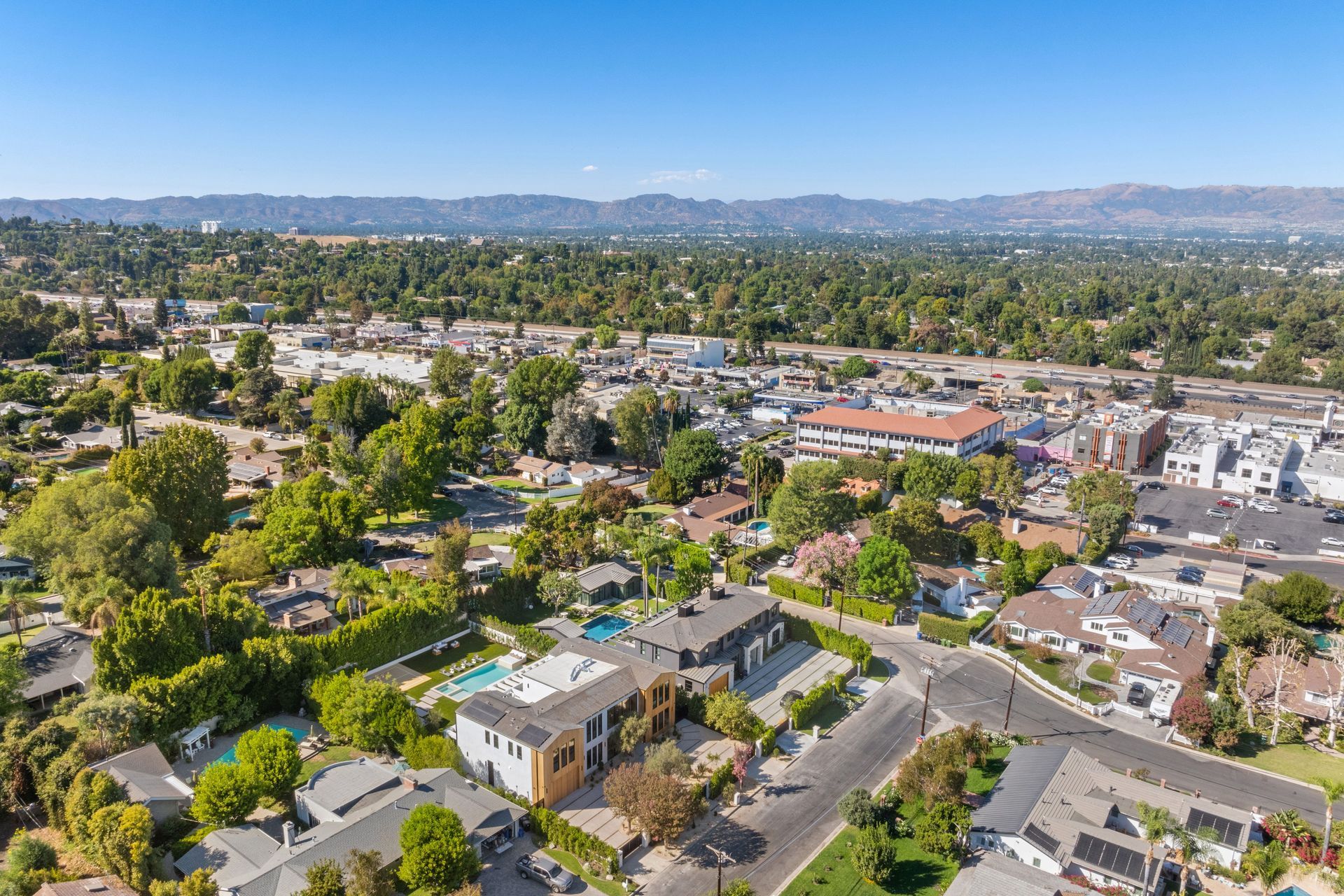
Home insurance helps protect your house, personal belongings, and liability risks. We explain coverage options clearly so you know what your policy includes.
Auto insurance provides protection for accidents, liability, and vehicle damage. We help you compare options so you can choose coverage that fits your driving needs.
Motorcycle insurance provides coverage for riders and their bikes. We help you select options that match how and where you ride.
RV insurance supports protection for motorhomes and recreational vehicles. Coverage applies during travel and while parked.
Coverage Built for Contractors and Trades
Support that keeps your work moving.

General Liability Insurance
General liability insurance helps protect contractors from injury and property damage claims. It supports jobsite requirements and contracts.

Workers Compensation
Workers compensation insurance helps protect employees injured while working. It also supports compliance with state requirements.

Commercial Auto Insurance
Commercial auto insurance provides coverage for work vehicles used on jobsites. It helps protect drivers and company vehicles.
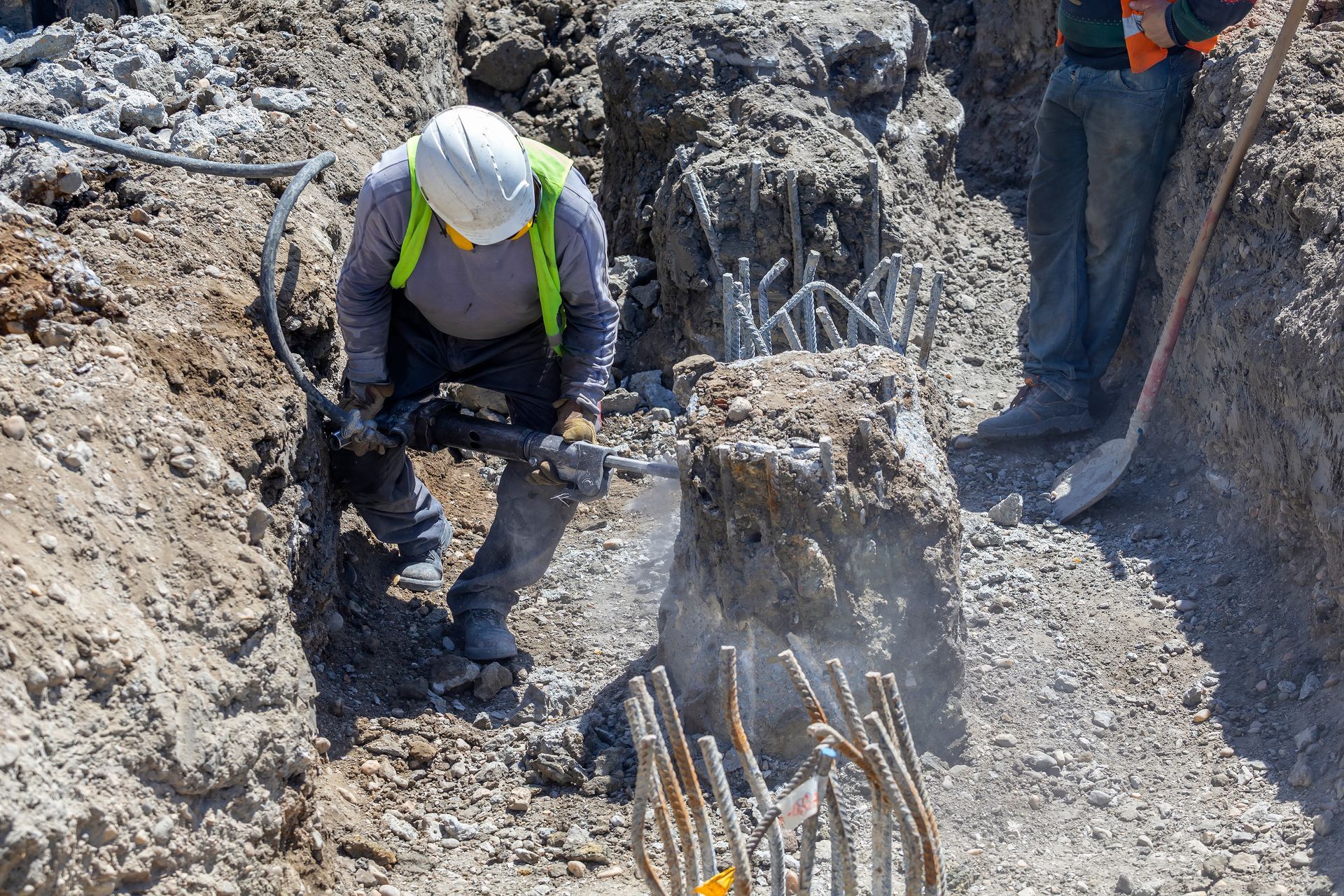
Contractor Insurance
Contractor insurance supports trades and service professionals across Southern California. It helps protect tools, equipment, and daily operations.

Cyber Liability Insurance
Cyber liability insurance helps protect business data and customer information. It supports recovery from digital incidents.

Commercial Property Insurance
Commercial property insurance helps protect offices, shops, and equipment. It supports recovery after covered damage.
Coverage Built for Specialized Work
Support for high-risk and service-driven industries.



Simple Steps Supported by Steady Guidance
A Clear Path to Coverage
Trusted by Clients Across Southern California
Clear service backed by real experiences.
Answers to Common Questions.
Clear explanations to guide your decisions.
How do I know which insurance policy is right for me?
We compare coverage options from multiple carriers to help you see differences in protection and price. You can review clear details and ask questions so you understand what each policy covers. Our team guides you step by step so you feel sure about your decision.
What factors affect my auto insurance premium?
Auto insurance premiums are influenced by your driving history, age, location, vehicle type, and coverage choices. A clean driving record and good safety features can help lower costs. We review these factors with you and help find coverage that fits your budget and needs.
Does homeowners insurance cover all types of damage?
Standard homeowners insurance protects your structure, personal belongings, liability, and additional living expenses in many cases. However, it usually does not include flood or earthquake damage without separate policies. We help you decide if extra coverage is right for your home and location.
Can I update my policy or get certificates online?
Yes. You can submit requests for policy changes and certificates through our online service form at any time. Our team processes those requests quickly and confirms updates once complete so you have the documents you need.
Do I need separate insurance for business risks like EPLI or E&O?
Yes. General liability and workers compensation cover many business risks but do not protect against all exposures. For example, Employment Practices Liability Insurance (EPLI) covers claims like wrongful termination or discrimination, and Errors & Omissions (E&O) covers claims based on mistakes in professional services. We help you identify which extra policies your business may need.
What happens if I need to file a claim?
If you need to file a claim, we guide you through the process and help you contact the insurance carrier. We explain what information you should provide, answer your questions, and stay available while the carrier reviews your claim. This support helps you move forward with confidence.
Contact Us