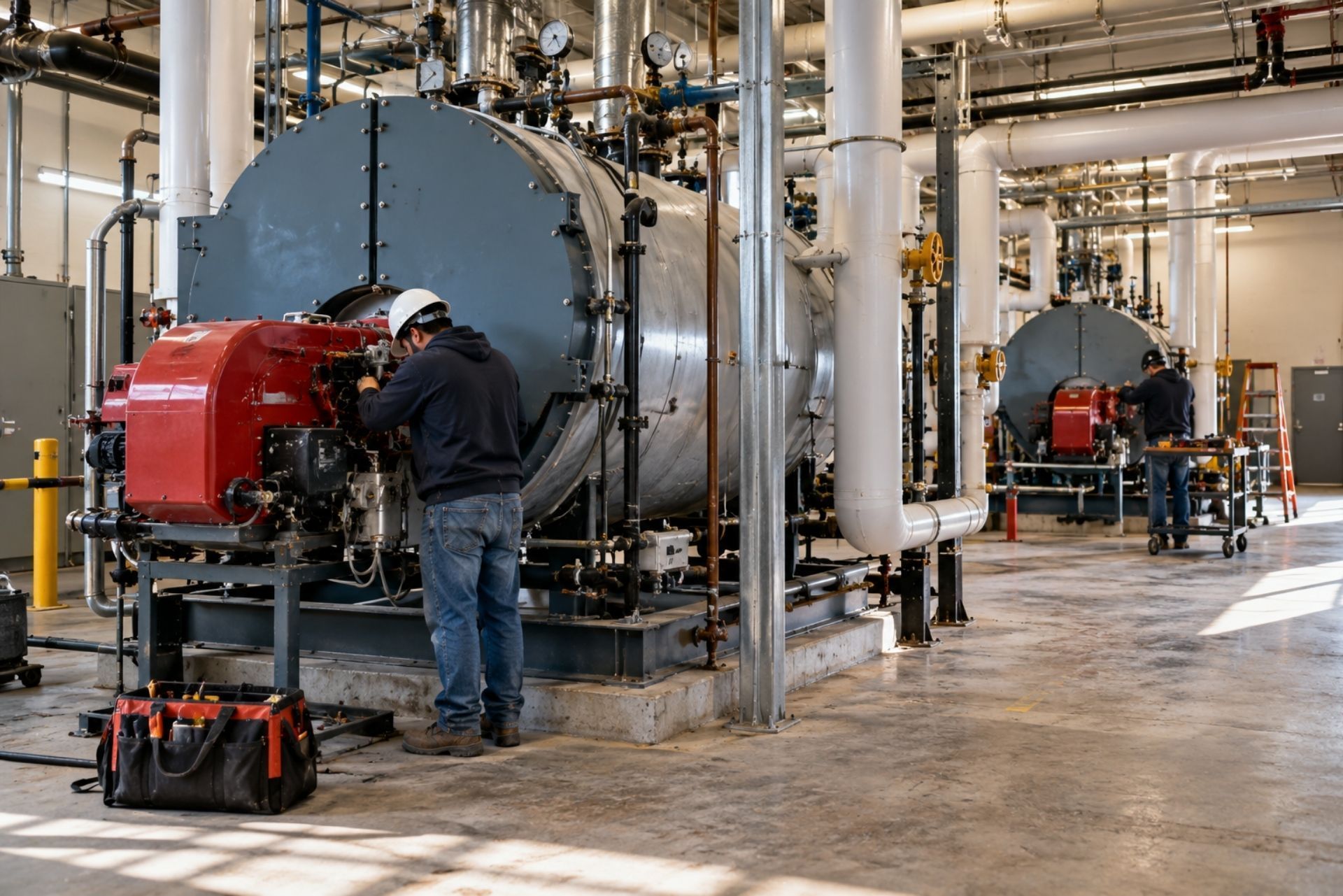
California boiler contractors carry more liability exposure than most trades. A single bad weld, an incorrectly set pressure relief valve, or a flue that backdrafts carbon monoxide can turn a routine service call into a six-figure claim. Your work also lives inside other people's buildings for decades, so a mistake can resurface years after you've cashed the check.
That's why insurance for boiler contractors in California deserves more thought than buying the cheapest general liability policy your license requires. Coverage gaps tend to stay hidden until something fails, a tenant gets hurt, or a property manager's attorney sends a demand letter. By then it's too late to fix the policy.
This guide covers the policies that matter most for a C-4 boiler, hot water heating, and steam fitting contractor: general liability, completed operations, equipment breakdown, inland marine, and workers' compensation. It also explains what drives your premiums and gives practical steps to keep them under control. The dollar figures below are illustrative examples rather than market quotes, so use them to understand the math and then get real numbers from a broker.
Essential Insurance Landscape for California Boiler Contractors
Most boiler contractors need a stack of five or six policies. Here's how they fit together:
- General liability (CGL): Covers third-party bodily injury and property damage caused by your operations.
- Completed operations: Usually part of the CGL. Covers claims that arise after a job is finished.
- Equipment breakdown: Covers mechanical or electrical failure of boilers and pressure vessels you own or are responsible for.
- Inland marine / contractor's equipment: Covers tools, test gear, and materials in transit or on job sites.
- Workers' compensation: Required by California law the moment you hire an employee.
- Commercial auto and umbrella: Covers your service vans and adds liability limits above your primary policies.
Two state-specific factors shape this picture. First, CSLB licensing requires a contractor bond, and many commercial clients and general contractors want certificates showing at least $1 million per occurrence and $2 million aggregate in liability coverage. Second, California's wildfire and earthquake exposure affects how carriers view property and equipment risk. That's especially true if you store inventory in a yard in a high fire hazard zone or work in older unreinforced buildings in the Bay Area or Los Angeles.
By: Peter Plew
Commercial Insurance Agent at Caruso Insurance Services
Core Coverage: General Liability and Completed Operations
General liability is the policy clients ask for first. For boiler work, though, the details inside the policy matter far more than whether you have one.
Protecting Against Third-Party Property Damage and Bodily Injury
Picture a common situation. You're replacing a commercial boiler in a 1960s apartment building in Oakland. A technician loosens a fitting on the wrong line, and water floods three ground-floor units overnight. Drywall, flooring, and tenant belongings add up to $85,000, and one tenant slips on the wet floor and fractures a wrist.
Your CGL policy should respond to both the property damage and the injury claim. Check your policy for these exclusions before you sign:
- Pollution exclusions that could bar claims involving carbon monoxide, fuel oil, or treatment chemicals. Ask for a limited pollution buyback or a separate contractor's pollution liability policy.
- "Your work" and "care, custody, or control" exclusions, which can deny coverage for damage to the boiler you're actively working on.
- Residential or habitational exclusions that some carriers use to avoid apartment work entirely.
The Critical Role of Completed Operations for Post-Installation Safety
Completed operations coverage is the most important line for boiler contractors and the one most often misunderstood. It covers injury or damage that happens after you've finished and left the site, such as a heat exchanger that cracks 18 months later or a venting error that causes CO poisoning in the second winter.
California's statute of repose for latent construction defects can reach 10 years. That means a claim can arrive long after the job is closed. If you switch carriers, buy a policy with a lower completed operations aggregate, or close your business without arranging tail coverage, you could be personally exposed. Confirm that your completed operations aggregate matches your general aggregate, and keep job records for at least a decade.
Specialized Protection: Equipment Breakdown and Inland Marine
Your general liability policy doesn't cover your own equipment, and a standard property policy usually excludes mechanical breakdown. Those gaps are filled by specialty coverage.
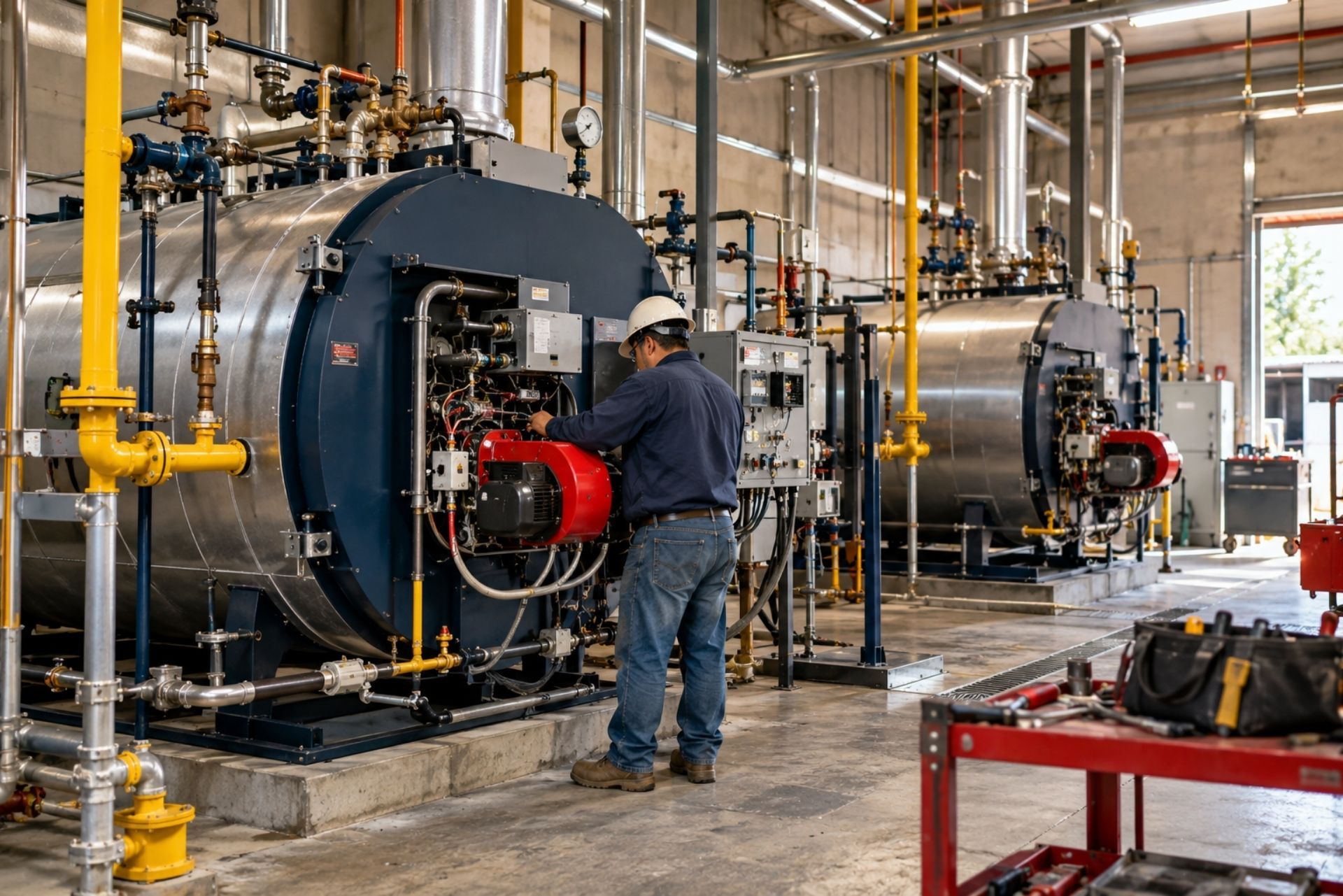
Equipment breakdown, sometimes called boiler and machinery coverage, pays for sudden mechanical or electrical failure, including pressure vessel ruptures, motor burnouts, and electrical arcing. It matters if you own a shop with its own heating plant, rent out temporary boilers, or contractually take responsibility for a client's equipment during commissioning. Many policies also include inspection services. Insurers often employ inspectors familiar with the pressure vessel rules enforced by Cal/OSHA, which can help you stay in compliance.
Inland marine, usually written as a contractor's equipment floater, covers the tools and gear that move between jobs: combustion analyzers, pipe threaders, welding rigs, and materials stored in your truck. Use a simple break-even test. Suppose you carry $60,000 in tools and test equipment and an inland marine policy costs $1,200 a year with a $1,000 deductible. A single van break-in that takes $15,000 in gear would cover more than 12 years of premiums. If your equipment schedule is current, the coverage is an easy decision. Update the schedule every time you buy something worth more than $1,000.
California Workers' Compensation and Legal Compliance
California doesn't give small employers any leeway. Under the Labor Code, every employer with even one employee, part-time or seasonal, must carry workers' compensation. Operating without it is a criminal offense and can lead to stop-order fines, penalties from the Division of Labor Standards Enforcement, and personal liability for an injured worker's full medical and wage costs.
The CSLB also requires licensees to file a workers' comp certificate or a valid exemption, and an exemption becomes void the day you hire someone. Rules on mandatory coverage for licensees have been changing, so check your current obligations directly with the CSLB before renewal instead of relying on what was true a few years ago.
Premiums are set by classification codes and pure premium rates from the Workers' Compensation Insurance Rating Bureau (WCIRB), applied per $100 of payroll. Boiler and steam fitting work falls into higher-hazard classes than office or sales staff. That makes accurate classification essential. If your office manager's payroll is reported under a field class, you could overpay by thousands of dollars every year.
Watch the 1099 trap as well. California's ABC test makes it very hard to treat a helper as an independent contractor. If an "independent" pipefitter gets burned on your job and the state decides he was really an employee, you'll pay the claim yourself if you weren't insured.
Premiums for boiler contractors cover a wide range, from a few thousand dollars a year for a solo residential tech to well over six figures for a commercial outfit with 30 field employees. Understanding what moves that number gives you some control over it.
Impact of Experience, Payroll, and Claims History
Carriers price on payroll, revenue, years in business, and loss history. A contractor with ten years of experience and clean loss runs will almost always get better terms than a two-year-old company. Once your workers' comp premium reaches the WCIRB eligibility threshold, you'll receive an experience modification rate (EMOD). A 0.80 EMOD gives you a 20% discount. A 1.30 EMOD adds a 30% surcharge.
Here's an example. On a base workers' comp premium of $50,000, the gap between those two mods is $25,000 a year. Because EMODs are calculated from three years of losses, one serious injury can raise your costs for three renewals in a row. Claims follow you in other ways too: carriers review five years of loss runs, and commercial property claims can show up in insurer-shared databases much like personal claims appear in the CLUE database. For small claims, compare the payout with the likely premium increase over three years before you file.
Regional Price Variations Within California
Location matters. Contractors in Los Angeles County and the Bay Area usually pay more for liability and auto coverage because of litigation rates, traffic density, and higher repair and medical costs. Fresno or Redding contractors may see lower liability rates but more scrutiny on property and equipment if they operate in high wildfire risk areas. If carriers won't write your shop or yard because of fire risk, the California FAIR Plan can provide basic property coverage as a last resort. You'll usually need a difference-in-conditions policy to fill the gaps it leaves.
Securing Your Business: Risk Management and Policy Selection
The contractors who pay the least for insurance usually aren't the ones shopping hardest. They're the ones underwriters trust. That trust comes from documented, repeatable safety practices:
- Document every job. Take photos before and after, keep combustion analysis printouts, record pressure test results, and get signed commissioning reports. When a claim shows up six years later, this file is your defense.
- Run an annual internal inspection of your vehicles, tools, and shop, and fix problems such as frayed cords, expired fire extinguishers, and unsecured gas cylinders before an auditor finds them.
- Put a written safety program in place. California requires an Injury and Illness Prevention Program (IIPP), and carriers ask to see it.
- Make subcontractors carry their own coverage. Require them to name you as an additional insured and collect current certificates before they start work.
- Review contracts for indemnity clauses that shift the client's negligence onto you beyond what your policy covers.
When you choose a policy, work with a broker who knows mechanical trades and can explain the exclusions in plain English. The best coverage for a California boiler contractor isn't the cheapest quote. It's the policy that still pays when a heat exchanger fails in year seven.
Take an honest look at your current coverage. If you can't answer three questions right now, schedule a review before your next renewal: what your completed operations aggregate is, whether CO claims are excluded, and what your EMOD will be next year.
ABOUT THE AUTHOR:
PETER PLEW
Hi my name is Peter Plew and I am a commercial insurance professional. I listen to and strategize with business owners about their visions of the future and assist in getting there as quickly as possible. I help identify unique exposure and risk’s that business owners have and the reasons why they need to be insured against them. My goal is to make sure my clients are always taken care of on a daily basis with any service needs, questions, or concerns they may have. I love to golf and spend time with my family in my spare time.
Contact Us

Service that stays with you.
Our team helps simplify insurance decisions for families and businesses. We focus on clear explanations, fast responses, and dependable service. You can count on us for help with coverage questions, updates, and long-term support.
Coverage that keeps you secure
Reliable Protection for Everyday Life
Home insurance helps protect your house, personal belongings, and liability risks. We explain coverage options clearly so you know what your policy includes.
Auto insurance provides protection for accidents, liability, and vehicle damage. We help you compare options so you can choose coverage that fits your driving needs.
Motorcycle insurance provides coverage for riders and their bikes. We help you select options that match how and where you ride.
RV insurance supports protection for motorhomes and recreational vehicles. Coverage applies during travel and while parked.
Coverage Built for Contractors and Trades
Support that keeps your work moving.

General Liability Insurance
General liability insurance helps protect contractors from injury and property damage claims. It supports jobsite requirements and contracts.

Workers Compensation
Workers compensation insurance helps protect employees injured while working. It also supports compliance with state requirements.
Commercial Auto Insurance
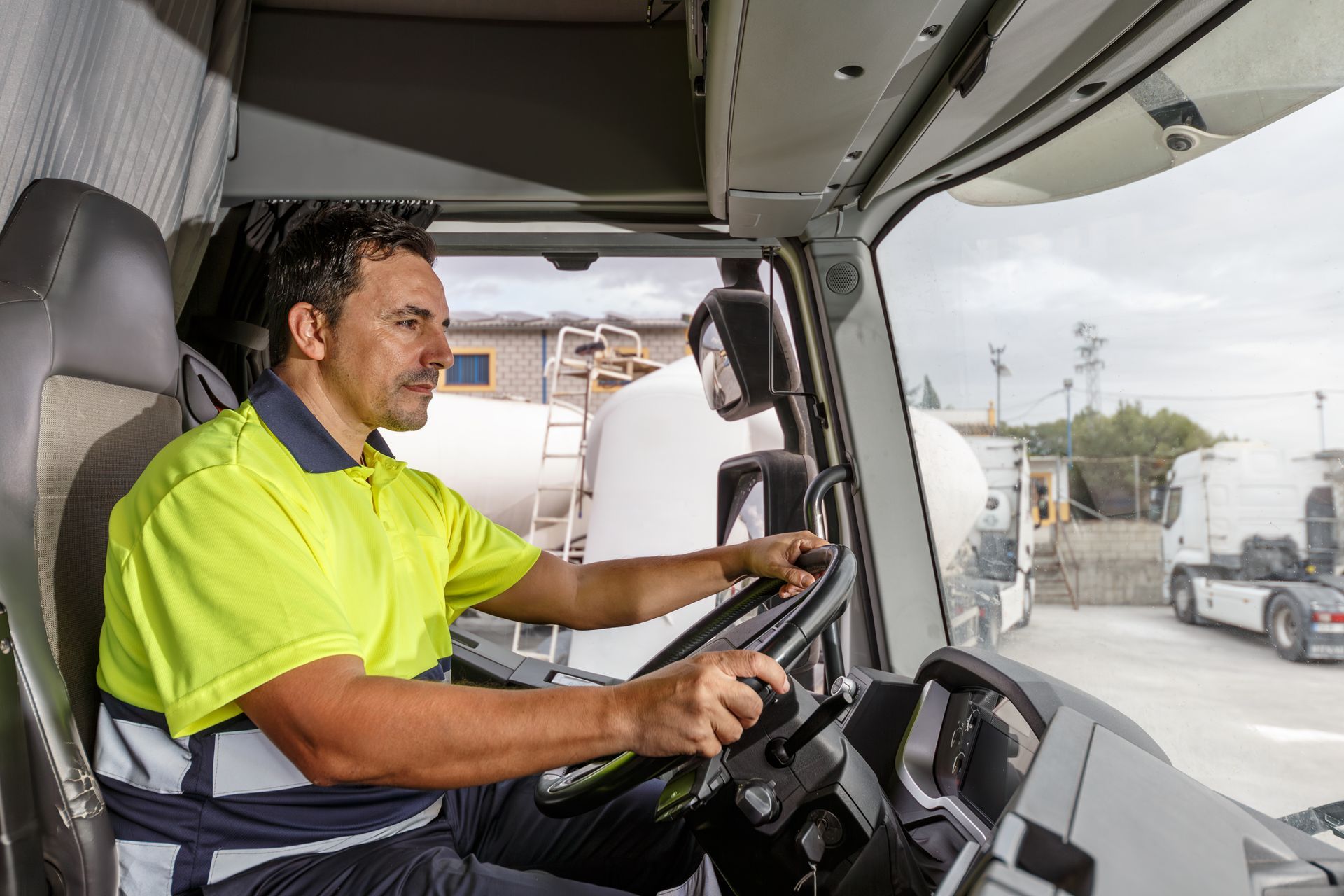
Commercial auto insurance provides coverage for work vehicles used on jobsites. It helps protect drivers and company vehicles.
Contractor Insurance
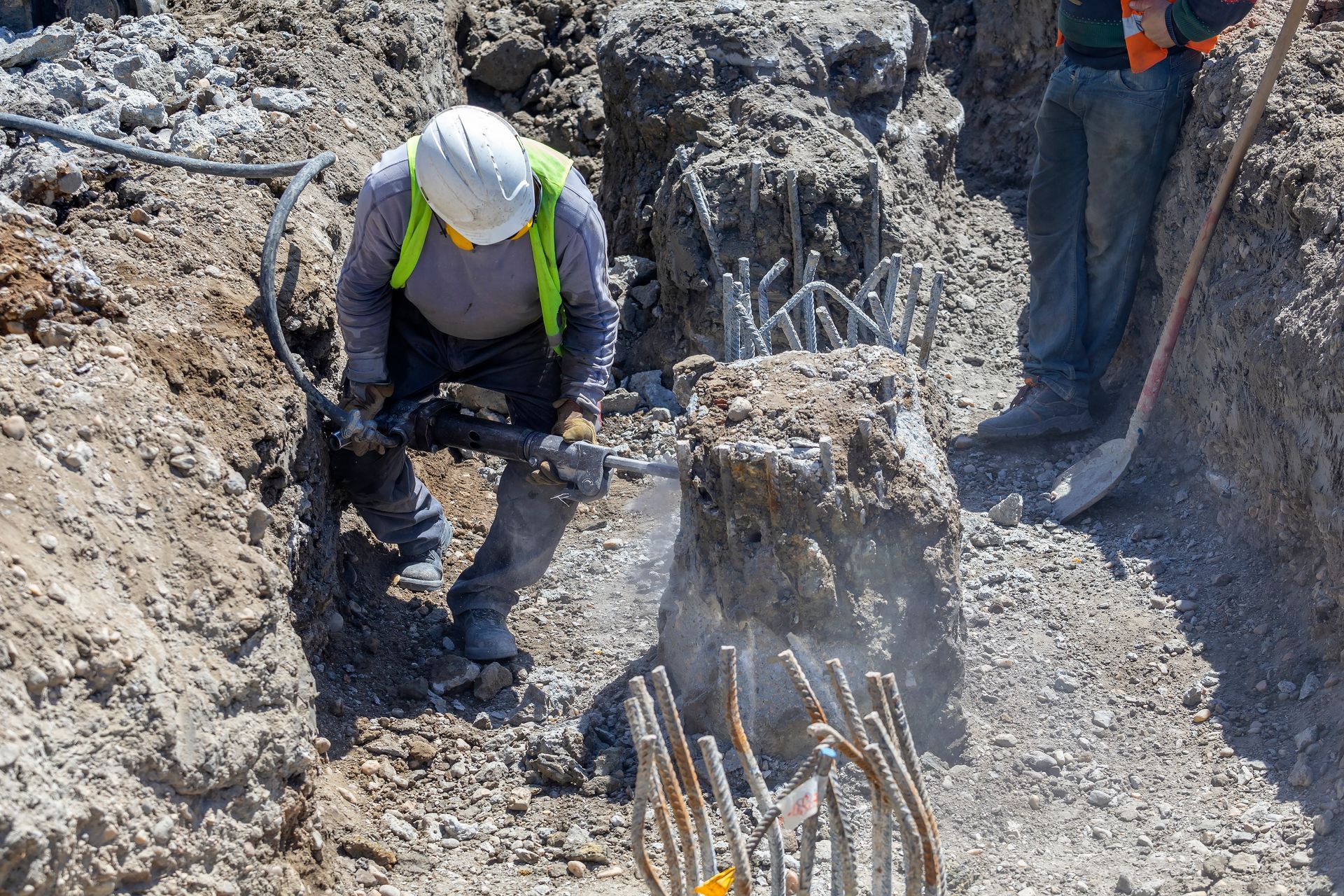
Contractor insurance supports trades and service professionals across Southern California. It helps protect tools, equipment, and daily operations.

Cyber Liability Insurance
Cyber liability insurance helps protect business data and customer information. It supports recovery from digital incidents.

Commercial Property Insurance
Commercial property insurance helps protect offices, shops, and equipment. It supports recovery after covered damage.
Coverage Built for Specialized Work
Support for high-risk and service-driven industries.
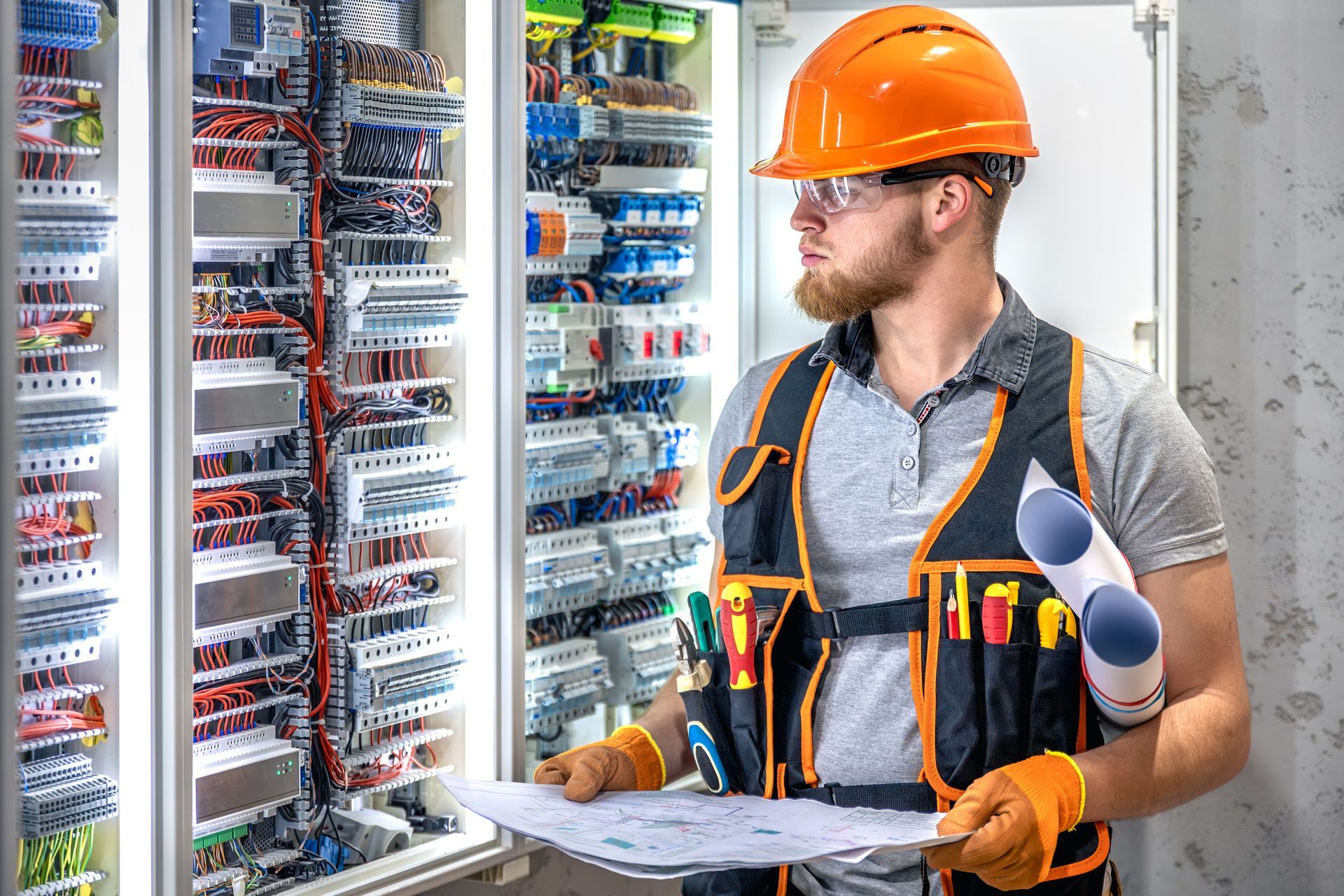
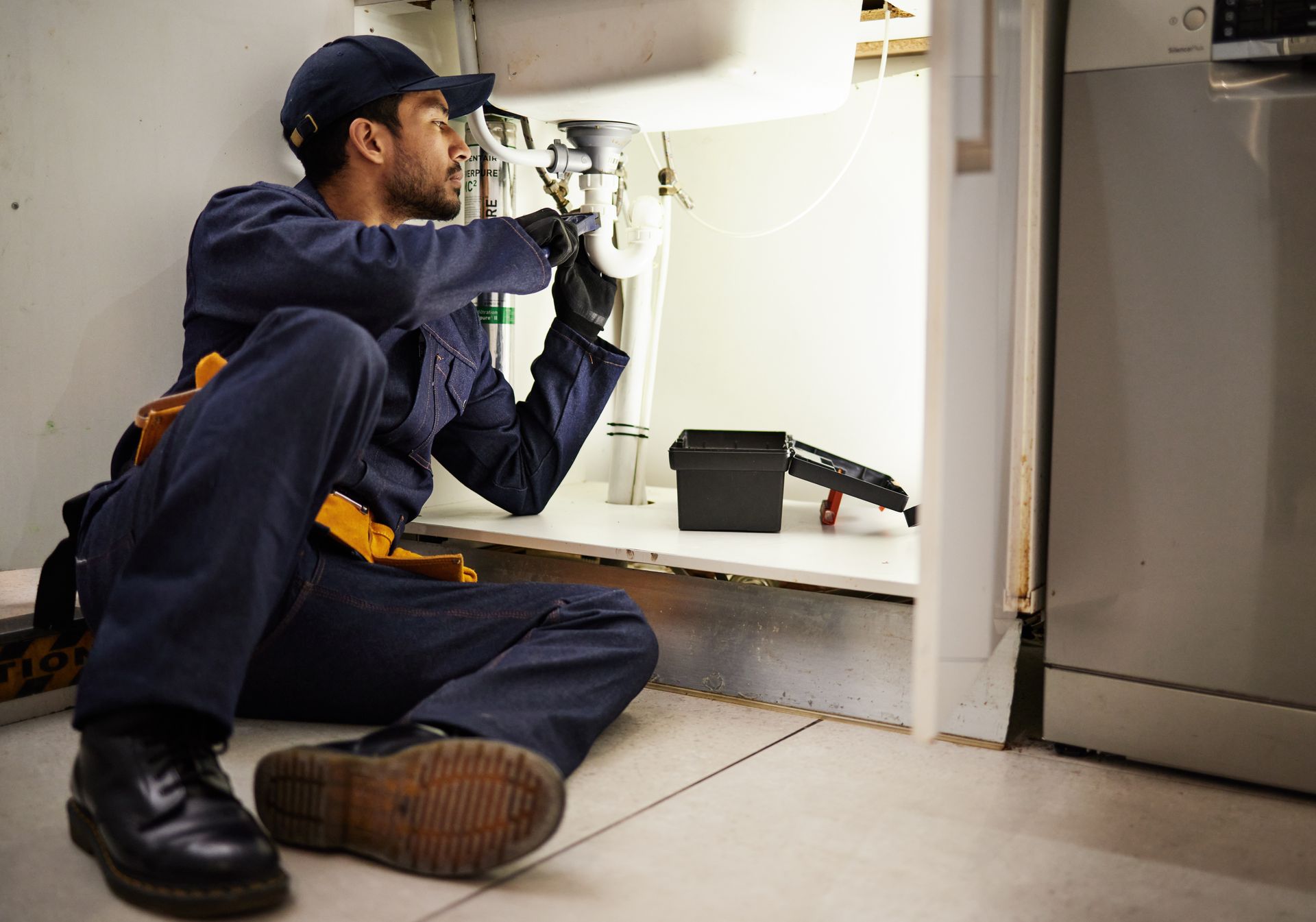
Simple Steps Supported by Steady Guidance
A Clear Path to Coverage
Trusted by Clients Across Southern California
Clear service backed by real experiences.
Answers to Common Questions.
Clear explanations to guide your decisions.
How do I know which insurance policy is right for me?
We compare coverage options from multiple carriers to help you see differences in protection and price. You can review clear details and ask questions so you understand what each policy covers. Our team guides you step by step so you feel sure about your decision.
What factors affect my auto insurance premium?
Auto insurance premiums are influenced by your driving history, age, location, vehicle type, and coverage choices. A clean driving record and good safety features can help lower costs. We review these factors with you and help find coverage that fits your budget and needs.
Does homeowners insurance cover all types of damage?
Standard homeowners insurance protects your structure, personal belongings, liability, and additional living expenses in many cases. However, it usually does not include flood or earthquake damage without separate policies. We help you decide if extra coverage is right for your home and location.
Can I update my policy or get certificates online?
Yes. You can submit requests for policy changes and certificates through our online service form at any time. Our team processes those requests quickly and confirms updates once complete so you have the documents you need.
Do I need separate insurance for business risks like EPLI or E&O?
Yes. General liability and workers compensation cover many business risks but do not protect against all exposures. For example, Employment Practices Liability Insurance (EPLI) covers claims like wrongful termination or discrimination, and Errors & Omissions (E&O) covers claims based on mistakes in professional services. We help you identify which extra policies your business may need.
What happens if I need to file a claim?
If you need to file a claim, we guide you through the process and help you contact the insurance carrier. We explain what information you should provide, answer your questions, and stay available while the carrier reviews your claim. This support helps you move forward with confidence.
Contact Us