California Day Spa Insurance
Insurance coverage designed to protect HVAC contractors and their daily operations.
or call us: 951-547-6770
A carefully chosen policy can be the difference between smooth operations and costly disruptions. When a day spa in California runs into unexpected claims or operational challenges, the right insurance policy not only protects assets but also safeguards reputations. Insurance remains critical as the industry adapts to regulatory changes, evolving consumer expectations, and economic pressures. In 2023, the North American spa market was valued at $71 billion according to Ken Research, and with a significant share of that market housed in California, a tailored insurance strategy is essential.
Day spas in California face unique challenges, including exposure to legal risks, property damages, and potential liability claims. With a recent spate of regulatory changes and updates in fee schedules that impact recovery costs, business owners need to understand both the risks and the coverage options available. Whether it is due to misclassification of staff or errors in billing procedures, the potential for claims in the spa industry demands proactive risk management through the right coverage plan.
Below is an in-depth guide to navigating California day spa insurance, tailored to address risks from property damage to liability claims and tailored specifically to California’s regulatory framework.
Understanding the Unique Risks in California Day Spas
California day spas are a blend of luxury service and wellness therapy. Clients walk in for treatments that range from massages to hydrotherapy, with the expectation of both exceptional results and safety. However, these establishments also face risks that extend beyond day-to-day operations, including potential worker misclassification, regulatory scrutiny, and fluctuating claim costs.
Misclassification remains a serious area of concern for California employers. A notable instance was observed in July 2025 when the California Labor Commissioner’s Office issued over $2 million in citations against a luxury hospitality brand and subcontractors for misclassifying 155 janitors as independent contractors reported by AgeWell Service. Even though this case involves janitorial work, similar misclassification concerns can arise within spa operations, where independent contractors might be used for certain specialized treatments. The need for proper classification affects worker benefits and insurance liabilities alike.
Additionally, rising overhead costs are pressuring the industry. Consumer purchasing power is squeezed by pressure from inflation, rising wages, and increased operational overheads. This interplay between operational costs and available coverage makes it imperative for spa owners to look beyond standard policies and seek specialized coverage designed for day spas. It is a balancing act that requires careful analysis and planning.

By: Danielle Sweet
Commercial Insurance Agent at Caruso Insurance Services
The Economics of Spa Operations in California
Growth in the Spa Market
In the past few years, the spa industry has witnessed robust growth. Following the economic rebound after the pandemic, many providers recorded sharp increases in revenue. For example, a 2024 study by the International SPA Association showed that revenues climbed by an estimated 11.1% in 2022, pushing the industry above the $20 billion threshold as documented by ISPA.
This growth in market revenue reflects both increasing consumer demand and a broader emphasis on health and wellness. Yet, as the industry expands, so too do the associated risks. With more money flowing into the industry comes heightened regulatory oversight and more complex liability cases. One must factor in not only the booming revenue lines but also the cost of securing high-ticket medical treatments, specialized equipment, and advanced facilities.
The financial health of California spas depends on balancing increased front-end revenue with strong backend risk management measures. Policies must be robust enough to handle claims resulting from both property damages and operational liabilities.
Impact of Regulatory and Economic Pressures
Economic challenges such as price inflation and rising interest rates add complexity to the broader business environment. A study highlighted by the International SPA Association notes that these pressures are affecting consumer spending power while concurrently driving higher wages and overhead costs according to ISPA. For a day spa owner in California, this creates a twofold challenge: maintaining competitive pricing while safeguarding profit margins through efficient insurance and risk management strategies.
An important aspect of the economic environment is the consistency in rising claims-linked costs. Medical payments per claim have seen incremental increases driven by higher medical utilization, increased medical prices, and regulatory fee adjustments – details noted by Sebastian Negrusa, WCRI vice president of research as reported by WCRI. Even subtle changes in these figures can translate into significant financial exposure over time.
Therefore, day spa operators must realize that effective insurance coverage is not a static purchase but a dynamic element of their business strategy. Constantly monitoring economic trends and adjusting policy details accordingly remains essential in an environment marked by uncertainty and rapid change.
Types of Insurance Critical for California Day Spas
Not all general liability policies will protect every aspect of a day spa's operations. Given the specific risks associated with spa treatments and facility management, several specialized policies should be considered essential. The following sections outline the primary types of insurance coverage that California day spas should examine closely.
General Liability Insurance
General liability insurance forms the bedrock of operational protection. This policy covers bodily injury and property damage arising from everyday operations. Whether a client experiences an allergic reaction to a product or a slip and fall accident occurs inside the spa facility, general liability insurance offers crucial financial protection.
The importance of this policy becomes particularly significant when considering the nature of day spa services, which involve hands-on treatments in a sometimes delicate therapeutic environment. The variability of treatments and the individualized nature of client care means that claims can arise unexpectedly, making comprehensive coverage a necessity.
Day spa managers should look for policies that extend coverage to incidents linked with beautician treatments and spa-related injuries. Ensuring that coverage limits are adequately high is paramount given potential medical cost escalations. In practice, this translates to scrutinizing policy details and verifying that applicable exclusions are minimal.
Property Insurance
Property insurance is vital for protecting the physical space of the spa. Day spas often house expensive equipment, interior design investments, and specialized treatment tools. This policy covers damage due to fire, theft, or natural disasters, ensuring that assets are protected against sudden and unexpected losses. Given the intricate and aesthetic nature of many California day spas, restoring damaged décor and equipment can be particularly expensive.
Investing in the right property insurance can mitigate steep losses, allowing quick recovery from setbacks. Additionally, property insurance complements general liability policies by covering the facility’s physical infrastructure, thereby reducing operational downtime. Regular policy reviews are important to manage potential gaps in coverage as spa facilities evolve or upgrade systems and décor.
When evaluating property insurance, it becomes critical to work with insurers who understand the unique demands of the spa sector. This specialized approach can ensure that both common and niche risks are addressed.
Professional Liability and Errors & Omissions
Day spa treatments require a high degree of personal interaction and specialized expertise. Professional liability, which covers mistakes or oversights in service delivery, protects spa professionals against claims arising from errors during treatments. When clients experience dissatisfaction or alleged mistakes, the resulting lawsuits can be financially crippling without robust coverage.
Errors and omissions insurance fills the gaps by protecting against claims of negligence. The complexity of spa treatments and the personalized nature of many services mean that even minor errors can escalate into legal disputes. Professional liability policies are designed to cover legal fees and settlement costs, offering an additional layer of protection that general liability may not encompass.
This coverage is especially important in California, where litigation can be particularly aggressive. The policy should be benchmarked to reflect common spa scenarios, including misdiagnosis of skin conditions or allergic reactions to treatments.
Workers Compensation Insurance
Worker-related risks in day spas are not limited to misclassification concerns. Workers compensation insurance covers medical fees and lost wages should an employee face an injury on the job. The rising trend of increased medical costs per claim, as noted by industry experts, underscores the financial risk of underinsured or uninsured employees according to WCRI.
With day spas employing a varied workforce-from full-time therapists to part-time aestheticians-it is critical to ensure that each employee is covered appropriately. Unforeseen injuries not only impact the wellbeing of staff but also disrupt service delivery, causing potential reputational damage. Crafting a workers compensation policy that reflects both the frequency and potential severity of claims is thus a prudent business strategy.
Regular audits and counseling with experts on workers compensation can reveal any coverage gaps and ensure that the spa meets not just regulatory requirements but also best practices for employee safety.
Liability Insurance Specific to Spa Operations
Liability coverage tailored to the spa environment often includes protection from claims related to malpractice, property damage during treatments, and customer injuries linked to specialized procedures. Some insurers offer specific add-ons or endorsements that address claims unique to day spas, ensuring comprehensive protection tailored to industry nuances.
For instance, a policy might cover claims arising from the use of specialized therapeutic equipment, ensuring that if a device malfunctions and leads to injury, the spa is covered. This is particularly useful in an industry where technological innovations and treatments are constantly evolving. The average cost for spa liability insurance is around $46 per month, providing coverage of up to $1 million as reported by LAACIB. While this might seem like a small investment compared to overall revenue, the benefits in terms of reduced risk exposure are substantial.
It is crucial to compare policy details and insurer reputations, ensuring that the liability coverage is not just comprehensive but also managed by professionals proactive in understanding the spa industry’s particular risks.

Developing a Comprehensive Insurance Strategy for California Day Spas
Developing a robust insurance strategy is a layered process. It starts with understanding the specific needs of a day spa-from staffing and operational procedures to the nuances of the services provided. Tailored coverage is indispensable, given that standard business policies might not address unique spa-related risks.
This process begins with a deep dive into day-to-day operations, identifying potential liabilities in interactions with clients and employees alike. Risk management strategies should consider both internal vulnerabilities and external factors, such as changes in regulatory policies or economic pressures affecting medical claims.
Insurance professionals recommend that spa operators work closely with experienced agents, ideally those with industry-specific expertise. Doing so helps ensure that policies are customized to meet the operational realities of a day spa and that emerging risks are addressed proactively.
Risk Assessment and Policy Gap Analysis
Before finalizing insurance coverage, a thorough risk assessment can highlight specific vulnerabilities. Spa operators should evaluate risks unique to their location, the types of treatments offered, and the structure of their workforce. For instance, if a spa frequently employs independent contractors for cosmetic treatments, the risk profile may differ significantly from that of a spa with a fixed, full-time staff.
Misclassification of employees remains a critical issue. Regulatory actions in California, including the high-profile case involving misclassification of janitorial staff reported by AgeWell Service, serve as a cautionary tale. A detailed analysis can show whether existing insurance policies offer sufficient protection against claims related to worker classification.
By performing a policy gap analysis, operators can identify areas where supplemental coverage might be warranted. These include endorsements for specialized equipment, enhanced professional liability options, or tailored workers compensation policies. Consulting with risk management experts and insurance professionals can transform a one-size-fits-all policy into a finely tuned risk mitigation tool, ensuring that every potential exposure is addressed.
Customizing Coverage for Specific Needs
Individual day spas have varying risk profiles, making insurance customization paramount. Operators might encounter different risks based on service offerings, location, and even clientele demographics. A spa focusing on high-end cosmetic treatments may face different legal challenges compared to one offering traditional massage therapies.
Customization often means reviewing policy endorsements, increasing liability limits, and incorporating specific exclusions that directly address service-related risks. For instance, a spa may wish to add a rider for advanced equipment protection or expand its general liability to account for potential medical claims from specialized treatments.
The process of crafting a customized insurance package involves close collaboration between spa owners and insurance agents. Through detailed risk mapping and scenario planning, insurers can recommend specific policy adjustments that align tightly with the business model. This tailored approach not only bridges insurance gaps but also offers business owners enhanced peace of mind as they focus on daily operations.
Practical Steps to Secure the Right Insurance for California Day Spas
Securing adequate insurance coverage involves more than signing on the dotted line. The process demands an understanding of the industry, dialogue with experts, and constant re-evaluation as market conditions evolve. The following steps provide a roadmap for California day spa operators looking to build a secure insurance portfolio.
Identify Core Risks and Coverage Needs
Start by mapping out the operations and unique risks inherent in the day spa business. Consider areas such as property damage, client injuries, professional liability claims, and worker-related incidents. Operators should also account for the unique challenges posed by economic pressures, including increased medical claim costs and overhead expenses.
Integrating data points from industry studies, such as the 2024 ISPA U.S. Spa Industry Study, can help in quantifying risk. The study noted that the industry experienced a significant rebound post-pandemic, signaling both recent growth and evolving risk profiles per ISPA. With a clear understanding of these variables, a spa owner can more confidently negotiate coverage terms that accurately reflect the business risk landscape.
Another key aspect is to survey past incidents and near misses within the business. Consistent documentation of past claims and operational hiccups can inform what coverage is really needed, thereby avoiding excessive or insufficient policy limits.
Select a Knowledgeable Insurance Broker
Partnering with an insurance broker who understands not only general industry risk but also the idiosyncrasies of the day spa business is critical. A seasoned broker can pinpoint areas where standard policies fall short and suggest tailored endorsements that align with California’s regulatory environment. This collaboration typically involves reviewing risk assessments and customizing policies to fill all potential exposure gaps.
Looking for agents with industry-specific credentials can be beneficial. Their deep understanding translates into more accurate and comprehensive policy recommendations. This personalized approach gives spa operators confidence that every potential claim scenario is covered.
Engaging with a reputable broker streamlines the process of policy adjustments and continuous risk monitoring. As laws and market dynamics shift, these professionals can advise on proactive policy modifications, ensuring that your day spa stays protected over time.
Regular Reviews and Adjustments
The spa business is dynamic, and so too should be your insurance coverage. Regular policy reviews ensure that any modifications in business operations, expansion in services offered, or changes in the workforce are accurately reflected in your coverages. Relying on static policies in a rapidly evolving economic landscape can leave exposures unaddressed.
Annual reviews, paired with insights from industry studies and local economic trends, provide the clarity needed to adjust limits and endorsements accordingly. This proactive approach not only aligns coverage with real-time risks but also prepares the business for unexpected contingencies, such as sudden rises in medical payments per claim linked to new treatment protocols.
When operations change-be it through facility upgrades, changes in service offerings, or modifications in work structure-ensuring that your policy evolves in tandem is key to long-term stability and risk management.
Comparing Policies: A Snapshot of Essential Coverage Components
The decision-making process for day spa insurance often involves comparing several policies to ensure that every potential risk is adequately covered. Below is a table that outlines key coverage areas and sample policy components essential for California day spas.
| Coverage Type | Key Protection Areas | Potential Gaps |
|---|---|---|
| General Liability | Client injuries, property damage, operational mishaps | Exclusions in service-related claims |
| Property Insurance | Damage to facilities, equipment, and décor | High-value specialized equipment may require endorsements |
| Professional Liability | Service errors, treatment-related injuries, misdiagnoses | Coverage limits may need upgrading for complex treatments |
| Workers Compensation | Employee injuries, lost wages, medical claims | Potential misclassification risks and rising claim costs |
| Specialized Spa Endorsements | Malfunctioning equipment, advanced treatment claims | Specific exclusions not covered under general liability |
This table offers a quick reference to assess whether each policy meets the detailed needs of a day spa. In some cases, further customization may be required to bridge any identified gaps.
Legal and Regulatory Considerations in California
Compliance with state and local regulations is a top priority for day spa owners in California. Policies must be crafted not just with business operations in mind, but also the intricate state-specific legal landscape. Since California’s regulatory environment has been under increased scrutiny, careful attention must be paid to worker classifications and related liabilities.
Several recent cases underscore the importance of adhering strictly to labor and employment norms. For instance, the sanctions imposed on major brands for worker misclassification signal that insurers and regulators alike hold these issues in high regard. Keeping up-to-date with California laws ensures that any insurance policy not only provides financial protection but also aligns with legal mandates.
Working closely with legal advisors who specialize in California labor and insurance law is a crucial step toward implementing sound risk management policies. These professionals can assist in interpreting how recent regulatory updates affect policy details and ensure that coverage limits are compliant with state guidelines.
Staying Ahead of Regulatory Shifts
Day spa operators must be vigilant about impending changes in regulations and labor practices. Wrongful classifications or unchecked operational practices can lead to hefty fines and elevated insurance claims. Industry experts note that policy adjustments must account for evolving state fee schedules that impact medical claim amounts sharing insights from WCRI.
Advanced planning and routine consultations with insurance advisers serve as safeguards against regulatory fines and exposure. In particular, protection measures such as workers compensation and specialized endorsements become even more critical when labor classifications are in focus. An ongoing relationship with insurers and legal experts keeps policies updated and aligned with state mandates.
With continuous legal reviews, spa owners can remain confident that compliance is not an afterthought but a core element of comprehensive risk management.
Adopting modern technology can greatly enhance operational efficiencies and risk management practices in day spas. Digital scheduling systems, client feedback platforms, and even advanced security solutions contribute to minimizing daily operational risks. In addition, these integrations can directly influence insurance premiums, as documented risk mitigation measures are more favorable in the eyes of insurers.
Insurance companies now increasingly offer digital tools to help track claims, manage policies, and even monitor on-site risks. Integrating such tools not only streamlines claims processes but can also result in lower premiums by demonstrating a proactive approach to risk management. Many insurers offer discounts if a spa maintains a digital system to monitor facility safety and manage incidents efficiently.
Leveraging technology can also simplify the process of renewing policies and updating coverage as business models evolve. This proactive digitization underscores today’s business environment where responsive insurance solutions are developed hand-in-hand with technological improvements, ensuring that operational data drives risk assessments in real time.
Best Practices for California Day Spa Operators
Being proactive is the key to reducing risk exposure while ensuring continued operational resilience. Implementing best practices not only helps create a safer environment for employees and clients but also has a direct positive effect on insurance premiums and policy terms. Embracing such practices is as much an operational imperative as it is an insurance strategy.
Staff training programs, clear protocols for appointment cancellations, hygiene standards, and emergency response strategies are all common threads among successful California day spas. Best practices are most effective when they are formally documented and periodically reviewed to incorporate the latest industry developments.
Regularly scheduled audits, both internal and by third-party experts, can provide insight into operational strengths and vulnerabilities. Methodical record-keeping and incident tracking are critical, as they lead to data-driven adjustments in insurance policies that better reflect the evolving risk landscape.
Employee Training and Certification Programs
One of the most effective measures to reduce liability is investing in thorough employee training. Ensuring that all staff are well-versed in operational protocols, emergency procedures, and customer service standards can drastically minimize the potential for accidents or disputes that might lead to claims.
Certain certifications in safety and customer care, particularly in hygienic practices in treatment rooms, add a further layer of protection. Training can be effective in areas ranging from proper equipment use to handling minor injuries. This not only boosts overall operational efficiency but also acts as a reinforcement that may favorably influence insurance assessments during policy renewals.
Spas that invest in ongoing training programs signal a commitment to safety and quality care, which are valued by both customers and insurers alike. This proactive approach often leads to fewer claims, which in turn reflects favorably in policy premiums and renewal conditions.
Maintaining Clear Documentation and Incident Records
Documenting incidents and maintaining accurate records of all operational matters form an indispensable part of best practices. Clear documentation helps in the event of a claim, as it provides a chronological record of events, training sessions, policy updates, and any corrective actions taken.
Regular audits and updated logs contribute to better risk management by highlighting recurring issues. A well-maintained documentation system can also lend credibility during legal proceedings, should any disputes arise from service claims. In this way, disciplined record keeping serves dual roles: operational improvement and enhanced credibility with insurers.
In a regulated market like California, this careful documentation may play a significant role in defense strategies during claim disputes, evidence-based policy reviews, and annual risk assessments.
Future Trends and Their Impact on California Day Spa Insurance
The dynamic nature of the spa industry is reflected in emerging trends that will inevitably shape insurance practices in the near future. As consumer demand grows and new treatments emerge, risk exposures evolve. Operators must prepare by anticipating these changes and adapting their policies accordingly.
Recent recoveries in the spa industry have been remarkable, with service revenue bouncing back strongly after the pandemic, and certain studies even citing increases of over 49.4% in revenue during the immediate recovery phase as noted in the ISPA study. However, this growth is accompanied by challenges such as price inflation, rising medical claim costs, and subsequent increases in overall insurance premiums.
As technological advances introduce new treatment modalities and diagnostic tools, the potential for both innovative therapies and associated risks will expand. Insurers are likely to refine policies further that specifically address such emerging risks, offering add-ons and riders that reflect the modern workings of a digitally integrated spa operation.
Adapting to Economic Pressures and Industry Growth
Day spas must be prepared to negotiate coverage renewal terms as economic pressures mount. With interest rates fluctuating and the cost of claims rising-driven in part by increases in medical utilization and state fee adjustments-new policy iterations may include higher premiums or modified coverage limits. This underscores the need for ongoing dialogue with insurance providers to ensure that policies remain both competitive and comprehensive.
Operators should also anticipate that as the industry grows, the competitive landscape among insurers will drive innovations in policy offerings. Building robust and flexible coverage now lays the groundwork for adapting as future trends reshape the economic environment.
Adapting to these shifts involves both a constant vigilance over the regulatory environment and proactive adjustments to the coverage portfolio. Such forward-thinking strategies not only mitigate risk but also ensure more favorable terms during periodic renewals.
Integrating Client Feedback and Industry Benchmarks
Day spa operators are increasingly encouraged to integrate client feedback into their service and operational reviews. Client experiences can reveal underlying risks and expose areas where operational improvements are needed. Positive client feedback often correlates with well-managed risk environments and may contribute to lower insurance claim frequencies.
Industry benchmarks also provide valuable guidance on what constitutes an effective risk management plan. Comparing one’s own procedures against established best practices can offer insights into potential policy adjustments or enhancements that might save costs down the road.
Insurance companies often take note when operators implement systematic changes driven by client feedback. These changes can eventually lead to better tailored policies that reward proactive risk management strategies and lower overall exposure to claims.
Frequently Asked Questions
This FAQ section addresses common questions from California day spa operators about insurance policies, risk management, and regulatory compliance. The responses provide concise and direct answers to everyday concerns.
Q: What is the most critical type of insurance for a California day spa?
A: General liability insurance is typically the foundation for protecting against client injuries and property damage. However, day spas should also consider customized coverage that includes professional liability, workers compensation, and specialty endorsements.
Q: How does misclassification of workers impact insurance policies?
A: Misclassification can lead to regulatory fines and inflated claim costs. Recent enforcement actions in California highlight the importance of proper worker classification, which, if mishandled, might also result in higher insurance premiums.
Q: Are there specific endorsements available for specialized spa treatments?
A: Yes, some insurers offer endorsements that specifically cover advanced treatment equipment and procedures. These endorsements are designed to address risks unique to the spa environment.
Q: How often should a California day spa review its insurance policies?
A: Annual reviews are recommended. However, policy changes should be considered whenever there are significant operational shifts, regulatory changes, or market economic fluctuations.
Q: Can technology impact insurance premiums for day spas?
A: Absolutely. Integrating digital risk management tools and monitoring systems can demonstrate proactive risk mitigation. This, in turn, may help secure lower premiums and enhance the overall effectiveness of insurance coverage.
Q: What role does economic inflation play in determining insurance costs?
A: As inflation and increased medical claim costs continue to rise-factors highlighted by recent industry studies-insurance policies may need adjustments in premiums and coverage limits. Operators are encouraged to remain in close contact with their insurance brokers for timely updates.
Wrapping Things Up
California day spas operate in a unique landscape where luxury service meets complex risk management. Navigating this environment requires not just a reactive approach but a proactive insurance strategy that evolves with business trends and regulatory updates. From general liability and property insurance to specialized endorsements for spa-specific risks, each facet of coverage plays an indispensable role in safeguarding against unexpected claims.
Formulating a comprehensive insurance strategy involves understanding the economic environment, managing regulatory challenges, and remaining agile enough to adapt as the business grows. With the North American spa market showcasing significant growth as reported by Ken Research, California day spas need coverage tailored precisely to their circumstances.
Engaging knowledgeable brokers, investing in regular risk assessments, and adopting technology to monitor risks are practical steps that can yield long-term benefits. As the industry continues to evolve under changing economic pressures and regulatory landscapes, a well-crafted insurance policy remains a cornerstone of operational resilience and business success.
Final Thoughts
Deciding on the right insurance plan is critical for maintaining a stable business environment in California’s competitive and highly regulated spa industry. By addressing core risks, customizing coverage, and engaging in ongoing policy evaluations, day spa operators can minimize vulnerabilities while maximizing business continuity.
The blend of comprehensive assessments, industry insights, and proactive risk management equips California day spas to not only meet current challenges but also to adapt effectively to future trends. With a disciplined approach to coverage and compliance, the ultimate goal is to keep the focus on delivering exceptional wellness services without being derailed by unforeseen liabilities.
Staying informed through in-depth research, leveraging expert insights from sources like the International SPA Association and WCRI, and maintaining an agile approach to policy management are the keys to success. This dynamic strategy paves the way for thriving operations in an ever-changing market, ensuring that day spas continue to offer premium services while mitigating risks effectively as
highlighted by LAACIB.
ABOUT THE AUTHOR:
DANIELLE SWEET
HI! I am Danielle Sweet your insurance extraordinaire. I have been in the insurance industry since I was 19 years old working in many different areas of insurance to provide a broad knowledge base to our clients. I have three amazing children who keep me on my toes even as they are older. I have a passion for horses and am lucky to ride every week. I am truly blessed to be able to help business owners and individuals navigate the world of insurance and educate you to make an informed decision that is right for you.
Contact Us

Service that stays with you.
Our team helps simplify insurance decisions for families and businesses. We focus on clear explanations, fast responses, and dependable service. You can count on us for help with coverage questions, updates, and long-term support.
Coverage that keeps you secure
Reliable Protection for Everyday Life
Home insurance helps protect your house, personal belongings, and liability risks. We explain coverage options clearly so you know what your policy includes.
Auto insurance provides protection for accidents, liability, and vehicle damage. We help you compare options so you can choose coverage that fits your driving needs.
Motorcycle insurance provides coverage for riders and their bikes. We help you select options that match how and where you ride.
RV insurance supports protection for motorhomes and recreational vehicles. Coverage applies during travel and while parked.
Coverage Built for Contractors and Trades
Support that keeps your work moving.

General Liability Insurance
General liability insurance helps protect contractors from injury and property damage claims. It supports jobsite requirements and contracts.

Workers Compensation
Workers compensation insurance helps protect employees injured while working. It also supports compliance with state requirements.

Commercial Auto Insurance
Commercial auto insurance provides coverage for work vehicles used on jobsites. It helps protect drivers and company vehicles.
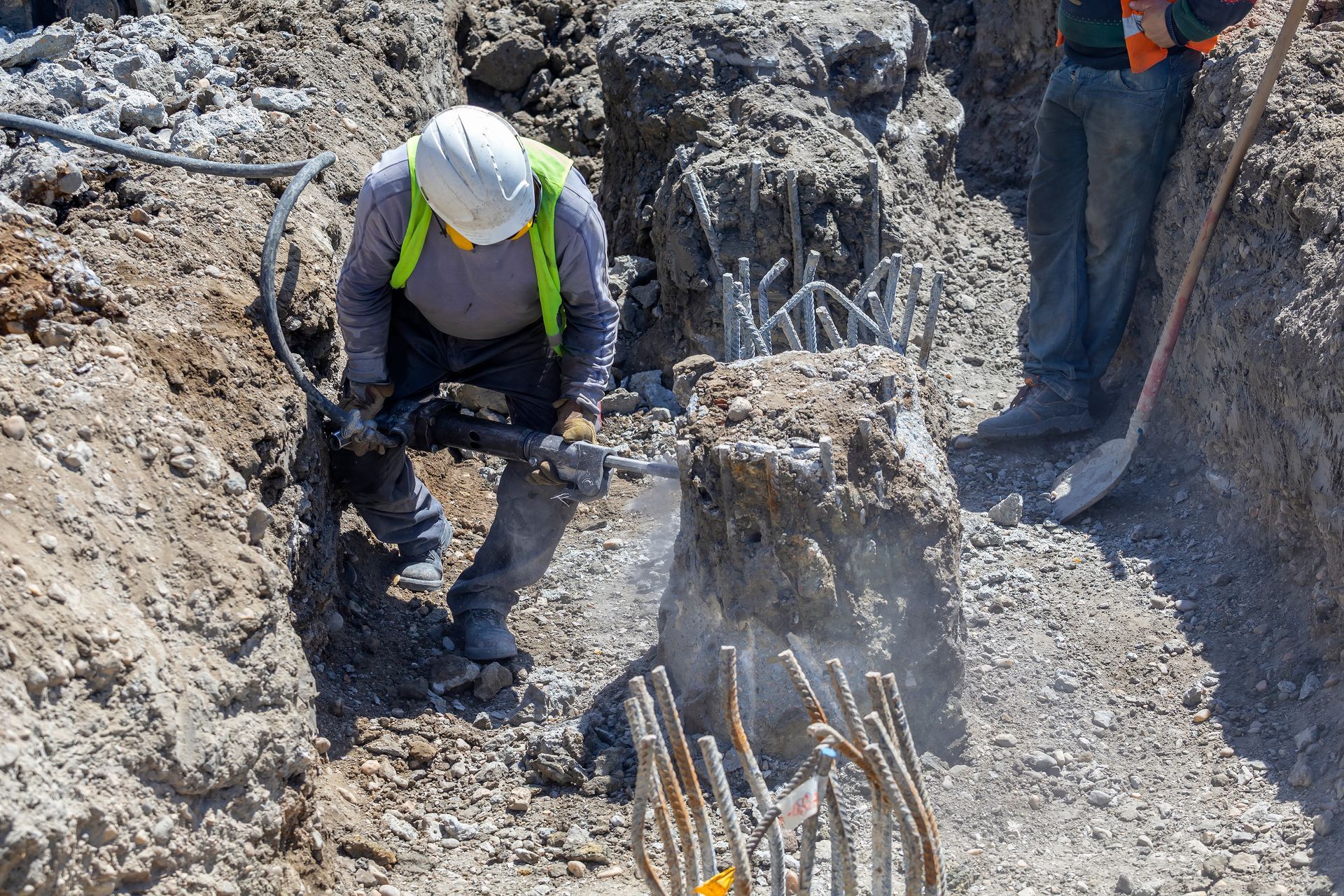
Contractor Insurance
Contractor insurance supports trades and service professionals across Southern California. It helps protect tools, equipment, and daily operations.

Cyber Liability Insurance
Cyber liability insurance helps protect business data and customer information. It supports recovery from digital incidents.

Commercial Property Insurance
Commercial property insurance helps protect offices, shops, and equipment. It supports recovery after covered damage.
Coverage Built for Specialized Work
Support for high-risk and service-driven industries.



Simple Steps Supported by Steady Guidance
A Clear Path to Coverage
Trusted by Clients Across Southern California
Clear service backed by real experiences.
Answers to Common Questions.
Clear explanations to guide your decisions.
How do I know which insurance policy is right for me?
We compare coverage options from multiple carriers to help you see differences in protection and price. You can review clear details and ask questions so you understand what each policy covers. Our team guides you step by step so you feel sure about your decision.
What factors affect my auto insurance premium?
Auto insurance premiums are influenced by your driving history, age, location, vehicle type, and coverage choices. A clean driving record and good safety features can help lower costs. We review these factors with you and help find coverage that fits your budget and needs.
Does homeowners insurance cover all types of damage?
Standard homeowners insurance protects your structure, personal belongings, liability, and additional living expenses in many cases. However, it usually does not include flood or earthquake damage without separate policies. We help you decide if extra coverage is right for your home and location.
Can I update my policy or get certificates online?
Yes. You can submit requests for policy changes and certificates through our online service form at any time. Our team processes those requests quickly and confirms updates once complete so you have the documents you need.
Do I need separate insurance for business risks like EPLI or E&O?
Yes. General liability and workers compensation cover many business risks but do not protect against all exposures. For example, Employment Practices Liability Insurance (EPLI) covers claims like wrongful termination or discrimination, and Errors & Omissions (E&O) covers claims based on mistakes in professional services. We help you identify which extra policies your business may need.
What happens if I need to file a claim?
If you need to file a claim, we guide you through the process and help you contact the insurance carrier. We explain what information you should provide, answer your questions, and stay available while the carrier reviews your claim. This support helps you move forward with confidence.
Contact Us