
California’s insurance market continues to evolve as homeowners face unprecedented challenges from wildfire risks and rising costs. In recent years, the state has experienced dramatic changes in coverage, with a marked increase in both the number of homes protected and the overall exposure of insurance plans. A closer look at the situation reveals a mix of innovative approaches, increasing premiums, and a steady stream of regulatory adjustments that every homeowner should consider when shopping for coverage. For example, the California FAIR Plan has seen its residential wildfire exposure rise significantly in recent times, an indication of the shifting risk landscape (California FAIR Plan).
This guide lays out the crucial aspects of California home insurance, explores the emerging trends in wildfire risk and pricing, and offers practical tips based on current market data and expert insights.
Understanding the California Insurance Climate
California’s homeowners insurance market reflects a landscape shaped by increasing natural disasters and evolving state policy. Recent statistics indicate that between 2020 and 2024, the number of homes covered by the California FAIR Plan more than doubled, while its total exposure nearly tripled (California FAIR Plan). For many Californians, these shifts are more than abstract figures; they are carried forward into every insurance quote and policy amendment.
Homeowners often face the twin challenges of affordability and adequate coverage under climate-induced pressures. Insurance companies are adapting by implementing progressive strategies that aim to balance risk and cost. As one industry expert noted, “California is being progressive in a lot of ways in the insurance market” (Jeremy Porter at First Street), underlining the innovative response from insurers.
The conversation about insurance in California is enriched by the interplay of risk, mitigation efforts, and state-specific solutions. This context is particularly important for homeowners who are trying to navigate rising costs and increasing exposure to wildfire risk. Understanding these factors can lead to smarter decisions about coverage and risk management.


By: Larry Scott
Personal Insurance Agent at Caruso Insurance Services
The Impact of Wildfires on Home Insurance
Wildfires have become an ever-present threat for California homeowners. In January 2025, Los Angeles endured its most catastrophic wildfire disaster on record, consuming over 50,000 acres and annihilating more than 16,000 structures (McKinsey & Company). Such events underscore the dramatic financial and emotional impact wildfires can have on communities.
The financial ripple effects extend well beyond immediate property loss. A study employing the Synthetic Control Method found that in the aftermath of a wildfire in Altadena, California, housing prices plummeted by an average of $32,125 over a six-month period (arXiv). Homeowners find themselves needing to balance the cost of preventative measures with the expense of rising insurance premiums. This scenario makes sufficient coverage not only a safeguard against potential losses but also a strategic investment for those looking to maintain property value and financial stability.
While the threat of wildfires is significant, it has also driven the insurance market toward more innovative risk modeling and underwriting strategies. Insurers are increasingly incorporating mitigation efforts into their models, an approach that can help reduce long-term costs while encouraging homeowners to invest in protective measures.
Risk Assessment and the Role of California FAIR Plan
The California FAIR Plan plays a critical role in providing homeowners with fire insurance when traditional markets might be reluctant to offer coverage. Over the past few years, its role has expanded dramatically, reflecting the growing risks faced by homeowners across the state. Between 2020 and 2024, not only did the number of homes covered increase, but its overall exposure almost tripled (California FAIR Plan).
The substantial rise in exposure, which now stands close to $431.45 billion as reported in September 2024 (Axios), signifies the urgency with which these risks are being addressed. For many homeowners, navigating the FAIR Plan’s offerings implies understanding both its benefits and its limits. Often considered a last resort for those who are denied traditional policies, the FAIR Plan is a testament to California’s approach to manage wildfire risk and vulnerabilty in the housing market.
For those relying on the FAIR Plan, it is important to note that while this plan offers critical coverage, it may not provide the same level of protection as policies available in less-affected regions. Therefore, homeowners should consider additional coverage or supplementary measures where possible to ensure comprehensive protection.

Strategies for Mitigating Risk and Lowering Premiums
Homeowners in California must adopt proactive measures to reduce risks and protect their investment. Mitigation steps, such as clearing brush, installing fire-resistant roofing, and maintaining defensible space, can not only protect property in the event of a wildfire, but they can also help lower insurance premiums. Insurers increasingly view these risk-reduction strategies favorably, often incorporating them into underwriting models.
Insurers have been encouraged to factor in mitigation efforts when calculating premiums. An industry report from the Little Hoover Commission recommends reforms such as public oversight of catastrophe modeling and the inclusion of mitigation efforts in underwriting (Little Hoover Commission). Through these reforms, there is an opportunity for a more stable market and more manageable premium rates over time.
Building an effective mitigation plan means understanding local risk factors and available resources. Many local governments and community organizations offer guidance and sometimes financial assistance to support risk mitigation projects. Homeowners are advised to actively leverage these resources to bolster the resilience of their properties against wildfire threats.
Market Trends and Future Outlook
Recent developments indicate that California’s home insurance costs are predicted to continue rising over the next 10 to 20 years. An expert panel from the Center for California Real Estate forecasted this long-term upward trend in May 2025 (Center for California Real Estate). These projections are based on current trends in wildfire activity, regulatory challenges, and the rapidly shifting demands placed upon insurers.
What does this mean for homeowners? Essentially, insurance premiums are likely to climb, making early preventive measures and risk mitigation even more critical. Planning ahead could involve investing in home improvements that decrease vulnerability or exploring coverage bundles that integrate multiple types of risk protections.
The ongoing evolution of the California insurance market is also pushing for increased transparency and public oversight. As noted by various industry observers, including those from the First Street risk modeling team (First Street), this transparency could drive more robust reforms that ultimately benefit the policyholder.
Understanding Property Valuation in a Risky Environment
Homeowners need to consider the long-term implications of rising wildfire risks on property values. Research indicates that the impact can be quite severe. For example, after a wildfire in Altadena, the immediate fall in housing prices was significant (arXiv). For individuals relying on property value appreciation or selling at a later date, these market downturns emphasize the importance of carrying appropriate insurance.
The relationship between fire risk, home insurance premiums, and housing values creates a cycle, where each influences the other. Rising premiums, driven by higher risk exposure, could limit the pool of potential buyers and, at the same time, reflect a lower market value for similarly damaged properties. Homeowners should keep a close eye on local market indicators and consider independent home valuations to ensure they have an accurate understanding of their property's worth in this challenging environment.
Valuations become even more critical following significant wildfire events. Homebuyers and current homeowners alike should regularly review appraisal reports and market data, ensuring that any adjustments in policies or premiums are mirrored by a fair reflection of the property's actual market value.
Comparison of Coverage Options and Underwriting Models
Deciding which policy best meets the needs of a homeowner depends on a range of factors including the type of property, location, and individual risk profile. In California, traditional insurance providers are not the only option. The California FAIR Plan remains a critical backup for many, but there are also private policies that often bundle broader coverage with additional benefits.
A comparison of basic versus extended coverage options can shed light on the trade-offs. In a basic policy, coverage might be limited strictly to fire damage and structural loss, whereas an extended policy could offer additional protection for contents, temporary housing, and even include mitigation recommendations. Table 1 below highlights key differences between these two types of coverage.
| Coverage Feature | Basic Coverage | Extended Coverage |
|---|---|---|
| Fire and Smoke Damage | Included | Included with higher limits |
| Structural Damage | Standard limits | Enhanced structure replacement rate |
| Personal Property | Limited coverage | Higher limits with replacement cost option |
| Temporary Housing | Optional rider | Often included as standard |
| Mitigation Incentives | None | Discounts for fire-resistant upgrades |
This table provides a snapshot of the differences in coverage options available, allowing homeowners to better understand what they might be exchanging for a premium. Clear distinctions such as these highlight the importance of shopping around and considering more than just the initial cost.
While private insurers often offer extended coverage options with perks for mitigation, the reliability of the FAIR Plan in covering high-risk scenarios remains a cornerstone of the California insurance strategy. Homeowners must weigh these differences carefully in the context of their personal needs and risk factors.
Practical Tips for California Homeowners
Often, the best defense against rising insurance costs and wildfire risk is a proactive approach. Homeowners should regularly assess the condition of their property and invest in updates that reduce risk. Simple measures such as maintaining a well-cleared yard, using fire-resistant building materials, and installing modern safety devices like smoke detectors can lower the overall risk profile of a property.
It is also essential to routinely review policy details. Conditions can change, and policyholders may find that what seemed like sufficient coverage a few years ago may no longer hold up against the evolving threat landscape. Staying updated on changes in policy, coverage limits, and potential discounts is a smart, ongoing practice.
Finally, consider consulting local experts who understand the nuances of the California insurance market. Whether through independent agents or local consumer groups, professional guidance can help illuminate options that might not be immediately apparent, ensuring that every homeowner has a robust strategy in place.
How Public Oversight and Reform Influence the Market
Independent reports and expert panels continue to shape the insurance market dynamics in California. One significant recommendation comes from the Little Hoover Commission, which advocates for public oversight of catastrophe modeling and suggests that mitigation efforts should be integrated into underwriting models (Little Hoover Commission). Reforms such as these could stabilize the market and create a more equitable distribution of risk and cost.
Incorporating public oversight means that insurers might be held to higher standards of transparency. This, in turn, will empower homeowners to make more informed decisions. The ripple effect from these changes may help curb the long-standing issue of affordability, which has already troubled around 60% of California homeowners struggling to find affordable policy options in recent years (Kin Insurance).
Regulatory reforms can also help underscore the importance of preparedness. When the market signals that proactive mitigation is rewarded through lower premiums and enhanced coverage options, homeowners are more likely to invest in robust fire prevention measures. This collaborative approach benefits anyone involved in the housing market-from policymakers and insurers to homeowners and buyers.
Deciding between traditional homeowners insurance and options like the California FAIR Plan can be challenging. Traditional insurers often provide a broader range of coverage options, including extended liability, personal property, and additional discounts for upgraded competitive safety standards. However, for high-risk areas, traditional insurers may be less inclined to offer coverage at affordable prices.
The FAIR Plan, designed specifically for high-risk properties, acts as an essential safety net for homeowners who might otherwise be left without coverage. While its rates can be higher due to the inherent risk, the FAIR Plan ensures that no property is left uninsured. Understanding these distinctions is crucial when reviewing quotes and considering the long-term implications of each option.
Homeowners are encouraged to review and compare policies from both traditional insurers and the FAIR Plan. Ask agents detailed questions about policy limits, exclusions, and discount opportunities for eligible upgrades. This research can lead to significant savings on premiums while ensuring continuity in coverage during critical times.
The Long-Term Economic Impact on Homeowners
The ripple effects of rising insurance premiums extend beyond immediate financial planning. Long-term economic impacts include potential declines in property values and reduced access to affordable coverage for future homeowners. One study using the Synthetic Control Method noted that after a wildfire, housing prices fell by an average of $32,125 in Altadena (arXiv), emphasizing the interconnectedness of wildfire risk, property market fluctuations, and insurance cost dynamics.
These trends are particularly concerning for first-time homebuyers who already face significant barriers entering competitive markets. Rising premiums not only strain current homeowners but can also dampen overall market activity by reducing demand. Such economic pressures underscore the need for policy stability and proactive risk reductions that benefit both homeowners and insurers in the long run.
With projections indicating that high premiums may persist for the next decade or two (Center for California Real Estate), it is crucial for homeowners to budget for these increases and seek opportunities for mitigation and policy improvements. Taking prudent financial measures now can help cushion the impact of future market volatility.
Frequently Asked Questions
Q: What makes California’s home insurance market unique?
California’s market is unique because high wildfire risks, regulatory reforms, and innovative risk mitigation approaches influence both coverage availability and premium costs. Homeowners often face limited options, particularly in high-risk areas.
Q: How does the California FAIR Plan work?
The California FAIR Plan is a last-resort option for homeowners who cannot secure coverage through traditional insurers due to high wildfire risk. It ensures that every property has some level of protection, although rates may be higher and coverage limits lower than traditional policies.
Q: What are some effective ways to reduce wildfire risks at home?
Effective ways to reduce wildfire risks include creating defensible space, using fire-resistant building materials, and installing safety devices such as smoke detectors. Proactive measures can also help lower insurance premiums.
Q: Why are home insurance costs expected to keep rising for so long?
Experts predict rising insurance costs due to increasing wildfire exposure, higher overall market risk, and the ongoing need for regulatory reforms. These factors combined indicate that premiums are likely to stay high for the next 10 to 20 years (Center for California Real Estate).
Q: How can I be sure I’m choosing the right coverage?
It is advisable to review multiple policies, compare coverage benefits, and consult local experts who understand both market trends and regional risks. This diligence can ensure that your policy matches your specific needs.
Wrapping Things Up
The California home insurance market now faces an era where risk can no longer be isolated from climate impacts. With wildfire exposure at record highs and property values subject to significant fluctuations after catastrophic events, homeowners must be diligent when securing insurance coverage. By understanding the various risks, comparing policy options, and actively engaging in risk mitigation, homeowners stand a better chance of shielding their property investments from future uncertainties.
As insurers adjust to the current dynamic environment of high wildfire risks and escalating premium costs, every California homeowner must remain informed and proactive. Utilize available resources, ask detailed questions about your policy’s terms, and consider comprehensive coverage options. By taking these steps, you not only protect your property but also assure financial resilience in the face of continued market challenges.
The state’s regulatory bodies and expert panels are working toward reforms that could eventually stabilize the market. However, this evolving landscape means that preparedness and a continuous reassessment of one’s insurance needs remain key components to long-term homeowners’ security.
Final Thoughts on California Home Insurance
California homeowners are navigating a challenging environment where both natural risks and market uncertainties intersect. The convergence of rising wildfire exposure, changes in policy exposure, and new recommendations for public oversight suggests that the future insurance landscape in California will require an active and informed approach. Insurers like the California FAIR Plan provide essential coverage, but many households must combine this with additional protective measures and traditional insurance options to ensure full coverage.
As the industry adapts to emerging threats, understanding the nuances of each policy, including extended and basic coverage options, will prove critical. With expert insights underpinning evolving strategies, informed homeowners can make decisions that offer both protection and peace of mind.
For anyone looking for more detailed financial assessments or the latest policy reform updates, keeping up with current industry reports and regulatory announcements is vital. This informed approach not only benefits individual homeowners but also contributes to a resilient insurance market that can better respond to the challenges ahead (Axios).

ABOUT THE AUTHOR:
LARRY SCOTT
Hello! My name is Larry Scott. I have been in the insurance industry for 21+ years, with a background in Personal, Commercial, and Bonding. I support Caruso Insurance’s goal of providing convenient and competitive insurance coverage for our clients by focusing on each client’s individual needs. I am dedicated to continuing education and staying up to date with technology in the forever changing insurance world. I am a family man and enjoy any time I get to spend with my kids. I love cooking and drinking wine.
Contact Us

Service that stays with you.
Our team helps simplify insurance decisions for families and businesses. We focus on clear explanations, fast responses, and dependable service. You can count on us for help with coverage questions, updates, and long-term support.
Coverage that keeps you secure
Reliable Protection for Everyday Life
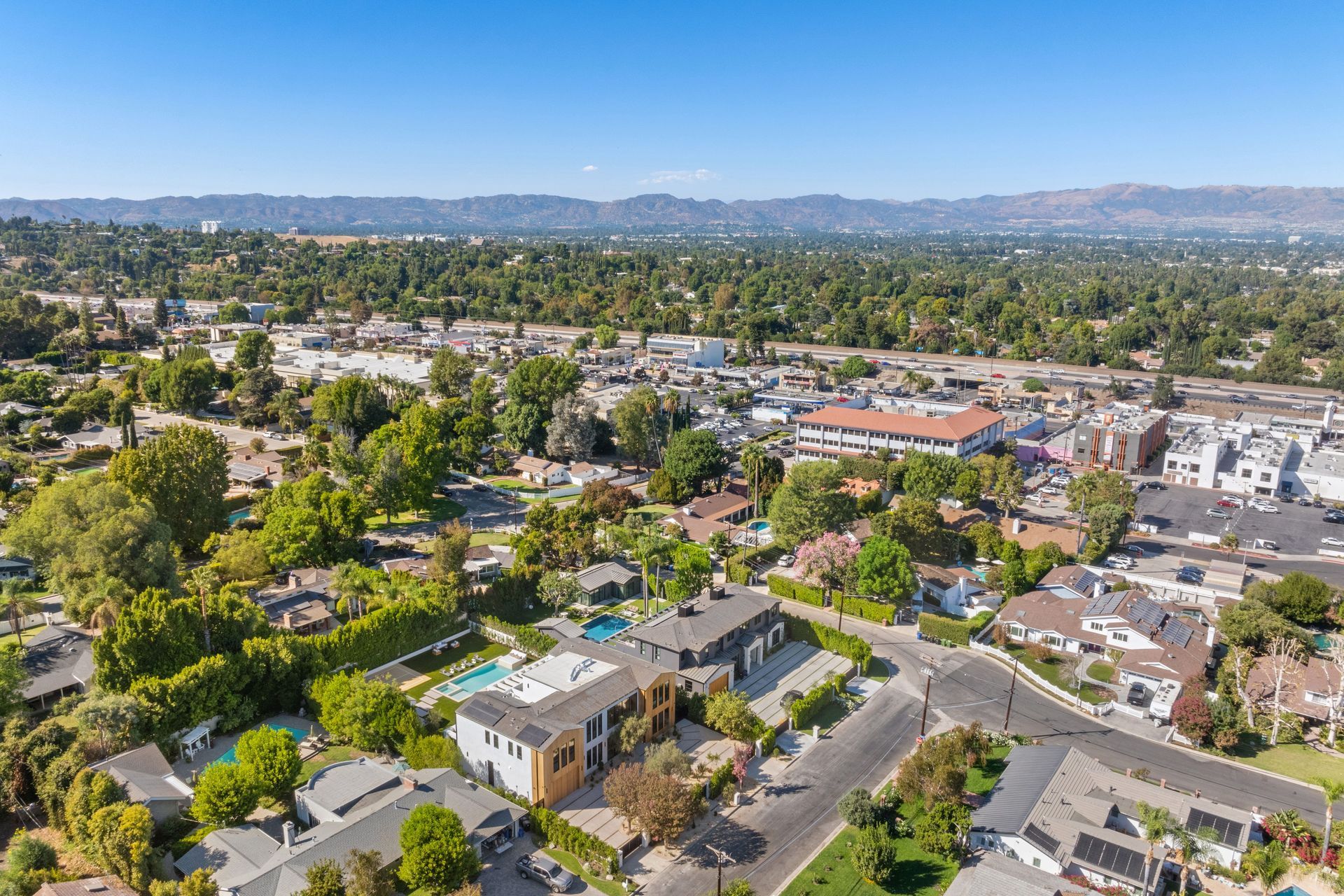
Home insurance helps protect your house, personal belongings, and liability risks. We explain coverage options clearly so you know what your policy includes.
Auto insurance provides protection for accidents, liability, and vehicle damage. We help you compare options so you can choose coverage that fits your driving needs.
Motorcycle insurance provides coverage for riders and their bikes. We help you select options that match how and where you ride.
RV insurance supports protection for motorhomes and recreational vehicles. Coverage applies during travel and while parked.
Coverage Built for Contractors and Trades
Support that keeps your work moving.

General Liability Insurance
General liability insurance helps protect contractors from injury and property damage claims. It supports jobsite requirements and contracts.

Workers Compensation
Workers compensation insurance helps protect employees injured while working. It also supports compliance with state requirements.

Commercial Auto Insurance
Commercial auto insurance provides coverage for work vehicles used on jobsites. It helps protect drivers and company vehicles.
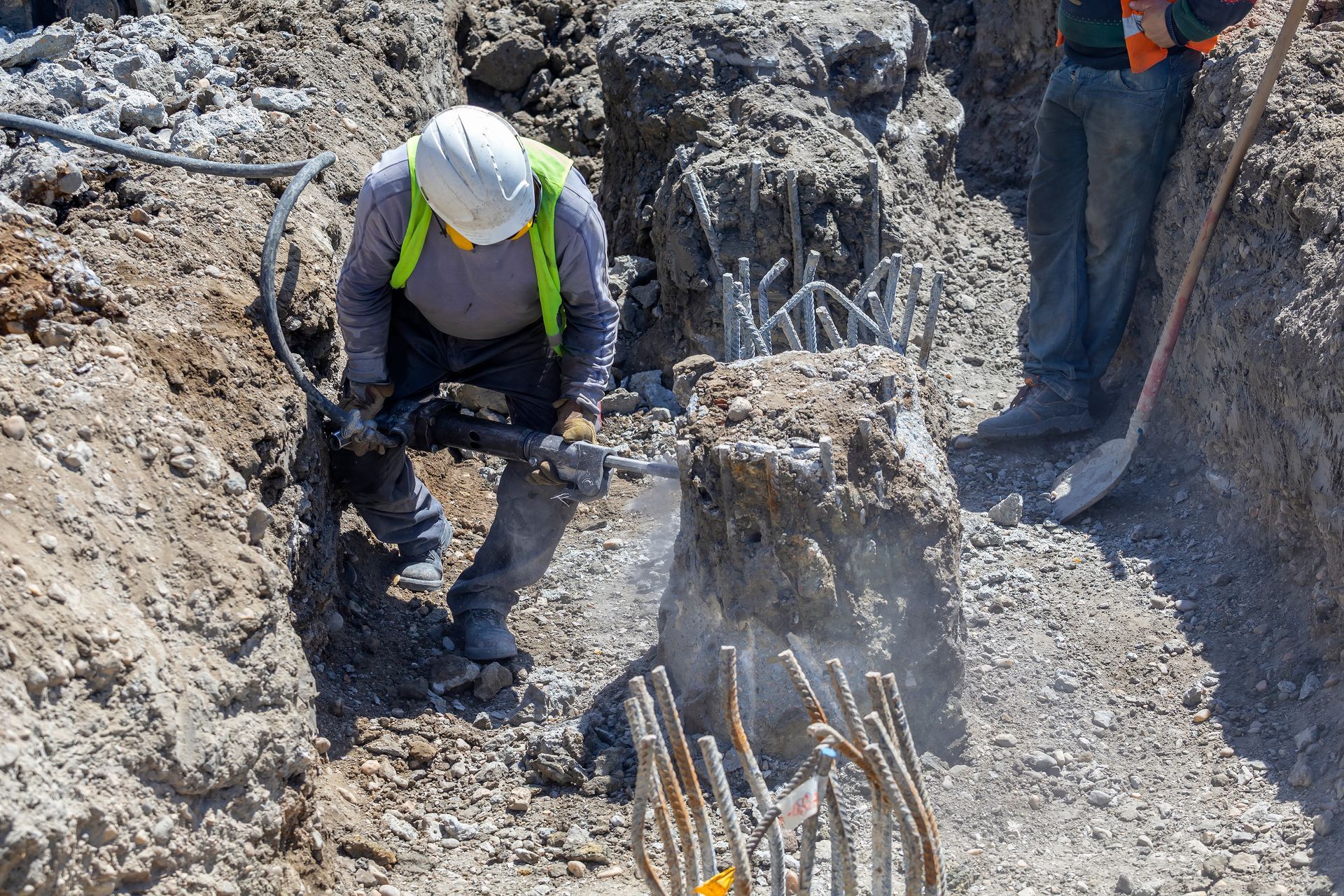
Contractor Insurance
Contractor insurance supports trades and service professionals across Southern California. It helps protect tools, equipment, and daily operations.

Cyber Liability Insurance
Cyber liability insurance helps protect business data and customer information. It supports recovery from digital incidents.

Commercial Property Insurance
Commercial property insurance helps protect offices, shops, and equipment. It supports recovery after covered damage.
Coverage Built for Specialized Work
Support for high-risk and service-driven industries.



Simple Steps Supported by Steady Guidance
A Clear Path to Coverage
Trusted by Clients Across Southern California
Clear service backed by real experiences.
Answers to Common Questions.
Clear explanations to guide your decisions.
How do I know which insurance policy is right for me?
We compare coverage options from multiple carriers to help you see differences in protection and price. You can review clear details and ask questions so you understand what each policy covers. Our team guides you step by step so you feel sure about your decision.
What factors affect my auto insurance premium?
Auto insurance premiums are influenced by your driving history, age, location, vehicle type, and coverage choices. A clean driving record and good safety features can help lower costs. We review these factors with you and help find coverage that fits your budget and needs.
Does homeowners insurance cover all types of damage?
Standard homeowners insurance protects your structure, personal belongings, liability, and additional living expenses in many cases. However, it usually does not include flood or earthquake damage without separate policies. We help you decide if extra coverage is right for your home and location.
Can I update my policy or get certificates online?
Yes. You can submit requests for policy changes and certificates through our online service form at any time. Our team processes those requests quickly and confirms updates once complete so you have the documents you need.
Do I need separate insurance for business risks like EPLI or E&O?
Yes. General liability and workers compensation cover many business risks but do not protect against all exposures. For example, Employment Practices Liability Insurance (EPLI) covers claims like wrongful termination or discrimination, and Errors & Omissions (E&O) covers claims based on mistakes in professional services. We help you identify which extra policies your business may need.
What happens if I need to file a claim?
If you need to file a claim, we guide you through the process and help you contact the insurance carrier. We explain what information you should provide, answer your questions, and stay available while the carrier reviews your claim. This support helps you move forward with confidence.
Contact Us