See How We're Different
or Call Us: 951-547-6770
California’s commercial insurance market stands apart due to a mix of natural and man-made influences. One moment, a business might be grappling with the risk of wildfire and earthquake damage, and the next, adjusting to unpredictable legal verdicts or unexpected repair inflations. Observing these trends firsthand, many business owners and insurance professionals alike have taken notice of the factors pushing premiums upward. For instance, the spike in claims after catastrophic natural events has contributed substantially to premium hikes as cited by industry experts at McCormick Insure.
This article provides a comprehensive look at the multiple elements driving costs for commercial insurance in California-from the immediate challenges posed by natural disasters to the deeper economic pressures related to material and labor price increases. With a nuanced approach, it explores how intertwined factors in the modern insurance and legal systems have led to today's premium structure.
The following sections explain these key drivers in detail, supporting the discussion with factual data and real-world statistics as recently documented.
Natural Disaster Exposure and Increased Claims
California’s unique geography exposes it to a range of natural disasters. Businesses in the state face a continuous threat from wildfires, floods, and earthquakes. Each event can trigger a wave of insurance claims, putting significant pressure on insurers to reassess risk.
Wildfire seasons, in particular, have evolved into recurring high-claim events. As a specific example, rising wildfire incidents have frequently led to unexpected and high-volume claims, forcing carriers to raise rates to cover the anticipated rescue and reconstruction costs. Recent insights point out that the escalation in natural disasters is not just an occasional event, but rather a consistent concern for the region’s property and casualty insurers. This adjustment in premiums is closely related to the type and frequency of disasters encountered over recent years.
Even among seasoned professionals, the frequency of catastrophic events mandates an ongoing recalibration of risk models. This means that any business operating in California must factor in not only traditional business risks but also the increasingly volatile natural environment. For further context on how such changes directly impact premium calculations, detailed analysis is available at
McCormick Insure.
Impact of Inflation on Repair and Construction Costs
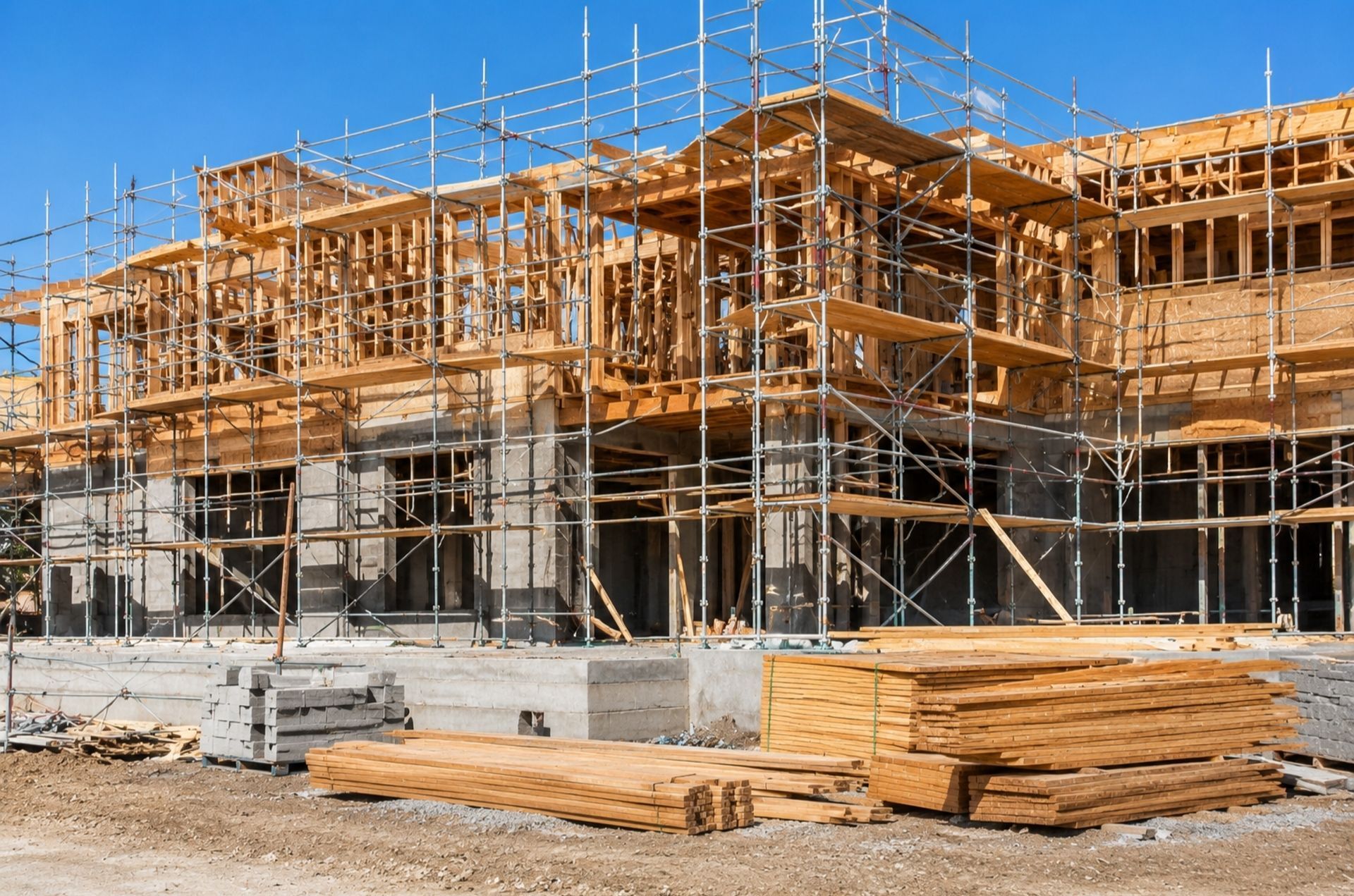
The chain reaction begins when inflation causes an upward surge in construction and repair costs. Commercial properties hit by a disaster now require more costly rebuilds, and even routine vehicle repairs in fleet operations are more expensive than in prior years. An analysis of market trends highlights that rising costs in both construction materials and vehicle repair not only impact immediate claims but also fuel long-term premium increases.
Industries that once enjoyed relatively stable repair costs now see their maintenance budgets stretched thin due to unpredictability in pricing. Recent research has shown that over 82% of construction materials have undergone notable price increases-by an average of 19% since 2020-as reported by agentblog.nationwide.com. Additionally, vehicle parts and labor costs spiked by more than 14% and 10%, respectively, around the fourth quarter of 2022.
These rising operational costs lead insurers to update premium rates, ensuring that they remain capable of addressing the high-sum payouts necessitated by the current economic scenario. In essence, businesses that once relied on predictable refurbishing and repair fees now face elevated operational expenses that echo directly in their insurance costs.
Legal System Pressures and Nuclear Verdicts
A unique challenge in California’s insurance market comes from the legal system. The prevalence of nuclear verdicts-awards that far exceed traditional claim scales-has led to an unpredictable and often high-severity claims landscape. Litigation-related pressures have substantially increased the exposure that insurers must cover in any given case.
The phenomenon of social inflation, where broader social trends and legal interpretations lead to premium increases, is especially pervasive in the state. Courts are witnessing more expansive interpretations of liability, which means businesses might become involved in unexpectedly high legal settlements. Industry experts have pointed to scenarios where litigation costs dramatically outshine the original claim amounts, a dynamic that forces many insurers to build colossal buffers, thereby driving up premiums across the board. Detailed observations on this growing legal trend can be found at Insurance Business Mag.
These legal pressures do not exist in isolation. They compound with other issues like rising repair and construction costs, creating a multifaceted risk profile that underpins the current insurance landscape in California. The pressures from the courtroom, combined with physical risks, form a synergistic effect that insurers must counterbalance in their pricing strategies.
Underwriting Losses and Market Dynamics
Over the last decade, the financial stability of California’s property casualty insurance industry has been challenged by underwriting losses. Essentially, the cost incurred from claims and expenses has outweighed the premiums collected. This scenario has necessitated an aggressive approach from insurers who must now recalibrate their risk models continuously.
The financial imbalance in underwriting is a direct indicator of how historical claims and large payouts continue to pressure insurers. When such losses accrue over multiple policy periods, the need to reassess potential risks becomes urgent. This trend is reflective in the consistent rate hikes seen across the state; insurers adjust premiums not only based on predicted future risks, but also as a remediation strategy for past financial shortfalls. A detailed congressional report from recent times lays out how claims costs and operating expenses have overpowered revenue, forcing companies to tighten underwriting guidelines.
This approach aims to stabilize the industry amid a challenging economic environment. It has forced insurers to become much more selective, often limiting coverage in higher-risk areas. As they tighten underwriting standards, businesses in ‘catastrophe-exposed’ regions may find themselves facing even steeper premium rates and less flexible coverage options.
Reinsurance Costs and Market Capacity Issues
Reinsurance plays a crucial support role for insurers facing high claims risks. Essentially, reinsurance is what helps spread out the risk among multiple parties. Recently, however, the reinsurance market has faced a tough renewal season, with capacity constraints leading to significant hikes in reinsurance rates. These increased costs inevitably trickle down to commercial premiums.
One of the major challenges in the reinsurance market is capacity. As insurers seek to pass on their risk, the available funding pool may not be sufficient to cover all exposures, especially in regions like California that bear a disproportionate share of natural catastrophe exposure. This scarcity of reinsurance capacity has forced primary insurers to shoulder additional risks, lifting costs further. For additional insights on reinsurance trends impacting California, see analysis reported at Golden West Property Management.
The combined effect of high reinsurance costs and market capacity constraints has fundamentally altered the insurance pricing model. Insurers are now more cautious in underwriting new risks, which in turn leads to increased premiums for businesses that fall into high-risk categories. The added financial burden is particularly felt by property and casualty sectors that must navigate both the loss history and the rising cost of reinsuring their risk portfolios.
Rising Costs in Vehicle Repairs and Construction Materials
One cannot talk about the headwinds faced by California’s commercial insurance market without discussing the pervasive trend of rising repair and construction costs. Over the last few years, the costs of vehicle parts, labor, and construction materials have seen significant increases, influencing everything from industrial repairs to the cost of maintaining commercial fleets.
Specifically, the escalation in vehicle parts and labor has seen rises of more than 14% and 10% respectively by the close of 2022, as reported by various industry publications. These increases mean that even minor accidents or damages can balloon into sizable claims that stress the insurer’s financial reserves. Business owners find themselves allocating larger portions of their budgets to routine maintenance and repairs, a cost that inevitably affects insurance underwriting.
Similarly, construction materials are not immune to market pressures. With over 82% of these materials facing an average price increase of 19% since 2020, the costs associated with rebuilding or repairing commercial properties have surged. These figures underscore a trend where even slight damage can translate to significant monetary claims, putting pressure on insurers to adjust their premium frameworks accordingly. Detailed market trends on increased costs can be corroborated by insights shared at
Nationwide Agent Blog.
Interconnected Effects and Future Outlook
Each factor discussed so far creates a closely interwoven tapestry of risk that influences commercial insurance costs in California. The geographic vulnerability to natural disasters, persistent inflation, legal system pressures, and reinsurance market challenges all interact to raise the overall premium levels. Even small adjustments in one area can have ripple effects elsewhere, ensuring that the market remains dynamic and often unpredictable.
The overall outlook for commercial insurance in the state is one of cautious adaptation. Insurers appear to be steadily fortifying their models with more data-driven insights and stricter underwriting criteria while balancing the inevitable need to provide robust coverage options for a diverse client base. While the strategy of passing on costs through premium adjustments may not be universally popular, it forms a necessary response to the multifaceted demands of California’s risk environment.
Looking forward, innovations in predictive analytics and risk management might offer some relief by allowing carriers to more accurately align premiums with specific localized risks. Until then, businesses operating in high-risk regions will need to be prepared for steady increases in their insurance expenses.
Charting the Factors in a Comparative View
The interplay between various cost drivers can be illustrated by a closer comparison of the main factors pushing up commercial insurance premiums in California. The chart below provides a side-by-side look at these influences, offering a clear perspective on how individual trends contribute to the overall cost structure.
| Cost Driver | Description | Impact Level |
|---|---|---|
| Natural Disasters | Frequent wildfires, earthquakes, and floods leading to high claims | High |
| Inflation | Rising repair costs, including construction and vehicle repairs | High |
| Legal System Pressures | Nuclear verdicts and broadened liability interpretations | Medium to High |
| Reinsurance Costs | Capacity constraints and heightened reinsurance rates | Medium |
| Market Capacity | Less underwriting flexibility in catastrophe-exposed regions | Medium to High |
This comparative table helps to encapsulate the dominant challenges insurers face. While each factor on its own can drive up costs, the overlapping effects create a scenario where commercial businesses must navigate a particularly challenging landscape.
Understanding these risks and cost drivers is indispensable for businesses looking to secure stable and predictable commercial insurance coverage in California.
Strategies for Businesses to Manage Rising Premiums
With premiums increasing on multiple fronts, businesses across California are actively exploring strategies to mitigate the impact of rising insurance costs. One important avenue is risk management-by investing in robust safety protocols and disaster prevention measures, companies can help lower the probability of large-scale claims.
For instance, businesses that implement comprehensive emergency response plans and maintain updated infrastructure tend to fare better when it comes to claim frequency and severity. These risk management practices result in improved loss ratios, which may eventually translate to more favorable insurance terms. Insurance professionals recommend that companies regularly review their policies and collaborate with insurers to adjust and ensure that coverage aligns with actual risk exposures.
Additionally, exploring alternative risk financing options, such as captive insurance arrangements or self-insurance for smaller risks, may help to alleviate some of the premium burdens. This proactive approach not only mitigates risk but also demonstrates to insurers that a business is committed to reducing potential exposure-a factor that can influence future premium negotiations.
Adapting Under Regulatory and Market Pressures
California’s unique insurance market is a reflection of both specialized regulatory requirements and market-specific risks. Policymakers continue to face the challenge of balancing consumer protection with the realities of a volatile premium market. For insurers, staying nimble in their pricing strategies while concurrently adhering to regulatory guidelines forms an ongoing balancing act.
The interplay between state regulations and market dynamics means that any significant policy changes or court decisions can have rapid and far-reaching effects on premium rates. Business owners must remain aware of these shifts and may benefit from close collaboration with insurance advisors who possess deep knowledge of both the legal and economic landscapes. Detailed industry updates on regulatory and market responses can be sourced from platforms like Golden West Property Management.
Adapting to these pressures involves not only routine policy reviews but strategic long-term planning. Businesses that forecast potential regulatory changes and factor them into their risk management strategy are better positioned to negotiate more resilient and flexible coverage terms, even amid rising costs.
Frequently Asked Questions
This FAQ section gathers common queries that emerge among business owners trying to understand the complexities of commercial insurance in the state. The questions below address key concerns with clear and concise answers.
Q: Why are commercial insurance premiums rising in California?
A: Premiums are rising due to frequent natural disasters, increased repair and construction costs, severe legal verdicts, and market capacity issues that force insurers to pass on higher reinsurance costs. Each of these factors contributes to an environment of heightened risk.
Q: How do natural disasters affect insurance rates?
A: Natural disasters lead to large claims, and the high frequency of events like wildfires and floods forces insurers to adjust premiums upward to cover potential losses. The impact is substantial as each claim can incur significant repair or replacement costs.
Q: What role does inflation play in premium increases?
A: Inflation increases the cost of vehicle repairs, labor, and construction, leading to higher claim costs. Insurers incorporate these higher costs into their premium models to ensure they can cover future claims.
Q: Are there strategies for managing higher insurance premiums?
A: Yes, implementing robust risk management practices and reviewing coverage regularly can help reduce the likelihood of large claims. Alternative risk financing options such as captive insurance can also be explored to manage costs.
Q: How do legal system practices impact premiums?
A: The trend of nuclear verdicts and broader liability interpretations escalates claim severity. This means insurers face higher costs during litigation, which are ultimately reflected in premium increases.
Q: Can businesses influence their premium costs?
A: Absolutely. By proactively managing risks, adopting stricter safety measures, and regularly discussing with insurers to reassess coverage needs, businesses can potentially moderate the rate hikes.
Looking Ahead: What California Businesses Can Expect
The future trajectory of commercial insurance premiums in California remains uncertain, yet a few clear trends can be identified. Businesses may continue to see premium increases as natural disaster risks intensify and market pressures continue to evolve. However, a more sophisticated approach to risk management could offer some price stabilization if manufacturers and insurers can better anticipate and mitigate future events.
Insurance carriers are investing in more accurate data analytics tools to refine their risk assessment models. These models are expected to lead to tailored coverage options that reflect localized risks more accurately, rather than a broad-brush increase in premiums across the board. This gradual pivot towards specificity may provide a buffer for businesses willing to invest in comprehensive safety measures and proactive risk mitigation.
In the meantime, California businesses should prepare for steady premium escalations and factor these costs into their overall operational budgeting. Strategic planning, ongoing collaboration with insurance advisors, and initiative in risk prevention can help navigate these challenges. Insights on effective risk management and premium control have also been explored on platforms such as
Insurance Business Mag, which offers timely advice for businesses in high-risk areas.
Wrapping Things Up: The Road Ahead
California’s commercial insurance landscape is shaped by a multitude of factors, each interlinked to produce a complex risk environment. From the unavoidable dangers posed by natural disasters to the challenges of soaring repair costs and legal pressures, every element plays a role in driving higher premiums.
The evolving nature of risks in the region calls for a more tailored and proactive approach in managing exposure. Business owners who invest in risk prevention measures, maintain agile insurance policies, and keep onboard trusted advisors will likely find themselves better prepared for, and possibly even insulated from, some of the more volatile aspects of the market.
While changes in market dynamics and regulatory interventions continue to play significant roles, the emphasis remains on practical steps to mitigate risk. In a state where every natural event or judicial decision can send ripples through the insurance system, strategic planning and informed decision-making are the keys to managing commercial insurance costs effectively. The challenges are significant, but so are the opportunities for those willing to adapt to the evolving risks.
Final Thoughts for California Business Owners
The increasing complexity of California’s insurance market underscores the importance of understanding both the immediate and long-term factors driving commercial premiums. Whether it is the consistent threat of wildfires or the mounting pressure from rising labor and material costs, each element represents a tangible factor that businesses must consider when budgeting for the future.
Ultimately, this multifaceted environment demands an equally multifaceted response, one that incorporates thorough risk management along with strategic insurance planning. By staying informed and vigilant, business owners can better navigate premium increases and secure the financial protection necessary to safeguard their operations.
It is essential to take a broader view of these challenges and recognize that while individual risk factors may seem overwhelming, a coordinated approach to managing them can significantly mitigate the impact on premium cost. Regular policy reviews, enhanced safety measures, and proactive engagement with insurance providers all contribute to a more resilient business strategy.
A Closer Look at Recent Trends and Market Feedback
Recent market feedback suggests that commercial insurance in California is undergoing substantive changes as insurers recalibrate policies in response to widespread underwriting losses and heightened claim scenarios. These trends highlight a clear trend where premium hikes are not isolated events but part of an ongoing effort to balance historical losses with future risks.
For example, insurers have had to adjust themselves based on metrics and data points from multiple sources. One significant trend is that even long-standing policyholders see adjustments driven by a combination of unpredictable natural disasters coupled with surging reinsurance costs. The insights gained from extensive research and reports by industry experts contribute to a clearer understanding of these dynamics. As businesses adapt, the willingness to collaborate and renegotiate coverage terms becomes crucial to ensuring that risk management remains both cost-effective and resilient.
This ongoing dialogue between carriers and policyholders underscores the need for enhanced transparency and forecasting in premium calculations, enhancing overall market stability.
Frequently Asked Questions for Strategic Decision-Makers
For those who manage or influence commercial insurance decisions, the following questions highlight essential concerns that have been frequently raised in the industry.
Q: What is the primary driver of commercial insurance rate increases?
A: The primary driver is the increased exposure to natural disasters combined with rising repair and construction costs. These elements, along with legal system pressures and reinsurance challenges, significantly influence premium levels.
Q: Do rising reinsurance costs affect all businesses?
A: Yes, rising reinsurance costs affect all businesses, especially those in high-risk or catastrophe-prone areas. Insurers pass these costs on through increased premiums resulting in varied impacts on policyholders.
Q: How do nuclear verdicts impact policy pricing?
A: Nuclear verdicts, which result in large and unpredictable settlements, force insurers to account for potential liability spikes. This risk transfer is integrated directly into premium pricing strategies.
Q: Can enhanced safety protocols significantly influence premium outcomes?
A: Enhanced safety protocols reduce the frequency and severity of claims, which can eventually help moderate premium increases after insurers recalibrate risk models.
Q: How often should businesses review their insurance coverage?
A: Businesses should routinely review their coverage, ideally on an annual basis, or in response to significant market or operational changes, to ensure that their policies align with the current risk profile.
Q: Is there any collaboration between insurers and business owners to manage these risks?
A: Yes, ongoing collaboration between insurers and business owners is crucial in managing risks effectively. Open dialogues often lead to better-tailored policies and risk mitigation strategies.
Preparing for the Next Chapter
As California continues to navigate complex challenges in its commercial insurance market, the imperative for prudent risk management and agile policy planning becomes more pronounced. The state’s inherent vulnerabilities, from natural disasters to unpredictable legal mandates, underscore a larger narrative-a narrative where proactive steps today shape a more secure tomorrow.
For business leaders, this means continuously engaging with the latest market trends, understanding regulatory impacts, and updating risk management strategies. Even as insurers work to stabilize underwriting losses and adjust reinsurance strategies, businesses can benefit from an ongoing commitment to safety and transparency.
Industry experts agree that while premium increases might stretch budgets, these adjustments are reflective of a more resilient risk-sharing model. By paying close attention to emerging trends, companies can better prepare for fluctuations, thus maintaining a competitive edge in a challenging economic landscape.
In Summary: Embracing a Proactive Future
The factors driving commercial insurance costs in California are varied yet deeply interconnected. From the relentless influence of natural events to the mounting pressures of inflation and legal dynamics, every piece of this puzzle adds to the overall premium burden for businesses.
This environment necessitates a proactive, informed approach to both risk management and insurance coverage. Whether it is through updated infrastructure, enhanced safety measures, or strategic policy reviews, it is increasingly clear that the path to more controllable costs lies in preparedness and adaptability.
The road ahead may hold further challenges, but with the right insights and proactive measures, businesses in California can navigate the storm. Staying informed, engaging in transparent discussions with insurers, and regularly reassessing the risk environment will be the keystones in managing and potentially offsetting the rising costs of commercial insurance.
This article has outlined the main drivers behind the premium increases witnessed in California's commercial insurance sector. From natural disasters and inflation-driven cost rises in repairs to the intricate pressures from legal verdicts and reinsurance challenges, businesses have much to consider. The information presented herein should guide commercial decision-makers toward a deeper understanding of underlying market forces. As the landscape continues to shift, detailed attention to these drivers-supported by real-world data and active risk management-remains essential for navigating an increasingly complex insurance world.