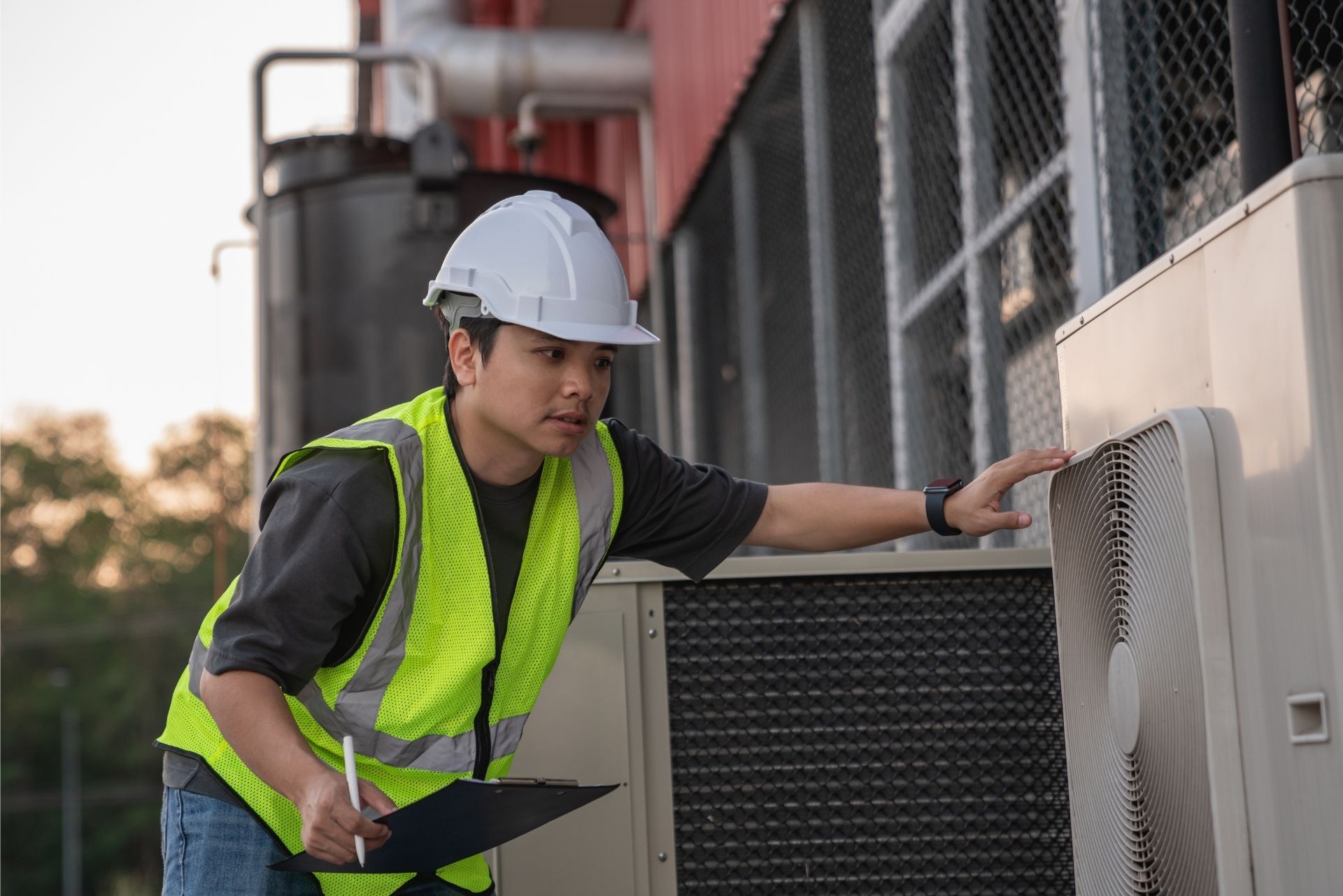
HVAC contractors in California face a unique blend of challenges that range from managing installation quality to handling natural disaster risks. Insurance coverage becomes a critical factor in mitigating these risks while ensuring business continuity. With a complex regulatory environment and the continuing threat of wildfires, contractors need guidance tailored to California's specific market dynamics. This guide explores the nuances of HVAC contractor insurance, offers insights on managing claims, and provides practical tips for contractors operating in the Golden State. For a glimpse into market trends, industry analysts project a market size of $15.2 billion by 2025 in this competitive space.
Insurance resources designed for HVAC contractors not only protect the business against property damage and liability claims but also address industry-specific risks such as misinstallation errors and equipment failure. Recent wildfire incidents and extreme heat events have significantly altered risk profiles for insurance carriers, reshaping policies and premiums.
With California's climate realities and market statistics in mind, this article discusses essential coverage strategies, outlines common pitfalls, and highlights ways to balance premiums with adequate protection.
Understanding the California HVAC Market Landscape
California is home to nearly 12,000 HVAC establishments, a reflection of robust demand for installation, maintenance, and repair services. The industry is expected to reach a market size of $15.2 billion by 2025, according to recent figures from market research (HVAC Industry Market Size in California). This growth underscores the importance of robust insurance coverage to mitigate the evolving risks in this high-stakes service sector.
Among the key factors driving industry growth are increased urban development, rising energy efficiency standards, and newer technologies aimed at reducing environmental impact. However, as contracts increase and complexity grows, so too does the scope for claims. Ensuring proper insurance coverage is essential for protecting both workers and third-party assets.
Insurance providers must adjust their policies based on the inherent risks in each job – from straightforward installations in temperate zones to complex projects in wildfire-prone areas or during extreme heat events. This variability is what makes the California market both demanding and highly dynamic.

By: Patrick Caruso
President of Caruso Insurance Services
Risk Factors Impacting HVAC Contractor Insurance
Wildfire Exposure and its Implications
Wildfires represent one of the most unpredictable risks for HVAC contractors in California. As expert Brian Murphy of Heffernan Insurance Brokers points out, wildfires now span larger and more frequently affected areas. This shift in risk has led to revised insurance underwriting practices, with carriers factoring wildfire exposure into general liability and property damage policies.
A catastrophic wildfire in Los Angeles in January 2025 burned over 50,000 acres, leading to insured losses projected between $35 billion and $45 billion (Los Angeles Wildfire Disaster Report). Such events compel HVAC contractors to evaluate how geographical factors might influence their premium rates and policy limits.
Contractors operating near fire-prone areas are advised to look closely at their property coverage as some events could trigger coverage gaps that might result in potentially large out-of-pocket expenses.
Extreme Heat Events and Increasing Costs
Extreme heat events have also emerged as significant risk factors in California, with a report from the California Department of Insurance revealing that seven major heat events over the past decade resulted in cumulative losses of $7.7 billion (California Department of Insurance report). Heat not only affects HVAC system performance but can also lead to equipment malfunctions that may cause extensive damage and liability issues.
For HVAC contractors, ensuring that policies cover equipment breakdowns and related collateral damage is essential. The impact of extreme weather conditions on both installation and service calls means that insurers are increasingly scrutinizing claims related to heat-induced damages.
High equipment and labor costs, influenced by inflation, can complicate claims further ahead of any necessary damage evaluations. Curt VanNess, Technical Director for HVACi, emphasizes that precise evaluations are vital to avoid overpayment or underpayment in settlements, making detailed insurer assessments a crucial part of the process.
Core Components of HVAC Contractor Insurance Policies
HVAC contractor insurance typically comprises several core components designed to protect different aspects of the business. Essential coverages include general liability, workers' compensation, commercial auto, and property coverage. Contractors in California must review each component carefully due to the state's unique risk profile.
General liability is usually the backbone of any contractor policy. It typically covers bodily injury and property damage claims arising from on-site accidents or equipment failures. Analysis of HVAC contractor insurance quotes by ContractorNerd indicates that general liability premiums often range from 1.3% to 2.6% of annual revenue (ContractorNerd Analysis). This cost factor plays a key role, particularly for small businesses operating on tight margins.
Workers' compensation is another crucial area, providing benefits to employees who suffer work-related injuries. Given the high-risk nature of installations and maintenance, ensuring comprehensive workers' comp coverage safeguards both workers and business owners from potentially crippling financial losses.
Commercial Auto and Equipment Coverage
For HVAC contractors, commercial auto insurance offers protection for vehicles used in the course of business operations. This includes vans, trucks, and any transport vehicles that carry essential equipment. Accidents or thefts can result in considerable losses, making this coverage indispensable for those who traverse the busy streets of California in service vehicles.
Property coverage, which encompasses both the physical equipment and tools, is equally important. Given that HVAC systems require a variety of expensive tools and parts, property coverage ensures that any damage or loss is either repaired or replaced swiftly. Contractors need to validate the inclusions and exclusions of their policies thoroughly to avoid any surprise gaps in their coverage.
In some cases, endorsements to extend coverage are available. These can include additional protection for specialized equipment or custom installations that are central to a contractor’s operations.

Evaluating Policy Limits and Premium Considerations
Setting the right policy limits involves a careful evaluation of both historical claim data and projected future risks. Given the high stakes involved with projects in wildfire-prone areas or during extreme heat events, contractors should consider opting for higher policy limits than the industry average. This helps mitigate the risk of large claims impacting overall financial stability.
The costs associated with HVAC contractor insurance are largely influenced by annual revenue and payroll figures. For workers' compensation, rates can range between $2.24 and $5.14 per $100 of payroll (ContractorNerd Analysis). As inflation drives equipment and labor costs upward, the balance between adequate coverage and affordable premiums becomes increasingly challenging.
Contractors are encouraged to engage in detailed risk assessments and consult with brokers who specialize in HVAC contractor insurance to customize their policies appropriately. This approach helps in identifying any unique exposures that a standard policy might overlook.
Impact of Inflation and Cost Escalation
Inflation plays a critical role in the evolving landscape of contractor insurance. As prices for both equipment and labor continue to rise, the settlement amount for claims is also likely to increase. Curt VanNess of HVACi has highlighted that insurance settlements can quickly become more expensive if damage evaluations are not meticulously conducted. This fact underscores the need for contractors to secure policies that can accommodate rising costs without compromising on coverage.
Contractors should consider periodic policy reviews to align coverage limits with current market conditions. Regular engagement with insurance providers can help secure updated quotes that reflect recent cost escalations without leaving gaps in protection.
Additional endorsements or gap coverages that address the specific needs brought on by inflation should be a core part of the policy review process.
Best Practices for HVAC Contractors to Manage Insurance Claims
Efficient and effective claims management is critical for minimizing downtime and financial disruption. HVAC contractors must adopt robust procedures for documentation, reporting, and negotiating claims. Ensuring that every incident is reported accurately can facilitate smoother interactions with insurance adjusters when it comes time to settle a claim.
An essential practice is maintaining meticulous records of all maintenance work, installations, and related repairs. This information is invaluable when assessing whether a claim is valid and determining optimal settlement amounts. Contractors who integrate thorough documentation practices often find that insurers resolve claims much faster, reducing the overall impact on the business.
Training staff to recognize and promptly report any potential issues is another crucial aspect of effective claims management. Proactive risk management can frequently prevent small issues from escalating into major claims.
Strategies to Minimize Policy Gaps
Incomplete coverage can expose HVAC contractors to significant financial risks. To avoid policy gaps, contractors should regularly evaluate their current insurance policies alongside their operational changes. Modifying estimates based on recent projects and adjusting policy limits accordingly is a practical strategy for avoiding underinsuring major assets.
Another strategy involves negotiating with carriers for broader coverage options that incorporate endorsements for niche risks such as wildfire exposure or equipment breakdown during extreme temperature events. Designing policies around specific operational challenges ensures that coverage is not only comprehensive but also directly applicable to the contractor’s unique business model.
Ultimately, safeguarding the business requires an ongoing dialogue with insurance providers, staying updated on policy changes, and actively seeking opportunities to expand coverage whenever necessary.
Special Considerations for HVAC Installation Practices
Quality installation of HVAC systems has a profound impact on both energy efficiency and long-term performance. Multiple studies under the guidance of the U.S. Department of Energy underscore that proper installation practices can lead to substantial cost savings and enhanced energy efficiency. These findings not only promote operational excellence but also indirectly influence insurance claims.
When installations are executed meticulously, the frequency and severity of claims are likely to diminish. As a result, insurers recognize that contractors with a track record of quality workmanship may benefit from more favorable premium arrangements. This alignment of practice and policy is particularly important in a state with unpredictable weather patterns like California.
Documentation of pre-installation assessments, adherence to best practices during installation, and post-installation reviews should ideally be incorporated into the contractor’s standard operating procedures. Having a robust process in place is beneficial during any claims investigation should a dispute arise over whether an installation error led to equipment failure or property damage.
Technology and Training Advancements
Adopting new technologies in the installation and maintenance process can significantly reduce risks. Modern HVAC systems come equipped with sensors and diagnostic tools that not only improve performance but also serve as a preventive measure against catastrophic failures. As contractors invest in training and new technologies, the probability of a claim due to misinstallation decreases.
Investments in advanced diagnostic equipment and comprehensive training programs send a positive signal to insurers. These measures demonstrate a commitment to quality and safety, often translating to lower premiums and fewer claim disputes over time. Contractors who prioritize these advancements tend to achieve both operational efficiency and improved insurance outcomes.
Insurance providers appreciate transparency regarding a contractor’s processes and equipment. When policyholders can clearly illustrate how technology and rigorous training mitigate risks, insurers may be more inclined to offer policy discounts and consider lower coverage premiums.
Considerations for Homeowners Insurance in the Context of HVAC Work
In addition to contractor-specific coverage, HVAC installers may encounter homeowners insurance considerations when working on residential properties. As seen with California homeowners, the average annual insurance premium in the state was around $1,700 in 2023 (McKinsey Homeowners Insurance Analysis). In contrast, premiums in states like Florida can exceed $3,600, highlighting regional risk variations.
Homeowners insurance policies often contain exclusions or limitations pertaining to contractor work. Clear communication and proper documentation regarding the installation procedures can help minimize disputes between homeowners and insurers if problems arise later. In some cases, additional endorsements may be added to a homeowner's policy to specifically cover HVAC work, allowing for smoother claims processes and reducing liability disputes.
HVAC contractors should remain aware of local insurance trends that could influence their clients' expectations when it comes to project costs and post-installation insurance claims. Being proactive in discussing these issues can also help build trust and credibility with potential customers.
Coordinating Coverage Between Contractors and Homeowners
Ensuring clear lines of responsibility when it comes to insurance coverage can prevent significant delays in claims resolution. Contractors should hold discussions with homeowners early in the process to clarify which party is responsible for certain types of coverage. Such coordination is especially important in mixed-use developments where multiple policies may come into play.
Having detailed contracts that spell out each party's responsibilities can significantly reduce confusion in the event of an incident. Drafting arrangements that clearly define the limits of each party's coverage fosters smoother coordination between the HVAC contractor’s insurance provider and the homeowners insurer.
This collaborative approach not only minimizes potential pitfalls but also enhances the overall customer experience by ensuring that each stakeholder understands their role in the insurance process.
How to Choose the Right Insurance Broker
Selecting an insurance broker who is knowledgeable about the HVAC industry can make a world of difference. A specialized broker can help contractors navigate the myriad aspects of policy details, calculate appropriate limits, and find endorsements that address unique operational risks.
With wildfire risks intensifying and extreme weather events becoming more routine in California, insurance brokers who are proactive in addressing these concerns provide invaluable support. They can often negotiate on behalf of their clients to secure better policy terms and potentially lower premiums by demonstrating industry expertise and risk mitigation strategies.
Prospective brokers should have a comprehensive understanding of both state-specific challenges and the broader industry trends affecting the HVAC market. Their strategic advice can help contractors implement best practices that benefit both their operations and insurance premium rates.
Evaluating Broker Expertise
Experience matters immensely when selecting an insurance broker. Contractors should seek brokers with a well-documented track record in managing risks specific to HVAC installations. This familiarity can bring insights into potential policy gaps and help secure endorsements that address evolving challenges, including those posed by wildfires and climatic extremes.
Before finalizing a broker, it is advisable to review client testimonials, request case studies, or seek a preliminary consultation. This due diligence ensures that the chosen broker fully understands the intricacies of HVAC contractor insurance and is capable of catering to the distinct needs of California-based contractors.
Furthermore, a broker with a strong relationship with multiple carriers can provide a variety of quotes, ensuring that the contractor finds the best balance between comprehensive coverage and affordable premiums.
Comparison of HVAC Contractor Insurance Coverage
A side-by-side comparison of coverage components can simplify the decision-making process for HVAC contractors. Below is an illustrative table outlining typical policy components, along with their respective benefits and cost considerations.
| Coverage Component | Benefits | Cost Considerations |
|---|---|---|
| General Liability | Protects against third-party bodily injury and property damage claims. | Typically 1.3% to 2.6% of annual revenue (ContractorNerd Analysis). |
| Workers' Compensation | Covers employee injuries and related expenses. | $2.24 to $5.14 per $100 of payroll (ContractorNerd Analysis). |
| Commercial Auto | Insures vehicles used in business operations. | Varies based on vehicle type, usage, and driving records. |
| Property Coverage | Covers equipment, tools, and installations.urricane areas | Premiums depend on the value of assets and location-specific risks. |
This table is a tool for understanding the components included in most HVAC contractor insurance policies. It provides clear indications of cost drivers and coverage areas, empowering contractors to negotiate better terms with insurers.
By analyzing these factors, HVAC contractors can prepare to meet both current and future challenges without compromising on the level of protection they need.
Policy renewals are a natural part of maintaining accurate and adequate insurance coverage. HVAC contractors should take each renewal period as an opportunity to re-evaluate both their risks and the evolving market conditions. Given the frequency of extreme weather events and industry-specific risks such as those associated with wildfire exposure, a proactive review of policy terms can be a significant advantage.
It is critical to engage in thorough discussions with insurance providers during renewal periods to adjust coverage based on recent claims trends, market growth, and specific operational changes. As contractors expand their business or invest in new technologies, their insurance needs may change, necessitating additional endorsements or revised limits.
Contractors benefit from detailing any incident history or evolving risks. Such disclosures can lead to tailored policy updates that better reflect current situations, rather than sticking with a static coverage plan that may no longer suffice.
Considerations for Multi-Year Policies
Some contractors opt for multi-year policies to lock in premium rates, especially in a market where costs can fluctuate due to external factors like inflation and natural disasters. Multi-year policies may also afford better stability, as the terms remain consistent over a longer duration. However, the decision must be weighed against potential changes in risk profiles.
Contractors who choose this route should regularly review their risk factors and engage with their brokers annually. Even within a multi-year plan, there should be local reviews to ensure that emerging threats, such as increased wildfire frequency, are adequately addressed without leaving unintended gaps.
This approach creates a balance between cost-saving via stable premiums and the agility needed to adapt to a rapidly changing risk environment.
Future Trends in HVAC Contractor Insurance
Looking ahead, several emerging trends appear poised to influence HVAC contractor insurance in California. The shift towards renewable energy and energy-efficient systems is reshaping the industry's operational framework. With rising regulatory demands for sustainability and efficiency, insurance products are likely to evolve in tandem with these advancements.
As the market for HVAC services becomes more technologically advanced, insurance offerings will likely see increased emphasis on covering installation errors, performance liabilities, and cyber-related risks associated with smart HVAC systems. This shift requires contractors to remain informed and adapt their coverage strategies regularly.
Innovative insurance models that offer dynamic rate adjustments based on real-time risk assessments could also emerge. Such models would better reflect the nuanced nature of modern HVAC operations and provide contractors with more accurate, risk-based pricing.
Technology-Driven Underwriting
Advancements in data analytics and real-time monitoring are poised to revolutionize underwriting practices for contractor insurance. Enhanced data collection on weather patterns, equipment performance, and job-site risks will allow insurance providers to offer more precise rates. This data-driven approach will likely result in lower premiums for businesses that can demonstrate effective risk management practices.
Through technology, insurers can monitor trends such as extreme weather events, where California Heat Events have already had a noticeable financial impact. Contractors who invest in smart monitoring systems may eventually benefit from policies that more closely align with their actual risk exposure.
This trend also reinforces the importance of adopting new technologies in field operations as a risk mitigation strategy that directly influences insurance outcomes.
Frequently Asked Questions
Q: Why is HVAC contractor insurance important for businesses in California?
A: HVAC contractor insurance protects businesses from potential financial losses due to incidents such as property damage, workplace injuries, and claims arising from installation errors. Ensuring proper coverage is essential in high-risk regions like California.
Q: What should contractors consider when choosing policy limits?
A: Contractors should consider both historical claims data and projected risks like wildfires and extreme heat. Factors such as annual revenue and payroll help define appropriate policy limits that offer adequate protection.
Q: How can technology help reduce insurance premiums?
A: Implementing advanced monitoring systems and diagnostic tools can lower the risk of equipment failure and installation errors. Insurers may offer lower premiums for contractors who can demonstrate strong risk management practices.
Q: Are multi-year insurance policies a good option?
A: Multi-year policies can lock in premium rates and offer stability, but contractors should remain engaged with providers to update coverage based on new risks or operational changes.
Q: What role do insurance brokers play in managing HVAC contractor risks?
A: Experienced brokers tailor policies to specific operational needs, negotiate better terms, and help close gaps in coverage. They act as valuable partners in navigating both routine renewals and unforeseen claim situations.
Q: How does climate change impact HVAC contractor insurance in California?
A: Climate change, evidenced by increasing wildfire incidents and extreme heat events, drives higher risk profiles and potential increases in insurance premiums. Accurate risk assessments are crucial for managing these influences.
Wrapping Things Up
For HVAC contractors in California, proactive management of insurance policies is essential to safeguard business operations amidst an unpredictable environment. The blend of wildfire risks, extreme heat, and evolving technology underscores the need for coverage that is both comprehensive and dynamically responsive.
Contractors must assess their needs continuously and engage with brokers who understand industry-specific intricacies. Whether it's optimizing general liability coverage or navigating the impacts of inflation on settlements (Curt VanNess on HVAC Insurance), the emphasis remains on ensuring that each policy is robust enough to cover unexpected liabilities.
Regular policy renewals, backed by detailed risk assessments and augmented by technology, can help HVAC contractors stay ahead of emerging threats. In a market projected to grow significantly, having well-structured insurance coverage is not merely a regulatory requirement; it is an investment in long-term business resilience.
Final Thoughts on Achieving Optimal Coverage
Understanding the nuances of HVAC contractor insurance is key to thriving in California’s competitive market. Each risk factor – from natural disasters like wildfires and extreme heat to operational challenges inherent in quality installations – demands careful consideration. Contractors who actively engage with their insurance providers, monitor market trends, and adopt smart technologies will be best positioned to safeguard their businesses.
Insurance is more than a safety net. It is a core element of the strategic business plan, protecting assets, revenue, and reputation against unforeseen challenges. In this evolving landscape, regular education and communication with industry experts can drive improved coverage arrangements and more favorable terms over time.
Today, HVAC contractors who invest in thorough risk evaluations coupled with comprehensive policy reviews will stand out in a market that is already competitive and continuously evolving. It is a dynamic process that requires balancing operational needs with prudent financial planning.
Next Steps for HVAC Contractors
Contractors should start with an in-depth review of their current policies. Identifying coverage gaps and potential areas for improvement is essential for staying ahead of challenges, such as inflation-driven cost increases and rising natural disaster risks. By collaborating closely with experienced brokers and regularly updating risk management strategies, HVAC contractors can secure optimal policies that evolve with market conditions.
Additional steps include investing in employee training, implementing advanced diagnostic equipment, and maintaining clear, detailed records of all projects. These measures not only help in claim resolution but also enhance operational efficiencies.
For a deeper understanding of market trends, recent
industry market forecasts shed light on the broader operational landscape, guiding strategic decisions for future growth.
Conclusion and Practical Takeaways
HVAC contractor insurance in California is a multifaceted topic that touches every aspect of operations from risk management and claims processing to policy renewals and technology integration. The increasing frequency of wildfires, rising extreme heat, and the dynamic nature of instalment practices require contractors to be vigilant and proactive.
Key takeaways include establishing clear communication with insurance brokers, regularly updating policy limits, investing in training and technology, and integrating thorough documentation practices. Each of these strategies plays a central role in building a resilient business that can successfully navigate the uncertainties of the modern marketplace.
As the industry continues to grow, contractors who adopt a forward-thinking approach will find themselves in a stronger position to secure both their immediate operational needs and long-term financial stability. Addressing these challenges head-on ensures protection against losses and sets the stage for continued success in a competitive and ever-changing environment.
Looking Ahead
Future trends in HVAC contractor insurance, driven by advancements in technology and shifts in climate patterns, indicate an evolving landscape that will require constant adaptation. As risk assessments become more data-driven, the relationship between contractors and their insurance providers is bound to strengthen. Continuous improvement in risk management practices will likely lead to more favorable premium adjustments over time.
Contractors who stay informed and proactive in their approach to insurance can expect to not only minimize disruptions but also capture opportunities for strategic growth. With a clear understanding of both the challenges and solutions available, HVAC contractors can use insurance as a lever for enhanced operational performance and market resilience.
Ultimately, the goal remains to build a sustainable business model where every installation, maintenance project, and claim management process is optimized to protect both the workforce and the bottom line.
ABOUT THE AUTHOR:
PATRICK CARUSO
I’m Patrick Caruso, founder of Caruso Insurance, and I have spent more than 25 years helping families, contractors, and small businesses across Southern California make confident insurance decisions. I focus on explaining coverage in clear terms, comparing multiple carriers, and supporting clients with steady communication so they feel secure with each step. My goal is to provide dependable guidance, simple answers, and a smooth process for anyone who needs personal or business insurance.
Contact Us

Service that stays with you.
Our team helps simplify insurance decisions for families and businesses. We focus on clear explanations, fast responses, and dependable service. You can count on us for help with coverage questions, updates, and long-term support.
Coverage that keeps you secure
Reliable Protection for Everyday Life
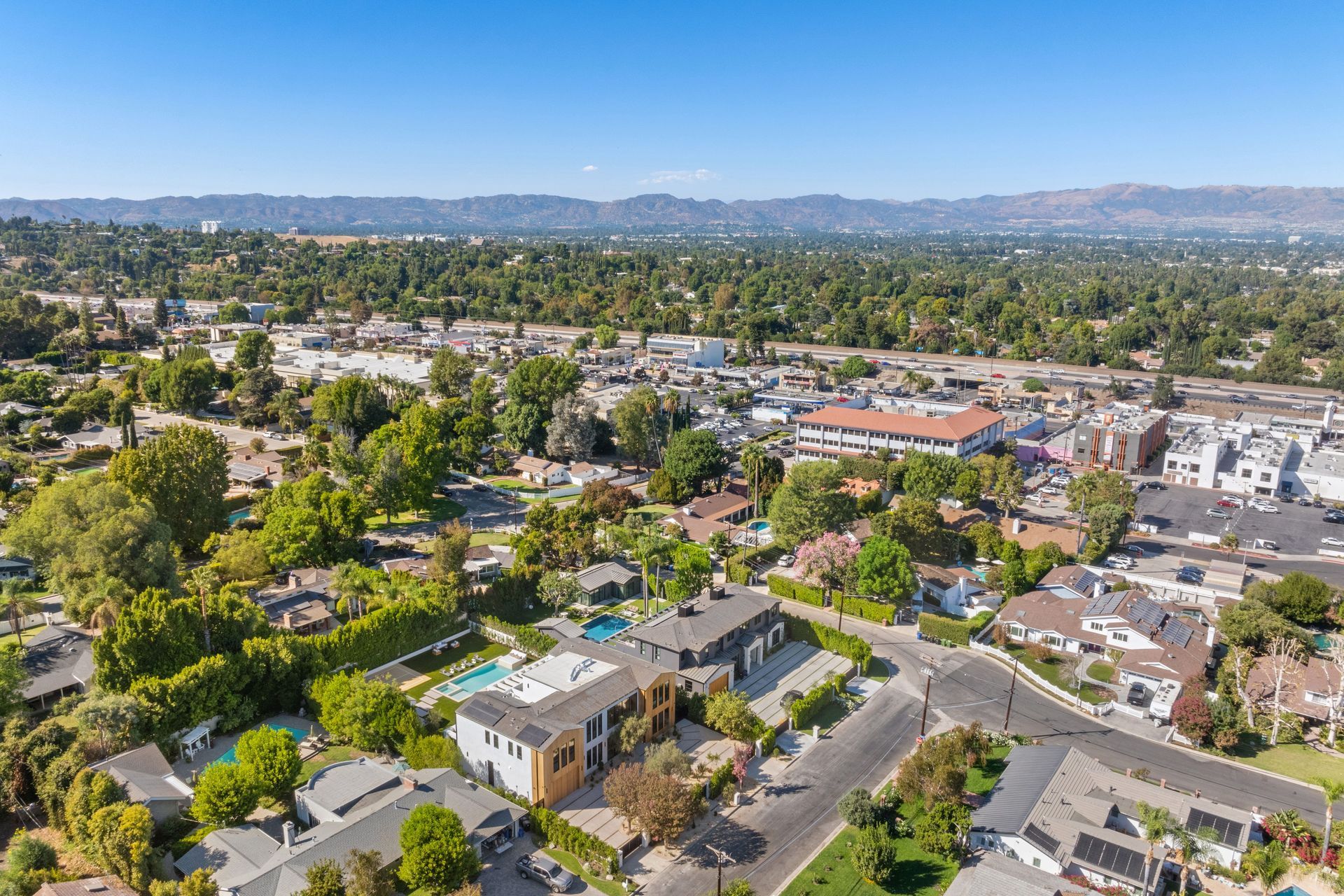
Home insurance helps protect your house, personal belongings, and liability risks. We explain coverage options clearly so you know what your policy includes.
Auto insurance provides protection for accidents, liability, and vehicle damage. We help you compare options so you can choose coverage that fits your driving needs.
Motorcycle insurance provides coverage for riders and their bikes. We help you select options that match how and where you ride.
RV insurance supports protection for motorhomes and recreational vehicles. Coverage applies during travel and while parked.
Coverage Built for Contractors and Trades
Support that keeps your work moving.

General Liability Insurance
General liability insurance helps protect contractors from injury and property damage claims. It supports jobsite requirements and contracts.

Workers Compensation
Workers compensation insurance helps protect employees injured while working. It also supports compliance with state requirements.

Commercial Auto Insurance
Commercial auto insurance provides coverage for work vehicles used on jobsites. It helps protect drivers and company vehicles.
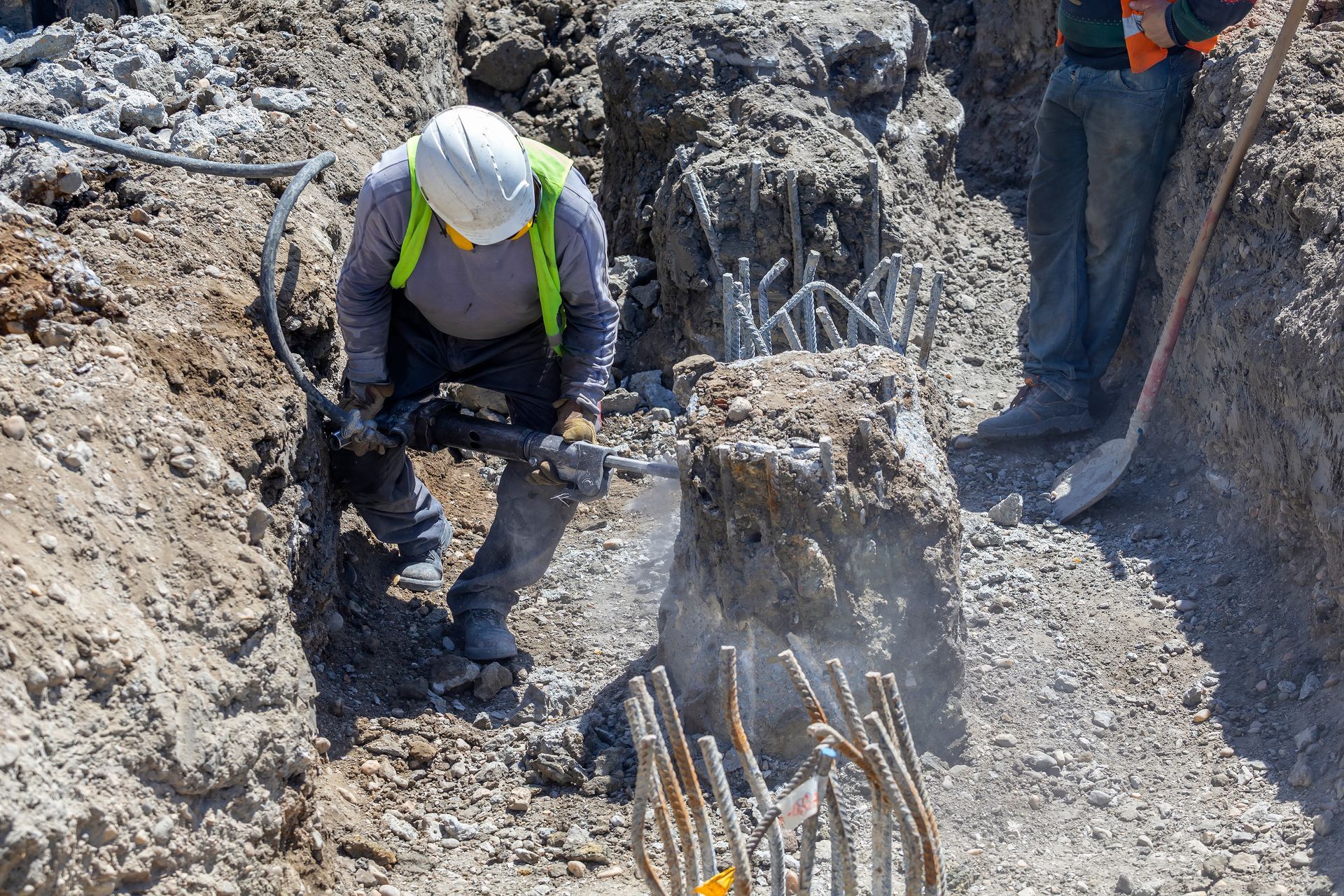
Contractor Insurance
Contractor insurance supports trades and service professionals across Southern California. It helps protect tools, equipment, and daily operations.

Cyber Liability Insurance
Cyber liability insurance helps protect business data and customer information. It supports recovery from digital incidents.

Commercial Property Insurance
Commercial property insurance helps protect offices, shops, and equipment. It supports recovery after covered damage.
Coverage Built for Specialized Work
Support for high-risk and service-driven industries.

Simple Steps Supported by Steady Guidance
A Clear Path to Coverage
Trusted by Clients Across Southern California
Clear service backed by real experiences.
Answers to Common Questions.
Clear explanations to guide your decisions.
How do I know which insurance policy is right for me?
We compare coverage options from multiple carriers to help you see differences in protection and price. You can review clear details and ask questions so you understand what each policy covers. Our team guides you step by step so you feel sure about your decision.
What factors affect my auto insurance premium?
Auto insurance premiums are influenced by your driving history, age, location, vehicle type, and coverage choices. A clean driving record and good safety features can help lower costs. We review these factors with you and help find coverage that fits your budget and needs.
Does homeowners insurance cover all types of damage?
Standard homeowners insurance protects your structure, personal belongings, liability, and additional living expenses in many cases. However, it usually does not include flood or earthquake damage without separate policies. We help you decide if extra coverage is right for your home and location.
Can I update my policy or get certificates online?
Yes. You can submit requests for policy changes and certificates through our online service form at any time. Our team processes those requests quickly and confirms updates once complete so you have the documents you need.
Do I need separate insurance for business risks like EPLI or E&O?
Yes. General liability and workers compensation cover many business risks but do not protect against all exposures. For example, Employment Practices Liability Insurance (EPLI) covers claims like wrongful termination or discrimination, and Errors & Omissions (E&O) covers claims based on mistakes in professional services. We help you identify which extra policies your business may need.
What happens if I need to file a claim?
If you need to file a claim, we guide you through the process and help you contact the insurance carrier. We explain what information you should provide, answer your questions, and stay available while the carrier reviews your claim. This support helps you move forward with confidence.
Contact Us