A leaking roof or an accidental slip in a storefront can turn a minor incident into a major financial setback. Business owners in California face unique challenges, and understanding general liability insurance is essential to protect not only financial assets but also the long-term reputation of the company. This guide dives into the specifics of policies, regional trends, and recent market influences to help you make informed decisions. It also includes insights from reputable sources, such as the California Department of Insurance, ensuring that you get data-driven information.
California businesses must navigate complex risks from workplace injuries to product liability claims. Establishing a robust general liability policy is one way to ensure that unforeseen events do not devastate your business operations. This guide provides a deep dive into the current insurance landscape, illustrating data points that reflect market trends and discussing policy details that can safeguard your enterprise.
The discussion includes detailed sections on market statistics, tips for choosing the right coverage, regional differences, and what the future holds for general liability premiums in California. Business owners and decision makers will find clear guidance on why specific coverages may benefit them and how trends directly impact premium costs.
Understanding General Liability Insurance
General liability insurance is designed to protect businesses from claims involving bodily injuries and property damage that occur on the premises or as a result of business operations. It also covers legal costs and any resulting payouts for which the insured party might be responsible. This type of insurance is foundational for any business operating in a litigious market such as California.
In the context of California, where diverse economic sectors coexist, a thorough understanding of general liability coverage is key. The coverage might include protection against claims arising from accidents, product failures, or damages related to business operations. Such coverage is paramount in offsetting the loss that can arise from unexpected incidents.
Policies may differ slightly in scope depending on the insurer and the nature of the business. It is crucial for business owners to read the fine print to know exactly what risks are covered and what might lie beyond the policy’s reach.

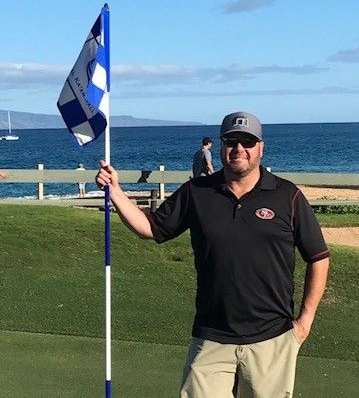
By: Patrick Caruso
President of Caruso Insurance Services
Key Market Influences and Statistics
California’s insurance market has seen dramatic shifts in recent years. One notable point is that during 2021, diverse California businesses benefited from approximately $3.1 billion in expenditures by the insurance sector (California Department of Insurance). This substantial investment reflects the importance placed on supporting local business ecosystems with financial buffers.
Another significant development came in 2019, when diverse California businesses provided $2.1 billion in goods and services to insurance companies. That marked an increase of 16.7% over the previous year (California Department of Insurance). This growth indicates a rising reliance on specialized services and products within the insurance value chain, reinforcing the interconnected nature of the state’s economic landscape.
The trends suggest that the demand for robust coverage and broader risk management strategies is not only increasing but also evolving alongside a multifaceted market. Business owners need to be aware of both industry influences and the specific conditions of their operational environment.
Premiums for general liability insurance in California have been influenced by several factors, including litigations in workplace injury and product liability claims. Recent reports indicate that general liability insurance premiums are expected to increase by 4.3% in 2025 (CoinLaw). Businesses must account for these rising costs while evaluating the coverage benefits.
This projected increase is not merely a standalone figure. It correlates with ongoing legal battles and the inherent risk associated with operational mishaps, which have become more frequent. Increased litigation risk means that insurers are adjusting premiums to cover anticipated payouts and legal expenses. Such adjustments can impact business budgets, especially for smaller enterprises with tighter financial margins.
Understanding the reasons behind premium increases can help business owners better prepare for budget adjustments. With transparent data and forecasts, decisions regarding risk management can be more informed.
The Role of Legal Challenges in Premium Adjustments
Legal disputes and rising litigation have played a significant role in shaping premium costs for general liability insurance. Ongoing claims related to workplace injuries and product liability cases put pressure on insurance providers, who must account for increased legal expenditures. The heightened risk translates directly into higher costs for policyholders.
For instance, current projections of a 4.3% increase in premiums for 2025 highlight that the legal environment is a significant driver of cost adjustments. Business owners should thus invest time in understanding how legal trends might affect their insurance premiums and look at preventive measures as well as risk management strategies. With proper risk mitigation efforts, incidents that prompt expensive claims might be reduced.
This legal aspect couples with market volatility, and it requires a balanced approach in negotiating comprehensive policies that cover both expected and unexpected liabilities.
Underwriting Performance and Its Impact on the Market
Recent reports from the U.S. property/casualty insurance market reveal that a net combined ratio of 96.6 in 2024 marked the best underwriting performance since 2013 (Industry Report). This improvement signals better risk management and effective premium pricing strategies among insurers.
A net combined ratio under 100 means that insurance companies are collecting enough in premiums to cover claims and expenses, resulting in profitability. This is a positive trend, reassuring businesses that insurers are managing underlying risks responsibly. The improved underwriting performance can also lead to more competitive pricing and potentially more tailored policy options for California businesses.
In turn, business owners gain some advantage from these stable market conditions, as insurers become more willing to design bespoke policies that address the specific needs of various industries in California.

Understanding Policy Coverage and Exclusions
A critical part of selecting an insurance policy is understanding not only what is covered but also what is explicitly excluded. While general liability insurance covers claims related to injuries and property damage, policy exclusions can vary significantly. Business owners must read their policies carefully and consult with their brokers to clarify ambiguous terms.
Coverage typically includes bodily injury, property damage, personal injury claims, and advertising injury. However, intentional damage, professional errors, or contractual obligations may be excluded. Knowing these exclusions in advance helps prevent unexpected out-of-pocket expenses in the event of a claim.
Detailed policy reviews and regular consultations with insurance professionals ensure that the coverage aligns with the unique risk profiles of the business. It is important to periodically revisit policy terms, especially after significant business changes or market shifts.
Common Scenarios Covered by Liability Policies
General liability insurance can address several common scenarios that businesses might encounter. These include physical injuries on business premises, errors in service delivery, or damages caused by defective products. The policy is designed to cover the legal and medical costs that might arise as a result.
For example, in a retail store, a customer’s slip might lead to injuries that require immediate and sometimes prolonged treatment. Such incidents can result in lawsuits if customers feel that their injuries were due to negligence. With proper coverage, the business owner can manage legal defense costs and claims settlements without jeopardizing financial stability.
These policies serve as a financial buffer, ensuring that a single incident does not unravel the years of hard work a business owner invested in their company. This financial safety net is essential for all businesses regardless of their size or industry focus.
Clarifying What Is Not Covered
While general liability policies are comprehensive in many respects, certain exclusions apply. For instance, injuries that arise from employee actions or professional errors usually fall outside these policies. Businesses needing professional liability insurance must consider additional coverage tailored to those risks.
Exclusions can also include intentional harm, contractual liabilities, or damage due to a known hazardous material exposure. By knowing what is not covered, companies can complement their general liability policy with specialized insurance solutions to bridge these gaps.
This layered approach to insurance ensures that all potential risks are eventually considered and mitigated, making for robust overall risk management.
How to Choose the Right Insurance Provider
Selecting a reliable insurance provider is as critical as choosing the right coverage. A reputable insurer should offer clarity in policy terms, competitive premiums, and robust customer support. Many factors should be evaluated before making a decision, including the insurer’s financial stability and claims handling reputation.
California businesses have a broad array of local and national insurers to choose from. It can be helpful to compare a few quotes and speak directly with representatives who understand the nuances of local business risks. Examining past claims and reading reviews can also offer insights into how each provider handles claims.
Checking the provider's ratings, both in financial strength and customer satisfaction, and ensuring clear communication about policy details are keys to a successful insurance partnership.
Questions to Ask Potential Providers
Before signing any contract, it is essential to ask targeted questions that reveal the provider’s capacity to manage claims, especially in niche sectors. Inquiries might include:
- How will my claim be managed in the event of an incident?
- What is the average turnaround time for claim resolution?
- Can the policy be adjusted if my business operations change significantly?
- Are there bundled discounts available for multiple policies?
These questions will help business owners gauge whether the insurer is responsive and experienced. A proactive dialogue with potential providers can lead to a clearer understanding of policy strengths and weaknesses.
In California, where the insurance market is complex and multifaceted, these conversations are particularly critical. The right provider will not only offer competitive pricing but also a partnership approach to risk management.
Policy Customization and Add-On Options
Many insurance providers offer add-on endorsements that can tailor the coverage specifically for certain risks inherent in your business operations. Options might include equipment breakdown coverage, cyber liability insurance, or even coverage for product recalls.
Such customization ensures that the policy is not a one-size-fits-all solution but rather a flexible tool that adapts to the evolving risk landscape. In California, where businesses range from technology startups to traditional manufacturing, policy adjustments can effectively bridge gaps not covered by basic policies.
Engaging with a knowledgeable broker or directly consulting with providers about available endorsements helps ensure comprehensive coverage that addresses current and future risks.
Impact of Regional Factors on General Liability
California has diverse geographical and economic landscapes that can influence insurance needs. Urban centers, rural areas, and coastal regions each present unique risk factors. The state’s susceptibility to natural disasters, such as wildfires, combined with its vibrant business ecosystem, means that insurers must address regional challenges in their policies.
The complexity of regional factors prompts insurers to adjust their coverage guidelines in different areas. For instance, while a coastal business may require specific provisions for weather-related incidents, an inland operation might benefit more from enhanced property damage coverage.
Regional economic conditions also influence premium calculations. Businesses in booming sectors might enjoy competitive rates, while those in areas with a history of frequent claims may face higher costs. This dynamic makes it important to work with providers experienced in local market trends.
California’s Unique Risk Landscape
California is known for its innovative economy as well as its exposure to natural events like wildfires. Insurers have been adapting their rate structures as local challenges become more evident. For example, despite record underwriting performance in the overall U.S. property/casualty market, challenges remain in regions affected by repetitive natural events (Industry Report).
Businesses must understand how these risks affect not only their physical operations but also insurance premiums. Insurance providers may incorporate regional risk multipliers into premium calculations, leading to variations even within the same state. These local adjustments help ensure that coverage remains balanced between risk exposure and premium affordability.
Staying informed about local risk factors is an essential part of managing a business effectively. Engaging in community forums, local business associations, or directly consulting with local insurers can provide valuable insights into tailored coverage options for your specific region.
Adapting to Environmental and Economic Shifts
As economic conditions and environmental factors fluctuate, so does the scope of general liability coverage. Changes in regional demographics, infrastructure developments, or local policies can all influence the likelihood of claims. Insurers often review local data when updating policy terms.
For instance, an increase in construction and renovation projects in urban areas can lead to higher exposure to property damage claims. Similarly, an uptick in local rainfall or other weather-related events may prompt a review of existing coverages. Business owners should periodically assess their risk exposures in light of recent trends to ensure optimal protection.
This proactive approach not only minimizes surprises during claim events but also helps in negotiating more favorable policy terms during renewals.
Strategies for Managing Liability Risks Effectively
Beyond insurance coverage, mitigating overall liability risks is a critical component of sound business management. Effective risk management strategies include regular safety training for staff, maintaining rigorous operational procedures, and using technology to monitor and mitigate hazards
Regular audits and risk assessments can help pinpoint vulnerabilities within your business processes. For instance, identifying potential slip hazards or ensuring proper machinery maintenance can reduce the likelihood of accidents that result in costly claims. Implementing these practices not only lowers the risk but may also result in lower premiums from insurers who appreciate proactive risk management.
Insurance is ultimately a part of the broader risk management ecosystem. Combining robust general liability policies with internal risk reduction measures produces a holistic approach that safeguards your business from multiple angles.
Practical Tips for Minimizing Liability Exposure
Effective risk management begins at the ground level. Here are several practical tips for reducing liability exposure:
- Develop a comprehensive safety training program for employees and ensure periodic refreshers.
- Implement clear operational protocols and maintenance schedules to prevent accidents.
- Regularly inspect premises and equipment to identify and rectify potential hazards.
- Coordinate with local safety agencies or consultants for expert reviews and recommendations.
These measures can help create a working environment that not only reduces the frequency of claims but also fosters a culture of safety and accountability within the organization.
Equally important is maintaining open communication with your insurance provider regarding these initiatives, as some insurers recognize and reward proactive risk management through premium discounts.
Leveraging Technology for Risk Management
Technology can be a powerful ally in risk management. For instance, using digital tracking systems for monitoring critical equipment or employing software solutions to flag safety violations in real time can substantially reduce exposure to liability claims. These technologies not only offer real-time insights but also provide data that can be shared with insurers to demonstrate proactive risk management.
In California, many businesses are turning to such innovations to stay ahead of potential liabilities while also optimizing operational efficiency. By integrating technology into everyday business practices, risk management becomes an ongoing, data-driven endeavor that supports insurance coverage decisions.
Combining advanced technology with traditional safety protocols creates a resilient risk management framework that can adapt to rapidly changing business conditions.
Comparing General Liability Policies: Coverage Options and Limitations
A side-by-side comparison of basic and extended general liability coverage can help clarify what you’re paying for and what might be necessary based on your risk profile. Below is a table summarizing key differences between basic and extended coverage options that business owners in California should consider:
| Risk Category | Basic General Liability | Extended General Liability |
|---|---|---|
| Bodily Injury | Standard limits per incident | Higher limits with additional legal defense coverage |
| Property Damage | Coverage for accidental damage | Extended limits and inclusion of environmental damages |
| Personal and Advertising Injury | Included in most policies | Often expanded to cover broader scenarios |
| Exclusions | Intentional actions, professional errors | May include optional endorsements for specific exclusions |
This comparison illuminates that while basic policies provide essential coverage, extended policies can offer additional layers of protection. Business owners must assess their unique risk exposures to determine which level of coverage is most appropriate, keeping in mind long-term goals and operational challenges.
Customizing a policy to include endorsements that address gaps can be crucial in ensuring comprehensive risk management.
Extended Coverage Options: Are They Worth the Investment?
Choosing extended coverage may seem like an added expense, but when evaluated against potential liabilities, the extra investment is often justified. Extended policies may include coverages such as product recall insurance, cyber liability insurance, or environmental impairment coverage. These options offer a safety net that might prove critical during unexpected events.
For some businesses, particularly those with complex operations or those subject to stringent regulatory standards, such extended coverage can provide peace of mind. Understanding the concrete differences between basic and extended policies enables business owners to invest wisely.
Examining the specific needs of your industry and operational risks will help determine whether extended coverage is a necessary investment in long-term stability.
Risk Management Best Practices for California Businesses
Effective risk management in California involves strategic planning, regular process reviews, and an understanding of the state’s unique hazards. Adopting a proactive approach can lessen the frequency and severity of claims, thereby supporting sustainable insurance premiums and business resilience.
Local businesses benefit greatly from collaborating with risk management experts who offer tailored advice based on regional trends and operational profiles. Integrating a robust risk management strategy into your business plan can protect your assets and ensure operational continuity in the face of unexpected events.
By employing best practices in both risk management and insurance coverage, companies can mitigate exposure and secure a stable financial future, even against a backdrop of rising claims costs.
Implementing a Comprehensive Risk Management Plan
A well-developed risk management plan addresses various domains, such as workplace safety, operational hazards, and regulatory compliance. Diverse strategies, including regular staff training, infrastructure audits, and emergency response planning, are essential components of a resilient risk management system.
This holistic approach not only reduces the likelihood of claims but also improves overall operational efficiency. Taking the time to analyze and address potential vulnerabilities leads to a more stable business environment and can even influence insurers to offer more competitive premium rates.
For local California businesses, integrating community-specific trends and regulations into the plan ensures that the strategies are not only robust but also highly adaptable as environmental factors shift over time.
Leveraging Insurance Reviews and Professional Consultations
Regular consultations with insurance professionals and brokers can help uncover areas where your business might be underinsured. A periodic review of your policy combined with targeted risk assessments is essential, especially when market trends indicate a potential rise in claim frequency. Recent projections indicate premium adjustments that may require policy tweaks (CoinLaw).
These reviews provide valuable insights into whether your current coverage remains adequate or if adjustments are needed. They also serve to update your risk profile, ensuring that the insurer's perspective remains aligned with the actual operational challenges you face over time.
Such systematic reviews and consultations contribute to a safer business environment while potentially yielding cost benefits through timely policy modifications.
Preparing for Future Trends in Liability Insurance
The insurance landscape in California is continually evolving. Business owners must be prepared for changes in premium pricing, shifts in claim trends, and emerging risks driven by technological, legal, and environmental factors. Staying informed and proactive is critical to maintaining coverage that accurately reflects current realities.
Research indicates that the underlying forces driving premium increases and adjustments will persist. For example, the projected 4.3% increase in general liability insurance premiums for 2025 is tied closely to ongoing litigation pressures and market risk assessments (CoinLaw). Awareness of these trends allows businesses to allocate resources effectively and possibly explore risk mitigation strategies that could help stabilize costs.
Companies need to stay ahead of these shifts through continuous education, networking in industry groups, and direct engagement with their insurance providers. Being proactive in understanding potential changes ensures that your coverage remains both relevant and sufficient.
Embracing Technology and Analytics in Future Insurance Models
One emerging trend in the insurance industry is the increased reliance on technology and data analytics. Insurers are deploying advanced predictive models to assess risks more accurately, leading to more customized premiums and coverage options that reflect specific business operations. This analytical approach allows for adjustments that are responsive to real-time data, reducing uncertainty for both the insurer and the policyholder.
For California businesses, embracing these technologies can offer several advantages. Data-driven insights may help identify emerging risks early on, enabling prompt adjustments to risk management protocols and insurance coverage.
Such an approach not only enhances overall risk management strategies but also positions your business advantageously as insurers continue to evolve their underwriting methodologies.
The Role of Legislative Changes and Regulatory Environment
California continues to be at the forefront of regulatory innovations and legislative changes that impact business operations. New laws, particularly those addressing workplace safety and environmental protection, can influence general liability claims and premiums. Staying abreast of these changes is essential, as they can lead to rapid adjustments in policy terms and premium structures.
Legislative updates have the potential to either improve protections for business owners or impose additional requirements that complicate risk management. Active monitoring of regulatory developments, possibly through local business associations or professional advisors, helps mitigate negative impacts on insurance costs.
This vigilant approach ensures that policyholders remain compliant and enjoy the benefits that come from early adoption of best practices in risk management, ultimately supporting business longevity in a competitive market.
Frequently Asked Questions
This section addresses common queries about general liability insurance in California, offering brief yet insightful responses that help clarify key issues for business owners.
Q: What does general liability insurance cover?
A: It covers claims related to bodily injury, property damage, and personal or advertising injury sustained during business operations. It does not generally include professional errors or intentional harm.
Q: How do regional factors in California affect my premium?
A: Premiums can vary based on local risks such as weather patterns, urban density, and litigation rates, with insurers often adjusting rates for specific geographic locations.
Q: Are there ways to reduce my overall liability exposure?
A: Yes. Implementing safety protocols, regular staff training, and utilizing technology for monitoring can effectively minimize risks and potentially lead to lower premiums.
Q: Can I customize my general liability policy?
A: Absolutely. Many providers offer endorsements and add-on coverages that cater to unique business operations and specialized risk areas.
Q: What should I look for when choosing an insurance provider?
A: Look for clear policy terms, competitive premiums, strong financial ratings, and a responsive claims management system. Transparent communication and periodic reviews are key.
Q: How often should I review my insurance coverage?
A: It is advisable to review your policy annually or after any significant business changes to ensure all exposures are still effectively covered.
Wrapping Things Up
General liability insurance is more than a regulatory requirement; it is a strategic investment for California businesses seeking long-term stability. The market’s evolving trends-from rising premium costs driven by ongoing litigation to increasing underwriting performance-highlight both challenges and opportunities for businesses of all sizes.
The landscape is characterized by region-specific factors that require nuanced coverage decisions, making it essential to pair comprehensive policies with diligent risk management practices. With proactive measures such as regular policy reviews, investment in advanced technologies, and a thorough understanding of policy inclusions and exclusions, business owners can navigate the complex insurance terrain confidently.
Staying informed through reliable industry sources, like the information provided by the California Department of Insurance and reports from insurers, is key. By doing so, you ensure that each aspect of your coverage aligns with current market conditions and future trends.
Final Considerations
Preparing for a future where risks are managed through a combination of sound insurance practices and proactive business strategies is the goal. It is not only about choosing a policy but also about establishing a partnership with the insurer-one that is built on understanding, flexibility, and a continuous commitment to risk mitigation.
Whether you are a small local business or part of a larger enterprise, California’s dynamic market requires an adaptable and well-informed approach to general liability insurance. Expert reviews and tailored policies pave the way for resilient businesses capable of weathering both everyday incidents and unexpected disruptions.
Ultimately, the strength of your risk management strategy is a direct reflection of your commitment to safeguarding your business. Taking advantage of the opportunities presented by improved underwriting performance and technological advances in the insurance industry points to a smarter, more proactive approach to mitigating risks.
Staying Ahead
Future-proofing your business with a comprehensive understanding of general liability insurance practices means staying connected with industry trends and emerging technologies. Engage in discussions with insurance experts, participate in local business forums, and maintain open lines of communication with your insurance provider, ensuring that any adjustments in coverage are implemented swiftly and effectively.
This approach not only mitigates short-term risks but also builds a robust foundation for long-term operational success. As the California market continues to evolve, the proactive adoption of best practices in insurance and risk management remains a key determinant of business resilience.
For more insights into how legislative changes, legal challenges, and market data might influence future policies, business owners should continue monitoring updates. Staying informed can lead to more tailored, cost-effective solutions that keep your business protected in an uncertain world.
For further reading on market trends and legal impacts on premiums, recent projections and analytic insights are available through reliable sources such as the
CoinLaw industry statistics page.
ABOUT THE AUTHOR:
PATRICK CARUSO
I’m Patrick Caruso, founder of Caruso Insurance, and I have spent more than 25 years helping families, contractors, and small businesses across Southern California make confident insurance decisions. I focus on explaining coverage in clear terms, comparing multiple carriers, and supporting clients with steady communication so they feel secure with each step. My goal is to provide dependable guidance, simple answers, and a smooth process for anyone who needs personal or business insurance.
Contact Us

Service that stays with you.
Our team helps simplify insurance decisions for families and businesses. We focus on clear explanations, fast responses, and dependable service. You can count on us for help with coverage questions, updates, and long-term support.
Coverage that keeps you secure
Reliable Protection for Everyday Life
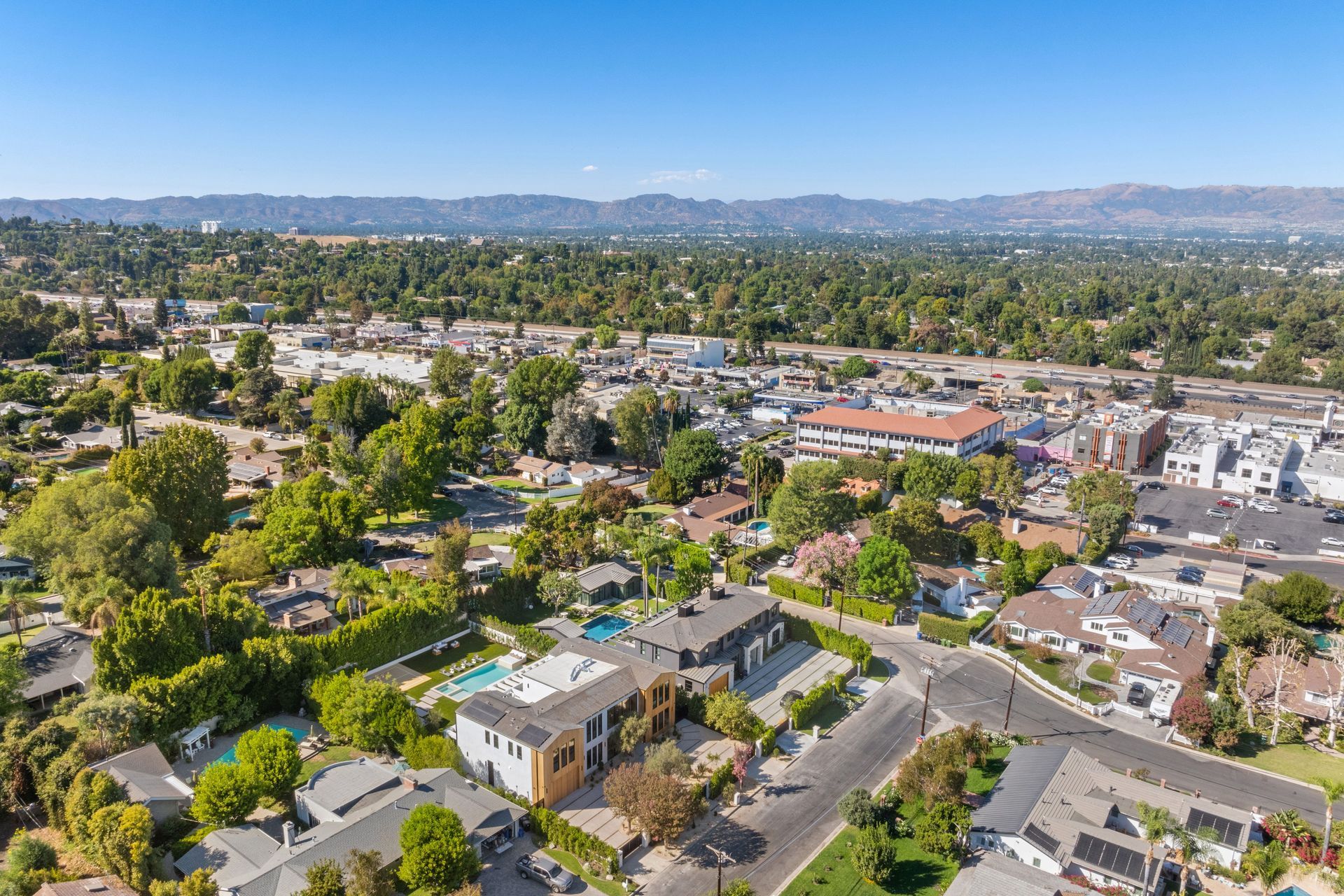
Home insurance helps protect your house, personal belongings, and liability risks. We explain coverage options clearly so you know what your policy includes.
Auto insurance provides protection for accidents, liability, and vehicle damage. We help you compare options so you can choose coverage that fits your driving needs.
Motorcycle insurance provides coverage for riders and their bikes. We help you select options that match how and where you ride.
RV insurance supports protection for motorhomes and recreational vehicles. Coverage applies during travel and while parked.
Coverage Built for Contractors and Trades
Support that keeps your work moving.

General Liability Insurance
General liability insurance helps protect contractors from injury and property damage claims. It supports jobsite requirements and contracts.

Workers Compensation
Workers compensation insurance helps protect employees injured while working. It also supports compliance with state requirements.

Commercial Auto Insurance
Commercial auto insurance provides coverage for work vehicles used on jobsites. It helps protect drivers and company vehicles.
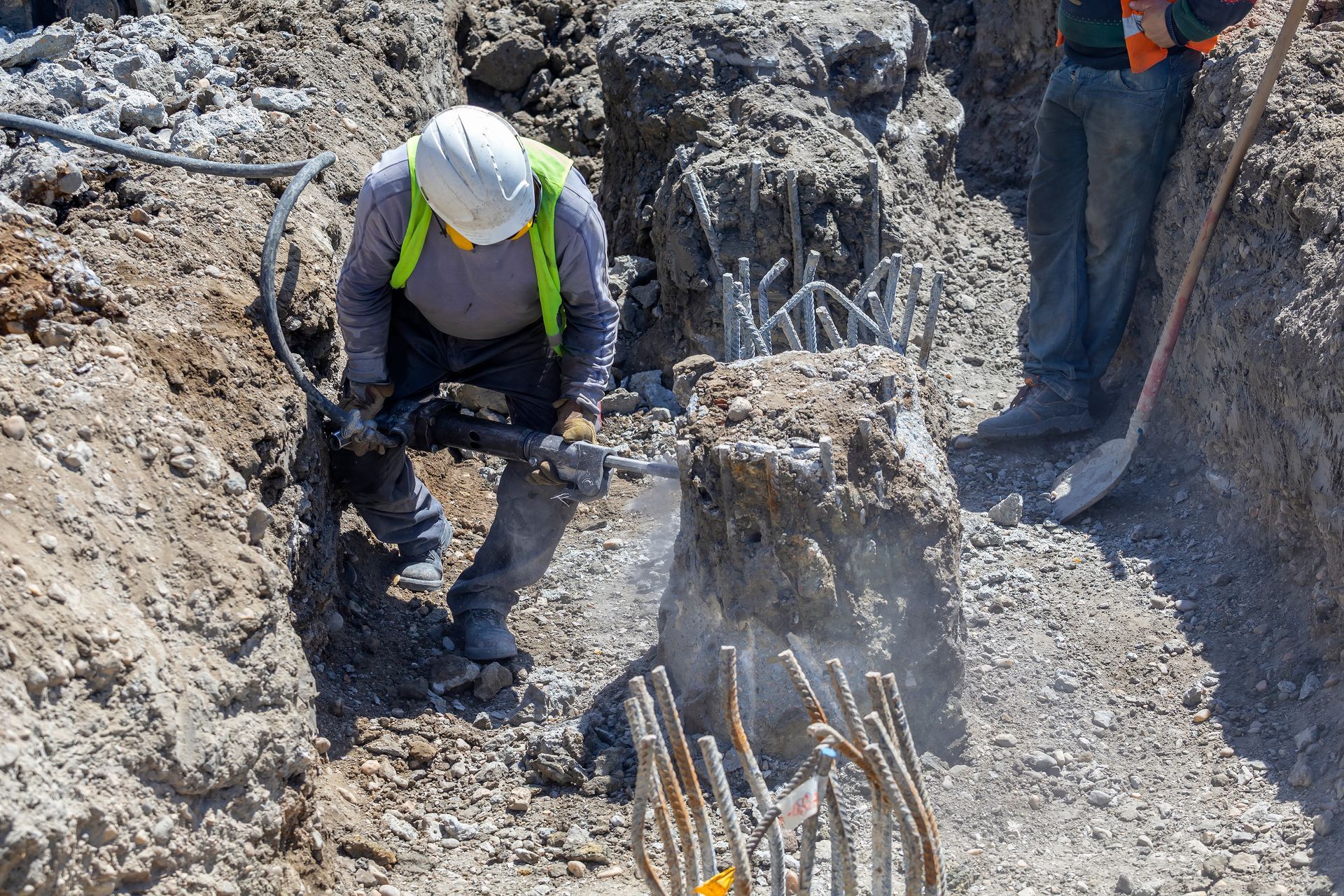
Contractor Insurance
Contractor insurance supports trades and service professionals across Southern California. It helps protect tools, equipment, and daily operations.

Cyber Liability Insurance
Cyber liability insurance helps protect business data and customer information. It supports recovery from digital incidents.

Commercial Property Insurance
Commercial property insurance helps protect offices, shops, and equipment. It supports recovery after covered damage.
Coverage Built for Specialized Work
Support for high-risk and service-driven industries.



Simple Steps Supported by Steady Guidance
A Clear Path to Coverage
Trusted by Clients Across Southern California
Clear service backed by real experiences.
Answers to Common Questions.
Clear explanations to guide your decisions.
How do I know which insurance policy is right for me?
We compare coverage options from multiple carriers to help you see differences in protection and price. You can review clear details and ask questions so you understand what each policy covers. Our team guides you step by step so you feel sure about your decision.
What factors affect my auto insurance premium?
Auto insurance premiums are influenced by your driving history, age, location, vehicle type, and coverage choices. A clean driving record and good safety features can help lower costs. We review these factors with you and help find coverage that fits your budget and needs.
Does homeowners insurance cover all types of damage?
Standard homeowners insurance protects your structure, personal belongings, liability, and additional living expenses in many cases. However, it usually does not include flood or earthquake damage without separate policies. We help you decide if extra coverage is right for your home and location.
Can I update my policy or get certificates online?
Yes. You can submit requests for policy changes and certificates through our online service form at any time. Our team processes those requests quickly and confirms updates once complete so you have the documents you need.
Do I need separate insurance for business risks like EPLI or E&O?
Yes. General liability and workers compensation cover many business risks but do not protect against all exposures. For example, Employment Practices Liability Insurance (EPLI) covers claims like wrongful termination or discrimination, and Errors & Omissions (E&O) covers claims based on mistakes in professional services. We help you identify which extra policies your business may need.
What happens if I need to file a claim?
If you need to file a claim, we guide you through the process and help you contact the insurance carrier. We explain what information you should provide, answer your questions, and stay available while the carrier reviews your claim. This support helps you move forward with confidence.
Contact Us