Eastvale has changed dramatically since its incorporation in 2010. What was once a quiet stretch of dairy farms along the 15 corridor is now one of the fastest-growing cities in Riverside County, with a population pushing past 75,000 and a commercial sector that keeps expanding year over year. New restaurants, retail centers, professional offices, and service businesses open regularly, and with that growth comes a very real question every owner needs to answer: what happens when something goes wrong on your property or because of your operations? A slip on a wet floor, a product that injures a customer, an advertising claim that draws a lawsuit - these aren't hypothetical scenarios. They happen to Eastvale businesses every year.
General liability insurance is the foundational policy that stands between your company and financial ruin when these incidents occur. Whether you run a small coffee shop near Hamner Avenue or manage a logistics firm in one of the city's industrial parks, understanding this coverage isn't optional. It's the cost of doing business responsibly in a city that's growing this fast.
The Importance of General Liability Insurance for Eastvale Business Owners
Protecting Assets in a Growing Inland Empire Economy
Eastvale's position within the Inland Empire makes it a magnet for commercial investment. The city sits at the intersection of major transportation routes, benefits from relatively affordable commercial leases compared to Orange County or Los Angeles, and draws from a large local consumer base. That economic momentum is great for revenue, but it also increases exposure. More foot traffic means more chances for accidents. More transactions mean more potential disputes.
A single bodily injury claim can easily exceed $50,000 in medical costs and legal fees before you even get to a courtroom. Property damage claims from your operations - say, a contractor's crew accidentally breaks a client's irrigation system or cracks a storefront window - can run $10,000 to $30,000 depending on severity. Without general liability coverage in Eastvale, those costs come directly from your business accounts. For a small or mid-sized operation, one bad incident can wipe out months of profit or force closure entirely.
The Inland Empire's construction boom also means more subcontractor relationships, vendor agreements, and joint ventures where liability questions get complicated fast. Having your own policy protects you when someone else's mistake gets traced back to your involvement.
Legal Requirements and Contractual Obligations in Riverside County
California doesn't technically mandate general liability insurance for most businesses the way it mandates workers' compensation. But here's the reality: you'll have a hard time operating without it. Riverside County requires proof of insurance for many business permits and licenses. If you're leasing commercial space in Eastvale - and most businesses are - your landlord's lease agreement almost certainly includes an insurance requirement, often with minimum limits of $1 million per occurrence.
Government contracts, which are increasingly available as Eastvale invests in infrastructure and public services, universally require proof of general liability coverage. The same goes for partnerships with larger companies. If you want to be a vendor at community events, farmers markets, or city-sponsored programs, you'll need a certificate of insurance.
Beyond contractual requirements, operating without coverage in a litigious state like California is a gamble with terrible odds. The state's plaintiff-friendly legal environment means lawsuits are common, settlements are high, and juries tend to sympathize with injured individuals over businesses.
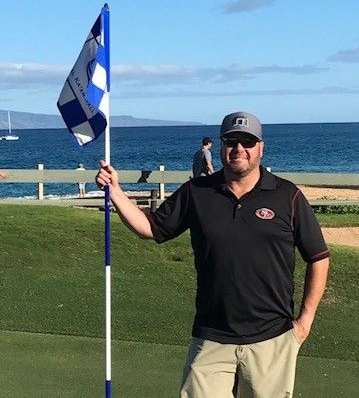
By: Patrick Caruso
President of Caruso Insurance Services
Core Coverage Components of a General Liability Policy
Bodily Injury and Property Damage Protection
This is the backbone of any general liability policy. Bodily injury coverage pays for medical expenses, lost wages, and legal defense costs when someone is physically hurt because of your business operations or on your premises. Property damage coverage handles situations where your business activities damage someone else's property.
The scenarios are endless. A delivery driver backs into a client's fence. A customer trips over a display and breaks their wrist. A cleaning chemical you use damages a neighboring tenant's flooring. Each of these triggers the bodily injury or property damage portion of your policy.
Standard policies in 2026 typically offer $1 million per occurrence and $2 million aggregate, though limits vary. Your insurer covers defense costs in addition to the policy limits in most cases, which matters because legal defense alone can cost $25,000 to $75,000 even for claims that ultimately get dismissed.
Personal and Advertising Injury Liability
This component covers non-physical harm: things like defamation, slander, libel, copyright infringement in your advertising, and wrongful eviction. It's a category many business owners overlook until they need it.
Consider a scenario where your business runs a social media ad that inadvertently uses a competitor's copyrighted image, or where an employee makes a public statement that damages another company's reputation. These claims fall under personal and advertising injury, and they can be surprisingly expensive to defend. A copyright infringement claim alone can carry statutory damages of $30,000 to $150,000 per work infringed, even without proving actual harm.
For Eastvale businesses that rely on digital marketing, social media, or content creation as part of their customer acquisition strategy, this coverage is especially relevant.
Medical Payments Coverage
Medical payments coverage, often called MedPay, is a smaller but valuable piece of the policy. It pays for minor medical expenses when someone is injured on your premises or because of your operations, regardless of who's at fault. Typical limits range from $5,000 to $10,000 per person.
The real value of MedPay is that it settles small injuries quickly without a formal claim or lawsuit. A customer who slips and needs an emergency room visit for a sprained ankle can get their $3,000 medical bill covered through MedPay without filing a liability claim. This often prevents the situation from escalating into litigation, which saves everyone time, money, and stress.
Think of MedPay as a goodwill mechanism. It keeps minor incidents from becoming major legal headaches.
Common Risks for Specific Eastvale Industries
Retail and Hospitality Risks at The Enclave and Cloverdale Marketplace
Eastvale's retail landscape centers around shopping destinations like The Enclave at Eastvale and Cloverdale Marketplace, where restaurants, retail stores, and entertainment venues draw heavy foot traffic. These environments create specific liability exposures that business owners need to understand.
Restaurants face slip-and-fall risks from wet floors, burns from hot food or beverages, and foodborne illness claims. A single food poisoning incident affecting multiple customers can generate dozens of simultaneous claims. Retail stores deal with merchandise falling on customers, parking lot injuries, and product liability issues if they sell items that later cause harm.
Entertainment and fitness businesses - gyms, trampoline parks, escape rooms - face elevated bodily injury risk simply because of the nature of their operations. Even with signed waivers, California courts have limited the enforceability of liability waivers in many contexts, meaning you can't rely on a signed form to protect you.
Conducting quarterly safety inspections, documenting maintenance with photos and dated reports, and training staff on incident response protocols are all steps that reduce your risk profile and can lower your premiums over time.
Service and Professional Office Liability Concerns
Eastvale's growing professional corridor includes accounting firms, real estate offices, medical practices, IT consultants, and home service companies. These businesses face different risks than retail, but the financial exposure can be just as significant.
A plumber whose work causes water damage to a client's home. An IT consultant whose system migration accidentally deletes client data. A real estate agent whose marketing materials contain inaccurate property descriptions. Each of these triggers general liability coverage, though some may also require professional liability (errors and omissions) insurance as a complement.
Home service businesses - landscapers, electricians, HVAC technicians, cleaning companies - are particularly vulnerable because they operate on clients' properties daily. One mistake can mean tens of thousands in property damage claims. Maintaining detailed records of every job, including before-and-after photos, helps establish a defense if a claim is filed months after the work was completed.
Business Size and Annual Revenue Projections
Insurance carriers price general liability policies based on your exposure, and two of the biggest indicators are your annual revenue and number of employees. A solo consultant working from a home office in Eastvale might pay $400 to $700 annually for a standard policy. A restaurant doing $1.5 million in annual revenue with 20 employees could pay $3,000 to $6,000 or more.
Your industry classification code, assigned by the insurer, determines your base rate per $1,000 of revenue. Construction and contracting businesses pay the highest rates because their operations carry the most physical risk. Professional services and office-based businesses pay the lowest.
Revenue projections matter because most policies are audited at the end of the term. If your actual revenue exceeds your initial estimate, you'll owe additional premium. If it comes in lower, you may receive a refund. Be honest with your projections - underestimating to get a lower upfront premium just delays the cost.
Claims History and Risk Management Protocols
Your claims history is tracked in the CLUE (Comprehensive Loss Underwriting Exchange) database, which insurers check before issuing or renewing policies. A history of frequent claims - even small ones - signals higher risk and drives premiums up. Three or more claims within a five-year period can make it difficult to find affordable coverage at all, and some carriers may decline to insure you.
This is why proactive risk management matters so much. Annual property inspections, documented safety training for employees, proper signage, well-maintained walkways, and quick incident response all reduce the likelihood of claims. Some insurers offer premium discounts of 5% to 15% for businesses that can demonstrate formal risk management programs.
If you do have a rough claims history, be upfront with your agent. Specialty carriers exist for higher-risk businesses, and an experienced broker can help you find coverage without paying exorbitant rates.
How to Select the Right Policy and Limits
Comparing Aggregate vs. Per-Occurrence Limits
Every general liability policy has two key limits: per-occurrence and aggregate. The per-occurrence limit is the maximum the insurer will pay for any single claim. The aggregate limit is the total the insurer will pay across all claims during the policy period, typically one year.
A standard $1 million/$2 million policy means the insurer pays up to $1 million for one incident and up to $2 million total for the year. If you face three claims of $800,000 each, the first claim is fully covered, the second is covered up to the remaining $1.2 million aggregate, and the third leaves you exposed.
For businesses with higher foot traffic or multiple locations, consider higher limits: $2 million per occurrence with a $4 million aggregate. You can also add an umbrella policy that kicks in once your underlying limits are exhausted, often available for a few hundred dollars annually per million in additional coverage.
Bundling with Business Owner Policies (BOP)
A Business Owner Policy combines general liability with commercial property insurance into a single package, usually at a lower combined premium than buying each separately. For most small to mid-sized Eastvale businesses, a BOP is the most cost-effective starting point.
BOPs typically include coverage for your building (if owned), business personal property, business interruption, and general liability. Some carriers bundle additional coverages like data breach liability or equipment breakdown at no extra cost.
The limitation of BOPs is that they're designed for lower-risk businesses. If your operation involves significant physical hazards, high-value inventory, or complex liability exposures, you may need standalone policies with customized terms. A good insurance broker can run the numbers both ways and show you where the break-even point falls.
Securing Your Eastvale Business for Long-Term Growth
General liability insurance for Eastvale businesses isn't just a box to check on a lease agreement or permit application. It's the financial foundation that lets you operate confidently in a city where growth brings both opportunity and exposure. The right policy protects your assets, keeps you eligible for contracts and partnerships, and prevents a single bad day from undoing years of hard work.
Start by getting quotes from at least three carriers, working with a broker who understands Riverside County's commercial insurance market. Review your coverage annually as your revenue and operations change. Document your safety practices, maintain your property, and respond to incidents immediately and thoroughly.
Eastvale's commercial landscape is only getting more competitive. The businesses that survive long-term are the ones that plan for risk before it arrives, not after.
ABOUT THE AUTHOR:
PATRICK CARUSO
I’m Patrick Caruso, founder of Caruso Insurance, and I have spent more than 25 years helping families, contractors, and small businesses across Southern California make confident insurance decisions. I focus on explaining coverage in clear terms, comparing multiple carriers, and supporting clients with steady communication so they feel secure with each step. My goal is to provide dependable guidance, simple answers, and a smooth process for anyone who needs personal or business insurance.
Contact Us

Service that stays with you.
Our team helps simplify insurance decisions for families and businesses. We focus on clear explanations, fast responses, and dependable service. You can count on us for help with coverage questions, updates, and long-term support.
Coverage that keeps you secure
Reliable Protection for Everyday Life
Home insurance helps protect your house, personal belongings, and liability risks. We explain coverage options clearly so you know what your policy includes.
Auto insurance provides protection for accidents, liability, and vehicle damage. We help you compare options so you can choose coverage that fits your driving needs.
Motorcycle insurance provides coverage for riders and their bikes. We help you select options that match how and where you ride.
RV insurance supports protection for motorhomes and recreational vehicles. Coverage applies during travel and while parked.
Coverage Built for Contractors and Trades
Support that keeps your work moving.

General Liability Insurance
General liability insurance helps protect contractors from injury and property damage claims. It supports jobsite requirements and contracts.

Workers Compensation
Workers compensation insurance helps protect employees injured while working. It also supports compliance with state requirements.

Commercial Auto Insurance
Commercial auto insurance provides coverage for work vehicles used on jobsites. It helps protect drivers and company vehicles.
Contractor Insurance
Contractor insurance supports trades and service professionals across Southern California. It helps protect tools, equipment, and daily operations.

Cyber Liability Insurance
Cyber liability insurance helps protect business data and customer information. It supports recovery from digital incidents.

Commercial Property Insurance
Commercial property insurance helps protect offices, shops, and equipment. It supports recovery after covered damage.
Coverage Built for Specialized Work
Support for high-risk and service-driven industries.

Simple Steps Supported by Steady Guidance
A Clear Path to Coverage
Trusted by Clients Across Southern California
Clear service backed by real experiences.
Answers to Common Questions.
Clear explanations to guide your decisions.
How do I know which insurance policy is right for me?
We compare coverage options from multiple carriers to help you see differences in protection and price. You can review clear details and ask questions so you understand what each policy covers. Our team guides you step by step so you feel sure about your decision.
What factors affect my auto insurance premium?
Auto insurance premiums are influenced by your driving history, age, location, vehicle type, and coverage choices. A clean driving record and good safety features can help lower costs. We review these factors with you and help find coverage that fits your budget and needs.
Does homeowners insurance cover all types of damage?
Standard homeowners insurance protects your structure, personal belongings, liability, and additional living expenses in many cases. However, it usually does not include flood or earthquake damage without separate policies. We help you decide if extra coverage is right for your home and location.
Can I update my policy or get certificates online?
Yes. You can submit requests for policy changes and certificates through our online service form at any time. Our team processes those requests quickly and confirms updates once complete so you have the documents you need.
Do I need separate insurance for business risks like EPLI or E&O?
Yes. General liability and workers compensation cover many business risks but do not protect against all exposures. For example, Employment Practices Liability Insurance (EPLI) covers claims like wrongful termination or discrimination, and Errors & Omissions (E&O) covers claims based on mistakes in professional services. We help you identify which extra policies your business may need.
What happens if I need to file a claim?
If you need to file a claim, we guide you through the process and help you contact the insurance carrier. We explain what information you should provide, answer your questions, and stay available while the carrier reviews your claim. This support helps you move forward with confidence.
Contact Us