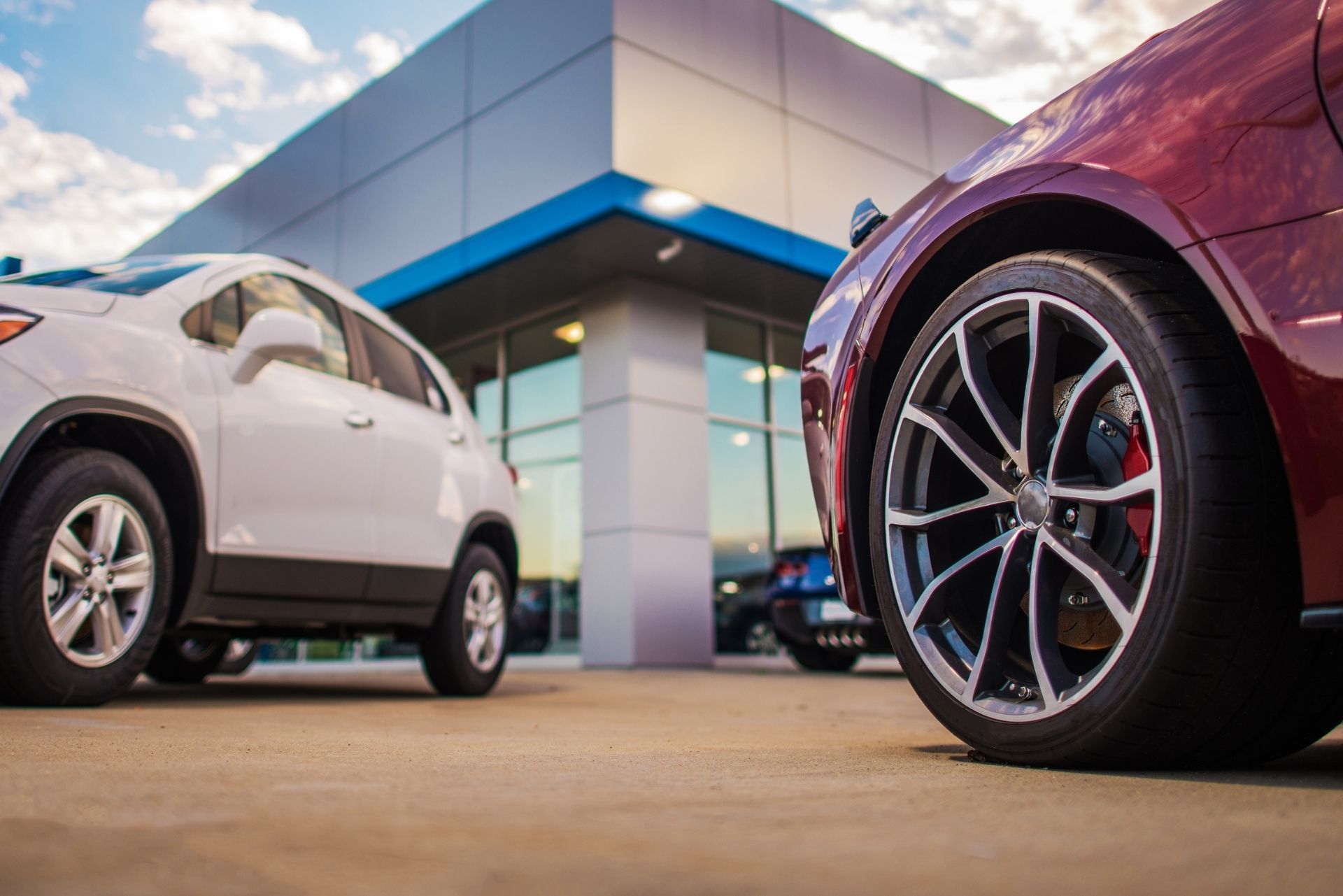
The auto dealership industry in California faces unique challenges that intertwine market trends, regulatory shifts, and evolving consumer expectations. For franchise auto dealers, understanding the intricacies of insurance coverage is paramount in protecting assets, ensuring profitability, and staying competitive. A closer look at recent developments reveals that changes in auto insurance rates and innovative approaches such as embedded insurance are reshaping the landscape. For instance, in 2023, leading companies such as State Farm and Allstate experienced significant rate hikes according to CarInsurance.com, adding layers of complexity for dealers needing to manage risk effectively.
This comprehensive guide delves into the challenges, opportunities, and practical solutions for franchise auto dealers. It not only outlines how the insurance market has shifted but also explains why a tailored approach to insurance can safeguard a dealership’s bottom line. With insights ranging from market statistics to dealership-specific profit protection strategies, this guide is intended to be a trusted resource for dealership owners, brokers, and industry professionals.
Understanding the Changing Insurance Landscape
Over the past few years, the insurance industry in California has undergone significant shifts driven by changing risk assessments, regulatory requirements, and fluctuating market dynamics. Dealers are now working in an environment where insurance is not simply a regulatory obligation but a strategic tool to enhance profitability and customer satisfaction.
Recent data suggests that auto insurance rates have experienced notable increases. For instance, in 2023, State Farm received a 21% rate increase while Allstate faced a 30% increase as reported by CarInsurance.com. This trend implies that higher premiums are becoming part of the new normal, prompting dealers to reassess how these costs are managed and mitigated. The rising costs have pushed many franchises to explore bundled coverage and value-added features, such as embedded insurance, to protect profit margins.
According to industry experts, embedded insurance products are emerging as an essential part of a dealership’s toolkit. They not only enhance customer satisfaction but also serve as a shield against diminishing front-end profit margins. As one report noted, dealerships are increasingly turning to these innovative coverage options to ensure that every sale contributes directly to protecting the bottom line.

By: Jennifer Roberts
Commercial Insurance Agent at Caruso Insurance Services
The Role of Embedded Insurance in Protecting Profit
Embedded insurance is becoming a popular solution among dealerships seeking to offer an added layer of financial protection. It provides customers with seamless coverage integration at the point of sale, which can reduce administrative burdens and help close sales more efficiently. Dealers have found that embedded insurance is not merely a distraction from the core business, but a vital component of safeguarding profit margins.
One industry expert mentioned, "Embedded insurance is not just a value-add for customer satisfaction; it’s becoming essential to protecting a dealership’s bottom line" according to Polly's Q1 Report. This perspective is particularly relevant as dealer margins shrink and the need for risk mitigation grows. By integrating insurance policies directly into the vehicle sale process, dealerships can secure an additional revenue stream while offering customers peace of mind.
What makes embedded insurance so attractive is its simplicity and the immediate tangible benefits it offers to both the dealership and the customer. With insurance seamlessly woven into the car purchase process, customers are more likely to perceive the dealership as a one-stop shop, enhancing overall customer loyalty and satisfaction.
Market Trends and Their Impact on Franchise Dealerships
Market trends play a significant role in shaping the insurance policies available to franchise dealerships. With the automotive sector experiencing both rapid turnover and dynamic shifts in purchasing behavior, dealers need to stay on top of changing insurance regulations and coverage models. Understanding these trends is crucial to managing operational risks effectively.
In 2023, regulators approved an average auto insurance rate increase of 13.2% in California, a rise from 10.6% observed in 2019 based on data from Piedmont Exedra. These rising premiums add financial pressure on dealerships, emphasizing the need for comprehensive risk management strategies. Dealers must carefully balance increased insurance costs with operational budgets to ensure profitability.
Car dealerships, especially those operating as part of a franchise, must therefore evolve their approach to insurance. Beyond simply comparing premium costs, these businesses are now looking at the overall value of bundled insurance packages that cater to both operational risks and long-term financial security. This evolving approach is supported by an industry shift where embedded insurance product adoption is seen as a way to both streamline customer service and secure additional revenue avenues.

Addressing the Specific Needs of Franchise Auto Dealers
Franchise auto dealerships face unique challenges compared to independent dealers. These challenges range from brand consistency and regulatory obligations to managing extensive inventories of new and used vehicles. Insurance coverage, therefore, must reflect a balanced approach that addresses both the corporate requirements of the franchise and the granular needs of dealership operations.
One of the critical areas of focus is the protection of the assets that drive the business. For instance, California franchised new car dealers sold over 1.85 million vehicles and trucks in 2024, while also contributing significantly to local economies through employment and taxes as per the California New Car Dealers Association. This scale of operation underscores the need for insurance policies that cover substantial inventories and high-value assets.
Dealerships often operate within narrow profit margins and are subject to delays and administrative obstacles. For example, strategies that prevent agents from quickly submitting business or those that slow down processing can have a significant negative impact on profitability. Such challenges were highlighted by industry leaders who pointed out that these tactics are pervasive and affect every aspect of the insurance process. Addressing these issues through smarter insurance integration can lead to improved operational efficiency and stronger financial performance.
Understanding Franchise Insurance Coverage Options
A well-rounded insurance program for franchise dealerships should consider multiple facets of the operation. From general liability and property coverage to specialized auto dealer policies, each component addresses a specific risk domain. Dealers benefit from coverage that is tailored to the unique exposures found in franchise operations.
This customized approach is essential because off-the-shelf policies might not adequately address the diverse risks of a multi-location franchise. For example, while a generic policy might cover property damage, it may not provide the nuanced protection needed for inventory fluctuations or the integrated risk posed by on-site financing activities.
Providers increasingly offer comprehensive packages that bundle various lines of coverage. This consolidation not only streamlines administrative procedures but also brings down overall premium costs. Embedded within these packages are extended warranties, dealer safeguard features, and even certain elements of cyber risk management. When structured correctly, these packages can deliver significant cost savings while substantially reducing exposure to potential claims.
Key Policy Components for Franchise Dealerships
Insurance policies for franchise auto dealers typically consist of several key components, which include property coverage, liability protection, auto dealer errors and omissions (E&O) insurance, and worker’s compensation coverage. Each of these elements is essential in creating a robust risk management strategy.
Property coverage protects the physical assets of the dealership-inventory, facilities, and other capital investments. Liability protection, on the other hand, shields the dealership from lawsuits related to bodily injury or property damage that may occur on the premises or due to operations. E&O policies cover errors in the dealership’s advice or oversight that lead to financial losses for customers, while worker’s compensation is mandatory to protect employees against on-the-job injuries.
Given these varied needs, it may be helpful to compare a basic insurance package against more extended coverage options. The table below outlines some of the key differences:
| Coverage Component | Basic Package | Extended Package |
|---|---|---|
| Property Coverage | Standard protection for facility and inventory | Enhanced limits, including natural disaster and theft |
| Liability Protection | General liability against bodily injury | Expanded coverage with legal defense costs |
| Errors & Omissions (E&O) | Limited coverage for advisory errors | Comprehensive coverage including online transactions |
| Worker’s Compensation | Basic required coverage | Extended benefits and faster claim processing |
This table helps illustrate how dealers can choose between policies that only cover the basics and those offering extensive, layered protection. Selecting the right policy depends on the scale of operations and the specific challenges faced by each dealership.
Implementing Risk Management Strategies Effectively
Proactive risk management is essential for franchise auto dealerships. Each aspect of a dealership’s operations, from vehicle inventory to customer interactions, exposes them to unique risks that can impact the bottom line. An integrated approach to insurance and risk management helps dealerships stay resilient even amid market fluctuations.
For instance, embedded insurance has been celebrated for simplifying the risk management process. With the insurance product integrated into the sales process, dealerships can streamline administrative tasks while benefiting from improved customer retention. Embedded insurance also helps lower the likelihood of claim disputes because coverage details are clearly communicated and agreed upon at the point of sale.
One common frustration among agents is the delay and procedural complexities associated with insurance claims processing. As Mike D’Arelli, Executive Director of the American Agents Alliance, observed, "These sorts of tactics to prevent the agent from wanting to submit business or slowing things down are pervasive" as reported by Insurtech Insights. Recognizing such challenges, many dealerships are investing in technology and streamlined processes to address inefficiencies.
The Impact of Regulatory Changes and Market Conditions
Regulatory environments often dictate how insurance products are designed and priced. California, known for its rigorous consumer protection laws, has seen significant changes in the auto insurance market over the past few years. Regulatory bodies are continuously adjusting the parameters for acceptable rate increases and claims processing times.
Besides market-driven premium hikes, such as the 21% increase for State Farm and the 30% increase for Allstate in 2023 according to CarInsurance.com, other regulatory actions have had a direct influence on coverage offerings. Notably, Allstate paused new homeowner, condominium, and commercial insurance policies in California during the same year. Moves like this underline the intricate balance between delivering insurance at competitive rates and ensuring sustainable underwriting practices.
The regulatory environment adds complexity by requiring dealerships to coordinate seamlessly with insurance providers to remain in compliance. These dynamics necessitate that dealers become well-versed in both the operational side of the business and the legal frameworks that govern insurance practices in the state. A successful risk management strategy, therefore, often includes not only a comprehensive policy but also a keen eye on evolving regulatory directives.
Benefits Beyond the Bottom Line
While financial protection is a major driver for comprehensive insurance, there are additional benefits that contribute to the overall success of franchise auto dealerships. A robust insurance program can enhance customer trust, streamline operations, and even serve as a marketing tool. A dealer who can quickly and efficiently handle any unexpected incident is more likely to secure repeat business and positive referrals.
The communication of such comprehensive risk coverage builds customer confidence. This increased trust can translate into higher customer satisfaction scores, particularly among younger demographics. According to a J.D. Power study, 47% of millennial and Gen Z customers show interest in embedded car insurance as reported by J.D. Power, highlighting a generational preference for integrated solutions over traditional standalone policies.
A customer-first approach that includes embedded insurance can act as a differentiator in a highly competitive market. By offering an all-in-one package, dealerships not only simplify the buying process but also reduce the friction that might otherwise deter a sale. This streamlined experience benefits both the customer and the dealership, making it an effective strategy for long-term success.
Practical Implementation: Steps for Franchise Dealers
Implementing or revising an insurance strategy requires careful planning and clear action steps. Franchise auto dealers can follow a pragmatic approach to align their insurance programs with emerging trends and regulatory changes. It starts with a thorough review of current policies and a gap analysis regarding coverage for dealership-specific risks.
First, dealers should examine their current insurance arrangements to identify areas where coverage may be lacking. This evaluation might include a detailed audit of existing policies, claims history, and an analysis of emerging risks such as cyber threats or evolving product liabilities. Based on this review, dealerships can consult with insurance advisers to establish a roadmap for more comprehensive protection.
Next, dealers should consider integrating embedded insurance into the sales process. This involves selecting coverage that complements existing policies while also offering a seamless customer experience at the point of sale. By partnering with insurers that understand the unique challenges of the franchise environment, dealers can create customized packages that effectively manage risk while also boosting customer retention.
Step-by-Step Process for Integrating Embedded Insurance
Integrating embedded insurance into dealership operations is about creating a seamless flow that benefits both the business and its customers. The following steps provide a framework for achieving this integration:
1. Assess current coverage and identify gaps specific to dealership operations. Dealers can work with an advisor who understands both the insurance and auto sales sectors.
2. Select an insurance partner with a robust embedded insurance program that is capable of integrating into the dealership’s point-of-sale systems.
3. Train staff on the benefits and operational details of embedded insurance. A well-informed sales team can effectively communicate the added value to potential buyers.
4. Implement technology solutions that support rapid policy issuance and claims processing. This helps prevent delays and improves customer satisfaction.
5. Monitor performance metrics to evaluate the success of the embedded program continuously. Regular reviews and adjustments ensure that the coverage keeps pace with operational needs.
Managing Costs While Maximizing Coverage
The rising costs of auto insurance in California demand that franchise auto dealers look for strategies to control expenses while still receiving the protection they need. Techniques such as negotiating bundled policy packages and exploring embedded insurance solutions can help achieve this balance.
By integrating several lines of coverage into one comprehensive package, dealerships might be able to reduce administrative costs and lower overall premium expenses. Customization plays a key role in this equation, as certain policies can be tailored to reflect the dealership’s risk profile and operational scale. For instance, dealerships with a high volume of inventory may seek property coverage with higher limits, while those focused on increasing customer retention might prioritize the smooth integration of embedded policies.
Cost control is also about risk prevention. A proactive approach to risk management, which includes regular training for staff and updates to insurance policies in response to regulatory shifts, minimizes the chances of expensive claims and downtime. Such strategies not only preserve capital but also help secure a competitive advantage in an increasingly challenging market.
Embracing Technological Advancements in Insurance Processing
Technology is transforming every facet of the insurance industry, and franchise auto dealerships are no exception. Digital platforms now facilitate quick policy comparisons, streamlined underwriting, and efficient claims handling. These advancements contribute significantly to reducing turnaround times and administrative inefficiencies.
Embedded insurance solutions often rely on sophisticated technology platforms that integrate with dealership management systems. This integration not only improves the customer experience but also streamlines operations by reducing delays caused by traditional paper-based processes. In a climate where delays and administrative hurdles can result in lost sales, minimizing these obstacles is critical. Advanced systems also provide real-time data that can help dealerships adjust coverage rapidly in response to evolving risks.
Technological adaptability plays a crucial role because the market is evolving. Dealers who incorporate digital tools and automation into their insurance processes position themselves ahead of the curve, ensuring faster processing of claims and a more competitive service offering. This technological edge, combined with robust insurance coverage, can significantly enhance the overall operational efficiency of a dealership.
Impact on the Dealership Workforce and Customer Engagement
Insurance and risk management policies do more than just protect the bottom line; they influence the daily operations and culture within a dealership. A well-structured insurance program can create a safer, more efficient work environment for employees. Such an environment improves employee morale and enhances customer service, as staff can focus on serving customers rather than grappling with cumbersome administrative obstacles.
Incorporating features like embedded insurance can streamline interactions both internally and with customers. A streamlined process means that sales teams are de-stressed from lengthy paperwork and delayed claim procedures. This efficiency not only speeds up transactions but also fosters higher levels of customer engagement and loyalty.
Customer satisfaction is increasingly linked to efficient and transparent service. With the new generation of buyers, particularly millennials and Gen Z, placing a premium on convenience and technology integration
as highlighted by a J.D. Power study, dealerships that combine robust insurance coverage with digital innovation stand to gain a competitive advantage.
Frequently Asked Questions
Below are answers to some common questions that franchise auto dealers may have about insurance coverage in California.
Q1: Why is embedded insurance becoming essential for franchise auto dealerships?
Embedded insurance offers seamless integration with the vehicle sale process while protecting profit margins. It provides added convenience for customers and helps dealerships manage risk more effectively. This streamlined approach mitigates delays in claims processing.
Q2: How do rising premium rates affect dealership operations?
Increased premiums, like the 21% and 30% rate hikes seen for major insurers in 2023 reported by CarInsurance.com, lead to higher operational expenses. Dealers must adjust their budgets and explore bundled insurance options to manage rising costs efficiently.
Q3: What benefits do comprehensive insurance packages offer to franchise dealerships?
Comprehensive insurance packages offer protection across multiple risk areas such as property, liability, and worker’s compensation. They streamline administrative tasks and provide a single solution to cover varied operational risks, which can ultimately boost profitability.
Q4: Can technology improve my dealership’s insurance claims process?
Yes, integrating digital platforms can expedite claims processing, reduce paperwork, and improve overall operational efficiency. This technology-driven approach is key to staying competitive and responsive in a changing market.
Q5: What should I look for when choosing an insurance provider for my dealership?
Dealers should seek providers that offer tailored coverage, competitive premiums, and the ability to integrate embedded insurance solutions seamlessly. Reviews of underwriting experience, claims processing speed, and regulatory compliance are also important factors.
Q6: How do regulatory changes impact franchise dealership insurance policies?
Regulatory shifts can prompt higher premium rates and require adjustments in coverage details. Staying informed about these changes is key to ensuring that your dealership’s insurance policies remain compliant and comprehensive.
Wrapping Things Up: Strategic Coverage for Long-Term Success
For franchise auto dealerships in California, navigating the world of insurance coverage involves more than just routine policy renewal. It requires a proactive approach where risk prevention, digital integration, and strategic alignment with broader regulatory and market trends all play a role. With the recent focus on embedded insurance and evolving coverage packages, dealerships must balance the scale between operational efficiency and financial protection.
Dealers who adapt quickly and integrate modern insurance solutions, like those that streamline claims processing and offer comprehensive bundled coverage, position themselves for long-term success. Whether it’s addressing rising premiums or meeting the needs of a digital-savvy customer base, implementing well-crafted insurance strategies is a critical component of staying competitive in California’s robust auto market.
Investing in a comprehensive and flexible insurance program can safeguard every aspect of a dealership’s operations, ensuring that from the showroom floor to the back office, every risk is managed effectively. For more updates and insights on managing specific challenges related to auto insurance, industry professionals often reference the latest reports and expert insights available from a range of leading sources.
Final Thoughts on Franchise Auto Dealer Insurance in California
The complexities of operating a franchise auto dealership in California extend well beyond everyday sales challenges. From regulatory shifts to technological innovations in insurance processing, modern dealerships face a multifaceted environment that requires strategic planning and robust risk management. Dealers who embrace a comprehensive insurance strategy, including integrated solutions like embedded insurance, are better poised to enhance profitability and customer loyalty.
Market dynamics such as the significant premium hikes reported for major insurers remind dealerships of their need to remain agile and informed. Coupled with the measurable advantages of bundled and integrated insurance coverage, franchise auto dealers are finding new ways to drive efficiency and secure competitive differentiation in an increasingly challenging marketplace.
By continuously refining risk management processes, leveraging technology, and staying updated on regulatory changes, franchise auto dealerships in California can build resilient operational models that protect their bottom line and support long-term growth. Armed with thoughtful insurance solutions, they are ready to face whatever challenges come their way.
ABOUT THE AUTHOR:
JENNIFER ROBERTS
Jennifer Roberts supports business clients with commercial insurance service and account coordination. She works closely with clients to explain coverage details clearly and guide them through policy updates that support business needs.
Jennifer believes strong organization and clear communication are key to reliable service. She stays involved throughout the policy process, from documentation to ongoing updates, and focuses on maintaining accurate and dependable client accounts.
Contact Us

Service that stays with you.
Our team helps simplify insurance decisions for families and businesses. We focus on clear explanations, fast responses, and dependable service. You can count on us for help with coverage questions, updates, and long-term support.
Coverage that keeps you secure
Reliable Protection for Everyday Life
Home insurance helps protect your house, personal belongings, and liability risks. We explain coverage options clearly so you know what your policy includes.
Auto insurance provides protection for accidents, liability, and vehicle damage. We help you compare options so you can choose coverage that fits your driving needs.
Motorcycle insurance provides coverage for riders and their bikes. We help you select options that match how and where you ride.
RV insurance supports protection for motorhomes and recreational vehicles. Coverage applies during travel and while parked.
Coverage Built for Contractors and Trades
Support that keeps your work moving.

General Liability Insurance
General liability insurance helps protect contractors from injury and property damage claims. It supports jobsite requirements and contracts.

Workers Compensation
Workers compensation insurance helps protect employees injured while working. It also supports compliance with state requirements.

Commercial Auto Insurance
Commercial auto insurance provides coverage for work vehicles used on jobsites. It helps protect drivers and company vehicles.
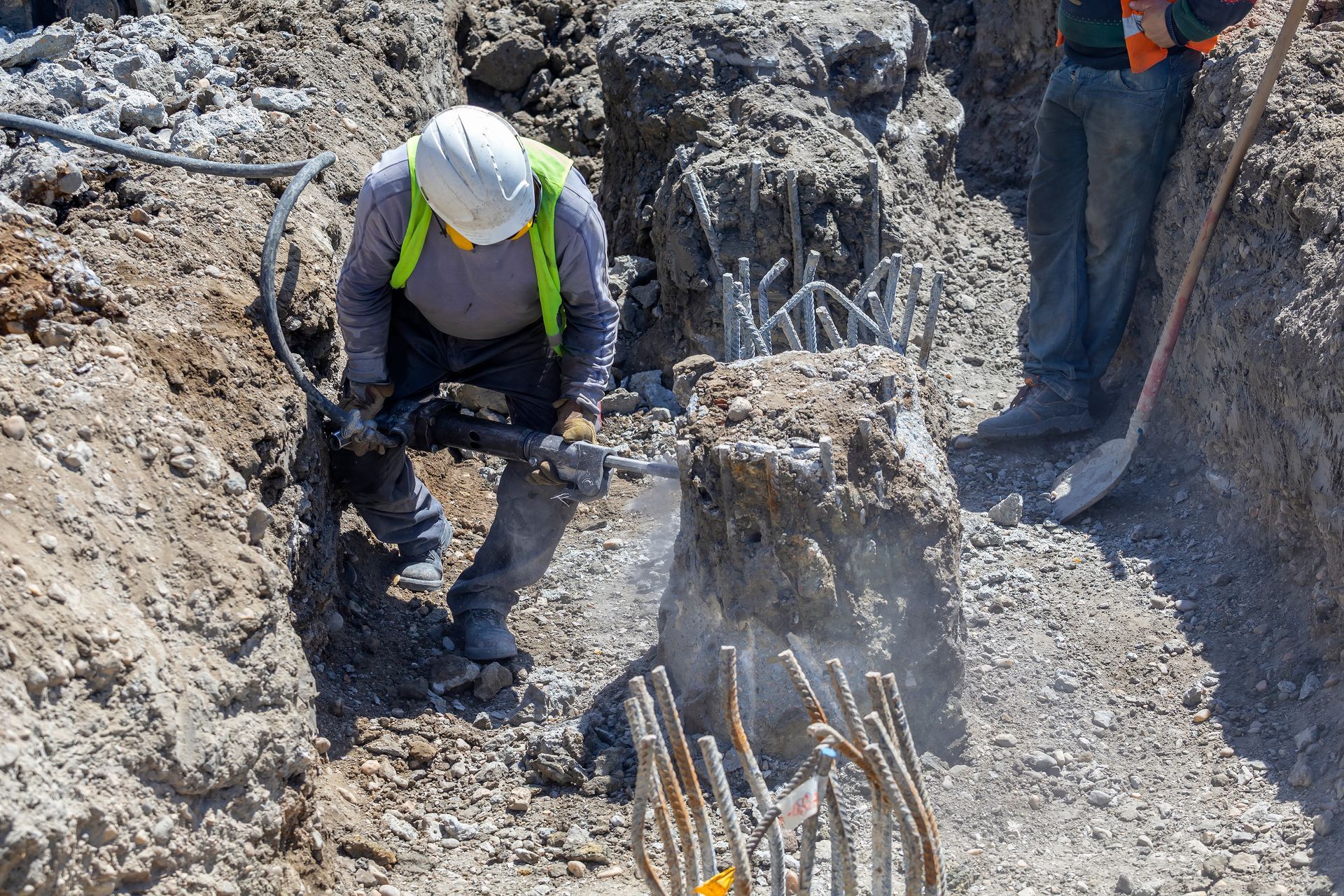
Contractor Insurance
Contractor insurance supports trades and service professionals across Southern California. It helps protect tools, equipment, and daily operations.

Cyber Liability Insurance
Cyber liability insurance helps protect business data and customer information. It supports recovery from digital incidents.

Commercial Property Insurance
Commercial property insurance helps protect offices, shops, and equipment. It supports recovery after covered damage.
Coverage Built for Specialized Work
Support for high-risk and service-driven industries.



Simple Steps Supported by Steady Guidance
A Clear Path to Coverage
Trusted by Clients Across Southern California
Clear service backed by real experiences.
Answers to Common Questions.
Clear explanations to guide your decisions.
How do I know which insurance policy is right for me?
We compare coverage options from multiple carriers to help you see differences in protection and price. You can review clear details and ask questions so you understand what each policy covers. Our team guides you step by step so you feel sure about your decision.
What factors affect my auto insurance premium?
Auto insurance premiums are influenced by your driving history, age, location, vehicle type, and coverage choices. A clean driving record and good safety features can help lower costs. We review these factors with you and help find coverage that fits your budget and needs.
Does homeowners insurance cover all types of damage?
Standard homeowners insurance protects your structure, personal belongings, liability, and additional living expenses in many cases. However, it usually does not include flood or earthquake damage without separate policies. We help you decide if extra coverage is right for your home and location.
Can I update my policy or get certificates online?
Yes. You can submit requests for policy changes and certificates through our online service form at any time. Our team processes those requests quickly and confirms updates once complete so you have the documents you need.
Do I need separate insurance for business risks like EPLI or E&O?
Yes. General liability and workers compensation cover many business risks but do not protect against all exposures. For example, Employment Practices Liability Insurance (EPLI) covers claims like wrongful termination or discrimination, and Errors & Omissions (E&O) covers claims based on mistakes in professional services. We help you identify which extra policies your business may need.
What happens if I need to file a claim?
If you need to file a claim, we guide you through the process and help you contact the insurance carrier. We explain what information you should provide, answer your questions, and stay available while the carrier reviews your claim. This support helps you move forward with confidence.
Contact Us