The recent surge in wildfire risk and changing market dynamics have left many California business owners reassessing their commercial property insurance coverage. With over 50,000 acres burned in a single winter wildfire and losses estimated to be in the tens of billions, the urgency has never been higher. For example, a McKinsey & Company report highlighted that insured losses from one major fire event in Los Angeles alone could reach between $35 billion and $45 billion [McKinsey & Company]. This guide delves into the nuances of commercial property insurance in California, offering a comprehensive overview for industry professionals, business owners, and risk managers alike.
California's unique geographic and climatic challenges require a specialized approach to insurance. From the increasing frequency of wildfires to shifting reinsurance rates, navigating the complex landscape of commercial property insurance necessitates a clear understanding of risk, coverage options, and emerging industry trends.
The following sections will break down the various factors affecting coverage in California, explain the importance of understanding policy details, and provide insights on planning for the future. Careful attention to risk mitigation and coverage specifics is crucial for any business operating within these high-risk zones.
Understanding Commercial Property Insurance in California
Commercial property insurance provides essential coverage for businesses by protecting assets such as buildings, equipment, and inventory against unexpected physical damage or loss. This protection is critical for business continuity in a state where environmental risks are ever-present.
Complex policies are designed to cover a variety of losses including but not limited to fire, theft, natural disasters, and even business interruptions. Because California faces significant climate challenges, ensuring the right coverage can mean the difference between survival and closure after an unexpected event.
Ultimately, the key to finding the right commercial property insurance policy is understanding the specific needs of your business and how they align with policy details. This understanding helps business owners make informed decisions about the safety net they choose to deploy.


By: Patrick Caruso
President of Caruso Insurance Services
Wildfires and Climate Risk Impact on Commercial Properties
Wildfires have become a significant driver of insured losses in California. A wildfire event in January 2025 notably burned over 50,000 acres and destroyed roughly 16,000 structures [McKinsey & Company]. Such staggering events elevate the risk environment for commercial properties and require robust insurance coverage.
Businesses, particularly those located in wildfire-prone areas, must assess not just the property itself but also potential liabilities arising from interruptions caused by these disasters. Enhanced risk assessments, revised premiums, and new mitigation standards have become common as insurers strive to keep pace with emerging patterns in wildfire frequency and severity.
Addressing these risks effectively involves both increased resilience in building infrastructure and the integration of smart planning measures. This approach not only improves physical defenses but also aligns with tailored insurance policies designed to cover the specific exposures resulting from climate change.
California FAIR Plan’s Role in the Market
The California FAIR Plan has grown in prominence as a safety net for property owners when traditional insurers pull back from high-risk markets. Data from a recent period shows that the plan’s total exposure nearly quintupled over a five-year span, reaching a substantial $700 billion with approximately 650,000 policies in force [McKinsey & Company].
This steady growth in exposure indicates that more property owners are turning to the FAIR Plan as an alternative when private insurers are reluctant to assume high-risk exposures. Although the premiums collected are significant, coming in at nearly $2 billion, the program is under constant pressure to evolve as the risk landscape shifts.
Given the statistical trends, stakeholders have been urged to focus on coordinated public-private solutions. Experts such as Pete Peterson of Pepperdine University have advocated for moving beyond fragmented efforts to secure sustainable market practices, highlighting the need for innovation and regulatory reform
[Pepperdine University School of Public Policy].

Key Factors Influencing Premiums and Related Costs
Commercial property insurance costs in California are influenced by a variety of factors. The escalation in weather-related claims, especially from severe convective storms which contributed to 68% of weather-related global insured losses in early 2023, puts upward pressure on premiums [RealProtect].
Similarly, the rising rates in U.S. property catastrophe reinsurance, which were up to 50% higher as of July 1, 2025, add to the cost burden faced by primary insurers [CoStar]. Reinsurers play a key role in sharing risk, and when their rates increase, the cost is inevitably passed on to the policyholders.
These factors necessitate not only improved underwriting practices but also a proactive approach from policyholders when negotiating coverage. In regions like California, the security provided by a comprehensive commercial property insurance policy is critical to safeguarding business operations and long-term investments.
Emerging Trends and Future Projections
Looking ahead, several trends are poised to redefine the commercial property insurance market in California. Among these, the integration of technology in risk assessment has been increasingly recognized as vital. InsurTech solutions and predictive modeling, as described in a recent study that combined real-life insurance claims with emerging data sources, offer significant improvements in loss prediction models [arXiv].
Another influential factor on the horizon is the projected increase in property rates. Industry reports suggest that rates in California could rise by 20-30% in 2025 due to persistent climate risks and supply chain constraints [C3 Risk & Insurance Services]. This forecast is prompting businesses and insurers alike to reassess risk management strategies and recalibrate pricing structures.
These market pressures highlight the importance of forward-thinking solutions. Business owners must not only review their current coverage but also engage in strategic planning that takes into account the evolving landscape of climate change, regulatory reforms, and technological advancements in data analysis.
One of the most promising developments in the insurance sector is the integration of InsurTech innovations into traditional underwriting processes. Enhanced data capture and analysis have given rise to more accurate risk models, benefiting both insurers and policyholders. This trend supports a more proactive risk management strategy that leverages real-time data alongside historical patterns.
By using advanced analytics, insurers can predict loss trends more effectively and offer products that are tailored to the unique exposures of businesses operating in high-risk regions. The study combining real-life insurance claims with InsurTech innovations serves as an important benchmark, demonstrating that emerging data sources can substantially improve predictive accuracy [arXiv].
For business owners, this means that discussions with potential insurers can now be based on more concrete and timely data, reducing the uncertainty traditionally associated with underwriting in hazardous areas. In turn, more customized coverage options with competitive premiums are emerging, reflecting a deeper understanding of the risks at hand.
Preparing for Disasters and Mitigation Strategies
In addition to having robust insurance coverage, practical risk mitigation strategies are integral to commercial property protection. Investing in building upgrades, wildfire-resistant materials, and early detection systems can significantly reduce the damage sustained during a wildfire or other natural disasters.
Businesses that proactively adopt these measures often benefit from more favorable insurance terms over time. Insurers recognize reduced risk exposure and may offer premium discounts or specialized policy endorsements to those who take extra precautions. This symbiotic relationship between mitigation efforts and insurance coverage reinforces the need for a dual strategy of prevention and protection.
With coordinated efforts across the public and private sectors, experts believe that a more resilient market structure can be built. Initiatives aimed at streamlining rate approvals and expanding private insurer participation are gaining traction as part of a broader strategy to stabilize the market [Center for California Real Estate]. Such initiatives are essential in driving innovation and ensuring long-term sustainability in insurance practices across the state.
Choosing the right commercial property insurance policy involves navigating a variety of coverage options. Policies vary not only in terms of the assets they protect but also in the specific perils they cover. Standard policies typically include protection against fire, theft, vandalism, and weather-related damages; however, in today’s risk environment, additional endorsements and riders are becoming increasingly necessary.
For business owners, a crucial first step is to conduct a thorough risk assessment to determine vulnerabilities. Consideration must be given to underlying risks such as geographical location, construction materials, and the probability of exposure to wildfires or earthquakes. A tailored policy can incorporate additional coverages including business interruption, debris removal, and replacement costs.
Many insurers now offer flexible packages that allow for customization. Reviewing policy details with an experienced broker who understands the intricacies of California’s risk landscape can help ensure that gaps in coverage are minimized while premium costs are managed effectively.
Comparing Coverage: A Side-by-Side Look
A side-by-side comparison is a practical tool for visualizing the differences in coverage among various policy options. The table below offers a breakdown of basic versus extended coverage components typically seen in commercial property insurance policies.
| Coverage Component | Basic Coverage | Extended Coverage |
|---|---|---|
| Structural Damage | Covers damage due to fire and basic perils | Includes fire, natural disasters, and enhanced risks |
| Business Interruption | Limited duration coverage | Expanded duration including loss of revenue |
| Debris Removal | Standard removal services | Comprehensive removal and cleanup services |
| Additional Endorsements | Restricted options | Flexible packages including customized endorsements |
| Premium Cost | Generally lower | Higher, reflecting broader coverage |
This comparison serves as a snapshot for business owners, highlighting that while extended coverage may present higher premium costs, the enhanced protections can offer substantial peace of mind during unforeseen events.
Customizable policy components allow for flexibility, making it easier for businesses to match coverage with their specific risk profile without paying for unnecessary endorsements.
Innovative Solutions and Public-Private Partnerships
Addressing California’s insurance challenges requires innovative solutions that draw on the strengths of both public and private sectors. Prominent voices in the industry have called for a coordinated approach that not only improves the immediate response to disasters but also builds long-term resilience. An expert from Pepperdine University underscored the need for public-private partnerships to stabilize the market and protect homeowners as well as commercial stakeholders [Pepperdine University School of Public Policy].
These partnerships can streamline rate approval processes, scale up wildfire mitigation efforts, and facilitate access to a broader pool of private insurers. By incorporating broader datasets and the latest InsurTech solutions into decision-making, the industry is moving toward a more agile model of risk management.
Collaborative initiatives are particularly important in regions where market fragmentation has left gaps in coverage. Strengthening ties between government agencies, local stakeholders, and insurers provides a pathway to not only reduce losses but also to spread risk more equitably across the market.
Adapting to Regulatory Changes and Market Dynamics
California's regulatory landscape is dynamic, with periodic updates that reflect emerging risks and market conditions. Policyholders and industry professionals should stay informed of regulatory changes that affect premium calculations and coverage mandates. Adjustments to rate approvals and policy endorsements are common as new data on wildfire risks, technological advancements, and reinsurance trends emerges.
For instance, reinsurance rates have jumped significantly due to an uptick in claims from severe weather events. This adjustment in the risk profile has a direct impact on the premiums for primary coverage as insurers seek to recoup losses [CoStar]. Staying updated on such changes helps business owners renegotiate policies with a clear understanding of both costs and benefits.
The fluidity of these market dynamics highlights the need for regular risk assessments and policy reviews. Both insurers and policyholders benefit from proactive engagement, ensuring that coverage remains relevant as external factors shift.
Strategies for Optimizing Commercial Property Insurance
Optimization of commercial property insurance involves a combination of risk assessment, smart policy design, and a strategic approach to mitigation. Businesses can reduce vulnerability by investing in modern safety measures and leveraging insurance products that evolve with the market.
Effective strategies include upgrading physical infrastructure to withstand extreme weather, adopting advanced security systems, and implementing employee training programs on emergency response. These measures not only reduce direct risks but also potentially lower insurance premiums over time.
Another essential strategy is regularly reviewing policies with an eye on market trends. As commercial property rates in California are projected to increase by 20-30% in the coming year
[C3 Risk & Insurance Services], keeping abreast of premium fluctuations and coverage options is key to maintaining both adequate protection and cost efficiency.
Cost-Benefit Analysis and Planning for the Future
Deciding on the right commercial property insurance policy is ultimately a strategic business decision. A careful cost-benefit analysis comparing the premium expense against the coverage breadth and potential risk exposure can help identify the optimal balance. This analysis must account for inherent risks in California, where natural disasters like wildfires regularly influence the market.
Long-term planning is equally essential. Organizations are advised to anticipate future needs by understanding projected market trends, including rising reinsurance costs and the increased likelihood of severe weather events. Enhanced coverage models that incorporate carefully measured risks can provide businesses with the robust protection needed to withstand both predictable and unexpected challenges.
Strategic planning involves leveraging available market data and industry forecasts. With more accurate predictive models available thanks to recent InsurTech innovations, companies can align their insurance strategies with their overall risk management and business continuity plans.
Frequently Asked Questions
What factors influence commercial property insurance premiums in California?
Premiums are influenced by factors including the property’s location, construction type, risk of wildfires, and local weather patterns. The regulatory environment and reinsurance costs also play a significant role.
How can businesses reduce their insurance costs?
Investing in risk mitigation measures such as upgrading building materials and implementing advanced security systems can help reduce insurance costs. Regularly reviewing policies and negotiating coverage based on a thorough risk assessment may also lead to savings.
Why is the California FAIR Plan important?
The FAIR Plan provides a critical safety net for property owners when traditional insurers withdraw from high-risk markets. Its growth in exposure and policy volume reflects its importance in providing coverage where other options may be limited.
How is technology impacting risk assessment in the insurance industry?
Innovative InsurTech solutions are improving the accuracy of risk models. By integrating real-life claims data and predictive analytics, insurers can offer more tailored and precise coverage options that reflect current risk profiles.
Should businesses expect changes in their premiums soon?
Given rising reinsurance rates and ongoing climate risks, businesses in California may see premium increases. Market projections suggest that premiums may rise by 20-30% in the near future due to these factors [C3 Risk & Insurance Services].
What steps can be taken to effectively prepare for disasters?
Effective disaster preparedness involves implementing physical mitigation measures, updating technology for early detection, and ensuring that insurance policies are reviewed and updated regularly to cover emerging risks.
Before You Go
With the market evolving rapidly, understanding commercial property insurance in California takes on new urgency. The risks associated with wildfires, regulatory changes, and market volatility underscore the importance of being well-prepared. When planning for future growth and risk mitigation, obtaining comprehensive coverage is not merely a requirement but a strategic business decision.
Innovative solutions, such as utilizing InsurTech for better risk prediction and engaging in public-private partnerships, are shaping the future of commercial property insurance. Advancing these strategies enables businesses to not only secure their assets but also maintain operational resilience amid unpredictable challenges.
Prioritize thorough risk assessments and regular policy reviews to ensure that the coverage you select remains aligned with both current challenges and future opportunities. Keeping an eye on market trends and technological developments will empower business owners to navigate the complexities of commercial property insurance confidently.
Wrapping Things Up
As California continues to face heightened risks from climate-related events, the landscape of commercial property insurance is set to change dramatically. The emphasis on tailored policies, innovative technology, and collaborative efforts between public and private sectors is redefining how risk is managed in the state.
Moving forward, business owners are encouraged to engage with experts, explore diverse policy options, and consider the long-term implications of rising premiums and regulatory shifts. Regularly revisiting insurance strategies, backed by detailed data analyses and predictive insights, can help mitigate financial risks while maintaining the protection necessary for business continuity.
By staying informed and proactively adapting to emerging trends, companies can ensure they are well-positioned to manage future challenges. This comprehensive guide aims to serve as a useful resource on the journey to robust, future-focused commercial property insurance in California. Remember that preparation and knowledge are the best defenses in an ever-changing risk environment
[McKinsey & Company].
ABOUT THE AUTHOR:
PATRICK CARUSO
I’m Patrick Caruso, founder of Caruso Insurance, and I have spent more than 25 years helping families, contractors, and small businesses across Southern California make confident insurance decisions. I focus on explaining coverage in clear terms, comparing multiple carriers, and supporting clients with steady communication so they feel secure with each step. My goal is to provide dependable guidance, simple answers, and a smooth process for anyone who needs personal or business insurance.
Contact Us

Service that stays with you.
Our team helps simplify insurance decisions for families and businesses. We focus on clear explanations, fast responses, and dependable service. You can count on us for help with coverage questions, updates, and long-term support.
Coverage that keeps you secure
Reliable Protection for Everyday Life
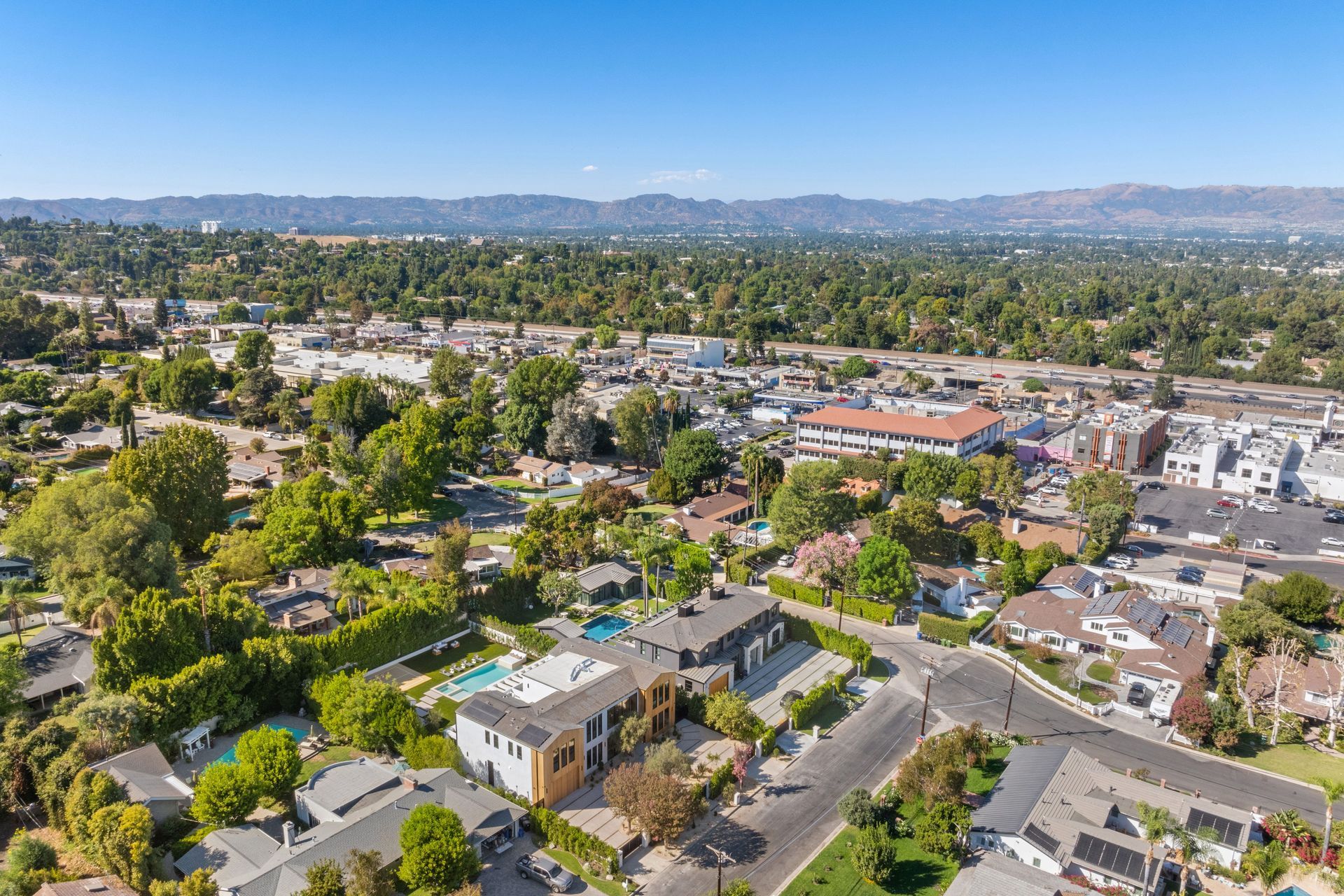
Home insurance helps protect your house, personal belongings, and liability risks. We explain coverage options clearly so you know what your policy includes.
Auto insurance provides protection for accidents, liability, and vehicle damage. We help you compare options so you can choose coverage that fits your driving needs.
Motorcycle insurance provides coverage for riders and their bikes. We help you select options that match how and where you ride.
RV insurance supports protection for motorhomes and recreational vehicles. Coverage applies during travel and while parked.
Coverage Built for Contractors and Trades
Support that keeps your work moving.

General Liability Insurance
General liability insurance helps protect contractors from injury and property damage claims. It supports jobsite requirements and contracts.

Workers Compensation
Workers compensation insurance helps protect employees injured while working. It also supports compliance with state requirements.

Commercial Auto Insurance
Commercial auto insurance provides coverage for work vehicles used on jobsites. It helps protect drivers and company vehicles.
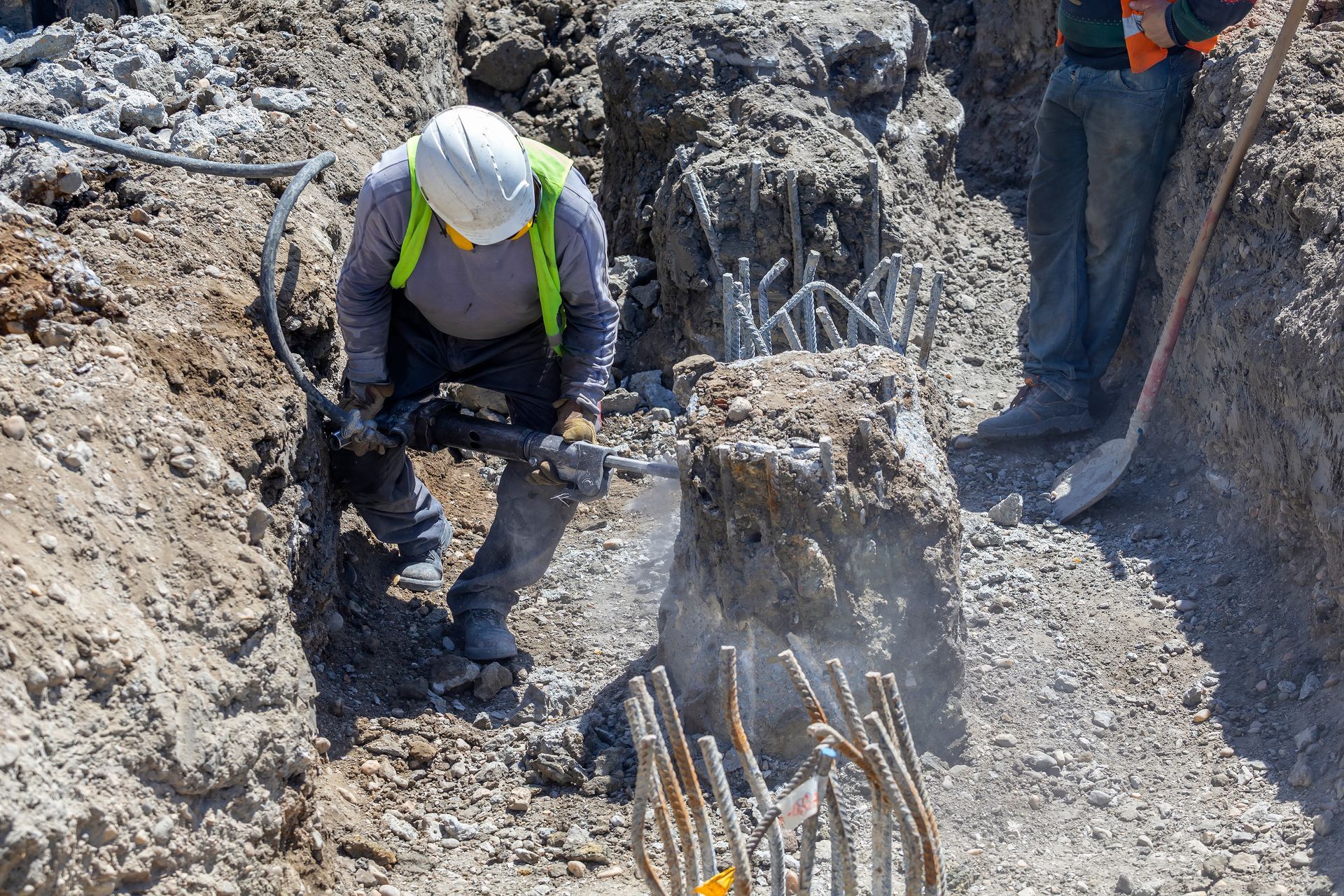
Contractor Insurance
Contractor insurance supports trades and service professionals across Southern California. It helps protect tools, equipment, and daily operations.

Cyber Liability Insurance
Cyber liability insurance helps protect business data and customer information. It supports recovery from digital incidents.

Commercial Property Insurance
Commercial property insurance helps protect offices, shops, and equipment. It supports recovery after covered damage.
Coverage Built for Specialized Work
Support for high-risk and service-driven industries.



Simple Steps Supported by Steady Guidance
A Clear Path to Coverage
Trusted by Clients Across Southern California
Clear service backed by real experiences.
Answers to Common Questions.
Clear explanations to guide your decisions.
How do I know which insurance policy is right for me?
We compare coverage options from multiple carriers to help you see differences in protection and price. You can review clear details and ask questions so you understand what each policy covers. Our team guides you step by step so you feel sure about your decision.
What factors affect my auto insurance premium?
Auto insurance premiums are influenced by your driving history, age, location, vehicle type, and coverage choices. A clean driving record and good safety features can help lower costs. We review these factors with you and help find coverage that fits your budget and needs.
Does homeowners insurance cover all types of damage?
Standard homeowners insurance protects your structure, personal belongings, liability, and additional living expenses in many cases. However, it usually does not include flood or earthquake damage without separate policies. We help you decide if extra coverage is right for your home and location.
Can I update my policy or get certificates online?
Yes. You can submit requests for policy changes and certificates through our online service form at any time. Our team processes those requests quickly and confirms updates once complete so you have the documents you need.
Do I need separate insurance for business risks like EPLI or E&O?
Yes. General liability and workers compensation cover many business risks but do not protect against all exposures. For example, Employment Practices Liability Insurance (EPLI) covers claims like wrongful termination or discrimination, and Errors & Omissions (E&O) covers claims based on mistakes in professional services. We help you identify which extra policies your business may need.
What happens if I need to file a claim?
If you need to file a claim, we guide you through the process and help you contact the insurance carrier. We explain what information you should provide, answer your questions, and stay available while the carrier reviews your claim. This support helps you move forward with confidence.
Contact Us