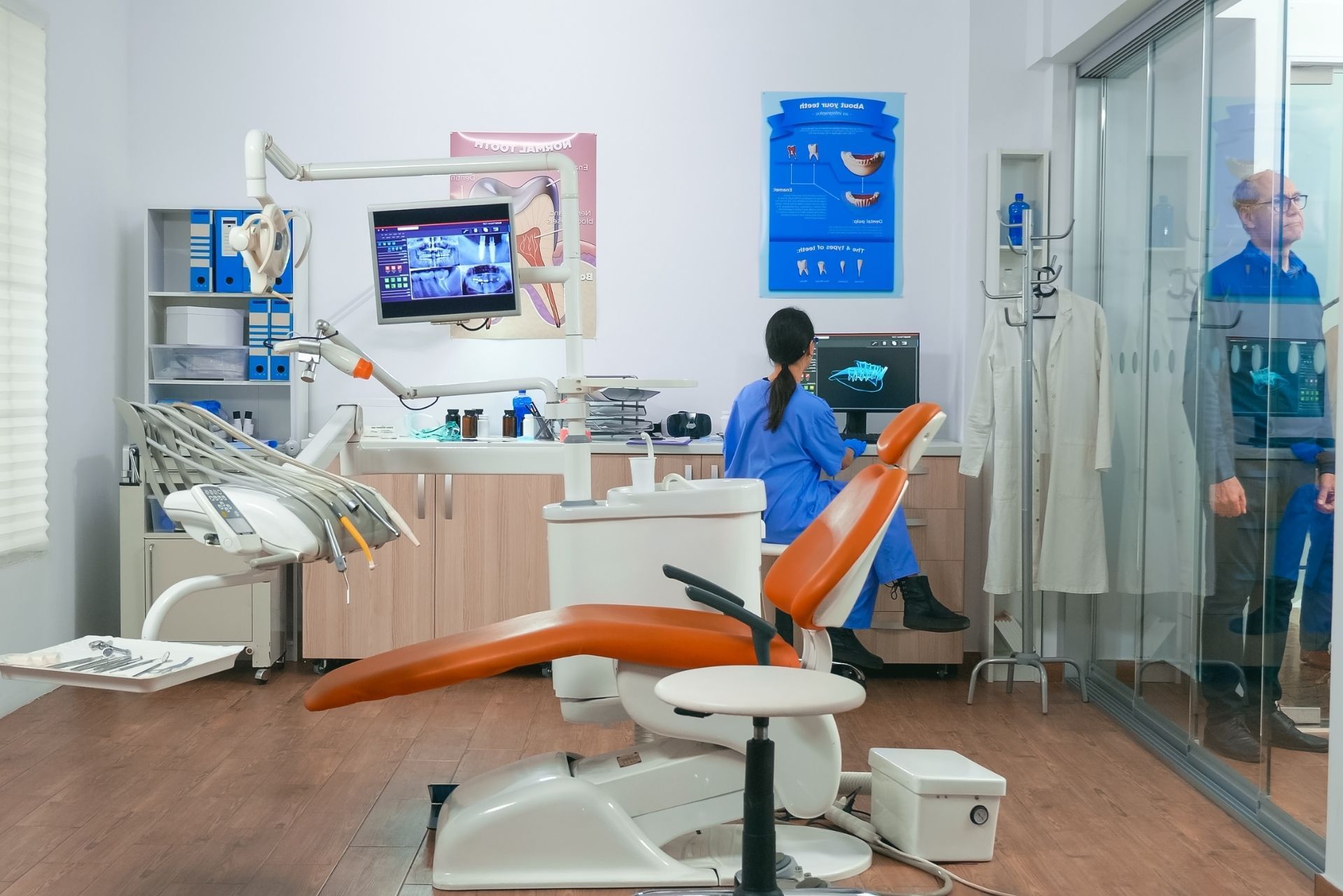
A small dental office in a busy California suburb recently experienced unexpected damage from a water leak. The losses meant significant repair costs and disrupted patient schedules. This incident is a reminder of why comprehensive dental office insurance is a key consideration for every practice in California. With evolving legislation and shifting market dynamics, it’s important for dental professionals to understand the nuances of insurance coverage in the state.
In California, where dental care expenditures reached
$174 billion in 2023, private health insurance helps drive a large part of that spending. Dental practices need to be well-insured, not only to protect their premises and equipment but also to safeguard against potential legal liabilities and unexpected disruptions.
Understanding Dental Office Insurance in California
California dental offices operate in an environment that demands a robust insurance strategy. From coverage that addresses property damage to protection against claims of professional negligence, the needs of dental practices are multifaceted. An effective insurance plan not only covers potential accidents but also addresses the evolving risks within the industry.
Recent legislative developments have aimed to increase transparency and bolster patient protections. For example, California Dental Association sponsored legislation AB 952 aims to enhance dental plan disclosures effective January 1, 2025 (Dentistry Today). These changes can influence how practices review and update their insurance policies.
The framework for dental office insurance must account for numerous factors such as exposure to liability from treatment errors, employee-related risks, and even class action lawsuits. Protecting your practice in an accurate and timely manner will help maintain operational stability even in times of crisis.
By: Peter Plew
Commercial Insurance Agent at Caruso Insurance Services
Key Coverage Areas for Dental Offices in California
Property Damage and Business Interruption
Unexpected events such as fires, floods, and equipment failure can have a devastating impact on dental offices. Property damage coverage is essential in these scenarios, enabling practices to repair or replace damaged property efficiently. Additionally, business interruption coverage can help practices manage ongoing expenses when operations are halted due to accidental damages.
Many California dental practices benefit from tailored policies that account for the unique layout of dental offices. Policies may cover expensive dental equipment as well as the overhead costs incurred while the office remains closed. A detailed assessment of property risks and business interruption exposures is an important step in protecting the practice.
Even as dental offices adopt new technologies and expand their services, securing coverage for both tangible and intangible assets remains a priority.
Professional Liability and Malpractice Insurance
Professional liability coverage is often the cornerstone of any dental office insurance package. Given that dental procedures involve complex treatments and sensitive patient care, liability exposures must be managed effectively. Clinical errors or miscommunications can result in malpractice claims that damage both reputation and finances.
Expert insight from Assembly member Jim Wood highlights the importance of understanding which laws apply to a patient’s dental plan (Dentistry Today). Transparent communication between providers and patients regarding policy coverage helps mitigate risk and builds trust. Dental offices that invest in comprehensive professional liability coverage can away from adverse claims that arise from treatment complications.
Legal costs, settlements, and reputational damage can be mitigated if practices have robust malpractice coverage in place. The right insurance can offer peace of mind, allowing dental professionals to focus on patient care without worry.
Employee Practices Liability
Dental practices in California often employ a range of staff, from hygienists to administrative professionals. Employee practices liability covers issues related to employment such as discrimination claims, wrongful termination, or harassment allegations. Handling these risks proactively is fundamental to ensuring a harmonious work environment as well as protecting the practice.
Policies addressing employee practices liability provide defense support and settlement coverage. In the litigious environment of today’s workforce, having this coverage in place can help minimize disruptions and safeguard against costly legal battles.
This addition to the insurance portfolio is crucial for any practice that values a positive workplace culture and seeks to protect itself from internal disputes.
Emerging Trends and Legislative Changes Impacting Dental Insurance
California continues to enact legal reforms that shape the dental insurance landscape. With changing regulations and increased emphasis on transparency, practices must remain agile and informed. For instance, the recent legislation sponsored by the California Dental Association (AB 952) is set to redefine how dental plan disclosures work from January 1, 2025 (Dentistry Today). This law is expected to impact routine practices and the way both patients and providers view insurance disclosures.
Insurance providers are increasingly aware of the need for diversity in corporate governance. California Insurance Commissioner Ricardo Lara has commented that diversity in corporate governance is a key strategy for achieving equity within insurance companies (California Insurance Commissioner). As insurers adapt these initiatives, dental practices may see more equitable treatment and even new types of coverage that address a wider array of needs.
These legislative changes go hand in hand with evolving market trends. A recent industry report projects that the dental insurance market in the state will grow at a compound annual growth rate of about
12.1% between 2024 and 2032. This trajectory not only encourages innovation but also signifies an environment in which comprehensive risk management is increasingly crucial.
The Financial Impact of Dental Insurance on Practices
Every dollar invested in the right insurance policy can make a notable difference for dental practices. Given the large scale of dental expenditures nationally, a financial safety net is indispensable. Dental practices need to balance the cost of coverage with the potential financial risks of operating without adequate protection.
Spending on dental care in the United States reflects significant investment in patient treatments, reaching $174 billion in 2023. This level of sum indicates that dental offices operate in a financially intensive sector, one where even a minor disruption can create substantial economic losses. Smart insurance policies should account for these risks proactively.
The return on investment of a strong insurance policy can be seen not only in the prevention of catastrophic financial setbacks but also in the increased confidence of both patients and practitioners. Financial stability helps maintain the continuity of care, limits operational disruptions, and supports a healthier bottom line.
Risk Management and Cost-Effective Strategies
An informed risk management strategy is essential for dental practices of all sizes. In addition to the basic coverage options, tailored policies often offer cost-effective strategies that minimize out-of-pocket expenses. Risk assessments conducted by insurance providers can identify unique vulnerabilities and suggest mitigation measures that are both preventive and financially sound.
For example, investing in state-of-the-art equipment can reduce the likelihood of accidental damage or misaligned treatments. Training staff to handle emergencies efficiently also makes a difference in reducing claim exposure. Such operational strategies align with the broader goal of preparing for unexpected incidents.
Dentistry offices in California benefit from risk management practices that integrate directly with insurance coverage, ensuring that every facet of the business is protected. An adaptable approach that combines technology, training, and comprehensive policies provides a strong defense against potential claims.
Insurance Cost Drivers and Policy Customization
Several factors influence the cost of dental office insurance. The size of the practice, the range of services offered, the value of equipment, and even the geographic location can drive premium rates. Smaller, independent practices might face different risk profiles compared to large, multi-location dental chains.
Customizing a policy with the help of an experienced broker can yield significant savings while ensuring broad coverage. Detailed risk evaluations help balance the cost against preparedness for potential claims. Cost drivers such as local crime rates or environmental factors are scrutinized thoroughly in areas with active legislation or market volatility.
Insurers typically offer options to adjust deductibles, co-pays, and premium amounts. This flexibility is essential for dental professionals who seek policies that realistically match their specific operational risks. In today’s market, clarity and customization are key drivers for effective risk management.
Best Practices for Selecting Dental Office Insurance
Dental professionals should carefully evaluate their insurance needs before making a decision. The process begins with a thorough risk assessment of the practice, which includes understanding both the tangible and intangible assets that require protection. It is essential to compare various policies, consider the provider’s reputation, and review customer testimonials.
Key criteria include the extent of coverage, limits, exclusions, and the insurer’s ability to process claims promptly. Policies must encompass protection for property damage, liability exposures, and potential employee-related issues. Selecting an insurance provider with expertise in the dental field can provide not only coverage but also valuable industry insights.
A focused approach ensures that dental offices have a safety net that truly matches their operations and risk environment. Policies that might be affordable on paper sometimes fall short when specific scenarios occur; hence, detailed documentation and fine-tuning of coverage are indispensable.
Evaluating Policy Details and Exclusions
Reviewing policy details is an important process. Paying attention to exclusions, in particular, is crucial, as these outline scenarios where coverage may be limited or non-existent. While a policy might appear comprehensive, small print details can reveal gaps that may lead to unpleasant surprises during claim settlement.
Insurance providers should offer clear explanations regarding exclusions and limitations. Dental practices need to request clarification and, if necessary, negotiate terms that better align with their needs. A well-informed review process allows practices to develop a policy that is both cost-effective and adequately protective.
Understanding the exclusions also highlights the importance of supplementary coverage. Many dental practices may choose to undertake additional endorsement options to cover potential gaps in base policies. This detailed process of fine-tuning coverage can result in robust protection tailored to the practice’s unique circumstances.
Incorporating Risk Assessments and Tailored Solutions
Working with insurance brokers who specialize in dental office insurance can make a significant difference. These professionals conduct risk assessments that consider everything from interior layouts to the monetary value of dental equipment. Such assessments ensure that all potential hazards are identified and appropriately covered within the policy.
Tailored insurance solutions consider a dental practice’s specific operational risks and cost drivers. For instance, a practice that invests heavily in electronic dental records might need extra coverage for cyber liability or data breaches. Tailored solutions ensure that both common and uncommon risks are managed comprehensively.
When these custom approaches are combined with periodic policy reviews, practices can remain confident that their coverage evolves along with their business. This dynamic approach to policy management is what sets a proactive dental practice apart from others that might simply rely on standard packages.
How Market Conditions Affect Dental Office Insurance
Market conditions profoundly influence how dental office insurance is structured and priced. Shifts in the economic climate or competitive landscape can cause insurers to adjust policies or modify premium rates. California’s vibrant market, bolstered by significant dental expenditures, often sees fluctuations that echo in the insurance industry.
For instance, the dental insurance market is projected to expand at a compound annual growth rate of around 12.1% from 2024 to 2032. Such growth is a testament to the rising demand for reliable and comprehensive insurance solutions, driving innovation in policy design and underwriting practices.
Market shifts can be both an opportunity and a challenge. While rising demand might encourage insurers to offer more flexible options, it may also mean higher rates as the risk landscape evolves. Keeping an eye on market trends and staying in regular communication with insurance providers ensures that dental practices are not caught off guard by sudden increases or changes in coverage terms.
Economic Trends and Their Impact on Dental Practices
Economic stability plays a central role in how dental practices budget for insurance premiums. As practices face various operational costs, budgeting for insurance can be challenging. However, the impact of comprehensive insurance can outweigh the premium costs by safeguarding the practice from crippling losses.
Data and industry insights show that prudent financial planning paves the way for smoother operations, even when unexpected expenses arise. This financial planning is particularly important when examining legislature and market conditions together, as they often define how risk is quantified and managed in the sector.
Taking a proactive approach toward insurance budgeting, including regularly updating risk assessments, ensures that dental practices remain resilient in a fluctuating economy.
The Role of Technology and Innovation
Technology continues to change the landscape of dental care and, by extension, dental office insurance. Innovations in dental equipment, electronic health records, and patient management systems introduce both opportunities and risk exposures. A modern dental office may invest millions in state-of-the-art diagnostic machines or treatment technologies that need specialized coverage.
Insurers are now incorporating technology assessments into their underwriting processes. This trend has been partly driven by studies that show the benefits of preventive measures-such as a study that found fluoride varnish reduces dental caries incidence by approximately 43% as reported in 2025. Such figures underscore the importance of preventive investments and how they can eventually lower claim frequencies.
As technology enhances practice capabilities, practitioners should ensure that their policies are updated to include coverage for technological assets and related liabilities. This integration not only ensures financial protection but also reinforces a practice’s commitment to modern, high-quality patient care.
Future Outlook for Dental Office Insurance
The future of dental office insurance in California looks poised for innovations that reflect both legislative changes and market demands. Ongoing growth in dental expenditures combined with new transparency mandates will likely spur more competitive and comprehensive insurance offerings. Dental practices that anticipate these changes can position themselves to benefit from more streamlined claims processes and risk management solutions.
Legislative initiatives, such as AB 952 and the push for greater corporate governance diversity, serve as signals that the industry is moving toward more accountability and fairness. As the landscape evolves, insurance providers must adjust their underwriting models to better serve the unique needs of dental practices. Providers are now more willing to consider tailored solutions that reflect the distinct risks associated with running a dental office.
It is expected that emerging trends, including greater digitalization of records and advancements in dental technology, will place an even stronger emphasis on both liability and cyber coverage. Practices that invest early in comprehensive risk assessments today may find themselves better prepared for the innovations and challenges of tomorrow.
Innovations in Coverage Options
Emerging coverage options reflect the dynamic nature of dental practices. Insurers are exploring product enhancements that include bundled coverages, which combine property, liability, and cyber protections in a single, cohesive policy. These tailored packages are designed specifically for dental offices that need comprehensive support from a single provider.
The current market trajectory is favorable for dental practices willing to invest in forward-thinking risk management. For providers committed to innovation, policies that include augmented coverage for technology, as well as traditional risk exposures, can lead to long-term sustainability and stability. For example, integrating cyber liability coverage with standard property insurance is becoming more common given the digital transformation of dental records.
Investing in policies that adapt to both present and future risks demonstrates a practice’s commitment to safe operations and operational resilience.
Preparing for Legislative Shifts
Practices must prepare for ongoing legislative changes by establishing relationships with brokers who stay informed on legislative trends. The new dental plan disclosures mandated by AB 952 compel practices to re-examine their coverage and communicate more clearly with their patients. This transparency not only enhances trust but also encourages practices to adhere to best practices in patient care and risk management (Dentistry Today).
Staying ahead of regulatory trends means scheduling regular insurance reviews and being proactive about updating policies. As laws shift to offer more protection to patients, dental offices must ensure that their coverage evolves accordingly. Being prepared for these changes minimizes potential legal pitfalls and reinforces a practice’s reputation for reliability.
Legislative awareness is essential for a successful insurance strategy that builds resilience and operational continuity in an ever-changing regulatory environment.
Comparing Dental Office Insurance Policies
A head-to-head evaluation of various dental office insurance policies can reveal meaningful differences in coverage, cost, and claims handling. A practice that closely examines policy specifics, such as coverage limits, exclusions, and deductibles, is better positioned to choose a solution that addresses both everyday risks and rare events. Comparing options may involve looking at aspects such as property protection versus malpractice coverage or multi-line bundling versus individual policies.
A visual comparison often clarifies where gaps exist and can guide practices on what areas need supplemental coverage. A well-designed chart can highlight distinctions between basic and extended coverages, addressing factors like response times, claim processing efficiency, and overall limits.
This analytical approach generally results in a more accurate selection that fits the dental office’s needs while maximizing return on investment.
Side-by-Side Comparison Table
| Property Damage | Limited coverage for equipment and building | Comprehensive coverage including business interruption |
|---|---|---|
| Professional Liability | Standard limits, basic defense costs | Higher limits, extended defense, and indemnity |
| Employee Practices Liability | Often excluded or minimal | Coverage for discrimination, wrongful termination, and more |
| Cyber Liability | Not included in most packages | Optional add-on for data breach and cyber extortion |
| Cost Flexibility | Locked in premiums with fewer options | Adjustable deductibles and tailored risk management |
This table serves as a guide to help gauge the benefits of an extended policy compared to a basic one. Each dental office is unique, so extracting the precise requirements from coverage levels is key to making a well-informed decision.
Using comparison tools, offices can actively manage their insurance expenses while ensuring broad protection across operational areas.
Practical Steps to Secure the Right Insurance Policy
Securing the right dental office insurance policy requires a combination of research, professional consultation, and ongoing risk assessments. Dental practices benefit from creating a proactive checklist that includes reviewing the current state of property coverage, professional liability, and employee practices liability.
With the dynamic regulatory environment in California, maintaining current knowledge through industry newsletters and professional associations is vital. Engaging with experienced brokers who specialize in dental office risks can significantly streamline this process and ensure that all vulnerabilities are addressed.
Insurance is not a one-time purchase but rather a continuously evolving arrangement. Regular policy reviews, particularly in light of new legislation like AB 952, help practices stay current and well-prepared to handle emerging risks.
Steps to Evaluate and Update Your Policy
Begin by compiling a comprehensive list of all the assets, liabilities, and operational risks your dental office faces. This inventory forms the basis of discussions with insurance brokers and ensures that nothing is overlooked. A thorough assessment can reveal gaps in coverage and areas where customization is needed.
Next, engage with a specialized broker who can provide guidance on which insurers are best equipped to offer robust dental office policies. Questions about claim history, customer satisfaction, and the insurer’s responsiveness should all be part of the conversation. Given the magnitude of the industry, practices should ask specific questions about how claims are handled.
Finally, schedule periodic reviews of your policy. As the practice evolves and as regulations such as those introduced by the California Dental Association shift the landscape, making regular adjustments to your policy is important. Continuous engagement with your insurance provider ensures your coverage remains both current and adequate.
Aligning Insurance with Business Strategy
Dental practices operate in a competitive, service-oriented market where strategic alignment is essential. The ideal insurance plan reflects not only immediate risk management needs but also longer-term business growth and stability. Insurance should be seen as a foundational element of strategic planning, integrating with overall operational goals.
Having comprehensive insurance in place can minimize downtime in the event of unforeseen incidents and support long-term business health by protecting critical assets and reputation. A robust insurance policy reinforces a practice’s reliability, reassuring both patients and employees alike.
This strategic perspective encourages dental offices to view insurance expenses as an investment in their future, promoting confidence and operating efficiency.
Frequently Asked Questions
Q: Why is dental office insurance crucial for practices in California?
A: Dental office insurance protects against property damage, professional liability, employee risks, and unexpected disruptions. Given the financial scale with expenditures reaching $174 billion in dental care, having robust coverage is essential.
Q: What does professional liability coverage include?
A: Professional liability coverage typically includes defense costs, indemnity for claims related to treatment errors, and additional protection against malpractice claims. This coverage is particularly vital in the high-stakes environment of dental care.
Q: How does business interruption insurance benefit dental practices?
A: Business interruption insurance assists in covering ongoing expenses and lost revenue during periods when operations are halted due to property damage or other covered incidents. This ensures the practice continues to meet its financial obligations.
Q: What should dental practices consider when comparing insurance policies?
A: Practices should examine coverage limits, policy exclusions, deductibles, additional endorsement options, and how claims are handled. Customized policies that fit the specific risks of the dental environment often provide the best overall protection.
Q: Will changes in legislation like AB 952 affect my insurance policy?
A: Yes, legislative changes such as AB 952 can influence disclosure requirements and coverage details. Dental practices should regularly review and adjust their policies to align with new legal standards (Dentistry Today).
Q: How can technology impact dental office insurance?
A: Technological advancements, including new diagnostic equipment and digital record systems, may require additional or tailored insurance coverage. Policies that reflect these changes help protect digital assets and maintain comprehensive liability coverage
(arXiv study findings).
Wrapping Things Up
Dental practices in California operate under a unique set of challenges and opportunities. From property damage to professional liability, the range of exposures demands a considered and comprehensive insurance approach. With expenditures running high and market trends pointing to significant growth-driven by figures such as $174 billion in dental care spending-securing the right policy is not just advisable but essential.
Legislative changes, like the upcoming AB 952 and evolving industry standards focusing on transparency and diversity, are reshaping the insurance landscape. Practices that proactively engage with brokers, perform regular risk assessments, and align their insurance with business strategies find themselves in a better position to absorb shocks and maintain continuity.
As the dental insurance market progresses at an estimated CAGR of 12.1% from 2024 through 2032, staying informed and adaptive is paramount. Comprehensive coverage can protect against unforeseen events and ensure that patient care continues uninterrupted, cementing a practice's long-term success.
Final Thoughts
The world of dental office insurance in California is evolving rapidly. The combined effects of market growth, technological innovation, and legislative progress present both challenges and opportunities for dental practices. Embracing a proactive, detailed, and customized approach to insurance not only protects against risks but also lays the foundation for future success.
Dental professionals are encouraged to catch up on the latest industry insights and legislative updates to ensure their coverage remains robust. With proper planning and a keen eye on market trends, securing the right insurance policy becomes a strategic advantage that supports sustained growth and enhanced patient care.
Practices that invest in comprehensive risk management and keep abreast of regulatory changes position themselves to navigate uncertainties confidently. Taking these steps helps create a resilient operational framework that is essential in a rapidly changing healthcare landscape.
ABOUT THE AUTHOR:
PETER PLEW
Hi my name is Peter Plew and I am a commercial insurance professional. I listen to and strategize with business owners about their visions of the future and assist in getting there as quickly as possible. I help identify unique exposure and risk’s that business owners have and the reasons why they need to be insured against them. My goal is to make sure my clients are always taken care of on a daily basis with any service needs, questions, or concerns they may have. I love to golf and spend time with my family in my spare time.
Contact Us

Service that stays with you.
Our team helps simplify insurance decisions for families and businesses. We focus on clear explanations, fast responses, and dependable service. You can count on us for help with coverage questions, updates, and long-term support.
Coverage that keeps you secure
Reliable Protection for Everyday Life

Home insurance helps protect your house, personal belongings, and liability risks. We explain coverage options clearly so you know what your policy includes.
Auto insurance provides protection for accidents, liability, and vehicle damage. We help you compare options so you can choose coverage that fits your driving needs.
Motorcycle insurance provides coverage for riders and their bikes. We help you select options that match how and where you ride.
RV insurance supports protection for motorhomes and recreational vehicles. Coverage applies during travel and while parked.
Coverage Built for Contractors and Trades
Support that keeps your work moving.

General Liability Insurance
General liability insurance helps protect contractors from injury and property damage claims. It supports jobsite requirements and contracts.

Workers Compensation
Workers compensation insurance helps protect employees injured while working. It also supports compliance with state requirements.

Commercial Auto Insurance
Commercial auto insurance provides coverage for work vehicles used on jobsites. It helps protect drivers and company vehicles.
Contractor Insurance
Contractor insurance supports trades and service professionals across Southern California. It helps protect tools, equipment, and daily operations.

Cyber Liability Insurance
Cyber liability insurance helps protect business data and customer information. It supports recovery from digital incidents.

Commercial Property Insurance
Commercial property insurance helps protect offices, shops, and equipment. It supports recovery after covered damage.
Coverage Built for Specialized Work
Support for high-risk and service-driven industries.



Simple Steps Supported by Steady Guidance
A Clear Path to Coverage
Trusted by Clients Across Southern California
Clear service backed by real experiences.
Answers to Common Questions.
Clear explanations to guide your decisions.
How do I know which insurance policy is right for me?
We compare coverage options from multiple carriers to help you see differences in protection and price. You can review clear details and ask questions so you understand what each policy covers. Our team guides you step by step so you feel sure about your decision.
What factors affect my auto insurance premium?
Auto insurance premiums are influenced by your driving history, age, location, vehicle type, and coverage choices. A clean driving record and good safety features can help lower costs. We review these factors with you and help find coverage that fits your budget and needs.
Does homeowners insurance cover all types of damage?
Standard homeowners insurance protects your structure, personal belongings, liability, and additional living expenses in many cases. However, it usually does not include flood or earthquake damage without separate policies. We help you decide if extra coverage is right for your home and location.
Can I update my policy or get certificates online?
Yes. You can submit requests for policy changes and certificates through our online service form at any time. Our team processes those requests quickly and confirms updates once complete so you have the documents you need.
Do I need separate insurance for business risks like EPLI or E&O?
Yes. General liability and workers compensation cover many business risks but do not protect against all exposures. For example, Employment Practices Liability Insurance (EPLI) covers claims like wrongful termination or discrimination, and Errors & Omissions (E&O) covers claims based on mistakes in professional services. We help you identify which extra policies your business may need.
What happens if I need to file a claim?
If you need to file a claim, we guide you through the process and help you contact the insurance carrier. We explain what information you should provide, answer your questions, and stay available while the carrier reviews your claim. This support helps you move forward with confidence.
Contact Us