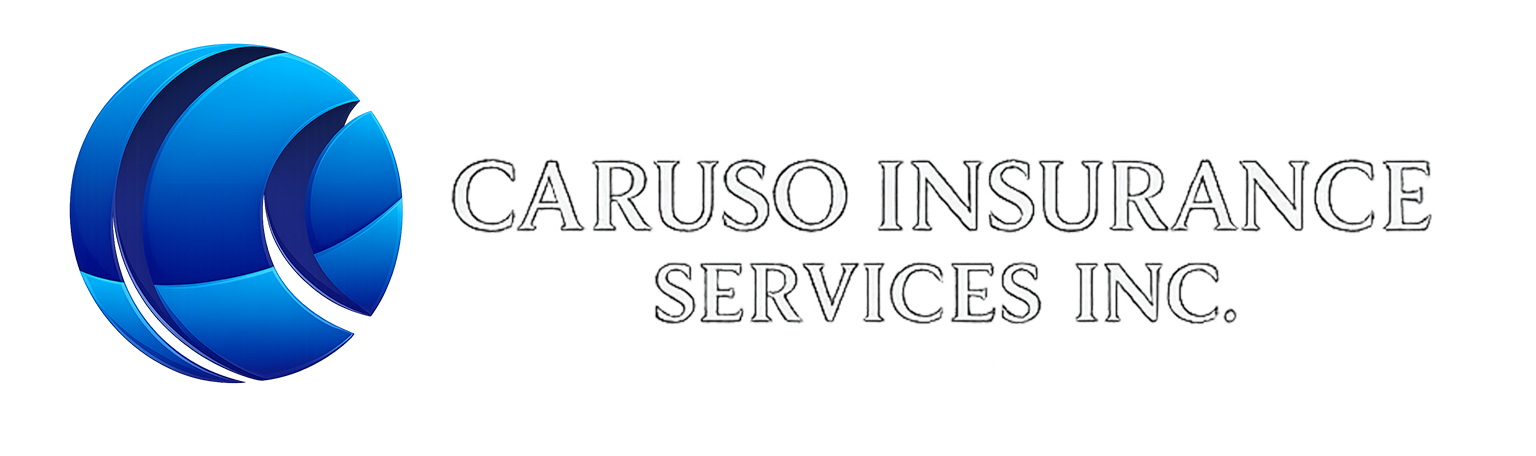
A used car dealership in California faces a unique mix of risks. Daily operations can mean handling high-value vehicles, managing customer test drives, and contending with an evolving insurance landscape. These challenges call for tailored coverage that addresses both traditional concerns and emerging trends in auto insurance.
Understanding the intricacies of coverage options is essential. Dealer insurance often goes beyond basic liability coverage to include specialized products that meet the industry’s distinct challenges. This article explains the types of coverage available, the risks that dealerships face, and the new pressures in an environment marked by rising premiums and evolving fraud detection.
Recent developments in auto insurance have even affected California directly. For example, some insurers have temporarily halted new policies in the state due to financial losses and regulatory hurdles, a trend noted by
industry observers.
Understanding the Unique Risks of Running a California Used Car Dealership
Used car dealerships operate under a complex set of risks that set them apart from other businesses in the automotive industry. These outlets manage a diverse inventory of vehicles, each carrying potential liability from dispossession and repair irregularities to fraudulent activities. The specific risks inherent in the business make it crucial for dealerships to purchase policies that reflect their operational realities.
Dealerships deal with risks including test drive accidents, showroom injuries, property damage, and claims related to misrepresentations about vehicles sold. With the high stakes associated with vehicle sales and the use of vehicles for demonstrations, effective dealer insurance becomes indispensable. This protective layer helps dealerships navigate litigation, claims processes, and regulatory scrutiny.
Insights from industry experts highlight that auto insurers have been cautious due to the increased claim costs and inflation pressures. Data from a recent report indicated that full-coverage car premiums for residents in California have experienced notable increases, reaching an average annual cost of 2,417 dollars in mid-2024 compared to lower previous figures.


By: Danielle Sweet
Commercial Insurance Agent at Caruso Insurance Services
Property and Inventory Protection
Protecting the dealership’s property and inventory is a top priority. For a dealership, property insurance isn’t just about the building; it also covers the vehicle inventory, office equipment, and dealership signage. This policy can safeguard against theft, vandalism, and damage due to unforeseen events such as storms and fires.
In scenarios where vehicles on lot incur damage during test drives or transport, specialized coverage fills in where general policies fail. Tailored insurance options for used car dealerships often include additional endorsements that address unique risks related to vehicle display and sale.
Dealers are encouraged to reassess their policies regularly, ensuring that adjustments in inventory value are accounted for. A mismatch in coverage and the actual market value of vehicles can lead to substantial losses. Coordinating with insurance providers who understand the industry can make a real difference.
Liability Coverage and Dealer Protection
Liability coverage is a cornerstone of any auto dealership’s protection strategy. This coverage is essential in case a customer or employee sustains an injury on the premises or during a test drive. Given the serious financial implications of potential lawsuits, having adequate general liability and auto liability coverage is non-negotiable.
Any incident that involves bodily injury or property damage can lead to substantial legal fees and compensation claims. Comprehensive liability policies for dealers often include legal expense coverage to help maintain business operations during prolonged litigation periods.
Recent analyses point out that the insurance market is tightening, with insurers citing increased claim costs from incidents that occur on dealer lots. A closer look at reports from industry experts reveals that rising claim costs have been a significant contributor to the current premium hikes experienced statewide. See details in a study reporting rising rates and fewer coverage options here.
Workers Compensation and Employee Protection
Employees represent one of the most critical assets for a used car dealership. Workers compensation insurance is designed to cover injuries that employees might sustain while on duty. Given the high-risk nature of operations involving vehicles, dealership workers face constant exposure to potential injuries while performing routine tasks or handling test drives.
With comprehensive coverage, dealerships not only comply with state regulations but also secure a stable work environment. Protective policies often extend to cover long-term disability benefits, ensuring that employees receive support if they are injured on the job.
This type of coverage is indispensable, as the nature of work in automotive sales includes both physical interaction with vehicles and high-stress administrative tasks. Understanding each policy’s limitations and options can provide dealerships peace of mind, enabling them to focus on customer service and business growth.
Market Dynamics and Their Impact on Dealer Insurance
Rising Premiums and Their Underlying Causes
California dealerships are caught in the midst of a rising premium environment that has affected the broader auto insurance market. A recent statistic revealed that the average annual cost of full-coverage car insurance in California jumped significantly within months in 2024, escalating from 1,738 dollars in December 2023 to 2,417 dollars by mid-2024 as noted by data journalists at Axios.
This stark increase places an additional financial pressure on retail operations already contending with other rising operational costs. The dramatic rise in premiums is partly attributable to the inflation of claim costs and the overall market environment stressed by high-risk driving behaviors and increased accident claims.
Industry experts have observed that this trend partly mirrors the hikes seen in 2023. Cassie Sheets, a data journalist at Insurify, highlighted that the spike in 2024 is a continuation of the patterns witnessed the previous year, where significant increases in full-coverage premiums were recorded.
Regulatory and Market Challenges
Regulatory challenges compound the insurance market’s difficulties. Several insurers, including big names like Travelers and Safeco, have paused writing new policies in California since October 2023. This move was largely driven by the financial strains imposed by a spate of claims and an uncertain regulatory environment. See industry news for more details.
For dealerships, such market volatility means fewer available options for securing coverage. When insurers tighten their criteria or pull out of the market, dealers often face limited choices that may not fully meet their risk profiles. This scarcity forces many dealerships to review their risk management strategies and explore alternative coverage solutions.
Regulators continue to scrutinize the auto insurance industry, especially with the emergence of technology-driven fraud. The increased incidence of AI-driven insurance fraud has led to additional hurdles for insurers. A comprehensive study on the topic found that fraudsters are deploying generative AI to forge accident evidence, complicating the claims process and detection efforts in recent research.
Tailoring Insurance Solutions for Used Car Dealerships
Designing a Comprehensive Insurance Strategy
Designing an insurance portfolio for a used car dealership means taking into account the unique risks and operational complexities inherent in this business. Dealers must combine general liability, property, and workers compensation policies with specialized coverage for test drive incidents and vehicle inventory damages.
Because standard policies may not cover every scenario a dealership might face, many insurers offer endorsements or specialized products tailored for the automotive retail environment. These extras ensure that gaps in coverage are addressed and that the business remains protected even in unusual circumstances.
Insurance brokers who cater specifically to dealer needs can provide expertise in constructing a comprehensive policy that aligns with a dealership’s risk exposure. Such professionals offer guidance on selecting the appropriate limits and deductibles while balancing cost considerations.
Understanding Endorsements and Additional Coverages
Endorsements play a critical role in filling insurance gaps for used car dealers. With endorsements, a dealership provider can tailor policies to include coverage for specific risks such as temporary storage, off-site delivery, or specific types of test drive incidents. Customizing coverage in this way offers dealers flexibility and confidence that unforeseen losses will not jeopardize their operation.
Additionally, some policies extend to cover situations that are unique to California's market, such as increased risks due to urban driving or the potential for associated regulatory fines. It is wise for dealerships to work closely with their insurance providers to understand exactly what will be covered in the event of a claim.
When choosing endorsements, the importance of understanding the fine print cannot be overstated. Dealers should regularly review their policies in the light of changing business circumstances and evolving market risks.
External Factors Influencing Dealer Insurance in California
Impact of Autonomous Vehicle Technology
Technological advancements, including the rise of autonomous vehicle (AV) technology, influence the insurance landscape of used car dealerships. AVs present both an opportunity and a challenge by reducing driver error while simultaneously introducing new types of collision and claim scenarios. Reports have studied the patterns in autonomous vehicle crashes, identifying driver-initiated transition crashes and sideswipe collisions as notable trends from a 2020 study.
These emerging trends mean that insurance policies must consider a dual risk: traditional driving incidents and those influenced by technologically advanced vehicles. For dealerships that host demonstration vehicles, this aspect becomes even more critical to ensure safety and adequate risk transfer from all angles.
While autonomous technology advances safety measures, its introduction requires insurance policies to evolve. As more insurers recognize these complexities, tailored endorsements for AVs are being developed. This trend underlines the need for continuous dialogue between dealerships and insurers.
Economic Pressures and Dealer Sentiment
The auto insurance market in California has multiple economic pressures that influence both premiums and dealer sentiment. A recent dealer sentiment index revealed that a significant portion of dealers consider the high cost of insurance a barrier to business growth in early 2025. Increased insurance costs can directly impact profitability, particularly when operating on thin margins.
Dealers often express concerns that rising premiums are unsustainable, particularly given the additional costs they incur from property damage, claims, and regulatory compliance. The feedback from the industry signals the need for insurers to innovate and align their policies with the practical realities of dealership operations.
This clear sentiment among dealers is pushing insurers to reassess risk models and tailor products specifically for the automotive retail sector. While this could eventually lead to more cost-effective solutions, dealerships need to stay informed and agile to adapt to these changes.
Strategies for Managing Insurance Costs
Risk Management Practices for Dealerships
Cost control measures are a vital dimension of managing insurance expenses for used car dealerships. Effective risk management practices start below the surface of insurance contracts. Dealerships that adopt proactive safety protocols can lower their target risk profiles, which in return might translate into reduced premiums.
From regular staff training on safety procedures to maintaining a secure lot and updating inventory protocols, dealerships can mitigate many potential risks. A robust risk management program not only protects the bottom line but can also lead to a smoother claims process should an incident occur.
While these measures do not replace the need for comprehensive insurance, they certainly complement the policy provisions and provide a basis for negotiating better terms with insurers.
Negotiating with Insurers and Seeking Specialized Coverage
Given the rapidly evolving insurance landscape, dealerships must be strategic when negotiating policies. Engaging an insurance broker who understands the nuances of the used car market can be instrumental in securing specialized coverage. These brokers can advocate for dealerships, ensuring that coverage limits, deductibles, and endorsements are tailored to the business's unique risks.
Some dealerships have found success in bundling policies such as property, liability, and workers compensation into a comprehensive package that sometimes comes with discount incentives. Negotiating on these terms requires preparation, including a well-documented risk management strategy and consistent claims history.
A proactive approach during policy renewal periods can expose opportunities for savings. Even when insurers hesitate-as evidenced by recent market withdrawals-effective negotiation may uncover options that deliver adequate protection without overextending financial resources.
Adapting to Emerging Fraud and Regulatory Trends
New Fronts in Insurance Fraud
Generative AI has introduced unprecedented risks for fraudsters and insurers alike. A 2025 study has drawn attention to the new wave of vehicle insurance fraud, in which sophisticated tools create realistic accident evidence as documented in a recent study. For dealerships, this reinforces the importance of policies that include fraud detection provisions.
Insurance companies are under pressure to update their systems and processes to counter these challenges. Given that fraudulent claims can directly drive up premium costs, dealerships should inquire about an insurer’s measures to identify and mitigate such risks during the underwriting process.
By staying informed on these emerging trends, dealerships can better anticipate potential impacts on premiums and ensure that their policies contain adequate safeguards against fraudulent claims.
Regulatory Compliance in a Shifting Landscape
Regulatory pressures are another significant factor shaping the dealer insurance market in California. With a heightened focus on transparency and consumer protection, state regulators have tightened requirements on insurance policies and claim handling. Such changes compel insurers to adapt rapidly, sometimes leading to withdrawal from high-risk markets.
For used car dealerships, compliance becomes as much about staying informed as it is about sustaining operational efficiency. Regular review of licensing, documentation, and coverage limits is key to ensuring that business practices meet the current regulatory standards.
Enhanced collaboration between dealerships and their insurance providers is crucial. Discussions that highlight real-world scenarios encountered on dealer lots can lead to policy modifications that keep pace with evolving regulatory expectations.
Technological Innovations and Future Trends in Dealer Insurance
Data-Driven Insurance Underwriting
Technological innovation is reshaping how insurers underwrite policies in the used car dealership space. With advances in data analytics and risk assessment algorithms, insurers aim to tailor underwriting processes to specific dealer profiles. New underwriting models can provide more accurate risk assessments by analyzing historical claims, safety initiatives, and even customer interaction data.
This evolution in data usage not only leads to more customized policies but can also enhance efficiency by reducing the administrative burden of claims processing. For dealerships, this approach could mean a more streamlined experience with more responsive adjustments to policy terms as risks change.
The promise of data-driven underwriting highlights the need for dealerships to maintain detailed records and adopt modern risk management practices, ensuring they provide insurers with the necessary information to craft fair and individualized policies.
Emerging Coverage Options in a Digital Era
As digital technology continues to influence the insurance landscape, dealers may soon see the emergence of entirely new lines of coverage. Areas such as cyber insurance for data breaches involving customer information and digital fraud protection are on the horizon. These offerings can complement traditional coverages, filling in gaps revealed by a digital-centric business operation.
Dealerships possibly will be required to ensure their internal records and sales systems are secure against cyber threats, a shift that calls for proactive investment in digital security measures alongside traditional insurance. This new blend of coverage reflects the dynamic risks modern businesses face, demonstrating that insurance is evolving just as rapidly as technology.
Strategic adaptation to these emerging fields means that used car dealerships not only protect their physical assets but also guard against threats in the digital realm. Staying updated with the latest options provided by insurers can ensure comprehensive protection, even as technology opens up new risk vectors.
Frequently Asked Questions
This section addresses common queries and concerns that California used car dealerships often have when assessing insurance options.
Q: What is the most essential coverage for a used car dealership?
A: Comprehensive liability, property, and workers compensation coverage form the insurance foundation for any dealership. Tailoring with additional endorsements ensures broader risk protection.
Q: How do rising premiums affect dealerships?
A: Increased premiums, influenced by factors such as inflated claim costs and regulatory challenges, can strain profitability. Monitoring market trends and negotiating effective policies is key.
Q: Can specialized endorsements really make a difference?
A: Yes. Specialized endorsements cover risks unique to car dealerships, like inventory damage or test drive incidents, which standard policies might not adequately address.
Q: What steps can a dealership take to lower insurance costs?
A: Implementing robust risk management practices, regular staff training, and bundling policies can help negotiate better terms and reduce overall insurance costs.
Q: How does emerging AI-driven fraud impact dealer insurance?
A: Fraud using generative AI complicates claim assessments and drives up claim costs. Insurers are adapting their fraud detection methods to counter such techniques.
Q: Do regulatory changes require frequent policy updates?
A: Absolutely. Maintaining compliance with updated state requirements and evolving risk scenarios means that dealerships should review their policies periodically.
Wrapping Things Up for California Dealership Owners
For California used car dealerships, securing the right insurance is not simply a regulatory chore but a strategic decision that supports business continuity and fosters customer trust. The market today reflects a convergence of rising costs, innovative fraud tactics, and regulatory pressure that shakes traditional risk models.
By tailoring coverage with a combination of broad and specialized policies, dealerships can effectively shield themselves from unexpected financial distress while maintaining operational flexibility. Staying in touch with market trends and engaging experts for bespoke solutions can pay dividends in risk management.
Dealership owners should view their insurance strategy as a dynamic component of overall business planning. With the insights provided here, incorporating both practical risk management and proactive policy negotiations, California dealers can stride forward with confidence despite the shifting insurance landscape. For further information on current market trends, recent premium increases have been extensively discussed by industry experts.
Final Thoughts on Safeguarding Your Dealership
The unique challenges confronted by California used car dealerships call for an insurance approach that does far more than offer basic protection. It is a comprehensive shield from ever-evolving risks-from technological disruptions such as AI-driven fraud to unpredictable market shifts influencing premium costs. A well-tailored policy safeguards not only inventory and operations but also the reputation and trust that are fundamental in a customer-centric business.
Dealers who work with dedicated insurance professionals and keep abreast of emerging trends are best positioned to transform challenges into competitive advantages. Integrating risk management best practices, negotiating smart coverage bundles, and frequently revisiting policy terms can help dealerships navigate the turbulent insurance landscape.
As the market continues to evolve, staying informed and engaged is crucial. A proactive mindset with a focus on continuous improvement in risk mitigation and policy management will serve as a crucial asset to any dealership aiming to stand out and maintain financial stability. For those keeping track of industry changes, recent reports and sentiment indices illustrate that addressing the rising cost of auto insurance is not just necessary-it is imperative
according to dealer feedback.
ABOUT THE AUTHOR:
DANIELLE SWEET
HI! I am Danielle Sweet your insurance extraordinaire. I have been in the insurance industry since I was 19 years old working in many different areas of insurance to provide a broad knowledge base to our clients. I have three amazing children who keep me on my toes even as they are older. I have a passion for horses and am lucky to ride every week. I am truly blessed to be able to help business owners and individuals navigate the world of insurance and educate you to make an informed decision that is right for you.
Contact Us

Service that stays with you.
Our team helps simplify insurance decisions for families and businesses. We focus on clear explanations, fast responses, and dependable service. You can count on us for help with coverage questions, updates, and long-term support.
Coverage that keeps you secure
Reliable Protection for Everyday Life
Home insurance helps protect your house, personal belongings, and liability risks. We explain coverage options clearly so you know what your policy includes.
Auto insurance provides protection for accidents, liability, and vehicle damage. We help you compare options so you can choose coverage that fits your driving needs.
Motorcycle insurance provides coverage for riders and their bikes. We help you select options that match how and where you ride.
RV insurance supports protection for motorhomes and recreational vehicles. Coverage applies during travel and while parked.
Coverage Built for Contractors and Trades
Support that keeps your work moving.

General Liability Insurance
General liability insurance helps protect contractors from injury and property damage claims. It supports jobsite requirements and contracts.

Workers Compensation
Workers compensation insurance helps protect employees injured while working. It also supports compliance with state requirements.
Commercial Auto Insurance
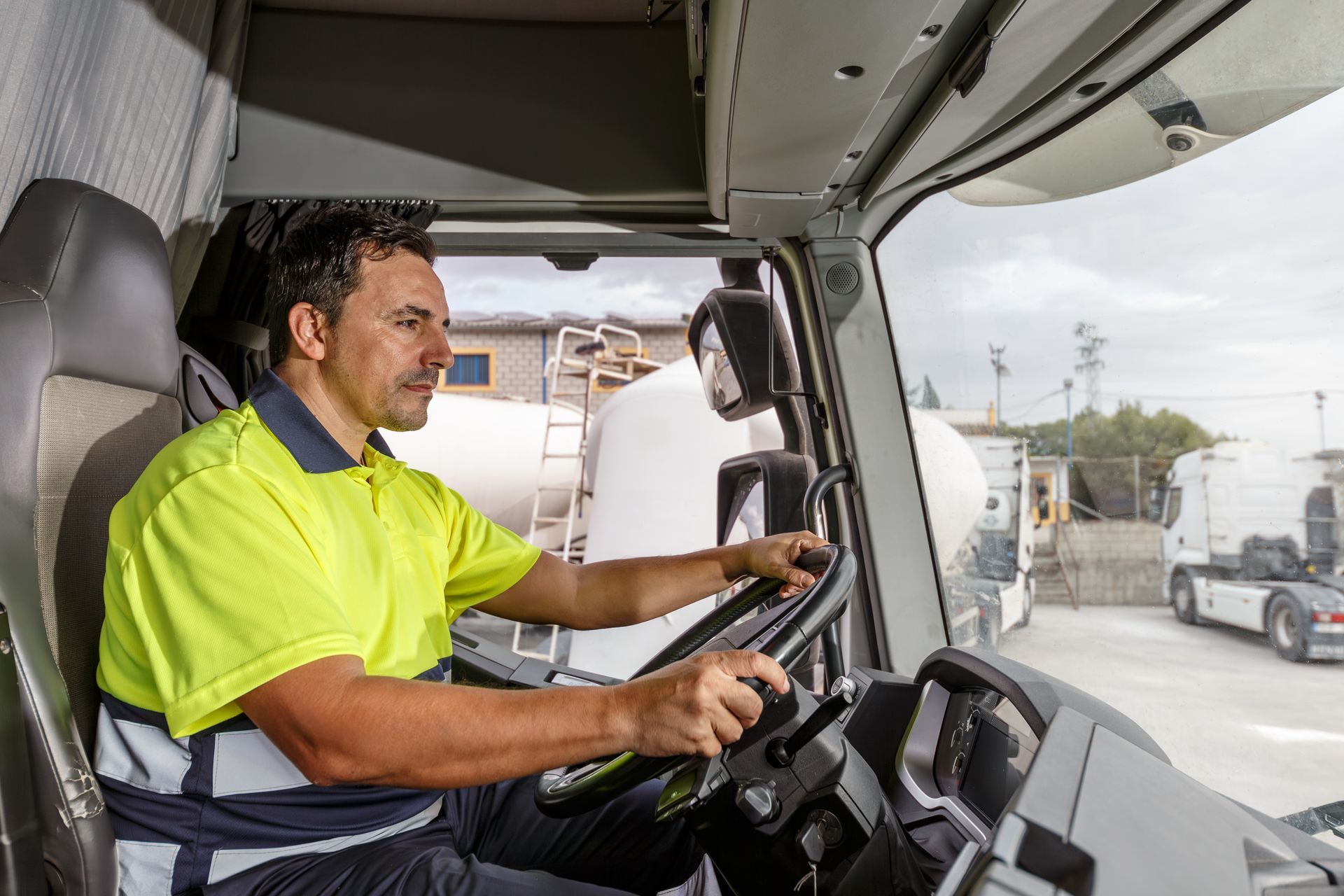
Commercial auto insurance provides coverage for work vehicles used on jobsites. It helps protect drivers and company vehicles.
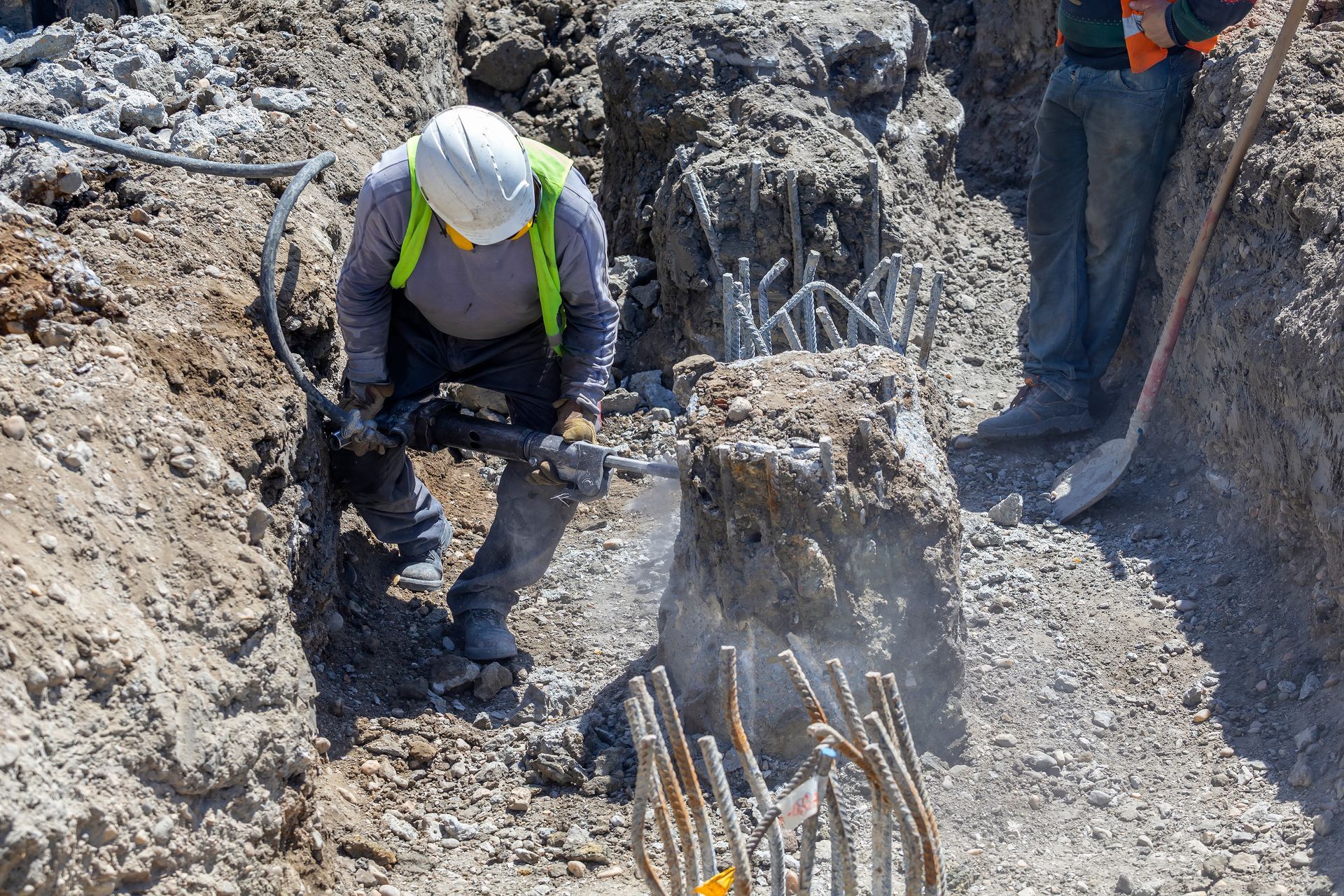
Contractor Insurance
Contractor insurance supports trades and service professionals across Southern California. It helps protect tools, equipment, and daily operations.

Cyber Liability Insurance
Cyber liability insurance helps protect business data and customer information. It supports recovery from digital incidents.

Commercial Property Insurance
Commercial property insurance helps protect offices, shops, and equipment. It supports recovery after covered damage.
Coverage Built for Specialized Work
Support for high-risk and service-driven industries.


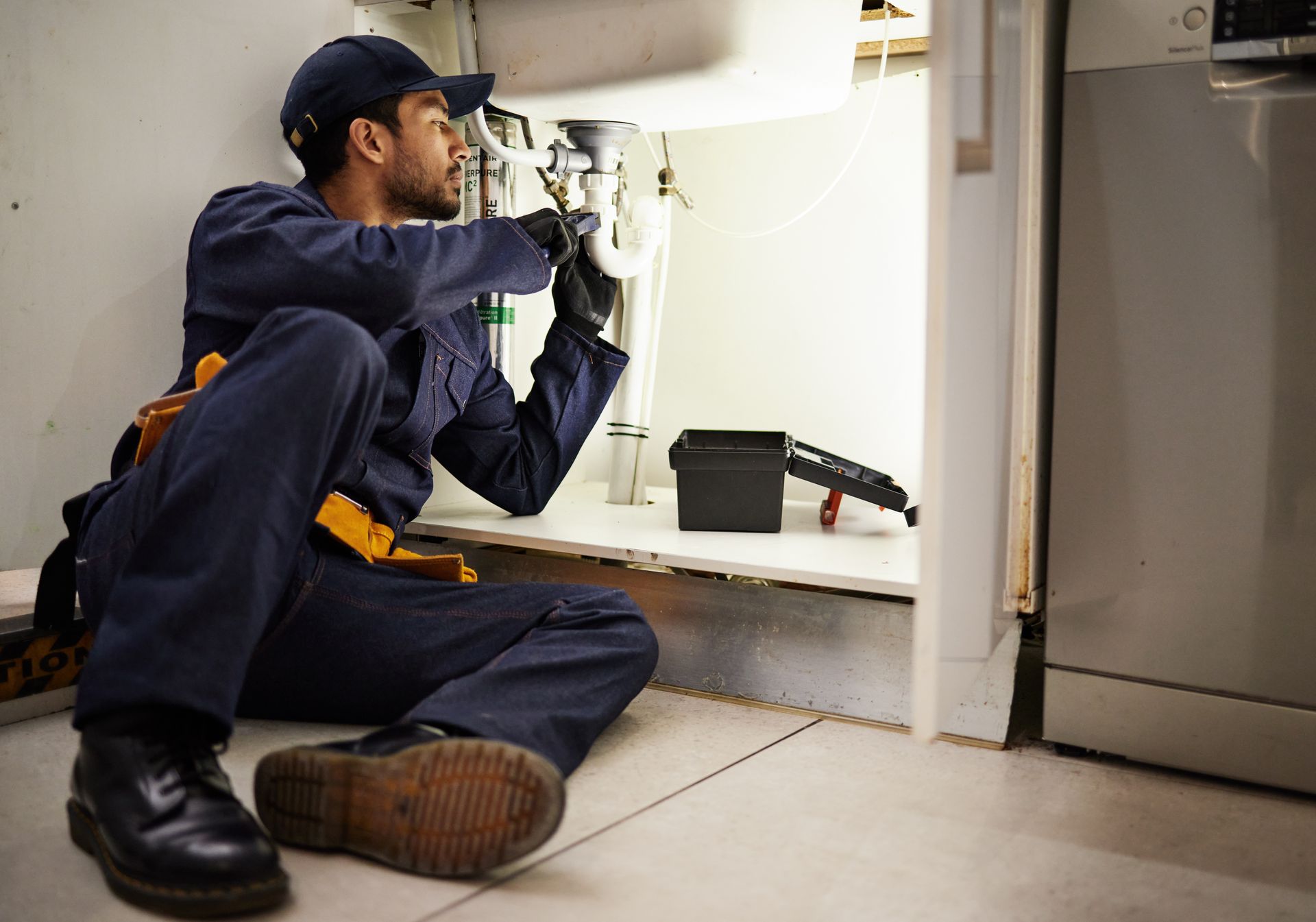
Simple Steps Supported by Steady Guidance
A Clear Path to Coverage
Trusted by Clients Across Southern California
Clear service backed by real experiences.
Answers to Common Questions.
Clear explanations to guide your decisions.
How do I know which insurance policy is right for me?
We compare coverage options from multiple carriers to help you see differences in protection and price. You can review clear details and ask questions so you understand what each policy covers. Our team guides you step by step so you feel sure about your decision.
What factors affect my auto insurance premium?
Auto insurance premiums are influenced by your driving history, age, location, vehicle type, and coverage choices. A clean driving record and good safety features can help lower costs. We review these factors with you and help find coverage that fits your budget and needs.
Does homeowners insurance cover all types of damage?
Standard homeowners insurance protects your structure, personal belongings, liability, and additional living expenses in many cases. However, it usually does not include flood or earthquake damage without separate policies. We help you decide if extra coverage is right for your home and location.
Can I update my policy or get certificates online?
Yes. You can submit requests for policy changes and certificates through our online service form at any time. Our team processes those requests quickly and confirms updates once complete so you have the documents you need.
Do I need separate insurance for business risks like EPLI or E&O?
Yes. General liability and workers compensation cover many business risks but do not protect against all exposures. For example, Employment Practices Liability Insurance (EPLI) covers claims like wrongful termination or discrimination, and Errors & Omissions (E&O) covers claims based on mistakes in professional services. We help you identify which extra policies your business may need.
What happens if I need to file a claim?
If you need to file a claim, we guide you through the process and help you contact the insurance carrier. We explain what information you should provide, answer your questions, and stay available while the carrier reviews your claim. This support helps you move forward with confidence.
Contact Us