California Boat Insurance
Protect your home with coverage built for California risks and changing conditions.
or call us: 951-547-6770
Imagine hosting a sunset fishing trip on the Pacific coast, where an unexpected mishap puts not only your prized vessel at risk, but also your cherished memories. Boat insurance in California plays a crucial role in protecting your investment, offering coverage that extends beyond shellfish feasts and sea adventures. This guide delves into the particular challenges and opportunities in the California boat insurance market and explains how recent industry trends are shaping the underwriting process. For additional insights into the evolving insurance landscape here, check out the California Department of Insurance review.
Boat enthusiasts across California understand the dual appeal of leisurely cruise days and the unexpected high costs associated with repairing or replacing damaged boats. With a coastline that ranges from serene bays to rugged shoreline environments, boat owners must consider a multifaceted risk profile. This article explores the nuances of boat insurance in California, the integration of innovative technology into underwriting, and the influence of market dynamics and regulatory developments.
Understanding the California Boat Insurance Landscape
The California insurance market is no stranger to challenges. Unique environmental risks like wildfires, high litigation frequency, and regulatory constraints have long molded insurance practices in the state. Boat insurance is part of this complex ecosystem, and being well-informed about coverage options can make a significant difference when unexpected events occur.
California remains a hotbed for innovative insurance developments, as demonstrated by recent reviews of forward-looking catastrophe models and regulatory decisions to close coverage gaps statewide. Such initiatives provide boat owners with the reassurance that insurers are adapting to emerging risks. Data shows that insurers in California have faced underwriting losses as their costs and expenses exceeded premiums, reminding boat owners why comprehensive coverage is essential. Refer to the Senate Committee testimony for additional context on market conditions.
The California market is undergoing changes that not only affect pricing but also the way risks are assessed. With boat insurance, a delicate balance exists between premium costs and the actual risk profile, making it critical for insured individuals to obtain policies tailored to their unique circumstances. Market trends indicate that as insurers work to mitigate underwriting losses, the strategies they employ could influence premium levels and coverage scopes for specialized risks such as personal watercraft.

By: Sofia Alexander
Personal Insurance Agent at Caruso Insurance Services
The Role of AI and Automation in Underwriting
Advancements in artificial intelligence and automation continue to reshape underwriting dynamics across all insurance lines, including boat insurance. A growing consensus among industry experts suggests that rather than replacing human underwriters, AI is rapidly becoming a complementary tool. Dr. Jones highlighted that AI's ability to process vast amounts of data is extraordinarily valuable, even as human expertise remains indispensable for complex risk profiles and custom client needs. Learn more about the evolving role of technology in underwriting from the piece on AI in boat insurance.
Automation has been linked to potential reductions in underwriting jobs, with one study by McKinsey & Company suggesting a possibility of eliminating up to 20% of these roles in the next decade (McKinsey & Company 2025 study). However, the reality is more nuanced as insurers are finding that AI can massively improve the speed and accuracy of data analysis while still requiring human judgment to contextualize that data. For boat insurance, this means faster claim processing and more personalized premium calculations, ensuring that policyholders get precise risk assessments especially in diverse maritime environments.
Despite the benefits, integration of AI must be handled carefully. Human oversight is essential to navigate the complexities of damages that stem from multifaceted marine risks. The integration of technology is still evolving, and industry professionals are closely monitoring its impact on pricing and operational efficiencies.ating mitigation efforts into their models, an approach that can help reduce long-term costs while encouraging homeowners to invest in protective measures.
Regulatory Developments and Their Impact on Boat Insurance
In recent years, regulatory actions in California have had a significant influence on all lines of insurance. For instance, the California Department of Insurance concluded its review of the first forward-looking wildfire catastrophe model in July 2025 (California Department of Insurance). While such models are primarily developed to address wildfire risks, the resultant changes are often extended to other lines, including boat insurance as insurers recalibrate their risk portfolios.
This move not only helped insurers fill coverage gaps statewide but also underscored the need to adapt underwriting practices to new challenges. For boat owners, this means that policies are more likely to reflect realistic marine risks, while insurers can better allocate reserves to cover unexpected claims. Tighter underwriting standards have driven premium increases across multiple lines, and policyholders may see this trend reflected in boat insurance rates as well.
With California's unique environmental profile, including coastal erosion and fluctuating weather patterns, regulatory oversight is set to continue evolving. Policyholders are encouraged to stay abreast of emerging trends, as updates in regulation can lead to more tailored policies and sometimes, new types of coverage that factor in regional risks in a more focused manner.
Market Trends and Pricing in California
Boat insurance in California is influenced heavily by broader market trends affecting the state’s entire insurance sector. The insurance market has experienced a hardening cycle, with most lines facing steep premium increases. For boat insurance, lids on underwriting losses become essential indicators that pricing adjustments are being made to reflect real and emerging risks. For example, California's top five insurers control 54% of the market (Milliman statistic), setting competitive benchmarks for premium rates.
Another notable trend is the surge in surplus lines premiums, which have increased 213% since 2014 at a 12.1% compound annual growth rate (MarshBerry data). This dynamic environment reflects how insurers are maneuvering to cover exposures that come from unpredictable physical events. Boat owners who operate in high-risk coastal areas must be prepared for potential premium adjustments as market conditions change.
Customers can expect that while premium adjustments reflect the broader market realities, competitive offerings are still available, especially when policies are tailored to individual risk profiles. Comparisons between policies reveal differences in deductibles, coverage limits, and ancillary add-ons, making it essential for buyers to understand exactly what their policy covers.
Policyholders have access to multiple coverage options tailored to the specific needs of California boat owners. The right policy does not simply cover physical damage to your boat but also addresses potential liabilities and environmental risks. When evaluating policies, boat owners should consider aspects such as accidental damage, theft, and liability protection for bodily injury or property damage
Many policies now include add-ons that specifically cover events common along California’s diverse coastlines. For instance, coverage for damages resulting from encounters with marine life or incidents during competitive racing events can be available. Insurers may also offer tailored endorsements for enhanced coverage, such as protection against inland flooding or mechanical breakdowns. These add-ons, although sometimes increasing premium costs, provide valued peace of mind in areas where risks can vary considerably from one region to another.
Before selecting a policy, it is wise to scrutinize the fine print and understand any exclusions. Some policies might omit coverage for damages arising from long periods of inactivity, or may have rigorous conditions for claims related to severe weather events. Meticulous comparison between policy offerings can ensure that boat owners receive the level of protection that corresponds directly to their usage pattern and risk exposure.
Liability and Personal Injury Considerations
Liability coverage in boat insurance can be as critical as physical damage coverage. Coverage typically extends to incidents involving injury or property damage where the insured might be held responsible. Given the recreational and sometimes competitive nature of boating in California, these liability issues can become particularly complex.
In some instances, boat owners might face lawsuits stemming from accidents on the water. Consequently, liability limits should be adequate to safeguard against the high costs associated with legal defense and settlement obligations. Detailed policy comparisons can reveal differences in coverage limits, ensuring that prospective buyers select the right plan for their specific needs.
Consider policies offering a comprehensive liability package, especially when extending coverage to family members or crew. Protecting against potential claims from injuries sustained during recreational activities on the water is crucial in avoiding long-term financial consequences.
Property Damage and Collision Coverage
In California, where turbulent maritime weather can combine with busy coastal traffic, property damage and collision are common risks. Many policies now offer comprehensive coverage that includes collision, vandalism, and even environmental contamination. For boat owners, having robust property damage coverage is paramount, particularly if the boat represents a significant financial investment.
Some insurers offer collision coverage on a standalone basis or as part of an umbrella policy designed to cover multiple risks. Analyzing the deductible structures and claim processes can help ensure that boat owners do not face undue hardships if an incident occurs. Evaluating real-world case studies helps illustrate that even a minor collision on a busy marina can lead to extensive repair costs, which robust coverage can mitigate.
This type of coverage is especially relevant for boat rental operations and commercial maritime activities. Given the potential for frequent claims, maintaining adequate collision coverage is an important part of risk management in the boating community.
Special Considerations for California Boat Owners
California’s unique geographic and environmental characteristics add layers of complexity to boat insurance. Along with coastal risks, urban centers and inland water bodies present their own set of challenges. Owners operating near high-traffic regions may find that their policies incorporate additional safety features or premium surcharges to reflect these risks.
Boat insurance policies in California often require careful consideration of regional factors. For example, the state’s exposure to wildfires has prompted insurers to revise coverage parameters and improve risk modeling techniques. When similar wildfire models are applied to boat insurance, policy terms may include specialized endorsements to account for smoke damage or heat-related deterioration. As the industry adapts, staying informed of these updates becomes a pivotal part of making educated policy choices.
Because of the diverse boating environments-ranging from serene lake retreats in the mountains to dynamic coastal adventures-policyholders must work with insurers who understand California’s regional intricacies. This specialized focus can translate into more accurate premium assessments and, ultimately, expanded coverage options that cater to the specific needs of the area. Recently, forums hosted by groups like the Center for California Real Estate have brought cross-industry leaders together to discuss these very challenges (Center for California Real Estate forum).
How Technology is Enhancing Risk Management
Modern technology is revolutionizing risk management for boat insurance. The incorporation of AI and data analytics is transforming how insurers predict claims and evaluate risk factors. Advanced algorithms now analyze historical claim data, weather patterns, and even satellite imagery to provide a comprehensive risk overview for each boat policy. This technological shift allows insurers to better tailor premiums to reflect individual risk profiles.
For instance, proponents of AI-driven underwriting point out that automated systems excel at processing vast datasets, thereby enabling a more nuanced analysis of risk factors specific to California's variable climates. However, as Dr. Jones remarks, the human element remains indispensable when interpreting data trends and local nuances (Dr. Jones on AI). The collaborative nature of technology and human expertise ensures that even in the face of rapidly evolving risks, policies remain both accurate and fair.
Such innovations increase transparency in the claims process. Boat owners benefit not only from faster claim assessments but also from more precisely calibrated premiums that reward safe practices. Eventually, this technological evolution might facilitate better communication between policyholders and insurers, translating complex risk assessments into actionable guidance for better boat management.
Data-Driven Insights and Predictive Modeling
Data-driven approaches have made significant inroads into how risks are managed. Predictive modeling leverages vast amounts of data to forecast potential claim scenarios. In California, these models are increasingly crucial due to the dynamic nature of weather and environmental conditions. By drawing on historical trends and current data, insurers can simulate potential future risks, thereby enhancing coverage accuracy.
One compelling example involves the forward-looking wildfire catastrophe model recently reviewed by the California Department of Insurance; although designed primarily for wildfire risks, similar predictive techniques are being adapted for marine exposures. These models help in setting realistic premiums for areas known for frequent weather anomalies, ensuring that penalties or rewards inside policies reflect actual risk factors rather than generalized metrics. Such approaches promise consistent and fairer pricing strategies across the state.
Ultimately, data-driven insights empower policyholders by providing clarity on how claims might be processed and what factors could drive premium changes. The more transparent these methodologies become, the better boat owners can understand their policy's strengths and potential gaps.
Remote Monitoring and Claims Processing
Remote monitoring technologies are also making their mark in risk management. By integrating GPS and IoT devices on boats, insurers can gain real-time insights into vessel usage, location, and even maintenance needs. Such technologies are particularly useful in managing claims that arise from accidents or theft. For instance, real-time location data can help verify claims about incidents that occur in high-risk zones.
The adoption of remote monitoring enhances both safety and insurance accuracy. It becomes easier for insurers to verify claims and for boat owners to demonstrate adherence to safe practices. As a result, insurers often reward policyholders who adopt such measures with reduced premiums, a win-win that reinforces a culture of accountability and proactive risk management.
This level of technological integration also creates a more streamlined claims process. With remote monitoring in place, insurers can quickly ascertain the context of a claim, overseeing repair needs or even coordinating emergency responses when necessary. This proactive approach minimizes the downtime of the insured boat and ensures a faster resolution to unforeseen incidents.
Comparing Boat Insurance Policies: A Practical Overview
When selecting boat insurance, comparing policies side-by-side helps illuminate the differences in coverage details, pricing, and customer service. Many boat owners in California find that policy features vary significantly among insurers, especially when considering add-on coverages and liability limits. A detailed comparison can help identify which policy offers the best value for money while ensuring comprehensive coverage.
Below is a simplified comparison chart that outlines common policy features across several categories. This table is designed to help boat owners quickly identify key differences and the advantages of each feature.
| Feature | Basic Policy | Enhanced Policy | Premium Policy |
|---|---|---|---|
| Physical Damage Coverage | Standard repair and replacement | Includes accidental damage and vandalism | Comprehensive coverage with collision and environmental damage |
| Liability Protection | Up to $500,000 | Up to $1 million, includes personal injury | Extended coverage exceeding $1 million with additional legal defense |
| Medical Payments | Basic coverage for minor injuries | Enhanced for several passengers | Extended medical payments with emergency assistance |
| Additional Endorsements | Optional add-ons available | More choices such as towing and remote monitoring | Tailored endorsements including loss of use and equipment coverage |
This chart simplifies the process of isolating the differences between policy types. It offers boat owners a clear snapshot of what various coverages can offer based on their usage and risk profile. While details will vary between insurers, comparing such facets can help identify the level of protection you require for peace of mind on the water.
Expert Recommendations for Boat Insurance Buyers
Choosing the right boat insurance policy requires analyzing several intertwined factors. Experts in the industry advise that policyholders review their coverage options annually, particularly because insurance needs can change with alterations in how and where the boat is used. Boat owners who regularly use their vessels for both leisure and commercial purposes may require a policy with higher liability limits and more extensive endorsements.
It is also crucial to consider the insurer’s reputation for handling claims efficiently. Policyholders often find that while premium costs play an important role, the quality of customer service can significantly impact how smoothly a claim is processed during stressful times. Trusted brokers and independent agents can provide valuable guidance and help navigate the intricacies of different policy offerings.
Experts suggest looking for insurers who appreciate the high-risk environment of California. Given the state’s notorious litigation and regulatory challenges, policy conditions might be less lenient compared to other regions. Comparative research, including data on market share and rate trends (Milliman insights), can be particularly helpful in making informed decisions that align with your boating lifestyle and risk tolerance.
Steps to Selecting the Best Policy
Boat insurance buyers should start by establishing a clear understanding of their boat’s value, usage patterns, and the specific risks associated with its operation. Next, research various insurers and assess customer reviews, coverage limits, deductibles, and special endorsements. Taking the extra time in this comparative analysis can save significant amounts in potential claims and ensure comprehensive protection in adverse scenarios.
It is advisable to consult with insurance professionals who are well-versed in California’s unique regulatory landscape. Their deep insight can alert you to policy exclusions or conditions that might affect your coverage during heightened risk events. Ultimately, a well-chosen policy blends competitive premium pricing with robust claims service, ensuring that all possible marine mishaps are sufficiently covered.
For those new to boat insurance or feeling overwhelmed by the technical details, many insurers offer customer-friendly guides and even personalized consultations that simplify the decision-making process. These resources provide clarity in a market that is continuously adapting to new environmental and technological pressures.
Understanding and Negotiating Premiums
Premium negotiation is an essential part of the boat insurance process. While insurers base their rates on a range of factors including the boat’s age, condition, and location, additional details such as the boat owner’s usage patterns and safety records can make a significant difference. In California’s hardening insurance market, as indicated by rising surplus lines premiums, negotiating favorable terms is more valuable than ever.
Interviews with industry professionals suggest that providing evidence of additional risk mitigation-like remote monitoring systems or advanced safety training-can sometimes result in discounted rates. Engaging directly with insurers and asking about ways to reduce premiums can lead to customized solutions that better reflect your risk profile. This proactive approach saves money while reinforcing a commitment to safe boating practices.
It’s crucial to document any safety features, maintenance logs, or upgrades that the boat has undergone as these details can be persuasive in policy negotiations. Often, a well-documented log can demonstrate that the risk is lower than what might be assumed purely based on geography or boat type.
Future Trends and Their Impact on Boat Insurance
Looking forward, the boat insurance market in California is poised to evolve significantly under the influence of technological, regulatory, and market force transformations. Industry forecasts highlight that while some underwriting jobs might be automated by 20% in the coming decade (McKinsey & Company study), the personalized touch of human underwriters remains an indispensable aspect of risk evaluation.
Emerging trends include further integration of data analytics for claims assessments, tailored policy endorsements that account for regional environmental triggers, and more dynamic pricing structures that respond quickly to market changes. With regulators keeping a close watch on underwriting practices, industry professionals expect that policy structures will become even more resistant to unexpected risks, thereby providing more confidence to California boat owners.
As market trends continue to push the envelope, consumers are likely to witness a shift toward more flexible policies that adjust more dynamically to a buyer’s usage and risk history. Additionally, increased competition among insurers might drive innovation in customer service, digital claim management, and personalized risk assessments, benefitting policyholders in the long run.
Innovations That Could Shape the Next Decade
Looking further ahead, the convergence of smart technology and insurance may lead to real-time risk adjustments and personalized policy modifications. Imagine a scenario where your boat insurance premium recalculates in real time based on weather updates, usage patterns, or even data from onboard safety systems. Such dynamic policies could revolutionize how insurance adapts to unpredictability in marine environments.
Experts suggest that collaboration between tech companies and insurers will become increasingly important. As the industry continues to develop innovative underwriting models, boat owners should watch for new tools that simplify policy management, claim reporting, and risk mitigation. These innovations promise not only increased security on the water but also cost savings, making advanced boat insurance more accessible and responsive to changing conditions.
While these future trends are exciting, it remains critical that policyholders understand their current coverage and take advantage of existing technologies that enhance risk management. Building a robust foundation now ensures smooth transitions as the market evolves.
Frequently Asked Questions
This section addresses common questions posed by boat owners in California, ensuring that both experienced enthusiasts and newcomers find clarity on key coverage topics.
Q: What are the essential coverages included in a California boat insurance policy?
A: Basic policies typically include physical damage, liability, and medical payments. Enhanced packages may offer collision, vandalism, and additional endorsements tailored to the boat's usage and location.
Q: How does California’s unique environment affect boat insurance pricing?
A: Environmental risks such as coastal weather, wildfires, and urban exposures contribute to higher premiums and stricter underwriting standards, reflecting the state’s dynamic risk profiles (underwriting cost statistics).
Q: Can technology lower my boat insurance premium?
A: Yes. Remote monitoring devices and adherence to safety protocols can provide evidence of lower risk, potentially resulting in lower premiums or additional discounts.
Q: How do I choose between a basic and an enhanced boat insurance policy?
A: Assess your boat’s usage, the environment it operates in, and your personal risk tolerance. A comparative analysis of deductible structures, coverage limits, and add-ons can help determine the best fit.
Q: Are changes in regulatory policy likely to affect my coverage?
A: Regulatory changes, such as those prompted by updated catastrophe models, can lead to policy modifications, premium adjustments, and sometimes the inclusion of new coverage options. It is wise to review your policy periodically.
Q: Will AI replace human underwriters in the near future?
A: Experts believe that while AI will enhance data processing and risk modeling, human underwriters remain essential for complex risk assessments and personalized customer service (Dr. Jones on AI integration).
Final Thoughts on California Boat Insurance
Boat insurance in California is evolving in response to both industry-wide technological innovations and the specific environmental challenges of the region. Policies now offer more comprehensive coverage initiatives that span from physical damage and liability to advanced technology integrations that streamline claims processing and risk management.
Regulatory developments and market trends are pushing insurers to harness data analytics, resulting in policies that are both more accurate and tailored to local conditions. This evolving landscape means that policyholders have the advantage of working with insurers who are actively seeking ways to reduce risks and address rising costs in a competitive market.
For boat owners looking to navigate this complex market efficiently, an informed approach that considers both base policy features and the value of advanced endorsements is paramount. Regularly reviewing policy options and staying updated on regulatory changes will help ensure that your boat remains protected, offering peace of mind while you enjoy your time on the water (read about recent reviews).
California boat insurance is not a one-size-fits-all offering. Tailored coverage that meets your unique needs, combined with an understanding of how AI and regulatory shifts affect the market, can lead to a more secure and efficient safeguarding of your marine assets. Emphasizing safety, transparency, and responsiveness will continue to be critical as the industry evolves further.
While navigating the intricacies of boat insurance may seem daunting, understanding your policy coverage, comparing multiple offerings, and engaging in informed discussions with industry experts will help secure optimal protection. With evolving technology, data-driven insights, and ongoing regulatory enhancements, the future of boat insurance in California promises to be better equipped to serve the dynamic needs of boating enthusiasts across the state.

ABOUT THE AUTHOR:
SOFIA ALEXANDER
Hello, my name is Sofia Alexander. I’ve been in the insurance business for 15+ years and still going strong. I’ve learned that the key to a successful agent/client relationship is helping, listening, and creatively solving problems. Being a wife and mother has made me better at my job. I’m more strategic and thoughtful. That being said, “How may a help you today?”
Contact Us

Service that stays with you.
Our team helps simplify insurance decisions for families and businesses. We focus on clear explanations, fast responses, and dependable service. You can count on us for help with coverage questions, updates, and long-term support.
Coverage that keeps you secure
Reliable Protection for Everyday Life
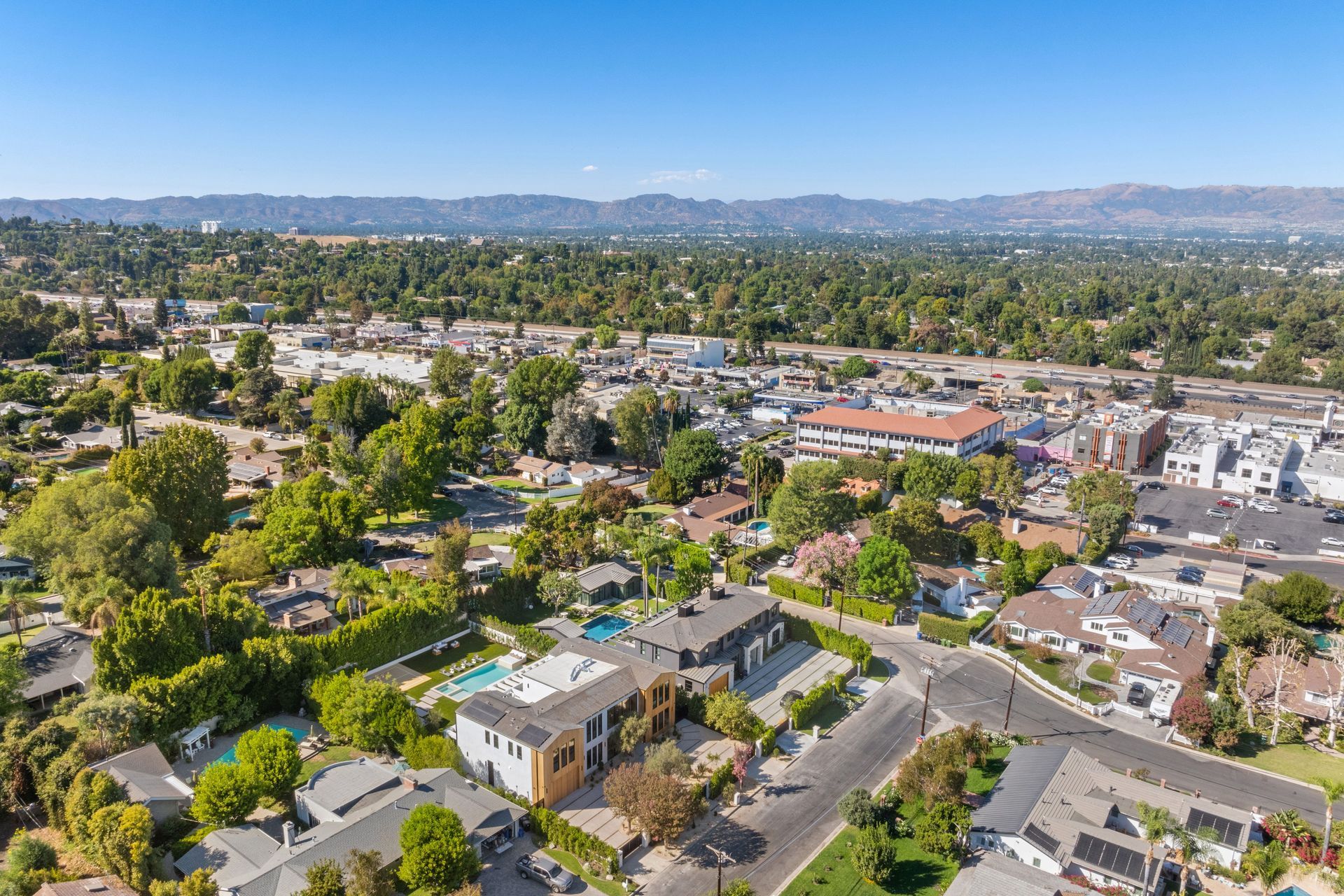
Home insurance helps protect your house, personal belongings, and liability risks. We explain coverage options clearly so you know what your policy includes.
Auto insurance provides protection for accidents, liability, and vehicle damage. We help you compare options so you can choose coverage that fits your driving needs.
Motorcycle insurance provides coverage for riders and their bikes. We help you select options that match how and where you ride.
RV insurance supports protection for motorhomes and recreational vehicles. Coverage applies during travel and while parked.
Coverage Built for Contractors and Trades
Support that keeps your work moving.

General Liability Insurance
General liability insurance helps protect contractors from injury and property damage claims. It supports jobsite requirements and contracts.

Workers Compensation
Workers compensation insurance helps protect employees injured while working. It also supports compliance with state requirements.

Commercial Auto Insurance
Commercial auto insurance provides coverage for work vehicles used on jobsites. It helps protect drivers and company vehicles.

Contractor Insurance
Contractor insurance supports trades and service professionals across Southern California. It helps protect tools, equipment, and daily operations.

Cyber Liability Insurance
Cyber liability insurance helps protect business data and customer information. It supports recovery from digital incidents.

Commercial Property Insurance
Commercial property insurance helps protect offices, shops, and equipment. It supports recovery after covered damage.
Coverage Built for Specialized Work
Support for high-risk and service-driven industries.



Simple Steps Supported by Steady Guidance
A Clear Path to Coverage
Trusted by Clients Across Southern California
Clear service backed by real experiences.
Answers to Common Questions.
Clear explanations to guide your decisions.
How do I know which insurance policy is right for me?
We compare coverage options from multiple carriers to help you see differences in protection and price. You can review clear details and ask questions so you understand what each policy covers. Our team guides you step by step so you feel sure about your decision.
What factors affect my auto insurance premium?
Auto insurance premiums are influenced by your driving history, age, location, vehicle type, and coverage choices. A clean driving record and good safety features can help lower costs. We review these factors with you and help find coverage that fits your budget and needs.
Does homeowners insurance cover all types of damage?
Standard homeowners insurance protects your structure, personal belongings, liability, and additional living expenses in many cases. However, it usually does not include flood or earthquake damage without separate policies. We help you decide if extra coverage is right for your home and location.
Can I update my policy or get certificates online?
Yes. You can submit requests for policy changes and certificates through our online service form at any time. Our team processes those requests quickly and confirms updates once complete so you have the documents you need.
Do I need separate insurance for business risks like EPLI or E&O?
Yes. General liability and workers compensation cover many business risks but do not protect against all exposures. For example, Employment Practices Liability Insurance (EPLI) covers claims like wrongful termination or discrimination, and Errors & Omissions (E&O) covers claims based on mistakes in professional services. We help you identify which extra policies your business may need.
What happens if I need to file a claim?
If you need to file a claim, we guide you through the process and help you contact the insurance carrier. We explain what information you should provide, answer your questions, and stay available while the carrier reviews your claim. This support helps you move forward with confidence.
Contact Us