A building permit can be a make-or-break factor for construction projects, and a permit bond plays a critical role. In California, these bonds provide a safety net by ensuring compliance with building codes, local ordinances, and other regulatory requirements. Understanding what permit bonds cover is essential for contractors, developers, and homeowners who want to navigate construction safely and responsibly. Early insights from sources such as the JM Construction newsletter point out that timely permits are a crucial aspect of California’s construction environment.
Permit bonds offer financial protection for municipalities and property owners by ensuring that work is completed according to regulations and within the established guidelines. This article examines the broad coverage of California permit bonds, their benefits, and the reasons behind their increasing importance. As the landscape of California construction and insurance continues to evolve, clarity on these projects is more critical than ever.
Insights from recent studies and regulatory updates provide the backdrop against which permit bonds operate, highlighting their multifaceted role in protecting public and private interests. With a focus on real-world examples, this guide offers an in-depth exploration of the various aspects of permit bonds in California.
Understanding the Basics of Permit Bonds
Permit bonds are surety bonds required by local governments before approving building permits. They serve as a type of insurance to guarantee that contractors abide by project specifications and local building codes. If work is not performed according to the terms of the permit, the bond can provide compensation to affected parties. This guarantee is critical to maintain trust between municipalities, property owners, and contractors.
In practice, permit bonds ensure that factors like timely completion, adherence to firm specifications, and compliance with safety standards are financially backed. When a project is incomplete or deviates from approved plans, the responsible party can be held financially accountable through the bond. Such assurance proves invaluable in preventing disputes between contractors and local governments.
This basic safety net becomes even more vital in regions with active construction and renovation sectors, such as California. With state regulations constantly evolving, permit bonds offer a consistent framework to protect both public resources and private investments.


By: Danielle Sweet
Commercial Insurance Agent at Caruso Insurance Services
The Role of Permit Bonds in California’s Construction Landscape
California’s construction sector has seen significant changes in recent years. For instance, recent data indicates a reduction in new housing permits, illustrated by 49,400 new permits issued in the first half of 2025 – a 4% decline from the previous year (JM Construction). While construction activity can fluctuate, the demand for permit bonds remains steady as they protect every project regardless of scale.
The importance of these bonds extends beyond simply guaranteeing compliance. They also enhance the credibility of contractors and provide municipalities a means to recoup losses if standards are not met. In a state brittle with regulatory approaches and high economic stakes, the safety net provided by permit bonds helps protect against financial risk and unexpected liabilities.
For example, after an unexpected fire or substandard construction practices, homeowners or local governments might seek recourse against negligent parties. The bond would cover the necessary remediation expenses, thereby mitigating risk and ensuring that volumes of insurance claims remain manageable. This arrangement is supported by evolving policies and regulatory measures designed to stabilize sectors such as wildfire insurance (California Department of Insurance).
Permits and Bonds: A Closer Look at Coverage Details
A deeper examination of permit bonds reveals several core elements that ensure project compliance and public safety. These elements include work completion, cost coverage, and regulatory compliance – all of which are aimed at preventing losses from project deficiencies. Permit bonds generally cover areas such as: project abandonment, failure to meet code requirements, and corrections on substandard work. When these issues arise, the bond can be used to compensate local entities for repair costs or fines incurred.
Coverage details can differ based on project scope. For instance, commercial projects might require higher bond amounts than residential projects given the increased complexity and risk exposure. Contracting companies must work closely with surety bond providers to ensure that the bond amount and coverage details match the risk profile of the project. These practices help avoid significant financial setbacks and ensure a state of preparedness in the event of any irregularities.
Data also suggests that California's evolving regulatory environment calls for tailored bond solutions that address project-specific risks. This approach is comparable to wildfire mitigation strategies, which also require specialized measures. Studies have shown that structural modifications and combined vegetation modifications can significantly reduce wildfire risk, thereby influencing how permits are structured and risk assessed (CalMatters).
Essential Elements Covered by Permit Bonds
Permit bonds cover more than just a contractor’s promise to finish a project. They cover various aspects of construction quality and standards, ensuring that work complies with local and state regulations. Essential elements include:
- Completion of the project according to the approved plans
- Compliance with building codes and safety regulations
- Correct handling of permit fees and taxes
- Financial coverage to address any potential deficiencies
The exact scope and amount of the bond are determined by local authorities and the project scale. In some cases, additional bonds might be required to cover potential environmental or community impact costs. These details might evolve as regulations change.

The Permit Bond Process for Construction Projects
A well-being construction project begins with clear steps to secure all necessary bonds. Contractors are required to apply for these bonds as part of the permitting process. This application involves a thorough review of the contractor’s financial stability, past compliance records, and project specifics. The surety company then assesses the risk and issues a bond that guarantees the project will meet all regulatory requirements.
Applicants must provide supporting documentation that can include detailed project plans, budget forecasts, and sometimes even environmental impact studies. This documentation reassures local agencies that the project will adhere to safe and reliable construction practices. In scenarios where financial evidence or a detailed plan is scant, the bond amount might be increased as a risk mitigation measure.
Given the changing market dynamics highlighted by trends in the issuance of new permits, maintaining a robust and transparent bond process is essential. Data from JM Construction’s newsletter indicates that fluctuations in permit statistics have far-reaching impacts. As fewer projects start, the financial security of every project becomes paramount. This necessitates strong, transparent bonds for all parties involved.
Steps Involved in Securing a Permit Bond
The process of obtaining a permit bond for California projects includes several essential steps. Contractors typically follow this sequence:
- Submit an application along with project details
- Provide evidence of past successful projects and financial transactions
- Undergo risk assessment by the surety company
- Receive bond approval and certificate after due diligence
- Fulfill any pre-construction remediation or improvement requirements as needed
Understanding this sequence helps streamline the process, ensuring that projects begin with all necessary financial assurances in place. Local authorities can be confident that the construction will be completed as promised, reducing the likelihood of disputes and unsanctioned shortcuts in construction practices.
Permit Bonds and Their Impact on Contractors and Homeowners
Permit bonds serve as an essential security mechanism that benefits both contractors and homeowners. For contractors, these bonds improve market reputation and foster trust among stakeholders by underscoring their commitment to meeting regulatory and contractual obligations. This trust is vital in competitive markets where reliability is a prized asset.
Homeowners, on the other hand, often rely on the protections afforded by these bonds. In scenarios where construction firms default on their commitments or where work is substandard, homeowners have recourse through the bond to secure compensation for damages or delays. This protection is indispensable in preserving property value and ensuring public safety in residential areas.
Legal and financial experts continuously study the impact of bonding on performance. Notable commentary from industry actuaries suggests that while mitigation strategies in underwriting might complicate areas such as insurance, improved bond standards offer a robust solution by coupling financial incentives with strict construction guidelines (CalMatters).
How Permit Bonds Protect Against Project Failures
When projects suffer from defects or delays, permit bonds ensure that affected parties receive compensation. This financial coverage limits the risk for both municipalities and homeowners. In essence, if a contractor fails to complete a project as agreed, the surety company will cover the costs of repairs or project completion up to the bond limit.
This protection also minimizes the risk exposure for contractors. By guaranteeing compliance, bonds encourage adherence to schedules and quality benchmarks. In markets where regulatory compliance and construction safety are under intense scrutiny, a dependable permit bond system is a crucial tool to maintain integrity in the construction process.
Regulatory Changes and Market Trends Influencing Permit Bonds
Recent policy adjustments and market conditions have significantly influenced the scope and issuance of permit bonds in California. Regulatory changes often reflect broader shifts within the construction and insurance industries. For example, as noted in the latest California Department of Insurance review of wildfire catastrophe models, shifts in risk parameters prompt recalibration of coverage requirements (California Department of Insurance).
Such regulatory refinements affect not only the underwriting process for permit bonds but also the overall landscape of construction finance. Changes within the insurance sector – including legislative updates like the Safe Homes Act that allocated $250 million for fire resilience grants – signal a broader governmental commitment to managing risks associated with natural disasters. This commitment often integrates smoothly with the responsibilities outlined in permit bonds.
Additionally, industry reports emphasize the importance of structural modifications that can reduce wildfire risk by significant percentages. These studies, backed by figures from experts at CalMatters, stress that improved building practices and rigorous permit processes help safeguard against catastrophic events. The implications underscore the continuous need for effective permit bonds that blend traditional regulatory oversight with modern risk management strategies (Cal Coast Times).
Shifts in Permit Bond Issuance and Expectations
Observations within the construction sector reveal that areas with renewed safety concerns and environmental risk factors tend to adopt stricter permitting requirements. In recent years, as seen in permit issuance trends and related studies, there has been an increased demand for bonds that cover a wide range of potential liabilities. These diligent measures are essential in an environment where contractor accountability is paramount.
Even as permit issuance declined slightly – as reflected by the recent 4% drop reported by JM Construction – the emphasis on robust permit bonds has not waned. Instead, market participants see permit bonds as an evolving tool capable of adapting to emerging trends, whether economic, environmental, or regulatory.
Such adaptations speak to the broader narrative of risk management in construction. With evolving risks, whether from unforeseen natural disasters or financial instabilities, industry experts maintain that strong permit bonds remain a core component of any responsible construction project.
Data Comparison: Standard Permit Bonds vs. Extended Coverage Options
An effective way to grasp the differences in coverage is by examining a comparison of standard permit bonds and extended coverage options frequently used in California. The table below outlines common differences in coverage details, financial assurance, and risk management elements.
| Feature | Standard Permit Bond | Extended Coverage Option |
|---|---|---|
| Project Completion Guarantee | Basic guarantee of project completion according to approved plans | Includes detailed cost compensation for significant project modifications |
| Building Code Compliance | Ensures adherence to core building codes | Extends to include aesthetic and design modifications |
| Financial Assurance Limit | Set by local government mandates | Often higher with additional financial buffers |
| Environmental & Safety Concerns | Basic compliance coverage | May include additional environmental and community impact protections |
This comparison table highlights that while standard permit bonds provide core assurances, extended coverage options offer more detailed safeguards, especially in high-risk or complex projects. The choice ultimately depends on the project's location, scope, and specific challenges.
Contractors and property owners should consider these aspects carefully. Extended coverage options, while potentially more expensive, may ultimately save costs in scenarios where accidents or deviations occur during construction.
Mitigating Risks Through Structural and Vegetation Modifications
California builders and contractors are familiar with the risks posed by wildfires and environmental factors. Recent studies indicate that making structural modifications can reduce wildfire risk by roughly 40% with additional combined vegetation modifications yielding up to a 75% reduction (CalMatters). Although permit bonds primarily focus on ensuring regulatory compliance and project completion, understanding risk mitigation techniques aids in shaping both bond requirements and general construction practices.
For instance, when building in fire-prone areas, contractors might be obliged by local rules to implement fire-resistant construction techniques. Not only does this reduce potential damage from natural disasters, but it also underpins the conditions that permit bonds are designed to reinforce. Incorporating these techniques allows for lower bond premiums, as the actual risk profile of the project decreases.
Modern bonding practices encourage such risk reduction strategies through a combination of financial accountability and practical building practices. Stakeholders are increasingly aware that blending physical improvements with financial safeguards creates a more resilient system, capable of absorbing unexpected shocks.
Linking Mitigation to Financial Security
Many contractors are discovering that investing in mitigation measures not only improves project safety but also results in more favorable bonding conditions. Insurers may offer reduced premiums when structural or vegetation modifications significantly mitigate risk, creating a win-win scenario for developers and local governments. This type of risk management is particularly crucial in California, where environmental dangers are a persistent concern.
The connection between on-site improvements and financial underwriting has even drawn the attention of experts like Sheri Lee Scott from Milliman Property & Casualty, who has stressed that integrating certain mitigation measures could exacerbate broader insurance crises if not managed carefully (CalMatters). By ensuring that permit bonds remain robust, both insurers and bonding companies collectively navigate these evolving risk landscapes.
How Legislative Changes Influence Permit Bond Requirements
Legislative action plays a significant role in shaping the construction and insurance sectors in California. A notable development came with the enactment of the Safe Homes Act in November 2025, which allocated $250 million for fire resilience grants (Cal Coast Times). Although the act primarily addresses wildfire insurance challenges, it indirectly reinforces the importance of robust permit bonds by ensuring that construction projects adhere to safer standards.
Legislation such as the Safe Homes Act sends a clear signal that safety and compliance are top priorities. As local governments adjust their requirements in response to such measures, contractors must ensure that their bond coverage meets increasingly stringent criteria. The interplay between construction regulation and insurance reflects a growing recognition that comprehensive safety starts with a strong foundation in the permit process.
This evolving legal landscape highlights the dynamic nature of permit bonds. As laws adapt to the fiscal and environmental challenges of modern California, the requirements for permit bonds are also subject to realignment. Ensuring that all parties-from contractors to insurers-remain aligned with the latest legal mandates is essential to maintain public trust and protect private investments.
Impacts on Construction Costs and Bond Pricing
When legislative changes take effect, they typically have ripple effects throughout the construction industry. New legal mandates tend to push bond requirements higher, which can correlate with increased upfront costs for contractors. However, these costs are generally offset by the long-term benefits of risk reduction and project accountability.
Market dynamics often reflect these regulatory pressures, and recent trends indicate that while permit issuance slightly declined, the emphasis on quality and compliance has only intensified. Contractor costs might rise slightly due to improved standards, but this ensures that neighborhoods and commercial areas maintain high safety and construction quality standards.
By integrating such costs within their overall budget planning, contractors secure a smoother workflow and reduce the likelihood of expensive litigation or remediation efforts during or after construction.
Case Studies: Real-World Examples of Permit Bonds in Action
Examining real-world scenarios where permit bonds have played a pivotal role provides practical insights for stakeholders. In one suburban project in Southern California, a contractor successfully navigated several permitting challenges by securing a robust permit bond. When unforeseen issues arose due to a miscalculation in building material estimates, the bond provided immediate financial recourse to address necessary corrections.
This example illustrates how bonds not only guarantee project success but also serve as a backstop when budgets are tested by site-specific complications. Similar cases across the state demonstrate that the integration of effective bonds correlates with enhanced project oversight, minimal delays, and cost-effective resolutions.
Another case saw a municipal government recovering significant funds from a permit bond when a contractor abandoned a project mid-way. Such examples underscore that for municipalities, the permit bond is often the last line of defense against financial losses, ensuring that taxpayers’ money is spared from the fallout of contractor defaults.
Lessons Learned from Permit Bond Implementations
These case studies highlight several important lessons. First, a well-structured permit bond is instrumental in managing unexpected project mishaps. Second, the increased specificity in bond requirements reflects a proactive approach to evolving regulatory landscapes. Finally, the flexible application of bonds in various construction scenarios helps adjust risk profiles in real time. These lessons offer valuable insights for both new and experienced contractors aiming to improve project outcomes.
In summary, real-world examples reinforce the notion that permit bonds ensure accountability and reliable performance. With well-defined parameters, permit bonds mitigate the financial risks associated with construction delays, substandard work, or project abandonment, ultimately benefiting local communities and contractors alike.
Frequently Asked Questions
This FAQ section provides clear, accessible answers to common queries about permit bonds. These questions reflect real concerns from contractors, homeowners, and municipal officials alike.
Q: What is the primary purpose of a permit bond?
A: The primary purpose of a permit bond is to guarantee that a contractor will complete a project according to the approved plans and comply with local building codes. This bond provides financial protection if the project is not completed or does not meet regulatory requirements.
Q: Who benefits from permit bonds?
A: Both municipalities and property owners benefit from permit bonds. Municipalities can recover costs if construction standards are violated, and property owners are protected from potential financial losses due to contractor defaults.
Q: How do permit bonds affect construction costs?
A: While permit bonds add a cost upfront, they often help reduce long-term risks by ensuring compliance and timely project completion. This trade-off can ultimately save money by minimizing delays and mitigating contractor-related issues.
Q: Do legislative changes impact permit bond requirements?
A: Yes, legislative changes, such as the recent Safe Homes Act, can impact permit bond requirements by underlining the importance of enhanced safety protocols and higher risk mitigation measures. These legal adjustments ensure that bonds remain relevant in evolving circumstances.
Q: How can contractors secure a permit bond?
A: Contractors secure a permit bond by submitting an application with detailed project information, undergoing a risk assessment from a surety company, and meeting all documented requirements. The process verifies their financial stability and track record in project completion.
Q: What is the difference between a standard permit bond and extended coverage options?
A: A standard permit bond covers basic compliance and completion guarantees, whereas extended coverage options might provide additional protection, such as higher financial assurance limits or coverage for extra compliance issues. Extended options are often considered for more complex or higher-risk projects.
Wrapping Things Up
The role of permit bonds in California continues to grow as projects become more complex and regulatory demands increase. From ensuring project completion to protecting local governments and homeowners, these bonds form a cornerstone of accountability in construction. Given the changing landscape of construction permits, rising environmental risks, and evolving legislative measures, both contractors and property owners must stay informed about what permit bonds cover and why they are essential.
Strong permit bonds not only prevent financial loss but also build confidence that every project adheres to the high safety and quality standards mandated by state and local authorities. As trends in the construction and insurance industries continue to evolve, such bonds will remain integral to risk management across diverse California projects.
The critical insights shared here, combined with data from trusted sources such as
JM Construction and
California Department of Insurance, help illustrate that the system is robust yet adaptable. This continuous evolution ensures that both regulatory and financial safety nets stay relevant in today’s dynamic construction environment.
Before You Go
Permit bonds are not just a bureaucratic requirement-they are a strategic risk management tool designed to protect millions in investments and uphold construction standards. Contractors, developers, and homeowners need to ensure that they work with experienced bond providers who understand the nuances of California’s construction laws and local mandates.
By combining diligent application processes, transparent financial controls, and modern risk mitigation strategies, the permit bond framework in California serves as an effective bulwark against construction-related setbacks and liabilities. As market trends and legislative shifts continue to shape the industry, staying informed and proactive about bonding requirements can help safeguard project interests over the longterm.
Whether planning a new development or navigating ongoing construction obligations, the practical insights provided in this guide should help stakeholders make informed decisions and choose the right bonding solutions. For further detailed discussions or queries about specialized permit bond options, local regulatory bodies and experienced surety companies are important partners in this journey.
ABOUT THE AUTHOR:
DANIELLE SWEET
HI! I am Danielle Sweet your insurance extraordinaire. I have been in the insurance industry since I was 19 years old working in many different areas of insurance to provide a broad knowledge base to our clients. I have three amazing children who keep me on my toes even as they are older. I have a passion for horses and am lucky to ride every week. I am truly blessed to be able to help business owners and individuals navigate the world of insurance and educate you to make an informed decision that is right for you.
Contact Us

Service that stays with you.
Our team helps simplify insurance decisions for families and businesses. We focus on clear explanations, fast responses, and dependable service. You can count on us for help with coverage questions, updates, and long-term support.
Coverage that keeps you secure
Reliable Protection for Everyday Life

Home insurance helps protect your house, personal belongings, and liability risks. We explain coverage options clearly so you know what your policy includes.
Auto insurance provides protection for accidents, liability, and vehicle damage. We help you compare options so you can choose coverage that fits your driving needs.
Motorcycle insurance provides coverage for riders and their bikes. We help you select options that match how and where you ride.
RV insurance supports protection for motorhomes and recreational vehicles. Coverage applies during travel and while parked.
Coverage Built for Contractors and Trades
Support that keeps your work moving.

General Liability Insurance
General liability insurance helps protect contractors from injury and property damage claims. It supports jobsite requirements and contracts.

Workers Compensation
Workers compensation insurance helps protect employees injured while working. It also supports compliance with state requirements.

Commercial Auto Insurance
Commercial auto insurance provides coverage for work vehicles used on jobsites. It helps protect drivers and company vehicles.
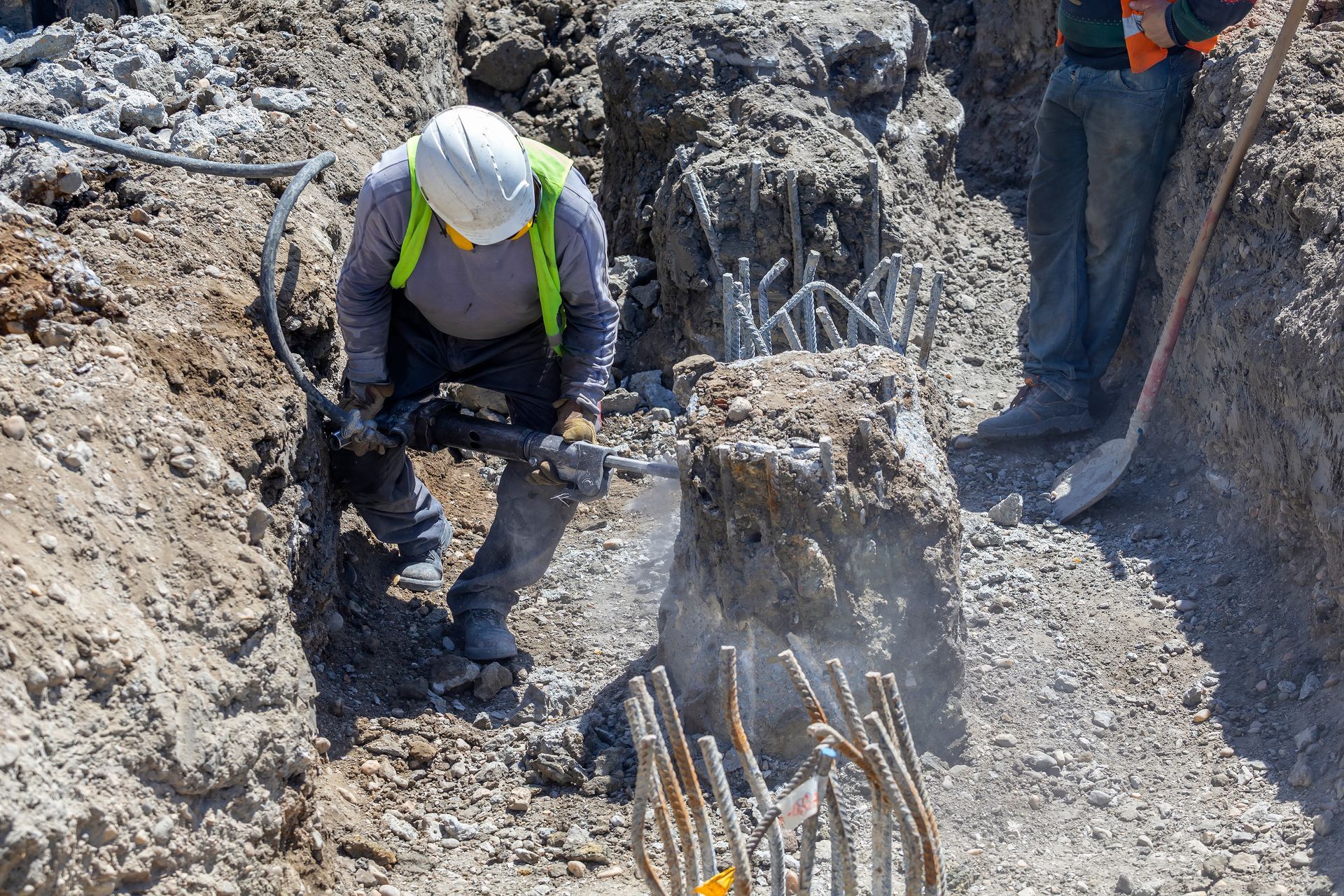
Contractor Insurance
Contractor insurance supports trades and service professionals across Southern California. It helps protect tools, equipment, and daily operations.

Cyber Liability Insurance
Cyber liability insurance helps protect business data and customer information. It supports recovery from digital incidents.

Commercial Property Insurance
Commercial property insurance helps protect offices, shops, and equipment. It supports recovery after covered damage.
Coverage Built for Specialized Work
Support for high-risk and service-driven industries.



Simple Steps Supported by Steady Guidance
A Clear Path to Coverage
Trusted by Clients Across Southern California
Clear service backed by real experiences.
Answers to Common Questions.
Clear explanations to guide your decisions.
How do I know which insurance policy is right for me?
We compare coverage options from multiple carriers to help you see differences in protection and price. You can review clear details and ask questions so you understand what each policy covers. Our team guides you step by step so you feel sure about your decision.
What factors affect my auto insurance premium?
Auto insurance premiums are influenced by your driving history, age, location, vehicle type, and coverage choices. A clean driving record and good safety features can help lower costs. We review these factors with you and help find coverage that fits your budget and needs.
Does homeowners insurance cover all types of damage?
Standard homeowners insurance protects your structure, personal belongings, liability, and additional living expenses in many cases. However, it usually does not include flood or earthquake damage without separate policies. We help you decide if extra coverage is right for your home and location.
Can I update my policy or get certificates online?
Yes. You can submit requests for policy changes and certificates through our online service form at any time. Our team processes those requests quickly and confirms updates once complete so you have the documents you need.
Do I need separate insurance for business risks like EPLI or E&O?
Yes. General liability and workers compensation cover many business risks but do not protect against all exposures. For example, Employment Practices Liability Insurance (EPLI) covers claims like wrongful termination or discrimination, and Errors & Omissions (E&O) covers claims based on mistakes in professional services. We help you identify which extra policies your business may need.
What happens if I need to file a claim?
If you need to file a claim, we guide you through the process and help you contact the insurance carrier. We explain what information you should provide, answer your questions, and stay available while the carrier reviews your claim. This support helps you move forward with confidence.
Contact Us