Popular nightlife districts and small town bars alike face a unique set of risks. Details such as property damage, liability claims, and specialized needs have elevated the importance of tailored insurance coverage in California. As local operators seek peace of mind and financial protection, understanding the ins and outs of bar insurance is essential. This guide blends market insights and practical tips for customizing coverage that protects both the business and its patrons. Read on for an in-depth look into the insurance challenges and opportunities that bars face in the state, along with expert statistical evidence and case studies from industry leaders like
Chambers and Partners.
Understanding Bar Insurance in California
Bar insurance in California needs to encompass a wide range of risks. These risks include general liability, liquor liability, property coverage, and even specialized coverages for issues such as slip and fall cases. Owners of bars must understand that typical insurance packages may not sufficiently cover their unique risk profile.
Bars operate in an environment where customer safety is of utmost importance. Insurance policies can be customized to include coverage for physical injuries, property damage, and legal costs stemming from customer claims.
Because California’s dynamic regulatory landscape influences policy rates and available products, many bar owners seek guidance to navigate these complexities. For instance, recent discussions around emergencies affecting the rate structure have highlighted important changes. A notable example is the emergency rate hike administrative trial won by State Farm in May 2025, marking a pivotal moment in the state’s homeowners insurance market. This change signals broader shifts in how insurance products are priced and regulated.

By: Peter Plew
Commercial Insurance Agent at Caruso Insurance Services
The Role of Liability Insurance in Bar Operations
Liability insurance is a cornerstone of any risk management strategy for bar owners. Given the potential for unpredictable incidents in social settings, ensuring that proper liability coverage is in place can be the difference between a manageable expense and a crippling lawsuit.
Many bar owners are familiar with the term “liquor liability insurance” because it specifically addresses risks associated with serving alcohol. This specialized coverage is important not only to protect the business but also to safeguard the patrons who frequent these establishments. The policies generally cover accidents, injuries, or incidents arising from excessive alcohol consumption and other alcohol-related liabilities.
Alongside general liability insurance, many policies now include endorsements that broaden the coverage to include property damage, employee injuries, and even cyber risks as technology increasingly plays a role in business operations. This evolution in policy coverage has been spurred by technological, economic, and environmental forces as noted by industry experts on
Chambers and Partners.
Customizing Policies for Varied Bar Operations
Not all bars are created equal. Some are high-volume nightclubs with extensive staff, while others may consist of small intimate settings with limited seating. Therefore, bar insurance should be tailored to the size, location, and specific operational risks of the establishment.
For smaller bars and independent operators, it is crucial to examine policy limits and exclusions closely. Operators should verify that their policy adequately covers liability in cases such as slip and fall accidents or disputes arising from customer intoxication. It is not uncommon for policyholders to find themselves navigating the complexities of claims if coverage gaps exist.
A recent study on malpractice coverage among professionals in California echoes the concern for tailored policies. According to the California Lawyers Association, in 2019, 39% of solo attorneys and 12% of small firms did not carry malpractice insurance (California Lawyers Association). While this study was focused on legal professionals, the statistics highlight the importance of having the right coverage in place for niche operations, such as a single-location bar which may face similar coverage gaps if policies are not adequately tailored.

Essential Coverage Types for Bars
General Liability and Liquor Liability
General liability provides a safety net for bar owners by covering bodily injury and property damage claims that could arise on the premises. This insurance can protect against accidents like a patron slipping on a wet floor. A comprehensive policy also protects against libel and slander claims that might arise from events hosted at the bar.
Liquor liability insurance goes hand in hand with general liability coverage. Considering that alcohol service inherently carries additional risks, liquor liability is indispensable. This coverage shields bar owners from financial loss stemming from legal actions when patrons become intoxicated and cause harm, either on or off the premises.
Some policies integrate both types of liability, offering bar owners a combined coverage solution that can be more cost-effective and easier to manage. However, each component should be reviewed carefully to ensure comprehensive protection.
Property and Equipment Coverage
Many bars invest heavily in interior design, specialized lighting, sound systems, and valuable equipment necessary for operation. Property insurance aims to protect these tangible assets against fire, vandalism, or natural disasters.
Beyond the insurance provided by the building owner in leased spaces, bar owners must consider an additional layer for equipment and business property. This is especially important in areas prone to natural disruptions or urban risks where local policies might differ.
Focusing on property coverage also underlines the need for risk analysis tailored specifically for businesses in high-traffic areas. While some policies cover standard property incidents, additional riders can extend protection to cover business interruption losses which might arise following a major loss event.
Cyber Liability and Employment Practices
As technology becomes deeply integrated into operations-from point-of-sale systems to digital reservation platforms-bars must also consider cyber liability insurance. Cyber insurance can help cover the costs associated with a data breach, which could expose customers' personal information or disrupt operations for days.
Employment practices liability insurance (EPLI) is also gaining traction among bars. This insurance provides protection against claims arising from issues like wrongful termination or discrimination. Given that even a small business can face legal claims from employees, EPLI represents a critical component of a comprehensive risk management strategy.
Integrating multiple layers of coverage into a single, coherent strategy helps bar owners address modern business risks without incurring unnecessary cost burdens.
Regulatory Landscape and Its Impact on Insurance
California’s regulatory environment plays a significant role in shaping the terms of insurance policies for bars. Regulations influence everything from the types of risks covered to the premium rates that businesses must pay. For example, the rate-intervenor system has been highlighted by some as a significant impediment to the efficient functioning of the insurance market. The Law & Economics Center noted that this system may slow the adaptation of insurance products in a rapidly changing risk environment.
Regulatory changes may force insurers to modify policies in unexpected ways. Administrative trials, such as the one won by State Farm in May 2025 for an emergency rate hike, underscore the tension between regulatory stability and market innovation (Chambers and Partners). Bars, like other businesses, must be proactive in understanding these changes to avoid potential coverage gaps or unexpected cost increases.
Staying informed about regulatory adjustments is essential. Engaging with local industry groups or legal advisors who understand California's regulatory frameworks can help bar owners adjust their risk management strategies effectively.
How Environmental and Technological Shifts Affect Bar Insurance
The interplay of environmental shifts and technological advancements significantly impacts the insurance industry. These factors contribute to evolving risks, influencing both claim volume and complexity. As bars increasingly incorporate smart technology for lighting, security, and digital customer engagement, the insurance sector has responded by expanding cyber coverage.
A notable observation from 2024 indicated that technological, economic, and environmental forces have driven changes in claim profiles, thereby affecting insurance rates and policy conditions (Chambers and Partners). By integrating advanced technology within the premises, bars may lower the risk of certain traditional threats like burglaries, though they might expose themselves to new vulnerabilities such as data breaches.
The shifts have also led to more frequent adjustments in policy conditions to address novel risks. Policyholders must remain aware of these trends to ensure that their coverage evolves with the changing risk landscape, offering robust protection regardless of emerging factors.
Impact of Market Dynamics on Bar Insurance Premiums
Market dynamics such as supply and demand, regulatory intervention, and claims frequency play an essential role in determining insurance premiums. Bar owners have experienced how a sudden increase in claims or an unforeseen event can shift market conditions almost overnight. For example, the emergency rate hike initiated by a leading insurance carrier in May 2025 serves as a reminder that external market pressures can significantly impact premium costs and coverage quality. This shift was spearheaded by regulatory changes and to market pressures as reported by key industry observers.
Insurance premiums may also reflect broader trends seen in related markets. As risks evolve with socio-economic conditions, bar owners should expect premium adjustments over time. Connecting with industry specialists or legal advisors who monitor these trends can provide critical insights into emerging risks and reduce the potential for unwelcome surprises on renewal.
Owners would do well to compare policies actively. Evaluating factors such as coverage limits, deductibles, and any endorsements for unique operational risks helps ensure that premiums align with the true risk profile of the business.
Comparing Insurance Options: A Detailed Coverage Table
The following chart outlines several coverage options that are frequently considered by bar owners along with their typical inclusions and notable differences. This table provides a side-by-side comparison that clarifies the distinctions between the types of coverage available.
| Coverage Type | Key Inclusions | Notable Exclusions/Risks |
|---|---|---|
| General Liability | Bodily injury, property damage, and third-party claims | Often excludes employee injuries and intentional acts |
| Liquor Liability | Alcohol-related incidents, damages caused by intoxicated patrons | May not cover off-premises incidents |
| Property Coverage | Damage to building, contents, equipment, business interruption | Excludes wear and tear and flood damage unless riders are added |
| Cyber Liability | Data breach management, IT system costs, liability for compromised data | Does not usually include physical damage to equipment |
| EPLI (Employment Practices Liability) | Defamation, wrongful termination, harassment claims | Often excludes claims arising from policy violations |
This table should serve as a guide, but lightly reviewing policy details with an insurance expert always ensures that one is not left with unexpected gaps in coverage.
Integrating Risk Management Strategies with Insurance Coverage
A comprehensive risk management strategy goes hand in hand with the appropriate insurance coverage. While insurance provides a financial safety net, proactive risk management aims to reduce the frequency and severity of incidents in the first place. Bar owners in California are often advised to conduct regular safety audits, invest in staff training for emergency procedures, and install state-of-the-art monitoring systems.
Technology continues to drive innovations in risk management. For instance, installing sensors that can detect overcrowding or monitoring systems to deter theft can lower both claim frequency and premium costs in the long term. By addressing risks at the operational level, bar owners not only improve overall safety but also present a lower risk profile to insurers.
Risk management measures can sometimes qualify for premium discounts. It is not unusual for insurance carriers to reward businesses that engage proactively in loss prevention with lower premiums or enhanced policy features. A well-documented risk management plan thus becomes part of both operational efficiency and cost-effective insurance procurement.
Financial Considerations and Claims Process for Bars
Insurance is an investment, and understanding the claims process can be just as important as selecting the right policy in the first place. Given the unpredictable nature of accidents, ensuring that your policy includes a streamlined, customer-friendly claims process is essential. A clear claims procedure allows bar owners to mitigate downtime and maintain business continuity after an incident.
The claims process typically involves rigorous documentation of damages, third-party investigations, and assessments by independent adjusters. In scenarios where multiple parties are involved, such as liability claims from guests, an efficient claims process is critical to resolving disputes swiftly.
Bar operators should also periodically review their claims history and discuss recurring issues with their insurance representative. Insights drawn from previous claims can guide future adjustments to both policy structure and risk management practices. This approach creates a cycle of continuous improvement that addresses individual risk factors effectively.
Cost Factors and Premium Trends for Bar Insurance
Bar insurance premiums in California are influenced by several factors including location, claim history, operational size, and the regulatory environment. Market conditions, such as a sudden rate hike seen in the homeowners insurance market, can also have a ripple effect on other lines of coverage (Chambers and Partners). This interplay of market dynamics is a critical consideration when budgeting for insurance expenses.
Cost-effective insurance is not merely about seeking the lowest premium. Instead, it emphasizes value. While lower premiums may be attractive initially, there is little benefit if coverage gaps exist that lead to larger out-of-pocket expenses during claims. Expert advice from brokers who understand local market nuances and regulatory structures is invaluable for ensuring that the chosen policy provides full coverage at a competitive rate.
Bar owners should expect to revisit their insurance policies annually, adjusting for changes in business practices, seasonal trends, and evolving regulatory requirements. Periodic reviews of the coverage portfolio can help avoid surprises at renewal time and may even lead to cost savings through adjustments in policy limits and deductibles.
The pandemic introduced unprecedented challenges that continue to shape insurance coverage decisions for bars and hospitality businesses in California. Shifts in consumer behavior, temporary closures, and new public health protocols have all contributed to a delicate balance between operational flexibility and financial protection. While many of these issues are evolving, recent experiences have underlined the importance of adaptive coverage solutions.
During the pandemic, several insurers re-examined standard policy exclusions, particularly regarding business interruption and liability claims that touched on public health incidents. These policy amends serve as a reminder that business owners must ensure that their coverage remains current with emerging risks. Strategically tailored policies for bars now often include pandemic-related clauses that address scenarios such as forced closures or temporary capacity restrictions.
In a post-pandemic environment, insurers continue to fine-tune risk factors that were recalibrated during earlier crises. Bar owners are encouraged to engage in open dialogue with their insurance providers about how changes in local and state regulations may affect their coverage. By staying informed, business owners can better manage risk as conditions evolve on the ground.
Leveraging Industry Expertise and Legal Guidance
Insurance coverage for bars intersects with multiple areas of expertise including legal, regulatory, and operational risk management. As such, bar owners should consider leveraging insights from industry experts who understand the subtleties of California law and the financial impacts of regulatory changes. Consulting legal advisors can help clarify whether policies meet industry standards and ensure compliance with state regulations.
Recent market insights have emphasized the importance of staying informed about regulatory trends. For instance, studies have underscored the impact of adjusted rate structures on both home and commercial policies. Engaging advisors who are abreast with regulatory developments in California can mitigate surprises during claims and renewals.
Legal guidance is also particularly useful for understanding the interplay between general business liability and specialized coverages. As demonstrated by studies on malpractice coverage for attorneys-where significant proportions of small practices lacked adequate coverage (California Lawyers Association)-ensuring that all risk areas are covered remains a universal priority across industries.
Success Stories and Real-World Examples
Real-world examples can often underscore the importance of comprehensive insurance coverage. Consider a mid-sized bar in a bustling California city which invested in a multi-layered insurance policy that included general liability, liquor liability, and cyber coverage. When a minor incident escalated into a costly legal dispute following an injury on the premises, the bar's robust insurance playbook provided both financial relief and the stability required to resume operations quickly.
Similar situations have been observed across various sectors where sudden regulatory changes force insurance companies to adjust rates and policy inclusions. The case of the emergency rate hike by State Farm in May 2025 serves as a reminder that insurance products can evolve rapidly. Businesses that proactively adapt to these changes tend to emerge more resilient. This proactive strategy is an essential part of risk management in a fast-changing market.
Another example involves a smaller establishment that initially struggled with cost-effective coverage but eventually optimized its portfolio by leveraging expert advice. By aligning policy limits with realistic risk assessments and pursuing periodic reviews, the establishment maintained both financial health and operational continuity during turbulent times.
Preparing for the Future: Trends and Predictions
As the insurance landscape continues to evolve, emerging trends are likely to shape future coverage options for bars in California. Increasingly, insurers are integrating digital platforms that allow for more tailored risk assessment. These digital tools enable business owners to monitor potential risks in real time and receive customized advice based on their individual operations.
Advances in technology are expected to streamline the claims process further, making it easier for bar owners to document incidents and receive prompt financial relief. As a result, claims processing times are anticipated to shorten, reducing downtime and minimizing impact on business operations. This trend signals a growing shift toward a more technologically driven insurance ecosystem.
Market analysts predict that risk management consultations will become increasingly integral to policy renewals and adjustments. Regulatory changes, as observed with the state’s active rate-intervenor system, may lead to more frequent policy reviews, enabling business owners to optimize coverage dynamically. Engaging with professional advisors and staying updated with state-level changes remain key strategies moving forward.
Frequently Asked Questions
This section addresses common questions that bar owners in California may have when evaluating their insurance coverage needs.
Q: What makes bar insurance different from regular commercial insurance?
A: Bar insurance is tailored to cover specialized risks such as liquor liability, employee-related claims, and unique property exposures that are not typically a factor in standard commercial policies.
Q: Why is liquor liability essential for bars?
A: Liquor liability specifically addresses risks related to alcohol service, protecting bar owners from claims arising from accidents or injuries caused by intoxicated patrons.
Q: How often should a bar owner review their insurance policy?
A: It is advisable to review policies annually or whenever there are significant operational changes. This ensures that coverage remains robust in the face of evolving risks.
Q: Can technology help reduce insurance premiums?
A: Yes, integrating safety and security technology may lower risk levels and, in some cases, result in premium discounts due to a reduced chance of claims.
Q: What should be included in a comprehensive bar insurance policy?
A: A comprehensive policy might include general liability, liquor liability, property and equipment coverage, cyber liability, and employment practices liability, among other specialized coverages.
Q: Where can I get assistance with customizing insurance for my bar?
A: Professional brokers and legal advisors familiar with California’s regulatory environment can help tailor your policy according to the specific risks associated with your establishment.
Wrapping Things Up
Bar insurance in California is not a one-size-fits-all proposition. Given the diverse risks from liability claims to technological challenges, bar owners need to take a proactive approach in tailoring coverage. Doing so involves not only comparing policies and understanding regulatory impacts but also integrating risk management best practices into daily operations.
The landscape may continue to shift amid changing market conditions and regulatory reforms. For example, studies have highlighted shifts in malpractice and general liability coverage among various professionals across California, underscoring that robust insurance strategies are essential for businesses of all types (California Lawyers Association). Bar owners are encouraged to stay informed and engage regularly with industry experts to ensure that policies remain a strong safety net.
By addressing each component-from operational risks to evolving market forces-bar insurance can be not only a legal necessity but also a critical component of long-term business strategy. This comprehensive approach prepares establishments to meet any unexpected challenges head-on while ensuring a stable foundation for continued growth.
Final Thoughts and Future Directions
As the hospitality industry continues to rebound and evolve in California, bar owners must grapple with a range of unpredictable challenges. Insurance coverage today must be dynamic enough to account for regulatory changes, technological advancements, and unforeseen liabilities. The success of many establishments depends on having expert guidance when navigating these waters.
Staying connected with insights from reputable sources can make a significant difference. Recent shifts in the market, such as the emergency rate hike approved in May 2025, serve as timely reminders to continually monitor both the internal and external landscape. Keeping abreast of such trends, bar owners can take advantage of opportunities to refine their policies and strike the ideal balance between cost and coverage.
For those planning ahead, risk management combined with well-considered insurance coverages can serve as a competitive edge. Ensuring that your insurance policies align with the unique operational risks your bar faces lays the groundwork for sustainable success. Recognize that the need to adapt is ongoing, and proactive management of both insurance and operations is integral for future resilience. Information from studies and expert analyses is continuously shaping the next generation of insurance products, and keeping informed remains a vital strategy for every bar owner in California. Stay mindful of emerging trends to tailor coverage that not only protects but also empowers your business to thrive in an ever-changing market.
Learn more about current trends in insurance.
Key Takeaways
This guide outlines several critical points relevant to bar policy selection:
- Insurance for bars must address specific risks such as liquor and cyber liability.
- Regulatory changes in California have direct effects on premium rates and policy conditions.
- Customizing policies to reflect operational size and risk profile adds financial and operational resilience.
- Leveraging technological advances can reduce risk and lead to potential cost savings.
- Engaging professional advice is essential in navigating frequently changing landscapes.
By understanding these key aspects, bar owners can better manage risks and maintain operational stability even in unexpected events.
Preparing for Unexpected Changes
Unexpected events, whether regulatory adjustments or new technological vulnerabilities, can prompt sudden changes in insurance policies and premium costs. Bars that preemptively update their risk assessment strategies are less likely to be surprised. The proactive approach leads to reduced overall risk and positions the business to absorb shocks more effectively.
As seen in other industries, such as legal practices where a significant percentage are underinsured, effective management of insurance coverage is paramount. Ensuring that policies have been tailored to meet current challenges, such as those driven by technological or environmental factors, becomes crucial. The focus is on being adaptable and prepared.
Keep a close eye on market indicators and regulatory updates. Engaging with local trade associations and insurance professionals who understand the local risk profile of California bars can provide timely insights into required policy adjustments. By preparing for unexpected changes, bar owners can safeguard both their financial stability and their reputation.
Conclusion
The journey through bar insurance may seem complex, but a detailed understanding of the regulatory, technological, and operational dimensions can simplify decision-making for business owners. California bar insurance is not merely a regulatory requirement-it’s a critical strategic tool to manage risk and ensure continuity in an unpredictable market.
Each bar has its unique risks, and the approach to insurance should reflect that reality. By taking proactive measures, maintaining detailed records, and engaging regularly with experts, bar owners in California can secure insurance policies that provide robust protection while offering cost-effective coverage solutions. For those looking to further explore market trends, insights from Law & Economics Center offer timely analyses and actionable advice.
This guide serves as both a resource and a reminder: robust insurance coverage safeguards not only physical and financial well-being but also the long-term stability and reputation of your establishment. As the landscape evolves, staying informed and engaged with industry developments remains the key to unlocking a secure future for every bar across California.
ABOUT THE AUTHOR:
PETER PLEW
Hi my name is Peter Plew and I am a commercial insurance professional. I listen to and strategize with business owners about their visions of the future and assist in getting there as quickly as possible. I help identify unique exposure and risk’s that business owners have and the reasons why they need to be insured against them. My goal is to make sure my clients are always taken care of on a daily basis with any service needs, questions, or concerns they may have. I love to golf and spend time with my family in my spare time.
Contact Us

Service that stays with you.
Our team helps simplify insurance decisions for families and businesses. We focus on clear explanations, fast responses, and dependable service. You can count on us for help with coverage questions, updates, and long-term support.
Coverage that keeps you secure
Reliable Protection for Everyday Life
Home insurance helps protect your house, personal belongings, and liability risks. We explain coverage options clearly so you know what your policy includes.
Auto insurance provides protection for accidents, liability, and vehicle damage. We help you compare options so you can choose coverage that fits your driving needs.
Motorcycle insurance provides coverage for riders and their bikes. We help you select options that match how and where you ride.
RV insurance supports protection for motorhomes and recreational vehicles. Coverage applies during travel and while parked.
Coverage Built for Contractors and Trades
Support that keeps your work moving.

General Liability Insurance
General liability insurance helps protect contractors from injury and property damage claims. It supports jobsite requirements and contracts.

Workers Compensation
Workers compensation insurance helps protect employees injured while working. It also supports compliance with state requirements.

Commercial Auto Insurance
Commercial auto insurance provides coverage for work vehicles used on jobsites. It helps protect drivers and company vehicles.
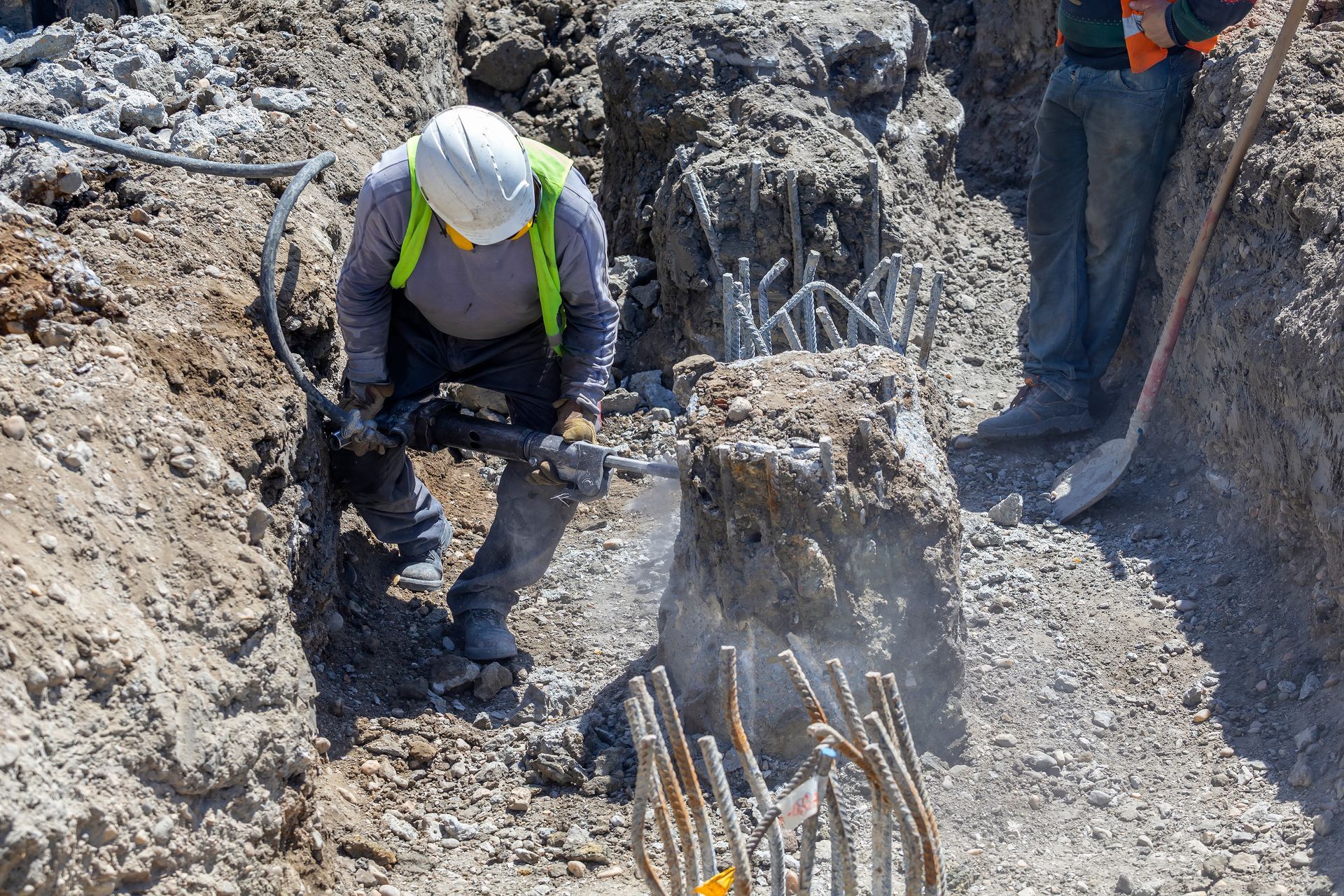
Contractor Insurance
Contractor insurance supports trades and service professionals across Southern California. It helps protect tools, equipment, and daily operations.

Cyber Liability Insurance
Cyber liability insurance helps protect business data and customer information. It supports recovery from digital incidents.

Commercial Property Insurance
Commercial property insurance helps protect offices, shops, and equipment. It supports recovery after covered damage.
Coverage Built for Specialized Work
Support for high-risk and service-driven industries.



Simple Steps Supported by Steady Guidance
A Clear Path to Coverage
Trusted by Clients Across Southern California
Clear service backed by real experiences.
Answers to Common Questions.
Clear explanations to guide your decisions.
How do I know which insurance policy is right for me?
We compare coverage options from multiple carriers to help you see differences in protection and price. You can review clear details and ask questions so you understand what each policy covers. Our team guides you step by step so you feel sure about your decision.
What factors affect my auto insurance premium?
Auto insurance premiums are influenced by your driving history, age, location, vehicle type, and coverage choices. A clean driving record and good safety features can help lower costs. We review these factors with you and help find coverage that fits your budget and needs.
Does homeowners insurance cover all types of damage?
Standard homeowners insurance protects your structure, personal belongings, liability, and additional living expenses in many cases. However, it usually does not include flood or earthquake damage without separate policies. We help you decide if extra coverage is right for your home and location.
Can I update my policy or get certificates online?
Yes. You can submit requests for policy changes and certificates through our online service form at any time. Our team processes those requests quickly and confirms updates once complete so you have the documents you need.
Do I need separate insurance for business risks like EPLI or E&O?
Yes. General liability and workers compensation cover many business risks but do not protect against all exposures. For example, Employment Practices Liability Insurance (EPLI) covers claims like wrongful termination or discrimination, and Errors & Omissions (E&O) covers claims based on mistakes in professional services. We help you identify which extra policies your business may need.
What happens if I need to file a claim?
If you need to file a claim, we guide you through the process and help you contact the insurance carrier. We explain what information you should provide, answer your questions, and stay available while the carrier reviews your claim. This support helps you move forward with confidence.
Contact Us