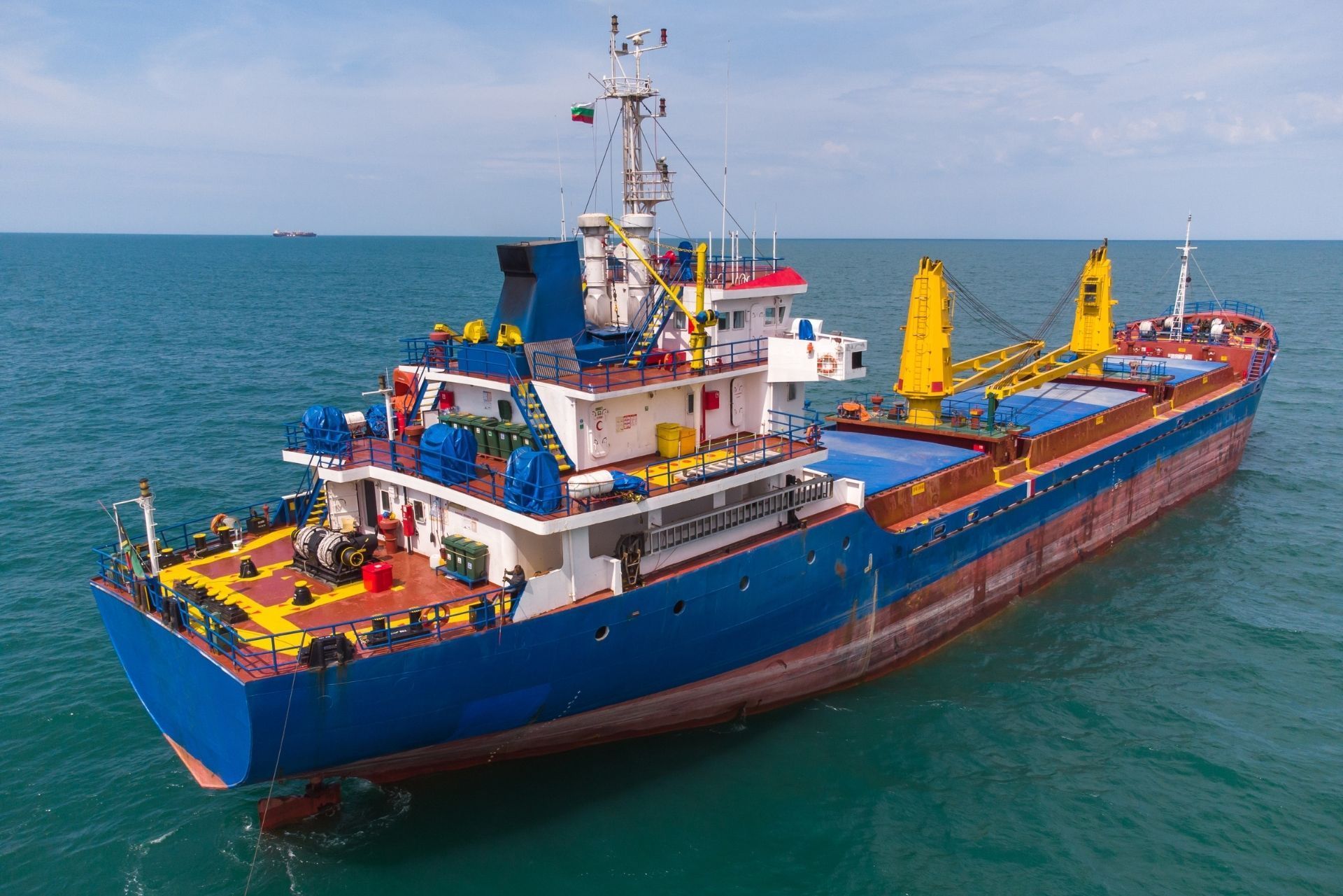
A busy port, a loaded freighter, and the constant hum of engines-California’s coastal waters are a hub of maritime activity that necessitates robust ocean marine insurance. Sea transportation isn’t just about moving cargo; it’s about mitigating risk while navigating unpredictable waters. Navigating the insurance market here can feel overwhelming, but a closer look reveals a landscape both resilient and evolving. New data from industry experts like the International Union of Marine Insurance (IUMI) sets the stage for understanding emerging trends and best practices in ocean marine coverage.
This detailed guide examines how California’s ocean marine insurance market is faring, what challenges and growth opportunities lie ahead, and how businesses and insurance professionals can position themselves in a dynamic market. With insights from both state and global statistics, the guide delivers practical guidance that any stakeholder-from business owners to policy experts-will find useful.
Understanding the Basics of Ocean Marine Insurance
Ocean marine insurance protects vessels, cargo, and related interests against risks at sea. It includes coverage for physical damage, liability for cargo loss, and protection against theft and other hazards inherent to marine transportation. The policies are vital for companies operating in coastal regions like California, where maritime activities are interwoven with a vibrant economy.
In California, premiums and loss ratios provide a snapshot of the market’s performance. For example, in 2023, the ocean marine sector recorded a written premium of $19.9 million and incurred losses totaling $6.32 million, leading to a loss ratio of 29.32% (California Department of Insurance). These numbers illustrate the balance between earning premiums and paying out on claims, an equilibrium integral to maintaining market stability.
Understanding these fundamentals helps insurers and policyholders alike navigate contract details and risk assessments. It also provides a context for comparing different insurance products available in the market.

By: Peter Plew
Commercial Insurance Agent at Caruso Insurance Services
Market Trends and Growth in Marine Insurance
Global and Local Growth Trends
California’s marine insurance market has mirrored global trends stressed by steady growth and evolving risk management practices. In 2023, the global marine insurance market reached $38.9 billion, marking a notable 5.9% increase from the previous year (IUMI). With ocean hull premiums inched nearly 8% higher to $9.2 billion that same year, the upward trajectory is evident, even in the face of rising claims and other market pressures.
California, in particular, has seen significant shifts. Direct premiums written for ocean marine insurance in the state escalated from $280 million in 2015 to $487 million in 2022, an increase of 74% according to Milly Books (Milly Books). Such robust growth underlines the appeal of California’s maritime environment, where high-value cargo and diverse shipping activities continuously drive the demand for business protection.
Despite these gains, insurers must carefully balance their risk portfolios. Historical data shows that loss ratios can vary dramatically over time. While the ocean marine sector in California ended 2023 with a loss ratio of 29.32%, earlier periods have experienced much steeper ratios, such as a peak of 69.73% in 1998 (California Department of Insurance). These fluctuations emphasize the importance of adaptive underwriting standards and effective claims management.
Forecasting the Future of Marine Insurance
Analysts predict that the global marine insurance market will continue its gradual growth. One study projects that marine insurance is expected to reach $36.8 billion by 2031, growing at a compound annual growth rate (CAGR) of 3.3% (Transparency Market Research). Such insights help California-based insurers and maritime businesses anticipate shifts in premium pricing, facilitate strategic planning, and adjust risk models accordingly.
On a local level, this growth signals opportunities for both small and large policyholders as enhanced risk mitigation strategies become available. Companies that employ a tailored approach to insurance selection can capitalize on benefits such as reduced premium costs through improved loss prevention and better claims handling processes.
This dynamic forecasting matches well with California's continued innovation in insurance offerings, reflecting state-specific challenges and opportunities that are critical for market participants.
Local Peculiarities and Risk Factors in California
Environmental Hazards and Operational Risks
California’s unique geography comes with its share of weather extremes, coastal erosion, and variable sea conditions. Ocean marine insurance in this region often needs to cover not only typical maritime risks but also additional hazards such as earthquakes affecting port infrastructure or wildfires near coastal areas. These environmental factors can compound risk, making tailored insurance solutions an essential component for maritime businesses in the Golden State.
For instance, cargo theft within North America has risen by 27% in 2024, with states including California marking clear hotspots (The Insurer). Such statistics highlight the growing threat to cargo security and underline the importance of coupling physical protection measures with strong insurance coverage.
Mitigating these risks involves not only using robust physical security practices but also selecting insurance policies designed to handle the intricacies of maritime operations. Ensuring policies cover a wide array of stressors can be the difference between a minor hiccup and catastrophic operational losses.
Regulatory Environment and Claims Management
Regulatory oversight in California demands that insurers maintain transparent practices and adapt to a competitive marketplace. The state’s Department of Insurance plays a crucial role in setting standards and monitoring market performance. Data from recent reports indicates improvements, with the ocean marine segment reporting a consistent 1.41% increase in both written and earned premiums (California Department of Insurance). This suggests a stable incremental growth largely driven by industry improvements in risk management and underwriting.
Effective claims management is equally important to maintain competitive premium levels. Clear guidelines and proactive loss prevention measures help reduce incidence and severity of claims. For instance, the historical peak loss ratio of 69.73% in 1998 compared to the more moderate loss ratio of 29.32% observed in 2023 underlines the significant improvements in claims handling over the decades.
In a state with complex regulatory requirements, insurers and policyholders alike benefit from continuous dialogue and adjustments that keep policies current with evolving maritime risks and economic conditions.

How California Businesses Can Leverage Ocean Marine Insurance
Choosing the Right Policy for Specific Needs
Businesses operating along the California coast face diverse challenges, from cargo theft to natural disasters. Choosing the right ocean marine insurance policy starts with understanding the exact nature of the business operations. For companies shuttling high-value goods, coverage tailored for cargo protection might be paramount. In contrast, companies owning fleets or shipping vessels might lean towards comprehensive vessel and hull coverage.
The variety in policy offerings means that a one-size-fits-all approach rarely works. Clients should review their policy options in detail, comparing factors such as premium cost, coverage limits, and the specifics of the loss ratios reported by the California Department of Insurance. In 2023, policies in the ocean marine sector exhibited a 1.41% uptick in written and earned premiums, suggesting that while premium rates adjust gradually, the always-present risk of losses is managed through diligent underwriting (California Department of Insurance).
It is equally beneficial for businesses to consult with experienced brokers who understand the nuances of maritime operations. Such intermediaries can align a company's logistical needs with the proper coverage that covers both common and unique risks.
Benefits of a Proactive Insurance Approach
A proactive approach to securing and maintaining adequate maritime insurance can make a significant difference. Preventive measures, such as on-site security audits and regular equipment maintenance, can help reduce the frequency and severity of claims, leading to more favorable loss ratios over time.
For example, California’s ocean marine sector experienced a loss ratio of 29.32% in 2023 (California Department of Insurance). In operational terms, this figure reflects a sound strategy in managing risks and losses when compared to historical data. Being proactive, rather than reactive, ensures not only better financial outcomes but also enhanced reputational strength among clients and business partners.
Adopting technologically advanced tracking systems and risk management software further complements a proactive insurance strategy. These measures not only deter potential claims but also provide detailed data that insurers can use to offer more tailored insurance solutions.
Charting the Differences: Coverage Options in Ocean Marine Insurance
Coverage Comparison: Basic vs. Extended Policies
A well-designed chart can clarify the differences between basic and extended ocean marine insurance policies, enabling business owners and industry professionals to compare and contrast the benefits according to their own operational needs. The table below outlines some of the key factors to consider.
The following table compares key coverage elements and policy features found in different ocean marine insurance products, ranging from basic protection to extended coverage plans designed to protect against a broader range of hazards.
| Feature | Basic Coverage | Extended Coverage |
|---|---|---|
| Vessel and Hull Coverage | Covers physical damages and minor repairs | Includes structural damages, advanced repairs, and retrofitting |
| Cargo Loss Protection | Standard liability for cargo damage or loss | Enhanced limits including theft and natural disaster impacts |
| Liability Protection | Standardized pricing models | Extended protection including environmental and reputational liabilities |
| Risk Management Support | Policy-specific support | Access to advanced risk analytics and preventive advisory services |
This visual representation helps stakeholders quickly grasp what additional benefits might justify a higher premium rate. In California’s competitive market, where both direct premiums and earned premiums have seen a modest increase of around 1.41% in recent years (California Department of Insurance), ensuring that the policy offers tangible value is critical.
Another consideration is the extent of coverage against environmental risks. Given the coastal hazards and variable conditions in the region, extended policies that cover certain natural disasters or theft may provide additional peace of mind for businesses operating in high-risk areas.
Challenges Faced by the Insurance Industry in California
Claims Frequency and Cost Management
Managing claims is a delicate balance for insurers. In California’s ocean marine sector, effective claims management is central to maintaining financial stability and keeping premiums in check. The 2023 data showing incurred losses of $6.32 million within a $19.9 million premium base underscores that even with steady premium growth, losses can strain the financial health of an insurer (California Department of Insurance).
Insurers continually refine their underwriting processes to reduce these claims without sacrificing necessary coverage for policyholders. Close monitoring of loss ratios over time is essential for determining changes in risk exposure. Periods of rapidly rising claims may signal the need for either an adjustment in policy pricing or enhanced loss mitigation strategies.
Market analysts often cite historical peaks in loss ratios, such as the staggering 69.73% recorded in 1998, to emphasize that prudent management of claims is not a new challenge. Today’s industry standards feature improved controls and data analytics that help predict and manage future losses more effectively.
Navigating Regulatory Changes
California’s regulatory environment is rigorous and constantly evolving. The state’s insurance regulators enforce standards that push for transparency and fiscal responsibility. With direct premiums and claims finely scrutinized, even a modest increase in either figure can signal shifting market conditions. Comprehensive coverage plans and improvements in underwriting standards are direct responses to evolving regulations.
Furthermore, changes in policyholder behavior driven by economic or environmental factors require continuous adaptation. Whether responding to increased cargo theft, as evidenced by the 27% rise in North American cargo theft incidents reported in 2024 (The Insurer), or other emerging threats, insurers are compelled to refine their coverage offerings to match new realities.
Many insurers in California now invest in technological advancements that optimize claim handling and risk assessment. Such tools provide real-time data that aid in adjusting coverage terms and improving underwriting accuracy, ultimately benefiting both the insurer and the policyholder.
Adapting to Market Shifts and Alternative Solutions
Innovative Products in a Changing Landscape
In recent times, the insurance market has seen a notable shift toward alternative insurance solutions. For instance, surplus line homeowners’ transactions in California surged significantly from 50,372 in 2023 to 164,930 in 2024 (WOWS Fire Insurance Services). While this statistic primarily concerns homeowners’ policies, similar shifts in consumer preferences may eventually affect ocean marine insurance products.
Increasingly, insurers are experimenting with hybrid policy structures that combine traditional coverage with modular add-ons for specific risks. This flexibility is particularly appealing in the diverse and evolving California market. Customizable packages allow businesses to tailor their coverage according to their precise operational risks, which can result in more efficient premium allocation and a better fit for their financial needs.
Technological integration also plays a role in these innovations. Tools such as advanced telematics and real-time tracking are integral in reducing risk exposure. Data-driven insights help shape insurance products that respond to modern challenges in a world where both physical and cyber threats are ever evolving.
Steps to Optimize Your Insurance Portfolio
For marine operators and port facilities in California, optimizing an insurance portfolio involves a mix of regular policy reviews, embracing new technology, and consulting with industry experts. Frequent assessments of current coverage help identify gaps or outdated policy elements that may no longer serve current business needs. This practice is especially helpful in a sector where even small inefficiencies can lead to large financial losses over time.
These steps include a comprehensive review of all policy terms, ensuring that any extended coverage options are either utilized or adjusted for maximum benefit. Additionally, some companies are leveraging mobile applications and digital dashboards to track policy performance and stay abreast of regulatory changes.
By maintaining flexibility and a proactive stance, companies not only mitigate risks effectively but also realize cost savings. A well-structured policy portfolio can safeguard against unforeseen losses while fostering long-term operational stability.
Frequently Asked Questions
Q: What does ocean marine insurance typically cover?
A: Ocean marine insurance covers physical damage to vessels, cargo loss, liability claims, and sometimes specialized risks like theft and environmental hazards.
Q: How has California’s local market performance influenced premium rates?
A: Continuous growth in premiums paired with strategic loss management has resulted in modest increases, like the 1.41% rise in written and earned premiums reported in 2023 (California Department of Insurance).
Q: Are there differences between basic and extended ocean marine policies?
A: Yes, basic policies provide essential coverage while extended policies offer additional benefits such as increased cargo protection, liability, and risk management services.
Q: How do insurers in California manage environmental and operational risks?
A: Insurers collaborate with businesses on proactive measures, including technology integration and regular reviews of policy conditions to adjust coverage against emerging environmental risks.
Q: What role does technology play in current marine insurance products?
A: Technology such as telematics and real-time tracking significantly improves risk assessment and claims management, ensuring policies adapt to modern operational challenges.
Q: How can companies optimize their insurance portfolio?
A: Companies should regularly review their policies, adopt advanced risk management tools, and seek expert advice to tailor coverage that fits their changing business needs.
Final Thoughts on Navigating California’s Ocean Marine Insurance Market
The California marine insurance market is a complex yet promising domain. With growth evidenced by a significant rise in global and local premiums-such as the 74% increase in direct premiums written reported by Milly Books (Milly Books)-the landscape reflects continuous evolution and adaptation. Businesses and insurers need to align on proactive measures, tailored coverage plans, and regular portfolio reviews to ensure resilient and efficient operations.
While statistics from 2023 highlight steady improvement in key areas such as the 1.41% premium increase and a manageable loss ratio of 29.32% (California Department of Insurance), history reminds stakeholders of the necessity for vigilance. The dynamic shifts in risk-from environmental hazards to rising cargo theft incidents-demand that insurers and insured alike stay informed and agile.
This guide provides the framework needed to understand, adapt, and thrive in California’s vibrant ocean marine insurance market. By keeping pace with technological advancements, reviewing policies frequently, and leveraging tailored insurance solutions, maritime businesses across California can not only protect their interests but also seize emerging opportunities offered by an evolving industry.
Bridging the Gap Between Insurance Theory and Practice
Practical implementation of robust insurance strategies is where the theory translates into tangible benefits for businesses. California’s blend of technological innovation and real-world risk management sets an ideal stage for policy adjustments that can safeguard operations. It is vital for decision-makers to carefully evaluate insurance partners and actively participate in understanding policy intricacies to maximize benefits.
Ongoing industry dialogue, supported by comprehensive data, paves the way for continuous improvement in underwriting practices. Advances in analytical tools allow insurers to use historical data, such as the reported ocean hull premium growth of nearly 8% year-on-year (IUMI), to set more accurate future premiums. These adjustments contribute to a market that is responsive and resilient.
As the insurance market evolves, bridging theory with hands-on practice is more than a strategic necessity-it is a competitive advantage. Continuous learning, enhanced safety protocols, and the willingness to invest in premium risk management technologies can create a more stable and lucrative environment for both insurers and maritime businesses.
Looking forward, the ocean marine insurance landscape in California is shaped by both legislative changes and shifts in economic patterns. Adjustments in premium structures and the adoption of enhanced risk management practices will likely define the next decade. Policymakers and industry leaders are collaborating closely to ensure that regulatory frameworks support innovation while protecting the interests of all stakeholders.
For businesses operating in high-stakes environments like shipping and port operations, adapting to these changes is not optional-it’s essential. Embracing the lessons from previous years, where loss ratios swung dramatically and premiums saw steady gains, can aid in making more informed decisions that align with both current needs and future challenges.
Investing in proactive risk management and staying informed about market dynamics-including emerging trends like hybrid policy models-will be key to navigating this complex environment. Industry projections and recent statistics offer a roadmap that, while not without hurdles, promises gradual stability and growth across the sector.
A Holistic Approach to Policy Selection and Risk Mitigation
Selecting the right policy often requires a comprehensive approach that integrates financial performance, industry-specific risks, and practical claims management. In California, where the ocean marine sector has demonstrated a consistent increase in policy premiums and evolving risk management ({California Department of Insurance)} policymakers, understanding these multifaceted parameters is crucial.
Insurance professionals advise that policyholders regularly reassess their needs and adapt their coverage accordingly. For instance, if a business depends heavily on reliable logistical transportation, ensuring that insurance coverage extends to unforeseen interruptions or cargo theft can offer much-needed security. Proactive risk mitigation, combined with the strategic use of data analytics, transforms potential vulnerabilities into manageable operational hurdles.
This approach not only safeguards assets but also optimizes operational efficiency. As insurers continue to refine their underwriting and claims processes, policyholders who remain engaged and proactive find themselves better prepared to handle unexpected events while maximizing the value of their coverage.
Wrapping Things Up
The journey through California’s ocean marine insurance arena reveals a market that is intricate, innovative, and ever-adapting. With a solid growth trajectory marked by strategic premium increases and improvements in risk management, the sector reflects a healthy equilibrium between managing risks and capturing opportunities.
Maritime operations, especially in high-traffic areas like California’s ports, demand an insurance framework that is both flexible and comprehensive. From assessing specific environmental and operational risks to ensuring that coverage remains ahead of emerging threats like cargo theft, businesses need insurance products that adapt to their exact requirements.
This guide has explored both the quantitative side of the market-highlighting key statistics such as the 5.9% global market increase in 2023 (IUMI) and local premium trends-along with qualitative best practices that drive decision-making. The information provided should serve as a practical resource for stakeholders seeking to secure a resilient future at sea.
Staying informed, engaging with expert insights, and embracing technological innovation remain the cornerstones of procurement strategies. By aligning operational needs with tailored insurance coverage, California’s maritime industry can continue to thrive even as risks evolve. Whether you are a shipping company, a port operator, or an investor in maritime ventures, understanding and leveraging the nuances of ocean marine insurance is an investment in long-term stability and success.
ABOUT THE AUTHOR:
PETER PLEW
Hi my name is Peter Plew and I am a commercial insurance professional. I listen to and strategize with business owners about their visions of the future and assist in getting there as quickly as possible. I help identify unique exposure and risk’s that business owners have and the reasons why they need to be insured against them. My goal is to make sure my clients are always taken care of on a daily basis with any service needs, questions, or concerns they may have. I love to golf and spend time with my family in my spare time.
Contact Us

Service that stays with you.
Our team helps simplify insurance decisions for families and businesses. We focus on clear explanations, fast responses, and dependable service. You can count on us for help with coverage questions, updates, and long-term support.
Coverage that keeps you secure
Reliable Protection for Everyday Life

Home insurance helps protect your house, personal belongings, and liability risks. We explain coverage options clearly so you know what your policy includes.
Auto insurance provides protection for accidents, liability, and vehicle damage. We help you compare options so you can choose coverage that fits your driving needs.
Motorcycle insurance provides coverage for riders and their bikes. We help you select options that match how and where you ride.
RV insurance supports protection for motorhomes and recreational vehicles. Coverage applies during travel and while parked.
Coverage Built for Contractors and Trades
Support that keeps your work moving.

General Liability Insurance
General liability insurance helps protect contractors from injury and property damage claims. It supports jobsite requirements and contracts.

Workers Compensation
Workers compensation insurance helps protect employees injured while working. It also supports compliance with state requirements.

Commercial Auto Insurance
Commercial auto insurance provides coverage for work vehicles used on jobsites. It helps protect drivers and company vehicles.

Contractor Insurance
Contractor insurance supports trades and service professionals across Southern California. It helps protect tools, equipment, and daily operations.

Cyber Liability Insurance
Cyber liability insurance helps protect business data and customer information. It supports recovery from digital incidents.

Commercial Property Insurance
Commercial property insurance helps protect offices, shops, and equipment. It supports recovery after covered damage.
Coverage Built for Specialized Work
Support for high-risk and service-driven industries.



Simple Steps Supported by Steady Guidance
A Clear Path to Coverage
Trusted by Clients Across Southern California
Clear service backed by real experiences.
Answers to Common Questions.
Clear explanations to guide your decisions.
How do I know which insurance policy is right for me?
We compare coverage options from multiple carriers to help you see differences in protection and price. You can review clear details and ask questions so you understand what each policy covers. Our team guides you step by step so you feel sure about your decision.
What factors affect my auto insurance premium?
Auto insurance premiums are influenced by your driving history, age, location, vehicle type, and coverage choices. A clean driving record and good safety features can help lower costs. We review these factors with you and help find coverage that fits your budget and needs.
Does homeowners insurance cover all types of damage?
Standard homeowners insurance protects your structure, personal belongings, liability, and additional living expenses in many cases. However, it usually does not include flood or earthquake damage without separate policies. We help you decide if extra coverage is right for your home and location.
Can I update my policy or get certificates online?
Yes. You can submit requests for policy changes and certificates through our online service form at any time. Our team processes those requests quickly and confirms updates once complete so you have the documents you need.
Do I need separate insurance for business risks like EPLI or E&O?
Yes. General liability and workers compensation cover many business risks but do not protect against all exposures. For example, Employment Practices Liability Insurance (EPLI) covers claims like wrongful termination or discrimination, and Errors & Omissions (E&O) covers claims based on mistakes in professional services. We help you identify which extra policies your business may need.
What happens if I need to file a claim?
If you need to file a claim, we guide you through the process and help you contact the insurance carrier. We explain what information you should provide, answer your questions, and stay available while the carrier reviews your claim. This support helps you move forward with confidence.
Contact Us