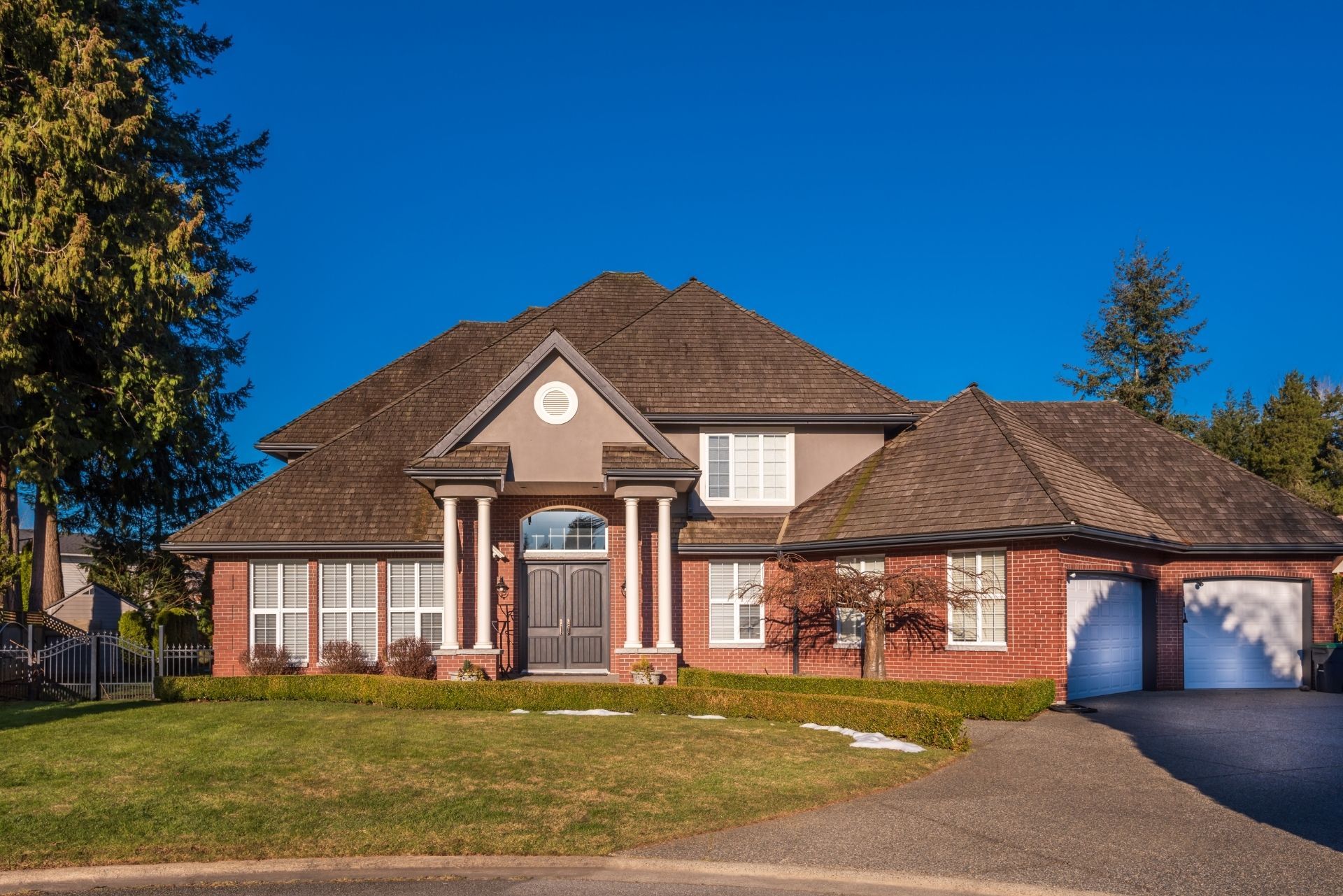
A homeowner in Pomona confronts rising challenges every day, especially when unexpected natural events shake the community. Locals often wonder how these shifts affect insurance premiums and coverage. Insights from recent studies and industry experts provide a clear perspective on what Pomona residents can expect and how they can plan ahead. For example, one analysis from Coverage Cat indicates California homeowners have seen a marked increase in insurance costs over recent years.
This guide offers in-depth coverage of the current market environment, recent natural disasters, and available policy reforms, while also breaking down the most important questions that every homeowner must ask when reviewing their insurance options. Using clear data and real-world context, this article is designed to empower Pomona residents with the knowledge to make informed decisions.
Understanding the Pomona Insurance Landscape
Pomona homeowners navigate a unique ecosystem where local market conditions and broader state trends intersect. The dynamics of home insurance are influenced by climate events, economic shifts, and regulatory changes that directly impact premium pricing and coverage availability.
In recent years, the state of California has recorded significant increases in premium prices. Between 2019 and 2024, home insurance rates in the state surged by 48.4% (Coverage Cat). These figures underline the vulnerability of insurers to external pressures, and by extension, the potential impact on homeowners. Understanding this background is the first step for Pomona residents who seek stability and fair pricing for their homes.
Local Pricing and Market Trends
Data collected across California reveal that the average annual home insurance premium in the U.S. currently stands around $2,110, reflecting noticeable shifts in the market (CoinLaw). For Pomona residents, whose median home values hover at approximately $655,000 (Property Focus), these rising costs represent a significant financial commitment.
In Pomona, where housing market fluctuations are a constant topic of conversation, homeowners are increasingly balancing maintenance, renovations, and the need for adequate insurance coverage. Understanding the interplay between home values and premium increases is vital in planning a sustainable financial future.
Comparison Chart: Home Insurance Premiums and Home Values
The table below illustrates common benchmark figures in the Pomona area compared to broader state averages. This helps elucidate what residents might expect in terms of coverage costs relative to local home values.
| Indicator | Pomona Average | California Average |
|---|---|---|
| Median Home Value | $655,000 (Property Focus) | Varies widely |
| Annual Insurance Premium | Approximates $2,110 (CoinLaw) | Similar trend with up to a 48.4% increase noted in some areas (Coverage Cat) |
| Rate Increase (2019 - 2024) | High impact in high-risk areas | 48.4% increase overall (Coverage Cat) |
This snapshot provides a context to grasp the local challenges and helps demystify why homeowners in Pomona need robust insurance solutions and clear risk management strategies.

By: Sofia Alexander
Personal Insurance Agent at Caruso Insurance Services
Impact of Natural Disasters on Home Insurance
Recent wildfire events have brought a sharp focus on disaster risk in California. One of the most catastrophic occurrences in January 2025 decimated over 50,000 acres and destroyed more than 16,000 structures in Los Angeles (McKinsey & Company). Although Pomona is not at the epicenter of all these events, the repercussions are felt statewide.
Insurance companies have reacted not only by revising premiums upwards but also by restructuring claims procedures. In 2023, denial rates for claims by three major insurers reached nearly 50% of filed claims, in stark contrast to the national average (Los Angeles Times). Such decisions underscore the ripple effects of catastrophic events on local home insurance policies.
Assessing Risk and Preparing for Disasters
Homeowners in Pomona need to be proactive. Mitigation efforts that reduce risk not only safeguard property but may also improve insurability. For instance, implementing fire-resistant building materials or maintaining defensible space around properties can have a direct positive impact when insurers evaluate risk. As noted by an expert at Kin Insurance, with proper mitigation steps, homes remain insurable, and coverage can be secured even in challenging environments (Kin Insurance).
Local authorities and community groups are increasingly emphasizing preventive measures, which are supported by recent policy recommendations. These initiatives aim to integrate practical risk reduction tactics into underwriting models, ensuring that both policyholders and insurers benefit from fair practices.
The Financial Ripple Effect on Local Housing
The financial repercussions of natural disasters extend beyond immediate damages. A study conducted in Altadena, California, discovered that in the aftermath of a significant wildfire event the average housing price dropped by $32,125 over a six-month period (arXiv). While Pomona has its own local market nuances, similar trends could very well affect its housing prices, influencing refinancing decisions and equity considerations for homeowners.
This potential decline in housing values might prompt homeowners to seek more comprehensive coverage options to offset the long-term economic impacts of disasters. As market dynamics continue evolving, having insurance policies that adapt to these changes becomes crucial to maintaining property value and personal financial stability.
Innovative Mitigation Strategies and Insurance Reforms
Recent reforms and expert insights suggest that there is a path forward for a more resilient homeowners insurance market in California, including in Pomona. Practical steps in risk mitigation, combined with a regulatory reevaluation, can foster a healthier market environment.
For instance, the Little Hoover Commission's recommendations attest to the necessity of aligning insurance underwriting with contemporary risk models. Their suggestions include public oversight of catastrophe modeling processes and a clearer inclusion of mitigation strategies in how policies are priced (Little Hoover Commission). These reforms are welcomed by experts and policyholders alike, signaling a promising future for more affordable and accessible insurance coverage.
Strategies for Homeowners in Pomona
Pomona homeowners might consider several key strategies to protect their property while managing costs. Regularly reviewing policies and updating coverage can adjust for changing risks, especially in a region prone to wildfires. Reliable mitigation implementations, such as installing smoke detectors and fireproof landscaping, are more than prudent-they strengthen the case for insurability, as mentioned by a Kin Insurance expert (Kin Insurance).
Other measures include joining community safety initiatives. There is significant merit in collective preparedness, as neighborhoods that unite around fire prevention and emergency response protocols can often negotiate better terms with home insurers. This cooperative approach not only influences individual policy premiums but also contributes to broader community resilience.
Insurance Reform and Policy Adjustments
Policy reforms are gradually transforming the insurance landscape. Current discussions among legislators emphasize the importance of transparent and equitable regulation. With ongoing debates on public oversight, the envisioned reforms include dynamic risk assessments that factor in mitigation efforts-a change that offers benefits to both homeowners and insurers.
These adjustments aim to protect policyholders against the unpredictable nature of natural disasters while ensuring that insurance companies can sustainably manage risk. The industry is in a state of recalibration, driven by evidence that shows how effective risk management not only prevents losses but also stabilizes the market in turbulent times.
Financing Your Future: Balancing Home Value and Insurance Costs
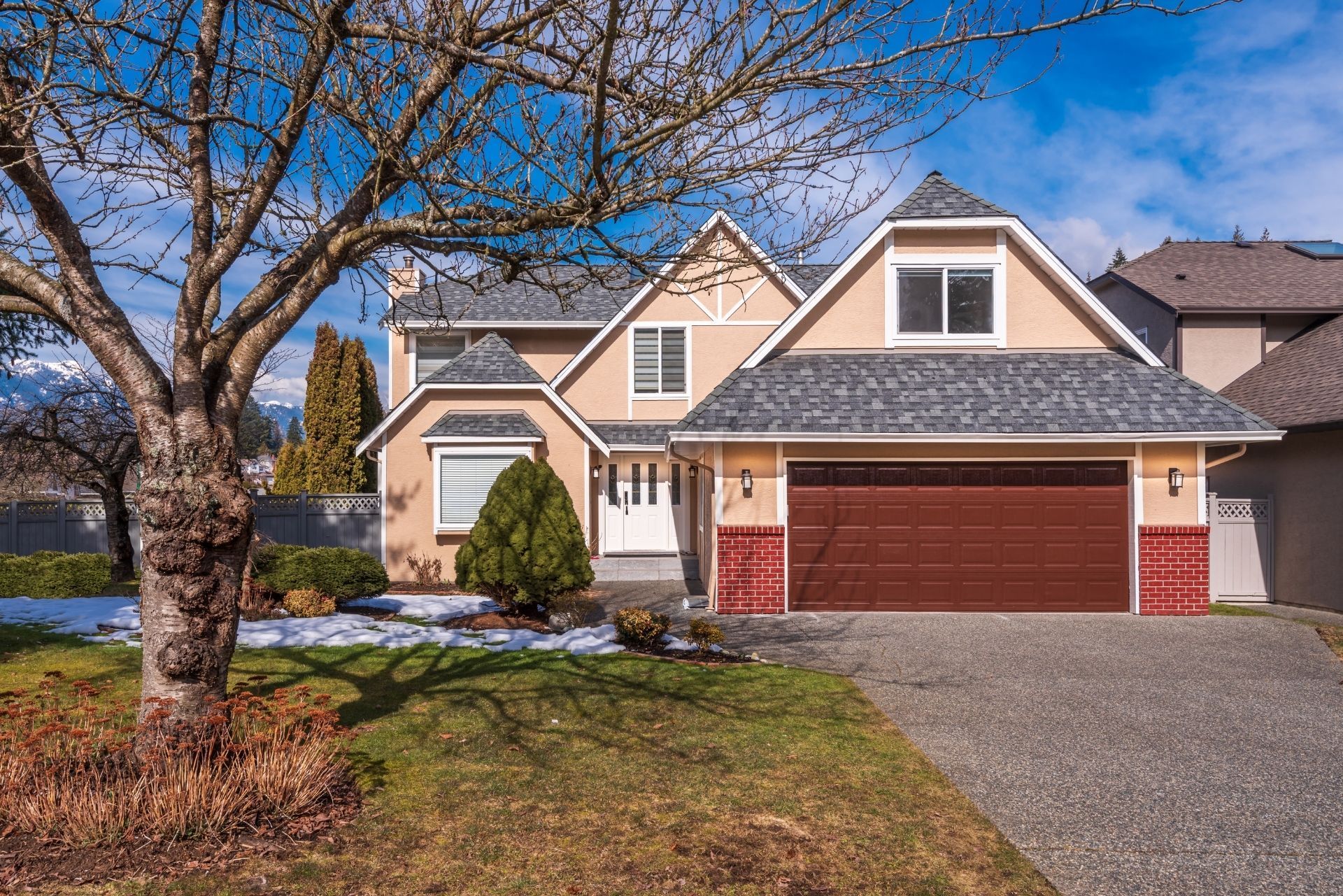
When contemplating home insurance in Pomona, the primary concern is budgeting accurately for both property maintenance and premium payments. With the median Pomona home valued at around $655,000 (Property Focus), homeowners often face multi-layered financial decisions.
The interplay between home values, risk exposure, and insurance premium rates is complex. In recent years, the overall increase in home insurance premiums, in some cases as high as a 48.4% surge in certain regions (Coverage Cat), highlights the need for careful financial planning paired with adequate risk mitigation strategies.
Navigating Premium Adjustments
Faced with rising insurance costs, many Pomona homeowners are seeking methods to navigate premium adjustments without compromising on coverage quality. A proactive review of the policy documents is essential to ensure that homeowners are not paying for unnecessary extras while adequately covering potential risks. Subtle modifications in coverage details, such as increasing deductibles or limiting certain exposures, can lead to substantial savings over the long run.
Budgeting for insurance should be done with an eye toward expected market fluctuations. Keeping an open dialogue with insurance representatives about risk mitigation can result in more competitive premium offers, especially as improvements in home safety measures are recognized by insurers.
Reviewing Policy Options and Discounts
Different insurers may offer various discounts that cater to homeowners taking concrete steps in risk prevention. These discounts can range from installing fire-resistant devices to participating in community-led disaster preparedness programs. Such proactive measures not only contribute to safety but also have the double benefit of reducing premiums, a subject of growing interest among both consumers and regulators.
Comparing policy options, amenities, and costs across multiple providers remains one of the most strategic moves a homeowner can implement. Coupling these comparisons with targeted improvements can provide tangible economic relief amid a mountingly challenging insurance market.
Frequently Asked Questions
What factors determine my home insurance premium in Pomona?
Premiums are determined by several factors including the location of the home, its value, local risks such as wildfire exposure, and any upgrades or mitigation measures that reduce risk. Detailed evaluations by insurers help tailor the best possible policy for each homeowner.
Can I get discounts if I improve my home’s safety features?
Yes, many insurers offer discounts for enhancements like fire-resistant materials, updated electrical systems, and installation of safety devices. Regular upgrades that limit risks can lead to reduced premiums as insurers recognize the lower claims potential.
How do natural disasters in California affect insurance coverage?
Natural disasters such as wildfires often lead insurers to revise underwriting practices. This may result in increased premiums and stricter claim procedures, as seen when denial rates spiked to nearly 50% for some insurers after major events (Los Angeles Times).
What should I do to prepare my home for potential natural disasters?
Homeowners should invest in risk mitigation measures such as installing smoke detectors, clearing defensible space, and reinforcing fire-resistant construction. These actions help lower the overall risk of damage during natural disasters and enhance insurability.
How do recent policy reforms impact my insurance options?
Policy reforms focus on better reflecting actual risk in underwriting models. Incorporating mitigation efforts and transparent catastrophe modeling, as recommended by regulatory bodies, means that effective safety measures might soon translate into more favorable premium rates.
Is it worth consulting independent experts or brokers for my insurance needs?
Absolutely. Independent experts or insurance brokers often provide unbiased advice, helping you find the best coverage that fits your financial and risk profile in Pomona.
What Pomona Homeowners Need to Know
With rising insurance premiums and the real threat of natural disasters, it is vital for Pomona homeowners to stay informed and proactive. The trends indicate that understanding your risk profile, engaging in proactive mitigation, and comparing policy options are no longer optional but necessary steps in safeguarding your home and financial future.
Recent industry movements, especially recommendations from groups such as the Little Hoover Commission (Little Hoover Commission), affirm the need for greater transparency and adaptive pricing strategies. This ensures that even amidst evolving risks, homeowners can secure coverage that truly reflects their needs.
Building Financial Resilience in an Unpredictable Climate
Building resilience involves understanding and planning for both the direct costs of natural disasters and the indirect effects on property values. Local studies show that natural disasters can depress housing prices temporarily, adding a financial strain that compounds the stress of loss or repair-yet another reason to consider robust and forward-thinking insurance policies.
As local risk factors such as wildfires persist, Pomona residents must work closely with their insurance representatives to ensure that their policies incorporate tailored risk assessments and address both immediate and long-term concerns.
The Road Ahead for Home Insurance in Pomona
The future for home insurance in Pomona is gradually clarifying. A combination of proactive homeowner measures, aligned regulatory reforms, and adaptive insurer practices promises to stabilize the market over time. Ultimately, informed homeowners who embrace improvements and policy comparisons are likely to see greater success in managing risk and ensuring fair coverage.
Integrating community-level initiatives with individual mitigation efforts creates a cohesive response to the challenges posed by rapid market and environmental changes. This holistic approach is essential for securing a safer, financially sustainable future for Pomona residents.
Before You Go
Home insurance in Pomona, CA, is as much about forward-thinking risk management as it is about immediate financial obligations. With premium increases due to widespread state trends and the lasting impact of natural disasters, a carefully reviewed insurance plan makes a significant difference. Consistent policy reviews and improvements in home safety are key practices that benefit both homeowners and insurers alike.
This guide has aimed to provide a comprehensive overview-from market statistics and local home values to the influence of natural disasters and necessary reforms-that equips homeowners with practical strategies for navigating today's complex insurance environment. Staying informed, utilizing reputable sources, and aligning defenses with current policy changes are fundamental to long-term security.
For further detailed insights on market trends and risk mitigation, additional resources like those from
Kin Insurance can offer valuable guidance. As Pomona continues to evolve, so too will the methods by which homeowners secure protection and financial resilience.

ABOUT THE AUTHOR:
SOFIA ALEXANDER
Hello, my name is Sofia Alexander. I’ve been in the insurance business for 15+ years and still going strong. I’ve learned that the key to a successful agent/client relationship is helping, listening, and creatively solving problems. Being a wife and mother has made me better at my job. I’m more strategic and thoughtful. That being said, “How may a help you today?”
Contact Us

Service that stays with you.
Our team helps simplify insurance decisions for families and businesses. We focus on clear explanations, fast responses, and dependable service. You can count on us for help with coverage questions, updates, and long-term support.
Coverage that keeps you secure
Reliable Protection for Everyday Life
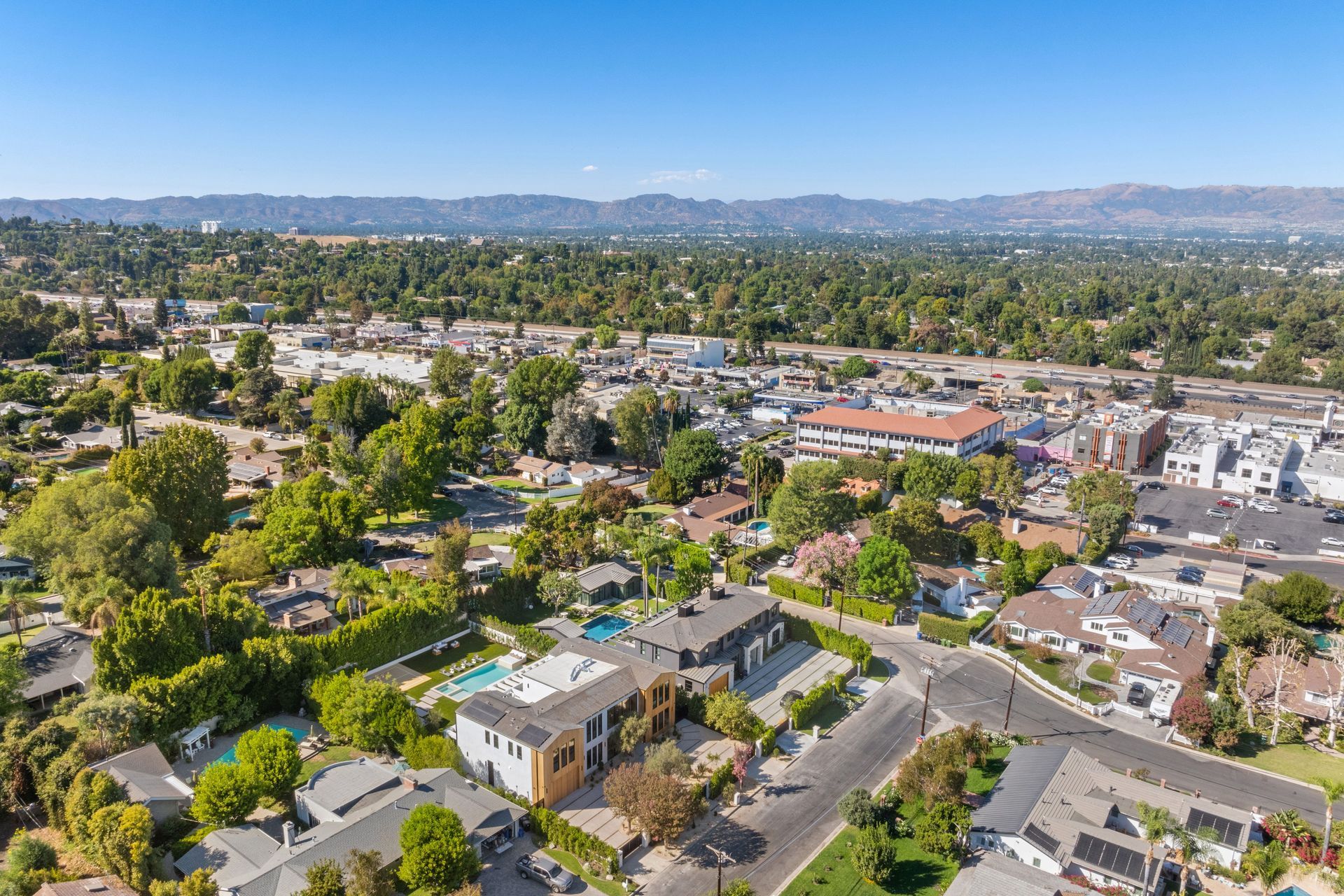
Home insurance helps protect your house, personal belongings, and liability risks. We explain coverage options clearly so you know what your policy includes.
Auto insurance provides protection for accidents, liability, and vehicle damage. We help you compare options so you can choose coverage that fits your driving needs.
Motorcycle insurance provides coverage for riders and their bikes. We help you select options that match how and where you ride.
RV insurance supports protection for motorhomes and recreational vehicles. Coverage applies during travel and while parked.
Coverage Built for Contractors and Trades
Support that keeps your work moving.

General Liability Insurance
General liability insurance helps protect contractors from injury and property damage claims. It supports jobsite requirements and contracts.

Workers Compensation
Workers compensation insurance helps protect employees injured while working. It also supports compliance with state requirements.

Commercial Auto Insurance
Commercial auto insurance provides coverage for work vehicles used on jobsites. It helps protect drivers and company vehicles.
Contractor Insurance
Contractor insurance supports trades and service professionals across Southern California. It helps protect tools, equipment, and daily operations.

Cyber Liability Insurance
Cyber liability insurance helps protect business data and customer information. It supports recovery from digital incidents.

Commercial Property Insurance
Commercial property insurance helps protect offices, shops, and equipment. It supports recovery after covered damage.
Coverage Built for Specialized Work
Support for high-risk and service-driven industries.



Simple Steps Supported by Steady Guidance
A Clear Path to Coverage
Trusted by Clients Across Southern California
Clear service backed by real experiences.
Answers to Common Questions.
Clear explanations to guide your decisions.
How do I know which insurance policy is right for me?
We compare coverage options from multiple carriers to help you see differences in protection and price. You can review clear details and ask questions so you understand what each policy covers. Our team guides you step by step so you feel sure about your decision.
What factors affect my auto insurance premium?
Auto insurance premiums are influenced by your driving history, age, location, vehicle type, and coverage choices. A clean driving record and good safety features can help lower costs. We review these factors with you and help find coverage that fits your budget and needs.
Does homeowners insurance cover all types of damage?
Standard homeowners insurance protects your structure, personal belongings, liability, and additional living expenses in many cases. However, it usually does not include flood or earthquake damage without separate policies. We help you decide if extra coverage is right for your home and location.
Can I update my policy or get certificates online?
Yes. You can submit requests for policy changes and certificates through our online service form at any time. Our team processes those requests quickly and confirms updates once complete so you have the documents you need.
Do I need separate insurance for business risks like EPLI or E&O?
Yes. General liability and workers compensation cover many business risks but do not protect against all exposures. For example, Employment Practices Liability Insurance (EPLI) covers claims like wrongful termination or discrimination, and Errors & Omissions (E&O) covers claims based on mistakes in professional services. We help you identify which extra policies your business may need.
What happens if I need to file a claim?
If you need to file a claim, we guide you through the process and help you contact the insurance carrier. We explain what information you should provide, answer your questions, and stay available while the carrier reviews your claim. This support helps you move forward with confidence.
Contact Us