California Artisan Contractor Insurance
Insurance coverage designed to protect HVAC contractors and their daily operations.
or call us: 951-547-6770
When a small artisan contractor’s work meets the demands of California’s unique challenges, understanding insurance becomes paramount. The specifics that make California stand apart-from rising workers’ compensation costs to hidden stipulations in homeowners' policies-affect every contractor’s bottom line. For instance, a recent analysis by Soma Insurance reported an 8.7% increase in workers’ compensation insurance rates in 2025, the largest single-year jump since 2011. This guide delves into the must-know factors for artisan contractors in the state, covering risk management, proper coverage selection, and navigating complex market trends.
The landscape of contractor insurance in California is dynamic, with variables that influence both costs and coverage. Rates are adjusting constantly, and each contractor must be informed about the policies that protect against liability and unforeseen damages.
For those who depend on precision craftsmanship, a robust understanding of insurance can be as essential as the quality of your work. This article provides a detailed look into artisan contractor insurance, evaluating the state’s unique challenges and offering insights on how to mitigate risks.
Understanding the California Insurance Market for Artisan Contractors
California’s insurance market often differs from those in other states. Specific factors such as wildfire risks, lengthy litigation statutes, and increasing claims have converged to create a complex environment for artisan contractors.
One notable statistic comes from ProRisk Insurance, which reveals that 43% of contractors in California filed insurance claims over the past year (ProRisk Insurance). These figures emphasize the heightened exposure professionals face and underscore the need for comprehensive policies that cover both typical work-related accidents and broader liability claims.
As contractors encounter hidden pitfalls in homeowners’ insurance and uneven regulatory terrain, they must learn how to effectively shield their business against unexpected liabilities.


By: Danielle Sweet
Commercial Insurance Agent at Caruso Insurance Services
Key Insurance Policies for Artisan Contractors
Insurance is not a one-size-fits-all cover, particularly when dealing with artisan contractors, whose work spans both creative and hazardous processes. Two main types of policies form the backbone of risk management: general liability and professional indemnity, each addressing different aspects of potential claims.
General liability insurance covers bodily injury, property damage, and many unforeseen incidents that can result in a claim. Maintaining this policy is critical in a jurisdiction where owners might be exposed to complex litigation issues. Meanwhile, errors and omissions (E&O) coverage is shifting from being viewed as optional to a fundamental part of contractors’ risk-transfer programs. As CLM Magazine stated, this coverage is becoming essential for contractors who must manage project errors that could cost significantly more than expected.
For artisan contractors managing custom design projects, professional liability coverage remains a key concern. Whether errors in a creative project or missteps during installation, having E&O coverage can make a significant difference in weathering potential lawsuits.
General Liability Insurance
This insurance typically acts as a buffer against the unpredictability of onsite accidents. Artisan contractors often work in varied environments, sometimes on-site or within unique customer settings, making the spread of risks wider. General liability ensures that property damage or bodily injury claims do not devastate a business financially.
Even a small error like a slip or a dropped tool can lead to a costly claim. For contractors in California, where workers’ compensation rates have seen notable increases, safeguarding against additional risk exposure is a necessary expense if not an outright lifeline.
Errors and Omissions (E&O) Coverage
E&O coverage has evolved into an indispensable tool for artisan contractors. As projects become increasingly intricate and client expectations higher, these policies can cover costs resulting from professional errors that lead to warranty claims or design faults. The perception that E&O coverage is optional has shifted dramatically over recent years, emphasizing its critical role in risk management.
By securing this protection, contractors not only protect their reputation but also cushion the financial fallout from potential claims. In California, where litigation timeframes stretch out longer than in many other states, this coverage becomes even more valuable.
How Regulatory and Market Trends Affect Coverage Needs
California is notorious for its high litigation risks, which is compounded by factors like a longer statute for filing lawsuits related to construction defects. This means that issues which might arise long after a project is completed still pose potential financial harm to contractors.
A statement by the Insurance Journal reflects on California’s extended timeline to file lawsuits from the date a house was purchased, making construction defect liability significantly more challenging here (Insurance Journal). This extended exposure underscores the importance of ensuring that every policy covers long-tail risks.
Regulatory actions in the state also play a huge role. A report by the Center for California Real Estate calls attention to urgent measures required to address the current insurance crisis. The report highlights the necessity to reevaluate rate approvals and secure long-term funding for mitigation efforts. For artisan contractors, staying informed about these regulatory shifts is not optional-it is a critical part of risk planning.
Impact of Wildfire Risks and Hidden Insurance Rules
Recent developments in California also emphasize the growing impact of natural disasters on the insurance landscape. The state's homeowners' insurance market is currently grappling with hidden rules specifically designed to reduce wildfire payouts. Artisans who perform work on properties in high-risk zones may face complicated scenarios, where insurance covers might not fully honor claims related to wildfire-triggered damages.
Contractors are advised to inspect the specifics of their policies carefully. Terms that limit the scope of wildfire or other natural disaster damage may also adversely affect liability or property coverage during repairs. Understanding these clauses helps in negotiating broader coverage terms with insurers.
The challenges posed by wildfire risks are an ever-present concern. Awareness of such policy limitations can inform better decision-making when selecting coverage or discussing options with underwriters.
Understanding Workers’ Compensation Trends
Workers’ compensation is another cornerstone of managing risks in the contractor field. In 2025, the state saw a significant 8.7% rate increase, marking the largest rate surge since 2011 (Soma Insurance). These rising costs add pressure to the already tight margins artisan contractors must manage.
While workers’ compensation covers injuries that occur within the workplace, its escalating cost highlights broader trends in the insurance market. Contractors may need to adjust their premium budgets and assess whether bundling insurance policies or opting for tailored risk management strategies can help mitigate overall expenses.

Strategies for Selecting the Right Insurance Coverage
Choosing the right insurance involves evaluating not only policy terms but also the stability of the insurer. Artisan contractors should compare offerings carefully with an eye toward both coverage breadth and financial security. Various factors such as claim history, customer service reputations, and regional experience with natural disasters must be considered.
One effective method is to create a comparison chart that frames basic coverage options side by side with more extended coverage packages. Such tools allow contractors to view which policies include provisions for construction defect liabilities, wildfire damages, and errors and omissions.
Comprehensive analysis indicates that even small differences in coverage details can translate into significant benefits during a claim scenario.
Comparison Chart: Basic vs. Extended Coverage
The chart below simplifies the differences between basic contractor policies and extended coverage options:
| Coverage Feature | Basic Contractor Insurance | Extended Coverage Package |
|---|---|---|
| General Liability | Standard limits, may not cover all onsite accidents | Higher limits and additional protections for onsite damages |
| Errors & Omissions | Optional add-on; limited coverage for professional errors | Essential part of the package with robust claim limits |
| Workers' Compensation | State-minimum requirements; subject to rate increases | Customized plans that offer additional support during claims |
| Wildfire & Natural Disasters | Limited by policy conditions; may include hidden restrictions | Enhanced coverage that addresses wildfire risks without hidden clauses |
| Construction Defect Liability | Often excluded or provided at minimal levels | Expanded limits covering long-term defective construction claims |
This comparison highlights the need for careful policy evaluation. For artisan contractors, such a chart becomes a valuable tool in decision-making because it offers a straightforward visual reference to assess which plan best suits specific project needs.
Steps to Evaluate Insurers and Policies
Start by reviewing the insurer's track record in dealing with claims. Research feedback from other contractors working in similar fields, and examine how insurers have handled major events. This research can include reading industry reports or testimonials available on professional forums.
Engaging directly with insurance agents who have experience in the artisan construction industry can also enhance the decision process. Clear discussions about expectations, hidden clauses, and future rate scenarios are crucial to securing the right protection. Verifying the credibility and financial stability of the insurer can mitigate future risks.
This proactive due diligence will allow contractors to build confidence in their coverage choices, ensuring that both day-to-day operations and long-term liabilities receive appropriate protection.
Risk Management Practices for Artisan Contractors
While insurance is critical, robust risk management practices significantly reduce the burden on a contractor’s business. Effective risk management begins with clear communication about project scopes and limitations, along with establishing internal protocols for safety and work quality.
Contrary to a one-stop insurance solution, real risk management should integrate systematic approaches to prevent issues before they occur. A contractor’s ongoing commitment to workplace safety-from training staff to maintaining equipment-can reduce claim frequencies and improve overall project outcomes.
Artisan contractors who invest time in creating detailed project plans minimize the risk of procedural errors that may lead to costly claims. Regular training sessions in updated safety practices and compliance measures help create stable operational procedures.
Implementing Onsite Safety and Quality Controls
Installing quality controls and enforcing safety protocols on every job site translates to fewer accidents and lower premium costs over time. Creating a checklist for equipment safety, regular inspections, and clearly established emergency protocols are practices that serve both risk reduction and insurance negotiation benefits.
For example, contractors who document regular safety audits can present tangible evidence during claim disputes. This evidence is often reviewed by insurers when assessing the merits of a claim, potentially reducing payout amounts or even dismissing frivolous claims.
Ultimately, a well-documented safety record reassures insurers of a contractor’s commitment to best practices, often leading to favorable premium adjustments over time.
Contracts and Documentation
Clear and comprehensive contracts form another pillar of risk management. Artisan contractors, who frequently work on bespoke projects, can reduce liability by including detailed scopes, payment schedules, and dispute resolution clauses in their contracts.
Accurate documentation provides legal backing in case any unforeseen issues arise during or after project completion. When disputes do emerge, the existence of a well-documented contract can expedite resolution and decrease the exposure to long legal battles.
These documentation practices not only serve as a buffer but can also improve negotiation stances when consulting with insurers about policy extensions or claim approvals.
Preparing for Market Shifts and Future Challenges
The insurance market does not stand still, and shifting conditions demand that artisan contractors prepare for future challenges. Between fluctuating workers’ compensation costs and regulatory pressures, staying nimble in plan adjustments becomes essential.
Recent market trends, notably the hardening cycle described by an industry report from C3 Insurance, illustrate that most categories have seen rate increases due to wildfire risks and other state-specific challenges. Artisans must consider these trends when planning projects or considering the renewal of coverage.
The proactive approach involves constant market research, routine discussions with industry peers, and frequent policy reviews. Such diligence will help contractors identify gaps in coverage before they become problematic in a claim scenario.
Staying Updated with Legislation and Industry Developments
Legislative changes are common in California, and each new rule can have an enormous impact on insurance coverage. Industry reports, including insights from the California Commission on Health and Safety Annual Report, help contractors understand the broader implications of new laws on workers’ compensation and contract liability.
Contractors should subscribe to reputable industry newsletters and closely follow updates from regulatory bodies to receive timely information. This vigilance helps them adjust their policies and manage risks proactively, rather than reacting after an incident occurs.
A well-informed contractor can negotiate better terms with insurers and build a robust risk management framework that aligns with the legislative environment.
Long-Term Mitigation and Financial Preparedness
Considering the rapid rise in insurance premiums and the unpredictability of future coverage requirements, financial preparedness should be an integral part of every artisan contractor’s risk management strategy. Contractors must develop contingency budgets and reserve funds to handle premium increases and, if necessary, claims that can disrupt cash flow.
Adopting long-term financial strategies, such as locking in rates where possible or bundling policies, can protect a contractor’s finances against unforeseen market shifts. Some insurers offer multi-year contracts with fixed premium rates as a safeguard, a strategy worth considering amid evolving market pressures.
With a strong financial backup plan, contractors are better positioned to manage volatility and maintain stability even in challenging markets.
Addressing the Construction Defect Liability Challenge
Construction defect liability has long been a thorn in the side of contractors, particularly in California. Extended statutes of limitations allow for legal claims long after the work is completed, heightening the risk exposure for professionals in the field. Reports and expert opinions suggest that the risk is more pronounced in California than in many other states.
This liability often covers issues that arise from materials or workmanship flaws, which may not become evident until years later. Such prolonged exposure means that artisans must maintain coverage that protects them not only in the immediate aftermath of a project but over an extended period.
Securing coverage that addresses construction defects requires an in-depth understanding of policy terms, as well as careful consultation with knowledgeable insurance agents who specialize in this sector.
Practical Steps to Mitigate Construction Defect Risks
One effective measure for mitigating construction defect risks is to incorporate third-party inspections periodically during a project. These additional checks can help identify potential issues early, allowing for timely corrections before project completion. A structured review process helps limit the possibility that defects turn into major liabilities.
Another step involves clear communication between contractors and clients. Detailed contracts and transparent documentation of every phase of a project create a reliable paper trail in case disputes arise. Such practices are especially important in a state with lengthy legal windows for presenting claims, as highlighted by industry sources.
This proactive approach is essential to build trust with clients and insurance carriers alike, often resulting in better policy terms and lower risks overall.
Frequently Asked Questions
Below are some common questions artisan contractors in California ask regarding their insurance needs.
Q: Why is artisan contractor insurance different from regular contractor insurance?
A: Artisan contractor insurance accounts for niche risks associated with custom craftsmanship and creative design. It emphasizes bespoke project vulnerabilities, from specialized equipment usage to extended liability periods.
Q: What does general liability insurance cover?
A: General liability insurance covers bodily injury, property damage, and other unforeseen on-site incidents that might arise during a project.
Q: When should I consider errors and omissions coverage?
A: E&O coverage becomes crucial when your work involves detailed design, specialized consulting, or creative solutions that carry a risk of professional error.
Q: How can I manage the rising costs of workers’ compensation?
A: Focus on investing in robust risk management practices, safety protocols, and working with insurers who offer customized plans. Keeping records of safety audits and training sessions can also help negotiate better premium terms.
Q: Is long-term construction defect liability a significant concern in California?
A: Yes. Given the extended statutes for filing lawsuits, construction defect liability represents a major risk. Adequate insurance and diligent documentation can help mitigate these long-tail exposures.
Q: How do I stay updated on regulatory changes affecting insurance?
A: Keep an eye on industry newsletters, subscribe to updates from regulatory bodies, and regularly consult with knowledgeable insurance professionals to understand changes and tailor coverage to evolving conditions.
Wrapping Things Up for Artisan Contractors in California
Artisan contractors in California face a complex web of risks, from extended liability periods to rising insurance premiums. Navigating these challenges means not only understanding the intricacies of various insurance policies but also employing proactive risk management strategies to protect your business’s future.
Each policy element-from general liability to errors and omissions coverage-plays a critical role in safeguarding against unexpected claims. With rising costs documented by sources such as Soma Insurance and industry analyses highlighting evolving market conditions, staying informed is more vital than ever.
Through detailed comparisons, ongoing market research, and smart risk management, artisan contractors can create a resilient insurance strategy that meets today’s demands and is flexible enough to adapt to tomorrow’s challenges.
Final Thoughts on Building a Secure Future
California’s artisan contractor community can thrive despite the uncertain insurance climate by embracing informed decision making and proactive risk management practices. Understanding the shifting market dynamics-be it through rising workers’ compensation rates or the ever-looming threat of hidden insurance policy stipulations-equips contractors to plan effectively for their future.
Ensuring that every construction project is supported by comprehensive insurance coverage, meticulously evaluated contracts, and a structured safety protocol translates into long-term security for your business. As legislative and market conditions continue to evolve, maintaining regular communication with insurers and industry professionals is critical.
For contractors determined to make their mark amid these challenges, the journey toward robust insurance protection is as much about building a safer work environment as it is about managing financial risk. Staying updated with industry trends from resources like
Carrier Management can provide additional insights into market shifts and best practices that work in the real world.
ABOUT THE AUTHOR:
DANIELLE SWEET
HI! I am Danielle Sweet your insurance extraordinaire. I have been in the insurance industry since I was 19 years old working in many different areas of insurance to provide a broad knowledge base to our clients. I have three amazing children who keep me on my toes even as they are older. I have a passion for horses and am lucky to ride every week. I am truly blessed to be able to help business owners and individuals navigate the world of insurance and educate you to make an informed decision that is right for you.
Contact Us

Service that stays with you.
Our team helps simplify insurance decisions for families and businesses. We focus on clear explanations, fast responses, and dependable service. You can count on us for help with coverage questions, updates, and long-term support.
Coverage that keeps you secure
Reliable Protection for Everyday Life
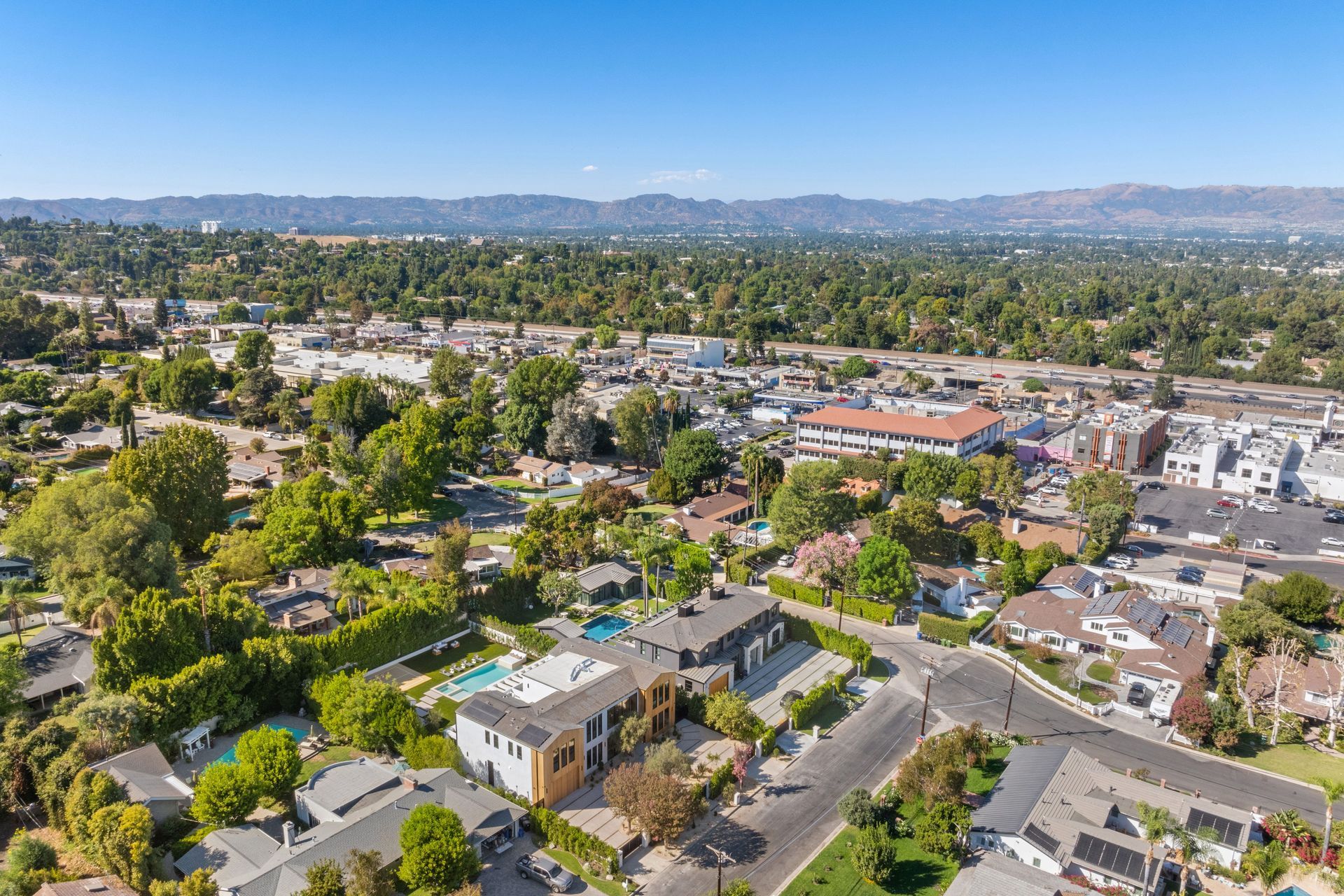
Home insurance helps protect your house, personal belongings, and liability risks. We explain coverage options clearly so you know what your policy includes.
Auto insurance provides protection for accidents, liability, and vehicle damage. We help you compare options so you can choose coverage that fits your driving needs.
Motorcycle insurance provides coverage for riders and their bikes. We help you select options that match how and where you ride.
RV insurance supports protection for motorhomes and recreational vehicles. Coverage applies during travel and while parked.
Coverage Built for Contractors and Trades
Support that keeps your work moving.

General Liability Insurance
General liability insurance helps protect contractors from injury and property damage claims. It supports jobsite requirements and contracts.

Workers Compensation
Workers compensation insurance helps protect employees injured while working. It also supports compliance with state requirements.

Commercial Auto Insurance
Commercial auto insurance provides coverage for work vehicles used on jobsites. It helps protect drivers and company vehicles.
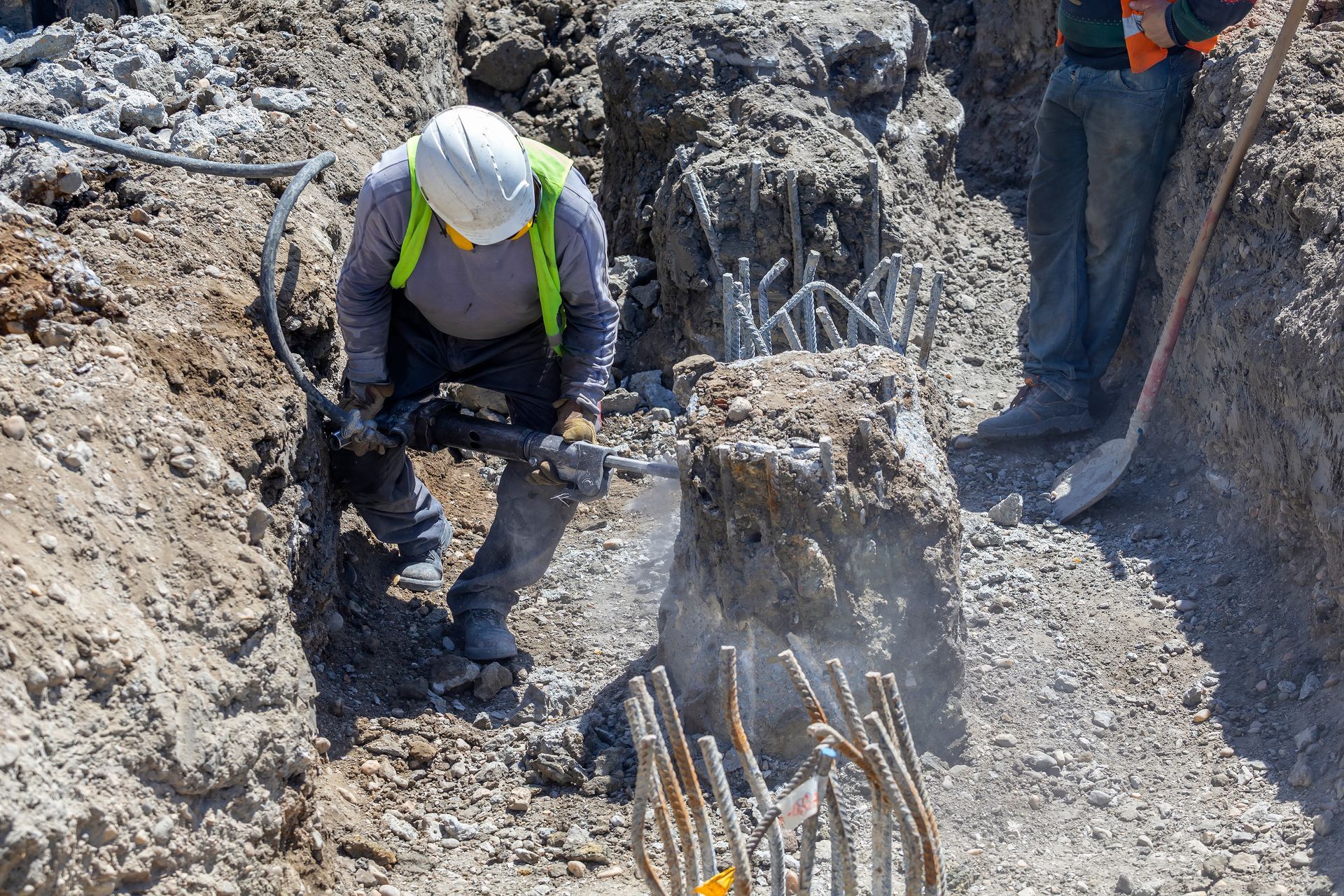
Contractor Insurance
Contractor insurance supports trades and service professionals across Southern California. It helps protect tools, equipment, and daily operations.

Cyber Liability Insurance
Cyber liability insurance helps protect business data and customer information. It supports recovery from digital incidents.

Commercial Property Insurance
Commercial property insurance helps protect offices, shops, and equipment. It supports recovery after covered damage.
Coverage Built for Specialized Work
Support for high-risk and service-driven industries.



Simple Steps Supported by Steady Guidance
A Clear Path to Coverage
Trusted by Clients Across Southern California
Clear service backed by real experiences.
Answers to Common Questions.
Clear explanations to guide your decisions.
How do I know which insurance policy is right for me?
We compare coverage options from multiple carriers to help you see differences in protection and price. You can review clear details and ask questions so you understand what each policy covers. Our team guides you step by step so you feel sure about your decision.
What factors affect my auto insurance premium?
Auto insurance premiums are influenced by your driving history, age, location, vehicle type, and coverage choices. A clean driving record and good safety features can help lower costs. We review these factors with you and help find coverage that fits your budget and needs.
Does homeowners insurance cover all types of damage?
Standard homeowners insurance protects your structure, personal belongings, liability, and additional living expenses in many cases. However, it usually does not include flood or earthquake damage without separate policies. We help you decide if extra coverage is right for your home and location.
Can I update my policy or get certificates online?
Yes. You can submit requests for policy changes and certificates through our online service form at any time. Our team processes those requests quickly and confirms updates once complete so you have the documents you need.
Do I need separate insurance for business risks like EPLI or E&O?
Yes. General liability and workers compensation cover many business risks but do not protect against all exposures. For example, Employment Practices Liability Insurance (EPLI) covers claims like wrongful termination or discrimination, and Errors & Omissions (E&O) covers claims based on mistakes in professional services. We help you identify which extra policies your business may need.
What happens if I need to file a claim?
If you need to file a claim, we guide you through the process and help you contact the insurance carrier. We explain what information you should provide, answer your questions, and stay available while the carrier reviews your claim. This support helps you move forward with confidence.
Contact Us