See How We're Different
or Call Us: 951-547-6770
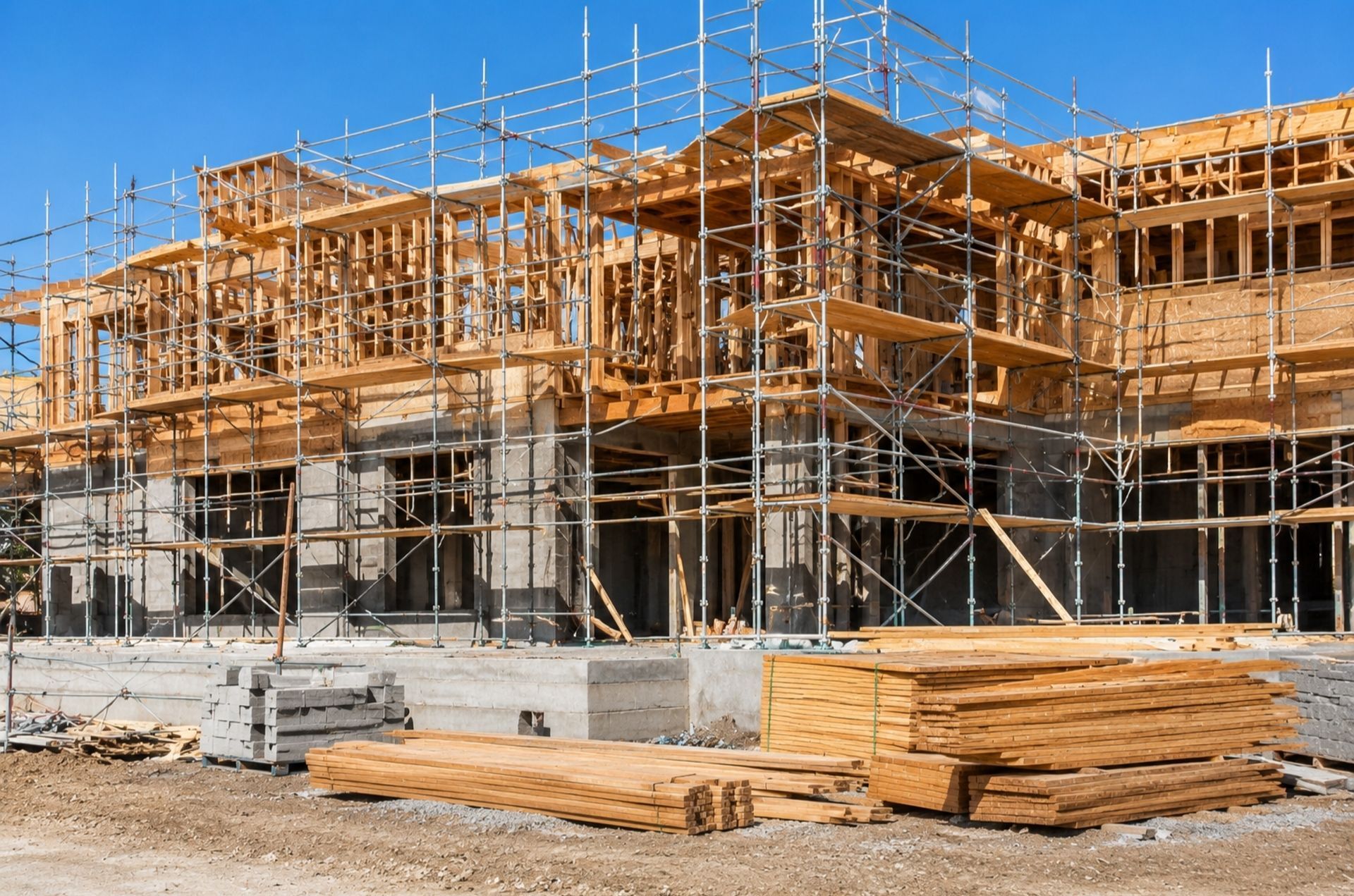
A contractor on a busy Los Angeles job site recently learned the hard way that even minor miscalculations in risk can have significant repercussions on premiums and claims. When wildfire-prone areas and evolving construction techniques combine, the insurance industry finds itself under mounting pressure to reexamine underwriting processes.
Insurance carriers in California are recalibrating underwriting standards as they face a complex blend of environmental risk, evolving construction technology, and market pressures. This article delves into the driving forces behind these changes, examines what they mean for construction professionals, and offers insights into mitigating potential exposures in a market that is rapidly shifting.
The tightening of underwriting guidelines has been fueled by real-time market data and dramatic events such as the catastrophic wildfire in Los Angeles earlier this year. For further details on this seismic shift of underwriting approaches, consider reading more on Insurance Journal.
Rising Exposure and Market Dynamics
The construction industry in California has historically been a complex risk environment. However, recent market trends have accelerated underwriting adjustments. One striking statistic indicates that surplus lines homeowners insurance transactions in California increased by 119% in the first half of 2025 compared to the same period in 2024 (Insurance Journal).
This surge reflects not only a heightened exposure to wildfire risk but also broader challenges associated with modern construction practices. Contractors are incorporating novel materials and technologies that, while offering improved efficiencies, introduce new hazards. The insurance industry is aware that these emerging exposures need to be factored into underwriting standards.
Underwriters are now reengineering their risk models to assess both traditional construction risks and the unsettled territory of high-tech building methods. The balance is delicate, as insurers must ensure rates are adequately priced without burdening contractors with unsustainable premiums.
Underwriting in the Wake of Catastrophic Events
Impact of Recent Wildfire Disasters
January 2025 will be remembered as a pivotal moment in the history of California’s insurance market. Los Angeles experienced its most catastrophic wildfire disaster, where over 50,000 acres burned and more than 16,000 structures were lost, leading to insured losses between $35 billion and $45 billion (McKinsey & Company). Such massive losses have pressured insurers to further tighten underwriting guidelines.
The event has underscored the potential financial impact of extreme weather events and the unpredictable nature of wildfire risks. Premiums for construction projects in wildfire-prone areas have seen marked increases, reflecting the need for enhanced risk assessment models that are responsive to environmental volatility.
Insurance companies are recalibrating premiums and coverage terms to better match the high-risk environment. Insurers must now consider local wildfire histories and future projections as part of their underwriting risk assessments.
Adjustments in Policy and Rates
A recent report on the state of the market in construction parts of California shows that excess underwriters are broadly seeking rate increases between 7% and 15%, with some spikes above 20% for distressed risks (AmWINS). These adjustments aim to better reflect the escalating risk profile in the construction industry and to sustain an environment where insurers can continue to operate responsibly.
Rate increases are not merely a reaction to accumulation of wildfire incidents. They also stem from a reassessment of historical loss data faced by insurers over recent years. Insurance professionals see it necessary to continually review underwriting parameters to ensure they remain reflective of modern risks, unlike the outdated models that have previously dominated the industry.
Though higher rates may burden contractors and developers, the revised underwriting models are designed to bridge the gap between risk exposure and adequate insurance coverage. The market must navigate between offering competitive rates and ensuring enough coverage is provided to sustain recovery efforts during disasters.
The Role of Technological Advancements and New Construction Methods
Building materials and construction techniques have evolved drastically in recent years, altering the traditional risk profiles. New materials, while often more sustainable and efficient, sometimes do not react predictably under stress conditions such as those during a wildfire or seismic event. Jessica Fryer, Chief Underwriting Officer at Special Risk Insurance Managers, remarked that “We are seeing additional exposures. Contractors are having to deal with a lot of new materials and technologies, increasing efficiencies in some areas but also leading to additional exposures” (Insurance Business).
Such exposure changes mean that insurers are forced to rethink their exposure models. Traditional underwriting methods are less effective when faced with the sophisticated nuances of today’s construction methods. Insurance carriers now collaborate with construction professionals and engineers to better understand how modern building practices affect long-term risk exposure.
This deeper collaboration often results in adjustments to policy terms and more comprehensive risk reviews. Insurers strive to incorporate detailed inspections and performance monitoring into their underwriting processes, ensuring that the safety enhancements are balanced with appropriate pricing strategies.
Mitigation Strategies and the Drive Towards Resilience
As risks continue to evolve, mitigation strategies have become a central feature in underwriting rules. Structural and vegetation modifications have shown promising results in reducing wildfire risk. A study by the National Association of Insurance Commissioners discovered that structural modifications can reduce wildfire risk by 40% and, when combined with vegetation modifications, reduce risk by as much as 75% (CalMatters).
Given these findings, many carriers are encouraging builders and property owners to invest in mitigation measures. Techniques like defensible space creation, fire-resistant materials, and advanced monitoring systems are being actively promoted as part of risk control programs.
The shift in underwriting practices is increasingly tied to the performance of these mitigation strategies. Insurance companies may offer premium discounts or more favorable policy terms to projects that incorporate robust hazard reduction methodologies, creating a financial incentive to properly mitigate risks.
Integrating Technology and Smart Building Systems
Smart building systems and other technological advancements have provided both opportunities and challenges in modern underwriting. Advanced sensor networks, fire-alarm systems, and automated building controls contribute to early detection of fire hazards. However, when integrating these systems, insurers must also assess the potential for new types of technological failure that could expose policyholders to additional risks.
Insurers have started to work closely with tech providers to assess risk mitigation benefits as well as potential drawbacks. These advancements require continuous education, updated risk assessments, and detailed underwriting audits that address both cyber and physical risk components.
Through this approach, underwriters develop a clearer picture of the construction project's overall risk profile while ensuring that smart technologies yield tangible safety benefits rather than purely cosmetic improvements.
Impact on Construction Industry Pricing and Policy Structures
The cumulative impact of these changes is evident in overall policy pricing and the design of coverage offerings. Facing both increased exposure and catastrophic loss potential, carriers have adjusted policy structures to better distribute risk.
A key influence on pricing is the accelerated rate hikes seen in the market for construction-related policies. According to a recent industry report titled “State of the Market: Construction H1 2025,” excess underwriters are seeking upward adjustments of between 7% and 15%, with some distressed risks requiring even steeper increases (AmWINS).
This pricing reality forces both large commercial projects and smaller construction firms to rethink their risk management strategies. Projects that had previously relied on static underwriting criteria are now re-evaluating every stage of construction for potential risk exposure.
Changes in Policy Coverage and Limit Enhancements
In response to broad market trends, insurance carriers are gradually shifting towards policies that carry higher limits and more stringent terms. Many carriers are now requiring robust risk management protocols in exchange for more favorable coverage terms. The revised policies often demand frequent property inspections and rigorous documentation of risk control measures, resulting in a more proactive engagement between insurers and insured parties.
This increased scrutiny has reshaped the commercial landscape. Extended coverage options are emerging as standard rather than exceptions, helping to protect against the cascading risks of wildfires and technological failures in construction projects.
Rate adjustments and changes in coverage structures are now common parlance, leading to an environment where both risk mitigation and detailed compliance checklists are as important as construction quality. Policyholders are encouraged to be proactive, knowing that underwriters are more vigilant than ever.
Insurance Coverage Trends in Construction Versus Homeowners Policies
While construction-specific underwriting is tightening, a parallel trend is evident in other sectors like homeowners insurance. The California FAIR Plan, for instance, has seen total exposure nearly quintuple over the past five years, reaching $700 billion with approximately 650,000 policies and around $2 billion in premiums collected as of September 2025 (McKinsey & Company). This surge underlines the broader shift toward risk-sensitive underwriting across different insurance lines.
For the construction sector, the emphasis on detailed inspections, higher policy limits, and stricter risk management standards is a natural extension of trends seen in homeowners policies. Both segments face similar challenges from wildfire risks and require innovative underwriting adjustments to remain sustainable.
These parallel trends ensure that the insurance market is continuously evolving, with carriers prioritizing both quality underwriting and dynamic risk management processes.
Strategies for Construction Professionals to Mitigate Underwriting Challenges
For construction professionals, the tightening of underwriting standards does not equate to an insurmountable hurdle. Instead, it encourages industry players to take proactive steps in mitigating risks. Embracing comprehensive risk management strategies can lead to better coverage terms and even lower premiums in a highly competitive market.
Implementing fire-resistant materials, investing in advanced building technology, and establishing rigorous on-site safety protocols are measures that help bridge the gap between construction innovation and risk exposure. These steps not only safeguard projects but also align with the evolving expectations set by insurers.
Contractors and developers who demonstrate a commitment to continuous improvement in risk management can often negotiate more favorable underwriting terms, thus benefiting from potential premium discounts or improved claims processing.
Prioritizing Comprehensive Inspections and Maintenance
Frequent inspections and up-to-date maintenance records have become cornerstones of acceptable risk management practices. Detailed monitoring allows for early detection of potential hazards, ensuring that any necessary remediation is promptly addressed. Insurers look for evidence that properties are maintained in accordance with the latest safety standards before extending coverage.
A well-documented maintenance routine coupled with inspections can significantly reduce perceived risk. This proactive approach gives carriers greater confidence in the insured property and can lead to policy adjustments that reflect lower residual risk.
Insurance actuaries and underwriters increasingly favor policyholders who invest in thorough risk management protocols. The difference can mean more than just improved coverage-it can contribute to the stability and resilience of the overall project.
Training and Education for On-Site Managers
It is critical for on-site managers and supervisors to stay informed about the latest risk mitigation techniques and building codes. Training programs focused on safety and modern construction practices ensure that every project adheres to current underwriting requirements. Such initiatives benefit both the insurer and the insured by reducing the likelihood of claims.
A structured approach to employee training is a practical way to meet insurers’ evolving expectations. By investing in education and continuous professional development, construction firms can build a culture of safety and accountability on every job site.
This strategy not only minimizes exposure to hazards but also creates a more resilient workforce capable of adapting to future changes in underwriting standards.
Assessing the Long-Term Implications for the Insurance Market
The rapid pace of change in underwriting practices reflects a broader shift in how risk is assessed in California, particularly within the construction sector. Carriers are responding to both external events-such as wildfires and evolving construction techniques-and internal market pressures, including higher loss ratios and compliance challenges.
Insurance companies face a delicate balance between maintaining competitive premiums and ensuring that adequate risk controls are in place. The evolving approach to underwriting is driven not only by recent catastrophic events, but also by predictive models that incorporate both historical data and future risk scenarios. As these models improve, so does the accuracy of premium pricing, albeit at higher upfront costs for insured parties.
This approach may prompt a long-term industry shift where continuous improvements in risk mitigation become the norm rather than the exception. The market is gradually moving away from static risk assessments and embracing dynamic underwriting practices that evolve in real time with emerging threats.
Environmental Regulations and Financial Stability
Regulatory frameworks continually evolve to reflect the new risk landscape. Recent trends indicate that general liability rates in California may increase by 5-10% throughout 2025. This change is largely attributable to a confluence of regulatory constraints, wildfire risk, and a high-frequency litigation environment (C3 Insurance). Such regulatory influence pushes insurance companies to adopt more rigorous underwriting criteria to protect their balance sheets and ensure financial stability.
Many carriers are actively engaging with regulators and industry experts to develop standards that fairly reflect both risk exposure and market realities. Policies are being tailored to comply with updated legislation while still providing meaningful risk coverage. Such adjustments ensure that carriers remain solvent amid claims surges while preserving market access for construction projects.
Balancing compliance with the need for competitive offerings requires insurers to continuously adapt, investing in both sophisticated data models and detailed on-site risk assessments.
The Future of Underwriting in a Changing Climate
The increasing frequency of natural disasters, compounded by shifting climate patterns, signals that underwriting standards are likely to become even tighter in the foreseeable future. As insurers incorporate more granular data regarding local weather patterns, construction practices, and even vegetation management, underwriting models will become more predictive and comprehensive.
This trend carries implications beyond just premium pricing, affecting how risk managers plan for future projects and allocate budgets towards risk mitigation versus direct construction costs. In turn, this creates an environment where proactive risk management and continuous improvement play key roles in ensuring long-term financial stability.
The shift toward tighter underwriting also means that construction professionals must be more diligent in their risk management practices, understanding that every detail-from material selection to on-site safety protocols-can have significant financial implications if neglected.
Comparative Analysis: Traditional versus Modern Underwriting Approaches
Understanding the Differences
The evolution in underwriting has led to discernible differences between traditional and modern approaches. Traditional underwriting often relied on historic claims data and general assumptions about construction risks. In contrast, modern underwriting in California integrates real-time data, technological evaluations, and a stronger emphasis on environmental factors.
The table below provides a side-by-side comparison that outlines key differences between these two methodologies.
| Aspect | Traditional Underwriting | Modern Underwriting |
|---|---|---|
| Data Sources | Historic claims and basic inspections | Real-time data, predictive models, and advanced inspections |
| Risk Factors | Generalized risk categories | Granular factors including wildfire risk, material resiliency, and local environmental conditions |
| Policy Adjustments | Static terms during policy issuance | Dynamic terms reflecting current risk assessments and potential mitigation efforts |
| Technology Integration | Minimal use of modern tech | Utilizes smart sensors, building monitoring systems, and data analytics |
| Premium Calculation | Based on standard factors with limited modulation | Incorporates real-time environmental and technological data for refined pricing |
This comparison clearly illustrates why modern underwriting practices are better suited to today’s construction environment. Carriers are investing more in sophisticated data models and adaptive inspections to ensure that policies are reflective of the actual risks present in a rapidly changing market.
Challenges and Opportunities for Industry Stakeholders
The tightened underwriting framework poses challenges for both insurers and those purchasing coverage. For insurance providers, the increased scrutiny means investment in technology, training, and new data sources. For construction professionals and developers, the challenge is to meet these high standards without significantly inflating costs.
Opportunities arise, however, from a willingness to innovate and adopt rigorous risk management strategies. Contractors who proactively address potential hazards can negotiate better terms, reducing not only premium costs but also the likelihood of policy disputes when claims arise. In essence, the evolving landscape creates a win-win scenario where both insurers and policyholders benefit from improved safety and enhanced transparency.
Promptly integrating these modern underwriting principles can foster long-term resilience, as high-risk exposures are minimized and more accurate risk pricing techniques are deployed. By understanding the underlying drivers of rating increases, construction professionals can better navigate the intricate insurance landscape.
Balancing Cost and Value in Coverage Choices
One of the most critical challenges for construction professionals is striking a balance between cost and the level of coverage. Essentially, contractors must decide how much to invest in risk mitigation measures versus the potential increase in insurance premiums associated with modern underwriting requirements.
Investments in fire-resistant construction materials, advanced monitoring systems, and thorough maintenance protocols may seem expensive upfront, but they can lead to significant savings over time. Well-documented risk reduction efforts often translate to more favorable underwriting terms and, in some cases, premium discounts.
This balance is a crucial determining factor in a project's overall financial performance, particularly when unforeseen events generate significant claims. Hence, understanding the trade-offs between upfront risk mitigation investments and long-term insurance savings is essential.
Looking Ahead: What Construction Professionals Should Expect
As California’s insurance landscape continues to evolve, construction professionals must remain agile and well-informed about underwriting trends. Expect that insurers will continue to rely on increasingly sophisticated data models and risk assessment techniques as technology advances and environmental challenges compound over time.
The future likely holds more nuanced underwriting criteria that consider a wide range of variables from construction methods to local climate data. For those in the construction industry, adapting early to these changes means investing in the right technology, training staff rigorously, and keeping meticulous records of risk management efforts.
These proactive measures not only prepare contractors for potential rate hikes but also foster a culture of safety and resilience that can attract better insurance terms over the long haul. With the continuous refinement of risk models, the industry is poised for a paradigm shift where ongoing improvement is not optional-it is essential.
Adapting to a Dynamic Insurance Environment
There is no doubt that today’s construction market requires a proactive stance. As environmental factors become more severe and construction techniques continue to change, the ability to adapt will determine success in managing costs and ensuring project continuity.
Construction professionals should look to partner with insurers who are transparent and forward-thinking in their underwriting practices. By collaborating closely with carriers on risk assessment and mitigation strategies, contractors can not only meet but exceed underwriting expectations.
The adjusted risk models are here to stay, urging every project owner and contractor to embed resilience and strategic planning into their operational framework.
Frequently Asked Questions
The following questions address common concerns about the tightening underwriting standards in the California construction market.
Q: Why has the underwriting process in California construction become more stringent?
A: Due to rising wildfire risks, the integration of new construction materials, and evolving market pressures, insurers have had to reevaluate their risk models to better match current hazards (Insurance Journal).
Q: How do catastrophic events like wildfires affect underwriting standards?
A: Catastrophic events such as the Los Angeles wildfire in January 2025, where insured losses were projected between $35 billion and $45 billion, drive insurers to tighten underwriting criteria and adjust premiums to ensure financial stability (McKinsey & Company).
Q: What steps can contractors take to mitigate the impact of rising premiums?
A: Contractors can invest in risk mitigation strategies such as fire-resistant materials, advanced monitoring systems, regular inspections, and thorough maintenance protocols to demonstrate lower risk and possibly secure premium discounts.
Q: How do modern underwriting practices differ from traditional methods?
A: Modern underwriting relies on real-time data and sophisticated risk models that incorporate environmental factors and technological advancements, whereas traditional underwriting focused more on historical data and generalized risk assessments (AmWINS).
Q: Will these changes affect only construction policies or other lines of insurance in California as well?
A: While construction policies are currently experiencing significant changes, similar trends are evident in homeowners and general liability policies as insurers adjust to the evolving environmental and financial landscape (C3 Insurance).
Q: Are there incentives for contractors who implement robust risk mitigation measures?
A: Yes, many insurers offer premium discounts and improved coverage terms for contractors who adopt high-standard safety protocols and proactive risk management strategies, demonstrating a commitment to mitigating potential exposures.
Wrapping Things Up
The landscape of underwriting in California’s construction industry is being reshaped by heightened environmental risks, technological advancements, and regulatory updates. With dramatic increases in exposure-evidenced by the 119% surge in surplus lines homeowners insurance transactions (Insurance Journal)-the insurance market is evolving to meet a more challenging risk profile.
Understanding these changes is crucial for construction professionals and insurers alike. As underwriting models become more sophisticated and dynamic, both parties must invest in the necessary risk mitigation measures and technology to remain competitive and secure. The trend is clear: proactive risk management is not just a best practice but a critical component for long-term sustainability in a volatile environment.
Looking ahead, the everyday realities of construction in California will continue to be influenced by environmental changes and technological innovation. Staying abreast of these developments, adopting modern safety standards, and engaging with transparent insurance partners can make a significant difference in managing cost while ensuring robust protection for projects.
In this dynamically shifting environment, taking deliberate steps to reduce exposure and demonstrating a commitment to safety is essential. Insurance carriers will continue to refine underwriting criteria as they integrate evolving data sources and predictive models. For construction professionals, staying informed, proactive, and prepared will help navigate the tightening insurance landscape successfully.